
I remember the absolute panic I felt when I noticed a deep, jagged fracture on my retriever’s paw, realizing it was a dog cracked nail no bleeding but still looking incredibly fragile. I was terrified of making it worse with heavy metal clippers, but discovering the whisper-quiet Zenpaw Maxpro Grinder completely changed how we handle our grooming routine, transforming a stressful ordeal into a calm, painless moment of bonding that kept his paws healthy and secure.
Maxpro 3-in-1 Grinder.
Stress-Free Nail Trimming.
Whisper-quiet DC motor (<40 dB) eliminates fear & discomfort. Features 3 ports, dual speeds, and 7-hour battery life. Safe, precise, and painless.
In This Article
- Understanding Canine Nail Anatomy: Learn how to identify the outer shell versus the sensitive inner quick.
- Non Bleeding Split Nail Home Care: Discover the step-by-step process to stabilize and smooth a cracked claw safely.
- Desensitization and Grinding Techniques: Master the art of using a quiet grinder to maintain healthy claws without stress.
- Preventive Hygiene Protocols: Prevent dirt packing and secondary nailbed issues using expert grooming tips.
Does a Dog Cracked Nail with No Bleeding Require a Vet? Here is the Complete Expert Breakdown
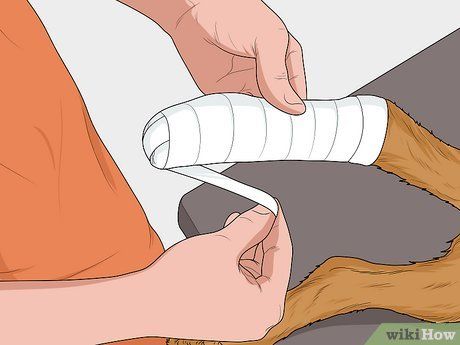
When your canine companion experiences a structural split in their claw that does not produce any active hemorrhaging, you are likely wondering what caused this issue and whether you must visit an emergency clinic. As professional groomers, Team Zenpaw often encounters this precise scenario when parents notice a clean line running down the claw during a routine paw massage or after a high-speed play session in the yard. This type of damage typically occurs when brittle keratin structures collide with hard outdoor surfaces like concrete, causing a clean physical split without tearing the sensitive, capillary-rich tissue known as the quick. Because the nerve-dense inner core remains protected by the unpeeled outer shell, this situation can usually be managed safely at home if you know how to stabilize the structural gap and prevent debris from lodging inside. However, you must always monitor the toe closely for signs of secondary irritation, local warmth, or sudden limping, which would indicate that bacteria have entered the crevice and require veterinary-prescribed support. To handle this delicate situation with maximum safety and zero pain, we highly recommend utilizing the Zenpaw Maxpro Grinder to gently smooth out the jagged edges before they snag on your home carpets — explore it here.
To resolve this issue immediately without causing your pet any sudden discomfort, you should begin by gently washing the affected paw in lukewarm water to clear away any microscopic debris trapped within the split. Next, inspect the nail carefully under a bright light to determine if there is a loose, flapping piece of shell that could catch on fabric and tear open the delicate quick. If a small piece of the outer shell is completely detached and hanging loose, you can use specialized pet grooming tools to carefully trim away only the dead, non-sensory outer layer. Once the loose piece is safely removed, you must use a precision filing tool to smooth down all remaining sharp edges until the nail profile is completely flush. Finally, apply a pet-safe antiseptic ointment to the area and consider wrapping the paw loosely in a clean, breathable bootie to prevent your dog from licking the site during the initial recovery phase.
99-Day 100% Money-Back Guarantee
“Ever since we started using the Zenpaw Maxpro Grinder, it’s been such a peaceful experience. It’s very quiet, and my dog actually relaxes. It’s turned our stressful sessions into quick, quiet grooming times.”
— Sarah M. | ✔ Verified Customer
- ✓ Prevents Infection & Splitting
- ✓ Ideal for All Dog Sizes
- ✓ Low-Vibration Technology
- ✓ Fast 2-7 Days Delivery
Need Support? Call 302-307-1000
Canine Nail Anatomy: The Science of a Cracked Dog Claw Without Blood
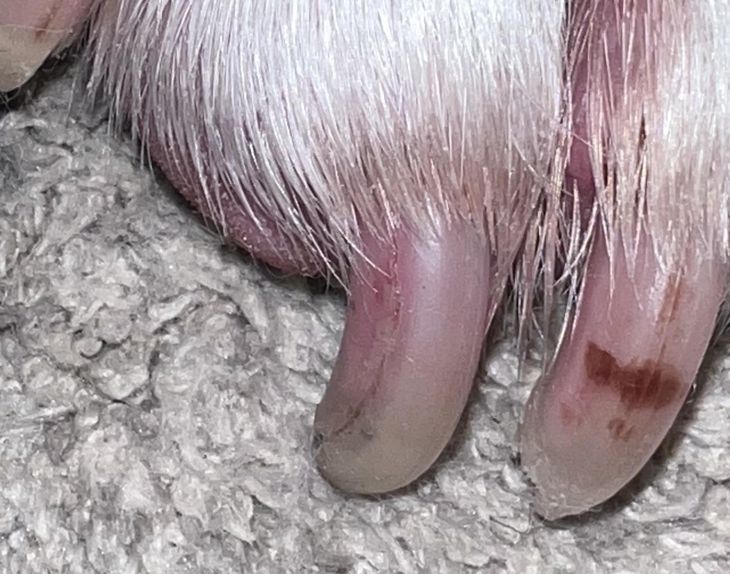
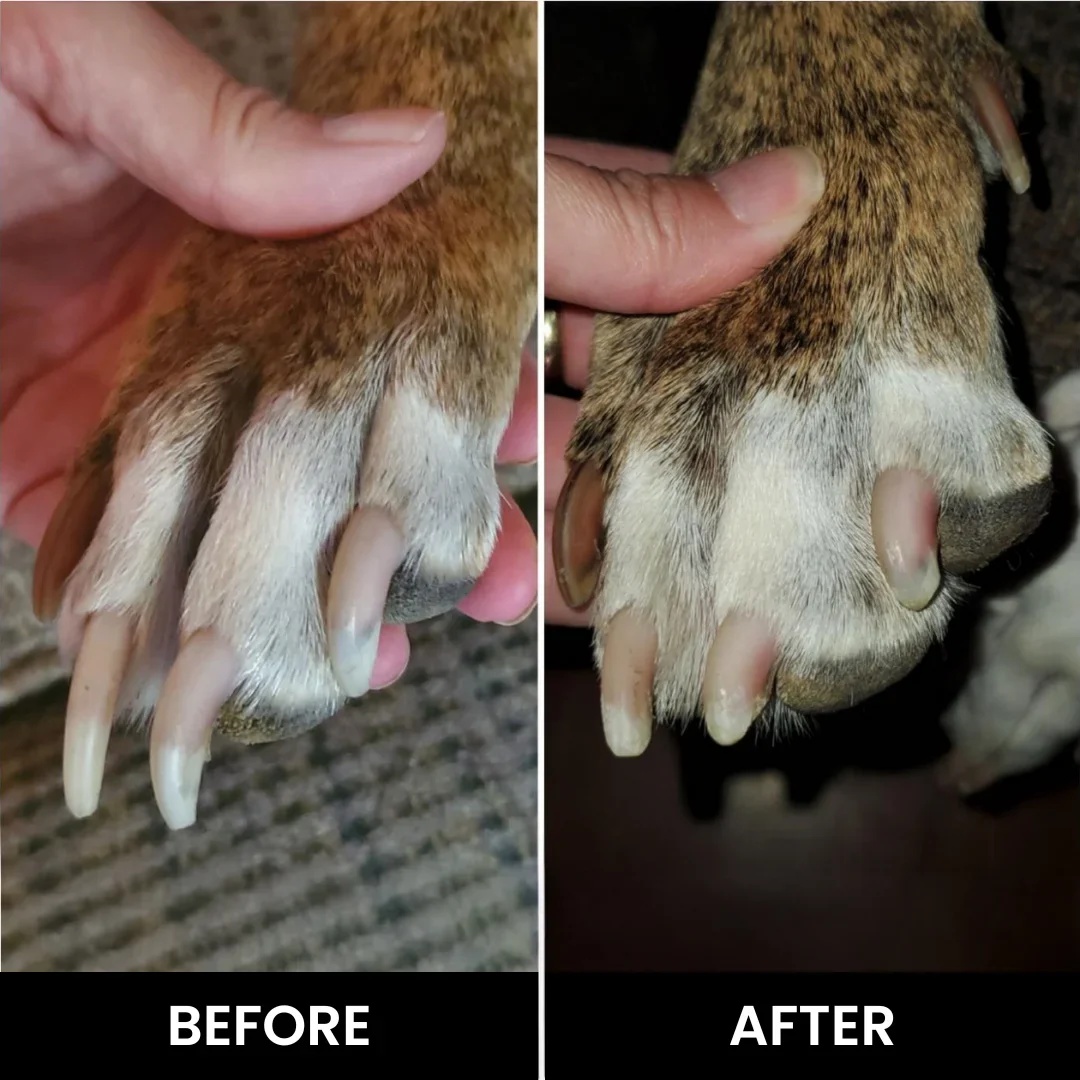
Understanding how your dog’s paws interact with the ground is crucial for active pet parents.
The outer shell of a canine nail consists of a highly dense protein layer called keratin.
This protective shield surrounds the live tissue underneath, which contains a network of sensitive nerves and blood vessels.
When you look closely, you must identify what is the spot to cut a dogs nail to avoid causing sudden pain.
A cracked dog claw without blood occurs when only the insensitive outer keratin layer splits.
This structural failure often results from walking on abrasive surfaces like concrete or gravel.
Environmental dryness can also make the claw structure highly brittle over time.
Many owners ask why do my dogs nails split when i cut them during routine grooming sessions.
The primary culprit is often the excessive pressure exerted by dull, heavy-duty metal clippers.
These traditional tools crush the hard keratin fibers rather than cleanly cutting through them.
This crushing force creates tiny micro-fractures that spread upwards toward the nailbed.
Over time, these minor fissures expand into deep vertical cracks during daily play.
Fortunately, a non-bleeding split means the inner quick remains physically intact and unexposed.
This structural protection gives you an excellent opportunity to manage the claw safely at home.
You do not need to panic or rush immediately to an emergency clinic.
Instead, you should focus on stabilizing the split so it does not migrate further.
Left unmanaged, even a minor split will eventually snag on carpets or grass.
This sudden leverage can violently tear the entire nail away from the soft nailbed tissue.
Preventing this escalation is the core objective of proactive canine claw maintenance.
By using modern, low-vibration filing tools, you can easily restore structural integrity at home.
Preventive Care and Complications: Managing a Dog Split Nail with No Bleeding Safely
Managing a split claw requires constant vigilance to prevent secondary complications.
Even though there is no active hemorrhaging, the open crack is a gateway for microbes.
Dirt, mud, and outdoor organic matter can easily pack deep inside the physical split.
Once bacteria become trapped under the warm keratin shell, they multiply very rapidly.
This bacterial buildup can quickly escalate into a painful infection of the nailbed.
If you notice redness, swelling, or clear warmth around the toe, act immediately.
You should research home remedies for dog nail bed infection to alleviate mild swelling safely.
A warm soak in diluted water can help cleanse the micro-cracks effectively.
However, you must keep the paw thoroughly dry after any therapeutic liquid soak.
Moisture left inside a split claw can actually encourage fungal growth.
To prevent dirt from packing in, keep your pet on clean indoor surfaces during recovery.
You should temporarily avoid taking your companion to muddy dog parks or sandy beaches.
Inspect the affected digit daily using a magnifying glass under strong lighting.
Look for any subtle shifts in your companion’s daily walking patterns.
A slight limp or excessive licking of the paw indicates underlying throbbing pain.
If these behavioral signs manifest, consult a veterinary professional for advice.
Our team at Zenpaw emphasizes that prevention is always superior to reactive care.
Keeping the claws at a healthy, short length naturally reduces leverage forces during movement.
Shorter nails are far less likely to collide violently with hard obstacles.
Regular, gentle maintenance with a whisper-quiet tool ensures the claws remain perfectly rounded.
Step-by-Step Non Bleeding Split Nail Home Care: Grinding Techniques

Safely addressing a non-bleeding split requires a structured, calm behavioral approach.
You must never rush the process, especially if your companion is already anxious.
Start by placing your dog in a comfortable, well-lit area of your home.
Have high-value rewards ready to create a positive association with paw handling.
Gently hold the paw, separating the affected toe from the surrounding digits.
If you are wondering can you cut dog nails with wire cutters, the answer is an absolute no.
Standard household tools exert uneven lateral pressure that will instantly shatter brittle keratin.
Instead, you must use a dedicated pet tool like the Zenpaw Maxpro Grinder.
Introduce the device to your companion slowly while it is completely turned off.
Let them sniff the tool and reward them with small treats for their curiosity.
Next, turn on the whisper-quiet motor to let them adjust to the soft hum.
The Zenpaw Maxpro operates under 40 decibels to minimize any auditory startle response.
This whisper-quiet design is highly beneficial for rescue animals with deep grooming trauma.
Once your dog is relaxed, gently touch the rotating head to a healthy nail first.
Work in short, gentle intervals of two to three seconds to prevent heat buildup.
When you reach the split claw, hold the grinder at a precise 45-degree angle.
Slowly grind down the jagged outer shell above the crack in a sweeping motion.
Move the tool away from the toe frequently to check your progress.
Your primary goal is to smooth away the sharp edges that could snag on fibers.
Do not attempt to grind the entire nail down to the skin in one single session.
Gradual reduction is the safest path to a healthy, fully stabilized claw.
If you find this process daunting, you might research in home dog nail trimming near me for local assistance.
However, most pet parents find they can master this task easily at home with proper tools.
Completing this at home saves significant financial resources over the course of a year.
More importantly, it strengthens the deep bond of trust between you and your dog.
Risks of Using Dull Scissor Clippers on Compromised Claws
Using traditional scissor clippers on a pre-existing split is a recipe for disaster.
These manual tools function by squeezing the nail from both sides until it cuts.
This intense squeezing motion forces the split to unzip further up the nail shaft.
It can instantly turn a painless, dry split into a bleeding emergency.
Dull blades are particularly dangerous because they slip off the rounded keratin surface.
A sudden slip can pinch the sensitive skin of the surrounding toe pad.
The resulting pain can permanently destroy your companion’s willingness to be groomed.
Rushing through the grooming process is another extremely common mistake to avoid.
You must work patiently, prioritizing precision over rapid speed.
The Zenpaw Maxpro Grinder eliminates these severe physical risks entirely.
It uses a diamond drum bit that gently wears away keratin layers one micro-millimeter at a time.
This gradual filing method prevents any sudden shock or crushing forces.
It allows you to pause instantly if your dog shows any signs of mild discomfort.
Investing in a specialized tool ensures you never have to deal with accidental bleeding.
It turns a high-risk medical gamble into a controlled, safe aesthetic touch-up.
Frequently Asked Questions About Managing Dry or Cracked Dog Nails
Is the Zenpaw Maxpro Grinder safe for extremely large dog breeds?
Yes, the Zenpaw Maxpro is engineered to handle all canine breeds and sizes safely.
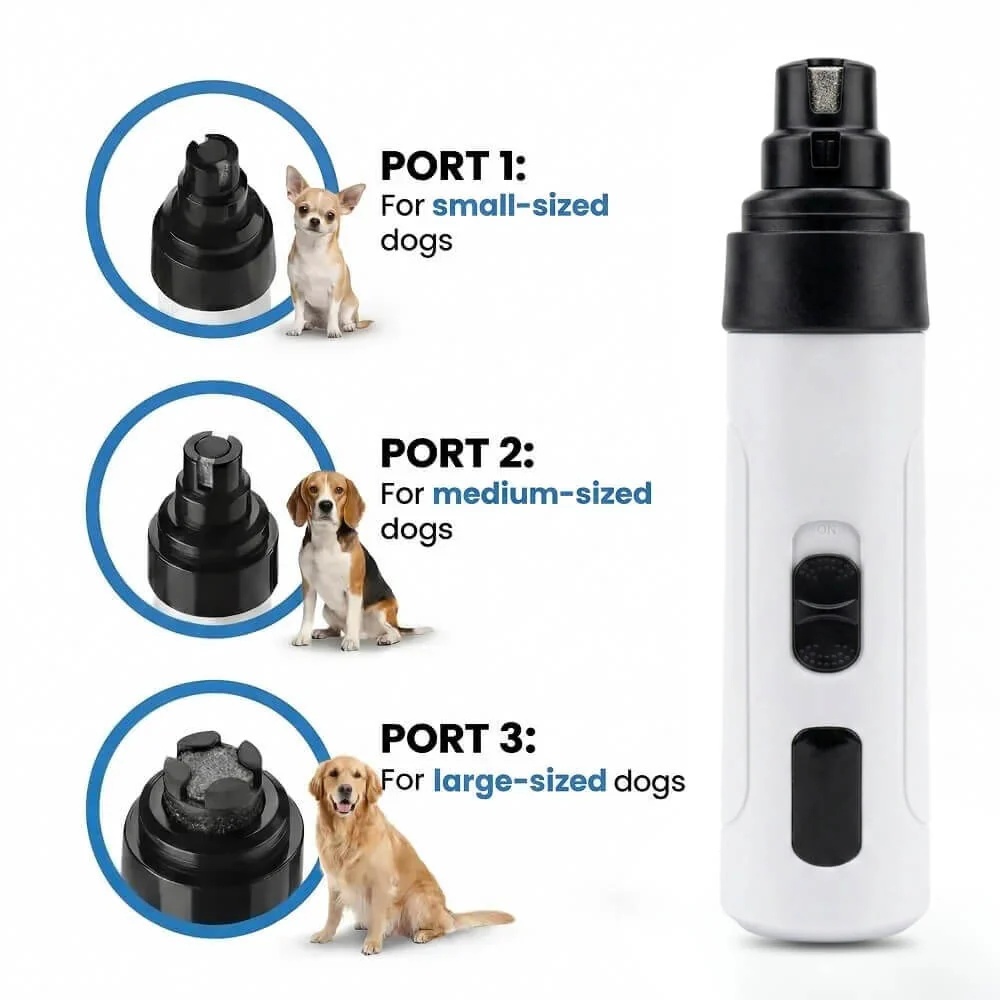
The device features three distinct port openings designed for different claw dimensions.
You can use the small or medium ports for quick, precise puppy maintenance.
For giant breeds with thick, heavy nails, simply remove the protective cap entirely.
This exposes the full surface of the heavy-duty diamond grinding wheel.
It easily files down even the toughest keratin without stalling the powerful motor.
How long does the battery last on a single charge?
The Zenpaw Maxpro is equipped with a high-capacity, rechargeable lithium-ion battery.
It delivers up to seven hours of continuous runtime on a single full charge.
This extended life means you rarely have to worry about the device dying mid-session.
You can easily charge the device using any standard USB port or power brick.
The long-lasting battery makes it highly convenient for multi-pet households.
It provides consistent power output even as the charge level gradually decreases.
Which speed setting is best for smoothing out a cracked nail?
We recommend utilizing the low-speed setting when addressing a compromised claw.
The low-speed setting offers maximum control and minimizes physical vibration.
This gentle approach reduces the risk of aggravating the existing split.
Once the sharpest jagged edges are smoothed down, you can switch to high speed.
The high-speed setting is perfect for overall shortening of the remaining healthy claws.
Always let your dog guide the pace by observing their behavioral cues closely.
Does the grinding head get hot during extended grooming sessions?
The Zenpaw Maxpro utilizes advanced low-heat technology to prevent thermal discomfort.
Standard pet grinders can heat up rapidly, causing a sharp burning sensation on the quick.
Our specialized diamond wheel is designed to dissipate friction heat highly efficiently.
However, you should still avoid holding the wheel on one nail for more than three seconds.
Using short, sweeping strokes is the best professional practice for safe home grooming.
This technique keeps the claw cool and comfortable throughout the entire session.
What should I do if the nail starts bleeding unexpectedly?
If you accidentally nick the quick, you must remain completely calm first.
Dogs can sense human panic, which will immediately elevate their anxiety levels.
Apply a generous pinch of styptic powder directly to the bleeding tip with firm pressure.
If you do not have styptic powder, clean cornstarch or baking soda works well.
Hold the powder in place for at least sixty seconds to allow a secure clot to form.
Keep your pet resting quietly for a few hours to ensure the bleeding does not resume.
Conclusion
Ready to transform nail trimming from a battle into a breeze? Explore the Zenpaw Maxpro 3-in-1 Grinder. Call: 302-307-1000 — our team can help you advise on the best grooming practices and help with any product questions.
Note: Individual results may vary depending on individual dog breeds, nail thickness, and behavioral temperaments. This article is intended for general pet grooming reference purposes only and does not replace professional veterinary advice.