I still remember the heart-wrenching whimper when my golden retriever caught his paw on the deck stairs, leaving me staring in panic at what looked like a painful dog dislocated toe nail. Feeling completely helpless as he limped away, I realized how easily traditional clippers can slip and twist a dog’s fragile joints, which is exactly why our team at Zenpaw created a gentle, whisper-quiet grinding solution to keep your companion’s paws healthy and completely stress-free.
Maxpro 3-in-1 Grinder.
Stress-Free Nail Trimming.
Whisper-quiet DC motor (<40 dB) eliminates fear & discomfort. Features 3 ports, dual speeds, and 7-hour battery life. Safe, precise, and painless.
In This Article
- How to spot the primary indicators of a dislocated claw or toe joint in domestic dogs.
- Crucial anatomical differences between simple nail tears and deep joint dislocations.
- Why brittle nails associated with systemic conditions can predispose your dog to painful joint injuries.
- Professional veterinary alignment procedures and what to expect during recovery.
- Step-by-step desensitization and grooming techniques utilizing the quiet Zenpaw Maxpro Grinder.
Does Your Pup Have a Dog Dislocated Toe Nail? Here Is How to Spot the Injury
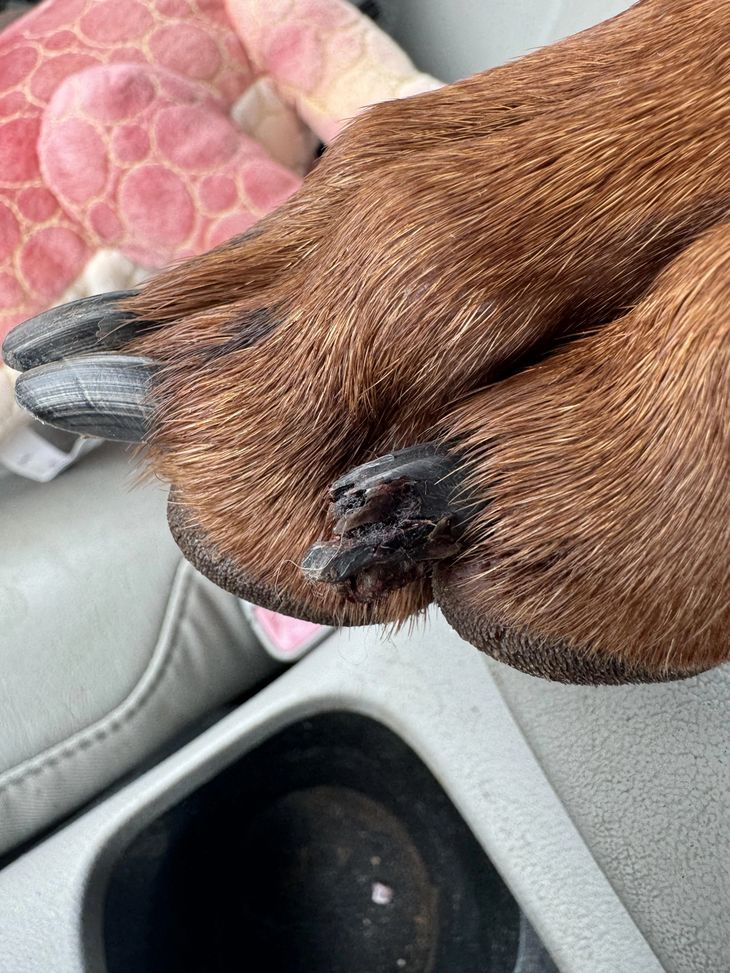
Recognizing a dog dislocated toe nail requires a careful and systematic observation of your dog’s posture, gait, and daily behavioral changes.
This painful injury typically occurs when a dog’s claw accidentally snags on thick carpeting, outdoor tree roots, or weathered wooden deck boards, instantly transferring extreme rotational force to the digital joint.
You will most likely observe your dog suddenly holding their affected paw completely off the ground or limping heavily during their daily walks.
Upon closer inspection of the paw, you may see that the entire nail structure sits at an unnatural, awkward angle compared to the neighboring healthy claws.
Swelling, heat, and noticeable redness around the cuticle and nail bed are primary physical indicators that manifest within minutes of the trauma.
Active dog breeds that run frequently on uneven outdoor terrain or dogs with excessively long, unmaintained claws are the most common victims of this joint displacement.
Addressing this injury promptly is vital because an unaligned digital joint can quickly lead to chronic gait imbalances, joint laxity, and premature arthritis.
To safely assist your dog when you suspect a dislocated toe, you must first secure them gently with a soft muzzle or have a family member hold them to prevent reflex biting.
Carefully illuminate the injured paw with a bright flashlight, being extremely careful not to touch, twist, or put any physical pressure on the highly sensitive joint.
If the area is bleeding actively, apply steady, gentle pressure with a sterile gauze pad or use a premium styptic powder to stem the blood flow safely.
Under no circumstances should you attempt to pull, snap, or manually realign the dislocated toe yourself, as this can severely worsen ligament tears.
Instead, restrict your pet’s physical activity immediately, place them in a comfortable, padded crate, and contact your local veterinary clinic for an emergency appointment.
If you want to manage regular nail maintenance safely at home to prevent future snags, the Zenpaw Maxpro Grinder provides painless, quiet filing — explore it here.
99-Day 100% Money-Back Guarantee
“Ever since we started using the Zenpaw Maxpro Grinder, it’s been such a peaceful experience. It’s very quiet, and my dog actually relaxes. It’s turned our stressful sessions into quick, quiet grooming times.”
— Sarah M. | ✔ Verified Customer
- ✓ Prevents Infection & Splitting
- ✓ Ideal for All Dog Sizes
- ✓ Low-Vibration Technology
- ✓ Fast 2-7 Days Delivery
Need Support? Call 302-307-1000
Analyzing Canine Paw Anatomy: Distinguishing a Dislocated Claw Joint in Dogs from Nail Tears

To truly understand how a dislocated claw joint in dogs differs from a simple torn nail, we must examine the complex skeletal architecture of the canine foot.
Each of your dog’s toes is supported by three distinct digital bones, anatomically referred to as the proximal, middle, and distal phalanges.
The distal phalanx, which sits at the very tip of the toe, is highly unique because it is shaped like a claw and directly supports the quick and the hard nail plate.
The joint connecting the middle phalanx to this distal phalanx is known as the distal interphalangeal joint, and it is held together by strong collateral ligaments on either side.
When extreme force pulls the claw sideways, these collateral ligaments stretch or tear completely, allowing the distal phalanx to slip entirely out of its socket.
This structural displacement is fundamentally different from a standard broken nail, where the underlying bones and joints remain perfectly aligned.
With a standard nail tear, the hard outer keratin shell splits or cracks, often exposing the vascular quick and causing significant pain.
This exposure frequently results in noticeable dog nail bleeding at cuticle base, which requires immediate clotting but does not involve joint damage.
You can easily distinguish between the two because a simple nail tear does not alter the physical direction or structural angle of the toe bone itself.
If the entire toe looks crooked, bent, or abnormally shortened, you are dealing with a true joint subluxation or complete dislocation.
Attempting to manage a dislocated joint as a simple broken nail can lead to long-term pain and permanent structural deformities.
Many pet parents wonder do dogs toenails grow back after falling off, and the answer depends heavily on whether the distal phalanx bone and nail bed remained undamaged.
When a joint is dislocated, the blood supply to the nail matrix can be temporarily compromised, which may affect future nail growth patterns.
This makes a precise veterinary evaluation and proper anatomical realignment absolutely essential for the long-term health of your dog’s paws.
By familiarizing yourself with this skeletal structure, you can better communicate with your veterinarian and provide the correct level of first-aid support.
Underlying Factors: Why Brittle Dog Nails and Thyroid Disease Increase Injury Risks
While sudden trauma is the direct cause of joint injuries, several systemic health factors can make your dog’s claws much more vulnerable to damage.
Healthy canine nails possess a natural degree of moisture and structural flexibility, which allows them to bend slightly under pressure.
When a dog runs, this natural elasticity helps absorb the impact, protecting the digital joints from excessive rotational stress.
However, underlying hormonal imbalances can severely interfere with the body’s ability to produce strong, healthy keratin fibers.
This is precisely why we often observe a direct link between brittle dog nails thyroid disease and chronic paw injuries.
Hypothyroidism reduces the overall metabolic rate, which impairs nutrient delivery to the hair follicles and nail matrices.
As a result, the nails become incredibly dry, flaky, hollow, and prone to splitting lengthwise at the slightest impact.
When a dry, brittle nail catches on a household fabric, it does not shear off cleanly like a healthy nail would.
Instead, the compromised nail behaves like a stiff wooden lever, transferring the full force of the snag directly into the distal interphalangeal joint.
This intense leverage easily tears the supporting ligaments, leading to a painful dislocation of the claw joint.
In addition to endocrine disorders, local cutaneous infections can also dramatically weaken the physical foundation of the claw.
A chronic dog nail yeast infection symptoms include red, swollen cuticles, a greasy brown discharge, and a distinct sweet odor around the paws.
This persistent fungal activity breaks down the surrounding skin barrier, allowing moisture and bacteria to invade the delicate nail bed.
Over time, the constant inflammation softens the root of the nail, making the entire toe structure highly unstable and sensitive.
If your dog has weak, compromised nails, even a simple walk on a flat sidewalk can result in a severe claw injury.
Managing these systemic conditions through proper diet, veterinary care, and targeted hygiene is the first line of defense against recurring joint trauma.
Veterinary Assessment: How Professionals Safely Realign a Dog Dislocated Toe Joint
If you suspect your dog has suffered a dislocated claw or toe joint, securing a prompt professional veterinary evaluation is absolutely paramount.
Attempting to manipulate the injured digit at home is incredibly dangerous and can cause severe, irreversible damage to the local nerves and blood vessels.
Upon arrival at the clinic, the veterinary medical team will first administer safe pain relief to ease your dog’s immediate distress.
They will then perform a detailed physical examination and recommend digital radiographs of the affected paw.
X-rays are crucial because they allow the doctor to confirm the exact direction of the dislocation and rule out any hidden bone fractures.
Once the skeletal structure is visualized, the veterinarian will usually place your dog under light sedation or a local nerve block.
Sedated states are necessary because the muscles surrounding the dislocated joint will naturally spasm and resist any manual realignment efforts.
With your dog safely relaxed, the veterinarian will apply gentle, steady traction to slip the distal phalanx back into its proper socket.
After the joint is successfully reduced, another X-ray may be taken to verify that perfect anatomical alignment has been restored.
The paw is then wrapped in a custom splint or a heavily padded bandage to keep the joint completely immobilized during the initial healing phase.
This protective wrapping must remain clean and dry, usually requiring a protective boot when your dog goes outside to eliminate.
The veterinarian will prescribe pet-safe non-steroidal anti-inflammatory medications to manage postoperative pain and keep swelling to a minimum.
You will need to restrict your dog’s physical activity completely, avoiding any running, jumping on furniture, or long walks for at least two to four weeks.
Strict adherence to these physical restrictions is vital because the stretched ligaments require quiet time to tighten and rebuild properly.
Regular follow-up appointments will ensure the joint remains stable and that no secondary infections develop within the nail bed.
Stress-Free Paw Maintenance: Restoring Comfort with the Zenpaw Maxpro Grinder
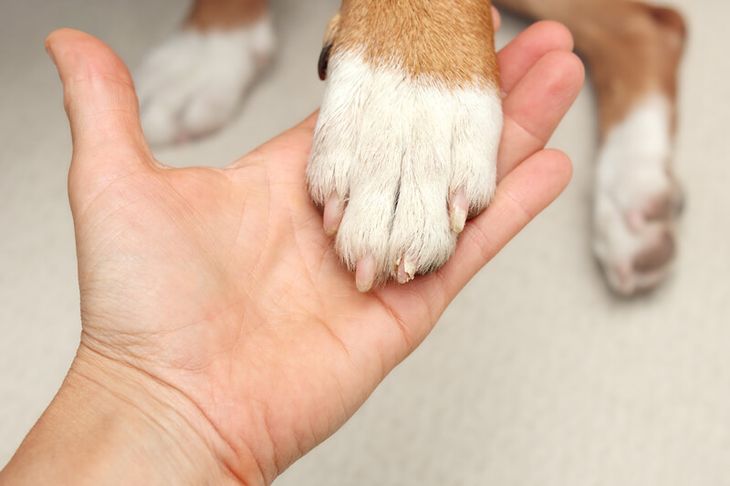
Once your dog’s toe joint has fully recovered, maintaining short, smoothly rounded nails is the single most effective way to prevent future snags.
However, if your dog has experienced a painful paw injury, they may be highly protective and anxious about anyone touching their feet.
Using traditional metal clippers can trigger intense fear because the loud clipping sound and sudden crushing sensation remind them of their past pain.
This is where our Zenpaw Maxpro Grinder becomes an invaluable tool, offering a gentle, whisper-quiet alternative to traditional grooming.
To successfully introduce the grinder to an anxious dog, you must use a slow, positive reinforcement-based desensitization protocol.
Begin by simply placing the turned-off grinder on the floor next to your dog’s favorite bed and placing tasty treats all around it.
This simple step helps your dog build a positive, stress-free association with the physical appearance of the grooming tool.
Next, hold the grinder in your hand and turn it on its lowest speed setting while standing several feet away from your dog.
Because our advanced DC motor operates at a whisper-quiet level under 40 decibels, it will not startle sensitive canine ears.
Reward your dog with high-value treats and warm praise while the motor is running, gradually moving closer as they remain calm.
Once they are completely relaxed with the sound, gently press the vibrating handle of the device against their leg to let them feel the sensation.
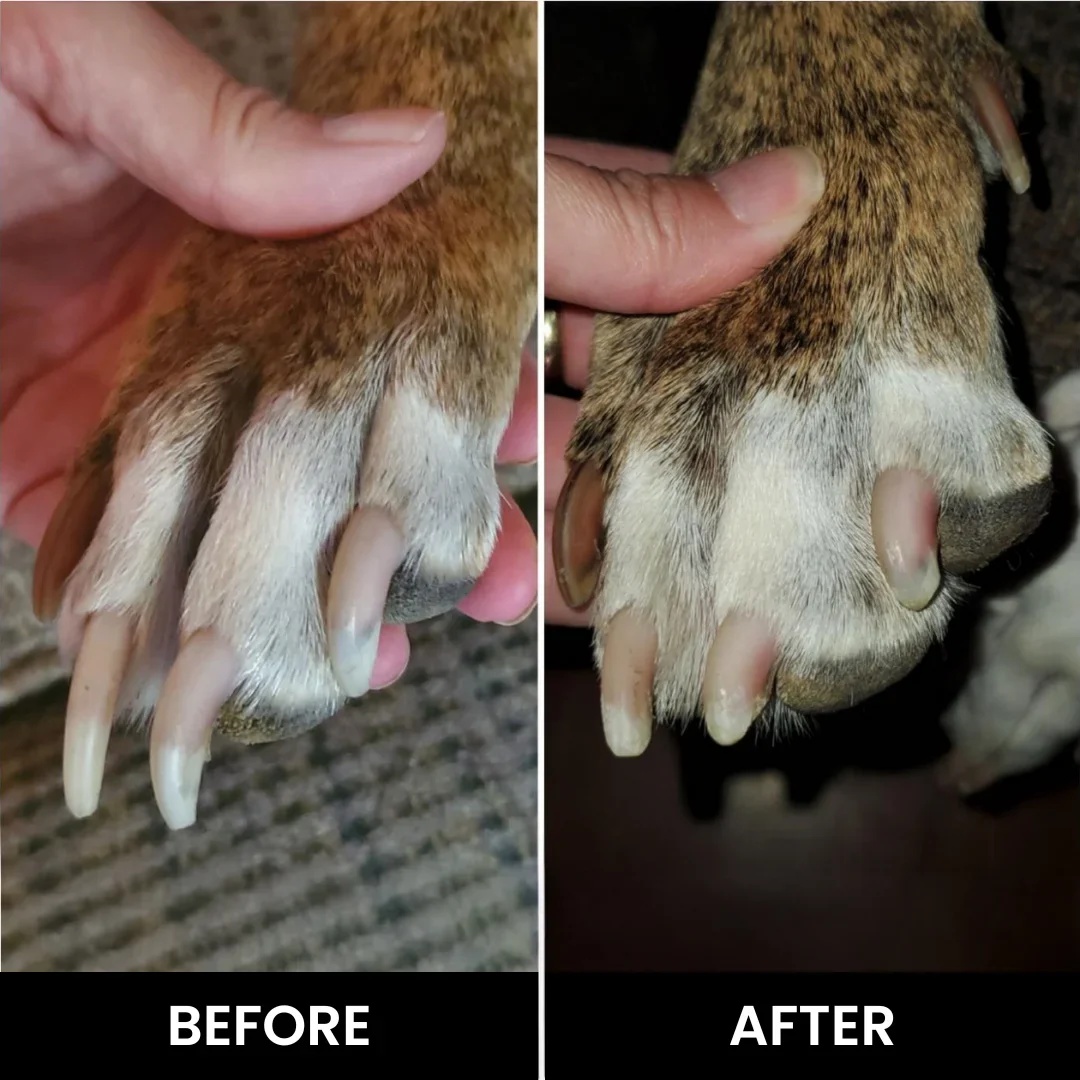
When you are ready to begin filing, sit in a well-lit area and hold your dog’s paw securely but gently, supporting each individual toe with your fingers.
If your dog has dark nails, you can make the process much safer by learning how to spot the quick using black dog nails how to trim flashlight techniques.
Touch the high-grade diamond grinding wheel to the very tip of the nail, applying light pressure for only two to three seconds at a time.
Holding the grinder at a precise 45-degree angle allows you to shape the nail perfectly, removing sharp edges that could easily catch on rugs.
Work slowly, taking frequent breaks to offer your dog small treats and enthusiastic verbal praise after every single nail you trim.
This gradual, positive approach transforms grooming from a terrifying ordeal into a calm, peaceful bonding experience for both of you.
Avoiding the Crush: Why Traditional Clippers Can Worsen Toe Joint Stress
One of the most common grooming mistakes pet owners make is continuing to use cheap, dull, scissor-style clippers on thick canine nails.
Traditional clippers work by forcing two heavy metal blades together to shear through the incredibly dense keratin layer of the claw.
This mechanical action exerts massive lateral and squeezing pressure directly onto the delicate structure of the nail.
This physical pressure is transmitted straight up the nail shaft, causing the distal phalanx to twist slightly within the joint socket.
For a dog with a healing toe joint or stretched ligaments, this sudden twisting force can cause acute, shooting pain.
It can also easily disrupt the delicate healing process, leading to re-injury and prolonged joint instability.
Furthermore, the sudden, jarring snap of a clipper often causes dogs to violently jerk their paws away in fear.
This sudden, panicked movement can easily result in a severe nail bed laceration or a painful strain of the surrounding ligaments.
Our Zenpaw Maxpro Grinder completely eliminates these physical risks by using smooth, high-speed rotation to file down the nail.
This rotating action applies virtually zero lateral pressure to the toe, ensuring the joint remains perfectly stable during grooming.
By choosing to grind instead of clip, you protect your dog from physical discomfort and prevent future joint subluxations.
Common Questions About Canine Toe and Claw Injuries
How can I tell if my dog’s toe is broken or just dislocated?
It is virtually impossible to accurately distinguish between a broken toe bone and a dislocated joint without a professional veterinary X-ray.
Both traumatic injuries cause immediate, severe lameness, noticeable swelling of the paw pad, and extreme sensitivity to any physical contact.
A fractured bone may occasionally produce a subtle crunching sound or sensation when handled, while a dislocated joint often presents with a more pronounced angular deformity.
Because both conditions require immediate, specialized veterinary care, you should always seek a professional evaluation rather than trying to figure it out at home.
Can a dog’s dislocated toe joint resolve on its own?
A dislocated claw or digital joint will not correctly realign on its own and requires manual reduction by a trained veterinarian.
If left unmanaged, the joint will remain permanently out of alignment, causing chronic pain and abnormal weight distribution across the paw.
This poor alignment eventually leads to the rapid development of painful osteoarthritis and permanent gait abnormalities.
Seeking prompt professional care ensures the supporting ligaments can heal in their correct positions, fully restoring your dog’s mobility.
Is the Zenpaw Maxpro Grinder safe for extra-large dog breeds?
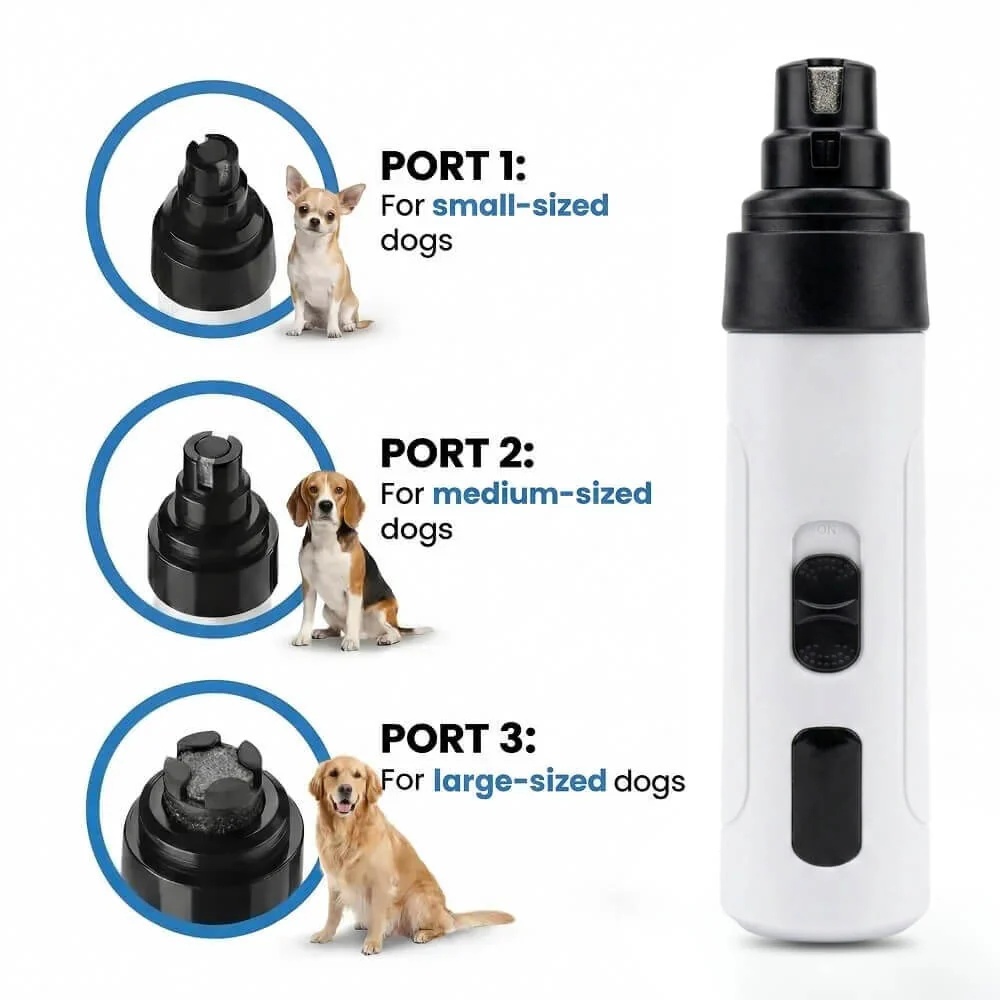
Yes, our advanced grooming tool is engineered with three specialized ports and a dual-speed motor to accommodate dogs of all sizes.
The small and medium ports are perfect for managing the delicate nails of smaller toy and medium-sized breeds safely.
For extra-large breeds with exceptionally thick, tough claws, you can easily remove the protective cap to expose the entire diamond wheel.
The powerful, high-torque motor maintains steady speed under pressure, ensuring efficient and safe filing for even the largest paws.
Does the grinding wheel generate heat that could hurt my dog?
Any rotary tool can generate friction heat if it is held continuously against the hard nail surface for too long.
To completely prevent any thermal discomfort, our grinder features advanced low-heat technology combined with a premium diamond drum bit.
We always recommend using short, gentle touches of just two to three seconds on each nail before moving on to the next toe.
This simple alternating technique allows the nail plate to cool down completely, ensuring your dog experiences a painless session.
How long does it take for a dislocated toe to fully heal?
On average, a dislocated digital joint requires approximately four to six weeks of strict rest and immobilization to heal completely.
During this recovery window, the stretched or partially torn collateral ligaments must have quiet time to tighten up and rebuild their strength.
Allowing your dog to run, jump on furniture, or play too early can easily cause the joint to slip out of alignment again.
Following your veterinarian’s exact post-care instructions and restricting physical activity are the most important factors for a successful recovery.
Conclusion: Your Gentle Paw Care Journey Starts Here
Protecting your companion’s paw joints from painful snags starts with stress-free grooming.
Keeping nails short and smooth prevents devastating claw injuries.
Ready to transform nail trimming from a battle into a breeze?
Explore the Zenpaw Maxpro 3-in-1 Grinder.
Call: 302-307-1000 — our team can advise on the best grooming practices and help with any product questions.