
Maxpro 3-in-1 Grinder.
Stress-Free Nail Trimming.
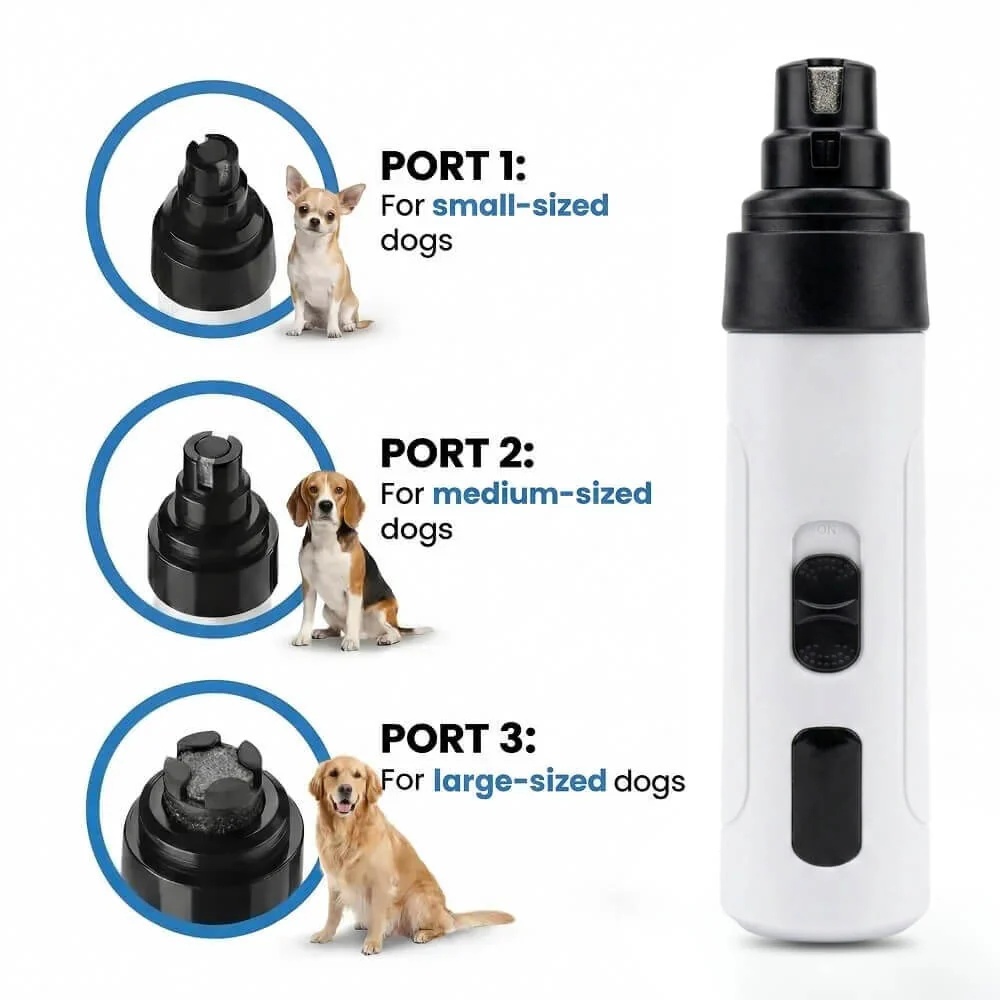
Whisper-quiet DC motor (<40 dB) eliminates fear & discomfort. Features 3 ports, dual speeds, and 7-hour battery life. Safe, precise, and painless.
In This Article
- Regeneration Science: Learn how the canine nail bed heals and whether the claw can fully regrow after severe trauma.
- Recovery Timeline: Understand the week-by-week healing progression of an exposed quick.
- Preventative Maintenance: Discover how to desensitize your anxious dog and groom their claws safely at home.
- Clipper Alternatives: Find out why traditional clippers cause micro-fractures and how a quiet grinder keeps paws healthy.
Do Dog Toenails Grow Back After Falling Off or Tearing?
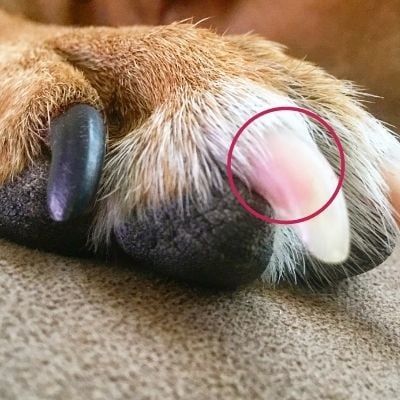
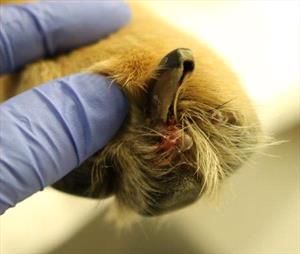
The short answer is yes, a dog’s toenail will typically grow back within several months, provided the delicate tissue known as the nail matrix remains healthy and undamaged. When a dog tears a nail during play or outdoor activities, the injury often occurs at the base of the claw where the blood vessel, or the quick, connects to the paw. According to the American Kennel Club, minor claw injuries heal relatively quickly, but a complete claw regeneration depends heavily on whether the underlying nail bed remains structurally intact. If your dog loses a nail completely due to trauma, the healing process must begin with protecting the exposed quick from secondary environmental contamination. This recovery occurs gradually as specialized germinal cells at the nail root slowly secrete new layers of keratin to form a protective outer shell. If the nail matrix is severely crushed or permanently scarred during the initial trauma, the new nail may grow back misshapen, split, or in rare instances, it may not grow back at all. To ensure a smooth recovery, pet parents must immediately manage any bleeding, keep the affected paw clean, and monitor the nail bed daily for signs of inflammation.
To handle a torn nail immediately at home, you should first apply gentle, steady pressure with a clean cloth to stop any active bleeding from the exposed quick. You can also apply styptic powder or cornstarch directly to the tip of the claw to help the blood clot quickly and safely. Once the bleeding stops, gently wash the injured paw with lukewarm water and mild, pet-safe antiseptic soap to remove dirt and reduce the risk of infection. You should keep the paw bandaged loosely for the first twenty-four hours to protect the raw nail bed from friction and licking, which can introduce harmful oral bacteria. It is highly beneficial to restrict your dog’s physical activity for a few days to prevent them from putting excessive pressure on the injured toe. As the new keratin shell begins to form, maintaining the surrounding claws is crucial to prevent uneven weight distribution and further injury. If you want to handle this safely at home, the Zenpaw Maxpro Grinder provides painless, quiet filing — explore it here.
99-Day 100% Money-Back Guarantee
“Ever since we started using the Zenpaw Maxpro Grinder, it’s been such a peaceful experience. It’s very quiet, and my dog actually relaxes. It’s turned our stressful sessions into quick, quiet grooming times.”
— Sarah M. | ✔ Verified Customer
- ✓ Prevents Infection & Splitting
- ✓ Ideal for All Dog Sizes
- ✓ Low-Vibration Technology
- ✓ Fast 2-7 Days Delivery
Need Support? Call 302-307-1000
Understanding Canine Nail Anatomy: The Matrix and the Quick

A dog’s claw is far more complex than a simple human fingernail.
At the core of every canine claw lies the quick, which contains highly sensitive nerve endings and an active blood supply.
Surrounding this blood supply is the hard outer shell made of a protein called keratin.
The vital area responsible for creating this keratin shell is called the nail matrix, located deep within the skin of the toe.
If your dog experiences a traumatic event where a nail is ripped off, the survival of the matrix determines the future of the claw.
When the matrix remains healthy, canine nail regeneration occurs naturally over time.
However, if the matrix itself is crushed or infected, the new nail may grow at an abnormal angle.
This is why keeping the nail bed clean is absolutely critical for long-term recovery.
Additionally, professional veterinary care is recommended if the bone at the tip of the toe is exposed.
An exposed bone carries a high risk of osteomyelitis, which is a serious bone infection.
When grooming healthy nails, our team at Zenpaw emphasizes avoiding the quick at all costs.
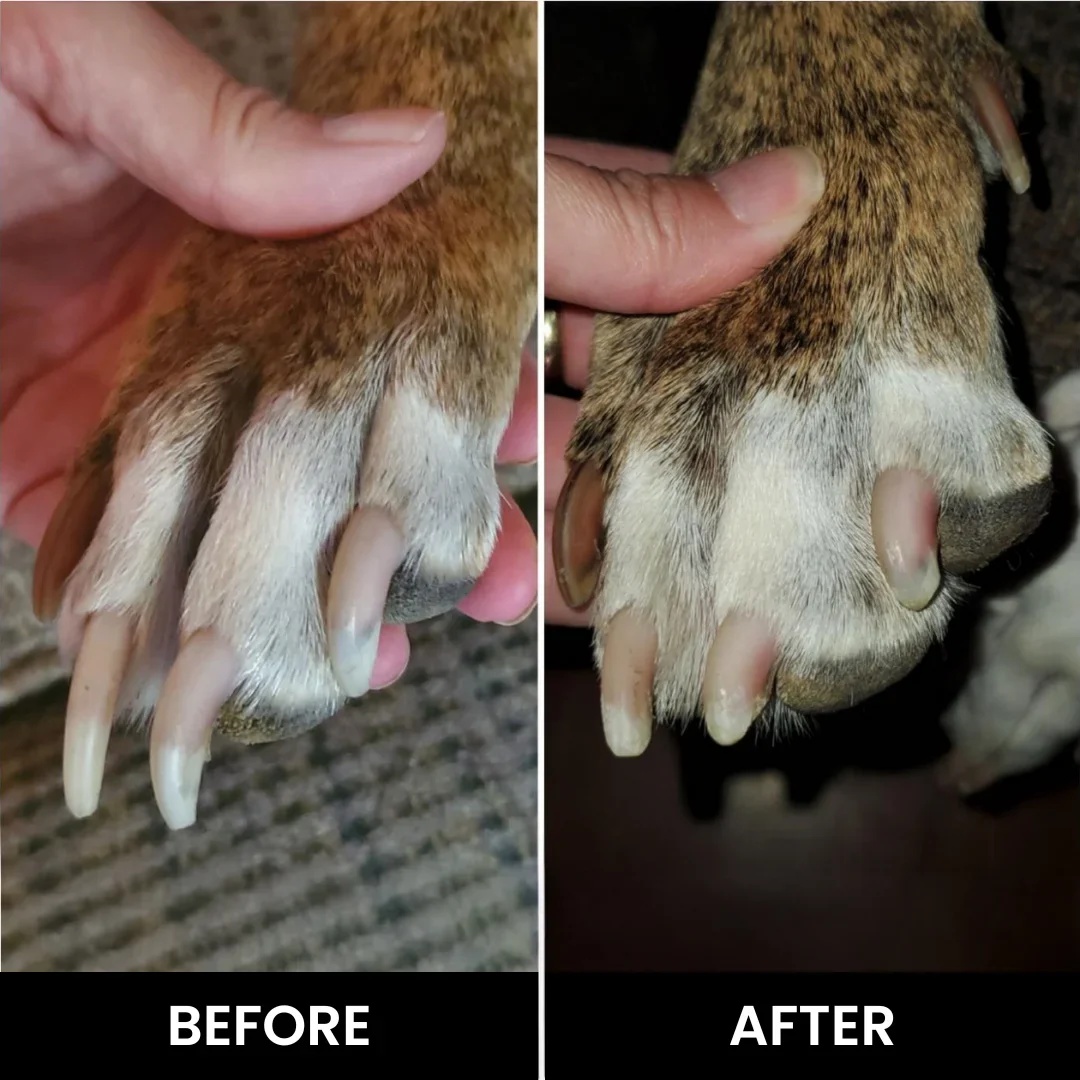
Traditional clippers put sudden, crushing pressure on this sensitive anatomy, which often causes micro-fractures in the keratin.
These fractures can lead to split claws and make the dog fearful of future paw handling.
By transitioning to a professional grinding tool, you can slowly file away the claw without putting stress on the delicate nail bed.
This gentle approach preserves the structural integrity of both the quick and the surrounding keratin walls.
The Lost Nail Recovery Timeline: What to Expect Week by Week
Understanding the lost nail recovery timeline can help ease your anxiety as a pet parent.
During the first forty-eight hours, the primary goal is protecting the raw, exposed nerves from pain and infection.
The exposed quick will look red, fleshy, and highly sensitive to the touch during this initial phase.
By the end of the first week, a thin, protective layer of dried tissue will begin to cover the raw quick.
This dry layer reduces immediate pain, though the area remains vulnerable to knocks and scrapes.
You will notice your dog starting to walk more comfortably as this protective skin hardens.
Between weeks two and four, you will notice a tiny, hard bud of new keratin emerging from the skin line.
This is the exciting beginning of actual nail regrowth.
On average, a dog’s nail grows at a rate of approximately one millimeter per week.
For a full, healthy claw to regenerate completely, it typically takes anywhere from twelve to twenty-four weeks.
The speed of this process depends greatly on your dog’s size, age, and nutritional status.
Older dogs or those with metabolic issues may require additional time to produce strong keratin layers.
During this lengthy recovery period, keeping the other nails short is vital to keep the dog walking evenly.
If other claws grow too long, they force the dog to shift their weight, putting undue pressure on the healing toe.
Using a high-performance grinder ensures you do not accidentally shake or vibrate the injured toe while grooming the neighboring claws.
Underlying Causes of Weak Nails: Infections, Thyroid Issues, and Nutrition
Sometimes, a dog’s nail falls off without any obvious physical trauma or accident.
If you notice multiple claws splitting, cracking, or shedding, there may be an underlying medical concern at play.
One common systemic cause of weak, brittle claws in canines is endocrine dysfunction.
If you suspect this, you should read about how brittle dog nails thyroid disease connections can impact overall claw structural integrity.
When thyroid hormone levels drop, the body struggles to produce sufficient high-quality keratin for the coat and claws.
This hormonal imbalance often leads to dry, flaky skin and symmetrical claw breakage across multiple paws.
Another frequent culprit behind weakened claws is a localized fungal or bacterial overgrowth around the paw pads.
If your dog is constantly licking their paws, they might be showing dog nail yeast infection symptoms that require targeted treatment.
Yeast thrives in moist environments and can slowly eat away at the nail bed, causing the claw to loosen and eventually drop off.
Furthermore, dietary deficiencies can severely impact the strength of your dog’s growing claws.
To address this from within, look into the relationship between dog nails peeling nutrition needs to ensure they receive vital omega fatty acids and biotin.
A well-balanced diet rich in zinc and essential vitamins acts as the fundamental building block for strong, resilient nails.
Without these key nutrients, the outer keratin sheath becomes dry, layered, and prone to peeling off.
While you address these underlying health issues, maintaining a gentle grooming routine prevents existing fragile claws from breaking further.
Keeping claws filed short reduces the physical leverage that causes weak nails to snag and tear during play.
Safe Paw Care: Introducing Your Dog to the Zenpaw Maxpro Grinder
Trimming a dog’s nails can be a highly stressful experience for both you and your canine companion.
However, transitioning to a quiet, low-vibration grinder can completely change this dynamic.
The key to success lies in a patient, step-by-step desensitization process.
First, introduce the grinder to your dog while the device is turned completely off.
Let them sniff the tool, and immediately reward them with high-value treats to create a positive association.
Next, turn the grinder on at its lowest speed while holding it a few feet away from your dog.
The Zenpaw Maxpro features an ultra-quiet motor operating under forty decibels, which helps prevent the sudden panic caused by loud, vibrating tools.
Reward your dog simply for remaining calm while hearing the soft hum of the motor.
Once they are comfortable with the sound, gently touch the body of the running grinder to their leg so they feel the mild vibration.
This step teaches them that the physical sensation is completely harmless and pain-free.
When they accept this sensation, you can begin filing a single nail with light, brief touches.
Always hold the grinder at a precise forty-five-degree angle relative to the natural slope of the claw.
This angle allows you to file the claw smoothly while avoiding sudden contact with the sensitive quick inside.
Grind in short, two-second intervals to prevent friction from generating uncomfortable heat on the nail.
If your dog has dark claws, refer to our comprehensive guide on black dog nails how to trim flashlight methods to safely locate the hidden blood supply.
Taking your time prevents painful mistakes and keeps the entire experience positive.
By moving slowly and pairing each session with positive reinforcement, nail trimming will soon become a peaceful bonding ritual.
Your dog will learn to relax, knowing that their paws are completely safe in your hands.
The Dangers of Traditional Clippers: Crushing, Splitting, and Pain
Many pet owners rely on old-fashioned guillotine or scissor clippers out of pure habit.
Unfortunately, these traditional tools work by squeezing and crushing the nail shell until it forcibly snaps apart.
This violent crushing action can cause microscopic fractures to spiderweb up the shaft of the claw.
These tiny cracks make the claw highly susceptible to peeling, chipping, and sudden painful splits later on.
In fact, some desperate pet owners even resort to putting super glue on dog split nail cracks to hold the damaged structure together.
While glue might offer a temporary hold, it does not solve the underlying damage caused by dull, crushing blades.
Furthermore, clippers make it incredibly easy to accidentally snip the quick, resulting in profuse bleeding and immediate trauma.
Once a dog has been “quicked” by a sharp clipper, their trust is shattered, and future grooming sessions become a battle of wills.
They may begin to hide, growl, or pull their paws away the moment they see the clippers appear.
A professional diamond bit grinder completely eliminates this violent pressure by shaving the keratin away micro-layer by micro-layer.
This gradual process gives you complete control, allowing you to stop filing the moment you see the light circle indicating the start of the quick.
It turns a high-stakes guessing game into a precise, visual grooming routine.
By making the switch, you actively protect your dog from the unnecessary pain of cracked and bleeding paws.
Our team believes that pet grooming should always prioritize safety and emotional well-being.
A smooth, stress-free routine keeps their paws healthy and their spirits high.
Common Questions About Dog Nail Injuries and Recovery
Will a dog’s nail grow back after being ripped off completely?
Yes, in the vast majority of cases, a dog’s nail will grow back successfully after being ripped off.
This regeneration happens because the germinal cells in the nail bed remain active even after physical trauma.
As long as the root of the nail matrix is not permanently scarred, a fresh layer of keratin will slowly push forward to form a new claw.
How long does the Zenpaw Maxpro battery last on a single charge?
The Zenpaw Maxpro is equipped with a high-capacity lithium-ion battery that delivers up to seven hours of continuous runtime.
This exceptional battery life means you can complete dozens of grooming sessions before needing to recharge the device via its convenient USB port.
It also ensures the motor maintains peak power and consistent rotational speeds throughout the entire trimming process.
Is the Zenpaw Grinder safe for extremely large dog breeds with thick claws?
Absolutely, the Zenpaw Maxpro is engineered with a powerful dual-speed motor and three distinct port sizes to accommodate all breeds.
The large, open port is specifically designed to handle the wide, thick claws of heavy breeds like Great Danes and Mastiffs.
Its premium diamond drum bit smoothly shaves down thick keratin without slowing down, stalling, or overheating.
Does the grinding bit generate a lot of heat during use?
No, our advanced diamond bit is engineered with specialized low-heat technology to prevent friction-induced heat buildup.
To maintain complete comfort, we still recommend grinding each nail for only two to three seconds at a time before moving to the next toe.
This simple technique allows the nail to cool down completely, ensuring a pain-free experience for your sensitive pet.
How do I know if my dog’s recovering nail is becoming infected?
You should monitor the toe closely for signs like swelling, persistent redness, warmth radiating from the joint, or any foul-smelling discharge.
If your dog is limping, whining, or obsessively licking the affected paw after the first few days, a secondary bacterial infection may be present.
In these situations, consulting your veterinarian is the best course of action to secure proper treatment and support healing.
Safe Grooming Ahead
Nail injuries require patience, gentle care, and the right tools. Keeping the nail bed clean and using a quiet grinder ensures a healthy, painless recovery. Ready to transform nail trimming from a battle into a breeze? Explore the Zenpaw Maxpro 3-in-1 Grinder. Call: **302-307-1000** — our team is here to advise on the best grooming practices.