
As a professional pet wellness coordinator, I still remember the heartbreak of looking down at my sweet golden retriever, Cooper, and seeing his entire body vibrating with fear as I reached for his paws. If you have ever wondered, “why does my dog shake when i cut his nails,” you are not alone in this emotional struggle. Fortunately, Team Zenpaw created a whisper-quiet, painless solution that protects your dog’s sensitive nail anatomy and restores peace to your grooming routine.
Maxpro 3-in-1 Grinder.
Stress-Free Nail Trimming.
Whisper-quiet DC motor (<40 dB) eliminates fear & discomfort. Features 3 ports, dual speeds, and 7-hour battery life. Safe, precise, and painless.
In This Article
- Why Dogs Shake: Uncovering the physiological and psychological triggers of grooming anxiety.
- Canine Paw Anatomy: Visualizing the sensitive quick and understanding the danger of blunt pressure.
- Step-by-Step Desensitization: Transforming a terrifying routine into a calm, quiet, and cooperative bonding experience.
- Painless Grinding Solutions: Discovering why the whisper-quiet Zenpaw Maxpro outperforms traditional steel clippers.
Why Does My Dog Shake When I Cut His Nails?
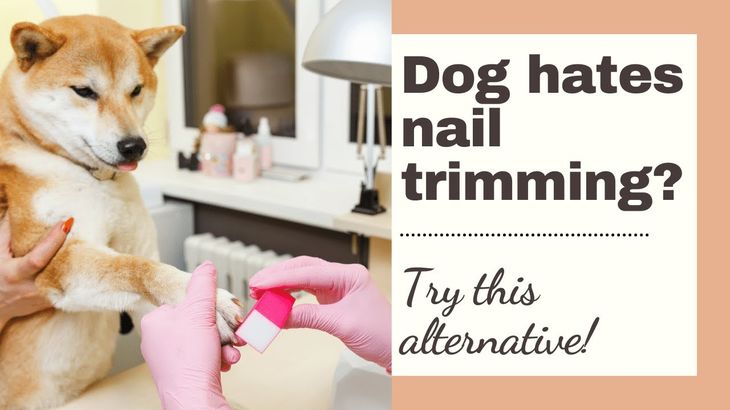
Seeing your beloved companion tremble with fear is one of the most heartbreaking experiences for any pet parent.
Many dog owners struggle with the agonizing question of why does my dog shake when i cut his nails during home grooming sessions.
This intense shaking is not just stubborn behavior or simple drama.
It is a profound physical manifestation of canine anxiety rooted deeply in their nervous system.
When a dog senses impending distress, their brain activates the sympathetic nervous system to initiate a fight-or-flight response.
This physiological surge floods their bloodstream with adrenaline, causing their muscle groups to rapidly contract and vibrate.
The fear is often triggered by the memory of a previous painful experience where the sensitive inner nail was accidentally nipped.
Dogs possess an exceptional memory for physical pain, and they easily associate the shape and sound of traditional clippers with that trauma.
Furthermore, the physical restraint required to hold a dog still during clipping can make them feel trapped and highly vulnerable.
To resolve this distressing cycle, you must understand the underlying triggers and implement gentle, desensitizing techniques.
If you want to handle this safely at home, the Zenpaw Maxpro Grinder provides painless, quiet filing — explore it here.
99-Day 100% Money-Back Guarantee
“Ever since we started using the Zenpaw Maxpro Grinder, it’s been such a peaceful experience. It’s very quiet, and my dog actually relaxes. It’s turned our stressful sessions into quick, quiet grooming times.”
— Sarah M. | ✔ Verified Customer
- ✓ Prevents Infection & Splitting
- ✓ Ideal for All Dog Sizes
- ✓ Low-Vibration Technology
- ✓ Fast 2-7 Days Delivery
Need Support? Call 302-307-1000
The Science of Canine Grooming Fear and Behavioral Responses
To effectively manage dog trembling during grooming, we must explore the evolutionary psychology of our canine companions.
In the wild, a dog’s paws are crucial for survival, escape, defense, and digging.
Holding or restraining a dog’s leg naturally triggers their prey defense instinct, making them feel completely defenseless against potential predators.
This biological programming explains why many dogs pull their paws back instantly when you attempt to touch or hold them.
Additionally, some dogs will quickly escalate their fear responses to vocalization, which is why do dogs cry when cutting nails even before the tool makes contact.
This anticipatory crying is a conditioned vocal response designed to stop the perceived threat.
Over time, this fear can crystallize into severe behavioral resistance if the owner continues to force the process through sheer physical power.
When you force an anxious dog through a terrifying experience, you risk causing permanent psychological damage.
This state of learned helplessness or defensive aggression makes future grooming sessions nearly impossible to execute safely.
Implementing scientific canine grooming fear solutions is the only sustainable way to rebuild trust and safety.
Before you even begin trimming, you might consider relaxing the paws by learning how to soak dog nails before cutting to soften the hard keratin outer shell.
Softer nails require less mechanical pressure to trim, which significantly reduces the jarring vibration felt by your dog’s nervous system.
Understanding Canine Paw Anatomy and the Pain of the Quick
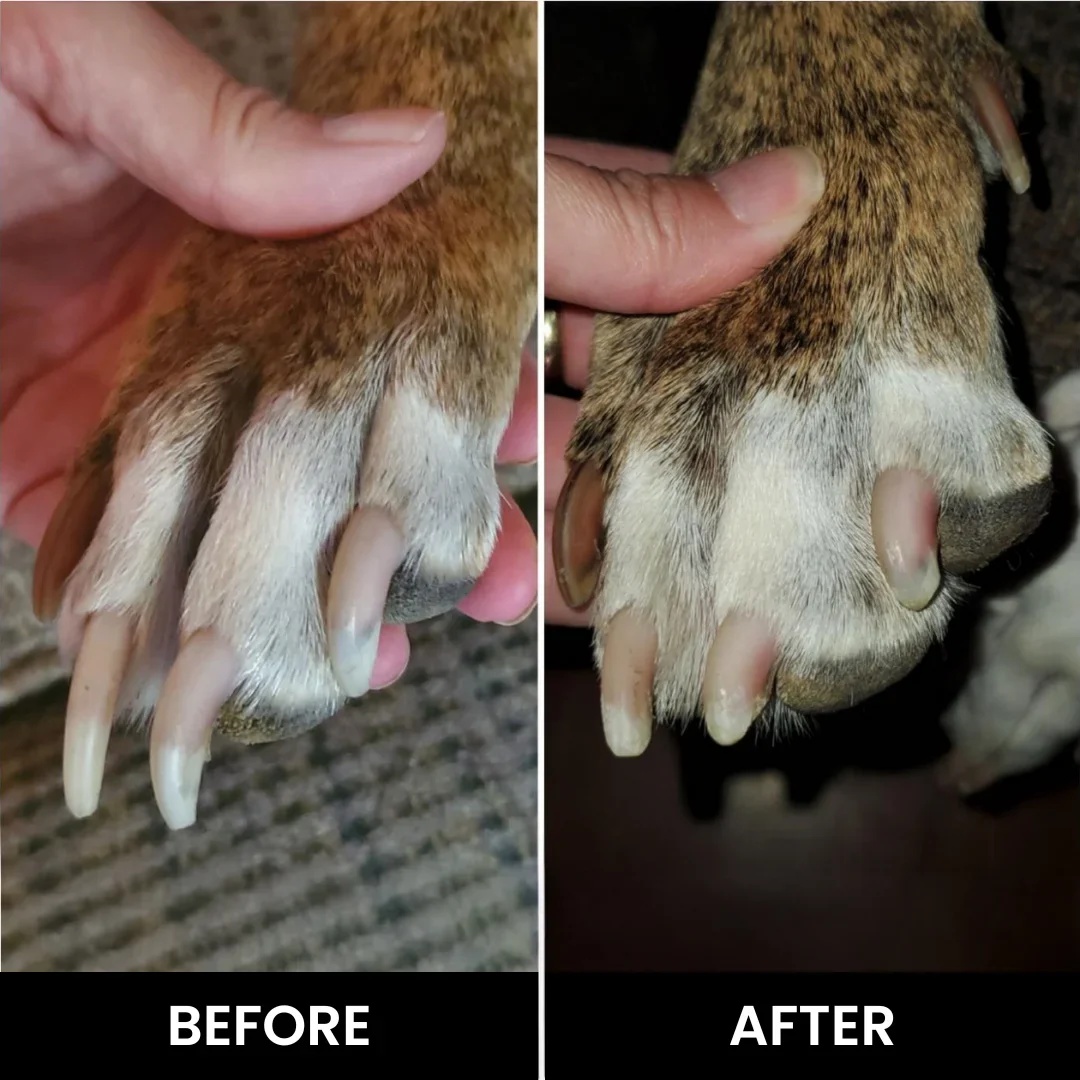
The primary source of physical pain during dog nail trimming is the quick.
The quick is the soft, living center of the dog’s nail that contains blood vessels and highly sensitive nerve endings.
Cutting into this vascular bundle causes sudden, sharp pain and immediate bleeding.
If you have ever accidentally cut the quick, you know how incredibly distressing it is for both you and your pet.
To stop the bleeding, pet parents must immediately apply styptic powder or silver nitrate for cut dog nails to cauterize the broken blood vessels.
Leaving a cut nail untreated can allow harmful environmental bacteria to enter the open wound.
This often leads to a painful and dangerous cut dog nail too short infection that requires veterinary care and antibiotics.
Because of these severe risks, many dog owners are looking for advanced methods like laser dog nail cutting to avoid traditional blade contact entirely.
While laser technology is highly precise, it is currently expensive and generally limited to specialized veterinary clinics.
For home grooming, using a specialized rotary tool is the most practical and accessible solution for everyday pet parents.
For owners of massive breeds, finding the best nail clippers for extra large dogs is essential to handle thick, dense nails without crushing them.
However, even the sturdiest clippers exert heavy mechanical force that can crack the nail plate.
This is why Team Zenpaw strongly advocates for progressive grinding over traditional impact clipping.
The table below highlights the distinct physical impacts of different modern dog nail grooming methods.
| Grooming Method | Physical Impact on Nail | Dog Stress Level |
|---|---|---|
| Traditional Guillotine Clippers | Applies heavy crushing force, often cracking or splitting dry nails. High risk of cutting the quick. | Very High (Vibration, loud clicking sound, pinch pain). |
| Zenpaw Maxpro 3-in-1 Grinder | Gently files away keratin layers microscopically. Minimal heat, zero crushing pressure. | Very Low (Whisper-quiet motor, gentle tickling sensation). |
| Laser Trimming (Clinic Only) | Uses light energy to vaporize nail tip safely. No physical pressure applied. | Low to Moderate (Requires clinic visit and minor restraint). |
How to Desensitize Your Shaking Dog to Nail Care
Overcoming severe grooming anxiety requires patience, consistency, and the right tools.
We recommend a systematic desensitization process to help your dog build positive associations with nail care.
First, place the Zenpaw Maxpro Grinder on the floor turned off, surrounded by high-value treats like chicken or cheese.
Allow your dog to sniff the device at their own pace, rewarding them with a treat every time they make positive contact.
Once they are comfortable with the physical object, turn on the grinder to its whisper-quiet low speed setting.
Our grinder operates at a sound level under 40 decibels, which is much quieter than standard household appliances.
Let your dog listen to the low hum from a comfortable distance while enjoying their favorite rewards.
Slowly bring the running device closer to their paw without actually touching the nail.
Repeat this step over several short sessions until your dog shows absolutely no signs of distress or trembling.
When you are ready to begin filing, hold the grinder firmly at a 45-degree angle relative to the nail tip.
This specific angle mimics the natural wear pattern of a wild canine’s nails and protects the sensitive quick.
Touch the grinding wheel to the nail for only two to three seconds at a time to prevent any heat buildup.
Remember to reward your pet generously after every single nail is completed to reinforce their calm behavior.
Common Mistakes When Trimming Anxious Dog Nails
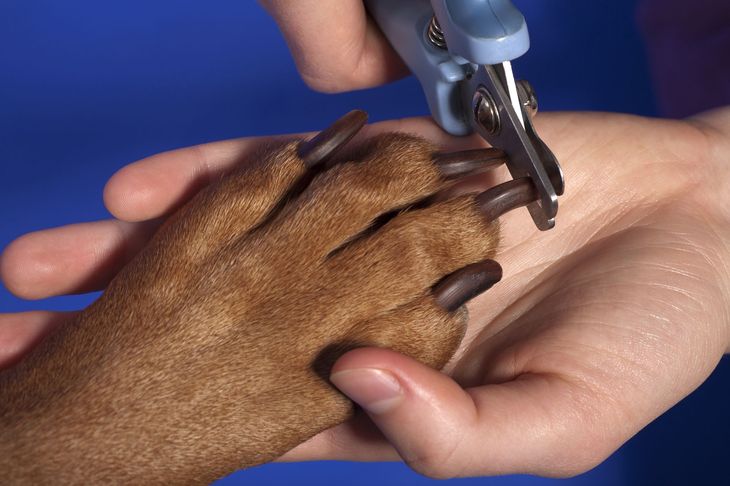
One of the most frequent mistakes pet owners make is using dull, low-quality clippers.
Dull blades do not cut cleanly; instead, they violently squeeze and crush the entire nail structure.
This crushing pressure sends a sharp jolt of pain through the nail bed, even if you do not touch the quick.
This sensation is exactly why do dogs cry when cutting nails, as it feels like having your own fingernail squeezed in a door.
Another major mistake is rushing the process to get it over with as quickly as possible.
Rushing increases your own stress levels, which your dog will easily pick up on and mirror.
If you see your dog trembling during grooming, you must immediately pause the session.
Continuing to trim a shaking dog forces them into a state of panic, ruining any progress you have made.
Instead, use the Zenpaw Maxpro Grinder to make tiny, gradual adjustments over multiple days.
Trimming just one nail per day is a perfectly acceptable strategy for highly anxious dogs.
This slow approach is one of the most effective canine grooming fear solutions available to modern pet parents.
Frequently Asked Questions About Dog Nail Grooming Anxiety
Is the Zenpaw Grinder safe for large dogs?
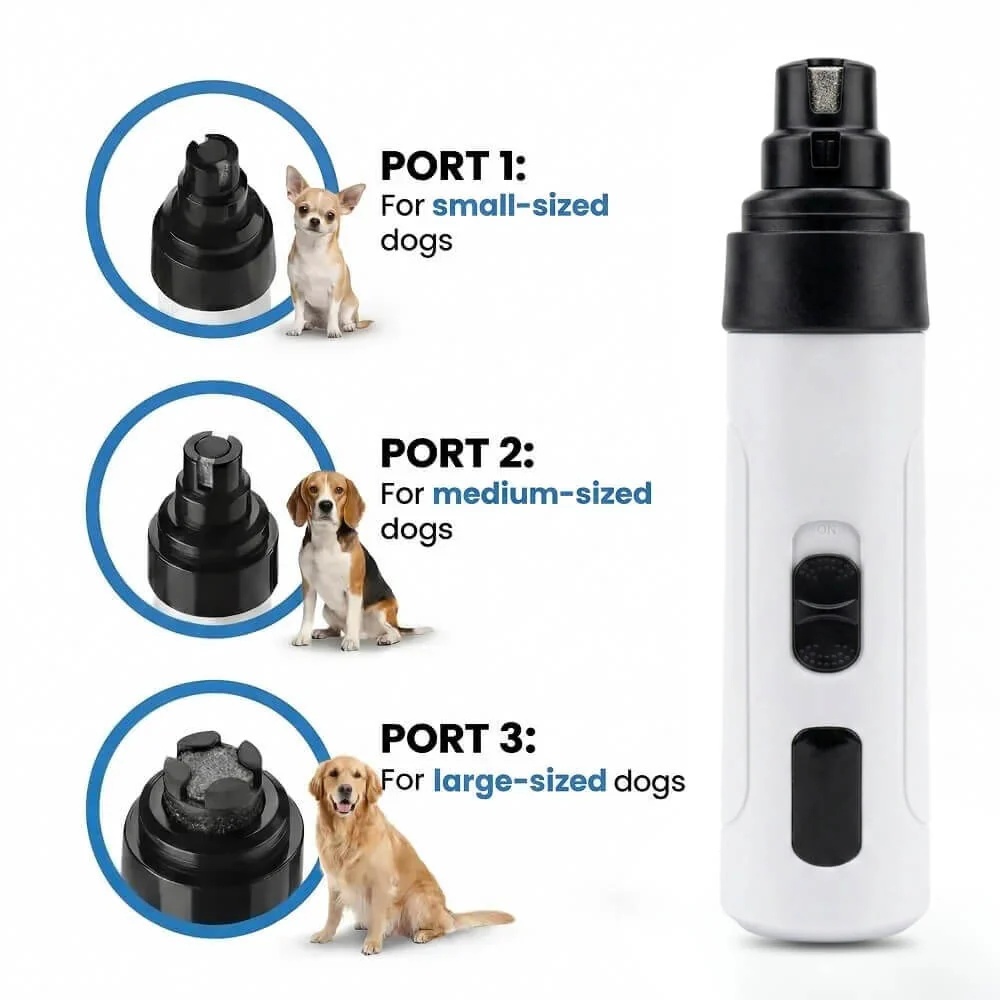
Yes, the Zenpaw Maxpro 3-in-1 Grinder is fully designed to accommodate dogs of all breeds and sizes.
It features three distinct ports designed for small, medium, and large pet nail profiles.
You can use the open grinding area without a port cap to easily file down thick, heavy nails on extra large breeds.
How long does the battery last?
Our grinder is equipped with a high-capacity, USB-rechargeable battery that lasts up to 7 hours on a single charge.
This long-lasting battery life ensures you will never run out of power in the middle of a delicate grooming session.
The convenience of cordless operation allows you to groom your dog in any comfortable, stress-free location.
Which speed is best for anxious dogs?
We recommend starting with the lowest speed setting to let your anxious dog adapt to the mild vibration.
Once your dog is relaxed, you can switch to the high-speed setting for faster and more efficient trimming.
Dual speed control gives you the flexibility to handle both thin puppy nails and thick adult claws safely.
Does the grinding tip get hot during use?
No, the Zenpaw Maxpro utilizes advanced low-heat technology to keep the grinding wheel cool during operation.
Traditional high-vibration rotary tools can heat up quickly, causing a burning sensation on your dog’s nail.
By preventing heat buildup, our grinder ensures a completely painless and comfortable experience for your pet.
Conclusion: Empowering Stress-Free Nail Care
Restoring peace to your grooming routine is entirely possible with the right approach and gentle tools.
By replacing loud, painful clippers with a quiet, soothing solution, you can rebuild your dog’s trust completely.
Ready to transform nail trimming from a battle into a breeze? Explore the Zenpaw Maxpro 3-in-1 Grinder. Call: 302-307-1000 — our team can help you advise on the best grooming practices and help with any product questions.
Note: Individual results may vary depending on individual dog breeds, nail thickness, and behavioral temperaments. This article is intended for general pet grooming reference purposes only and does not replace professional veterinary advice.