
I still remember the absolute panic when my golden retriever, Bella, yelped in pain and showed me her bleeding, torn paw. My heart sank as I saw her raw quick exposed, and in that desperate moment, I actually wondered if using super glue on dog split nail injuries was a safe emergency fix. That stressful night drove me to find a truly painless, whisper-quiet solution to support her paw health, leading our team to develop the Zenpaw Maxpro Grinder to prevent these painful nail disasters forever.
Maxpro 3-in-1 Grinder.
Stress-Free Nail Trimming.
Whisper-quiet DC motor (<40 dB) eliminates fear & discomfort. Features 3 ports, dual speeds, and 7-hour battery life. Safe, precise, and painless.
In This Article
- Understanding Safe Usage: Discover when and how you can apply adhesive solutions to a dog’s split claw safely without chemical complications.
- Canine Nail Anatomy: Deeply explore the delicate relationship between the protective outer keratin layer and the highly sensitive quick.
- The Risks of Household Glue: Analyze why industrial adhesives pose serious chemical burn risks and how to source safer medical alternatives.
- Practical Restoration Guide: Master a stress-free, step-by-step approach to grooming split claws and rebuilding your pet’s confidence.
- Preventative Care with Zenpaw: Learn how transitioning to whisper-quiet filing technology eliminates the hazards of traditional nail clipping.
Does Super Glue on a Dog Split Nail Really Work? Here’s What the Experts Say
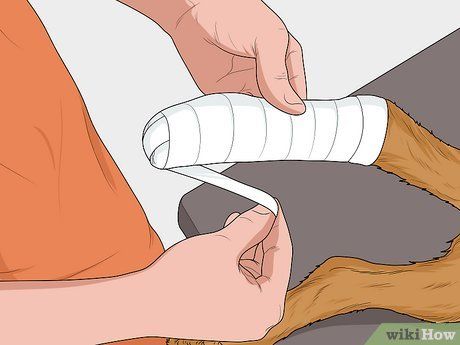
Pet owners frequently search for immediate solutions when confronted with a damaged claw, leading many to ask if can you use super glue to fix a split dog nail safely in a home grooming environment.
The factual consensus among canine wellness professionals is that while cyanoacrylate-based adhesives can structurally bond cracked keratin shells, they present significant chemical hazards if applied incorrectly.
You must never apply standard commercial super glue to any split nail that is actively bleeding, raw, or showing signs of an exposed nerve bed.
Industrial formulations are highly toxic to living tissue, release intense heat as they cure, and can easily seep into the bloodstream through micro-cracks in the paw.
Veterinary-grade tissue adhesives, however, are specifically formulated to polymerize safely without releasing destructive thermal energy or causing localized tissue necrosis.
Therefore, you should only consider using specialized pet-safe tissue glues on completely dry, clean, and superficial cracks that do not reach the living tissue of the quick.
If you observe a shallow crack on the outer shell, clean the entire claw with sterile saline and ensure it is completely dry before continuing.
Apply a microscopic drop of veterinary-grade adhesive directly to the outer surface of the dry split shell using a sterile toothpick.
Gently hold the outer edges of the nail together for exactly sixty seconds to allow the medical polymer to create a stable, protective seal.
Monitor your dog closely during this time to ensure they do not lick the wet adhesive, as ingestion of raw cyanoacrylate can lead to severe oral irritation.
Once the adhesive has cured completely, you must carefully smooth down any jagged ridges to prevent the claw from catching on carpets, rugs, or outdoor brush.
If you want to handle this safely at home, the Zenpaw Maxpro Grinder provides painless, quiet filing — explore it here.
99-Day 100% Money-Back Guarantee
“Ever since we started using the Zenpaw Maxpro Grinder, it’s been such a peaceful experience. It’s very quiet, and my dog actually relaxes. It’s turned our stressful sessions into quick, quiet grooming times.”
— Sarah M. | ✔ Verified Customer
- ✓ Prevents Infection & Splitting
- ✓ Ideal for All Dog Sizes
- ✓ Low-Vibration Technology
- ✓ Fast 2-7 Days Delivery
Need Support? Call 302-307-1000
Understanding Canine Nail Anatomy: The Living Quick vs. Split Shells
To safely manage any claw injury at home, a dog owner must first understand the delicate anatomical systems operating inside each paw.
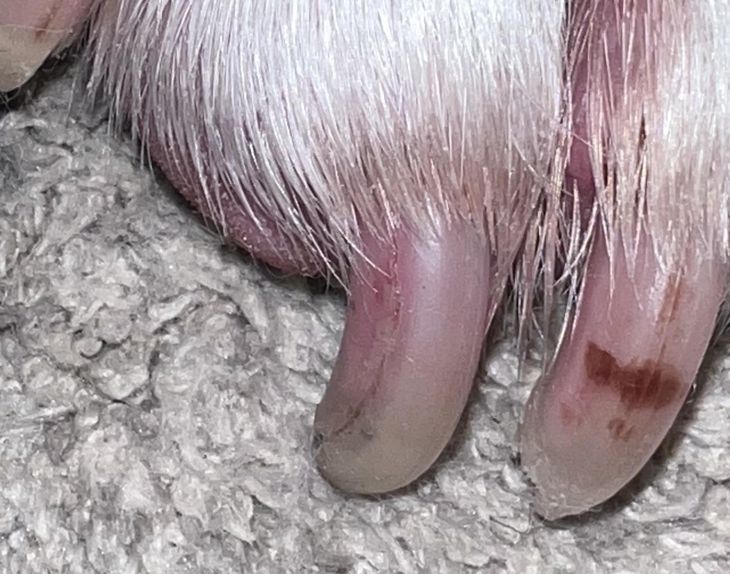
The canine claw consists of two distinct primary components: the hard, outer keratinized shell and the inner, highly vascularized quick.
The outer shell is composed of dead protein layers designed to withstand the physical forces of running, digging, and walking.
Directly beneath this protective shield lies the quick, which is a living matrix of blood vessels, sensitive nerve endings, and specialized germinal cells.
When a claw splits vertically or horizontally, the outer structural barrier is broken, exposing the quick to painful environmental pressure and direct friction.
This exposure sends intense pain signals to the brain because the nerves in the quick are highly sensitive to even the slightest touch.
If bacteria from soil or flooring penetrate this newly exposed tissue, your pet faces a high risk of developing an infected nail bed after deep cut injuries.
Left unmanaged, localized nail bed infections can quickly spread deeper into the toe joints, occasionally requiring intensive systemic veterinary care.
Furthermore, dogs with chronically weak or brittle claws often suffer from underlying metabolic or dietary deficiencies that undermine keratin production.
To help strengthen your pet’s claws from the inside out, it is highly beneficial to research the nutritional connections associated with dog nails peeling nutrition.
Ensuring your pet receives optimal amounts of biotin, zinc, and essential fatty acids will systematically improve the density and elasticity of their claws.
By pairing dietary support with safe grooming habits, you can stop the cycle of painful cracks and splits before they begin.
The Chemistry and Safety Risks of Applying Cyanoacrylate to Cracked Pet Claws
The chemical composition of standard retail adhesives makes them highly unsuitable for application on open wounds or sensitive animal tissues.
Most commercial super glues are formulated with ethyl cyanoacrylate, a fast-acting compound synthesized with harsh industrial solvents and plasticizers.
When ethyl cyanoacrylate comes into contact with moisture or organic proteins, it undergoes a rapid polymerization process.
This chemical reaction is highly exothermic, meaning it releases a significant amount of heat directly into the surrounding tissue as it cures.
On an open, raw quick, this sudden release of thermal energy can cause immediate, painful chemical burns on the delicate sensory nerves.
Additionally, industrial adhesives release trace amounts of toxic formaldehyde as they break down, which can trigger localized cell death and delay natural healing.
Conversely, medical-grade tissue adhesives are synthesized using specialized n-butyl or octyl cyanoacrylate formulations.
These medical polymers are specifically engineered to cure much more slowly, virtually eliminating the risk of exothermic chemical burns on living flesh.
They are also thoroughly purified to ensure they remain completely non-toxic and biocompatible if licked or absorbed in tiny quantities.
Therefore, the process of applying cyanoacrylate to cracked pet claws must be strictly limited to approved veterinary-grade tissue adhesives.
You should only ever use these specialized medical formulas to stabilize the inert, non-living keratin shell of the nail.
Never attempt to glue down an actively bleeding split, as trapping moisture and bacteria beneath a waterproof chemical seal can trigger a rapid, deep-seated infection.
Step-by-Step Guide: Safely Bonding Split Nail Shells and Grooming Anxious Dogs

Successfully managing bonding split nail shells requires a highly methodical, stress-free approach to protect your dog’s physical and mental well-being.
First, carefully inspect the damaged area under bright lighting to determine if the split extends into the pink, living tissue of the quick.
If the nail is actively bleeding, apply gentle pressure with a clean, sterile cloth and a small amount of styptic powder to stop the flow immediately.
Once the bleeding is completely controlled, use a mild, diluted antiseptic solution to clean away any dirt, debris, or dried blood from the paw.
Allow the entire nail and surrounding fur to dry completely, as any trapped moisture will prevent the adhesive from creating a stable, lasting bond.
Using a sterile applicator, apply a tiny, precise droplet of veterinary-approved tissue adhesive directly into the outer crack of the dry keratin shell.
Gently press the split edges of the nail together, keeping your fingers clear of the adhesive to avoid bonding your skin to your dog’s claw.
Maintain steady, gentle pressure for at least sixty seconds while the polymer cures, taking care not to twist or squeeze the toe painfully.
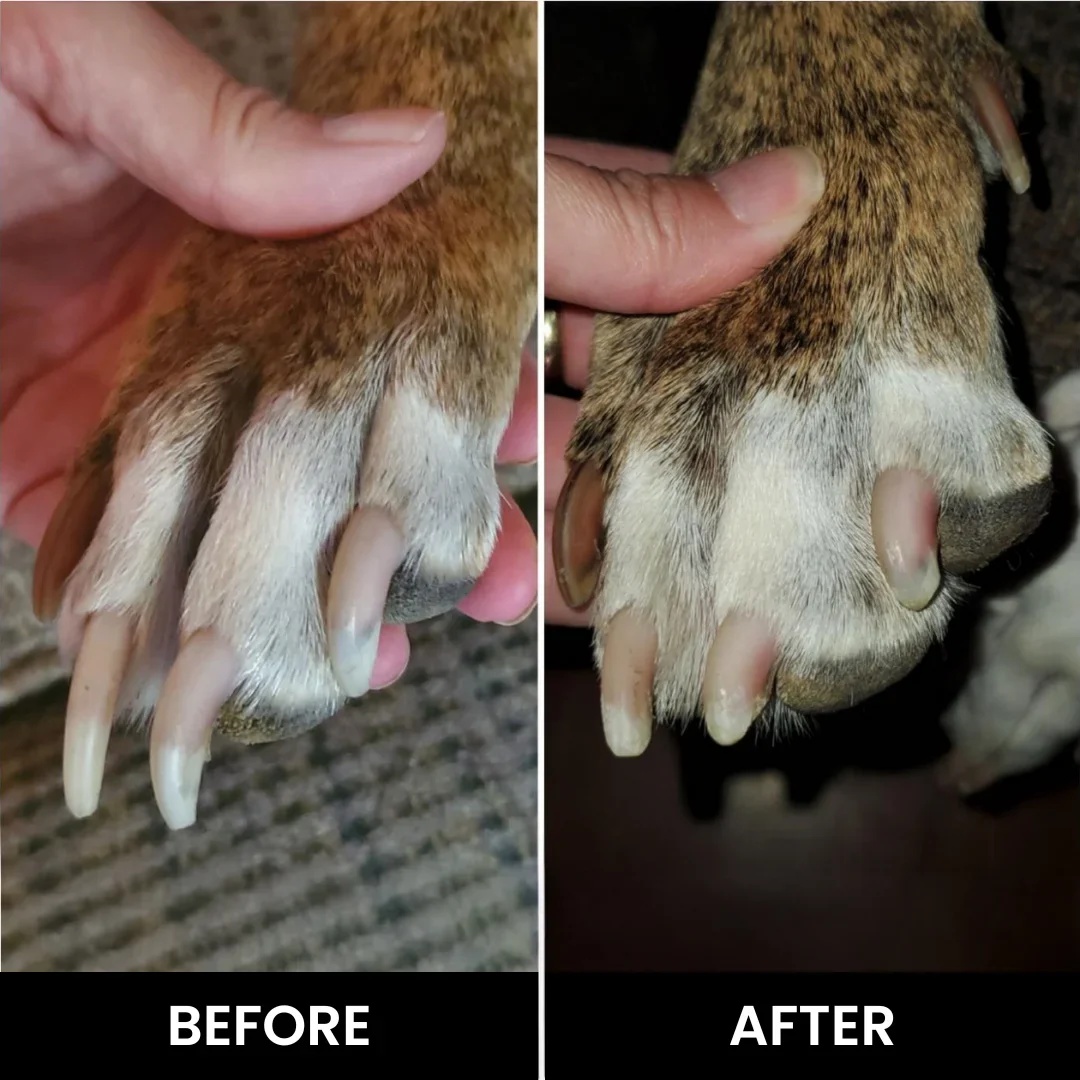
Once the adhesive has hardened, use a quiet, low-vibration grinder to file away any sharp, raised edges of dry glue from the surface.
Using an electric dog nail file is the safest way to smooth these rough areas without applying painful, crushing pressure to the sensitive toe.
To prevent future grooming anxiety, you should always combine these restorative sessions with a positive desensitization routine.
Begin by letting your dog sniff the grinder while it is turned off, rewarding their curiosity with delicious, high-value treats.
Next, turn the device on to its lowest speed setting several feet away from your pet, helping them adjust to the soft, gentle hum.
Slowly bring the running device closer, rewarding calm behavior until you can gently touch the vibrating casing to their leg without eliciting fear.
This step-by-step training process is especially critical for aging pets who may struggle with mobility or joint pain during grooming.
For older dogs, using specialized tools like toenail grippers for elderly dogs can dramatically improve their stability and overall comfort on slick indoor floors.
By keeping their nails short and smooth with a quiet grinder, you protect their natural gait and prevent painful slips on hard surfaces.
Avoiding Grooming Disasters: Why Traditional Clippers Fail on Cracked Nails
Many pet parents unknowingly exacerbate nail injuries by attempting to trim damaged claws with traditional scissor or guillotine-style clippers.
Standard clippers work by applying immense, concentrated crushing force from two metal blades directly onto the curved keratin shell.
If a claw is already weakened, cracked, or dry, this intense crushing pressure will violently shatter the nail fibers further up the toe.
This sudden, uncontrolled splitting can instantly rip open the sensitive quick, causing severe pain and immediate bleeding.
To protect large, active breeds from these sudden structural failures, you should avoid using dull clippers and instead choose specialized tools.
For large dogs with thick, heavy claws, you must rely on high-quality heavy duty clippers large dog owners trust, or transition entirely to a quiet rotary grinder.
A professional-grade grinder does not crush the claw; instead, it files the hard keratin away molecule by molecule with micro-shaving technology.
This rotary action eliminates the risk of vertical nail cracking, giving you complete, millimeter-by-millimeter control over the entire trimming process.
The Zenpaw Maxpro Grinder features a powerful, whisper-quiet DC motor that operates at under forty decibels to eliminate grooming anxiety.
By utilizing this quiet, gradual filing method, you can gently smooth away minor cracks and maintain short, healthy claws without ever hurting your pet.
Dog Nail Care and Grinding Safety Comparison
Understanding the operational differences between various grooming tools is essential for maintaining your pet’s paw health safely over their lifetime.
| Grooming Method | Zenpaw Maxpro Grinder | Traditional Clippers | Industrial Super Glue |
|---|---|---|---|
| Anxiety Level | Ultra-Low (Whisper-Quiet <40dB) | High (Scary Clicking Noise) | Extremely High (Painful Heat) |
| Risk of Splitting | None (Gentle Rotary Filing) | High (Crushes Weak Keratin) | N/A (Chemical Bonding Only) |
| Precision Control | Excellent (Millimeter-by-Millimeter) | Poor (Blind Cut Risk) | Moderate (Requires Steady Hand) |
| Quick Exposure Risk | Minimal (Gradual Shaving) | Very High (Sudden Bleeding) | High (Chemical Burn Risk) |
| Best Use Case | Routine Trimming & Smoothing Splits | Rapid Length Reduction (Thick Nails) | Emergency Keratin Stabilization Only |
Frequently Asked Questions About Dog Nail Care and Safety
Is the Zenpaw Maxpro Grinder safe for very large dog breeds?
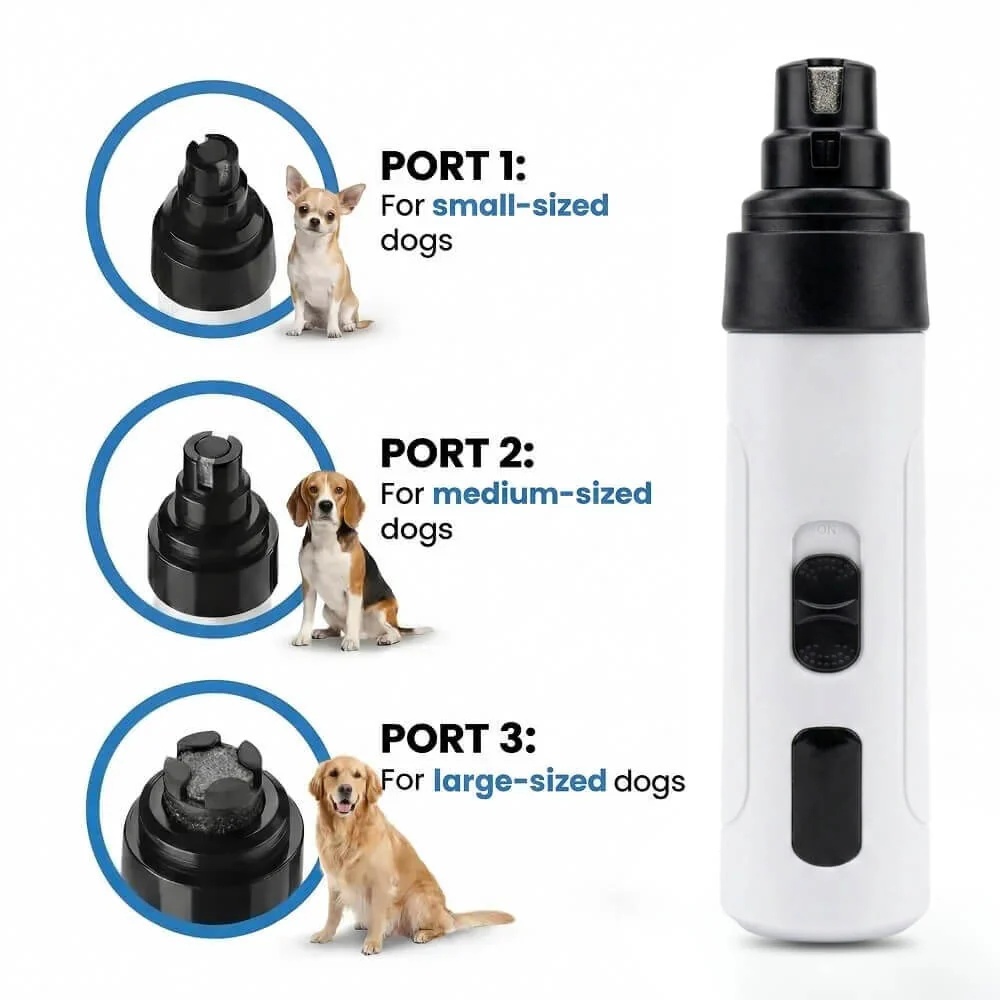
Yes, the Zenpaw Maxpro Grinder is specifically designed with three specialized ports to accommodate small, medium, and large breeds.
The large, open port allows you to easily shape the thickest claws of heavy dogs without stalling the powerful motor.
How long does the battery last on a single charge?
The grinder features an ultra-long-lasting battery that provides up to seven hours of continuous grooming on a single USB charge.
This allows you to complete multiple grooming sessions without worrying about the device dying mid-trim.
Which speed setting should I use for a split nail?
We recommend starting on the lowest speed setting to maintain maximum control and minimize friction heat on the damaged nail.
Once your dog is comfortable and the rough edges are stabilized, you can switch to the high-speed setting for rapid smoothing.
Does the grinding head get hot during use?
Our advanced low-heat technology and high-quality brass spindle prevent the grinding wheel from overheating during normal use.
However, you should still practice the two-second rule, moving between nails to ensure absolute comfort for your dog.
Conclusion
Ready to transform nail trimming from a battle into a breeze? Explore the Zenpaw Maxpro 3-in-1 Grinder. Call: 302-307-1000 — our team can help you advise on the best grooming practices and help with any product questions.
Note: Individual results may vary depending on individual dog breeds, nail thickness, and behavioral temperaments. This article is intended for general pet grooming reference purposes only and does not replace professional veterinary advice.