
I still remember the absolute panic when I nicked my golden retriever’s quick for the first time, watching red pool onto my clean rug while my pup whined. In that frantic moment, all I wanted to know was how to get a dogs toe nail to stop bleeding fast, a terrifying ordeal that ultimately led our team to develop the whisper-quiet Zenpaw Maxpro 3-in-1 Grinder to keep paws safe and stress-free.
Maxpro 3-in-1 Grinder.
Stress-Free Nail Trimming.
Whisper-quiet DC motor (<40 dB) eliminates fear & discomfort. Features 3 ports, dual speeds, and 7-hour battery life. Safe, precise, and painless.
In This Article
- First Aid Clotting: Step-by-step methods to halt active claw bleeding immediately using professional and home supplies.
- Canine Claw Anatomy: The biological structure of the quick, how it recedes, and differences between light and dark nails.
- 8 Critical Remedies: Detailed chemical and physical applications including styptic powder, baking soda, and pressure wraps.
- Painless Grinding Tech: Advanced grooming methods to prevent injuries using low-vibration, whisper-quiet tools.
First Aid Action: How to Get a Dog Toe Nail to Stop Bleeding Fast
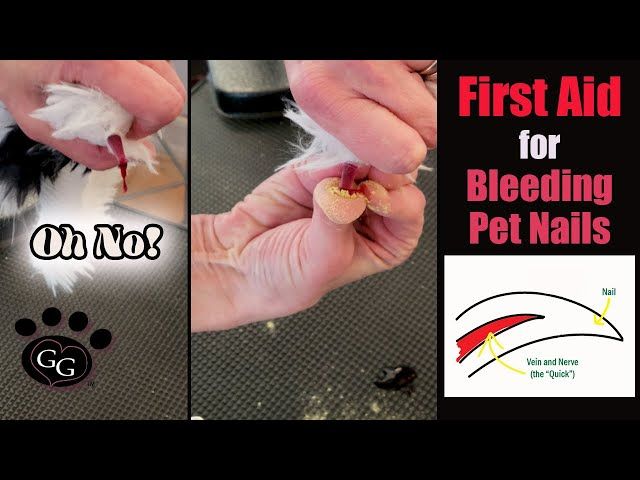
Accidentally nicking a dog’s quick during a grooming session is incredibly stressful for both you and your pet.
The blood vessels inside the claw are fed by active micro-capillaries, causing rapid and highly visible pooling when exposed.
Understanding how to stop a dogs nail from bleeding at home is an essential skill for every proactive dog parent.
Your very first physical action should be to stabilize your dog to prevent them from walking and spreading the blood.
An anxious, pacing dog will experience elevated blood pressure, which directly accelerates the rate of flow from the claw.
Speak to your canine companion in a low, rhythmic, reassuring voice to soothe their rising nervous system.
Apply firm, direct pressure to the tip of the bleeding nail using a sterile gauze pad or a clean microfiber cloth.
Maintain this precise pressure continuously for a full two minutes without lifting the cloth to check on the progress.
Lifting the compress too early will disrupt the fragile chemical matrix of the initial clot forming over the exposed tissue.
If you have access to specialized clotting products, prepare to apply them as soon as you release the manual compress.
Learning the fundamentals of how to stop dog nail bleeding will keep you prepared for any minor grooming mishap.
Using a progressive tool like the Zenpaw Maxpro 3-in-1 Grinder virtually eliminates this danger by gently shaving keratin layer by layer rather than crushing it.
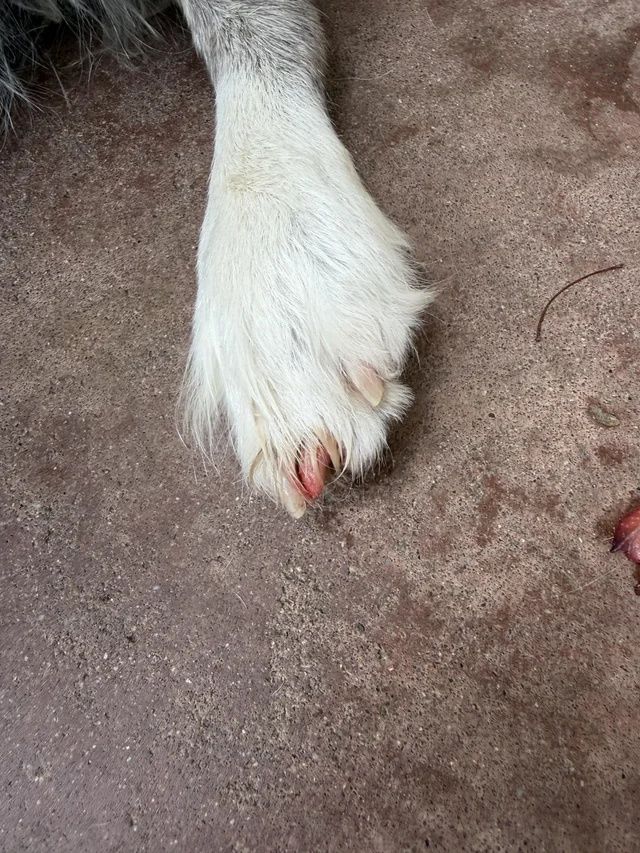
99-Day 100% Money-Back Guarantee
“Ever since we started using the Zenpaw Maxpro Grinder, it’s been such a peaceful experience. It’s very quiet, and my dog actually relaxes. It’s turned our stressful sessions into quick, quiet grooming times.”
— Sarah M. | ✔ Verified Customer
- ✓ Prevents Infection & Splitting
- ✓ Ideal for All Dog Sizes
- ✓ Low-Vibration Technology
- ✓ Fast 2-7 Days Delivery
Need Support? Call 302-307-1000
Understanding Canine Nail Anatomy: Where is the Quick?
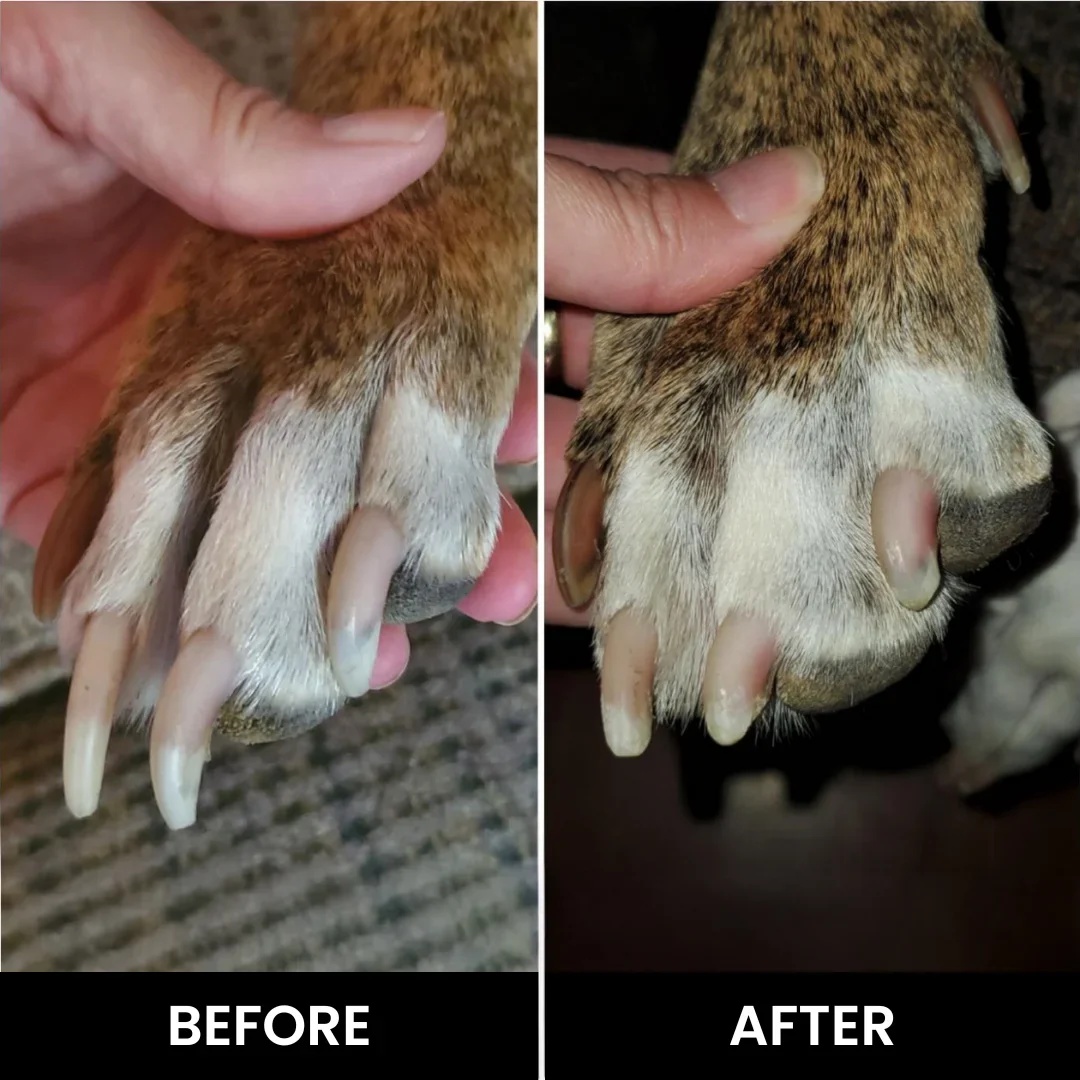
To prevent future grooming injuries, you must understand the internal architecture of your dog’s toe nails.
A dog’s claw consists of a hard outer layer made of structural keratin called the claw wall.
Directly beneath this tough outer shell lies the quick, which is technically known as the hyponychium.
The quick is a living, highly vascularized bundle of blood vessels and extremely sensitive nerve endings.
When you cut into the quick, you are essentially severing micro-arteries and exposing raw nerve fibers.
This explains why your dog reacts with a sudden yelp and why the bleeding appears so dramatic.
On light-colored or clear nails, the quick is easily visible as a soft, pink, delicate inner tube.
However, dark or black nails contain high levels of melanin, completely masking the view of the quick from the outside.
The quick actually grows in proportion to the overall length of the outer keratin wall.
If you allow your dog’s nails to grow exceptionally long, the internal quick will expand forward toward the tip.
Regular, incremental trimming stimulates the quick to gradually recede back toward the paw bed over time.
By using the slow, controlled filing action of the Zenpaw Maxpro Grinder, you can safely encourage the quick to recede without ever triggering a painful bleed.
8 Proven Methods for Stopping Bloody Dog Claws
Having a dependable emergency plan is vital when a home grooming session results in an accidental injury.
Here are eight highly effective methods to halt active bleeding from your dog’s claws rapidly.
1. Styptic Powder
This is the gold standard product used by professional groomers and veterinary clinical staff worldwide.
Using styptic powder for dogs nails is highly recommended because it contains active aluminum sulfate.
This compound acts as a powerful local vasoconstrictor, rapidly shrinking the blood vessels to form a tight, solid seal.
Pour a small pile of the powder into your palm, press the bleeding claw directly into it, and hold firmly for thirty seconds.
This specialized powder provides the fastest, most hygienic clotting action available for home care.
2. Natural Cornstarch
If your pet’s nail begins to bleed and your cabinet lacks commercial styptic powder, do not worry.
Applying cornstarch for dog nail bleeding is a highly effective and safe pantry-style alternative.
Cornstarch is an excellent desiccant that binds with blood proteins to create a dense, natural physical plug.
To use this household method, mix the dry starch with a tiny drop of water to form a thick, pasty dough.
Press this thick paste firmly against the raw tip of the claw and keep your dog still while it dries.
3. Baking Soda
Another readily available kitchen remedy you can easily locate is common sodium bicarbonate.
Using baking soda to stop dog nail bleeding works via physical absorption of moisture from the wound site.
Combine a small spoonful of baking soda with several drops of water to create a heavy paste.
Press the paste directly onto the injured nail using a clean swab or your finger.
Be aware that baking soda may cause a mild, temporary stinging sensation on raw, exposed nerves.
Ensure you comfort your pet during this brief application to keep them calm and cooperative.
4. Common Flour
Standard white baking flour can also function as a reliable, emergency dry clotting agent in a pinch.
Using flour to stop dog nail bleeding works by absorbing liquid and forming a sticky, binding paste over the vessel.
Pack the dry flour tightly onto the tip of the bleeding claw using steady, firm pressure.
Hold the paw securely for at least sixty seconds to allow the natural starches to clump effectively.
This basic method is highly accessible and works well to resolve minor, slow oozing from a shallow cut.
5. Unscented Bar Soap
A simple, firm bar of hand soap can be used to plug a moderately bleeding claw in a household emergency.
Using soap to stop dog nail bleeding is a classic, old-school tactic favored by seasoned pet parents.
Take a clean, slightly moistened bar of mild soap and press the bleeding claw directly into the wax-like surface.
As you push the claw about half an inch into the bar, the soap shears off and plugs the open tip.
This soap plug creates a temporary barrier, stopping blood flow while a natural clot forms behind it.
6. Pressure Wraps
When the quick is severed deeply, dry powders alone may struggle to stick to the active flow.
Creating a protective, secure pressure wrap is an excellent way to support a severe dog nail bleeding remedy.
Place a sterile gauze pad over the bleeding tip, then wrap the paw with a self-adhering veterinary elastic bandage.
Ensure the wrap is snug enough to apply consistent pressure, but not so tight that it restricts circulation to the paw.
Remove this protective pressure wrap after one hour once the internal clot has completely stabilized.
7. Commercial Styptic Pencils
Styptic pencils are small, portable applicators that contain concentrated silver nitrate or alum compounds.
They are highly convenient to store in your dog’s standard emergency travel first-aid kit.
Moisten the tip of the styptic pencil slightly with clean water, then press it directly onto the bleeding point.
The chemical reaction rapidly cauterizes the tiny blood vessel, stopping the flow almost instantly.
Keep in mind that silver nitrate can sting briefly, so keep a firm but gentle hold on your pup.
8. Ice Compression
Extreme cold is a natural vasoconstrictor that rapidly decreases local blood circulation when applied to tissue.
Wrap a small ice cube in a clean, thin paper towel and press it directly against the injured nail tip.
Hold the cold compress in place for up to three minutes to slow blood flow and numb the throbbing pain.
This natural therapy is highly beneficial when combined with cornstarch or styptic powder applications.
How to Safely Grind Black Dog Nails Without Bleeding
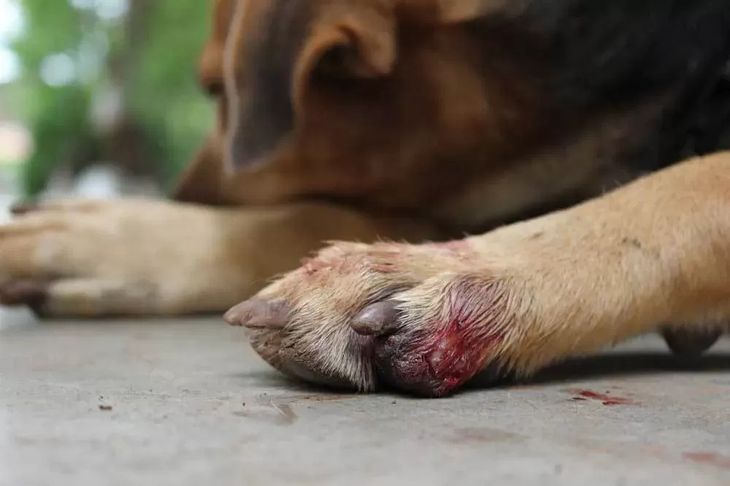
Trimming black nails requires a highly strategic approach because the quick is completely hidden from view.
Unlike traditional sharp clippers that cut blindly, a modern grinder allows you to work in tiny, safe increments.
Always hold your dog’s paw securely, separating the target toe from the others with your fingers.
Hold your grinder at a precise 45-degree angle relative to the natural growth path of the claw.
Apply the grinding head to the nail tip for only two to three seconds at a time.
This pulsing technique prevents thermal heat from building up on the sensitive nail structure.
After each brief touch of the grinder, inspect the flat, cut surface of the claw directly.
Initially, as you grind the dry dead keratin, you will observe a flaky, chalky, white powder.
As you file deeper, this dry white powder will transition into a soft, dark, leather-like texture.
As you approach the quick, a distinct, small, dark circular dot will appear right in the center of the surface.
This small dark circle is the protective outer sheath surrounding the live blood vessels of the quick.
Once you see this central circular warning sign, stop grinding immediately to keep the claw safe and dry.
The Science of Desensitizing Your Dog to Nail Tools
Many dogs develop intense behavioral anxiety surrounding nail care due to loud noises and past painful trims.
To overcome this, you must apply the principles of canine classical conditioning and desensitization.
The goal is to gradually reframe the sound and sensation of grooming tools as indicators of positive rewards.
Start by placing your unpowered nail grinder on the floor next to your dog’s favorite high-value treats.
Allow your companion to sniff the tool naturally, praising them warmly whenever they display calm curiosity.
Once they are completely relaxed around the physical device, turn the motor on while holding it several feet away.
The Zenpaw Maxpro Grinder runs at a whisper-quiet volume under 40dB, which is crucial for sensitive ears.
Loud, cheap grinders generate high-frequency hums that naturally trigger a dog’s instinctual flight response.
Feed your pup delicious treats while the quiet motor hums softly in the background to build a positive association.
Slowly transition to touching the vibrating body of the quiet grinder gently against your dog’s leg and paws.
Keep these initial training sessions short, positive, and limited to just two or three minutes daily.
With patience, your dog will learn that the whisper-quiet hum of the Zenpaw Maxpro means comfort and tasty rewards.
Overcoming Risks: Why Traditional Clippers Fail Anxious Dogs
Traditional scissor-style and guillotine-style nail clippers present distinct biomechanical risks for home grooming.
These older tools work by applying massive, concentrated mechanical force to crush through tough keratin walls.
If the blades are even slightly dull, they will squeeze and pinch the sensitive nerve endings of the quick.
This intense pressure often causes the nail to split, crack, or splinter high up into the live tissue.
A split nail is highly painful and exposes your dog to potential bacterial infections from the floor.
Furthermore, clippers offer zero margin of error if your dog makes a sudden, anxious movement.
One quick flinch can result in a deep, painful cut that bleeds heavily and ruins grooming trust.
In contrast, the Zenpaw Maxpro Grinder uses a high-performance diamond bit to file the nail down smoothly.
This rotation gently shapes the tip, preventing painful fractures and keeping your dog’s paws healthy.
Grooming Tool Comparison
To help you choose the best nail care method for your home, review this objective comparison of modern options:
| Feature Category | Zenpaw Maxpro Grinder | Traditional Clippers | Cheap/Loud Grinders |
|---|---|---|---|
| Operating Noise Level | Whisper-Quiet (<40dB) | Silent (No Motor) | Loud Hum (>65dB) |
| Nail Damage Risk | Very Low (Gentle Filing) | High (Splitting/Crushing) | Medium (Friction Heat) |
| Quick Exposure Risk | Minimal (Incremental control) | High (One blind cut) | Low to Medium |
| Vibration Level | Ultra-Low (Comfortable) | None (Sudden snap) | High (Scary to dogs) |
| Battery Performance | Up to 7 Hours (USB) | Manual (None) | 1-2 Hours (Weak) |
Frequently Asked Questions (FAQ)
Is the Zenpaw Grinder safe and powerful enough for large dog breeds?
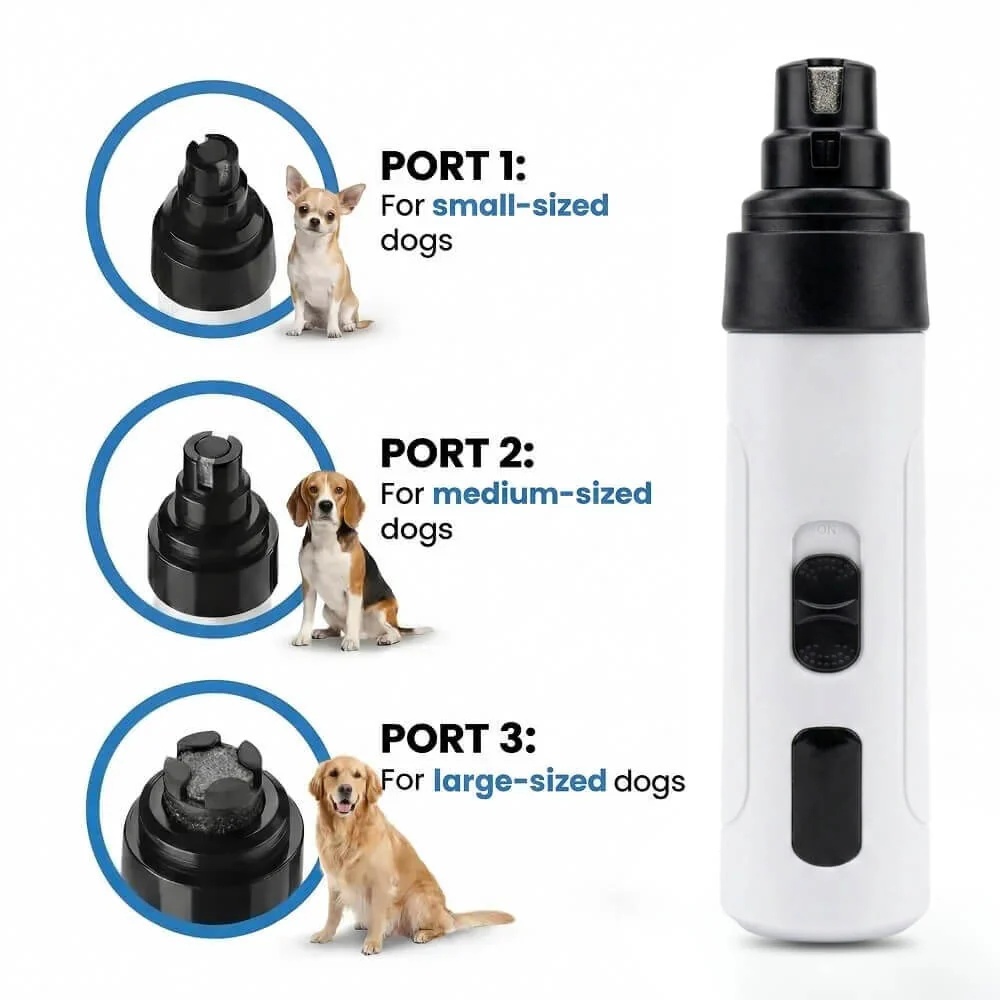
Yes, the Zenpaw Maxpro is engineered with a high-torque motor and three distinct grooming ports.
These ports are designed to accommodate small, medium, and large breeds with thick, heavy nails.
The large port features a wide opening that easily handles the thickest claws of large dogs safely.
How long does the Zenpaw Maxpro battery last on a single charge?
The advanced lithium-ion battery provides up to seven hours of continuous runtime on a full charge.
It is fully rechargeable using a standard USB cable, making it incredibly convenient for travel.
This long-lasting battery life ensures you can complete multiple stress-free grooming sessions without recharging.
Which speed setting should I use for regular dog nail maintenance?
We recommend starting on the low-speed setting to let your dog adapt to the mild vibration.
The low speed is perfect for thin puppy nails and delicate finishing work on adult claws.
Switch to the high-speed setting for thicker, older claws that require faster keratin removal.
Does the grinding tip get hot during extended grooming sessions?
Our diamond grinding bit is engineered with advanced low-heat technology to prevent friction buildup.
However, we always recommend using a pulsing technique of two to three seconds per claw.
This simple practice keeps the nail cool and ensures your dog remains completely comfortable throughout.
Conclusion
Keep your pet’s grooming routine calm, safe, and entirely stress-free with Zenpaw.
Ready to transform nail trimming from a battle into a breeze?
Explore the Zenpaw Maxpro 3-in-1 Grinder.
Call: 302-307-1000 — our team can help you advise on the best grooming practices and help with any product questions.
Note: Individual results may vary depending on individual dog breeds, nail thickness, and behavioral temperaments. This article is intended for general pet grooming reference purposes only and does not replace professional veterinary advice.