
I still remember the day my sweet golden retriever, Bailey, began endlessly licking his paws, only for me to find a crumbly, yellowed nail and realize we were battling a stubborn case of dog nail fungus. It broke my heart to see him in pain during clipping sessions, but switching to the Zenpaw Maxpro 3-in-1 Grinder transformed our stressful routine into a gentle, healing bonding experience that kept his paws completely safe and clean.
Maxpro 3-in-1 Grinder.
Stress-Free Nail Trimming.
Whisper-quiet DC motor (<40 dB) eliminates fear & discomfort. Features 3 ports, dual speeds, and 7-hour battery life. Safe, precise, and painless.
In This Article
- Root Causes & Symptoms: Learn why fungal paw issues develop and how to spot early warning signs on your dog’s nails.
- Visual Identification: Compare real physiological clues using trusted photographic indicators.
- Anatomy & Paronychia: Understand the nail bed structures and how deep bacterial or fungal infections take root.
- Stress-Free Grooming: Discover safe desensitization methods and grinding techniques using whisper-quiet technology.
- Home Support & Prevention: Build a daily hygiene regimen to protect your dog’s paws from recurring irritation.
Dog Nail Fungus: Root Causes, Signs, and the Road to Healing
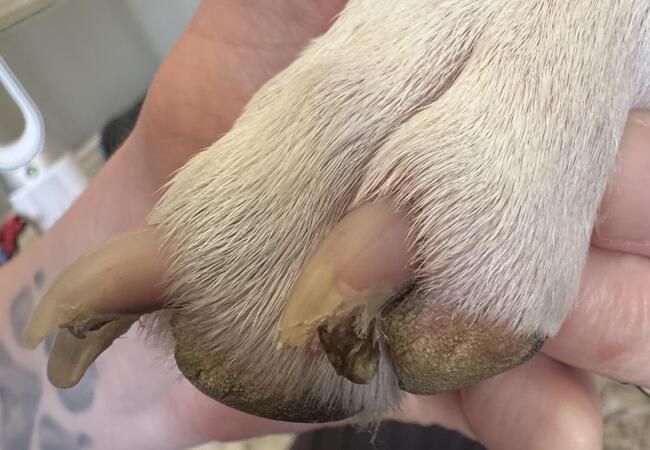
Fungal issues on canine claws can begin as subtle daily irritations.
You might notice your dog licking their paws more frequently after walks.
Soon, the continuous moisture creates a perfect environment for microorganisms to thrive.
A stubborn dog nail infection often points to an opportunistic fungal overgrowth.
Typically, these issues stem from common environmental spores like ringworm or standard yeast strains.
These organisms are natural inhabitants of your dog’s environment.
However, when the immune system weakens or paws remain wet, these microscopic entities multiply rapidly.
An underlying dog nail bed yeast infection will eventually alter the structural integrity of the claw.
The nail may dry out, lose its natural shine, and start splitting easily.
In many cases, the entire paw area begins to take on a distinct, strong odor.
Pet parents often report that their dog paws smell like cheese or corn chips.
This pungent scent is a classic hallmark of active yeast proliferation.
It signals that the natural microflora balance on your pet’s skin has been disrupted.
When this happens, grooming with traditional tools becomes highly stressful for your dog.
Applying heavy pressure with old-fashioned clippers can shatter the already weakened keratin layer.
This is why switching to a gentle filing method is highly recommended by pet care professionals.
Our team at Zenpaw designed the Zenpaw Maxpro 3-in-1 Grinder to manage these exact grooming challenges.
Rather than crushing a compromised claw, the high-speed diamond bit gently files away excess length.
This avoids putting structural pressure on the sore, sensitive nail bed.
By removing the sharp, splitting edges, you prevent the claw from snagging on carpets and tearing open further.
Consistent, low-stress nail maintenance is a fundamental pillar of recovery.
Keep the paws clean, dry them thoroughly after every outdoor trip, and maintain a short, smooth nail profile.
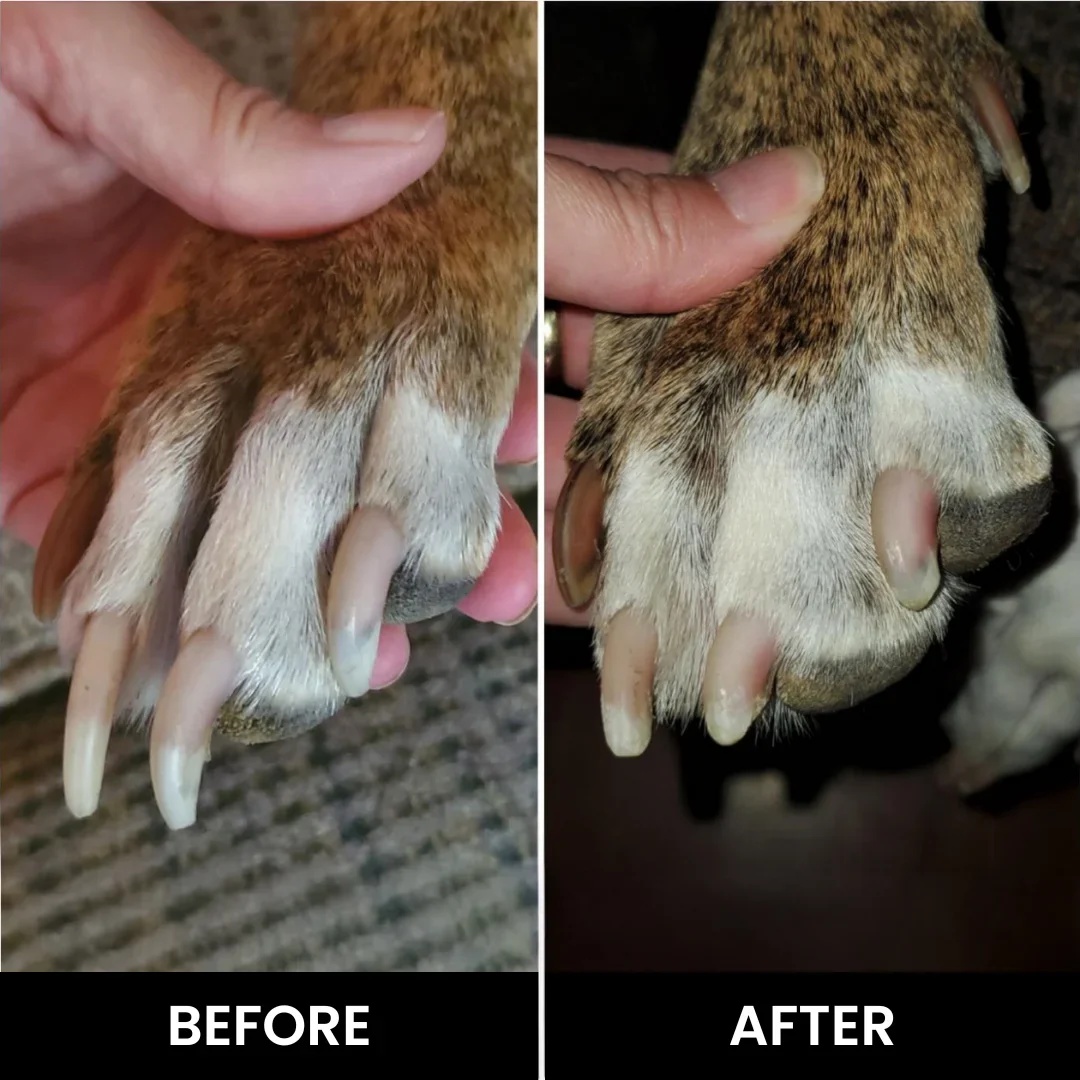
99-Day 100% Money-Back Guarantee
“Ever since we started using the Zenpaw Maxpro Grinder, it’s been such a peaceful experience. It’s very quiet, and my dog actually relaxes. It’s turned our stressful sessions into quick, quiet grooming times.”
— Sarah M. | ✔ Verified Customer
- ✓ Prevents Infection & Splitting
- ✓ Ideal for All Dog Sizes
- ✓ Low-Vibration Technology
- ✓ Fast 2-7 Days Delivery
Need Support? Call 302-307-1000
Identifying Fungal Issues: Visual Indicators and Veterinary Diagnosis
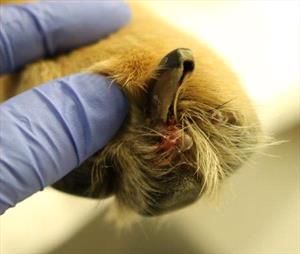
Recognizing the early stages of a claw infection requires careful visual inspection.
Healthy dog claws have a smooth, consistent outer wall, whether they are light or dark.
When fungal pathogens invade, the exterior shell of the nail begins to change color.
You might notice a dull white, yellowish, or even rusty brown discoloration near the base.
Many pet parents look up dog nail fungus pictures online to evaluate their pet’s paws.
These dog nail fungus images usually show thick, distorted, or strangely curved claws.
Some images highlight claws that are visibly crumbling or peeling off in distinct, dry layers.
Comparing your dog’s paws to verified dog nail bed infection pictures can help you identify abnormal swelling.
Look closely at the tissue surrounding the cuticle line.
An active infection makes the surrounding skin appear puffy, shiny, and bright red.
A dog nail bed swollen with fluid is highly sensitive to the touch.
Your dog might flinch, pull their paw away, or even whine if you try to hold their toe.
This localized swelling is the immune system trying to fight off the microscopic invaders.
However, trapped moisture under the nail fold can keep the area constantly irritated.
In addition, constant licking introduces bacteria from the mouth directly into the open tissues.
This creates a complex, secondary bacterial issue on top of the original fungal overgrowth.
A professional vet can perform a quick skin scraping or a fungal culture to pinpoint the exact pathogen.
Once identified, you can safely use targeted topical applications alongside a clean grooming routine.
Keeping the nails short reduces leverage on the painful nail bed, which supports faster healing.
Using our quiet, low-vibration grinder allows you to shorten the nails without causing sudden, sharp pain.
Understanding Paronychia: When Infection Strikes the Nail Bed
When an infection specifically attacks the tissue surrounding the claw, it is medically classified as paronychia.
A severe case of paronychia dog nail infection can cause intense discomfort for your pet.
The nail bed acts as the anchor point where the hard claw merges with the living tissue of the toe.
This area is packed with highly sensitive nerves and blood vessels, collectively known as the quick.
When bacteria or fungi slip beneath the nail fold, they establish a deep, stubborn colony.
The resulting inflammation makes daily walking incredibly painful for your canine companion.
To support your dog’s recovery, you can explore several mild home remedies for dog nail bed infection.
A warm, diluted Epsom salt soak is highly effective for drawing out deep-seated toxins.
Soaking the affected paw for five to ten minutes helps soothe irritated skin and reduce local throbbing.
Always ensure you dry the paw completely with a clean towel immediately after the soak.
Leaving any lingering moisture will only encourage further fungal development.
If the tissue remains highly inflamed, hot to the touch, or starts oozing discharge, consult your veterinarian.
They may need to prescribe a targeted topical or oral antibiotic for dog nail infection to clear the deep bacteria.
While the internal tissues heal, keeping the physical claw neatly filed down is absolutely vital.
Long, overgrown nails twist slightly whenever they press against the hard floor.
This twisting action pulls directly on the inflamed nail bed, worsening the internal tissue tear.
By keeping the nails short, you eliminate this mechanical stress entirely.
The Zenpaw Maxpro Grinder provides a controlled, step-by-step way to shorten claws without any sudden impact.
This gentle approach ensures your dog remains calm while their painful paws heal.
A Stress-Free Approach to Grooming Affected Nails
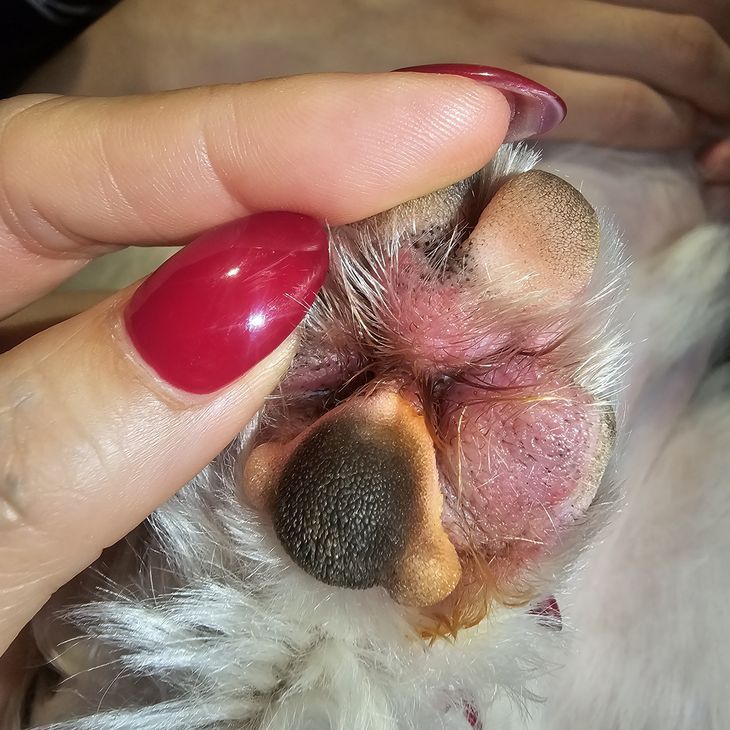
Grooming a dog with sensitive, infected paws requires patience and the right tools.
If your dog is already anxious, the loud buzz of a standard nail tool will make them panic.
This is why we built the Zenpaw Maxpro Grinder with an ultra-quiet, high-torque motor.
Operating under 40 decibels, its soft hum does not trigger your dog’s natural startle reflex.
To ensure a successful session, we recommend a gradual, systematic desensitization process.
Start by letting your dog inspect the turned-off grinder while offering high-value treats.
Once they associate the physical tool with positive rewards, turn the grinder on its lowest speed.
Let your pet listen to the quiet purr of the motor from a comfortable distance.
Gradually bring the vibrating body of the tool near their shoulder, allowing them to feel the mild hum.
When your dog remains completely relaxed, you can begin the physical filing process.
Gently but firmly hold the target paw, separating the specific toe you plan to work on.
Hold the grinder comfortably at a precise 45-degree angle relative to the natural growth of the claw.
This specific angle allows you to shape the nail cleanly while avoiding the sensitive quick.
Apply the rotating diamond bit to the tip of the nail using brief, light touches.
Never hold the spinning bit against a single spot on the nail for more than two to three seconds.
Continuous contact builds up frictional heat, which can startle a dog with sensitive nail beds.
Instead, use alternating, sweeping motions to file down the edges gradually.
Keep your initial grooming sessions brief, focusing on just one or two claws per day.
Reward your dog continuously with praise and treats throughout the process.
This positive approach changes their perception of paw handling, turning grooming into a relaxing bonding habit.
Preventing Trauma: Why Traditional Clippers Can Worsen Infections
Many pet parents make the mistake of using traditional, scissor-style clippers on compromised claws.
Standard clippers work by applying heavy mechanical force to cut through the hard outer shell.
This sudden, crushing action can easily shatter a nail that has been weakened by fungal spores.
The hairline cracks created by clippers can extend deep into the living tissue of the quick.
These microscopic fissures act as open highways for bacteria and dirt to penetrate the inner nail bed.
Furthermore, if your dog flinches during a clip, you risk cutting the quick and causing immediate bleeding.
This painful experience leaves a lasting emotional mark, making future grooming sessions a battle.
Using a high-performance grinder completely eliminates this crushing impact.
The diamond bit of the Zenpaw Maxpro gently wears away the keratin layer, molecule by molecule.
This gradual filing action leaves a perfectly smooth, rounded edge that will not snag or split.
It allows you to approach the quick slowly and safely, especially on dark, opaque nails.
You can observe the changing texture of the nail tip as you file, stopping safely before reaching the pink tissue.
By avoiding physical trauma to the nail, you protect the surrounding skin from further irritation.
A smooth, short nail is far easier to keep clean and dry throughout the recovery process.
Investing in a gentle, stress-free grooming routine is the best way to support your dog’s long-term paw wellness.
Grooming Comparison: Grinding vs. Traditional Clipping
To help you choose the best approach for an infected or sensitive nail, here is a breakdown of how grooming methods impact paw recovery:
| Feature / Benefit | Zenpaw Maxpro Grinder | Traditional Scissors & Clippers |
|---|---|---|
| Nail Bed Impact | Gentle, non-invasive friction. No pressure on the sensitive quick. | High crushing force. Can cause microscopic nail fractures. |
| Noise & Anxiety | Whisper-quiet (<40dB). Minimal vibration keeps pets calm. | Sudden “clip” sound. Can terrify anxious dogs. |
| Risk of Splitting | Virtually zero. Files edges into a smooth, sealed finish. | High risk. Especially dangerous for dry, fungal-ridden claws. |
| Quick Safety | Gradual control allows you to stop safely before reaching live tissue. | High risk of accidentally cutting the quick, causing immediate bleeding. |
Frequently Asked Questions on Dog Paw Care
Is the Zenpaw Grinder safe for large dogs?
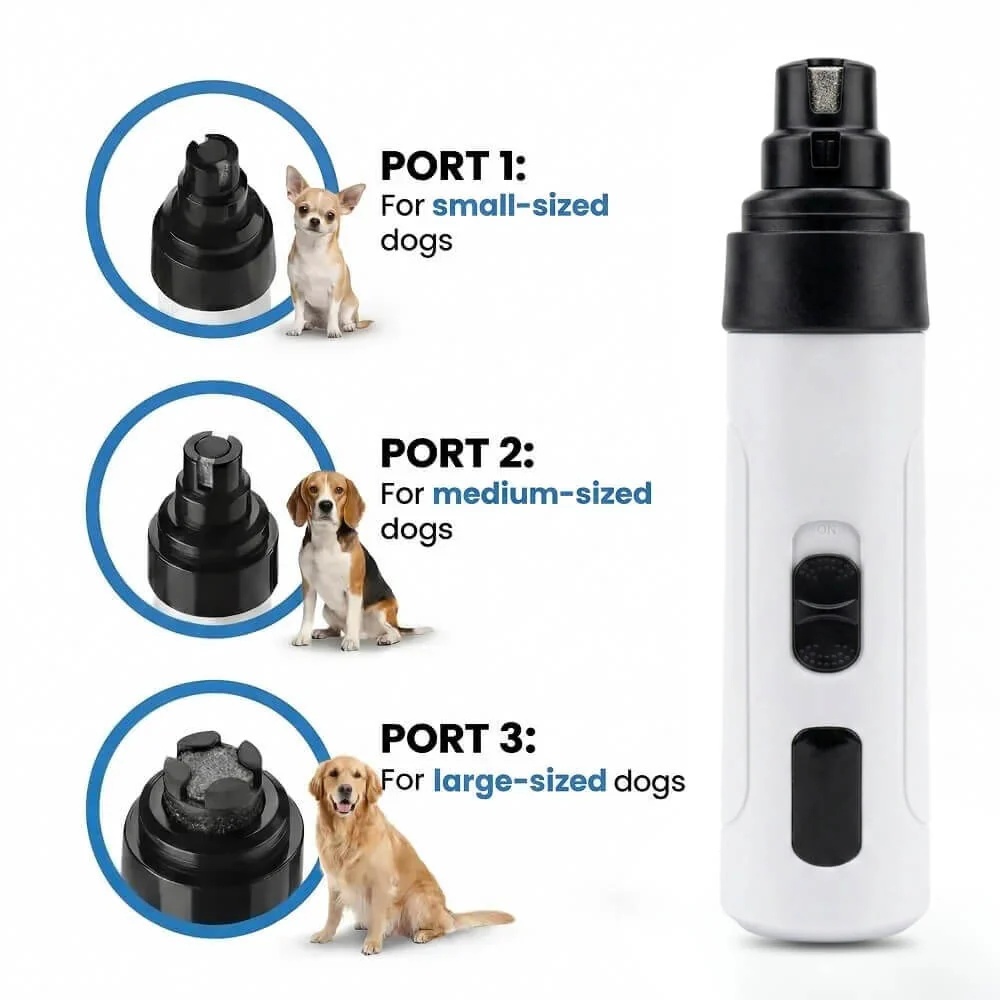
Yes, the Zenpaw Maxpro is designed with three custom-fitted ports to accommodate small, medium, and large breeds.
The powerful, dual-speed DC motor has enough torque to handle thick, tough nails easily.
Simply select the wide opening or remove the safety cap completely to file larger claws efficiently.
How long does the battery last on a single charge?
The Zenpaw Maxpro Grinder is equipped with a high-capacity, USB-rechargeable battery that lasts up to 7 hours.
This extended battery life allows you to take your time during sessions without worrying about the tool dying.
The convenient USB charging capability means you can power up using any standard phone block or laptop port.
Which speed setting is best for sensitive or infected claws?
We recommend starting on the low-speed setting when working on sensitive, recovering paws.
This lower speed reduces friction, minimizes vibration, and lets you work with extreme precision.
Once your pet is fully comfortable and relaxed, you can switch to the high-speed mode for faster shortening.
Does the grinder bit get hot during extended use?
The Zenpaw Maxpro uses advanced cool-running diamond bit technology to prevent rapid heat buildup.
However, holding any grinding tool against a nail continuously will eventually generate some frictional warmth.
To avoid this, use light, sweeping, two-to-three-second touches, alternating between different claws to let each cool down.
Healing Begins with Gentle Paw Care
Protecting your dog’s paws from irritating fungal overgrowth requires a consistent, stress-free grooming routine.
By switching to a quiet, precise filing tool, you keep their claws healthy and avoid irritating sensitive tissue.
This gentle approach protects the structural integrity of the nail while keeping your canine companion calm.
Ready to transform nail trimming from a battle into a breeze? Explore the Zenpaw Maxpro 3-in-1 Grinder. Call: 302-307-1000 — our team can help you advise on the best grooming practices and help with any product questions.
Note: Individual results may vary depending on individual dog breeds, nail thickness, and behavioral temperaments. This article is intended for general pet grooming reference purposes only and does not replace professional veterinary advice.