I still remember the absolute dread I felt every time my retired racer, Cooper, saw me reach for those old steel clippers. His body would stiffen, his deep brown sighthound eyes would fill with sheer panic, and my hands would shake with the terrifying fear of cutting his quick. That was before I discovered the secret of how to cut greyhound nails safely, a simple transition that completely restored peace to our home and saved my sweet boy’s sensitive paws from constant, agonizing pressure.
Maxpro 3-in-1 Grinder.
Stress-Free Nail Trimming.
Whisper-quiet DC motor (<40 dB) eliminates fear & discomfort. Features 3 ports, dual speeds, and 7-hour battery life. Safe, precise, and painless.
In This Article
- The Essential Guide: Why sighthound paw care requires a highly specialized approach to prevent joint damage.
- Anatomical Science: Visualizing the quick and mastering dark claw management safely.
- Step-by-Step Practical Blueprint: The ultimate desensitization plan for highly sensitive, anxious dogs.
- Structural Impact: How proper nail length directly preserves athletic sighthound mobility.
- Common Pitfalls: Mitigating fractures, splits, and painful thermal buildup.
The Essential Guide on How to Cut Greyhound Nails Without Fear
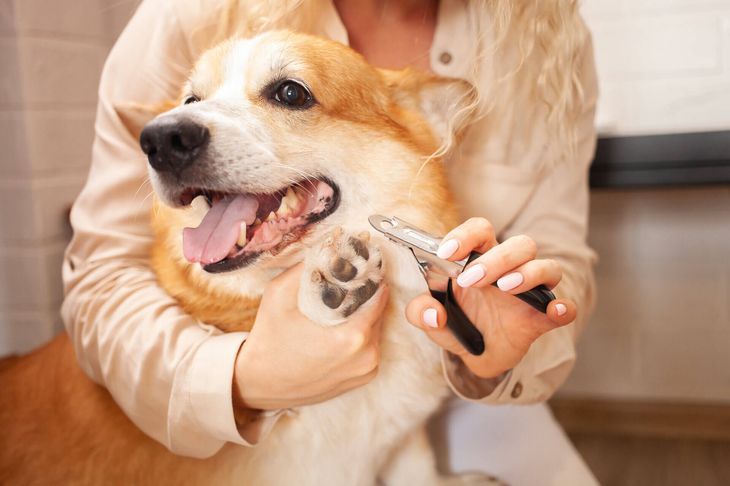
Greyhound claw care requires a highly specialized approach due to their unique physiological build.
Unlike standard dog breeds, sighthounds possess a distinct foot structure known as a “hare foot”.
This anatomical variation means their two middle toes are significantly longer than the outer toes.
Consequently, sighthounds carry their weight differently, making proper greyhound long quicks management absolutely vital.
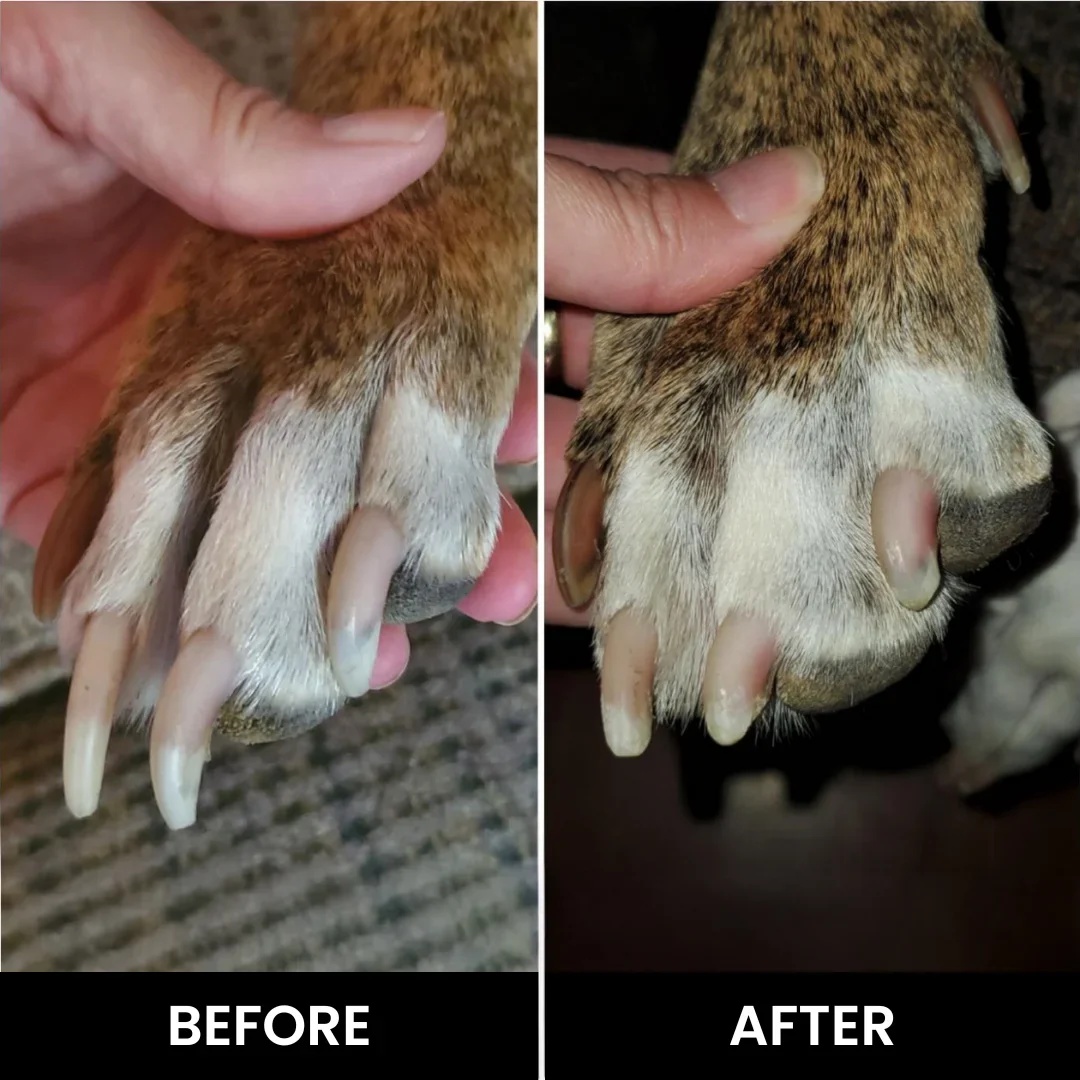
When you seek to master how to cut greyhound nails, you must understand that their claws grow rapidly and tend to curve sharply inward.
Long, unmanaged claws will continuously push against the hard ground, forcing the toes upward and altering their natural gait.
Over time, this constant upward pressure can cause chronic joint pain, spinal misalignment, and severe arthritis.
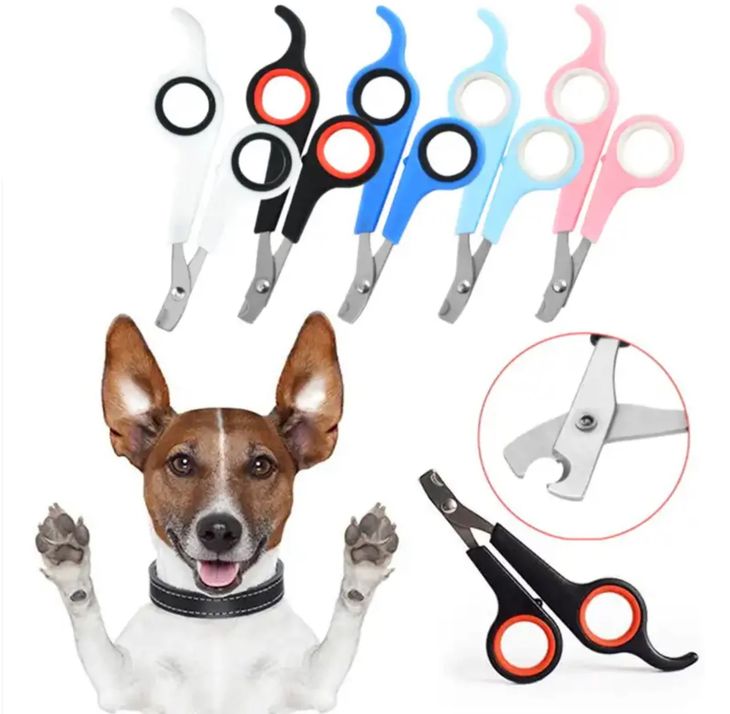
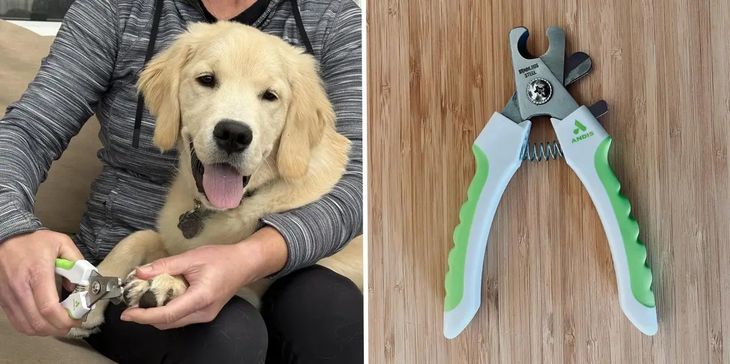
Many sighthound owners struggle to maintain these long claws because traditional guillotine-style clippers squeeze and crush the sensitive nail wall.
This violent crushing action often leads to painful splintering, which can easily progress into deep, localized paw infections.
To prevent this discomfort, learning overgrown greyhound nails corrective techniques is the most compassionate choice you can make.
Team Zenpaw has observed thousands of sighthounds thrive when their owners transition away from aggressive clippers.
By choosing a progressive grinding method instead, you can carefully file down the claw layer by layer without triggering the classic flight-or-fight response.
This gentle process allows you to maintain the perfect greyhound claw guidelines for optimal balance and structural safety.
Regular maintenance not only protects your hardwood floors but also ensures your athletic dog can sprint and play without joint strain.
This comprehensive guide will equip you with all the professional tips and expert strategies needed to make home grooming successful.
You do not need to spend hundreds of dollars on monthly vet visits just for a basic nail trim.
With the correct knowledge and a gentle, low-vibration tool, you can easily become your dog’s favorite home groomer.
Let us dive deep into sighthound biomechanics and discover how safe nail maintenance can completely transform your dog’s daily comfort.
| Tool & Approach | Suitability for Greyhound Claws | Key Pain & Injury Risks |
|---|---|---|
| Guillotine Clippers | Extremely Poor | Crushes the thick claw wall, splits keratin layers, easily cuts long quicks. |
| Traditional Scissor Clippers | Poor / High Stress | Causes intense crushing pain, creates microscopic hairline fractures in claws. |
| Zenpaw Maxpro Grinder | Excellent / Highly Recommended | Virtually zero risk; files incrementally; whisper-quiet motor keeps sighthounds relaxed. |
99-Day 100% Money-Back Guarantee
“Ever since we started using the Zenpaw Maxpro Grinder, it’s been such a peaceful experience. It’s very quiet, and my dog actually relaxes. It’s turned our stressful sessions into quick, quiet grooming times.”
— Sarah M. | ✔ Verified Customer
- ✓ Prevents Infection & Splitting
- ✓ Ideal for All Dog Sizes
- ✓ Low-Vibration Technology
- ✓ Fast 2-7 Days Delivery
Need Support? Call 302-307-1000
Understanding Sighthound Anatomy: The Science of the Quick
Inside every single canine claw lies a highly sensitive bundle of blood vessels and nerve endings called the quick.
In greyhounds, the quick is notoriously long and extends far down the center of the hard outer shell.
This biological design makes traditional clipping extremely risky, as even a millimeter of error can cause intense bleeding.
If you accidentally cut this vascular bundle, your dog will experience sharp, stinging pain that they will associate with grooming for years.
To safely handle these delicate areas, you must understand how to manage greyhound dew claw trimming without nicking the nerve.
The dew claw is located higher up on the inner side of the front leg and does not touch the ground.
Because it experiences no natural friction, the dew claw often grows into a tight, circular hook that can snag on blankets or brush.
To prevent painful tears, keeping this specific claw short requires consistent, weekly attention.
Additionally, sighthound owners frequently face the challenge of learning to cut black greyhound nails safely.
Unlike clear or light-colored claws where the pink quick is highly visible, black claws hide this delicate vascular tissue completely.
Attempting to cut these dark claws with manual steel tools is often a guessing game that ends in injury and blood.
Expert groomers bypass this risk by grinding the nail in small, incremental steps from the tip downward.
As you grind closer to the quick, you will notice the dry, flaky center of the nail transforms into a soft, dark dot.
This tiny, moist dot is your primary visual warning sign to immediately stop filing further.
Understanding exactly how short to cut dog nails relies on recognizing this transition point.
By stopping at the first sign of the soft inner core, you ensure your greyhound remains completely pain-free.
Over time, consistent weekly filing will actually cause the long quick to recede naturally.
This natural recession allows you to gradually achieve shorter, safer claws without ever causing bleeding.
Sighthound nails also contain dense layers of keratin that can dry out and become brittle, especially during winter months.
Brittle claws are highly susceptible to cracking longitudinally when subjected to the harsh impact of clipper blades.
A cracked claw can expose the sensitive nailbed to dirt, bacteria, and moisture, leading to extremely painful nailbed infections.
By choosing a high-quality rotary tool, you file away the dry keratin evenly without applying structural shock to the toe.
Professional groomers rely on this micro-filing technique to maintain structural integrity across all ten front and back claws.
Your dog’s long-term comfort and safety depend directly on avoiding the blunt trauma caused by traditional metal clippers.
Sighthound claws contain an outer shell made of hard keratin and a soft, crumbly inner core surrounding the vascular quick.
The hard outer keratin shell acts as a protective shield for the delicate nerves inside.
When this outer shield is clipped violently with low-quality steel, it cracks under the crushing pressure.
These cracks can propagate vertically, exposing the soft inner core to environmental debris.
When debris enters these micro-cracks, it introduces opportunistic pathogens that can cause acute paronychia.
Paronychia is a highly painful bacterial infection of the tissue surrounding the claw.
An infected toe becomes swollen, red, hot to the touch, and can cause a severe limp.
Treatment for nailbed infections often requires veterinary intervention, including systemic antibiotics and pain management.
By choosing a gentle grinding method, you completely eliminate the physical trauma that triggers these vertical cracks.
This makes progressive grinding not just a convenience, but an essential veterinary preventative care measure.
Step-by-Step Greyhound Nail Trimming and Desensitization Plan
Training your sensitive sighthound to accept nail grooming requires patience, positive reinforcement, and the right tools.
Because greyhounds are highly sensitive to loud noises and strong vibrations, a standard high-powered rotary tool will terrify them.
This is why Team Zenpaw engineered the Maxpro Grinder with a whisper-quiet motor operating under 40 decibels.
To begin the desensitization process, place the turned-off device on the floor near your dog’s favorite resting spot.
Allow them to sniff the tool naturally, rewarding every curious interaction with a high-value treat like real chicken or cheese.
Once they are completely comfortable with the physical object, turn the whisper-quiet motor on at its lowest speed.
Hold the tool a few feet away, feeding your dog treats continuously to build a positive association with the soft humming sound.
Slowly bring the humming device closer to their paws over several short sessions without actually touching the nails.
When your dog remains completely relaxed, you can begin the actual grooming process by gently touching the tool to a single claw.
To achieve a perfectly smooth finish, you should hold the grinder at a precise 45-degree angle to the claw’s natural growth path.
Avoid applying heavy pressure, and let the high-quality grinding wheel do the work for you.
Apply the grinding head for only two to three seconds per nail before moving to the next toe to prevent heat buildup.
For dogs with particularly thick, dry claws, learning how to soften dog nails before cutting can make the process even smoother.
A quick warm-water paw soak before your grooming session can significantly reduce resistance and make the keratin much easier to file.
After shaping the edges, you can use a specialized dog nail file to polish away any remaining micro-ridges.
For an exceptionally smooth, professional-grade finish, applying a gentle dog nail buffer will prevent the claws from snagging on delicate household fabrics.
Remember to praise your dog enthusiastically after completing each paw to reinforce their cooperative behavior.
By keeping these sessions short and enjoyable, your dog will soon view grooming as a peaceful bonding experience rather than a stressful chore.
Never attempt to force your greyhound or hold them down, as this will trigger intense claustrophobic panic in a former racing dog.
Instead, work at your dog’s own pace, even if you only grind one claw per day during the initial transition period.
Over several weeks, their tolerance will grow exponentially as they realize the quiet grinder brings nothing but rewards and affection.
This cooperative approach forms the absolute foundation of low-stress cooperative care grooming at home.
When you are ready to file the claw, gently pull the toe pad away from the surrounding fur to clear your field of view.
Greyhounds often have fine, silky fur around their toes that can easily catch in a fast-spinning rotary spindle.
Using a safety cap, like the one featured on the Zenpaw Maxpro, prevents surrounding fur from getting tangled during operation.
Hold the grinder firmly but lightly, allowing the spinning abrasive disk to make soft, sweeping contacts with the nail tip.
Move the grinder in a gentle, semi-circular motion around the tip to create a perfectly rounded dome shape.
This dome shape mimics the natural wear pattern of a wild canine running on rough, abrasive gravel.
It also ensures there are no sharp, hook-like edges left behind to snag on household carpets or furniture threads.
Repeat this gentle rounding process on each toe, making sure to maintain a positive, lighthearted mood throughout.
The Physiology of the Greyhound Foot and Its Impact on Mobility
To truly understand sighthound claw health, one must examine the complex evolutionary biomechanics of the greyhound foot.
Greyhounds are built for explosive, high-velocity running, requiring claw traction that acts like athletic running spikes.
Their claws are designed to grip the turf during sharp turns, which means they naturally grow longer and thicker than those of indoor lapdogs.
However, when these dogs transition from sandy race tracks to hard concrete sidewalks and hardwood floors, the natural wear pattern changes completely.
Hard surfaces do not allow the claw to sink in, which forces the entire claw structure backward into the toe joint with every step.
This structural displacement causes the toe joints to hyperextend, placing immense strain on the flexor tendons of the lower leg.
Chronic tendon strain can lead to a condition known as “knuckling over,” where the dog’s toes can no longer support their weight properly.
Furthermore, the constant backward pressure alters the angle of the wrist and ankle joints, transferring strain up to the shoulders and hips.
Many sighthound owners mistake early signs of joint discomfort for normal aging or retired racer laziness.
In reality, a simple, precise claw trim can often instantly restore a springy, comfortable gait to an older sighthound.
By maintaining a strict grooming schedule every seven to ten days, you can proactively prevent these structural issues from developing.
This simple routine ensures your canine athlete’s skeletal system remains perfectly aligned for a lifetime of pain-free movement.
When sighthounds are forced to walk on overgrown claws, their physical balance is severely compromised.
This imbalance can cause them to slip more easily on polished wood, tile, or laminate flooring, risking ligament tears.
Keeping their nails short and properly rounded is therefore a foundational aspect of protecting their orthopedic wellness as they age.
In the wild, canines walk on varied terrain like grass, dirt, gravel, and sand, which naturally sands down their nails.
Domestication and suburban living force sighthounds to walk primarily on flat, unyielding synthetic surfaces.
These hard indoor floors offer zero natural wear for their rapid-growing claws.
As a result, sighthound nails can reach a critical length where they begin to structurally warp the natural alignment of the foot.
This warping places a chronic lateral shear force on the delicate ligaments holding the toe bones together.
Over several months, this shear force can cause a painful, chronic inflammatory joint condition known as toe luxation.
A luxated toe can severely compromise a greyhound’s speed, agility, and overall quality of life.
Professional veterinary rehabilitation specialists routinely emphasize that short claws are key to canine athletic longevity.
By committing to regular, gentle home grinding, you are actively protecting your dog from debilitating long-term structural injuries.
Preventing Sighthound Claw Splits: Overcoming Common Grooming Mistakes
The single most common mistake pet parents make is using dull, outdated manual clippers on thick sighthound claws.
Dull blades exert immense lateral pressure on the nail wall, which causes microscopic fractures that slowly expand over time.
These tiny splits can eventually rupture up to the nail bed, resulting in severe pain, limping, and expensive veterinary visits.
Another frequent error is holding a rotary grinder against a single claw for an extended, uninterrupted period.
Friction naturally generates heat, which can quickly warm the internal quick and cause a painful burning sensation.
To avoid this discomfort, always utilize a “touch-and-go” technique, moving rapidly between different toes to distribute the thermal load.
Additionally, many owners rush the grooming process out of personal anxiety, which only increases the dog’s nervousness.
Dogs are incredibly intuitive animals that easily mirror their owners’ emotional states and physical tension.
If you approach the session with deep, calm breaths and a relaxed posture, your dog will naturally follow your lead.
The Zenpaw Maxpro Grinder supports this relaxed approach by giving you full control with its dual-speed adjustment system.
This allows you to start on the lowest, gentlest setting to build mutual confidence before scaling up to handle thicker areas.
By taking your time and prioritizing safety over speed, you completely eliminate the risk of painful grooming accidents.
Remember to always secure a supportive grip on the individual toe you are working on to minimize micro-vibrations.
Micro-vibrations can feel ticklish or uncomfortable, causing sensitive sighthounds to pull their feet away during filing.
Supporting the toe firmly between your thumb and forefinger isolates the claw, ensuring a clean, effortless grinding path every time.
Frequently Asked Questions About Greyhound Nail Care
Is the Zenpaw Maxpro Grinder safe for large dog breeds like Greyhounds?
Yes, the Zenpaw Maxpro is fully optimized for dogs of all sizes, including large athletic sighthound breeds.
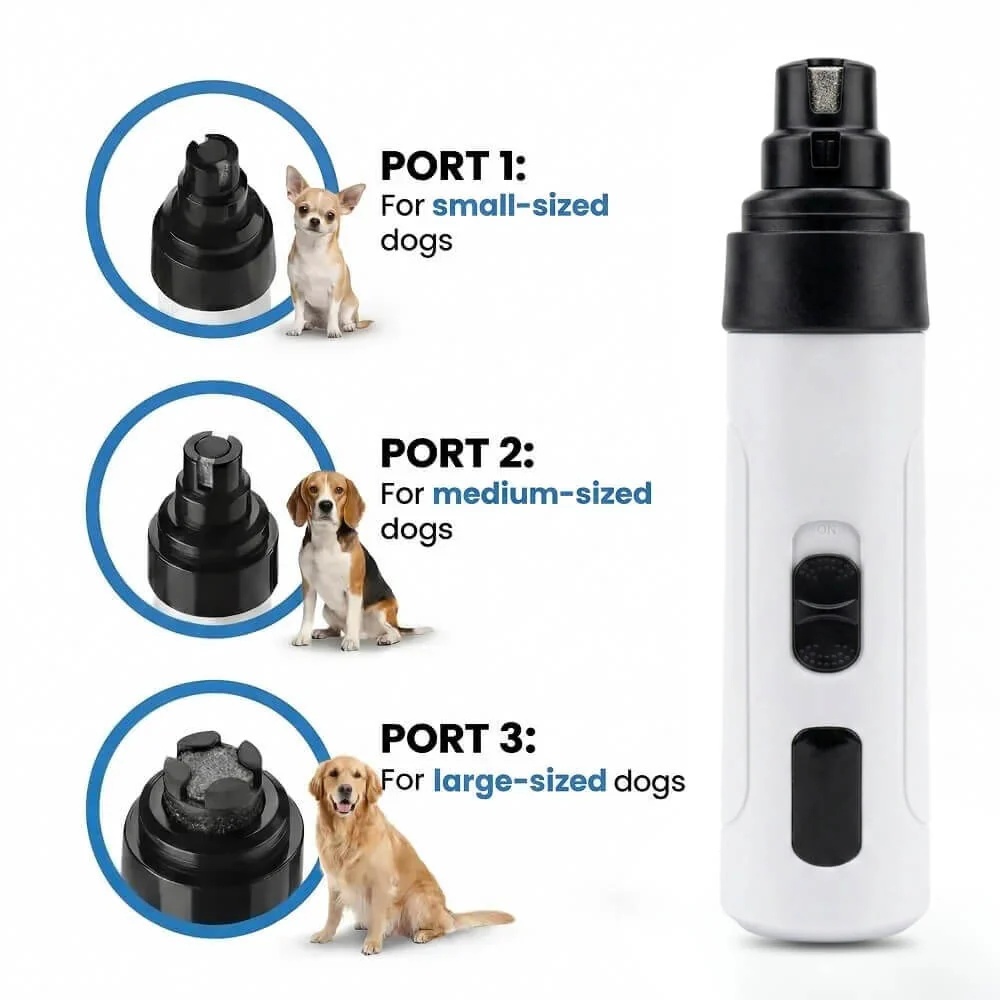
The device features a specially designed safety cap with three different port sizes to suit various claw shapes.
The small and medium ports are perfect for delicate dew claws or smaller canine companions.
The wide, fully open port option exposes the entire grinding wheel, making it easy to file thick, robust sighthound claws smoothly.
How long does the Zenpaw Maxpro battery last on a single charge?
The advanced lithium-ion battery provides up to seven hours of continuous runtime on a single charge.
This long-lasting power means you can easily complete multiple grooming sessions without worrying about losing performance mid-way.
The device is fully USB-rechargeable, allowing you to power it up using any standard phone charger or laptop port.
Additionally, the intuitive LED indicator lights keep you constantly informed of the remaining battery capacity.
Which speed setting is best for grooming thick Greyhound nails?
We recommend starting on the low-speed setting to carefully shape the claw tips and build your dog’s confidence.
Once your greyhound is relaxed, you can easily switch to the high-speed setting to efficiently file down thick keratin layers.
The dual-speed control allows you to customize the trimming process based on your dog’s unique comfort level.
This flexibility makes it highly effective for both rapid bulk reduction and fine detail polishing.
Does the grinding head get hot during extended grooming sessions?
No, the Zenpaw Maxpro utilizes advanced low-heat technology to keep the grinding wheel cool to the touch.
Unlike cheap rotary tools that generate intense, painful friction heat within seconds, our brass motor runs smoothly and coolly.
However, we still recommend moving between toes every few seconds to guarantee absolute comfort for your pet.
This standard safety practice ensures your dog never experiences any sudden thermal discomfort.
Conclusion: Empower Your Grooming Journey Today
Maintaining short, smooth, and pain-free claws is one of the most proactive steps you can take to preserve your greyhound’s structural health.
Ready to transform nail trimming from a battle into a breeze? Explore the Zenpaw Maxpro 3-in-1 Grinder. Call: 302-307-1000 — our team can help you advise on the best grooming practices and help with any product questions.