
I still remember the sheer dread of clipping pet nails at home when my dog’s paw would start shaking, but discovering how a whisper-quiet, painless grooming routine could transform our scary Sunday afternoons into a relaxing bonding session changed everything for our family. Our team at Zenpaw is committed to replacing that fear with calm confidence through veterinarian-approved tools and expert-led guidance.
Maxpro 3-in-1 Grinder.
Stress-Free Nail Trimming.
Whisper-quiet DC motor (<40 dB) eliminates fear & discomfort. Features 3 ports, dual speeds, and 7-hour battery life. Safe, precise, and painless.
In This Article
- Step-by-Step Trimming Tutorial: Master the safest physical sequence for maintaining paws at home.
- Anatomical Insights: Learn how to locate the quick on both light and dark claws.
- Behavioral Conditioning: Practical desensitization protocols to eliminate your dog’s grooming anxiety.
- Preventing Common Failures: Why traditional crushing clippers can cause long-term pain and splitting.
How to Trim Dog Nails at Home: A Step-by-Step Safety Guide
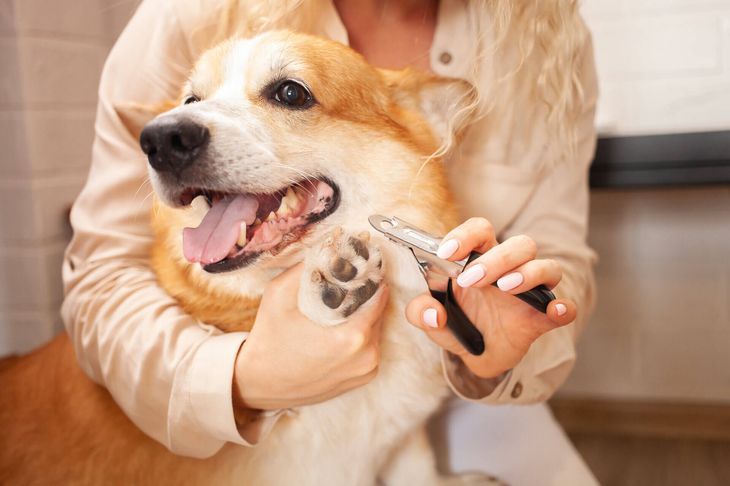
Before beginning your home paw care session, you must gather the correct equipment to ensure safety and comfort.
Ensure you have a reliable grinder or clipper, high-value treats, styptic powder, and a well-lit space.
Preparation is key to preventing accidental injury and establishing a calm routine.
-
Step 1: Establish a Calm, Distraction-Free Environment
Choose a quiet room where your pet feels naturally relaxed and secure.
Turn off loud appliances, televisions, and close windows to block out sudden exterior noises.
Lay down a soft, non-slip mat or blanket to keep your dog comfortable on the floor.
Sit close to your pet on their level to avoid dominant posture that might trigger stress.
Offer a tiny lick of peanut butter or a small treat to set a positive tone.
-
Step 2: Inspect the Paw and Isolate the Nail
Gently pick up one of your dog’s paws to evaluate its current condition.
Check between the toes for dirt, debris, or red patches of skin irritation.
Place your thumb on the pad of the toe you plan to trim first.
Apply gentle pressure forward to extend the individual claw away from the surrounding fur.
Keep your fingers clear of the cutting or grinding path to maintain full visibility.
-
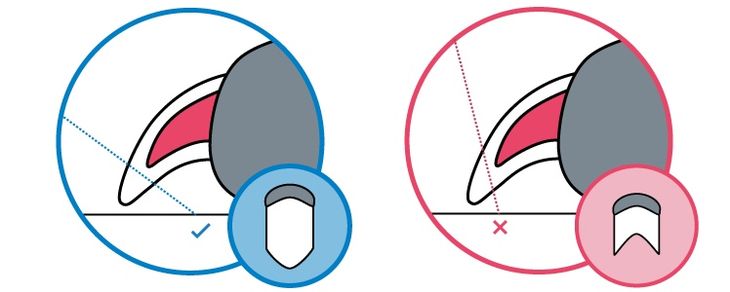
Step 3: Identify the Safety Boundary
Look closely at the side profile of the claw under bright lighting.
On light claws, look for the pink inner core which indicates the live blood vessel.
On dark claws, locate the chalky underside where the hook starts to curve downward.
You must plan to stop several millimeters before reaching this sensitive inner zone.
If you are uncertain of the boundary, commit to trimming only the very tip.
-
Step 4: Execute the Trim or Grind
Position your chosen tool at a safe forty-five-degree angle from the tip.
If using a grinder, apply light pressure for no more than two seconds per touch.
Smooth the sharp outer corners with brief, circular sweeping motions.
Alternate between toes to allow the nail surface to cool down completely.
Stop immediately if your pet displays signs of pain, pull-back, or sudden tension.
-
Step 5: Inspect and Apply Protective Polish or Covers
Examine the freshly trimmed tip to confirm the surface is smooth and clean.
Check the center of the cut edge for a small, dark dot indicating the near-quick zone.
Clear away any fine nail dust with a soft, clean cloth.
For pets prone to scratching wooden floors, apply specialized rubber dog nail covers to the tips.
Always conclude the session with enthusiastic praise and another rewarding treat.
Our team at Zenpaw understands that mastering how to trim dog’s nails at home requires the absolute right equipment.
The Zenpaw Maxpro 3-in-1 Grinder is engineered to support this step-by-step process with a whisper-quiet motor under 40dB that prevents starting anxiety.
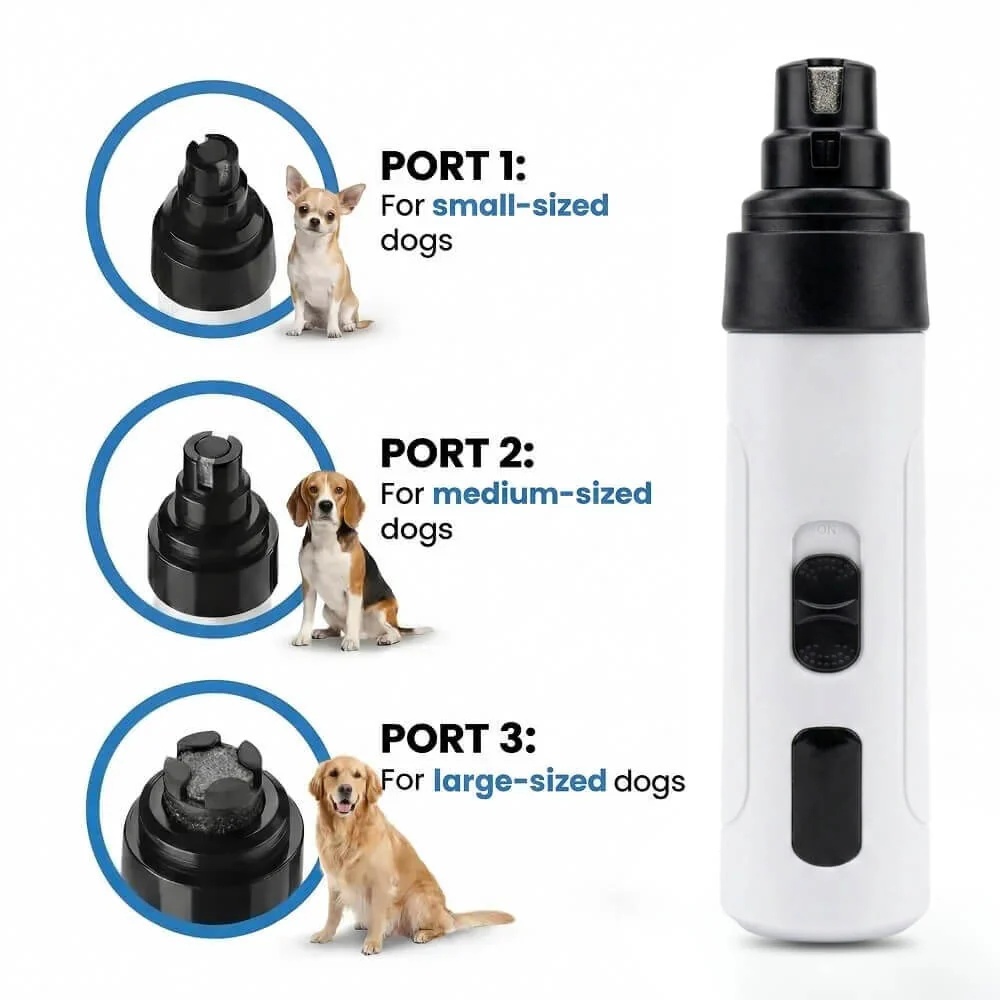
Its dual-speed, triple-port system allows you to easily execute safe trims on all dog sizes.
To experience the stress-free difference in your home grooming routine, explore the Zenpaw Maxpro Grinder Product Page today.
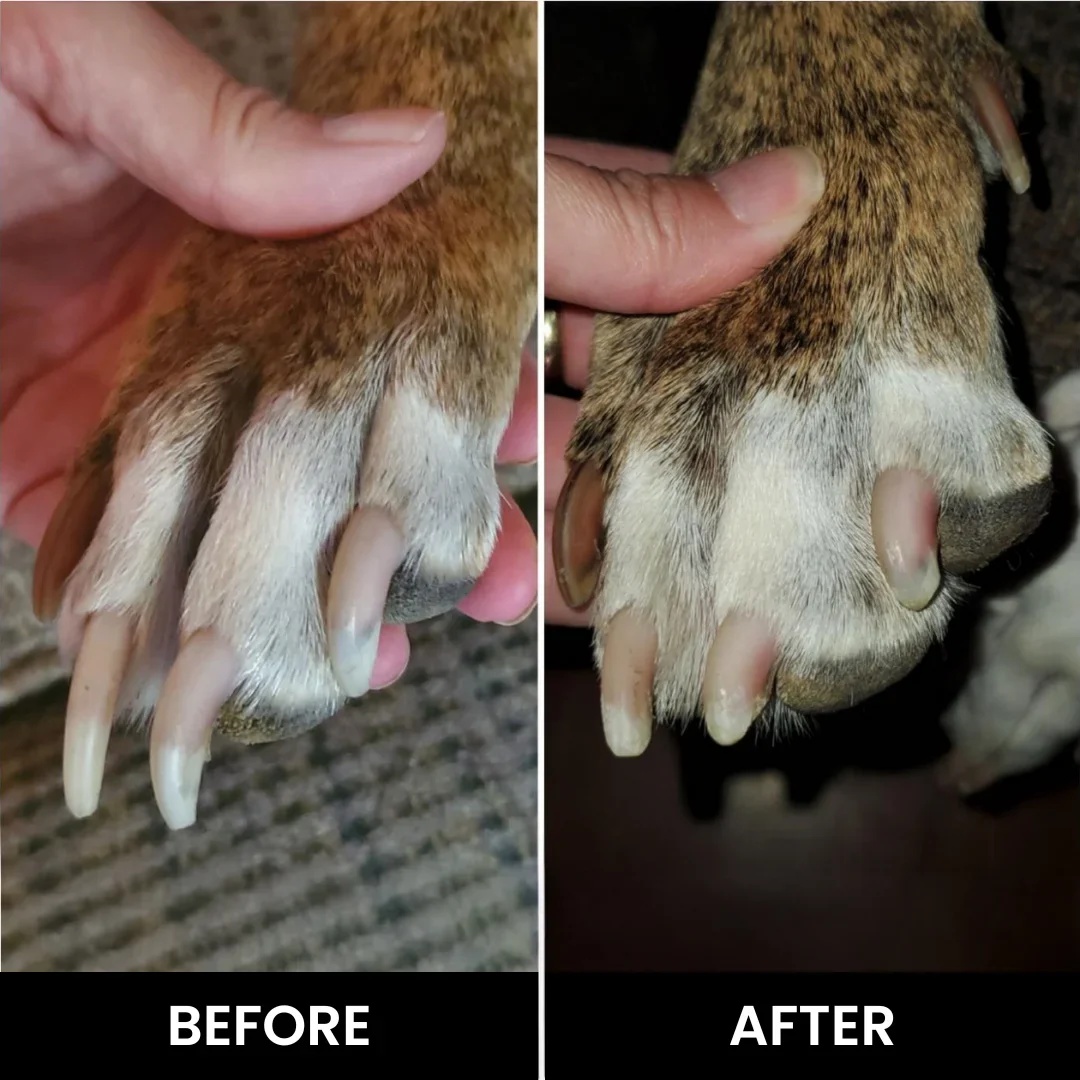
99-Day 100% Money-Back Guarantee
“Ever since we started using the Zenpaw Maxpro Grinder, it’s been such a peaceful experience. It’s very quiet, and my dog actually relaxes. It’s turned our stressful sessions into quick, quiet grooming times.”
— Sarah M. | ✔ Verified Customer
- ✓ Prevents Infection & Splitting
- ✓ Ideal for All Dog Sizes
- ✓ Low-Vibration Technology
- ✓ Fast 2-7 Days Delivery
Need Support? Call 302-307-1000
Understanding Canine Nail Anatomy: Where is the Quick?
Every professional pet wellness plan must begin with a strong understanding of claw biology.
Canine claws are not simple pieces of dead keratin like human fingernails.
They contain a highly sensitive, vascular inner structure known as the quick.
This living tissue is rich in active blood vessels and microscopic nerve endings.
Cutting into this inner core causes immediate, sharp pain and moderate bleeding.
The American Kennel Club explains that neglecting nail care can lead to serious skeletal alignment issues.
When claws grow too long, they push the toe bones upward and force the paw to splay outward.
This unnatural posture alters the weight distribution across your dog’s joints.
Over time, this can lead to premature arthritis, joint pain, and structural discomfort.
Maintaining properly trimmed dog nails is vital to protecting your pet’s mobility.
The outer shell of the claw is composed of hard keratin designed to protect the quick.
As the outer claw grows longer, the inner blood vessel also extends further down the nail shaft.
This means that severely overgrown claws cannot be shortened to a normal length in a single grooming session.
You must trim the tip regularly every ten to fourteen days to encourage the quick to recede.
A high-quality dog toenail clipper can sometimes slip and cut too deep.
A specialized grinder allows for a gradual, controlled filing process that reduces this risk.
Using safe nail clippers for dogs or rotary files prevents sudden structural damage.
By removing tiny layers at a time, you allow the quick to naturally withdraw over several weeks.
This careful method protects the delicate nerve endings and keeps your pet comfortable.
How to Safely Grind Black Dog Nails Without Bleeding
Trimming dark claws presents a unique challenge for many pet owners.
Because the dark pigment conceals the quick, you cannot rely on visual inspection from the side.
However, you can easily navigate this challenge by using a systematic, look-at-the-tip technique.
Begin by working in a very bright area, or use a headlamp to illuminate the nail surface.
Work on only one small portion of the claw at a time to maintain control.
Grind the nail tip in short, gentle strokes to avoid heat and friction.
After each pass, look directly at the cut surface of the claw.
Initially, you will see a dry, chalky white or grey material across the entire tip.
As you get closer to the quick, the center of the claw will begin to look different.
You will notice a small, dark, moist-looking circular spot appearing in the middle of the cut surface.
This dark spot is the outer protective layer of the quick.
Stop grinding immediately when you see this circular spot to prevent bleeding.
If you proceed any further, you will pierce the blood vessel and cause pain.
Keep a small container of dry styptic powder close by during the entire session.
If you accidentally touch the quick, apply a pinch of the powder with firm pressure for thirty seconds.
The powder stops the bleeding quickly and seals the tiny vessel.
Remember that staying calm is vital, as your dog will mirror your emotions.
Using a slow, progressive filing method reduces the risk of accidental injury.
Practical Guide: Desensitizing Your Dog and Perfecting the 45-Degree Grinding Angle

Desensitization is the process of replacing fear with positive association over time.
Many dogs develop intense anxiety around grooming tools due to past negative experiences.
To overcome this, you must introduce the grinder in a slow, structured way.
On the first day, place the turned-off grinder on the floor near your dog’s favorite resting spot.
Let them sniff the tool naturally and reward them with a treat immediately.
Repeat this step several times until they show no hesitation when near the device.
On the second day, turn the grinder on its lowest speed while sitting a few feet away.
Do not touch your dog with it; simply let them hear the quiet humming sound.
Praise them and offer high-value treats to link the sound to positive rewards.
On the third day, gently touch the handle of the vibrating grinder to their leg or shoulder.
This allows them to feel the vibrations without any contact on their claws.
On the fourth day, try grinding a single claw tip for just one second.
By moving slowly, you build lasting confidence and prevent stressful grooming struggles.
Once your dog is comfortable, you must focus on using the correct grinding angle.
Hold the grinder firmly but gently at a forty-five-degree angle relative to the natural growth of the claw.
This angle allows you to shape the nail properly and remove sharp edges.
Apply light, steady pressure for no more than two seconds per touch.
This short duration prevents friction from heating up the sensitive nail tissue.
Alternate toes frequently to keep the nails cool and comfortable.
If your dog becomes restless, take a short break and try again later.
With patience and the right tools, home nail care can become a simple, stress-free routine.
Overcoming Safety Hazards: Why Traditional Crushing Clippers Fail
Traditional clippers often apply extreme pressure to the outer walls of the claw.
This crushing force can cause the hard keratin shell to split, crack, or splinter.
Splinters can expose the delicate quick to dirt and bacteria, leading to painful infections.
Additionally, the sudden “pinch” of a clipper can startle your dog and cause them to pull away.
This reaction increases the risk of an accidental cut and long-term grooming anxiety.
Many owners find that using a high-quality rotary file is a much safer alternative.
Grinders gently shave away thin layers of the claw without applying crushing pressure.
This gradual process gives you much better control over how much nail is removed.
It also rounds out the sharp edges, preventing scratches on your floors and furniture.
By choosing a safe, modern tool, you protect your dog’s paws and your peace of mind.
Traditional Clippers vs. Modern Grinders: A Clear Comparison
To help you choose the best tool for your pet, we have put together a quick comparison table.
This breakdown highlights the key differences between traditional clippers, loud grinders, and the Zenpaw Maxpro.
| Feature | Traditional Clippers | Loud Cheap Grinders | Zenpaw Maxpro Grinder |
|---|---|---|---|
| Action Type | Crushing & cutting | High-speed friction | Controlled dual-speed filing |
| Noise Level | Silent till cut, sudden “snap” | Loud, vibrating (>65dB) | Whisper-quiet (<40dB) |
| Splinter Risk | High risk of cracking | Moderate due to heat | Very low, leaves smooth edges |
| Safety Level | Low, easy to cut quick | Moderate, can overheat claws | High, features 3 protective ports |
As you can see, choosing the right tool has a direct impact on your dog’s comfort and safety.
Our team at Zenpaw recommends a whisper-quiet grinder to ensure a peaceful grooming experience.
Frequently Asked Questions About Safe Paw Grooming
Is the Zenpaw Grinder safe for large dogs?
Yes, the Zenpaw Maxpro is designed to handle claws of all sizes.
It features three different ports to safely accommodate small, medium, and large breeds.
The powerful motor easily files down thick claws while remaining quiet and gentle.
How long does the battery last on a single charge?
The Zenpaw Maxpro features a high-capacity, USB-rechargeable battery.
It provides up to seven hours of continuous use on a single charge.
This long battery life ensures you never run out of power mid-session.
Which speed setting is best for my dog?
We recommend starting on the lowest speed setting to let your dog get used to the tool.
Once they are comfortable, you can switch to the higher speed for faster grooming.
Always use the speed that feels safest and most comfortable for your pet.
Does the grinder head get hot during use?
Our grinder is engineered with advanced, low-heat technology to prevent burning.
However, we still recommend alternating between claws to keep the nail surface cool.
Applying short, gentle touches ensures a completely painless experience.
Conclusion
Ready to transform nail trimming from a battle into a breeze?
Explore the Zenpaw Maxpro 3-in-1 Grinder today.
Call 302-307-1000 to consult our team on the best grooming practices for your pet.
Note: Individual results may vary depending on individual dog breeds, nail thickness, and behavioral temperaments. This article is intended for general pet grooming reference purposes only and does not replace professional veterinary advice.