
I still remember the heartbreaking yelp my retriever, Bailey, gave when his nail shattered during what I thought was a routine trim. It is deeply stressful to watch your companion suffer, which is why I set out to solve why do my dogs nails split when i cut them. At Team Zenpaw, we found traditional clippers often crush the nail, leading us to build whisper-quiet, painless tools that keep paws healthy and safe.
Maxpro 3-in-1 Grinder.
Stress-Free Nail Trimming.
Whisper-quiet DC motor (<40 dB) eliminates fear & discomfort. Features 3 ports, dual speeds, and 7-hour battery life. Safe, precise, and painless.
In This Article
- The Mechanics of Splitting: Discover exactly why traditional cutting pressure forces dog claws to fracture.
- Underlying Health Signals: Learn how diet, hydration, and thyroid conditions contribute to brittle canine nails.
- Step-by-Step Prevention: Master stress-free grooming and proper desensitization techniques for anxious dogs.
- Professional Tool Selection: Compare clippers and grinders to ensure you protect the sensitive internal quick.
Why Do My Dog’s Nails Split When I Cut Them?
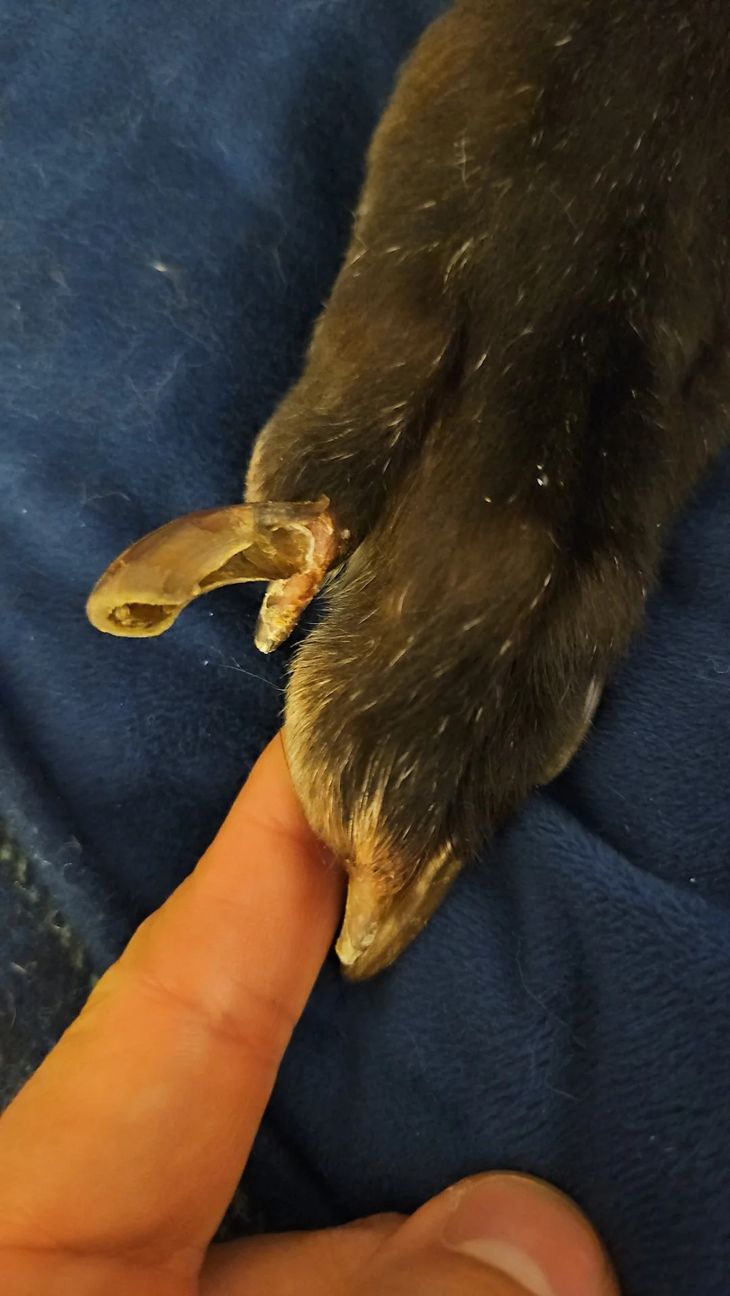
Your dog’s claws are made of a tough protein called keratin, which grows in layered sheaths around a highly sensitive, blood-filled core known as the quick.
When you compress these curved sheaths with traditional scissor-style or guillotine clippers, the immense lateral pressure forces the dried layers to separate violently rather than slicing cleanly.
This structural failure typically happens when the grooming tools are dull, when the dog has dry or brittle nails, or when the nail is cut at an incorrect angle.
Professional groomers observe that active dogs who walk mostly on soft grass rather than hard pavement tend to have longer, drier claws that are highly susceptible to fracturing.
The splitting action occurs instantly at the moment of compression, often sending painful micro-cracks deep up the nail shaft toward the sensitive nerve endings.
By understanding that canine nails are structurally closer to a horse’s hoof than a human nail, we can see why crushing them with scissor blades causes them to shatter.
This sudden fracturing is primarily caused by dry keratin sheaths that have lost their natural moisture balance over time.
When dry nails are squeezed, the hard outer wall cannot handle the quick compression, leading to immediate structural failure.
Dogs who spend their days walking on carpet and soft grass do not naturally wear down their claws, which compounds this structural stress.
This lack of natural wear makes the outer sheaths grow too thick and brittle for standard home grooming clippers to manage safely.
Consequently, the nail bursts outward like dry wood under a heavy hammer rather than shearing smoothly like a human fingernail.
According to the American Kennel Club (AKC), neglecting regular maintenance makes the quick grow longer, which increases the pressure exerted on the nail shell during subsequent trims.
To safely resolve and prevent this painful splitting, you must immediately transition from forceful crushing tools to a gradual filing method.
Begin by softening your dog’s dry claws with a warm, hydrating paw soak or by trimming them immediately after a bath when the keratin layers are most flexible.
Always hold your dog’s paw securely using a gentle but firm grip, isolating each toe to prevent sudden jerking movements.
Instead of making one massive cut, use a high-quality rotary file to gently shave away the nail tip at a safe, controlled pace.
Work at a precise angle while monitoring the center of the nail for a small, dark circle that signals you are approaching the sensitive blood vessel.
If your dog becomes highly anxious during this process, utilizing a dog muzzle for nail trimming can provide safety and structure for both of you.
If you want to handle this safely at home, the Zenpaw Maxpro Grinder provides painless, quiet filing — explore it here.
99-Day 100% Money-Back Guarantee
“Ever since we started using the Zenpaw Maxpro Grinder, it’s been such a peaceful experience. It’s very quiet, and my dog actually relaxes. It’s turned our stressful sessions into quick, quiet grooming times.”
— Sarah M. | ✔ Verified Customer
- ✓ Prevents Infection & Splitting
- ✓ Ideal for All Dog Sizes
- ✓ Low-Vibration Technology
- ✓ Fast 2-7 Days Delivery
Need Support? Call 302-307-1000
Why Dull Clippers and Extreme Crushing Forces Shatter Canine Claws

To understand why dog claws split, we must examine the physical force applied by standard scissor-style clippers.
When blades become slightly dull, they no longer slice through the keratin sheaths cleanly.
Instead, they squeeze the outer walls of the nail together with immense pressure.
This intense squeezing force causes the layered protein structure of the claw to buckle and burst.
The resulting damage is known as shattered claws, which leave the internal nerve endings raw and exposed.
This crushing action explains why do my dogs nails crack when i cut them during standard grooming sessions.
Certified veterinary behaviorists note that this sudden, shocking pressure is the primary reason dogs develop severe grooming anxiety.
When a dog experiences this intense pinching feeling once, they will struggle, pull away, or even panic during future grooming attempts.
In extreme cases of panic, some pet owners have reported that their dog faints getting nails clipped due to overwhelming cardiovascular stress.
By switching to a rotating filing tool, you replace this traumatic crushing force with microscopic, gentle friction.
This friction gradually wears down the excess length without putting any lateral stress on the nail walls.
Keratin sheaths grow in a curved, tubular form that is specifically designed to resist impact forces from the front.
However, this curved structure has very little resistance against lateral compression from blunt steel blades.
When you use dull clippers, the blades must push through the entire width of the claw before making a cut.
This structural squeezing puts extreme tension on the natural growth rings of the nail shell.
Once this tension reaches a critical breaking point, the layers split open along their natural grain.
The split can easily travel backward, tearing through the living tissue of the quick and causing sudden, sharp pain.
This painful experience often causes a dog to develop a lifelong aversion to being touched on their paws.
Over time, this aversion can escalate into defensive growling or frantic struggling whenever they see a pair of clippers.
The Science of Brittle Claws: How Nutrition and Thyroid Health Impact Nail Strength
Just like human fingernails, a dog’s claws reflect their overall internal health and nutritional status.
If your dog’s nails are peeling, chipping, or splitting easily, they may be suffering from a systemic deficiency.
A primary biological building block for strong claws is biotin, a vital B-vitamin that supports healthy keratin production.
Essential fatty acids, such as Omega-3 and Omega-6, are also crucial for maintaining proper moisture levels within the nail shell.
When these key nutrients are lacking in a canine diet, the outer sheaths of the claws become dry, hollow, and incredibly brittle.
In some cases, chronic nail splitting can be an early warning sign of hypothyroidism or other metabolic imbalances.
An underactive thyroid gland slows down the body’s metabolic processes, resulting in dull coats, dry skin, and fragile, splitting nails.
Veterinary researchers recommend consulting with a professional to evaluate your dog’s diet and hormone levels if their nails remain weak despite proper trimming techniques.
For highly anxious dogs with fragile nails, discussing a safe sedative for dog to clip nails with your veterinarian can temporarily ease the process.
Ensuring your pet receives high-quality zinc, calcium, and biotin supplements can dramatically strengthen weak nail shells over a period of several months.
Calcium and zinc play a massive role in maintaining the structural integrity of the outer nail shell.
A deficiency in these essential minerals can cause the nail matrix to produce weak, hollow layers of keratin.
These hollow layers contain microscopic air pockets that compromise the overall strength of the claw.
When these weakened nails are subjected to even minor impact or trimming forces, they immediately shatter.
Environmental factors, such as walking on chemically treated lawns or salty winter pavements, can also strip natural oils from the paws.
This stripping of moisture leaves the claws highly vulnerable to dry cracking and painful peeling.
To support your dog’s overall nail health, always provide access to fresh water and balanced, veterinary-approved nutrition.
Adding high-quality wild Alaskan salmon oil to their daily meals can help restore vital lipids to the nailbed.
Understanding the Quick: How Overgrown Blood Vessels Increase Splitting Risks
The quick is the living, highly sensitive vascular tissue located in the center of every canine claw.
It contains blood vessels and nerve pathways that supply nutrients and sensory feedback to the toe joint.
When a dog’s nails are allowed to grow too long, the internal quick naturally extends forward toward the tip of the claw.
This elongation makes regular trimming sessions exceptionally difficult and highly risky.
If you attempt to cut an overgrown nail back to its proper length with standard clippers, you are highly likely to sever this sensitive tissue.
The intense pressure of clippers squeezing right next to the extended quick causes severe pain and deep fracturing.
These deep fractures can easily split the nail all the way up into the raw nailbed, leading to bleeding and potential bacterial infections.
Using a professional nail file allows you to safely recede the quick over time through gradual, incremental trims.
Each time you gently file close to the tip of the quick, the blood vessel naturally withdraws slightly deeper into the toe.
This progressive process lets you safely restore long, neglected nails back to a healthy length without causing pain, splitting, or bleeding.
The quick acts as a living anchor inside the claw, providing structural support to the surrounding keratin.
When a dog’s nails are allowed to grow excessively long, the quick is forced to stretch forward to support the extra weight.
This elongation means that even a minor, conservative trim can accidentally nick the sensitive vascular tissue.
The fear of hitting this hidden vein is the number one source of anxiety for most pet owners.
This anxiety is especially high when dealing with dark or black claws where the quick is completely invisible to the naked eye.
If you make a mistake and clip the quick, the claw will bleed profusely and cause intense, throbbing pain.
This traumatic event can be completely avoided by adopting a slow, progressive filing routine.
Filing the tip of the nail once a week sends a biological signal to the quick, encouraging it to safely recede.
This gentle method allows you to gradually shorten long, neglected nails back to a safe, healthy posture.
How to Safely Groom Your Dog’s Nails at Home Without Cracking
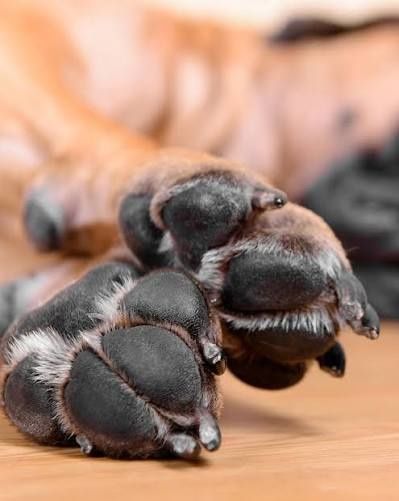
Trimming your dog’s claws does not have to be a stressful, high-stakes battle in your living room.
First, you must choose a secure and comfortable position that keeps your dog feeling relaxed and stable.
Learning how to hold small dog for nail trim sessions can prevent them from squirming and hurting themselves.
For larger dog breeds, having them lie down on their side on a soft mat is often the most comfortable option.
Next, introduce your grooming tool slowly using positive reinforcement and delicious high-value treats.
Let your dog sniff the grinder while it is turned off, rewarding their curiosity with praise.
Turn the device on at its lowest speed, letting your dog get accustomed to the soft, quiet humming sound.
Team Zenpaw engineered the Maxpro Grinder to operate under forty decibels, ensuring your sensitive pet stays completely calm.
Once your dog is comfortable with the sound, gently touch the vibrating body of the tool to their leg to desensitize them.
When you are ready to file, hold the tool at the proper angle to grind dog nails, which is exactly forty-five degrees.
Apply gentle pressure for only two to three seconds per nail to prevent heat from building up on the claw.
Always work in short, controlled increments, rewarding your dog generously after completing each individual toe.
Before you begin any grooming session, ensure you are in a quiet, distraction-free environment.
Close the door to prevent other pets from interrupting or exciting your dog during their training.
Keep a supply of high-value treats, like freeze-dried liver or chicken, within arm’s reach.
Always hold the grinder unit comfortably in your dominant hand, wrapping your fingers securely around the handle.
Use your non-dominant hand to gently support your dog’s paw, isolating each toe between your thumb and forefinger.
Push back any excess fur around the toe to prevent it from getting caught in the rotating wheel.
Touch the active grinding stone to the very tip of the nail for just a brief, gentle tap.
This rapid, repetitive tapping technique prevents heat from building up on the sensitive nailbed.
If your dog pulls their paw away, do not chase them or force the tool back onto their claw.
Instead, pause for a moment, offer a treat, and wait for them to calm down before trying again.
Comparing Traditional Grooming Tools: Why Clippers Fail and Grinders Succeed
Many pet owners continue to use traditional metal clippers simply because they are familiar.
However, these outdated tools are the primary cause of dog nails splitting after cut procedures.
The aggressive, sudden pinching motion of clippers can easily shatter brittle claws, causing sharp pain.
In contrast, modern rotary files offer a smooth, safe, and incredibly precise grooming experience.
Let us look at a direct comparison of these two grooming methods to understand their structural impact on the claw.
| Tool Type | Structural Impact on Claw | Safety Level & Anxiety Risk |
|---|---|---|
| Traditional Metal Clippers | Exerts massive lateral pressure, often crushing and splitting dry keratin layers. | Low safety; high risk of cutting the quick and causing severe pain and panic. |
| Low-Quality Pet Grinders | Generates extreme heat and loud vibrations, scaring the pet and irritating the toe. | Medium safety; high noise level often triggers defensive behavior and anxiety. |
| Zenpaw Maxpro 3-in-1 Grinder | Gently shaves away micro-layers of keratin with zero crushing force or heat buildup. | Maximum safety; whisper-quiet motor under 40dB ensures a stress-free experience. |
As shown in the table, traditional clippers fail because they rely on blunt force to break through the nail shell.
This brute force is highly dangerous when dealing with tough, thick black claws where the quick is completely invisible.
With a rotary file, you can slowly shave away the nail and inspect the tip after every pass.
This level of precision is essential for preventing shattered claws during grooming and protecting your dog’s physical wellbeing.
By eliminating the risk of sudden, painful splits, you can transform grooming from a stressful chore into a peaceful bonding moment.
One of the most common mistakes pet owners make is rushing through the nail-trimming process.
Rushing often leads to incorrect cutting angles, which can easily shatter even healthy claws.
Another frequent error is using worn-out clippers with rusted joints or dull, pitted blades.
These worn tools act more like clamps than scissors, crushing the nail with terrible, blunt force.
By switching to a premium rotary tool, you eliminate these mechanical failures completely.
The continuous rotating action gently files away the claw, leaving a perfectly smooth, rounded edge.
This rounded finish prevents the nail from snagging on carpets, blankets, or outdoor terrain.
Preventing these snags is crucial because a caught nail can easily tear completely off the toe joint.
Frequently Asked Questions About Dog Nail Splitting
Is the Zenpaw Grinder safe for large, thick dog nails?
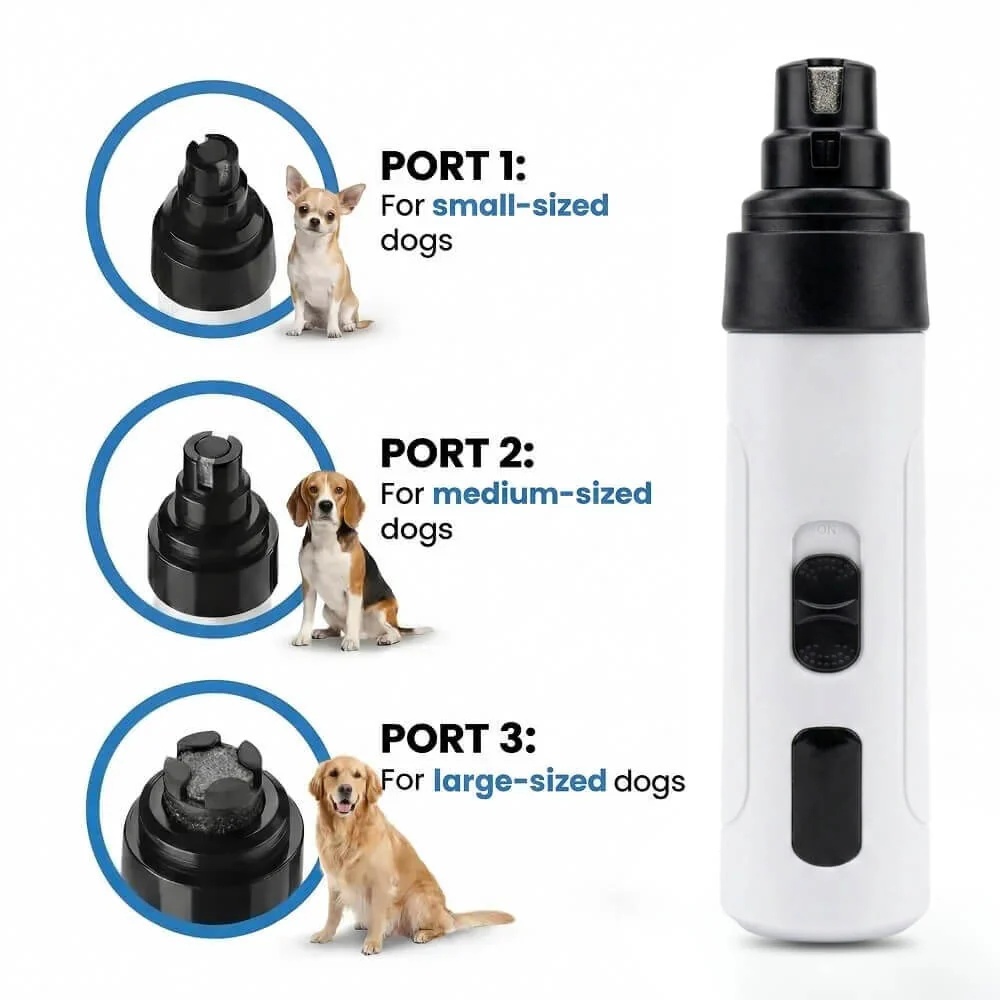
Yes, the Zenpaw Maxpro Grinder is specifically designed with three specialized ports to accommodate all dog sizes and nail thicknesses.
The powerful dual-speed motor can easily handle the thickest claws of large breeds like Mastiffs, Great Danes, and German Shepherds.
For larger dogs, you can use the wide, open-area port of the grinding wheel to quickly shape and shorten the claw.
This versatility makes it the perfect all-in-one grooming tool for multi-pet households.
How long does the Zenpaw Maxpro battery last on a single charge?
The Zenpaw Maxpro features a highly efficient lithium-ion battery that delivers up to seven hours of continuous runtime.
This long-lasting performance is powered by a convenient, universal USB recharging system.
You can easily recharge the device using a standard phone adapter, laptop, or power bank.
A full charge provides enough power to complete dozens of stress-free grooming sessions without needing a recharge.
Which speed setting should I use for an anxious dog?
We highly recommend starting with the lowest speed setting when introducing the grinder to a sensitive or anxious dog.
The low speed produces minimal sound and vibration, allowing your pet to adjust to the sensation without fear.
Once your dog feels completely relaxed and comfortable, you can transition to the higher speed setting for faster trimming.
Always let your pet guide the pace of the session, utilizing plenty of positive reinforcement and tasty treats.
Does the grinding wheel get hot during extended use?
Our advanced grinding wheels are built with low-heat technology to prevent painful thermal buildup on the claw.
However, holding any grinding tool on a single nail for too long can naturally generate minor friction heat.
To avoid this, we recommend working in brief, two-second intervals before moving to the next toe.
Alternating between different nails prevents any single claw from becoming uncomfortably warm.
How often should I trim my dog’s nails to prevent splitting?
We recommend filing or trimming your dog’s nails once every one to two weeks to maintain a healthy length.
Regular maintenance prevents the claws from growing long enough to touch the hard floor when your dog stands.
If you can hear your dog’s nails clicking on the hardwood or tile, they are already overdue for a trim.
Consistent, weekly touch-ups keep the quick short and significantly reduce the risk of structural splitting.
What should I do if my dog’s nail splits and starts bleeding?
First, remain completely calm so you do not accidentally increase your dog’s anxiety or heart rate.
Immediately apply styptic powder, cornstarch, or clean baking flour to the bleeding tip with gentle pressure.
Hold the powder against the wound for at least thirty seconds to help a strong clot form quickly.
Keep your dog calm and quiet for the next hour to prevent the clot from breaking open or bleeding again.
If the split extends deep into the paw pad or does not stop bleeding after twenty minutes, contact your veterinarian immediately.
Conclusion: Safer Grooming Starts Today
Ready to transform nail trimming from a battle into a breeze?
Explore the Zenpaw Maxpro 3-in-1 Grinder today.
Call 302-307-1000 — our team can help you advise on the best grooming practices and help with any product questions.
Note: Individual results may vary depending on individual dog breeds, nail thickness, and behavioral temperaments. This article is intended for general pet grooming reference purposes only and does not replace professional veterinary advice.