
I still remember the sudden, sharp yelp from my golden retriever, Max, followed by the sight of bright red blood pooling onto our clean living room rug after a routine trim. It is a terrifying moment that every loving dog parent deeply dreads, and the lingering fear of a cut dog nail too short infection kept me awake for nights afterward. After that incredibly stressful event, our team at Zenpaw dedicated ourselves to designing safe, painless grooming solutions like the whisper-quiet Maxpro 3-in-1 Grinder to ensure no other family has to experience that panic.
Maxpro 3-in-1 Grinder.
Stress-Free Nail Trimming.
Whisper-quiet DC motor (<40 dB) eliminates fear & discomfort. Features 3 ports, dual speeds, and 7-hour battery life. Safe, precise, and painless.
In This Article
- Veterinary Facts: Understand how deep-cut claws quickly lead to painful infections.
- Anatomy 101: Learn where the sensitive quick lies and why it is so vulnerable to bacteria.
- Symptom Guide: Spot the early physical warning signs of a swollen or infected nail bed.
- First Aid: Master the immediate steps to sanitize wounds and safely stop active bleeding at home.
- Painless Grooming: Discover why whisper-quiet grinding is the ultimate way to prevent injury.
Can a Dog Nail Get Infected if Cut Too Short? Here is the Veterinary Truth
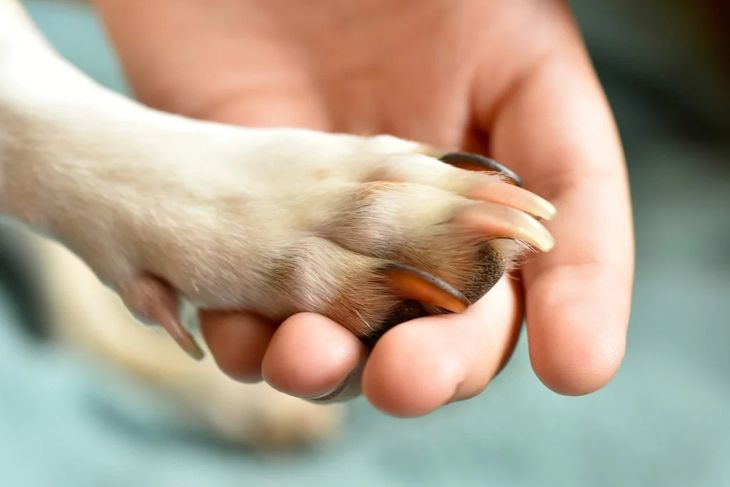
The short answer is yes, a dog’s claw can absolutely develop a painful bacterial infection if it is trimmed too deeply into the living tissue known as the quick.
When you accidentally slice past the hard keratin outer shell of the claw, you immediately expose highly sensitive blood vessels and delicate nerve endings to the surrounding environment.
This sudden structural exposure typically occurs when well-meaning pet parents use traditional, dull crushing clippers that slip easily or fail to provide a clear line of sight during the process.
Harmful microscopic pathogens such as Staphylococcus or Streptococcus, which naturally reside on your dog’s paws and throughout outdoor soil, can quickly invade this raw, open wound.
A localized infection generally begins to take hold within twenty-four to seventy-two hours following the initial grooming mishap if the injury is left uncleaned.
This biological issue can happen anywhere your dog walks, ranging from damp, muddy backyards to dust-covered household carpets and rug fibers.
To effectively prevent this highly painful and potentially dangerous complication, you must act immediately to stop active bleeding, disinfect the raw nail bed, and create a protective barrier.
If you want to handle this safely and confidently at home, the Zenpaw Maxpro Grinder provides painless, quiet filing — explore it here.
Your Quick Step-by-Step Emergency First Aid Protocol
Your primary goal when a dog’s claw is accidentally cut too short is to establish a secure, sterile, and protective seal over the exposed inner tissue.
First, firmly press a clean paper towel or sterile gauze pad directly against the bleeding claw for at least two consecutive minutes to encourage natural clotting.
If the active bleeding persists past this initial window, apply a high-quality dog nail bleeding powder directly to the moist tip of the nail using a clean finger.
As a reliable alternative, you can gently pack the raw nail tip with a moistened bar of mild household soap to create a physical plug to soap to stop dog nail bleeding.
Once the bleeding is completely stopped, keep your canine companion indoors on clean, dry surfaces for several hours to protect the delicate raw tissue.
Avoid applying harsh human antiseptic chemicals like rubbing alcohol or strong hydrogen peroxide, as these will destroy healthy cells and cause your dog intense, burning pain.
Instead, use a very mild, diluted chlorhexidine solution or simple warm water to gently rinse away any dirt or outdoor debris from the affected paw.
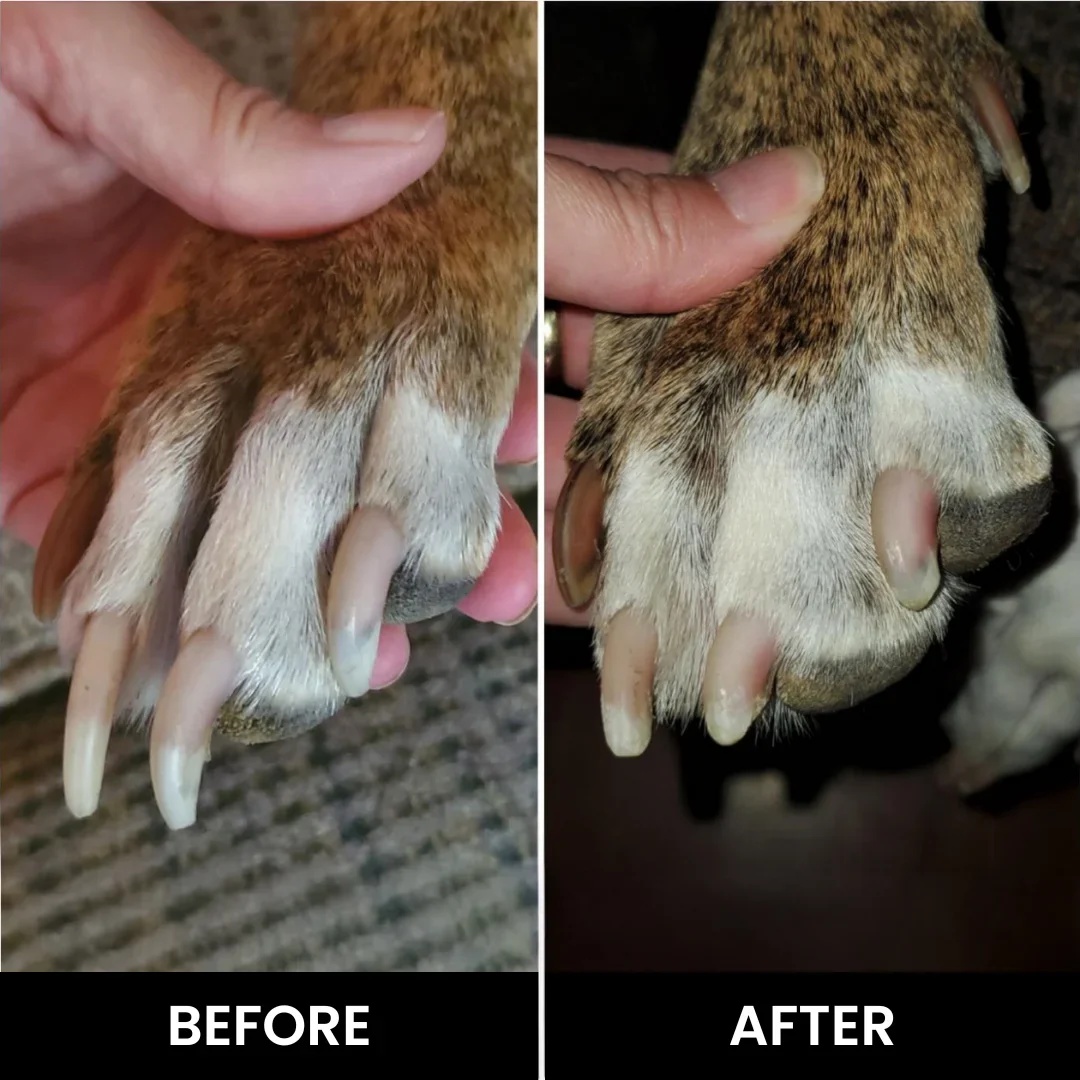
99-Day 100% Money-Back Guarantee
“Ever since we started using the Zenpaw Maxpro Grinder, it’s been such a peaceful experience. It’s very quiet, and my dog actually relaxes. It’s turned our stressful sessions into quick, quiet grooming times.”
— Sarah M. | ✔ Verified Customer
- ✓ Prevents Infection & Splitting
- ✓ Ideal for All Dog Sizes
- ✓ Low-Vibration Technology
- ✓ Fast 2-7 Days Delivery
Need Support? Call 302-307-1000
Understanding Canine Nail Anatomy and the Quick

To understand why an overly short trim is so physically risky, we must first examine the biological structure of a dog’s claw.
The outer layer of the dog’s nail is composed of a tough, protective protein called keratin, which serves as a shield against daily friction.
Directly inside this hard outer shell lies the quick, which is a highly vascularized core filled with live blood vessels and microscopic nerve endings.
Importantly, the quick is intimately connected to the distal phalanx, which is the actual toe bone located at the tip of your dog’s paw.
This anatomical link means that an injury to the quick is not a simple, superficial scratch, but rather an open, direct path straight toward the skeletal system.
When you slice or split this sensitive area too short, you create an unhindered portal for opportunistic environmental bacteria to enter.
If pathogens travel up the nail bed, they can cause a severe localized medical infection known as paronychia.
In rare, untreated cases, these invasive bacteria can travel deeper into the toe, resulting in a serious bone infection called osteomyelitis.
Many concerned owners ask our team, can a dog’s nail get infected if cut too short, and this skeletal connection is the primary scientific reason why the answer is a resounding yes.
A canine companion with an exposed quick will experience sharp, throbbing physical pain with every step they attempt to take.
This persistent pain is amplified during exercise on hard surfaces, which is why you may notice a dog nail bleeding after walk on abrasive rough pavement or concrete.
Using an advanced, high-precision tool like the Zenpaw Maxpro 3-in-1 Grinder helps you avoid the quick entirely by filing down the keratin in incredibly thin, controlled layers.
Identifying and Treating Infected Short Cut Claw Complications
Recognizing the early physical symptoms of a localized nail bed infection is absolutely crucial for preventing more widespread systemic illness.
The very first clinical sign of an infection from deep nail cut is persistent, obsessive licking or chewing at the affected toe.
Your dog may also display a sudden, protective reluctance to have that specific paw touched, held, or examined.
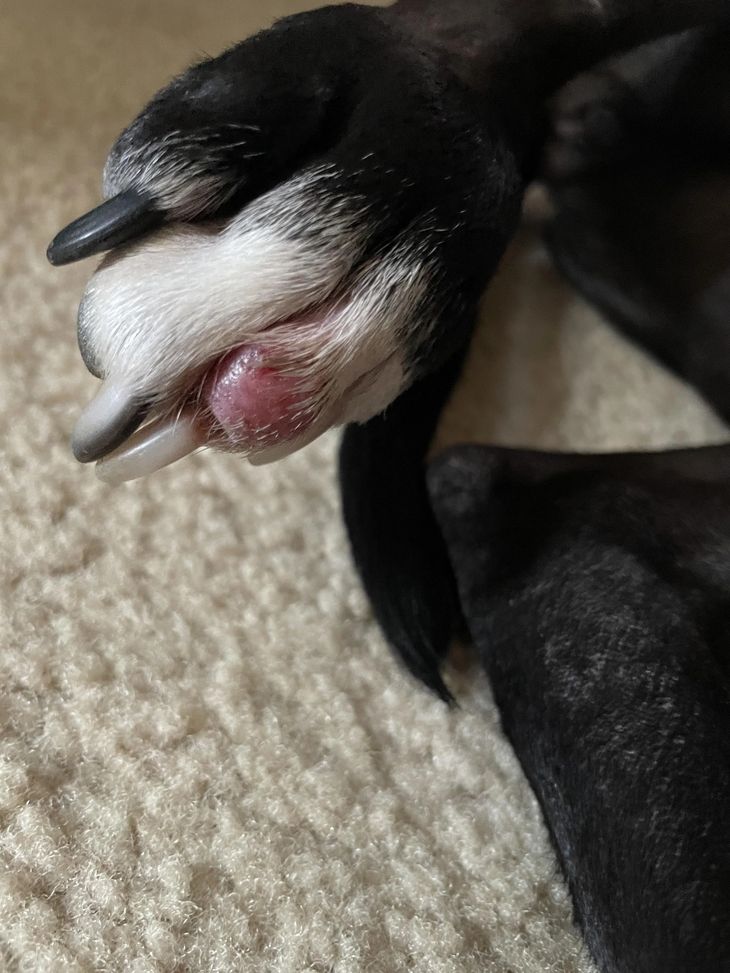
If you inspect the toe closely, you will likely observe noticeable swelling, intense redness, and localized warmth radiating from the surrounding tissue.
In more advanced infection stages, a cloudy white, grey, or yellowish discharge may ooze from the base of the cuticle.
A strong, highly unpleasant yeast-like or sweet odor coming from the paw is another definitive sign that harmful bacteria have rapidly multiplied.
Your dog might also begin limping, favoring the leg, or holding the injured paw completely off the ground during normal daily movement.
When you are treating infected short cut claw complications, seeking timely professional veterinary guidance is always the safest course of action.
A licensed veterinarian may prescribe medical-grade antiseptic paw soaks, topical soothing ointments, or a course of oral antibiotics to safely eliminate the infection.
To minimize the risk of these deep, painful cuts occurring altogether, many top professional groomers recommend transitioning from metal clippers to gentle grinding.
This modern, gradual grooming technique is explained in depth in our comprehensive guide comparing dog nail buffing vs trim methodologies.
Comparing Nail Injury Stages and Corrective Actions
To help you quickly assess your dog’s current paw condition, we have outlined the three primary stages of nail injuries below.
| Injury Severity | Key Physical Symptoms | Recommended Home & Vet Action |
|---|---|---|
| Stage 1: Minor Nick | Slight bleeding at the very tip, minimal pain, no swelling, dog walks normally. | Apply styptic powder, keep indoors on dry surfaces, monitor claw closely for 48 hours. |
| Stage 2: Exposed Quick | Moderate bleeding, clear pain, dog licks paw, slight redness around the cuticle. | Stop bleeding immediately, sanitize with diluted antiseptic, restrict walks on concrete. |
| Stage 3: Localized Infection | Swelling, heat, constant licking, limping, foul odor, yellow or cloudy discharge. | Contact your family veterinarian immediately for professional diagnosis and medical treatment. |
Practical Guide: Stress-Free Grinding with Zenpaw Maxpro
Successfully transitioning your canine companion to a calm, painless grooming routine requires patience and specialized low-stress equipment.
The Zenpaw Maxpro Grinder is specifically engineered with a whisper-quiet DC motor operating under forty decibels to prevent startling sensitive ears.
Before you attempt to grind any nails, you must gradually desensitize your dog to the sound and unique physical vibration of the tool.
Start by turning the grinder on while holding it several feet away, immediately rewarding your dog with high-value treats to build a positive association.
Slowly bring the gently vibrating tool closer to their paws over a span of several days without making actual physical contact with the nails.
For highly anxious or reactive dogs, some veterinarians suggest discussing mild, temporary behavioral support options like gabapentin for dogs to cut nails to help ease their initial panic.
Once your dog remains fully relaxed, hold their paw securely but gently in your hand, isolating a single claw at a time.
Position the Zenpaw Maxpro Grinder at a precise forty-five-degree angle relative to the natural downward slope of the claw.
Gently apply the rotating grinding wheel to the tip of the nail for only two to three seconds at a time to prevent friction heat.
Work in a gradual, systematic manner, inspecting the tip of the claw closely after each brief, light touch.
Stop grinding immediately when you observe a tiny, dark, moist circle appearing in the center of the nail’s cross-section, as this indicates you have reached the boundary of the quick.
Overcoming Grooming Risks and Common Owner Mistakes
One of the most frequent mistakes pet parents make is continuing to use old, dull, or low-quality metal clippers.
These traditional scissor-style tools work by applying massive, violent crushing force to both sides of the rigid nail.
This intense pressure frequently causes the stiff keratin shell of the claw to split, splinter, or shatter completely.
These microscopic structural cracks can easily spread upward into the live tissue, creating hidden pathways for environmental bacteria to enter.
Another very common error is rushing through the nail-trimming process out of personal anxiety or frustration.
When you rush, you lose physical precision and are far more likely to make a sudden cut directly through the quick.
The Zenpaw Maxpro Grinder completely eliminates these structural risks by replacing harsh crushing force with smooth, rotating micro-abrasion.
This advanced design allows you to shape and shorten the nail safely, smoothly, and without causing painful cracking or splitting.
By choosing a slow, gentle, and highly methodical approach, you protect your dog’s paws and build deep, lasting trust during every single grooming session.
Frequently Asked Questions about Safe Dog Nail Grooming
Is the Zenpaw Grinder safe and powerful enough for large dog breeds?
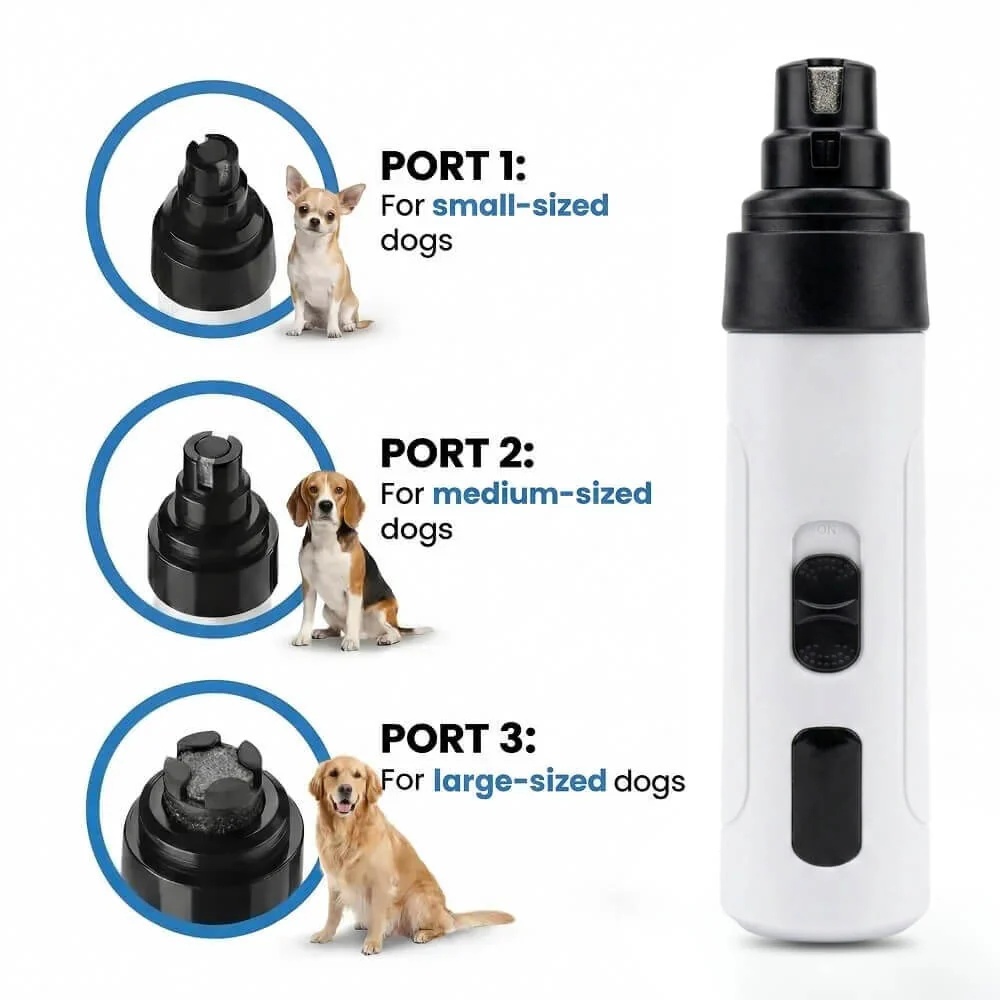
Yes, the Zenpaw Maxpro features three distinct grooming ports specifically designed to accommodate dogs of all breeds, coat types, and sizes.
The small and medium ports are ideal for delicate puppy claws and smaller toy breeds, while the wide, fully open-face port easily handles the thickest nails of large breeds.
How long does the rechargeable battery last on a single charge?
The high-capacity internal battery provides up to seven full hours of continuous, reliable grooming power on a single charge.
The device is easily and quickly rechargeable using any standard USB cable, making it incredibly convenient for busy home groomers or travel.
Which speed setting is best to use for an anxious dog?
The Zenpaw Maxpro offers dual-speed settings to give you complete physical control over the trimming process.
We highly recommend starting on the lower speed to help your anxious dog get accustomed to the mild vibration and quiet hum.
You can easily switch to the high-speed setting for faster, more efficient filing on exceptionally thick, dense claws once they are comfortable.
Does the grinding head get too hot during a grooming session?
No, our premium grinder is engineered with advanced low-heat technology to prevent thermal discomfort on your dog’s sensitive claws.
However, we still advise lifting the grinding head off the nail every two seconds to ensure the claw tissue remains perfectly cool and comfortable.
Conclusion: Safer, Painless Grooming is Within Reach
Trimming your dog’s nails should be a peaceful, bonding experience, not a source of pain and infection fear.
By using the right tools and techniques, you can easily protect your dog’s paws from painful quick injuries.
Ready to transform nail trimming from a battle into a breeze?
Explore the Zenpaw Maxpro 3-in-1 Grinder.
Call: 302-307-1000 — our team can help you advise on the best grooming practices and help with any product questions.