
I remember the pure panic in my golden retriever’s eyes every time I brought out the heavy clippers, and that terrible, heart-wrenching yelp when I accidentally nicked his quick. If you have ever wondered, do dogs feel pain when cutting nails, I am here to tell you that they absolutely do, but we have discovered a stress-free way to make grooming a peaceful bonding experience again.
Maxpro 3-in-1 Grinder.
Stress-Free Nail Trimming.
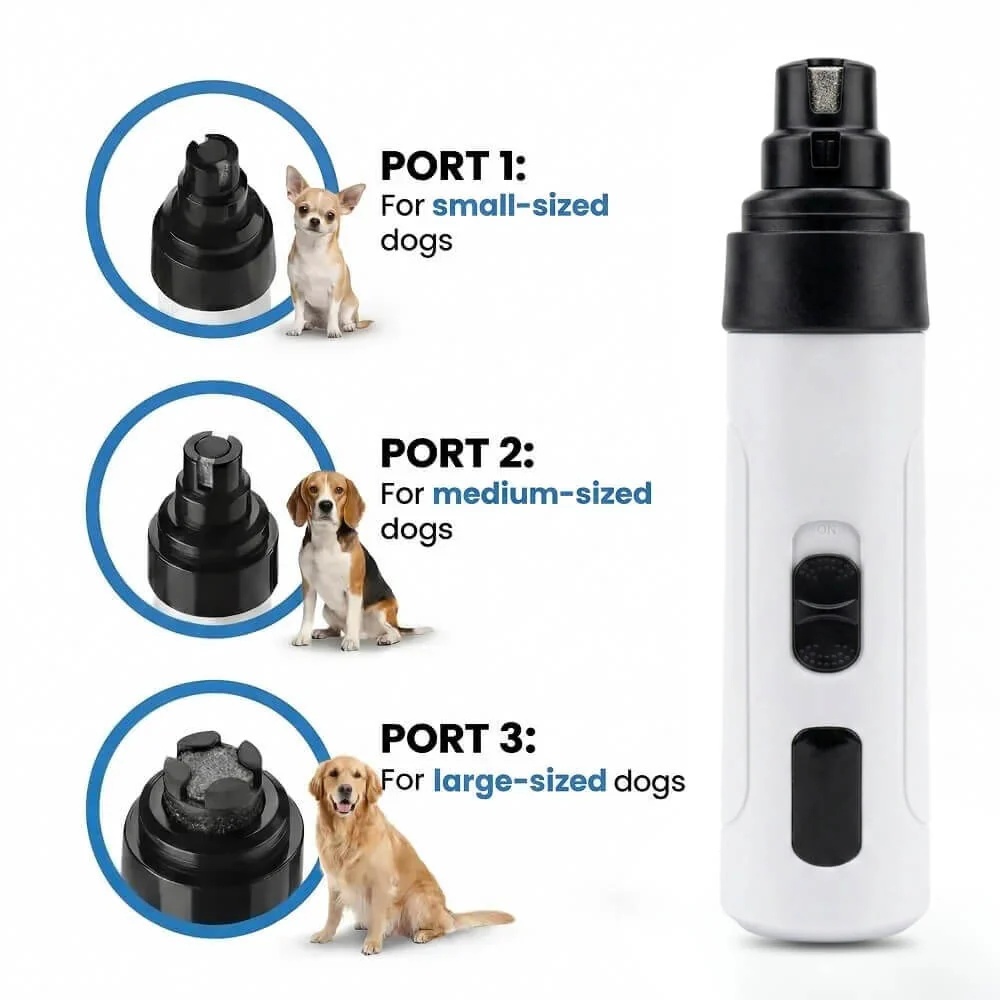
Whisper-quiet DC motor (<40 dB) eliminates fear & discomfort. Features 3 ports, dual speeds, and 7-hour battery life. Safe, precise, and painless.
In This Article
- The biological reality behind canine claw nerve sensitivity and pain receptors.
- Why traditional clippers compress, crack, and damage brittle dog claws.
- Step-by-step professional tips to find the quick on light and dark nails.
- How to implement a stress-free desensitization routine at home.
- A side-by-side technical breakdown of traditional tools versus modern grinders.
Do Dogs Feel Pain When Cutting Nails? The Truth About Paw Discomfort
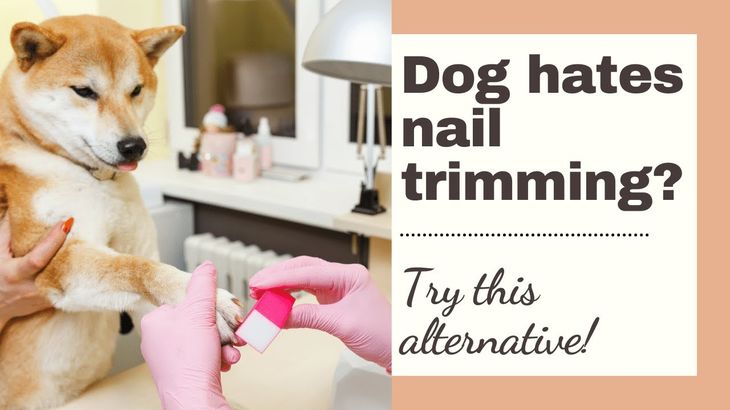
When we look at the biology of a canine claw, dogs feel physical pain during nail trims because of a highly sensitive internal bundle of blood vessels and nerves known as the quick. This nerve-rich tissue resides directly inside the hard outer shell of the claw, and when dull clippers pinch or sever this area, it triggers an immediate, sharp pain response. Many dog owners face this stressful hurdle at home because they lack a clear view of where this tissue ends, particularly on dark or thick nails. To prevent this sudden trauma, you must understand how to navigate this delicate anatomy safely. By replacing aggressive cutting actions with gradual filing techniques, you can completely avoid the sensitive nerve zone and keep your pet relaxed. Our team at Team Zenpaw recommends using controlled, non-invasive methods to ensure your dog never associates paw care with physical pain.
To solve this grooming dilemma safely at home, start by creating a calm environment and gently holding your dog’s paw to inspect the underside of each nail. You can identify the boundary of the quick by looking for a small dark circle in the center of the nail tip as you gradually file down the outer layers. Hold your grooming tool at a precise forty-five-degree angle and work in brief, gentle two-second bursts to prevent heat buildup on the nail bed. Always reward your dog with high-value treats after every single nail to build a positive association with the process. If you want to handle this safely at home, the Zenpaw Maxpro Grinder provides painless, quiet filing — explore it here.
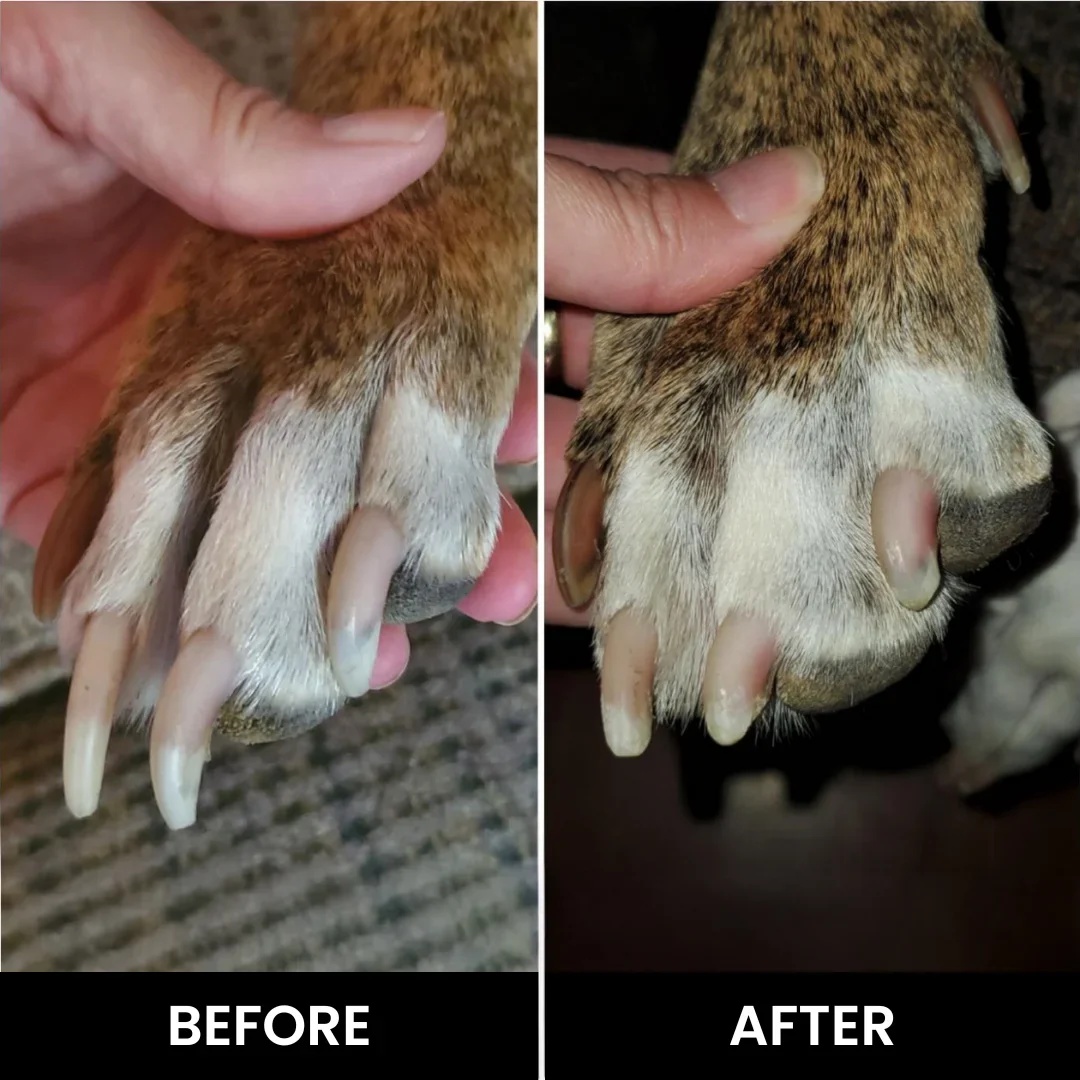
99-Day 100% Money-Back Guarantee
“Ever since we started using the Zenpaw Maxpro Grinder, it’s been such a peaceful experience. It’s very quiet, and my dog actually relaxes. It’s turned our stressful sessions into quick, quiet grooming times.”
— Sarah M. | ✔ Verified Customer
- ✓ Prevents Infection & Splitting
- ✓ Ideal for All Dog Sizes
- ✓ Low-Vibration Technology
- ✓ Fast 2-7 Days Delivery
Need Support? Call 302-307-1000
The Neurological Science of Canine Claw Nerve Sensitivity

To truly understand if does cutting a dog’s nails hurt, we must examine the complex neurological pathway inside each claw.
The center of every canine nail contains the quick, which is a highly vascular structure packed with blood vessels and specialized pain receptors.
These receptors, known as nociceptors, are designed to transmit rapid pain signals directly to the dog’s central nervous system upon sudden impact.
When a traditional blade slices too close to this area, it causes intense, sharp physical pain that your dog will not easily forget.
This anatomical vulnerability is why many dogs develop severe grooming anxiety after just one bad experience.
According to research by the American Kennel Club (AKC), a dog’s claws are actually extension mechanisms of their phalangeal bones.
The sensitive nerve endings within the quick are directly connected to the deep digital flexor tendon.
This means that pressure on the nailbed does not just affect the tip of the claw, but vibrates up through the entire leg structure.
For dogs with dark claws, finding this safe zone is even more challenging because the pigment masks the internal boundaries of the quick.
When a dog walks on overgrown nails, the claws force the toes to tilt upward, which shifts their entire center of gravity backwards and places immense, unnatural pressure on the hind joints.
Over time, this posture shift can lead to chronic skeletal issues and severe discomfort.
Understanding this delicate anatomy is the first step toward transforming your home grooming sessions.
When you prioritize gentle, non-invasive techniques, you protect this crucial nerve network from unnecessary trauma.
Our team at Team Zenpaw designed our tools specifically to respect this delicate neurological structure.
Why Traditional Trimming Triggers Paw Pain: Crushing vs. Grinding
Many pet owners are surprised to learn that do dogs feel pain when you cut their nails even if they do not bleed.
This hidden discomfort occurs because of the physical force exerted by traditional scissor-style or guillotine clippers.
As metal blades squeeze down on a dry, brittle nail, they exert hundreds of pounds of concentrated pressure before finally cutting through.
This intense pinching action forcefully crushes the sensitive nerve endings inside the nailbed.
This crushing sensation feels like a heavy hammer strike to a human fingernail, creating a dull, throbbing ache.
Over time, using dull blades on tools like standard bamboo dog nail clippers can cause microscopic fractures along the outer shell of the claw.
These tiny cracks expose the inner layers to moisture, bacteria, and painful splitting during daily walks.
Furthermore, using rigid safari professional dog nail trimmers on thick, stubborn claws often requires immense physical strength, which can destabilize your grip.
In contrast, modern rotary tools offer a much gentler, progressive alternative to impact-based cutting.
Instead of a single, violent crushing force, a high-quality rotary sander gently shaves away micro-layers of keratin.
This controlled filing minimizes the vibration felt by the dog’s paw, keeping their nervous system calm and relaxed.
By switching to a gradual grinding process, you eliminate the risk of accidental slips and painful splitting.
This progressive approach allows you to stop the moment you see the soft inner tissue of the nail appear.
This visual cue ensures you never reach the vascular zone, guaranteeing a completely bloodless and painless experience.
| Feature / Benefit | Traditional Metal Clippers | Zenpaw Maxpro Grinder |
|---|---|---|
| Cutting Mechanism | High-impact blade crushing | Gentle, micro-layer rotary sanding |
| Noise Level | Sharp “snapping” sound | Whisper-quiet hum (<40dB) |
| Quick Protection | Blind guessing, high slip risk | Gradual precision, zero crush risk |
| Vibration Level | None, but high impact pressure | Ultra-low structural vibration |
| Post-Trim Smoothness | Sharp, jagged edges that scratch | Smooth, rounded, polished claws |
Step-by-Step Desensitization: Transitioning Your Dog to a Stress-Free Tool
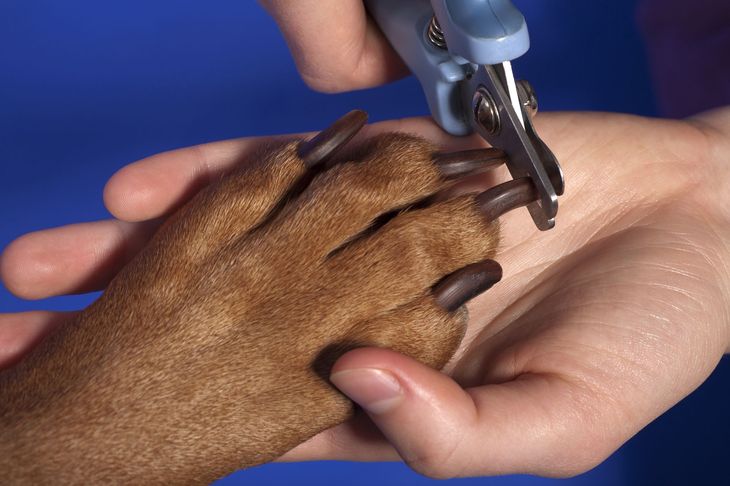
Introducing a new grooming tool to an anxious dog requires patience, consistency, and a systematic approach.
The secret lies in classical conditioning, which slowly rewires your dog’s brain to associate the tool with positive rewards.
First, place your rotary tool on the floor turned off, and scatter their favorite high-value treats around it.
Allow your dog to sniff the device at their own pace without trying to pick up their paws.
Once they are comfortable, turn on a silent dog nail grinder on its lowest speed setting while keeping it a few feet away.
Immediately reward your dog with a delicious treat to associate the gentle hum with positive outcomes.
The ultra-quiet motor of the Zenpaw Maxpro remains under forty decibels, which prevents triggering your dog’s natural startle reflex.
Next, gently touch the vibrating body of the device to your dog’s shoulder or leg for just one second.
This step helps your pet get used to the physical sensation of mild vibrations without any paw contact.
When they accept this step calmly, you can begin working on their front paws.
Gently hold a single claw and apply the grinding wheel at a precise forty-five-degree angle for no more than two seconds.
This specific angle follows the natural growth pattern of the claw, preventing thin structural walls from collapsing.
Working in brief, controlled intervals ensures the friction does not generate painful heat on the nailbed.
Always reward your dog enthusiastically after completing each nail to reinforce their cooperative behavior.
Over the course of a few weeks, your pet will start to view grooming time as an enjoyable bonding game rather than a scary battle.
How to Avoid the Most Common Home Grooming Pitfalls
One of the biggest mistakes pet parents make is rushing through the grooming process out of sheer anxiety.
When you are tense, your dog senses your elevated heart rate and immediately prepares for a stressful event.
Rushing often leads to slips, which can accidentally grind the sensitive skin of the paw pads.
Another common error is failing to have styptic powder, like kwik stop dog nails, nearby in case of an accidental nick.
Even with the most advanced tools, keeping a styptic agent close provides peace of mind during your first few sessions.
If you are transitioning from older models like the dremel 7300 pt dog nail grinder, you will immediately notice the difference in sound and vibration.
Older rotary tools often produce loud whines and heavy vibrations that can easily terrify sensitive dogs.
The Zenpaw Maxpro avoids this issue entirely by utilizing a whisper-quiet DC motor that minimizes structural vibration.
Additionally, always remember to clean the grinding wheel after every session to prevent the buildup of fine nail dust.
Accumulated dust can reduce the friction efficiency of the diamond bit, leading to longer grooming times and increased heat.
By maintaining your equipment and taking your time, you ensure every session remains completely pain-free.
Consistency is key to keeping the quick naturally receded, which makes subsequent grooming sessions faster and easier.
Frequently Asked Questions About Safe Dog Nail Care
Is the Zenpaw Maxpro Grinder powerful enough for very large dog breeds?
Yes, our advanced grinder features three customizable ports designed to accommodate small, medium, and large breeds.
The largest port is specifically engineered to handle the thick, tough claws of heavy breeds safely.
This ensures you can file through the densest keratin structure smoothly without the motor stalling or slowing down.
How long does the battery last on a single full charge?
The Zenpaw Maxpro is equipped with a high-capacity lithium battery that provides up to seven hours of continuous runtime.
This exceptional battery life means you can complete multiple grooming sessions without worrying about mid-trim power loss.
It also features a convenient USB charging cable, making it incredibly easy to recharge using any standard power adapter.
Which speed setting should I use for a highly anxious dog?
We recommend starting on the lowest speed setting to minimize vibration and sound while your dog acclimates.
Once your dog is relaxed, you can easily switch to the high-speed mode for faster, more efficient filing.
This dual-speed versatility gives you complete control over the grooming pace based on your pet’s comfort levels.
Does the grinding head get hot during extended grooming sessions?
No, the Zenpaw Maxpro utilizes specialized low-heat technology to prevent thermal transfer to the claw.
However, we always recommend moving from nail to nail in short bursts to ensure absolute comfort for your pet.
This simple technique allows the nail bed to cool down completely between passes, preventing any thermal sensitivity.
Conclusion: Your Stress-Free Grooming Journey Starts Here
Ready to transform nail trimming from a battle into a breeze? Explore the Zenpaw Maxpro 3-in-1 Grinder. Call: 302-307-1000 — our team can help you advise on the best grooming practices and help with any product questions.