
For years, my golden retriever would tremble whenever I brought out the clippers, and my hands would shake with the fear of cutting his quick. I spent months feeling like a failure until we developed a whisper-quiet grinding method that transformed our scary grooming sessions into a peaceful bonding ritual. At Team Zenpaw, we want to help you master your dog’s nail health safely at home with tools designed for ultimate peace of mind.
Maxpro 3-in-1 Grinder.
Stress-Free Nail Trimming.
Whisper-quiet DC motor (<40 dB) eliminates fear & discomfort. Features 3 ports, dual speeds, and 7-hour battery life. Safe, precise, and painless.
In This Article
- Explore the full biological structure of the claw using our expert dog nail anatomy blueprint.
- Learn how to locate the sensitive quick of a dog nail on both light and dark claws.
- Discover professional techniques to safely trim nails without causing pain or bleeding.
- Understand how to naturally recede an overgrown quick through consistent grooming.
Why Does Understanding Dog Nail Anatomy Keep Your Dog Safe During Grooming?
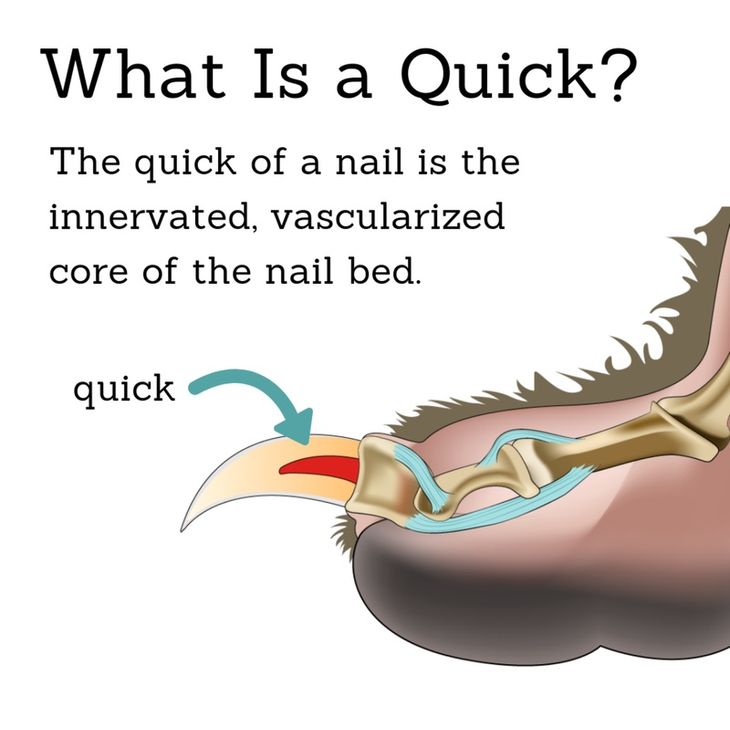
Every pet parent needs to understand the intricate details of dog nail anatomy because the canine claw is not a simple dead piece of keratin like a human fingernail, but rather a complex living structure that directly connects to the digital phalanx bone of the paw. This physiological design means that trimming a dog’s claws at home requires precise knowledge of where the blood vessels and nerve endings—collectively known as the quick—reside inside the hard outer shell. Certified veterinary behaviorists and professional groomers agree that locating this sensitive zone before any trimming session prevents intense pain, severe bleeding, and long-term psychological grooming trauma for your canine companion. By learning the physical landmarks of the claw, such as the soft ventral sole on the underside of dog nails, you can confidently determine exactly where to stop cutting or grinding. Practicing this mindful approach during your weekly grooming sessions ensures that the delicate nail bed remains completely unharmed, keeping your dog comfortable, happy, and structurally balanced.
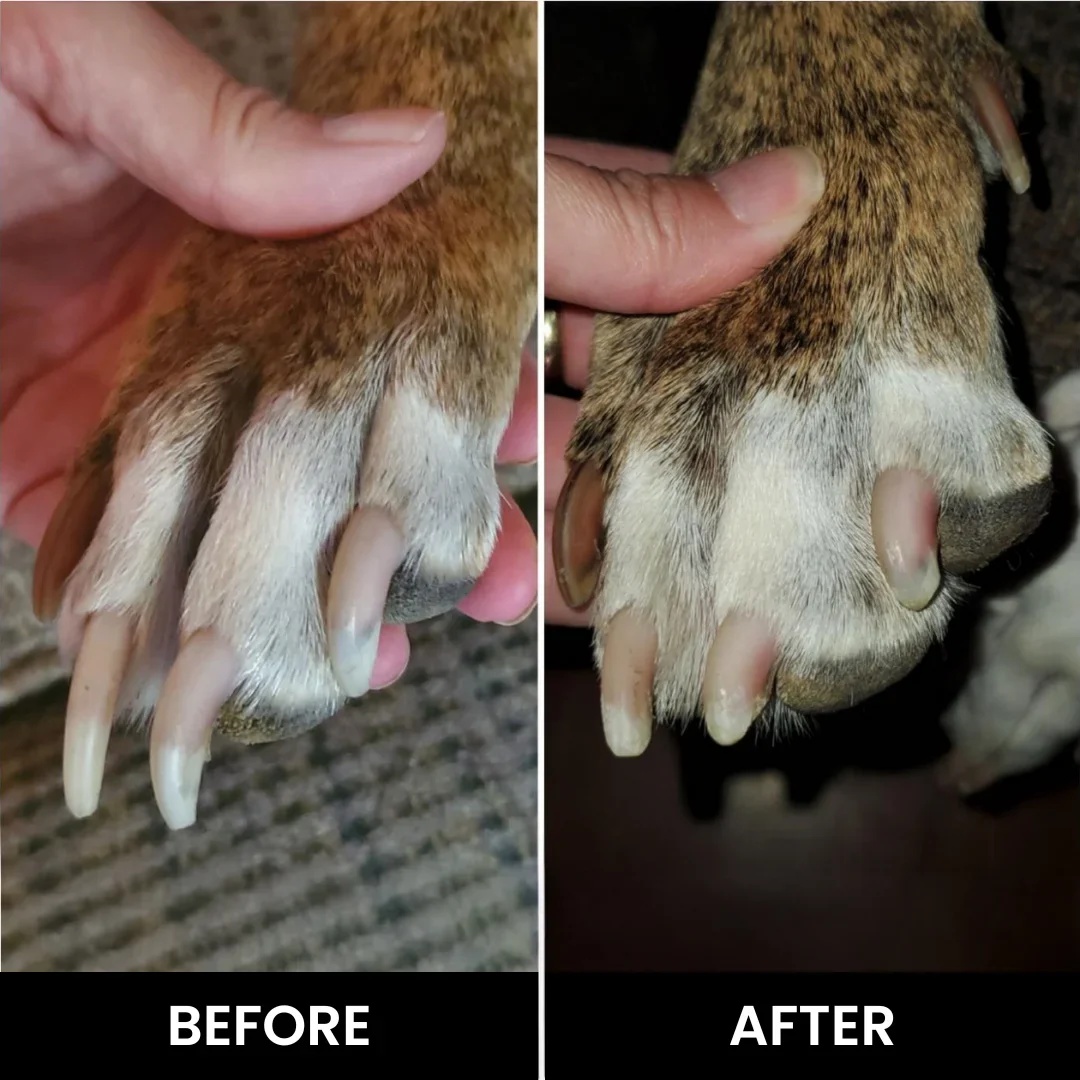
To locate and avoid the quick safely during home grooming, you must inspect the claw from multiple angles, looking for a distinct change in texture or color. On light-colored nails, the quick appears as a clearly visible pink inner tube that runs down the center of the nail, making it simple to stop trimming at least two millimeters before the pink tissue begins. For dark claws where the blood vessel is hidden, you must look at the underside of the nail to identify where the hard outer shell transitions into a soft, chalky, or hollow groove. As you file the tip of a dark nail down in tiny, gradual increments, always look directly at the exposed circular center of the cut nail until you see a small, dark, moist dot appear, which is your anatomical warning sign to immediately stop. If you want to handle this safely at home, the Zenpaw Maxpro Grinder provides painless, quiet filing—explore it here.
99-Day 100% Money-Back Guarantee
“Ever since we started using the Zenpaw Maxpro Grinder, it’s been such a peaceful experience. It’s very quiet, and my dog actually relaxes. It’s turned our stressful sessions into quick, quiet grooming times.”
— Sarah M. | ✔ Verified Customer
- ✓ Prevents Infection & Splitting
- ✓ Ideal for All Dog Sizes
- ✓ Low-Vibration Technology
- ✓ Fast 2-7 Days Delivery
Need Support? Call 302-307-1000
The Biological Blueprint of Canine Nail Anatomy: Demystifying the Claw Structure
The physical structure of a canine claw is a fascinating marvel of evolutionary engineering.
Unlike human fingernails, which grow flat on top of our skin, a dog’s nails are fully integrated with their skeletal structure.
The claw grows directly out of the distal phalanx, which is the last bone in each of your dog’s toes.
This bony projection is covered by a highly vascularized layer of dermis that nourishes the active nail germinal matrix.
The hard outer casing that we see is primarily composed of tough, fibrous proteins called alpha-keratin.
This hard shell is called the dorsal plate, and it grows faster and stronger than the softer tissue underneath.
Beneath the dorsal plate lies the ventral plate, which forms the soft sole or underside of the claw.
The structural union of these two plates creates a curved, protective sheath over the delicate nerves and blood vessels inside.
When a dog walks, their nails function as essential traction devices, digging into the earth to provide grip and stability.
However, if the claw is allowed to grow too long, it pushes the toe joints upward, altering the dog’s natural posture and causing skeletal misalignment.
Using protective accessories like dog nail covers can sometimes offer temporary traction or floor protection, but they do not replace the fundamental need for regular anatomical maintenance.
For dogs who participate in special events, owners often apply dog nail polish, which should only be used on healthy, properly trimmed nails to prevent moisture trapping.
Understanding these anatomical layers helps us realize that trimming is not just cosmetic; it is vital orthopedic healthcare.
Unmasking the Quick: The Nerve and Blood Vessel Pathway
The most critical element of canine nail anatomy is the living core known as the quick.
This interior pathway is packed with highly sensitive nerves and active blood vessels that supply oxygen to the growing claw.
The quick is directly linked to the central nervous system, which explains why cutting into it causes such sharp, agonizing pain.
When the quick is severed, the blood vessel is torn open, leading to profuse bleeding that can be difficult to stop without the right tools.
Professional groomers always recommend keeping a jar of styptic powder for dogs nails nearby to instantly clot the blood in case of an accidental nick.
In healthy, regularly maintained nails, the quick terminates safely before the tip of the claw.
However, if you neglect your dog’s paws, the quick will actually grow longer alongside the extending keratin shell.
This creates a dangerous situation where even a modest trim can easily breach the elongated blood vessels.
Fortunately, the quick is dynamic and will naturally recede over time if you expose it to frequent, microscopic trims.
Understanding how to manage this biological retreat is the secret to resolving severely overgrown dog nails safely.
By filing the nail tips every few days, you encourage the blood supply to withdraw deeper back into the nail bed.
This progressive recession allows you to gradually shorten the claw back to its healthy, natural length without ever drawing a single drop of blood.
Deciphering the Underside of Dog Nails: Identifying Key Landmarks
Reading the landmarks on the underside of dog nails is the most reliable way to avoid the quick during home grooming.
If you flip your dog’s paw over and examine the claw from underneath, you will see a unique physical transition.
Near the toe, the claw is solid, thick, and houses the living nail bed.
As you move toward the tip, the nail becomes hollow underneath, forming a distinct, curved groove.
This hollow section consists of dead keratinized tissue that can be trimmed or ground down with absolute safety.
The point where the hollow groove ends and the solid nail begins is the exact outer boundary of the quick.
For owners of dogs with dark claws, finding this boundary can feel like an impossible challenge.
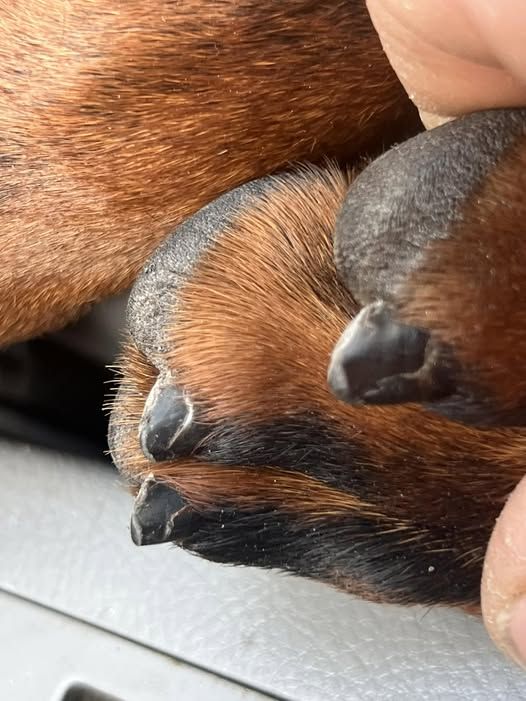
Because the dark pigment blocks your view of the inner pink blood vessel, you must rely entirely on tactile and visual cues from the underside of the nail.
Learning how to cut black dog nails requires a highly cautious, layer-by-layer approach rather than one single, aggressive chop.
As you file down the tip of a dark nail, you must constantly inspect the freshly cut surface.
At first, you will see a dry, chalky white or grey center.
As you get closer to the living tissue, this center will change into a dark, glossy, circular spot.
This dark circle is the soft outer protective membrane of the quick itself.
If you see this dark spot, or if the nail surface begins to feel slightly soft or rubbery to the touch, you must stop grinding immediately.
Failing to stop at this stage will inevitably breach the blood vessel and cause your dog distress.
Step-by-Step Grooming Application: Finding the Quick in Real-Time
Transforming your home grooming routine into a stress-free experience requires both the right technique and the right mindset.
Before you even touch your dog’s paws with a tool, you must establish a foundation of trust and positive association.
Many dogs develop intense fear of nail care because they associate the process with loud noises, painful pinches, or restricted movement.
To break this cycle of anxiety, Team Zenpaw recommends a gentle, gradual desensitization protocol.
Start by simply placing your quiet, inactive grinder on the floor next to your dog and offering high-value treats.
This simple act teaches your dog that the presence of the grooming tool brings wonderful rewards.
Once your dog is comfortable with the sight of the device, turn it on to let them hear its gentle hum.
The Zenpaw Maxpro 3-in-1 Grinder features an ultra-quiet DC motor that operates under 40 decibels, which is barely a whisper to a dog’s sensitive ears.
Because there are no loud, terrifying vibrations, most dogs adjust to the sound of the Maxpro within just a few sessions.
When your dog remains relaxed near the humming grinder, gently touch the handle of the device to their leg so they can feel the mild vibration.
Always pair these physical touches with praise, treats, and a calm, reassuring voice.
When you are ready to begin the actual grooming, hold your dog’s paw securely but gently in your hand.
Isolate a single toe and use your fingers to gently push back the surrounding fur to clear your line of sight.
Hold the Zenpaw Maxpro Grinder at a precise 45-degree angle relative to the natural slope of the nail.
This 45-degree angle matches the organic growth curve of the dorsal plate, allowing you to shape the nail perfectly while avoiding the quick.
Apply the rotating grinding wheel to the nail tip in short, light bursts of no more than two to three seconds at a time.
Holding a grinder against a nail for too long can generate friction heat, which can cause discomfort to the sensitive nerve endings inside.
The Zenpaw Maxpro uses advanced low-heat technology to prevent this thermal buildup, ensuring a completely painless experience.
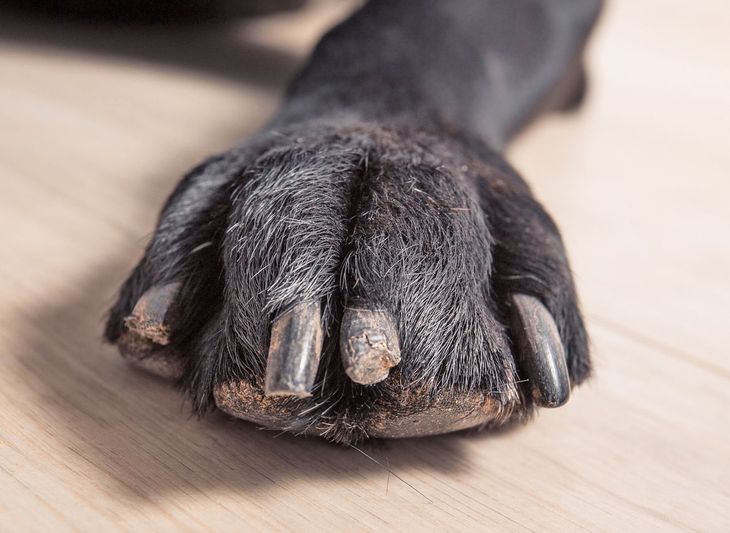
Work your way around the edges of the nail tip to create a smooth, rounded finish that won’t snag on carpets or scratch your floors.
As you work, remember to look at the cut surface frequently to monitor for that dark, warning circle on dark nails, or the pink hue on light nails.
Once you finish a single paw, celebrate your success with your dog and take a break if they show any signs of fatigue or restlessness.
This patient, step-by-step approach ensures that your dog remains a willing, happy participant in their own wellness routine.
Overcoming Grooming Risks: Why Traditional Clippers Fail Your Dog
For decades, traditional guillotine or scissor-style clippers have been the standard tool for home nail care.
However, these manual tools present significant mechanical risks to your dog’s structural paw health.
Traditional clippers work by applying immense, crushing pressure to the sides of the nail before the blade finally cuts through.
This violent squeezing force can violently crush the sensitive nail bed, causing sharp pain even if you don’t touch the quick.
For dogs with brittle or dry claws, this crushing pressure frequently causes the hard outer shell to split, crack, or splinter.
Splintered nails can expose the delicate inner tissues to dirt, bacteria, and painful environmental friction, leading to severe infections.
Furthermore, because clippers require you to make a single, blind cut, the margin for human error is incredibly small.
A sudden movement from an anxious dog can easily result in an accidental cut directly through the living quick.
This traumatic experience can destroy months of trust-building and make future grooming sessions a battle of wills.
Smart grinding technology completely eliminates these physical and psychological risks.
Instead of a single, high-pressure chop, a high-quality grinder gently files away the hard keratin layer-by-layer.
This gradual micro-trimming gives you absolute control over the process, allowing you to stop the moment you reach the safe boundary.
The Zenpaw Maxpro Grinder provides a smooth, painless alternative that gently rounds the nail without any crushing force.
This modern approach ensures that your dog’s claws remain structurally sound, smooth, and completely free of painful cracks.
Frequently Asked Questions About Dog Nail Anatomy and Care
Is the Zenpaw Maxpro Grinder safe for extremely large dog breeds?
Yes, the Zenpaw Maxpro is engineered to handle claws of all sizes and thicknesses safely.
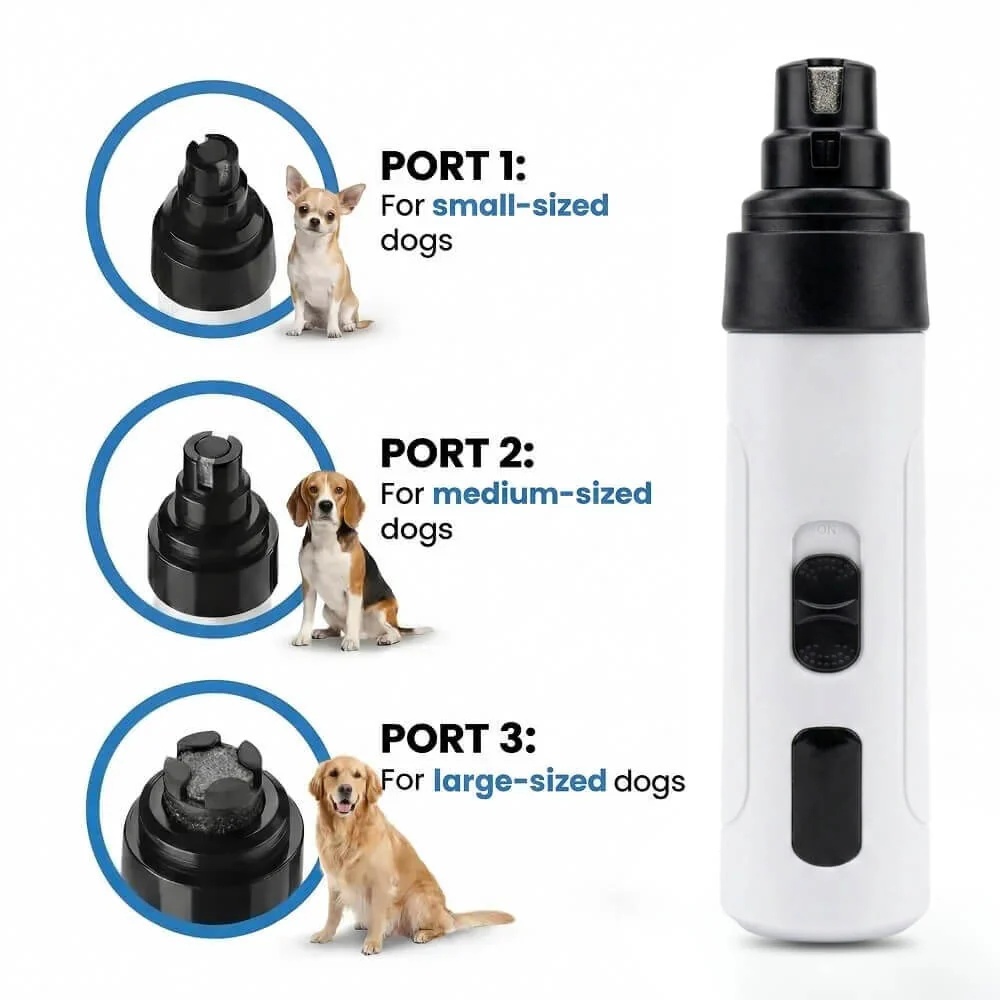
The device features a versatile safety cap with three distinct ports designed to accommodate different breeds.
The small port is ideal for tiny puppies and toy breeds, while the medium port suits mid-sized dogs perfectly.
For large breeds with exceptionally thick claws, you can remove the safety cap entirely to expose the full grinding wheel.
Combined with its dual-speed motor, the Maxpro easily shapes the toughest claws without slowing down or stalling.
How long does the battery of the Zenpaw Maxpro last on a single charge?
The Zenpaw Maxpro is equipped with a high-capacity lithium-ion battery that provides up to 7 hours of continuous operation.
This long-lasting battery life ensures you can complete multiple thorough grooming sessions without needing a recharge.
The device is fully USB rechargeable, allowing you to power it up using a laptop, power bank, or standard wall adapter.
A convenient LED battery indicator light lets you know exactly when it is time to plug the device back in.
This reliable cordless operation gives you the freedom to groom your dog anywhere they feel most comfortable.
Which speed setting should I use for my dog’s nails?
The Zenpaw Maxpro offers two distinct speed settings to match your dog’s nail thickness and comfort level.
We highly recommend starting on the low speed setting when first introducing the grinder to your pet.
The low speed is perfect for delicate adjustments, thin nails, and helping anxious dogs get used to the sensation.
Once your dog is relaxed and you are working on thicker claws, you can switch to the high speed setting.
The high speed setting provides the extra rotating power needed to efficiently grind down dense, heavy nails.
Does the grinding wheel get hot during use?
Traditional high-speed rotary tools can quickly generate intense friction heat that burns the sensitive nail quick.
To prevent this common issue, the Zenpaw Maxpro is built with advanced low-heat technology.
The specialized grinding wheel dissipates heat rapidly, keeping the nail surface cool throughout the process.
However, as a professional grooming practice, you should still avoid holding the wheel in one spot for more than three seconds.
Moving the grinder across the tip in short, gentle strokes ensures absolute thermal comfort for your dog.
Can I use the Zenpaw Maxpro on my cat’s claws as well?
Yes, the Zenpaw Maxpro is an excellent, versatile tool for feline claw maintenance as well.
Cats have much thinner, more delicate claws than dogs, which makes the small safety port perfect for them.
The whisper-quiet motor is especially beneficial for cats, who are notoriously sensitive to loud, buzzing noises.
Using the low speed setting allows you to gently smooth out your cat’s sharp tips quickly and quietly.
This dual-species utility makes the Maxpro a highly valuable addition to any multi-pet household.
What should I do if I accidentally make my dog’s nail bleed?
First, remain completely calm, as your dog will mirror your emotional energy and stress levels.
Immediately apply a generous pinch of styptic powder directly to the bleeding tip with firm, gentle pressure.
If you do not have styptic powder on hand, you can use common kitchen cornstarch or baking soda as a temporary clotting agent.
Hold the pressure for at least sixty seconds until the bleeding stops completely.
Offer your dog their favorite high-value treat and plenty of praise to end the session on a positive, comforting note.
Conclusion
Understanding dog nail anatomy is the absolute secret to unlocking safe, stress-free grooming sessions that protect your pet’s orthopedic wellness. Ready to transform nail trimming from a battle into a breeze? Explore the Zenpaw Maxpro 3-in-1 Grinder. Call: **302-307-1000** — our team can help you advise on the best grooming practices and help with any product questions.
Note: Individual results may vary depending on individual dog breeds, nail thickness, and behavioral temperaments. This article is intended for general pet grooming reference purposes only and does not replace professional veterinary advice.