
I still remember the sheer panic when my golden retriever Cooper started limping with his dog nail bleeding at the base after catching it on a rough root. Seeing bright red blood pool near his sensitive cuticle was terrifying, and his painful whimpering broke my heart as I scrambled to help. That stressful afternoon changed how I approach paw care forever, leading our team to find a safe, quiet solution that protects our dogs from clipper trauma.
Maxpro 3-in-1 Grinder.
Stress-Free Nail Trimming.
Whisper-quiet DC motor (<40 dB) eliminates fear & discomfort. Features 3 ports, dual speeds, and 7-hour battery life. Safe, precise, and painless.
In This Article
- Immediate Action: How to stop severe base-level claw bleeding at home within minutes.
- Anatomy Explained: Understanding the vascularized dermis and cuticle structure.
- Cooperative Care: Desensitizing your dog to modern, quiet grinding tools.
- Proactive Prevention: Transitioning away from painful, crushing manual clippers.
What Causes a Dog Nail Bleeding at the Base and How Do You Stop It Immediately?
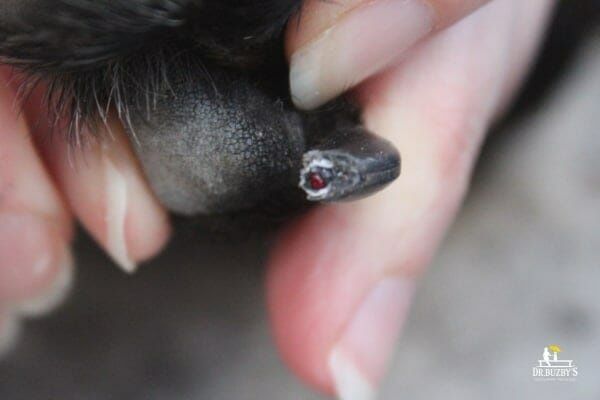
An injury to a canine claw occurs when the highly vascularized tissue at the very bottom of the nail bed is ruptured by blunt force trauma, snagging, or improper clipping close to the toe.
Any dog of any breed can suffer from this painful emergency, though highly active dogs running on rough terrain or dogs with brittle nails are significantly more vulnerable.
This type of bleeding typically happens outdoors during play, or indoors when long claws get snagged in thick carpets or upholstery.
The primary reason this area bleeds so profusely is due to the dense network of blood vessels situated in the quick and the surrounding cuticle bed.
When this structural barrier is compromised, the exposed vascularized dermis cannot easily clot without immediate direct intervention and pressure.
To address this fast, you must keep your dog calm, apply firm pressure with a clean cloth, and use a safe coagulation agent like styptic powder or cornstarch to seal the wound.
Understanding how to manage this distressing situation at home will prevent panic and ensure your pet receives rapid, hygienic first aid.
Stopping the bleeding begins by immediately securing your dog in a comfortable, quiet space to lower their blood pressure and reduce anxiety.
You should gently wrap the affected paw in a clean towel or sterile gauze while applying constant, firm pressure directly to the bleeding base for at least five full minutes.
Once the initial blood flow slows down, carefully apply a generous amount of styptic powder or a thick paste of cornstarch and water directly to the damaged cuticle area.
Keep the paw elevated and prevent your dog from walking or licking the area for at least fifteen minutes to allow a solid, protective clot to form.
If you notice that the bleeding continues or if the entire nail is hanging loose, you should seek immediate dog nail injury treatment from your local veterinarian.
If you want to handle this safely at home and prevent future injuries, the Zenpaw Maxpro Grinder provides painless, quiet filing — explore it here.
99-Day 100% Money-Back Guarantee
“Ever since we started using the Zenpaw Maxpro Grinder, it’s been such a peaceful experience. It’s very quiet, and my dog actually relaxes. It’s turned our stressful sessions into quick, quiet grooming times.”
— Sarah M. | ✔ Verified Customer
- ✓ Prevents Infection & Splitting
- ✓ Ideal for All Dog Sizes
- ✓ Low-Vibration Technology
- ✓ Fast 2-7 Days Delivery
Need Support? Call 302-307-1000
Understanding Canine Nail Anatomy: The Science Behind Cuticle and Quick Injuries

To effectively protect your dog’s paws, you must understand the complex physiological structure of the canine claw.
Unlike human nails, which are flat and sit on top of the skin, a dog’s nail is a specialized, three-dimensional digital appendage.
The hard outer layer is composed of a tough protein called keratin, which acts as a protective shield for the sensitive interior.
Directly inside this keratin sheath lies the quick, which is a highly sensitive core containing active blood vessels and intricate nerve endings.
The quick is directly connected to the distal phalanx, meaning any trauma to the nail bed can transfer pain directly to the bone.
When a dog claw is severed or split near the cuticle, these delicate nerve fibers are exposed to the open air, causing acute pain.
This high concentration of nerves is why dogs react so dramatically to even minor nail trims that go slightly too short.
Furthermore, long nails alter how your dog’s paw contacts the ground, which can eventually cause significant posture and proprioception issues.
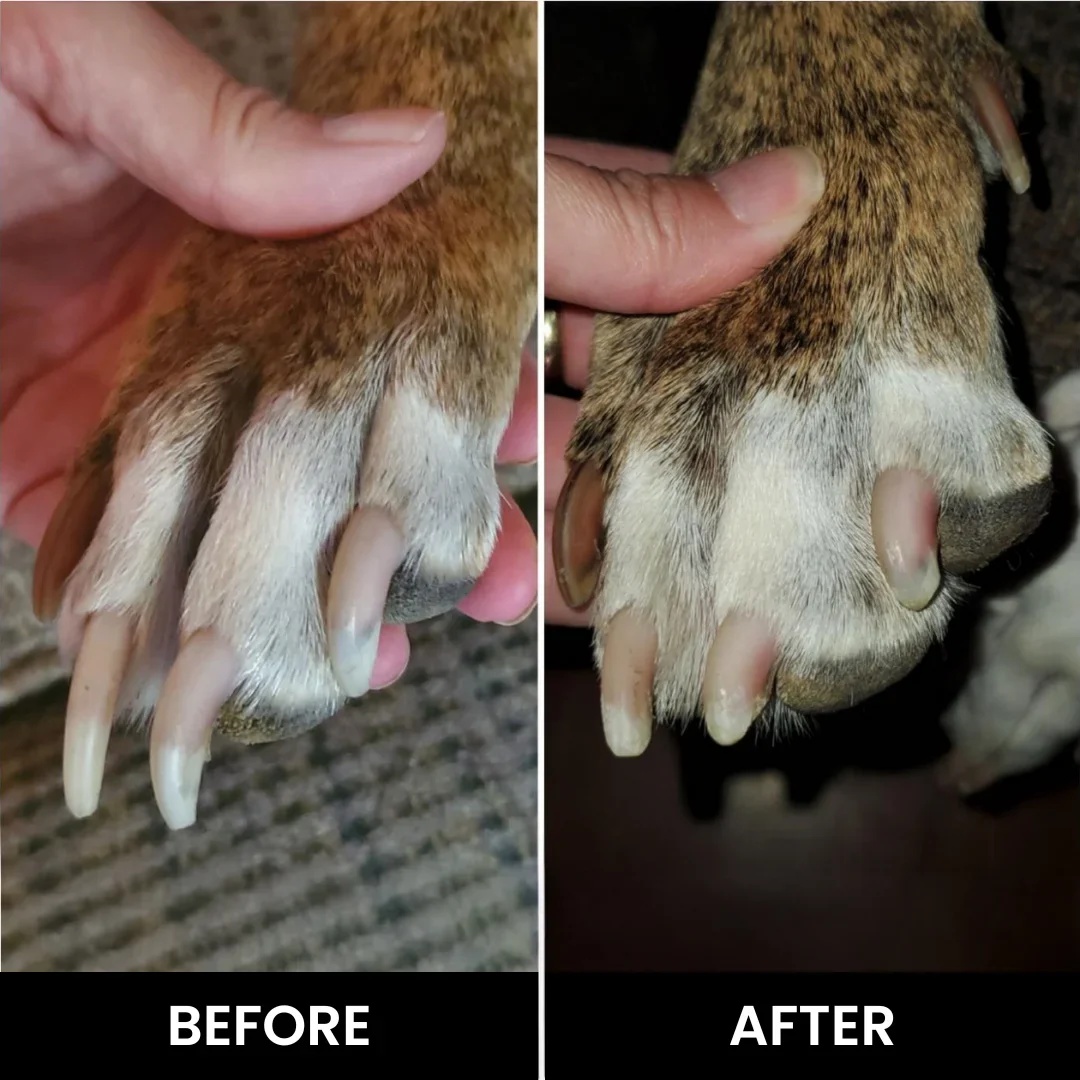
Using a heavy, crushing tool like traditional manual clippers can fracture this delicate keratin structure, leading to painful vertical splits.
To maintain this system without risk, many owners ask, can i file my dog’s nails with an emery board?
While manual filing works for minor touch-ups, it is far too slow and inefficient for thick, adult canine claws.
Instead, a heavy duty nail grinder for large dogs is the ideal solution to safely wear down the nail without cracking the outer shell.
This progressive method prevents the sudden, violent crushing force that traditional manual clippers exert on the claw structure.
By filing gradually, you allow the biological quick to recede over time, which reduces the chance of any future bleeding emergencies.
According to veterinary research, regular incremental grooming with a low-vibration tool maintains the natural anatomical alignment of the digital pads.
This ensures your dog can run, walk, and play comfortably without placing unnatural stress on their skeletal joints and tendons.
Choosing a safe, controlled method of shortening the claws is the absolute best way to preserve your dog’s long-term mobility and comfort.
Differentiating Between a Quick Cut and a Serious Base-Level Nail Tear
It is crucial for pet parents to distinguish between a simple nick of the quick and a more severe structural injury at the nail base.
A standard quick cut occurs at the tip of the nail during a trim and usually stops bleeding within minutes with basic first aid.
An injury where the dog nails bleeding at base, however, indicates that the trauma has occurred where the nail meets the living skin of the toe.
This type of injury is often referred to as an injured claw bleeding at cuticle, which is highly prone to bacterial contamination.
If the nail is completely torn from the nail bed, the raw, exposed tissue is incredibly sensitive and highly vulnerable to pathogens.
Yard bacteria, dirt, and moisture can easily enter the compromised cuticle, leading to a painful nail bed infection in dogs.
You must closely monitor the site for signs of infection, such as swelling, heat, discharge, or constant licking.
In some cases, a highly anxious dog may require a safe sedative for dog to clip nails to allow a vet to safely clean a severe tear.
If your dog has delicate nails that split easily on hard surfaces, you might also consider dog nail caps for hardwood floors to protect the claws from sliding and tearing.
Our team recommends transitioning to a low-stress, gradual grooming routine using our whisper-quiet grinder to prevent these traumatic tears entirely.
By replacing high-pressure clippers with a smooth, rotational filing system, you remove the hazard of accidental yanking and snagging.
Consistent, short grooming sessions keep the keratin casing thick, rounded, and structurally sound against impact.
This preventative habit safeguards your dog’s paws from the recurring agony of split claws and deep cuticle tears.
Step-by-Step Practical Application Guide: Desensitization and Painless Grinding
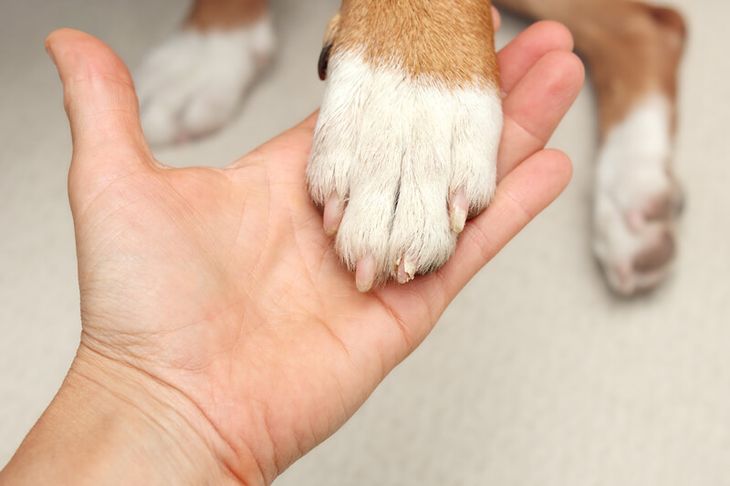
Introducing a new grooming tool to an anxious pet requires patience, consistency, and a systematic desensitization plan.
First, let your dog inspect the Zenpaw Maxpro Grinder while it is turned off, rewarding them with high-value treats for simple curiosity.
Next, turn the device on its lowest speed while keeping it several feet away, letting your dog get used to the gentle hum.
The whisper-quiet DC motor of the Zenpaw Maxpro operates under 40 decibels, which prevents triggering your dog’s natural fear response.
Once your dog is comfortable with the sound, gently touch the vibrating body of the grinder to their shoulder or paw without filing.
When you are ready to file, hold your dog’s paw firmly but gently, separating the toes to expose the individual nails.
Approach the nail at a precise 45-degree angle, which allows you to follow the natural curve of the claw safely.
Apply light pressure for only two to three seconds at a time per nail to prevent heat buildup on the sensitive quick.
The advanced low-heat technology of our grinding wheel ensures your dog’s paw remains cool and comfortable throughout the session.
Always reward your dog with praise and a treat after each nail to build a positive association with paw maintenance.
Over time, this cooperative care approach transforms a highly stressful chore into a peaceful bonding experience.
Our grooming experts recommend keeping sessions brief, focusing on just one or two paws at a time in the beginning.
This incremental pace prevents mental fatigue and keeps your dog’s anxiety threshold well within a safe, manageable range.
By establishing a predictable, pain-free routine, you eliminate the power struggles that often lead to sudden slips and injuries.
Ultimately, a calm dog is a safe dog, and proper desensitization is the key to unlocking stress-free claw maintenance for life.
Overcoming Common Grooming Risks and Preventing Future Base Bleeding
The most common mistake pet owners make is using traditional, dull scissor-style clippers on thick canine claws.
Manual clippers apply immense lateral pressure, essentially crushing the nail before they finally cut through it.
This crushing action can cause micro-fractures in the keratin sheath, which makes the claw highly susceptible to splitting later.
Another frequent error is rushing the grooming process, which often leads to cutting directly into the vascularized quick.
Rushing is especially dangerous when dealing with black nails, where the quick is completely hidden from visual view.
Using the Zenpaw Maxpro Grinder allows for gradual, layer-by-layer filing, giving you complete control over the process.
This incremental approach lets you spot the small dark dot that indicates you are approaching the edge of the quick.
Additionally, many owners fail to maintain a regular grooming schedule, allowing the nails to grow too long.
As a nail grows longer, the internal quick extends along with it, making future trimming much more difficult.
Filing your dog’s nails every two weeks gently coaxes the quick to recede naturally over time, ensuring safer trims.
By avoiding these common pitfalls and using safe tools, you protect your dog from the trauma of bleeding claw bases.
Investing in a modern, automated system is a minor change that yields major benefits for your dog’s immediate well-being.
With correct technique and professional-grade equipment, you can confidently maintain healthy paws without the fear of causing pain.
Frequently Asked Questions About Dog Nail Health
Is the Zenpaw Maxpro Grinder safe for large dog breeds?
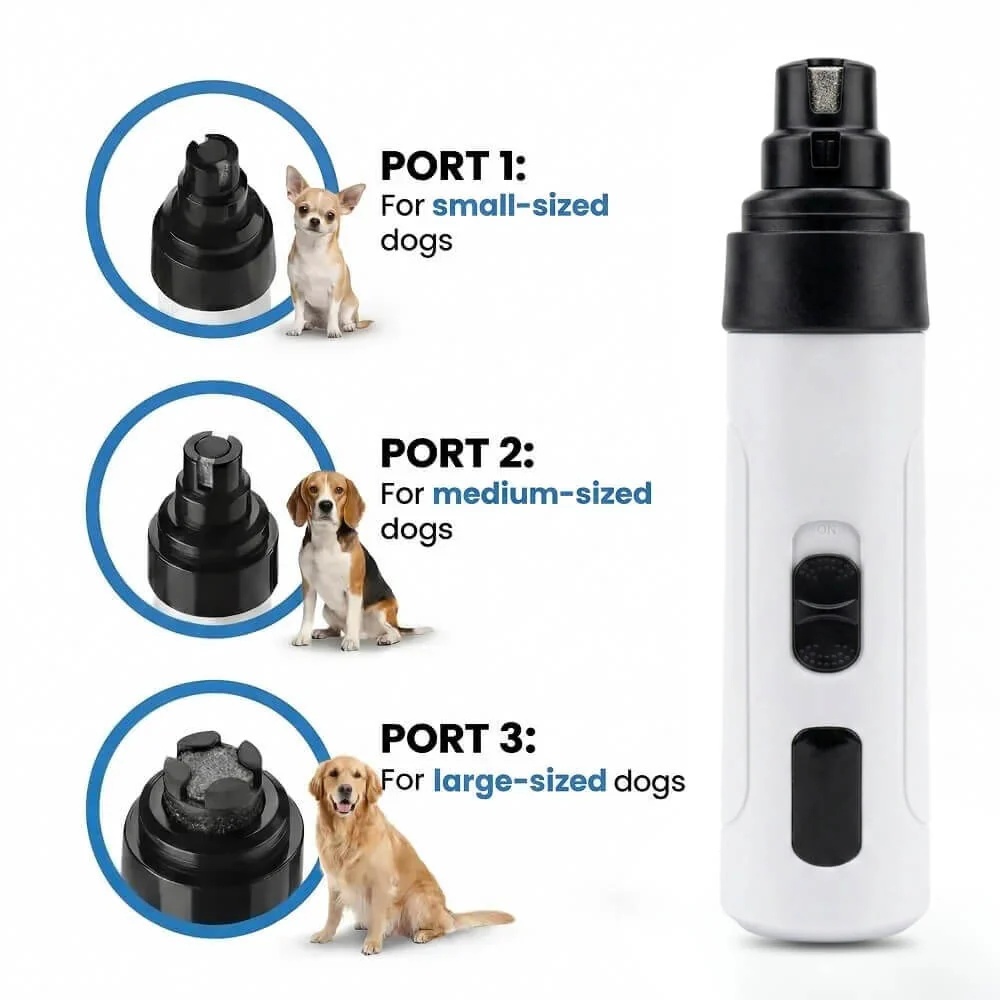
Yes, the Zenpaw Maxpro features three specialized ports designed to safely accommodate small, medium, and large dog breeds.
The heavy-duty, brass-collet motor provides ample torque to easily file down even the thickest canine claws without stalling.
How long does the battery last on a single charge?
The grinder is equipped with a high-capacity lithium-ion battery that provides up to seven hours of continuous grooming on a single charge.
It is conveniently USB-rechargeable, allowing you to charge it using a standard phone block, laptop, or power bank.
Which speed setting should I use for my dog?
We recommend starting on the low speed setting to let your dog acclimate to the vibration and subtle sound of the tool.
Once your pet is fully comfortable, you can switch to the high-speed setting for efficient filing of thick, stubborn nails.
Does the grinding wheel get hot during extended grooming sessions?
Our grinder is engineered with proprietary low-heat technology that prevents the diamond bit from overheating during use.
However, you should still alternate between different nails to ensure the friction does not cause any discomfort to your pet.
Conclusion
Keeping your dog’s paws healthy and free from painful cuticle injuries is essential for their long-term comfort and mobility.
Ready to transform nail trimming from a battle into a breeze? Explore the Zenpaw Maxpro 3-in-1 Grinder. Call: 302-307-1000 — our team can help you advise on the best grooming practices and help with any product questions.