
I still remember the heart-wrenching yelp my golden retriever, Bailey, let out when his claw snagged on the deck stairs. There was blood everywhere, and in my panic, I realized I had no idea how to handle a dog nail injury treatment. That terrifying night taught me how fragile our dogs’ paws are and eventually led our team at Zenpaw to develop the Maxpro 3-in-1 Grinder to prevent these painful accidents altogether.
Maxpro 3-in-1 Grinder.
Stress-Free Nail Trimming.
Whisper-quiet DC motor (<40 dB) eliminates fear & discomfort. Features 3 ports, dual speeds, and 7-hour battery life. Safe, precise, and painless.
In This Article
- Emergency First Aid: How to safely manage immediate bleeding and pain when a nail breaks.
- Canine Paw Anatomy: Understanding the quick, nail bed, and risks of secondary infections.
- Safe Grooming Practices: Step-by-step guidance on using quiet grinders to prevent future splits.
- Expert Prevention Tips: Transitioning from crushing clippers to stress-free, pain-free maintenance.
How Do You Handle a Dog Nail Injury Treatment Safely at Home?

When your active companion tears a claw during play, knowing how to administer a proper dog nail injury treatment immediately is critical for their long-term wellness.
This painful issue typically affects high-energy breeds who sprint across abrasive surfaces, wooden decks, or dense forest trails where snags easily occur.
The sudden trauma occurs when an overgrown, brittle claw catches on an obstacle, tearing the protective keratin shell away from the vascular core.
You must initiate care directly at home as soon as you notice your dog limping, holding their paw up, or licking the area excessively.
According to certified canine wellness experts, leaving a raw, open nail wound exposed to the environment invites dangerous soil-borne pathogens into the delicate digital bones.
Your primary goal during first aid is to stop the bleeding, soothe acute pain, and construct a sterile barrier to support clean tissue recovery.
To manage this effectively without causing additional stress, you should prepare a quiet, well-lit space with veterinary-grade antiseptic solutions, styptic powder, and cohesive wraps.
Understanding these essential steps ensures you can stabilize the paw without needing an emergency clinic visit for minor superficial tears.
Our team at Zenpaw advocates for calm, methodical care that prioritizes your dog’s psychological comfort alongside physical first aid.
By acting as a calm leader, you can prevent your pet from developing a lifelong fear of paw handling or future grooming sessions.
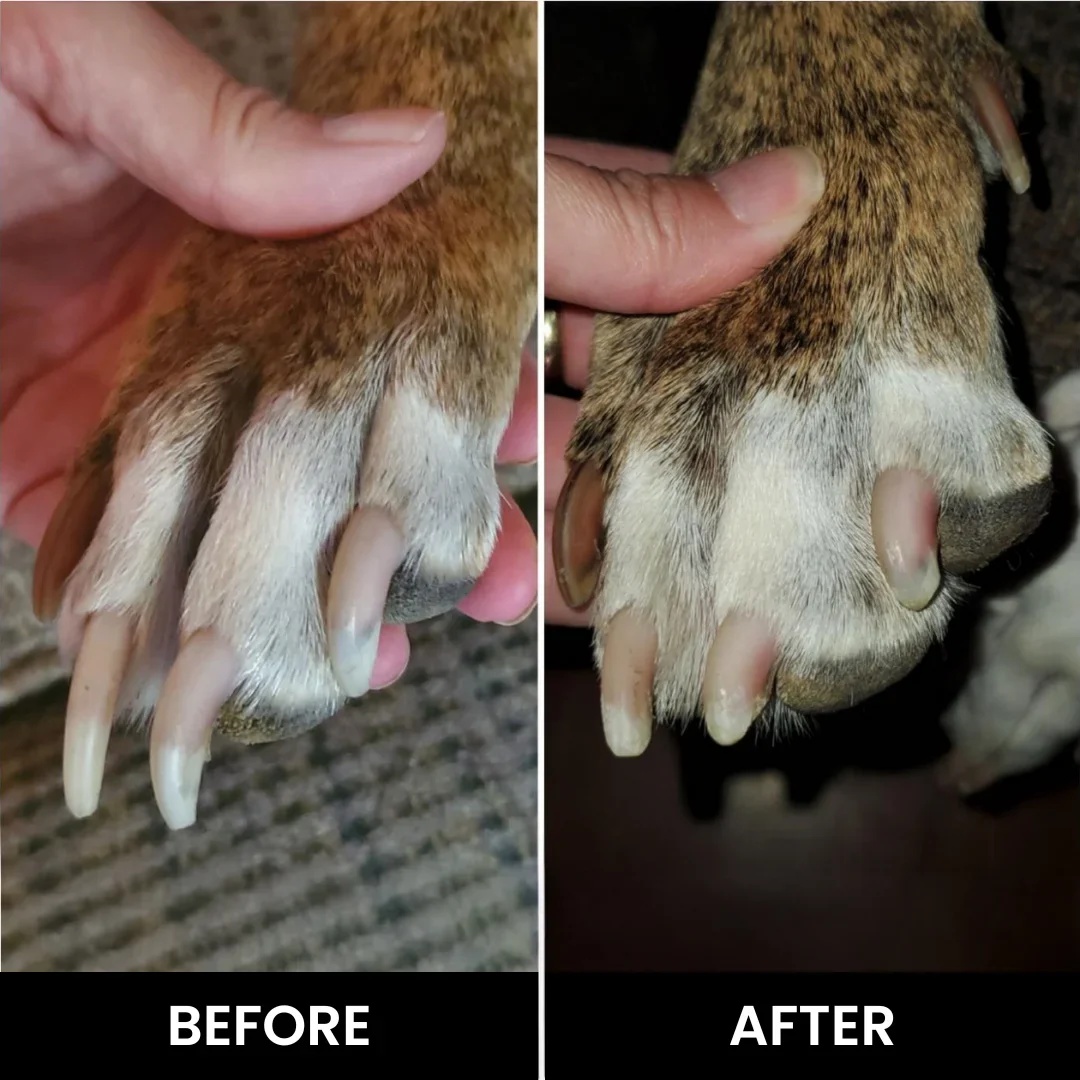
First, gently restrain your dog in a comfortable position and secure their muzzle if they show signs of severe pain.
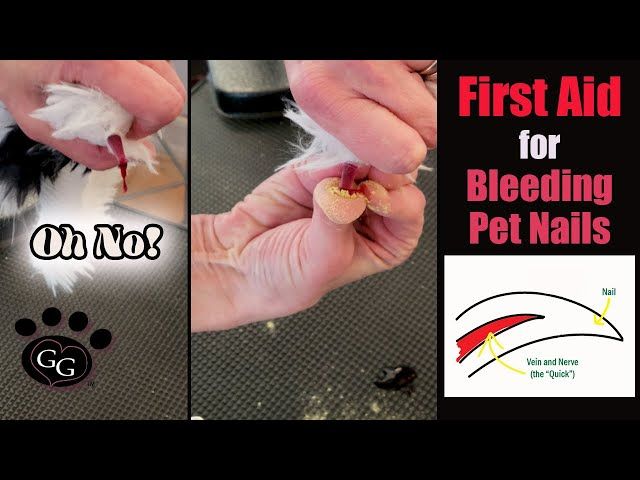
If you discover that your dog nail broke quick exposed, apply firm, continuous pressure to the tip with a clean, lint-free cloth.
Keep holding the pressure for up to five full minutes to allow a stable clot to form naturally.
Next, generously pour professional styptic powder or clean cornstarch directly onto the exposed blood vessel to seal it completely.
Once the active bleeding stops, gently flush the entire paw with lukewarm water to wash away dirt and debris.
Avoid using harsh chemicals like hydrogen peroxide because they destroy healthy cells and delay the natural healing process.
Pat the claw completely dry with a sterile gauze pad before applying a thin layer of pet-safe antiseptic ointment.
Wrap the paw carefully with a breathable, self-clinging bandage, taking care not to pull it too tight as this can restrict blood flow.
Change the protective bandage daily and inspect the healing nail bed for any early signs of swelling, redness, or discharge.
If you want to handle this safely at home, the Zenpaw Maxpro Grinder provides painless, quiet filing — explore it here.
99-Day 100% Money-Back Guarantee
“Ever since we started using the Zenpaw Maxpro Grinder, it’s been such a peaceful experience. It’s very quiet, and my dog actually relaxes. It’s turned our stressful sessions into quick, quiet grooming times.”
— Sarah M. | ✔ Verified Customer
- ✓ Prevents Infection & Splitting
- ✓ Ideal for All Dog Sizes
- ✓ Low-Vibration Technology
- ✓ Fast 2-7 Days Delivery
Need Support? Call 302-307-1000
Understanding Canine Nail Anatomy: The Risk of a Dog Nail Bed Injury
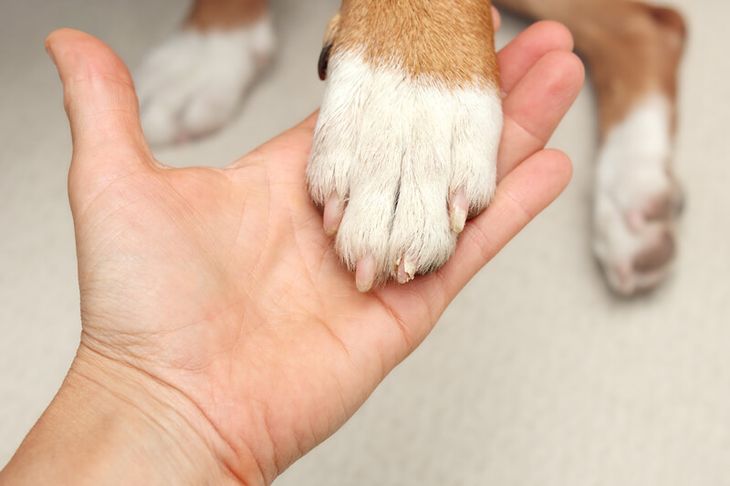
To understand the severity of a dog nail bed injury, you must first examine the unique anatomical structure of the canine claw.
The outer layer of the nail consists of hard, dead keratin proteins, which act as a shield for the living tissues inside.
Directly beneath this protective sheath lies the quick, a highly vascularized area packed with sensitive nerve pathways.
This quick connects directly to the distal phalanx, which is the actual bone at the very tip of your dog’s toe.
Because the bone and the nail bed are so closely linked, a severe split can easily lead to a deep bone infection known as osteomyelitis.
Traditional manual clippers work by squeezing the nail from both sides until the blade cuts through the keratin.
This crushing mechanism places extreme mechanical stress on dry, brittle, or naturally thick claws.
In many cases, the pressure causes micro-fractures that spider-web up the claw, resulting in a sudden split that reaches the nail bed.
A serious fracture can cause the entire outer shell to slough off, leaving the raw, sensitive nerve endings completely exposed to the elements.
Based on grooming feedback from over 18,587+ Zenpaw users, transitioning to a high-speed diamond grinder eliminates this dangerous crushing force entirely.
The rotating abrasive wheel gently files away micro-layers of keratin, shaping the nail smoothly without any structural shock.
This gradual filing technique allows you to work right up to the edge of the quick without causing pain or damage.
By maintaining short claws through regular, gentle grinding, you keep the quick retracted safely inside the nail.
Short nails strike the ground at a proper angle, which preserves your dog’s natural posture and prevents joint strain.
Our commitment to painless trimming ensures your dog can maintain healthy, balanced paws without the fear of traditional clippers.
Treating Damaged Pet Claws: How to Prevent Secondary Infections
When you are engaged in treating damaged pet claws, protecting the open wound from environmental contamination is your top priority.
The warm, moist crevices of a dog’s paw are the perfect breeding ground for opportunistic bacteria and fungal organisms.
A minor injury can rapidly escalate into a severe infection if your dog constantly licks or chews at the damaged digit.
Canine saliva contains bacteria that, while harmless on intact skin, can cause deep tissue infections when introduced to an open wound.
You should monitor the injured toe daily for symptoms like localized swelling, redness, heat, or a foul-smelling discharge.
If the dog refuses to bear weight on the limb after forty-eight hours, a deep structural injury may be present.
To support clean recovery, you can perform daily warm water foot soaks mixed with a small amount of diluted chlorhexidine solution.
Always pat the paw completely dry after soaking, as residual moisture will encourage fungal overgrowth in the nail fold.
If your dog’s nail is hanging by a thin thread of tissue, do not attempt to rip it off forcefully at home.
Ripping a partially attached nail can cause severe pain, heavy bleeding, and permanent damage to the germinal matrix where new nail grows.
In these delicate situations, consulting a professional for a dog split toenail treatment is the safest course of action.
A professional can cleanly trim away the loose dead shell under sterile conditions while keeping your pet comfortable.
Once the damaged shell is removed, the exposed quick will gradually dry out and develop a protective calloused outer layer.
During this vulnerable healing phase, protect the paw with clean booties whenever your dog goes outside to urinate.
By keeping the paw clean, dry, and protected, you ensure a swift, uncomplicated recovery for your active companion.
| Injury Type | Typical Symptoms | Recommended Action |
|---|---|---|
| Minor Keratin Split | Hairline crack at the tip, no active bleeding, minimal limping. | File down smooth with a quiet grinder to prevent further snagging. |
| Exposed Quick / Torn Shell | Moderate bleeding, visible pink tissue, obvious pain, limping. | Apply styptic powder, clean with antiseptic, wrap, and limit activity. |
| Deep Nail Bed Tear | Heavy bleeding, swollen toe joint, severe pain, possible bone exposure. | Apply immediate pressure wrap and seek veterinary evaluation. |
Step-by-Step Paw Recovery and Safe Trimming Practices
Helping a dog recover from a painful paw injury requires a gentle, systematic approach to rebuild their confidence.
Once the physical wound has fully closed, your next step is to introduce safe, pain-free grooming tools.
The Zenpaw Maxpro Grinder is specifically designed to make this rehabilitation process as smooth as possible.
Start by placing the turned-off grinder on the floor next to your dog’s favorite bedding.
Place a high-value treat, like freeze-dried liver or peanut butter, directly on top of the device.
This positive association teaches your dog that the tool represents rewards rather than pain or restraint.
Repeat this exercise several times a day until your dog happily approaches the grinder on their own.
Next, sit in a comfortable spot and turn on the grinder to let them hear the whisper-quiet motor.
Our advanced DC motor operates at less than forty decibels, which is quieter than a gentle whisper.
This ultra-quiet operation is crucial because high-pitched whining from loud tools can trigger intense anxiety in sensitive dogs.
Hold the vibrating handle gently against your dog’s shoulder or leg to desensitize them to the soft physical sensation.
When you are ready to file the claw, lift the paw and secure a single toe firmly but gently between your fingers.
Hold the grinder at a precise forty-five-degree angle relative to the natural growth curve of the claw.
Gently touch the rotating diamond bit to the tip of the nail for only two to three seconds at a time.
Filing in quick, rhythmic bursts prevents friction from creating heat, which can irritate the sensitive quick.
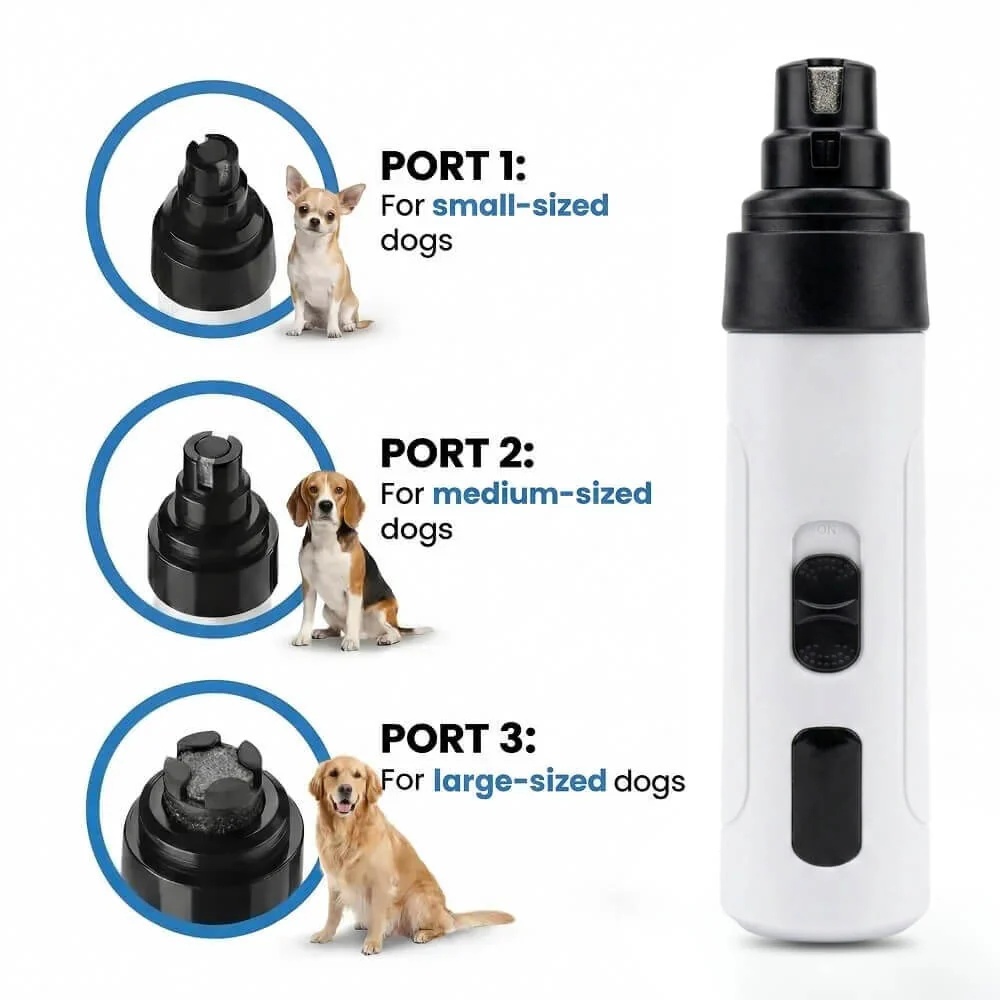
We recommend utilizing the three custom ports to match the specific size of your dog’s claws.
The small and medium ports protect the surrounding skin, while the open port is ideal for rapid shaping.
If your pet shows severe resistance due to past trauma, you might consider booking a professional walk in dog nail trimming near me to help ease them into the routine.
With consistent training and the right quiet tools, your dog will eventually learn to relax completely during grooming.
This peaceful bonding time keeps their paws healthy and prevents the cycle of painful splits from starting again.
If your dog remains exceptionally anxious, you may also consult your veterinarian about a temporary safe sedative for dog to clip nails during early training sessions.
Crucial Mistakes to Avoid During Nail Injury Recovery
Rushing back into high-impact outdoor activities is one of the most common recovery mistakes dog owners make.
An injured nail bed requires at least ten to fourteen days of quiet rest to heal completely.
Running on grass, mud, or gravel can introduce abrasive grit directly into the fragile, newly formed tissue.
Another major error is failing to address the underlying cause of the split claw in the first place.
Long, neglected nails are highly prone to snagging because they force the toe to splay outward when walking.
This unnatural splay puts constant pressure on the nail joint, leading to chronic discomfort and skeletal misalignment.
Using dull, traditional manual clippers on dry nails is a recipe for painful structural failure.
Dull blades apply uneven crushing pressure, which shatters the hard keratin structure like glass.
To prevent this risk entirely, we recommend upgrading to a heavy duty nail grinder for large dogs.
A heavy-duty grinder features a powerful motor that quickly shapes dense claws without any cracking.
Never hold a grinding wheel against a single nail for more than five continuous seconds.
Frictional heat can build up rapidly, causing an invisible burn that damages the delicate nerves inside the quick.
Always keep a styptic powder close by during grooming, even if you are using a safe grinder.
Being prepared for accidental nicks ensures you can respond calmly without passing panic to your dog.
By avoiding these common pitfalls, you can protect your dog’s paws and keep them walking comfortably for life.
Frequently Asked Questions About Dog Nail Recovery
Is the Zenpaw Grinder safe for large dogs with thick nails?
Yes, the Zenpaw Maxpro is fully equipped to handle large breeds with dense, thick claws.
The grinder is engineered with three specialized ports and a high-torque motor that does not stall under pressure.
The wide-open port allows you to easily file down the thickest nails on breeds like Mastiffs and Great Danes.
Based on feedback from over 18,587+ happy pets, this tool offers a painless alternative to massive, intimidating clippers.
How long does the battery last on a single charge?
The advanced lithium-ion battery provides up to seven hours of continuous grooming power on a single charge.
This long battery life allows you to perform multiple calm, unhurried grooming sessions over several weeks.
The device is easily rechargeable using the included USB cable, making it perfect for home or travel use.
Which speed setting is best for a dog recovering from an injury?
We highly recommend starting on the low-speed setting when working near a recovering or highly sensitive paw.
The low-speed setting offers maximum precision and minimizes any physical vibration felt by your dog.
Once your dog is fully desensitized and healed, you can transition to the high-speed setting for faster grooming.
Does the grinding head get hot during use?
No, our custom brass spindle and advanced low-heat technology keep the diamond bit cool throughout the session.
Unlike cheap plastic grinders that overheat quickly, Zenpaw maintains a safe operating temperature to prevent burns.
We still recommend working in short, two-second intervals to guarantee absolute comfort for your pet.
How can I tell where the quick is on a black or dark dog nail?
Finding the quick on dark nails can be challenging, but a safe grinder makes the process incredibly simple.
As you file the tip of a dark nail down in small increments, look closely at the center of the cut surface.
When you begin to see a small, dark, moist-looking circle appear in the center, you have reached the edge of the quick.
Stop filing immediately at this point to avoid any bleeding or discomfort for your dog.
Conclusion
Ready to transform nail trimming from a battle into a breeze? Explore the Zenpaw Maxpro 3-in-1 Grinder. Call: 302-307-1000 — our team can help you advise on the best grooming practices and help with any product questions.
Note: Individual results may vary depending on individual dog breeds, nail thickness, and behavioral temperaments. This article is intended for general pet grooming reference purposes only and does not replace professional veterinary advice.