
I still remember the night my golden retriever, Max, let out a sharp yelp after catching his paw on the deck stairs. My heart sank when I saw bright red drops on the carpet, showing his dog nail bleeding at the base. I was terrified, but finding the Zenpaw Maxpro 3-in-1 Grinder transformed our stressful grooming sessions into safe, quiet moments of pure bonding.
Maxpro 3-in-1 Grinder.
Stress-Free Nail Trimming.
Whisper-quiet DC motor (<40 dB) eliminates fear & discomfort. Features 3 ports, dual speeds, and 7-hour battery life. Safe, precise, and painless.
In This Article
- Understand Canine Nail Anatomy: Learn how the delicate quick connects to the base of the nail sheath.
- First-Aid Emergency Steps: Discover the immediate pressure, disinfection, and bandaging methods to stop bleeding safely.
- Identify Underlying Causes: Find out how thyroid conditions or yeast infections weaken your dog’s keratin structures.
- Preventive Care Strategies: Master desensitization and the forty-five-degree grinding technique using the Zenpaw Maxpro.
Does Your Dog Have Nail Bleeding at the Base? Here is What Pet Care Experts Say
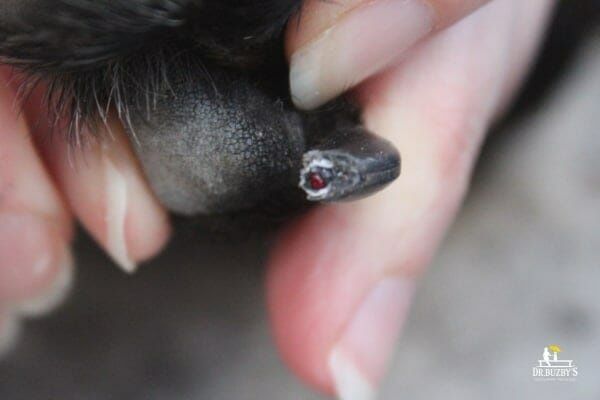
An injured claw bleeding at cuticle level occurs when the sensitive, blood-vessel-rich tissue called the quick is exposed or torn at the very bottom of the nail bed.
This painful trauma typically happens to active dogs of any breed when they snag their claws on rough outdoor surfaces, carpets, or during a rushed grooming session.
You will notice this issue immediately because the base of the claw will bleed heavily, and your dog will likely lick the paw constantly or limp.
This injury is highly concentrated at the paw pad junction where the nail emerges from the skin, making it a prime target for yard bacteria.
The bleeding happens because the nail quick contains active blood vessels and nerve endings that directly supply the claw.
To solve this, you must act quickly to clean the wound, stop the blood flow, and shield the raw tissue from infection.
Understanding how to manage this at home will save your pet from severe discomfort and costly emergency vet visits.
First, remain calm because your dog will mirror your anxiety and elevate their heart rate, which increases the bleeding.
Apply direct, firm pressure to the base of the nail using a clean cloth or sterile gauze for at least two to five minutes.
If the bleeding continues, pack styptic powder, cornstarch, or baking flour directly onto the bleeding site at the base.
Once the bleeding stops, gently wash the area with lukewarm water to remove loose debris without scrubbing the freshly clotted wound.
Wrap the paw in a light, breathable bandage to prevent your dog from licking the injury or tracking dirt into the open cuticle bed.
Keep your dog quiet and rested on a clean surface for the next few hours to ensure the clot remains stable.
If you want to handle this safely at home, the Zenpaw Maxpro Grinder provides painless, quiet filing — explore it here.
99-Day 100% Money-Back Guarantee
“Ever since we started using the Zenpaw Maxpro Grinder, it’s been such a peaceful experience. It’s very quiet, and my dog actually relaxes. It’s turned our stressful sessions into quick, quiet grooming times.”
— Sarah M. | ✔ Verified Customer
- ✓ Prevents Infection & Splitting
- ✓ Ideal for All Dog Sizes
- ✓ Low-Vibration Technology
- ✓ Fast 2-7 Days Delivery
Need Support? Call 302-307-1000
Understanding Canine Nail Anatomy: The Complex Structure of the Quick

Every canine claw consists of an outer layer made of a tough protein called keratin.
This outer shell protects the inner living tissue, commonly known as the quick.
The quick is a highly vascularized and innervated core.
It contains a dense network of blood vessels and extremely sensitive nerve endings.
When a dog suffers from dog nail bleeding at base, it means the injury is deep.
It indicates the tear is located at the proximal nail fold, right where the nail plate emerges from the skin.
This area is analogous to the human cuticle and is incredibly delicate.
Unlike a superficial crack at the tip of the claw, a split at the base directly exposes nerve endings.
This exposure sends immediate, sharp pain signals to the dog’s brain.
The proximity of this wound to the digital bone also increases the risk of deeper infection.
Understanding this anatomy helps you realize why a base injury requires careful, immediate attention.
Structural Nail Weakness: The Thyroid and Infection Connections
Sometimes, nails are simply prone to breaking because of underlying health conditions.
If your dog’s nails constantly split or crumble, it is crucial to look deeper.
You might wonder if brittle dog nails thyroid imbalances are the root cause.
Hypothyroidism, an underactive thyroid gland, frequently manifests as poor coat and nail quality in dogs.
This condition slows down the body’s metabolic processes, leading to dry, flaky skin and weak keratin production.
As a result, the nails become dry, brittle, and highly susceptible to snapping under minor pressure.
Another common cause of base-level nail issues is a localized infection.
Fungal organisms love to thrive in the dark, moist crevices of a dog’s paw pads.
If you suspect this, you can look up dog nail bed yeast infection pictures to identify common symptoms.
A yeast infection can cause chronic redness, swelling, and a distinct sweet, musty odor around the claws.
This infection weakens the structural integrity of the nail bed, making tears at the base much more common.
Over time, these infections can cause the nail plate to detach entirely from the underlying tissue.
If a claw does fall off, many owners worry and ask: do dogs toenails grow back?
The answer is yes, most healthy dog nails will regrow within several months, provided the nail matrix is not permanently damaged.
Keeping the area clean and well-nourished is essential during this lengthy recovery period.
How to Safely Assess and Address an Injured Claw Bleeding at the Cuticle
When you encounter an injured claw bleeding at cuticle, a systematic approach is vital.
First, secure your dog gently using a leash or have a helper hold them steady.
Dogs in severe pain may react defensively, even with their beloved owners.
Place a soft muzzle on your dog if they show signs of high stress or growling.
This is a standard safety measure that professional groomers always recommend.
Use a bright flashlight to inspect the damaged paw closely.
For dogs with dark pigmentation, knowing how to cut black dog nails using flashlight can help you see where the blood flow originates.
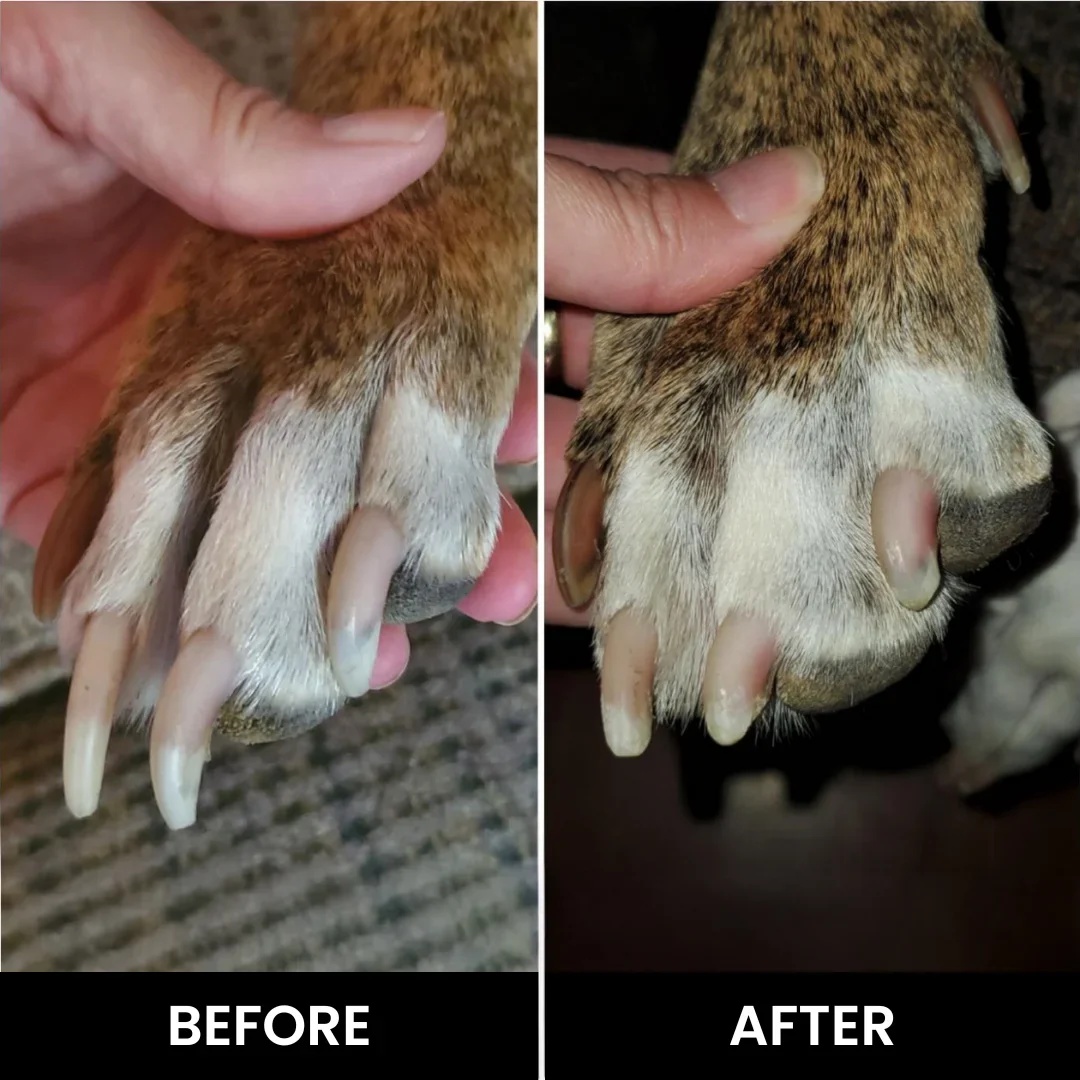
Look closely to determine if the nail is split, cracked, or completely torn from the base.
If you discover a severe split, knowing what to do for a dog’s split nail can save your pet from prolonged suffering.
A split that extends into the cuticle bed will continue to wobble and irritate the nerves every time your dog walks.
If the split piece is dangling loosely, a veterinarian should remove it under light sedation or local anesthesia.
Do not try to pull a firmly attached split nail at home, as this can tear the sensitive nail bed further.
Step-by-Step Antiseptic Disinfection Protocol
Once the bleeding is controlled, disinfection is your top priority.
Wash your hands thoroughly with warm water and soap before touching the wound.
Mix a mild, pet-safe antiseptic solution in a clean bowl.
We highly recommend using a diluted chlorhexidine solution for this purpose.
Avoid using harsh chemicals like rubbing alcohol or pure hydrogen peroxide on open nail wounds.
These solutions damage the delicate new cells trying to repair the tissue.
They also cause intense burning pain that will make your dog fear paw handling.
Gently flush the antiseptic solution over the base of the nail to wash away dirt.
Use a sterile gauze pad to pat the area completely dry.
Do not use cotton balls, as their loose fibers can stick to the raw wound.
Apply a thin layer of veterinary-approved antibiotic ointment to the cuticle.
This creates a protective barrier against external environmental bacteria.
Applying a Safe and Balanced Paw Pressure Wrap
After disinfecting, you must apply a temporary protective wrap.
Place a clean, non-stick sterile pad directly over the injured claw.
Take a roll of self-adhering elastic bandage, such as Vetrap.
Begin wrapping from the toes, including the dewclaw if present.
Wrap upward toward the ankle or wrist joint in a smooth, spiral pattern.
Ensure the wrap is firm enough to stay in place but not too tight.
An overly tight wrap can compromise healthy blood flow to the paw.
You should be able to slide two fingers comfortably under the top of the bandage.
Keep this protective wrap on for no more than twelve to twenty-four hours.
Check the toes frequently for any signs of coldness or swelling.
If the toes swell or feel cold, remove the bandage immediately.
Keep your dog on clean, dry indoor surfaces while the paw is recovering.
Avoid muddy yards, wet grass, and dusty areas to prevent dirt contamination.
Stress-Free Paw Management: Desensitizing and Grinding Safely
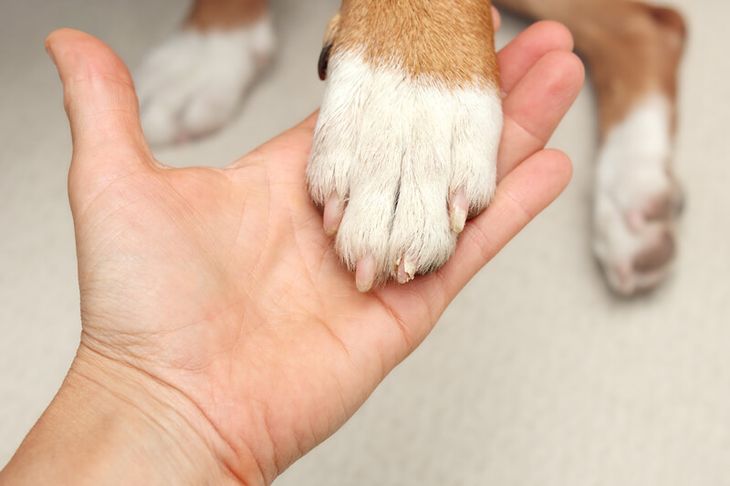
Preventing a future dog nail bleeding at base incident is all about proper maintenance.
Traditional scissor clippers apply immense pressure that can shatter the nail plate.
This micro-shattering weakens the nail, making it highly susceptible to splitting later.
The Zenpaw Maxpro 3-in-1 Grinder offers a whisper-quiet, painless alternative.
To introduce this tool to an anxious dog, you must use a systematic desensitization process.
First, place the turned-off grinder on the floor near your dog’s favorite resting spot.
Scatter high-value treats around the grinder to build a positive association.
Do this for two days without turning the device on.
Next, turn the grinder on its lowest speed while keeping it at a distance.
Reward your dog with treats simply for remaining calm in the presence of the sound.
The Zenpaw Maxpro operates under forty decibels, which is quieter than a soft whisper.
This low noise level prevents triggering your dog’s sensitive hearing.
Once they are comfortable with the sound, touch the vibrating handle to their shoulder.
Do not touch the grinding wheel to their nails yet.
Praise them warmly and offer another delicious treat.
Gradually move the vibrating handle down their leg over several short sessions.
This slow method teaches them that the vibration is completely safe.
Mastering the 45-Degree Grinding Angle Technique
When your dog is fully relaxed, you can begin the grinding process.
Hold your dog’s paw securely but gently, separating the toes with your fingers.
Hold the Zenpaw Maxpro Grinder at a precise forty-five-degree angle to the nail.
This specific angle allows you to file down the sharp edges efficiently.
It also helps you avoid contact with the sensitive quick inside.
Use light, brief touches of just two to three seconds per nail.
This brief contact prevents friction heat from building up on the claw.
Friction heat can be highly uncomfortable for your dog’s sensitive nail bed.
The Zenpaw Maxpro is engineered with advanced low-heat technology to prevent this.
Work gradually around the outer edge of the nail, smoothing any sharp corners.
Watch the center of the nail closely as you file.
You will notice a small, dark dot begin to appear in the center of the keratin.
This dot is the protective outer layer of the living quick.
Stop grinding immediately when you see this central dot.
Regular, weekly grinding sessions will cause the quick to naturally recede.
Shorter quicks drastically reduce the risk of your dog snagging their nails on objects.
This proactive care is the best way to maintain healthy, strong paws.
Overcoming Risks: Why Traditional Clippers Can Damage the Cuticle Bed
Traditional clippers act like two blades crushing together to pinch the nail off.
This crushing action sends a painful shockwave through the nail bed.
Even if you do not cut the quick, your dog feels this uncomfortable pressure.
This pain is why so many dogs struggle, whine, and pull their paws away.
A single slip can easily slice through the quick, causing immediate bleeding.
If the blade is dull, it can tear the nail right at the cuticle junction.
This tear leads directly to the painful dog nails bleeding at base.
The Zenpaw Maxpro Grinder eliminates these risks entirely by using a rotating wheel.
The rotating wheel gently files away the keratin layer by layer.
You have absolute control over how much nail you remove with each gentle touch.
There is no sudden pinching or crushing force applied to the claw.
This gentle action protects the structural integrity of the entire nail plate.
It prevents microscopic fractures that lead to splits and breaks.
Switching to a premium grinder is an investment in your dog’s long-term wellness.
It turns a highly stressful chore into a predictable, calm routine.
Frequently Asked Questions About Dog Nail Health
Is the Zenpaw Grinder safe for large, thick-nailed breeds?
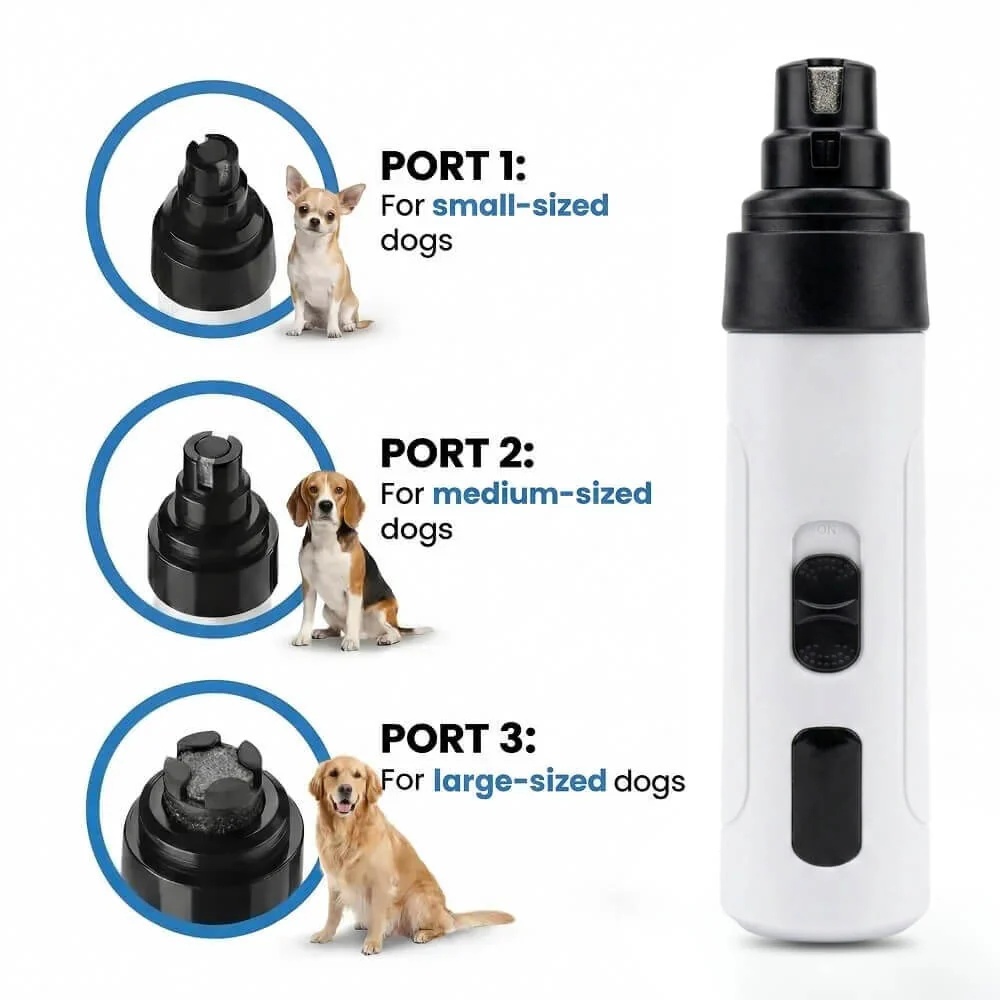
Yes, the Zenpaw Maxpro is engineered to handle even the largest and toughest claws.
It features three different ports designed to accommodate various nail sizes and shapes.
The wide-open port is perfect for grinding the thick nails of breeds like German Shepherds and Labradors.
Its high-torque brass motor provides consistent power without slowing down under pressure.
This ensures a smooth, fast grooming session for your large canine companion.
How long does the battery last on a single charge?
The Zenpaw Maxpro is equipped with a high-capacity lithium-ion battery.
It delivers up to seven hours of continuous run time on a single charge.
This long-lasting battery is easily recharged using a standard USB cable.
You can easily groom multiple pets without worrying about the device running out of power.
It is the perfect tool for multi-dog households and professional groomers alike.
Which speed setting is best for nervous or sensitive dogs?
We recommend starting with the lowest speed setting when introducing the grinder.
The low speed produces the lowest vibration and noise levels, keeping your dog calm.
As your dog becomes comfortable, you can transition to the higher speed setting.
The high speed is excellent for quickly shaping thick, stubborn nails.
Having dual speed options gives you the flexibility to customize the experience for your pet.
Does the grinding wheel get hot during extended use?
Traditional rotary tools can generate intense heat that burns the sensitive nail quick.
The Zenpaw Maxpro is built with advanced low-heat technology to prevent this issue.
The grinding wheel remains comfortably cool even during longer grooming sessions.
However, we still recommend moving from nail to nail to avoid any localized friction warmth.
This simple technique ensures a completely pain-free and comfortable experience.
Can I use the grinder if my dog’s nail is currently bleeding?
No, you should never use a grinder on a nail that is actively bleeding or freshly injured.
An open wound must be allowed to clot and heal completely before any grooming resumes.
Focus your efforts on stopping the bleeding and keeping the area clean.
Once the cuticle is fully healed and pain-free, you can safely use the grinder.
Using the grinder on a healthy nail prevents future splits from happening.
What should I do if my dog licks the injured claw constantly?
Constant licking is a clear sign of pain and can introduce harmful bacteria from the mouth.
This moisture creates a perfect environment for bacterial and yeast infections to develop.
You should use a protective dog bootie or an Elizabethan collar to stop this behavior.
Keeping the paw dry is crucial for the natural healing process of the cuticle.
If the licking persists, consult your veterinarian to check for deeper complications.
How long does it take for a dog’s nail bed to heal?
A minor tear at the base of the nail typically heals within one to two weeks.
However, if the nail plate was completely torn off, it takes much longer.
The soft tissue will remain sensitive for the first few days as a new protective layer forms.
A complete new nail can take anywhere from several months to grow back fully.
Patience and consistent hygiene are key during this recovery period.
Conclusion: Support Your Dog’s Paw Health Today
Maintaining short, smooth claws is the most effective way to prevent painful base tears from ever happening.
Ready to transform nail trimming from a battle into a breeze?
Explore the Zenpaw Maxpro 3-in-1 Grinder.
Call: 302-307-1000 — our team can help you advise on the best grooming practices and help with any product questions.