
I still remember the heart-wrenching yelp when my sweet golden retriever snagged her paw on the deck, and my sheer panic seeing her dog nail broke bleeding on the rug. The guilt of realizing her nails had grown too long because I was terrified of traditional clippers crushed me. That chaotic night led me to discover how proper filing prevents these painful splits, prompting our team to develop the whisper-quiet Zenpaw Maxpro Grinder to keep paws healthy and stress-free.
Maxpro 3-in-1 Grinder.
Stress-Free Nail Trimming.
Whisper-quiet DC motor (<40 dB) eliminates fear & discomfort. Features 3 ports, dual speeds, and 7-hour battery life. Safe, precise, and painless.
In This Article
- Emergency First Aid: Learn the immediate steps to stop active bleeding and calm an anxious, injured dog.
- Canine Nail Anatomy: Understand the physiological structure of the quick and why neglected claws fracture easily.
- Safe Home Recovery: Discover how to clean, disinfect, and protect a torn nail bed from painful secondary complications.
- Prevention Strategies: Master desensitization techniques and the correct 45-degree angle to keep nails short and strong.
What to Do When Your Dog Nail Broke and Is Bleeding? Here is the Step-by-Step Emergency Response

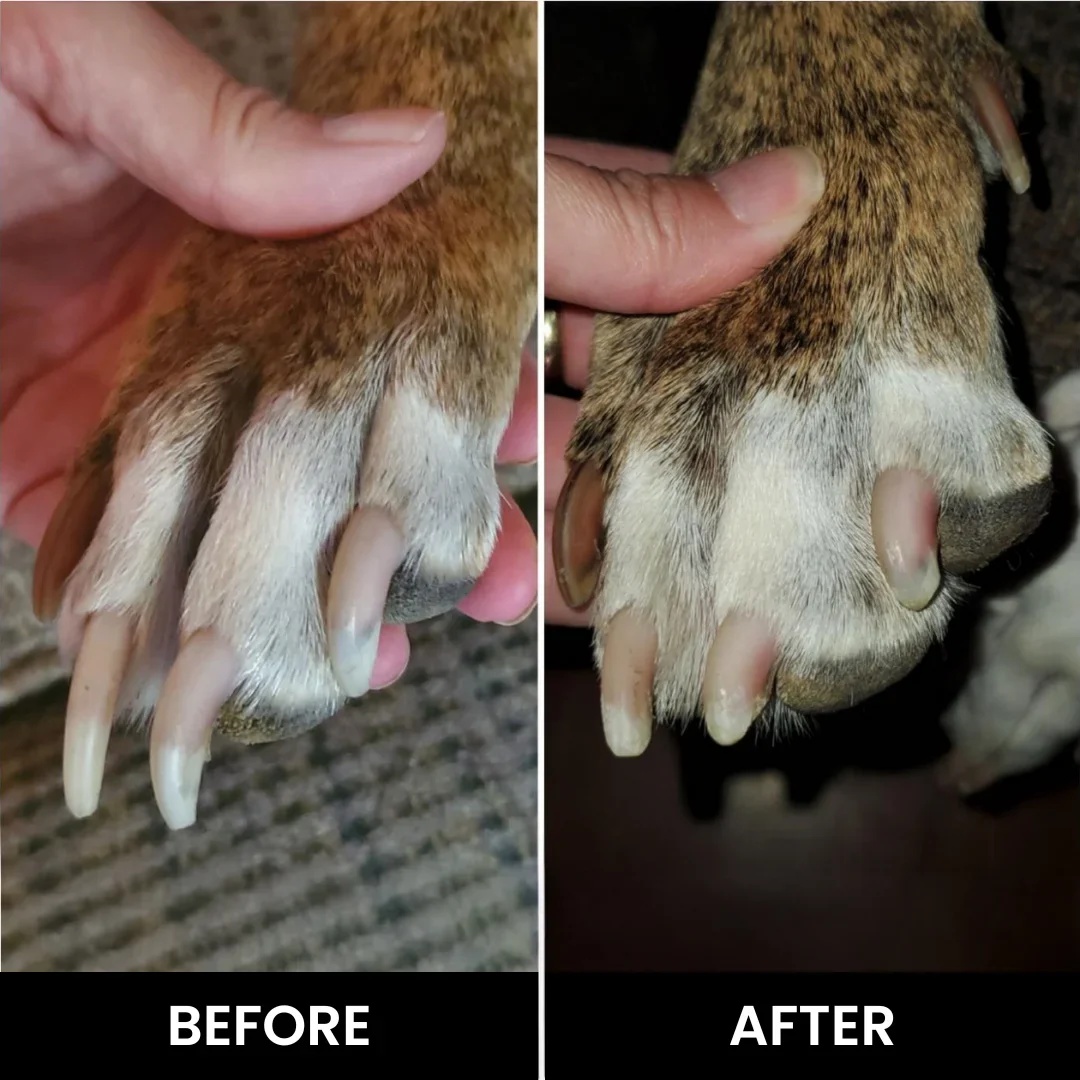
A torn claw occurs when an active dog snags their nail on rough carpet, outdoor brush, or wooden decking during daily exercise.
This painful injury typically happens because the nail has grown too long, making it easy to catch and rip during sudden movements.
According to the American Kennel Club, the damage exposes the sensitive quick, which is packed with active blood vessels and nerve endings.
When this traumatic event occurs in your home, you must act quickly to calm your pet and assess the damage.
You can manage the situation safely by securing your dog, applying gentle pressure, and cleaning the raw area.
Understanding why this happens helps pet parents prevent recurring injuries through regular nail maintenance.
We must address these injuries immediately to prevent harmful environmental bacteria from entering the open bloodstream.
Most minor tears can be managed successfully at home if you follow proper safety protocols.
However, deeply split nails that reach the paw pad require professional veterinary evaluation to prevent complications.
Our team at Team Zenpaw recommends keeping an emergency grooming kit on hand at all times.
This proactive preparation ensures you can handle paw injuries calmly without panic.
First, wrap your anxious dog in a warm towel or blanket to keep them still and secure during care.
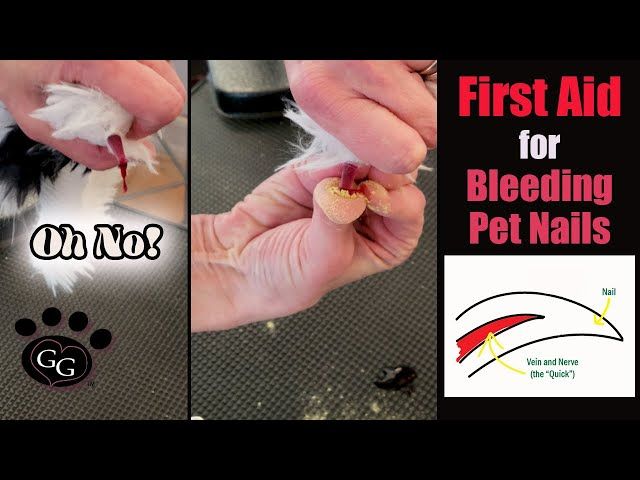
Next, apply direct, firm pressure to the bleeding nail using a clean towel or sterile gauze pad.
Maintain this steady pressure for at least five full minutes without pulling the cloth away to check the wound.
If the bleeding continues after five minutes, apply professional styptic powder directly to the exposed quick.
You can also use household cornstarch or baking soda as an effective alternative to stop the blood flow.
Once the active bleeding has stopped, gently wash the injured paw with lukewarm water to remove debris.
Gently pat the paw dry using a clean, lint-free cloth to avoid disturbing the freshly formed blood clot.
Keep your dog resting quietly in a clean room to prevent them from running and reopening the wound.
Avoid letting your dog lick the injured nail, as canine saliva can introduce harmful oral bacteria.
Monitor the paw closely over the next twenty-four hours for any signs of swelling or localized warmth.
If you want to handle this safely at home, the Zenpaw Maxpro Grinder provides painless, quiet filing — explore it here.
99-Day 100% Money-Back Guarantee
“Ever since we started using the Zenpaw Maxpro Grinder, it’s been such a peaceful experience. It’s very quiet, and my dog actually relaxes. It’s turned our stressful sessions into quick, quiet grooming times.”
— Sarah M. | ✔ Verified Customer
- ✓ Prevents Infection & Splitting
- ✓ Ideal for All Dog Sizes
- ✓ Low-Vibration Technology
- ✓ Fast 2-7 Days Delivery
Need Support? Call 302-307-1000
Understanding Canine Nail Anatomy: Why Do Broken Nails Bleed So Much?
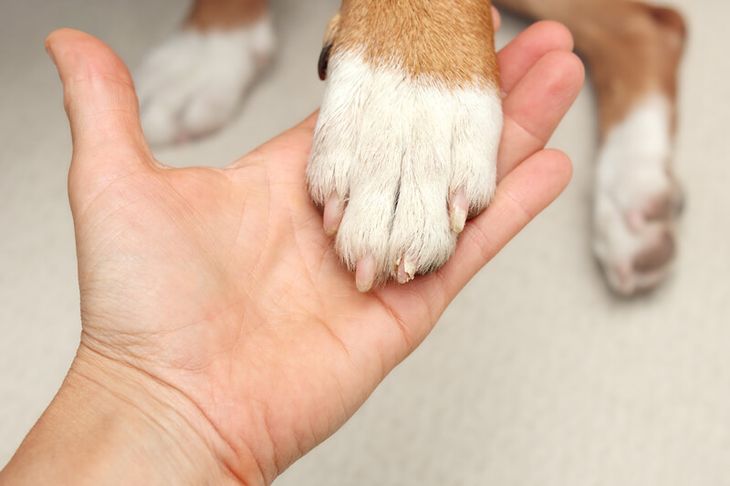
A dog’s nail is a complex biological structure that differs significantly from a human fingernail.
It consists of an outer shell made of hard keratin that protects a living inner core.
This inner core is called the quick, and it is directly connected to the digital bone of the paw.
The quick contains an intricate network of blood vessels and highly sensitive nerve endings.
When a dog nail peeling issue is left unaddressed, the outer keratin shell weakens.
This structural degradation makes the nail highly susceptible to sudden fractures and painful splitting.
When a nail breaks, the hard shell often tears away, exposing the raw blood vessels of the quick.
Because the blood vessels inside the quick are under systemic arterial pressure, they bleed heavily when damaged.
This sudden, profuse bleeding can look incredibly alarming to unprepared pet parents.
However, understanding this anatomy is the first step toward managing the injury with professional confidence.
Veterinary experts emphasize that the quick actually grows longer as the nail grows longer.
This means long, neglected nails have an extended quick that is much closer to the tip.
When nails are neglected, even a simple walk on concrete can cause a painful split.
Regular, incremental trimming is the only way to encourage the quick to recede safely over time.
Using the Zenpaw Maxpro Grinder allows you to file close to the quick without the crushing pressure of traditional clippers.
This gradual filing method keeps your dog’s paws healthy and prevents painful split-nail emergencies.
Our team has studied canine nail health extensively to design the ultimate stress-free grooming tool.
We know that a positive grooming experience is essential for your dog’s long-term wellness.
By keeping the quick short, you reduce the leverage on the nail during movement.
This simple habit significantly lowers the risk of painful tears and structural damage.
Investing in the right grooming tools is the best way to protect your dog’s physical health.
The hard outer wall is made of alpha-keratin and grows continuously throughout your dog’s life.
When this wall becomes dry or brittle, it loses its natural elasticity.
A lack of moisture in the nail bed can lead to deep longitudinal splits that reach the skin.
This is why maintaining proper paw hydration and nutrition is so important for active dogs.
Regular exercise on diverse surfaces can help naturally wear down the hard outer tips.
How to Safely Manage a Torn Dog Nail at Home: Step-by-Step Recovery Protocol
Managing a broken claw requires a systematic approach to ensure your dog stays comfortable and safe during recovery.
First, evaluate the severity of the split to determine if a vet visit is necessary.
If the nail is completely torn off or hanging by a thin thread, your dog may require professional assistance.
A dangling nail can catch on household items, causing further intense pain and tissue damage.
If the nail is merely cracked and bleeding, you can manage the initial healing process at home.
Start by applying firm pressure with a clean cloth to stop the bleeding immediately.
If you notice a dog nail bed swollen and red, it indicates localized inflammation.
You can apply a pet-safe antiseptic solution to keep the raw area clean and free from harmful bacteria.
Avoid using harsh human disinfectants like alcohol or hydrogen peroxide, which cause severe burning and delay healing.
Once clean, apply a light, breathable bandage to protect the raw nail bed from dirt during outdoor bathroom breaks.
Change the bandage daily to keep the wound dry and check for early signs of infection.
Always monitor the paw daily for signs of complications, such as discharge, limping, or excessive licking.
Many owners ask about the petsmart dog nail trim cost when seeking a quick professional solution.
However, an injured, bleeding nail is a medical issue that commercial groomers cannot legally manage.
For active injuries, a certified veterinarian is always the safest resource to ensure proper medical care.
A veterinarian can safely remove dangling nail fragments under local anesthesia if necessary.
They can also prescribe appropriate pain medications and oral antibiotics to support a fast recovery.
Once the nail has fully healed, transitioning to a safe maintenance routine is essential.
Regular maintenance prevents the nail from reaching the dangerous length that causes tears.
Our whisper-quiet grinder is the perfect tool to transition your dog back to safe, painless nail care.
If you must bandage the paw, ensure the wrap is snug but not overly tight.
A wrap that is too tight can restrict blood circulation to the toes, causing tissue damage.
Place a small piece of clean cotton between the toes to prevent moisture buildup and chafing.
Remove the bandage immediately if you notice cold toes or if your dog seems extremely uncomfortable.
Keeping the area dry is the single most important factor in promoting rapid cellular healing.
Identifying Infections and Complications: When to Consult a Vet
While many split nails heal without issue, complications can arise if bacteria enter the exposed nail bed.
The nail bed is directly adjacent to the digital bone, making bone complications a serious potential risk.
You must monitor your dog closely for clinical signs of localized or systemic infection.
Watch for persistent limping or a reluctance to put weight on the affected paw after forty-eight hours.
Check the injured toe daily for increased swelling, heat, or persistent redness.
Any foul-smelling discharge or pus leaking from the nail bed is a clear indication of a bacterial infection.
You should also watch your dog’s behavioral patterns for signs of systemic distress or fever.
A dog with an infection may become lethargic, lose their appetite, or pant excessively from pain.
If your dog continuously licks or chews at the bandage, it often indicates throbbing pain beneath the wrap.
Never ignore these signs, as an untreated infection can quickly spread to the surrounding joints.
A prompt veterinary consultation is essential if you observe any of these warning signs.
A veterinarian can perform a thorough examination and take X-rays if they suspect bone involvement.
They can safely prescribe pet-specific anti-inflammatory drugs to keep your dog comfortable during recovery.
They will also provide professional guidance on how to keep the wound clean and bandaged properly.
Remember that prompt professional care is the best way to prevent long-term complications for your pet.
Once the infection is cleared, you can safely return to a preventive grooming routine at home.
Our team is dedicated to helping you maintain your dog’s health safely and comfortably.
An infection in the nail bed is clinically known as paronychia and requires professional care.
If left untreated, paronychia can lead to osteomyelitis, which is a painful infection of the bone.
A vet may perform a bacterial culture to identify the exact strain causing the infection.
This allows them to select the most effective targeted antibiotic therapy for your pet.
Early intervention always leads to a much faster recovery and less pain for your dog.
Preventing Future Nail Tears: How to Safely File Nails Without Fear
Preventing future injuries requires a consistent, stress-free grooming routine that your dog can trust.
Many pet parents try trimming dog nails with sandpaper to avoid scary clippers entirely.
While sandpaper can smooth rough edges, it is highly inefficient for thick, tough canine claws.
A better alternative is using a best dog nail scratch board for cooperative grooming sessions.
However, a professional rotary tool offers the most precise, controlled, and efficient results for all four paws.
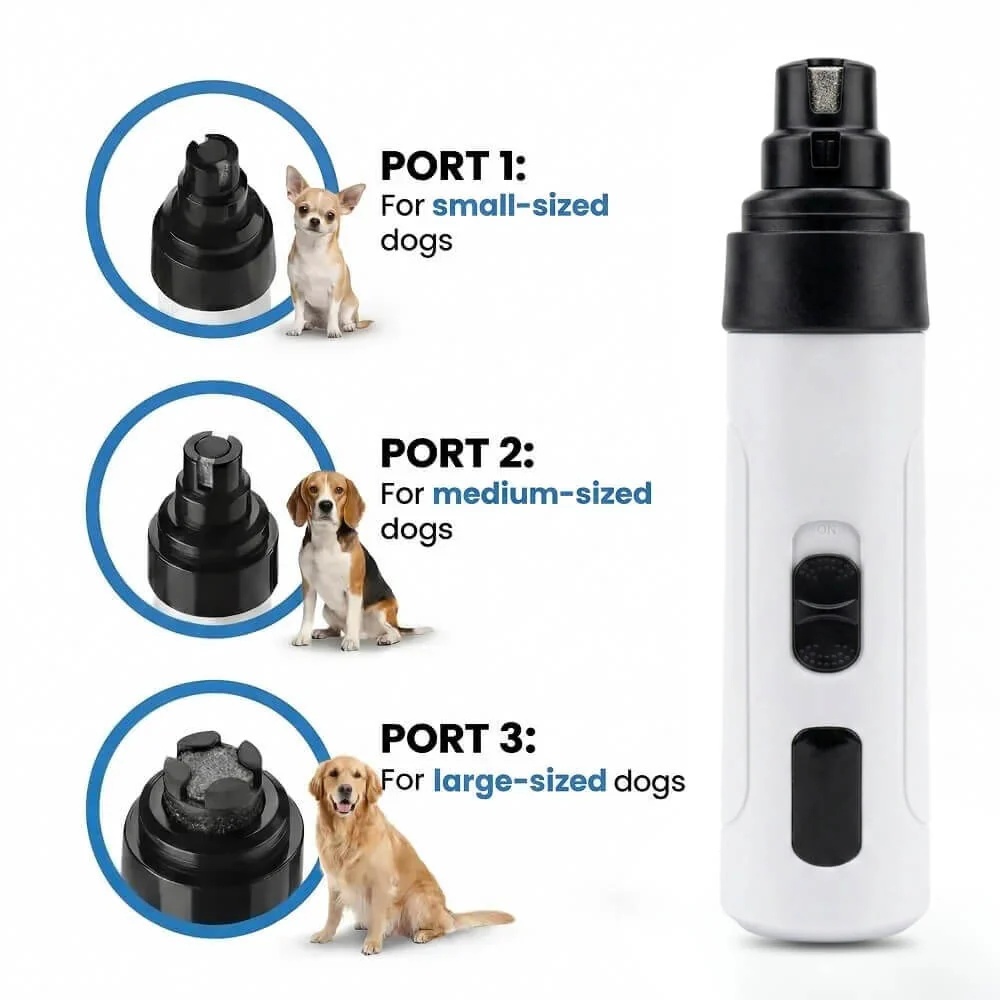
The Zenpaw Maxpro Grinder is specifically designed to make this maintenance process simple and painless.
Start by introducing the grinder to your dog without turning the power on.
Let them sniff the device and reward them with high-value treats to build a positive association.
Next, turn the device on to let them get used to the quiet hum from a distance.
The Zenpaw Maxpro operates at a whisper-quiet level under 40 decibels to prevent noise-induced anxiety.
Touch the vibrating handle gently to their paw without filing the nail first.
This simple step helps desensitize your dog to the physical sensation of the light vibrations.
Once your dog remains completely calm, touch the rotating grinding wheel to the tip of the nail.
Hold the wheel against the nail for just two seconds at a time to prevent friction heat.
Always hold the grinder at a precise 45-degree angle to follow the natural curve of the nail.
This angle ensures you file away the sharp edges while staying safely away from the sensitive quick.
Reward your dog generously with their favorite treats after grooming each individual nail.
Keep your initial grooming sessions short, focusing on just one or two nails per day.
This gradual approach prevents your dog from feeling overwhelmed or stressed.
Over time, your dog will learn that nail grooming is a safe and rewarding experience.
Consistency is key to keeping the quick short and preventing painful split-nail accidents.
Our whisper-quiet motor is the ultimate solution for dogs that panic at the sound of traditional tools.
By making grooming peaceful, you protect both your dog’s paws and your special bond with them.
The grinding wheel should be cleaned regularly to remove accumulated nail dust and debris.
A clean wheel ensures maximum efficiency and prevents heat from building up during use.
You can easily clean the diamond bit with a soft toothbrush or a damp cloth after each session.
Always ensure the device is turned off and unplugged before performing any maintenance.
Taking care of your grooming tools guarantees they will perform reliably for many years to come.
Overcoming Risks: Why Traditional Clippers Can Harm Your Dog’s Paws
Traditional scissor-style clippers are one of the primary causes of nail-splitting accidents in dogs.
These metal blades exert tremendous crushing pressure on the hollow, curved structure of the nail.
This intense pressure can cause microscopic fractures that expand over time into deep, structural splits.
Eventually, these small cracks catch on outdoor carpet fibers and result in a bloody, painful tear.
Furthermore, traditional clippers make it incredibly easy to accidentally cut the quick, especially on dark nails.
Once a dog experiences the intense pain of an accidental quicking, they often develop severe grooming anxiety.
They may whine, pull their paws away violently, or even growl during subsequent grooming attempts.
The Zenpaw Maxpro Grinder eliminates this risk entirely by shaving the nail down incrementally and smoothly.
You can see the nail structure changing as you work, allowing you to stop before reaching the quick.
This gradual filing process is completely painless and keeps your dog relaxed and cooperative.
Our team has developed this tool to ensure you never have to deal with a bloody grooming emergency again.
Using dull clippers is another common mistake that increases the risk of nail damage.
Dull blades crush the nail instead of cutting it, leading to painful splintering and peeling.
In contrast, our diamond drum bit provides a smooth, polished finish that prevents catching on carpets.
We believe that grooming should never be a battle of strength between you and your pet.
By switching to a safe, quiet grinder, you create a peaceful environment that promotes pet wellness.
Our commitment to stress-free grooming is reflected in every detail of the Zenpaw Maxpro design.
Join the thousands of happy pet parents who have transformed their grooming routine with our help.
Many pet parents feel immense guilt after accidentally cutting the quick with clippers.
This emotional stress often leads them to postpone nail trims, making the problem worse.
We want to help you break this stressful cycle and restore peace to your grooming routine.
The gradual, controlled nature of grinding restores confidence to both you and your pet.
You will no longer have to worry about sudden, painful slips or loud, frightening clipping noises.
Frequently Asked Questions About Dog Nail Care
Is the Zenpaw Grinder safe for large, heavy dog breeds?
Yes, the Zenpaw Maxpro Grinder is highly effective and safe for dogs of all sizes and breeds.
It features three specialized ports designed to safely accommodate small, medium, and large claws.
The powerful motor handles thick, tough nails easily without slowing down, stalling, or stopping.
This ensures a smooth and efficient grooming session even for the largest canine companions.
How long does the battery last on a single charge?
The grinder offers an impressive seven hours of continuous run time on a single full charge.
It is easily rechargeable using a standard USB cable, making it perfect for home or travel use.
This long battery life ensures you can complete multiple grooming sessions without worrying about power.
The device also features a clear battery indicator so you always know when to recharge.
Which speed setting is best for highly anxious dogs?
We recommend starting on the lowest speed setting to help your anxious dog get comfortable with the tool.
The low speed produces minimal vibration and sound, making it highly comforting for sensitive pets.
Once your dog is relaxed, you can switch to the high-speed setting for faster and more efficient filing.
Always let your dog dictate the pace of the grooming session to prevent unnecessary stress.
Does the grinding wheel get hot during extended use?
No, the Zenpaw Maxpro utilizes advanced low-heat technology to prevent friction-induced heat buildup.
Standard grinders can overheat quickly, causing uncomfortable burning sensations on your dog’s sensitive nail.
Our specialized diamond drum bit ensures a cool, safe, and comfortable grooming experience every time.
This cooling technology protects the sensitive nerve endings inside the quick from heat damage.
What is the main difference between grinding and clipping dog nails?
Grinding shaves the nail down gradually and smoothly, reducing the risk of cutting into the sensitive quick.
Clipping uses sharp blades that crush the nail structure, often causing painful splits, cracks, and bleeding.
Grinding also leaves a smooth, rounded finish that prevents your dog’s nails from scratching your hardwood floors.
Our team recommends grinding as the safest and most stress-free method for both pets and owners.
How often should I file my dog’s nails to keep the quick short?
We recommend filing your dog’s nails once every two weeks to maintain a safe and healthy length.
Regular filing encourages the quick to recede, making future grooming sessions even safer and easier.
If you hear your dog’s nails clicking on the floor, it is a clear sign they are too long.
A consistent bi-weekly schedule is the best way to prevent painful split-nail emergencies.
Conclusion
Managing a broken nail is stressful, but consistency and the right tools make all the difference.
Ready to transform nail trimming from a battle into a breeze?
Explore the Zenpaw Maxpro 3-in-1 Grinder today.
Call 302-307-1000 — our team is here to help with grooming advice and product questions.
Note: Individual results may vary depending on individual dog breeds, nail thickness, and behavioral temperaments. This article is intended for general pet grooming reference purposes only and does not replace professional veterinary advice.