
I will never forget the sudden, high-pitched yelp from my sweet golden retriever when his dog nail broke quick exposed on a rough patch of concrete, leaving me panicked as blood pooled on our clean rug. It was a terrifying moment of guilt and helplessness, which is why we created the Zenpaw Maxpro 3-in-1 Grinder to provide a pain-free, whisper-quiet alternative that protects your dog’s sensitive paws from ever experiencing that trauma again.
Maxpro 3-in-1 Grinder.
Stress-Free Nail Trimming.
Whisper-quiet DC motor (<40 dB) eliminates fear & discomfort. Features 3 ports, dual speeds, and 7-hour battery life. Safe, precise, and painless.
In This Article
- First Aid Plan: Step-by-step guidance on how to manage a broken dog nail when the quick is exposed.
- Nail Anatomy: Understanding the connection between keratin, nerve endings, and the vascular quick.
- Injury Assessment: Recognizing the differences between surface cracks, yeast infections, and total avulsions.
- Preventative Care: Safe grooming practices using quiet rotary tools to reduce anxiety and prevent splitting.
What Should You Do When Your Dog Nail Broke Quick Exposed? Here Is the Expert Plan
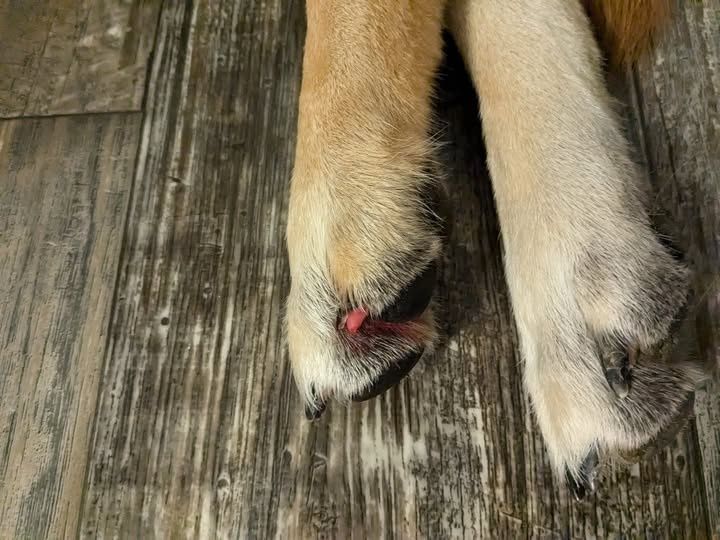
When your dog’s nail splits and exposes the delicate quick, it represents a sudden and painful home emergency that requires immediate first aid to stop the bleeding and prevent harmful bacteria from entering the open wound. This distressing situation typically happens to active dogs during outdoor play or when long, brittle nails snag on carpets, hardwood crevices, or rough backyard terrain. Veterinary experts at the American Kennel Club emphasize that the quick contains an intricate network of sensitive nerves and blood vessels, which explains why your canine companion yelps in sudden pain and displays immediate limping. You must act quickly right at home to clean the area, calm your pet’s rising anxiety, and shield the vulnerable nail bed from environmental contaminants. Understanding this anatomy helps you realize why traditional clippers often trigger this exact injury, highlighting the vital need for gentler maintenance.
To resolve this painful issue immediately, you should first secure your dog gently in a well-lit area while reassuring them with a calm, steady voice. Wrap a clean towel around their paw and apply firm, direct pressure to the bleeding nail for several minutes to encourage natural clotting. If the bleeding persists, apply styptic powder, clean cornstarch, or baking soda directly to the exposed quick while maintaining steady pressure. Once the bleeding stops, gently wash the paw with lukewarm water to remove debris, and apply a pet-safe antiseptic ointment before wrapping it loosely in a breathable bandage. If you want to handle this safely at home and prevent future painful splits, the Zenpaw Maxpro Grinder provides painless, quiet filing — explore it here.
99-Day 100% Money-Back Guarantee
“Ever since we started using the Zenpaw Maxpro Grinder, it’s been such a peaceful experience. It’s very quiet, and my dog actually relaxes. It’s turned our stressful sessions into quick, quiet grooming times.”
— Sarah M. | ✔ Verified Customer
- ✓ Prevents Infection & Splitting
- ✓ Ideal for All Dog Sizes
- ✓ Low-Vibration Technology
- ✓ Fast 2-7 Days Delivery
Need Support? Call 302-307-1000
Understanding Canine Nail Anatomy: Where Is the Quick and Why Does It Bleed So Much?

To truly protect your pet, you must understand the complex structure of a dog’s nail.
The outer shell of the nail consists of hard keratin designed to protect the finger bone.
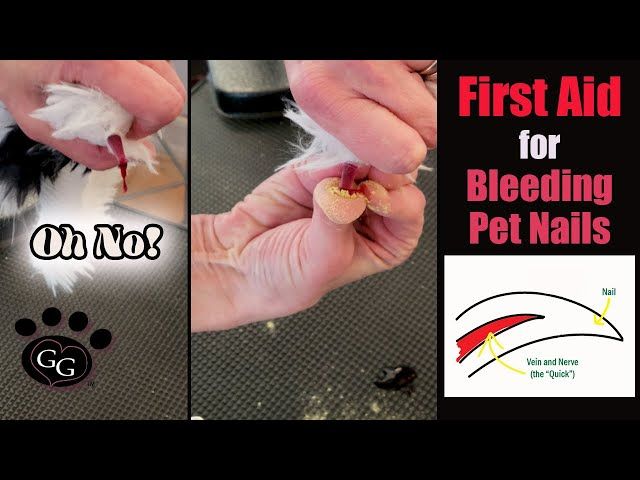
Inside this hard outer shell lies the quick, which is a highly vascular tissue.
The quick contains an abundant supply of active blood vessels and sensitive nerve endings.
When a nail cracks, this inner core becomes directly exposed to the air.
This exposure triggers an immediate and intense pain signal to your dog’s brain.
The blood vessels inside the quick are under pressure, which leads to profuse bleeding.
Even a minor nick to this area can make your home look like a crime scene.
This excessive bleeding is completely normal but highly alarming for pet parents.
Understanding this blood supply is crucial for managing a dog nail bed injury safely.
Over time, if nails are left untrimmed, the quick grows longer and closer to the tip.
This overgrowth makes future trimming sessions much more hazardous.
By keeping nails filed back, you encourage the quick to recede naturally.
This recession minimizes the chance of a painful split occurring during play.
Our team at Zenpaw focuses on this anatomical reality to design better tools.
Traditional clippers exert crushing force on the nail, which frequently fractures the keratin.
This fracture line can easily spread upward into the sensitive live tissue.
A rotary file, on the other hand, shaves the nail away in micro-layers.
This progressive approach keeps you far away from the blood supply.
It ensures the outer shell remains smooth and resistant to snagging.
Assessing the Damage: Is It a Minor Crack or Did Your Dog Rip the Toenail Completely Off?
Before applying any treatment, you must evaluate the severity of the nail injury.
Every broken nail behaves differently depending on the force of the impact.
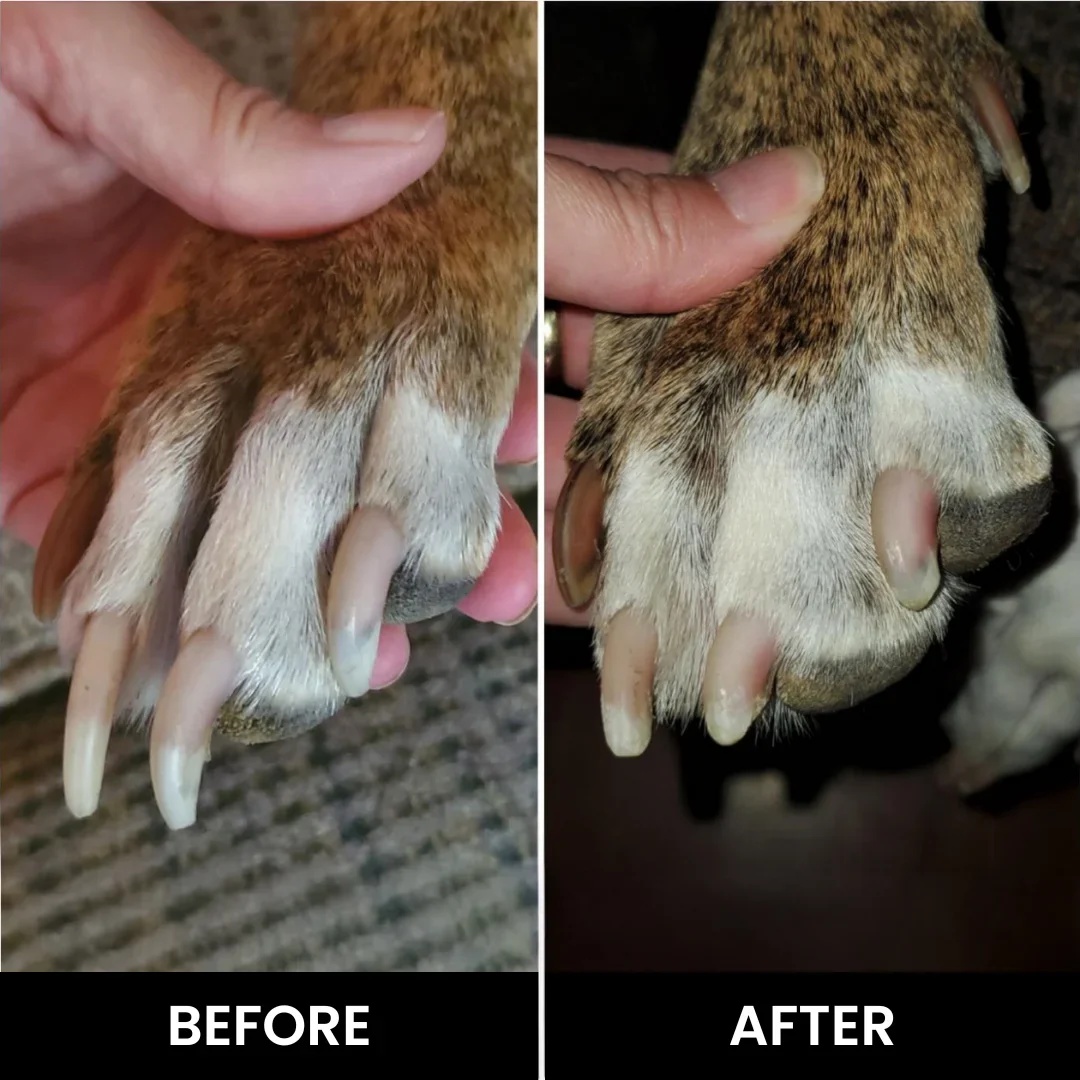
A minor crack might only affect the outer tip without reaching the live quick.
These surface chips usually require nothing more than a quick filing to smooth out.
However, a deep split that runs vertically up the nail represents a more serious issue.
If your dog is limping, licking constantly, or crying, the quick is likely compromised.
In severe cases, you might find that your dog ripped toenail completely off during an outdoor run.
This complete avulsion leaves the sensitive bone and tissue entirely unprotected.
An exposed raw nail bed is highly susceptible to bacterial and fungal contamination.
You can look up dog nail yeast infection pictures to see what happens when moisture penetrates an unprotected nail bed.
To prevent these complications, you must keep the wound clean and dry at all times.
If the nail is dangling loosely by a thread, do not try to pull it off yourself.
Yanking a partially attached nail can cause extreme pain and further tissue tearing.
Instead, seek assistance from a veterinary professional to safely remove the loose piece.
They can apply local numbing agents to make the extraction completely painless.
For clean splits that are still firmly attached, a professional groomer’s touch is often enough.
Our experts recommend keeping a close eye on the paw for several days after the injury.
Watch out for swelling, discharge, or a foul odor emanating from the nail bed.
If you notice any of these signs, contact your vet immediately for antibiotics.
Early intervention is the key to preventing a localized injury from turning systemic.
Step-by-Step Home Care: How to Treat a Broken Dog Nail Safely
Managing an active nail injury requires a calm mind and a systematic approach.
First, locate your pet’s first aid kit and prepare your workspace in advance.
Make sure you have styptic powder, clean gauze, medical tape, and antiseptic spray ready.
Next, enlist a helper to gently hold and comfort your dog during the process.
Having someone feed high-value treats can distract your dog from the pain.
Apply firm pressure with the clean gauze directly to the bleeding nail.
Hold this pressure steadily for at least two to three minutes without peeking.
If bleeding continues, pour a small amount of styptic powder into the palm of your hand.
Gently press the bleeding tip directly into the powder to coat the wound.
If you do not have styptic powder, cornstarch works as an excellent emergency substitute.
Once the bleeding has stopped, inspect the surrounding paw pad for secondary cuts.
Spray the area with a pet-safe antiseptic to kill any lingering bacteria.
Wrap the paw loosely with cohesive bandage wrap to protect the nail from dirt.
Avoid wrapping the paw too tightly, as this can restrict blood flow and cause swelling.
Keep your dog quiet and restrict active running or jumping for the next twenty-four hours.
Check the bandage every few hours to ensure it remains dry and clean.
If your dog attempts to chew the bandage, use a temporary recovery collar.
Most minor nail injuries heal rapidly within a few days if kept clean.
Once the wound has fully closed, you can begin regular maintenance to prevent future splits.
This is where safe filing tools become your most valuable preventative asset.
How to Choose the Right First Aid Materials for Dog Nails
| Remedy Method | Clotting Speed | Pros & Cons |
|---|---|---|
| Styptic Powder | Immediate (Under 30 seconds) | Highly effective; can cause a brief stinging sensation on contact. |
| Cornstarch / Baking Soda | Moderate (1 to 3 minutes) | Safe, non-toxic, and readily available in every household kitchen. |
| Direct Pressure Only | Slow (5+ minutes) | Requires patient holding; may not work on deep, active arterial splits. |
How to Safely Manage and Prevent Exposed Quicks at Home
Preventing nail breaks requires consistent care rather than occasional crisis management.
The best way to shorten the quick is through regular, gentle filing.
We designed the Zenpaw Maxpro Grinder specifically to make this process stress-free.
Before you ever touch your dog’s paws, you must introduce the device correctly.
Start by placing the turned-off grinder on the floor next to high-value treats.
Let your dog sniff the device at their own comfortable pace.
Reward every curious sniff with a tasty treat and enthusiastic verbal praise.
Once they are comfortable, turn the grinder on to its lowest speed setting.
The ultra-quiet motor runs at less than forty decibels to avoid triggering fear.
Let your dog listen to the whisper-quiet hum while feeding them more treats.
Touch the vibrating body of the grinder gently to your dog’s shoulder or leg.
This step helps them get used to the physical sensation of mild vibration.
When they accept this vibration, you can move toward the paws.
Always hold the dog’s toe firmly but gently to prevent sudden twisting.
Hold the grinder at a precise forty-five-degree angle relative to the nail tip.
Apply the grinding wheel in short, two-second bursts to prevent heat buildup.
Work around the nail in a circular motion to shape a smooth, rounded dome.
This doming technique encourages the quick to recede over subsequent weeks.
With regular use, you will achieve perfectly groomed paws without any risk of bleeding.
Nail care will quickly transform from a stressful battle into a peaceful bonding routine.
Avoid These Common Mistakes When Grooming Sensitive Paws
Many pet owners make the mistake of using outdated, dull grooming tools.
Traditional plier style dog nail clippers apply immense crushing force to the nail structure.
This pressure often causes brittle nails to splinter or shatter unpredictably.
Furthermore, manual clippers give you zero visibility into where the live tissue starts.
This lack of visibility is especially dangerous when dealing with dark-pigmented nails.
Many owners search for dog nail clippers with light for black nails to solve this issue.
However, even lighted clippers cannot always pierce dense, opaque black keratin.
A professional rotary tool bypasses this entire optical challenge.
By shaving the nail down incrementally, you can spot the warning signs of the quick.
As you file, look closely at the center of the shaved nail tip.
You will first notice a white, chalky circle of dry keratin.
As you get closer to the live tissue, this center will turn soft and grey.
On dark nails, the center will eventually look like a small, moist dark dot.
The moment you see this distinct dot appear, you must stop filing immediately.
This visual tracking method is the only foolproof way to avoid exposing the quick.
Another common mistake is rushing the grooming process when your dog becomes restless.
Forcing a panicking dog only increases their resistance and raises the risk of slips.
If your dog shows signs of stress, simply stop and try again tomorrow.
Patience and consistency will yield far better results than raw physical force.
Our Team Zenpaw advocates for this mindful, slow-paced approach above all else.
Frequently Asked Questions About Exposed Dog Nail Quicks
Yes, the Zenpaw Maxpro Grinder is fully equipped to handle dogs of all shapes and sizes.
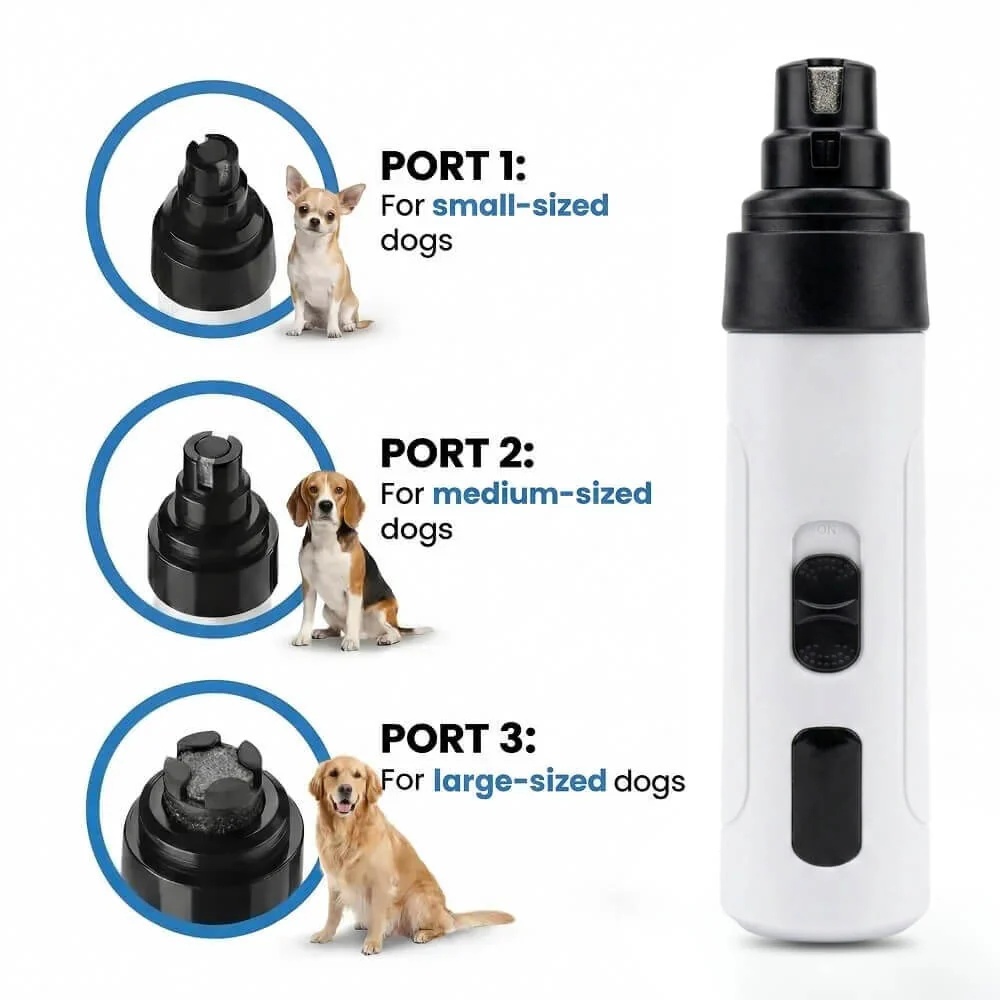
The safety cap features three distinct ports designed for different nail sizes.
Port one is ideal for small pets with tiny, delicate claws.
Port two is perfectly sized for medium breeds that require moderate power.
For large dogs with thick, dense nails, you can remove the safety cover entirely.
This exposes the entire grinding wheel for maximum filing surface and efficiency.
The heavy-duty brass collet motor provides ample torque without stalling under load.
The Zenpaw Maxpro Grinder features a powerful, long-lasting lithium-ion battery.
You can enjoy up to seven hours of continuous grooming on a single charge.
This extended battery life means you rarely have to worry about running out of power mid-session.
The device rechargeable system uses a standard USB cable for convenient charging anywhere.
It takes approximately three hours to charge the battery back to full capacity.
An integrated indicator light shows you exactly when the battery is fully charged.
The grinder offers two distinct speed settings to match your dog’s specific comfort level.
We recommend starting on the low-speed setting for puppies and anxious dogs.
The low speed provides a gentler vibration that helps them acclimate to the device.
Once your dog is relaxed, you can switch to the high-speed setting.
The high-speed mode is perfect for shaping thick, hard adult nails quickly.
Always choose the speed that allows you to maintain full control of the tool.
Excessive heat is a common issue with low-quality, cheap plastic grinders.
The Zenpaw Maxpro uses a premium diamond bit grinding wheel that generates very low friction.
This advanced material prevents the transfer of heat directly into the nail structure.
To stay completely safe, we still recommend using short, tap-and-release strokes.
Never hold the grinding wheel against a single nail for more than three seconds.
This simple technique guarantees a completely painless and cool grooming session.
An infected nail bed requires prompt veterinary attention to prevent deep complications.
You should check the injured toe daily for signs of swelling or dark discoloration.
If the area feels unusually hot to the touch, it indicates active inflammation.
Look out for any oozing pus, clear fluid, or persistent foul odors.
A dog with an infection will often lick the paw constantly and refuse to walk on it.
Contact your trusted veterinarian immediately if you observe any of these symptoms.
Conclusion: Safely Moving Forward with Zenpaw
Ready to transform nail trimming from a battle into a breeze? Explore the Zenpaw Maxpro 3-in-1 Grinder. Call: 302-307-1000 — our team can help you advise on the best grooming practices and help with any product questions.
Note: Individual results may vary depending on individual dog breeds, nail thickness, and behavioral temperaments. This article is intended for general pet grooming reference purposes only and does not replace professional veterinary advice.