I still remember the heart-stopping moment my sweet pup let out a high-pitched yelp after catching his paw on the deck stairs. When I looked down, my stomach dropped seeing that my dog ripped toenail completely off, leaving a bloody, raw nail bed exposed. It was incredibly stressful for both of us, but finding a quiet, painless way like the Zenpaw Maxpro 3-in-1 Grinder to maintain his claws afterwards completely transformed our grooming routine into a peaceful, stress-free experience.
Maxpro 3-in-1 Grinder.
Stress-Free Nail Trimming.
Whisper-quiet DC motor (<40 dB) eliminates fear & discomfort. Features 3 ports, dual speeds, and 7-hour battery life. Safe, precise, and painless.
In This Article
- Does a Torn Claw Heal on Its Own? A thorough guide explaining the immediate first-aid steps for a ripped claw.
- Canine Nail Anatomy 101: Understanding the fragile inner quick, nerve networks, and keratin shield.
- Pain Management and Infection Control: Vital tips to support healing, stop the bleeding, and prevent secondary infections.
- Step-by-Step Recovery Guide: How to safely clean, dry, and wrap the injured paw at home.
- The Zenpaw Desensitization Protocol: Safe practices for stress-free claw maintenance using whisper-quiet tools.
Does a Torn Claw Heal on Its Own? The Safe 5W2H First-Aid Plan
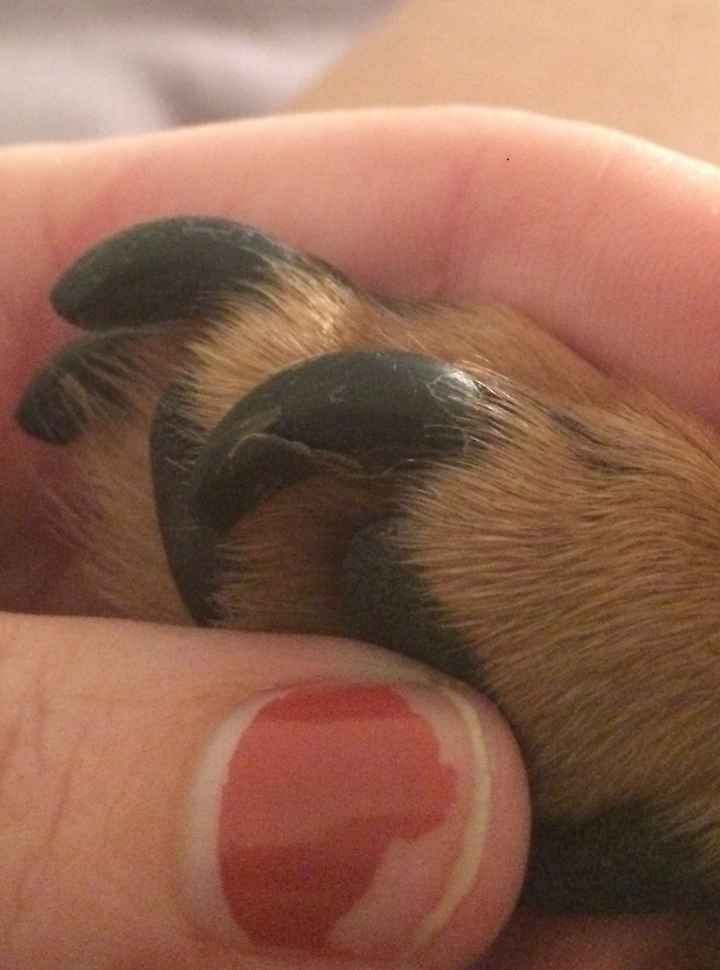
When a beloved canine companion suffers a torn claw, every pet parent immediately wonders who can help, what immediate steps to take, when to seek veterinary support, where the injury occurred, why it happened, how to stop the bleeding, and how to manage the pain safely.
This painful emergency typically happens when a dog runs on rough terrain, catches their nail in a gap on a deck, or snags it on thick carpeting.
You must stay calm because your dog takes emotional cues directly from your behavior during a crisis.
The immediate priority is assessing the raw nail bed to see if the entire claw has detached or if a splintered fragment remains.
If you notice active bleeding, it is because the highly vascularized quick has been severed.
Applying pressure with a clean cloth is your very first line of defense.
Knowing when to make an emergency call is crucial.
If the bleeding does not stop after ten minutes of steady pressure, or if your dog displays extreme aggression due to intense pain, a professional veterinary visit is necessary.
Managing this at home is entirely possible if the nail detached cleanly without leaving a cracked stump.
You must always keep the raw area clean to support natural healing.
To manage this emergency at home, start by securing your dog safely with a helper who can gently keep them still.
Next, firmly apply a styptic powder or cornstarch directly to the raw nail bed using a clean cotton ball to stop any active bleeding.
Once the bleeding subsides, wash the affected paw under lukewarm water to remove dirt and debris.
Pat the area dry using a sterile gauze pad.
Apply a pet-safe antiseptic solution to protect the raw tissue from microscopic invaders.
Gently wrap the paw with a clean dog nail bandage to keep the site clean and prevent your dog from licking the open wound.
You should monitor the paw daily for signs of swelling, redness, or discharge.
Keep your dog calm and restrict their physical activity for several days to allow the tissue to start regenerating.
If you want to handle this safely at home, the Zenpaw Maxpro Grinder provides painless, quiet filing — explore it here.
99-Day 100% Money-Back Guarantee
“Ever since we started using the Zenpaw Maxpro Grinder, it’s been such a peaceful experience. It’s very quiet, and my dog actually relaxes. It’s turned our stressful sessions into quick, quiet grooming times.”
— Sarah M. | ✔ Verified Customer
- ✓ Prevents Infection & Splitting
- ✓ Ideal for All Dog Sizes
- ✓ Low-Vibration Technology
- ✓ Fast 2-7 Days Delivery
Need Support? Call 302-307-1000
Understanding Canine Nail Anatomy: The Quick, the Keratin, and the Pain
Canine claws are completely different from human fingernails.
They are complex, active anatomical structures directly connected to the distal phalanx bone.
The outer layer of the claw consists of a hard, protective sheath made of keratin.
This keratin shell acts as a shield for the delicate internal structures.
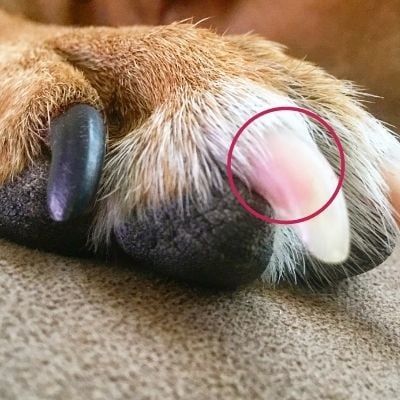
Inside this protective shell lies the quick, which is highly sensitive and complex.
The quick contains a dense network of blood vessels and microscopic nerve endings.
When a dog suffers from a dog nail bed injury, these nerves send immediate, intense pain signals to the brain.
This explains why even the gentlest dogs may whimper, hide, or snap when their paws are touched after an accident.
Understanding this unique anatomy is the first step toward providing proper grooming support.
Regular grooming helps prevent the quick from growing too far down the nail.
If the quick becomes too long, the risk of a painful snag increases exponentially during daily activities.
Our team at Team Zenpaw designs tools specifically to respect this delicate internal anatomy.
The Zenpaw Maxpro Grinder allows you to shorten the claw gradually without causing sudden, painful pressure.
The Vulnerability of an Exposed Quick
When a dogs toenail ripped off entirely, the raw quick is left completely unprotected.
This raw tissue is extremely sensitive to physical touch and temperature changes.
Walking on hard surfaces can cause agonizing pain for a dog with an exposed nail bed.
Microscopic dirt particles can easily enter the open blood vessels of the quick.
This exposure creates a direct highway for harmful bacteria to enter the bloodstream.
Without proper care, a simple tear can quickly escalate into a serious deep-tissue issue.
You must protect this vulnerable area from the elements while it begins the regeneration process.
A raw quick will eventually dry out and lose its extreme sensitivity over several days.
However, during the initial forty-eight hours, keeping the paw clean and dry is your primary duty.
Using a gentle filing tool like the Zenpaw Maxpro helps maintain the surrounding nails safely while the injured paw recovers.
This prevents other claws from catching and suffering the same agonizing fate.
How Nails Get Snagged: Common Hazards in Daily Play
Many pet parents are surprised to learn how easily a dog can tear a claw during regular play.
One of the most common hazards is woven carpeting or area rugs with loose loops.
A dog’s claw can easily slip into these loops and catch when the dog changes direction quickly.
Another frequent danger zone is wooden decks with small gaps between the planks.
If a claw slips into a gap while running, the momentum can cause a dog ripped out toenail emergency.
Long, overgrown claws are much more susceptible to these painful snags.
When claws are allowed to grow too long, they curve downward and outward.
This altered shape makes them act like small hooks that easily snag on various outdoor surfaces.
Regular claw maintenance is the single most effective way to eliminate these environmental risks.
Keeping claws short and smooth ensures they glide over surfaces rather than catching on them.
Our whisper-quiet grinder makes this preventative maintenance simple and completely stress-free.
Managing Pain and Preventing Secondary Infection in a Raw Nail Bed
An open wound on a dog’s paw requires prompt attention to prevent serious complications.
The canine paw is in constant contact with the ground, making it a magnet for harmful microbes.
If bacteria manage to colonize the raw nail bed, they can cause a painful localized infection.
In severe cases, this localized issue can spread upward into the joints of the toe.
You must monitor the wound daily for classic signs of bacterial activity.
These signs include persistent redness, swelling, heat, and any unusual discharge.
Licking the paw excessively is a clear sign that your dog is experiencing significant pain or irritation.
While saliva has minor antimicrobial properties, constant licking keeps the wound wet and warm.
A wet environment is the perfect breeding ground for opportunistic fungi.
This can lead to complications that look identical to dog nail yeast infection pictures.
To prevent this, you must keep the area clean, dry, and protected at all costs.
I was terrified when my dog ripped her toenail off during an evening walk.
Using a protective bootie or a light wrap helped prevent her from irritating the raw tissue.
Keeping the surrounding claws short and smooth also prevents additional paw irritation.
The Zenpaw Maxpro Grinder helps you maintain the rest of the paws safely without touching the sore area.
This ensures your dog remains comfortable and balanced while walking during their recovery.
First-Aid Protocols: Stopping the Bleeding Safely
When a claw is torn, the amount of bleeding can be quite shocking to pet parents.
This is because the quick has a direct, rich blood supply.
Your first action must always be to apply firm, steady pressure with a clean cloth.
I panicked when my dog ripped his toenail off, but applying continuous pressure was the key.
Hold the cloth against the bleeding claw for at least five full minutes without letting go.
Resist the urge to lift the cloth constantly to check if the bleeding has stopped.
Lifting the cloth can break the fragile clot that is trying to form.
If the bleeding continues, you should apply a small amount of styptic powder directly to the site.
If you do not have styptic powder, clean cornstarch or baking flour can work as a temporary substitute.
Press the powder firmly onto the raw quick and hold it there for several minutes.
Once the bleeding stops, keep your dog extremely quiet and still for at least an hour.
Sudden movements or running can easily reopen the fragile blood vessels.
By keeping them calm, you allow the natural clotting process to fully secure the wound.
How To Keep Your Dog Calm During a Paw Emergency
Dogs are incredibly intuitive creatures that feed off their owner’s emotional energy.
If you panic when you see blood, your dog will instantly match your high stress levels.
This heightened anxiety makes managing the injury significantly more difficult.
Speak to your dog in a soft, low, and reassuring tone of voice.
Avoid making sudden movements or loud noises that might startle them.
If possible, have a family member gently offer high-value treats to distract your pup.
Peanut butter smeared on a lick mat can keep them occupied while you work on their paw.
Gently cradle your dog’s head and body to prevent them from pulling away suddenly.
This physical support helps them feel secure and protected during a stressful situation.
Once the immediate care is complete, reward your dog with praise and rest.
Building a calm association with paw handling is vital for future grooming success.
Our quiet tools are designed to maintain this sense of peace during regular nail care sessions.
A Step-by-Step Guide for Dog Ripped Toenail Completely Off Treatment at Home

Providing proper home care for a torn claw is essential for a smooth recovery.
Here is the systematic process recommended by our pet wellness experts for executing a dog ripped toenail completely off treatment at home.
First, carefully inspect the paw to ensure the entire claw has actually detached.
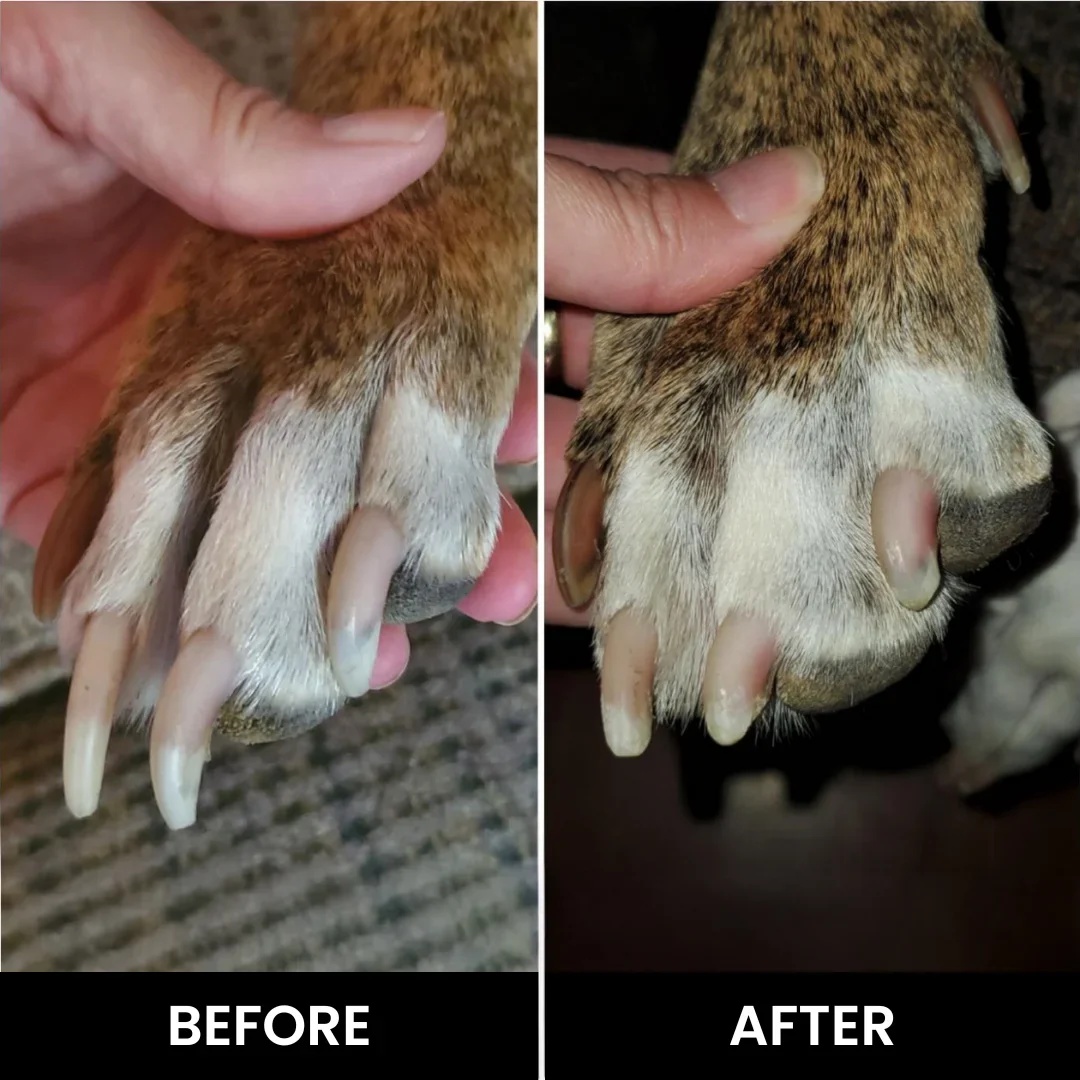
If a jagged piece of nail is still dangling, do not attempt to yank it off yourself.
Pulling on a partially attached nail can cause severe pain and damage the deep nail bed.
In this situation, you should have a professional groomer or vet safely trim the loose piece.
Second, gently flush the entire toe with lukewarm water to wash away any trapped dirt.
Third, pat the area completely dry with a clean, lint-free towel.
Fourth, apply a small dab of pet-safe antiseptic cream to the raw tissue.
Fifth, wrap the paw comfortably using a clean, breathable bandage.
Make sure the wrap is not too tight, as this can restrict healthy blood circulation.
You should be able to slide a finger easily under the edge of the wrap.
Check the bandage twice a day to ensure it remains clean and completely dry.
If your dog tries to chew the bandage, use a protective collar to stop them.
With consistent care, the raw quick will begin to harden and heal within a few days.
The Zenpaw Desensitization Protocol: Rebuilding Grooming Trust
An injury can leave your dog feeling highly sensitive about anyone touching their paws.
To rebuild their confidence, you must introduce a systematic desensitization routine.
Never rush this process, as forcing your dog will only reinforce their grooming fears.
Start by simply holding your dog’s paw gently while offering a delicious treat.
Repeat this simple exercise several times a day until they no longer pull away.
Once they are comfortable with paw handling, introduce your grooming tool of choice.
Let them sniff the tool while it is completely turned off.
Associate the sight of the tool with positive rewards like praise and tasty snacks.
This helps your dog learn that the tool is nothing to be afraid of.
Next, turn on the tool at a safe distance so they can hear the motor.
Our Zenpaw Maxpro Grinder features an ultra-quiet motor operating under forty decibels.
This whisper-quiet sound is specifically designed not to startle sensitive canine ears.
Slowly bring the running grinder closer to their paw without actually touching the nail.
Continue to reward calm behavior with high-value treats at every single step.
Gradually touch the spinning grinding head to a single nail for just one second.
Build up the duration slowly over several days as your dog’s trust grows.
With patience, your dog will learn to relax completely during their regular grooming sessions.
Perfecting the 45-Degree Grinding Angle for Safe Maintenance
Once your dog is comfortable, proper technique is key to preventing future nail issues.
Always hold the grinder at a precise forty-five-degree angle to the claw.
This specific angle allows you to follow the natural curve of the nail perfectly.
It also helps you avoid accidentally grinding into the sensitive quick.
Use short, gentle touches rather than holding the grinder against the nail continuously.
Apply the grinder for only two to three seconds at a time on each claw.
This simple technique prevents heat from building up on the sensitive nail tip.
Friction can cause uncomfortable heat, which can startle or hurt your pup.
By moving between nails quickly, you keep the entire experience completely painless.
The Zenpaw Maxpro Grinder features advanced low-heat technology to support this safe method.
Grind the nail until you see a small white dot appear in the center of the tip.
This white dot is the very outer boundary of the protective quick.
Stop grinding immediately once you see this indicator to ensure absolute safety.
Crucial Mistakes to Avoid: Why Traditional Clippers Can Worsen Paw Trauma
Many pet parents make the mistake of using old, dull clippers for nail care.
Using traditional plier style dog nail clippers can actually cause significant harm to your dog’s paws.
These clippers work by applying massive crushing force to cut through the hard claw.
This crushing action can easily splinter, crack, or shatter a dry, brittle nail.
A cracked nail can split all the way up into the delicate nail bed.
This creates an extremely painful injury that requires immediate professional care.
Furthermore, traditional clippers make it incredibly difficult to see where the quick begins.
This is especially true when attempting to groom dark or completely black claws.
Many owners try using dog nail clippers with light for black nails to solve this issue.
While a light can help, it still cannot fully eliminate the risk of accidental quicking.
Grinding is a far superior method because it files the claw down micro-layer by micro-layer.
This gradual filing gives you complete control over the entire grooming process.
You can easily stop before getting anywhere near the sensitive internal nerves.
By switching to a grinder, you completely eliminate the stressful crushing sensation.
Our Zenpaw Maxpro Grinder provides a smooth, gentle, and vibration-free experience for your pet.
Comparing Grooming Methods for Safe Claw Care
Choosing the right tool is essential for maintaining your dog’s long-term paw health.
Different grooming methods offer varying levels of safety, precision, and comfort for your dog.
We have compiled a detailed comparison to help you make the best decision for your family.
This comparison looks at safety, noise levels, and the overall stress experienced by your pet.
By understanding these differences, you can protect your dog from future nail bed trauma.
Our team believes in providing clear, factual information to support your grooming journey.
Let us look at how different tools perform under real-world grooming conditions.
Traditional tools often prioritize speed over the comfort of your pet.
In contrast, modern grinding technology focuses on safety and stress-free care.
A quiet, low-vibration grinder is especially beneficial for dogs recovering from previous paw injuries.
It allows them to heal without experiencing additional physical or psychological stress.
| Grooming Method | Safety & Comfort Level | Key Benefits for Paw Health |
|---|---|---|
| Zenpaw Maxpro Grinder | ★ High Safety – Extremely gentle, low-vibration, under 40dB quiet motor. | Files claws micro-layer by micro-layer to avoid quicking and prevent splitting. |
| Traditional Clippers | ★ Low Safety – Applies massive crushing force that can shatter claws. | Fast cuts but carries high risk of pain, bleeding, and deep nail splits. |
| Professional Vet Trimming | ★ Moderate Safety – Highly skilled but often causes massive pet anxiety. | Handles severe claw issues but involves expensive, stressful travel. |
Frequently Asked Questions About Torn Dog Claws and Grinding
Is the Zenpaw Grinder safe for large dogs?
Yes, the Zenpaw Maxpro Grinder is fully designed to handle dogs of all shapes and sizes safely.
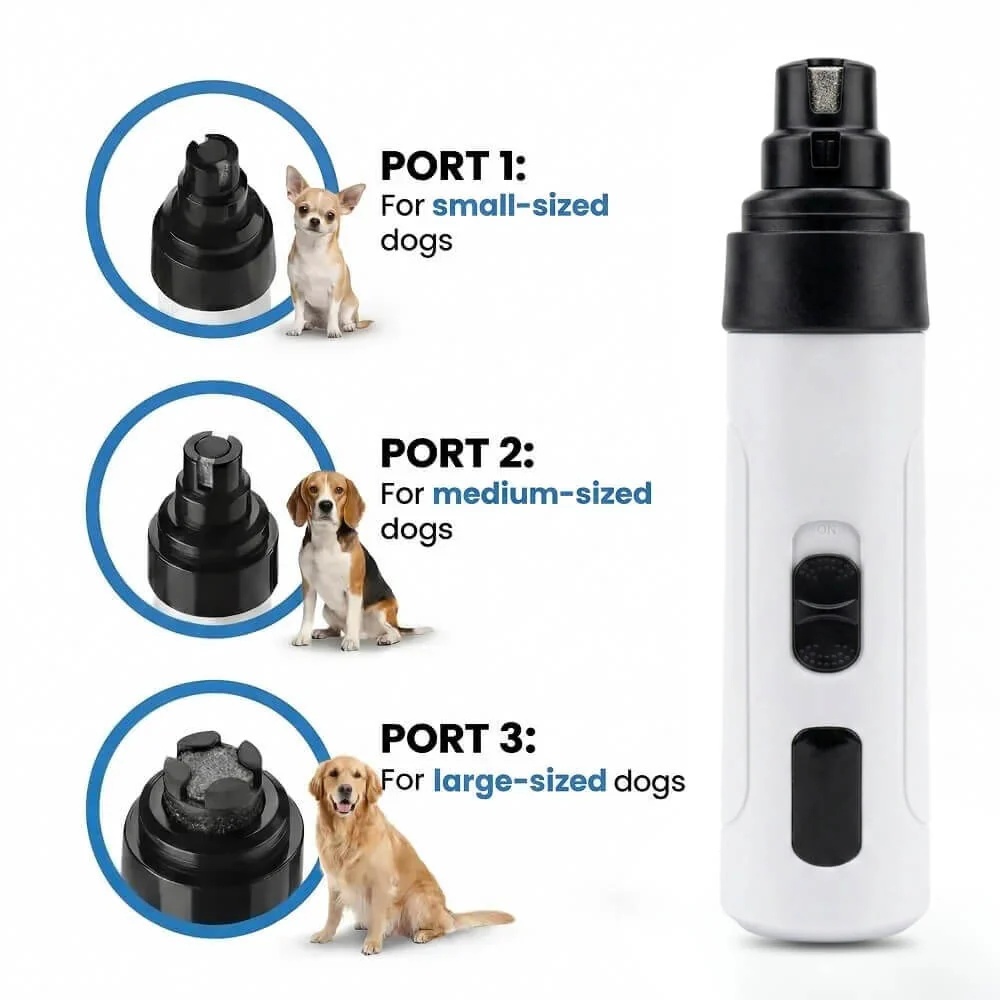
The protective cap features three distinct ports to accommodate different claw diameters.
The small port is ideal for quick trimming of small puppies and toy breeds.
The medium port works beautifully for medium-sized breeds like Beagles or Spaniels.
For large dogs with thick claws, you can remove the cap entirely to expose the heavy-duty grinding wheel.
This versatile design ensures that every dog in your home can receive stress-free nail care.
How long does the battery last?
The Zenpaw Maxpro Grinder is equipped with a high-capacity lithium-ion battery.
It delivers up to seven full hours of continuous runtime on a single charge.
The device features convenient USB rechargeability for simple power replenishment anywhere.
A full recharge takes only a few hours to complete.
This long-lasting battery life means you rarely have to worry about the grinder dying mid-session.
It provides reliable, consistent power whenever you need to trim your pet’s claws.
Which speed is best?
Our grinder features dual speed settings to give you maximum control during grooming.
The low-speed setting is perfect for gentle filing, fine smoothing, and sensitive pups.
The high-speed setting provides extra power for quickly shortening thick, heavy claws.
We recommend starting on low speed to allow your dog to get used to the sensation.
You can then switch to high speed once they are comfortable and relaxed.
This flexibility allows you to tailor the grooming session to your dog’s unique needs.
Does it get hot?
No, the Zenpaw Maxpro Grinder is engineered with advanced low-heat technology.
The specialized grinding wheel is designed to minimize friction during use.
However, holding any grinder against a claw for too long can cause mild warmth.
To prevent any discomfort, always use the tap-and-go method.
Apply the grinder for only two to three seconds before moving to the next nail.
This simple technique ensures the claw remains completely cool and comfortable.
Conclusion
Ready to transform nail trimming from a battle into a breeze?
Explore the Zenpaw Maxpro 3-in-1 Grinder.
Call: 302-307-1000 — our team can help you advise on the best grooming practices and help with any product questions.