
I will never forget the sudden, sharp yelp of agony from my golden retriever and the terrifying rush of bright red blood when I accidentally sliced his sensitive dog nail vein with traditional clippers. That single moment of panic shattered his trust, turning nail care into a stressful battle of wills until we developed a whisper-quiet, painless grooming alternative.
Maxpro 3-in-1 Grinder.
Stress-Free Nail Trimming.
Whisper-quiet DC motor (<40 dB) eliminates fear & discomfort. Features 3 ports, dual speeds, and 7-hour battery life. Safe, precise, and painless.
In This Article
- Canine Nail Anatomy Demystified: Discover the hidden vascular map within your dog’s claws and how to locate it instantly.
- Locating the Quick in Dark Claws: Learn the professional “chalky center” detection technique for highly pigmented black nails.
- Stress-Free Desensitization Protocol: Apply step-by-step methods to completely eliminate grooming anxiety for sensitive dogs.
- Advanced Safe Grinding Angles: Master the mechanical 45-degree technique to safely shorten nails and encourage vein recession.
How Do You Safely Locate and Protect the Dog Nail Vein?
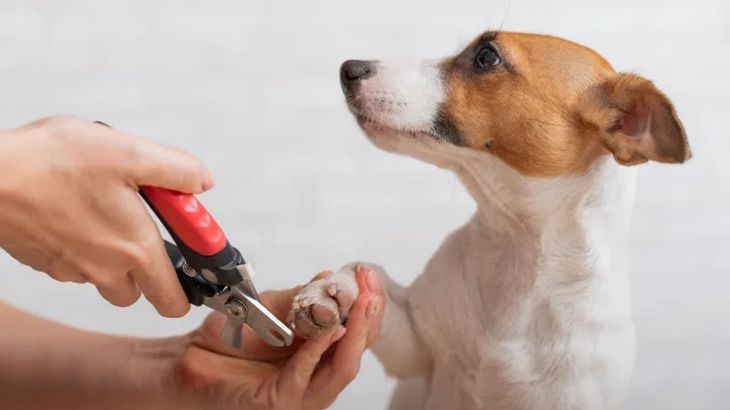
Locating the internal vascular pathway inside your dog’s claws is the single most critical factor in achieving a safe, pain-free grooming session at home.
The highly sensitive dog nail vein, scientifically recognized as the quick, is a complex vascular core of blood vessels and active nerve endings that runs directly through the center of the outer keratin sheath.
According to certified veterinary behaviorists, this vascular tissue behaves like a standard blood vessel, supplying oxygen and vital nutrients to the growing nail matrix while providing tactile feedback to your pet during movement.
Many pet parents find themselves incredibly intimidated by this anatomy because cutting directly into this living tissue causes immediate physical trauma, moderate bleeding, and severe emotional distress for the dog.
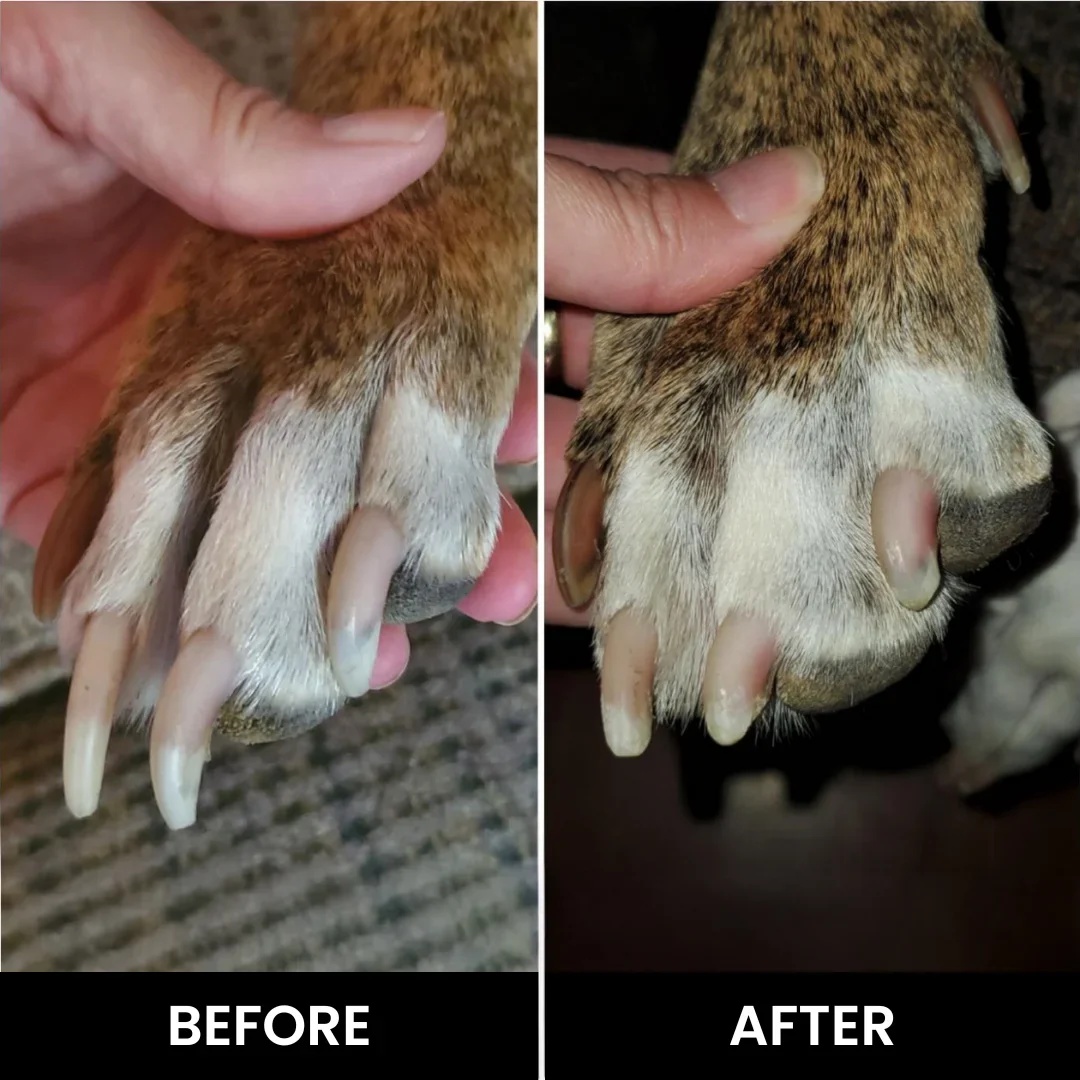
The quick naturally migrates further down the claw as the nails grow longer, which means neglected paws present a much higher risk of injury during routine maintenance.
By understanding how to read your dog’s paw anatomy, you can establish a routine that keeps this delicate vein completely protected from harm.
Our professional pet wellness team at Zenpaw suggests using an incremental, low-vibration filing approach rather than aggressive cutting tools to keep your pet completely calm.
If you want to handle this safely at home, the Zenpaw Maxpro Grinder provides painless, quiet filing — explore it here.
To safely locate and protect this sensitive structure, you must perform your nail trims in tiny, microscopic increments rather than attempting one single sweep.
Start by firmly supporting the dog’s paw and looking at the underside of the claw to identify where the thick, structural shell transitions into a hollow groove.
Use a professional-grade rotary tool to gently file away thin, paper-thin layers of hard keratin from the very tip of the nail.
Stop filing the moment you observe a small, dark, moist-looking circle or a soft pinkish center beginning to emerge on the cut surface of the claw.
This distinctive central spot is the outer boundary of the vascular core, serving as your clear anatomical warning sign to cease grinding immediately.
99-Day 100% Money-Back Guarantee
“Ever since we started using the Zenpaw Maxpro Grinder, it’s been such a peaceful experience. It’s very quiet, and my dog actually relaxes. It’s turned our stressful sessions into quick, quiet grooming times.”
— Sarah M. | ✔ Verified Customer
- ✓ Prevents Infection & Splitting
- ✓ Ideal for All Dog Sizes
- ✓ Low-Vibration Technology
- ✓ Fast 2-7 Days Delivery
Need Support? Call 302-307-1000
Understanding Canine Nail Anatomy: Where is the Quick?
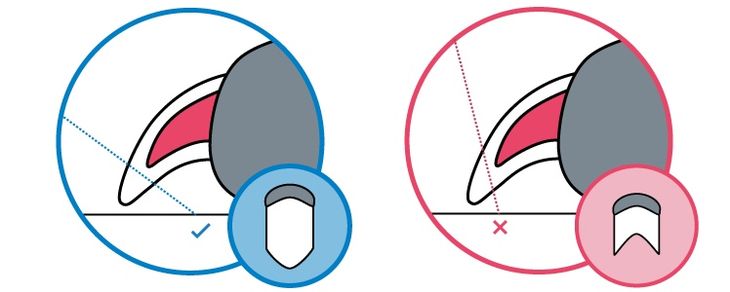
The Vascular Core: Understanding the Dog Nail Quick Vein
To provide high-quality care for your dog’s paws, you must first comprehend the complex internal biology of their claws.
Every single claw is made up of a durable outer shell composed of hard, dead keratin protein that protects the finger’s tip.
Within this protective outer cylinder lies the active dog nail quick vein, which acts as the metabolic lifeline of the entire claw structure.
This vascular matrix contains vital blood vessels that feed the surrounding nailbed and a dense network of sensory nerves.
When using heavy metal dog clippers for nails, you apply rapid mechanical pressure that can pinch these highly sensitive nerves.
Any impact or nick to this delicate tissue causes immediate, sharp discomfort, leading to a strong fear of grooming tools.
Unlike human nails, which are flat and lack blood flow, canine claws are curved, hollow structural appendages meant for digging.
If you let your pet’s claws grow too long, the internal blood vessel actually expands outward to sustain the extended length.
This natural vascular migration makes it incredibly difficult to safely shorten overgrown nails without causing severe pain.
Using premium canine nail trimmers helps you trim away the dead shell while leaving the blood vessel completely untouched.
Consistent, careful trimming sessions stimulate the vein to recede backward toward the paw, allowing you to safely maintain a short length.
Identifying Claw Blood Vessels in Light vs. Dark Nails
Identifying the sensitive dog nail wick is a relatively simple task when you are working with light-colored or white claws.
On these translucent nails, you can easily view the pink-toned blood vessel running through the center of the keratin sheath.
This clear transparency allows you to see the exact point where the live tissue ends, giving you a safe boundary for trimming.
For maximum safety, you should always stop your tool at least two millimeters before reaching this visible pink boundary.
However, black or dark claws present a much more challenging task because the heavy melanin pigment blocks all side visibility.
When dealing with dark claws, identifying claw blood vessels requires a completely different professional inspection technique.
Instead of looking at the side profile of the nail, you must carefully inspect the cut tip after each gentle pass of your tool.
The very tip of the nail will look dry, powdery, and completely white during the first few moments of grooming.
As you shave closer to the living tissue, the dry white core will change into a soft, dark, moist-looking circular center.
This distinctive dark spot is the outermost protective layer of the quick, signaling that you must stop grooming immediately.
Trying to clip dark claws with standard scissors is extremely risky because you cannot see this boundary approaching from the side.
Many pet parents find that clipping pet nails with traditional metal cutters is far too stressful for this reason.
Transitioning to an electronic filing tool removes the fear of the unknown by letting you work in microscopic increments.
| Nail Characteristic | Light-Colored Claws | Dark/Black Claws |
|---|---|---|
| Vein Visibility | Highly visible from the side as a pink inner tube | Completely invisible due to thick dark pigmentation |
| Visual Warning Sign | Clear end of pink color zone inside keratin | Moist, dark circular dot appearing in the center |
| Recommended Action | Cut within 2mm of the pink zone boundary | Shave in tiny layers and check the cut surface frequently |
How to Trim Dog Nails Safely at Home Using the Zenpaw Maxpro Grinder
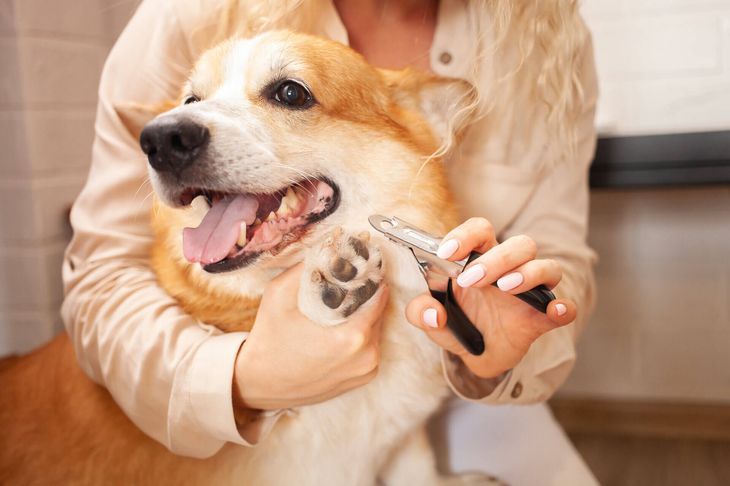
Step-by-Step Desensitization Protocol for Anxious Pups
Helping your dog overcome grooming anxiety requires a structured plan built on patience and positive reinforcement.
A dog’s paws contain thousands of complex sensory receptors, which makes them naturally protective of their feet.
To begin, simply hold your pup’s paws in your hands for a few seconds without using any grooming tools.
Reward your dog with highly delicious treats for remaining calm during this physical contact.
Once they accept paw handling, introduce the Zenpaw Maxpro Grinder while the motor is completely turned off.
Allow your pet to sniff the tool freely and reward their natural curiosity to build positive mental connections.
Next, turn on the grinder’s motor while holding the device several feet away from your dog.
Our whisper-quiet motor operates at under 40 decibels, which avoids triggering your pet’s natural fear of loud noises.
Gradually bring the operating device closer to their paw, letting them get used to the soft humming sound.
Gently press the vibrating plastic body of the tool against their leg so they can experience the low-vibration safely.
Finally, touch the rotating grinding wheel to a single claw for just one to two seconds before offering a reward.
Using a traditional dog toenail clipper can frighten sensitive pets because of the loud mechanical snap.
By choosing a quiet rotary device, you create a peaceful atmosphere that makes nail care stress-free.
The 45-Degree Grinding Angle and Shadow Technique
Perfecting your grooming technique requires a proper blend of body posture, secure grip, and exact angles.
Always hold your dog’s paw securely but gently, separating the target toe from the rest of the foot with your fingers.
Position the Zenpaw Maxpro Grinder at a precise 45-degree angle against the natural downward slope of the claw.
This specific orientation mimics the natural friction wear pattern of a wild canine walking on rough ground.
Apply light, pulsing pressure to the tip of the nail for no more than two seconds at a time.
Keeping the grinding wheel in continuous contact with the nail generates friction heat, which can irritate the quick.
By pulsing the tool, you keep the claw completely cool and comfortable throughout the grooming session.
For dark nails, you can use the shadow technique by placing a bright LED light directly behind the claw.
The strong backlighting will project a clear silhouette of the internal vein through the dark keratin wall.
This simple visual trick provides an invaluable safety margin that standard clippers cannot offer.
This method makes it incredibly easy to use safe nail clippers for dogs or rotary tools with complete confidence.
Work smoothly around the sharp edges of the nail to create a polished, rounded finish that won’t scratch your floors.
Why Traditional Clippers Fail and How to Manage Nail Grooming Risks
The Danger of Crushing Nails with Standard Cutters
Many pet parents continue to use cheap, dull metal clippers without realizing the physical damage they cause.
Scissor and guillotine-style clippers work by applying heavy, concentrated pressure to a single point of the claw.
This forceful squeeze violently crushes the structural keratin, which often causes the nail to splinter or crack.
Cracked nails can easily split all the way up to the paw, exposing the sensitive quick to dirt and bacteria.
Furthermore, the sudden mechanical compression of a clipper can pinch the quick even if you do not cut it.
This sharp pinch of pain sends a negative signal to your dog’s nervous system, causing them to resist future grooming.
Our team at Zenpaw discovered that this mechanical crushing is the primary cause of canine grooming phobias.
The Zenpaw Maxpro Grinder solves this issue by filing down the hard keratin surface molecule by molecule.
This micro-shaving action eliminates all physical impact, keeping the structural integrity of the claw perfectly safe.
How Continuous Grinding Causes Nail Veins to Recede
It is a common misconception that dogs with severely overgrown claws can never have short, healthy nails again.
The vascular inner core of the claw is highly dynamic and responds directly to regular mechanical stimulation.
When you grind the very tip of the claw, you expose the outer margin of the keratin shell to light environmental friction.
This physical contact signals the body that the protective outer wall has shortened, causing the internal vein to retreat.
To achieve this natural recession, you must commit to a highly consistent, weekly grinding routine.
Filing just a tiny fraction of a millimeter each week safely coaxes the quick back toward the base of the paw.
Over a period of several months, the living vein will recede significantly, allowing for a much shorter claw profile.
This gradual approach requires patience, but it prevents the joint pain and skeletal issues caused by long claws.
Frequently Asked Questions About Dog Nail Veins and Grinding
Is the Zenpaw Grinder safe for large dogs?
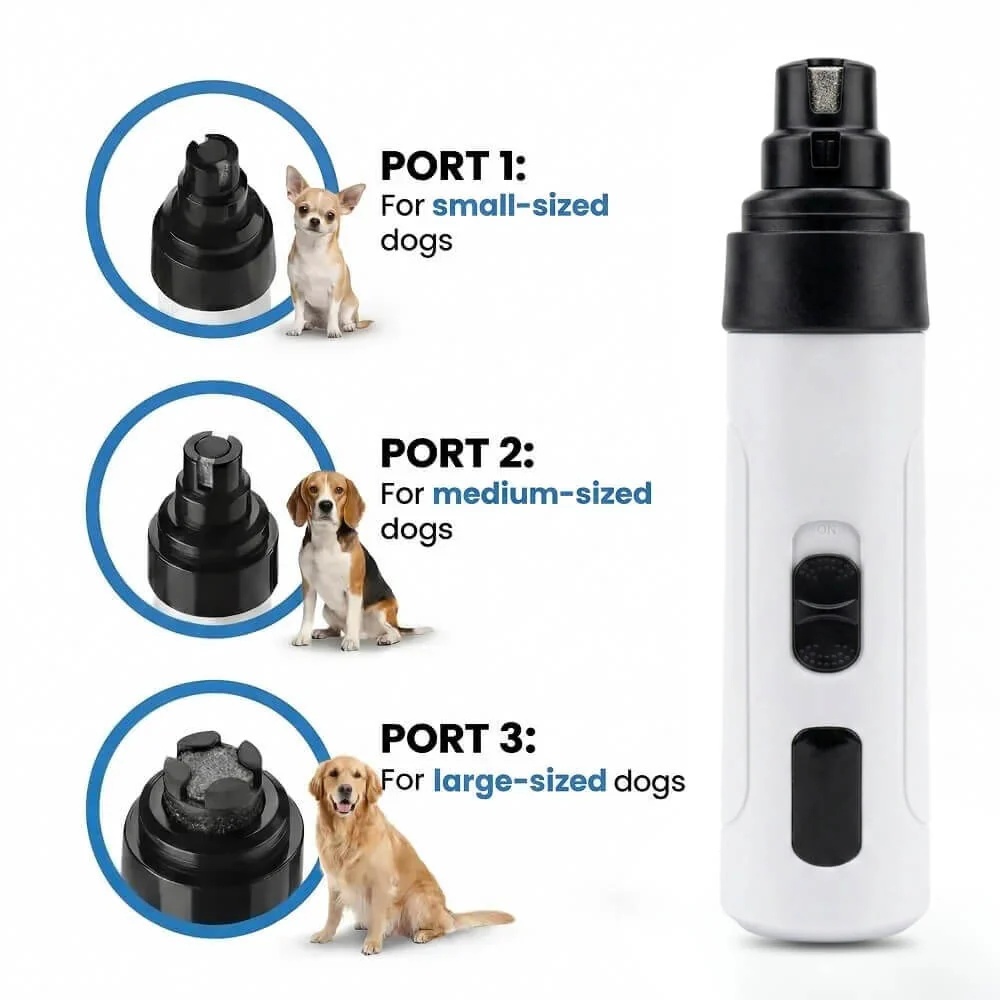
Yes, the Zenpaw Maxpro Grinder is specifically engineered with three specialized ports to accommodate dogs of all breeds and sizes.
The small and medium ports are perfect for delicate puppy paws, while the fully open port easily handles the thickest claws of large breeds.
Its high-torque brass motor delivers consistent rotational power, allowing you to file tough nails smoothly without stalling.
How long does the battery last on a single charge?
Our advanced lithium-ion battery is designed to provide up to 7 hours of continuous grooming power on a single charge.
This exceptional battery life means you can easily complete multiple grooming sessions without worrying about power loss.
The device is fully USB rechargeable, allowing you to plug it into any laptop, power bank, or standard wall adapter.
Which speed setting is best for my dog’s nails?
The Zenpaw Maxpro Grinder features dual-speed controls to give you maximum precision and safety during grooming.
We recommend using the lower speed setting for detailed work around the edges and when desensitizing anxious puppies.
The higher speed setting is ideal for rapidly thinning the dense, heavy claws of larger dog breeds.
Does the grinding wheel get hot during use?
Our grinder is engineered with proprietary low-heat technology to prevent the grinding head from overheating during operation.
However, we always recommend using a pulsing technique of two to three seconds per nail to ensure complete comfort.
This practical approach guarantees that the nail remains completely cool, avoiding any thermal discomfort for your pet.
Conclusion
Protecting your dog’s sensitive nail anatomy from painful grooming injuries is simple when you use the correct tools and patient techniques.
Ready to transform nail trimming from a battle into a breeze? Explore the Zenpaw Maxpro 3-in-1 Grinder. Call: **302-307-1000** — our team can help you advise on the best grooming practices and help with any product questions.
Note: Individual results may vary depending on individual dog breeds, nail thickness, and behavioral temperaments. This article is intended for general pet grooming reference purposes only and does not replace professional veterinary advice.