Maxpro 3-in-1 Grinder.
Stress-Free Nail Trimming.
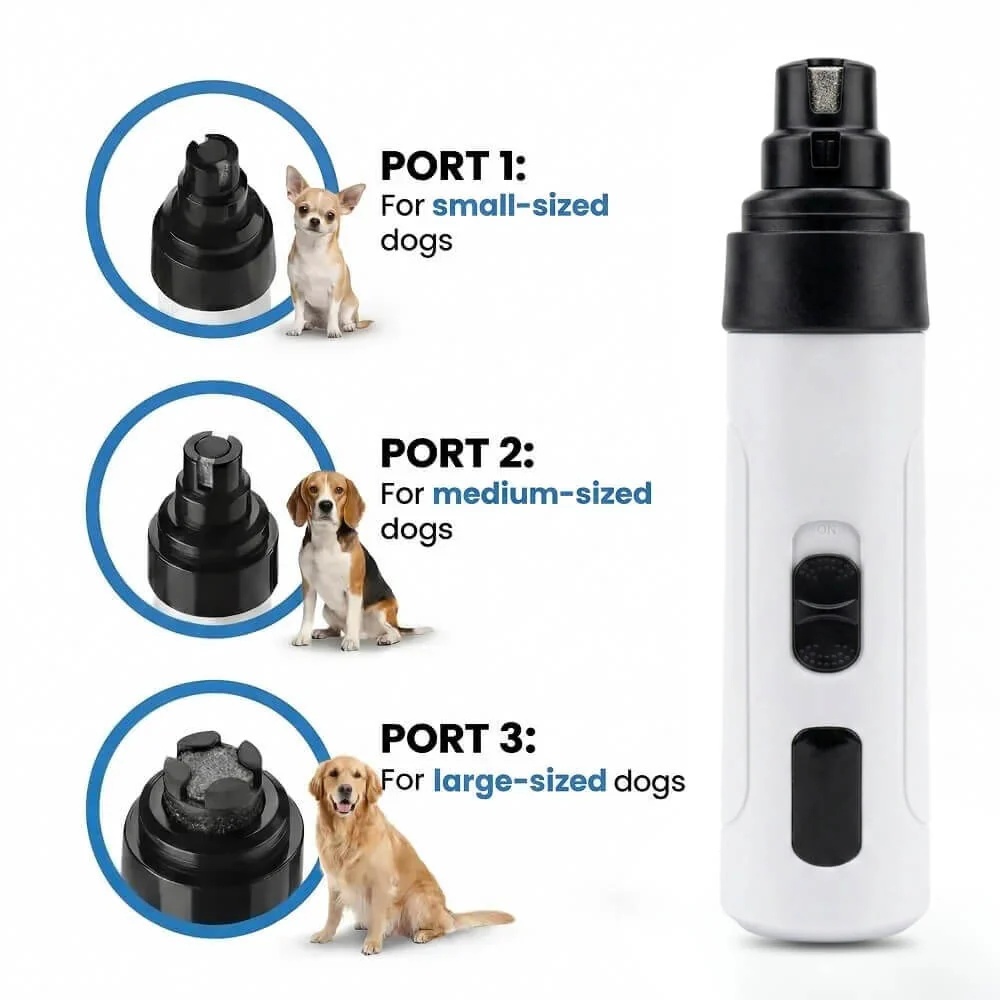
Whisper-quiet DC motor (<40 dB) eliminates fear & discomfort. Features 3 ports, dual speeds, and 7-hour battery life. Safe, precise, and painless.
In This Article
- Learn why nutritional deficiencies trigger brittle, peeling claw structures.
- Discover the vital vitamins, minerals, and fatty acids that restore healthy keratin.
- Explore expert steps to safely file compromised nails without cracking or splintering.
- Master calming desensitization techniques for highly anxious pets during grooming sessions.
Does Nutritional Deficiency Really Cause Dry Peeling Dog Nails? Here’s What the Experts Say

Many pet parents do not realize that dry, peeling canine nails are often the first warning sign of underlying nutritional gaps.
Veterinary research confirms that claw health depends directly on active keratin synthesis, which stalls when essential micronutrients are missing.
This structural breakdown typically occurs when a dog’s diet lacks trace minerals like zinc, B-vitamins, and high-quality proteins.
It can manifest in dogs of any age, but senior pets and active outdoor breeds are particularly susceptible to dry, flaking claw structures.
When these vital elements are depleted, the protective outer sheath of the nail bed dries out and starts to split.
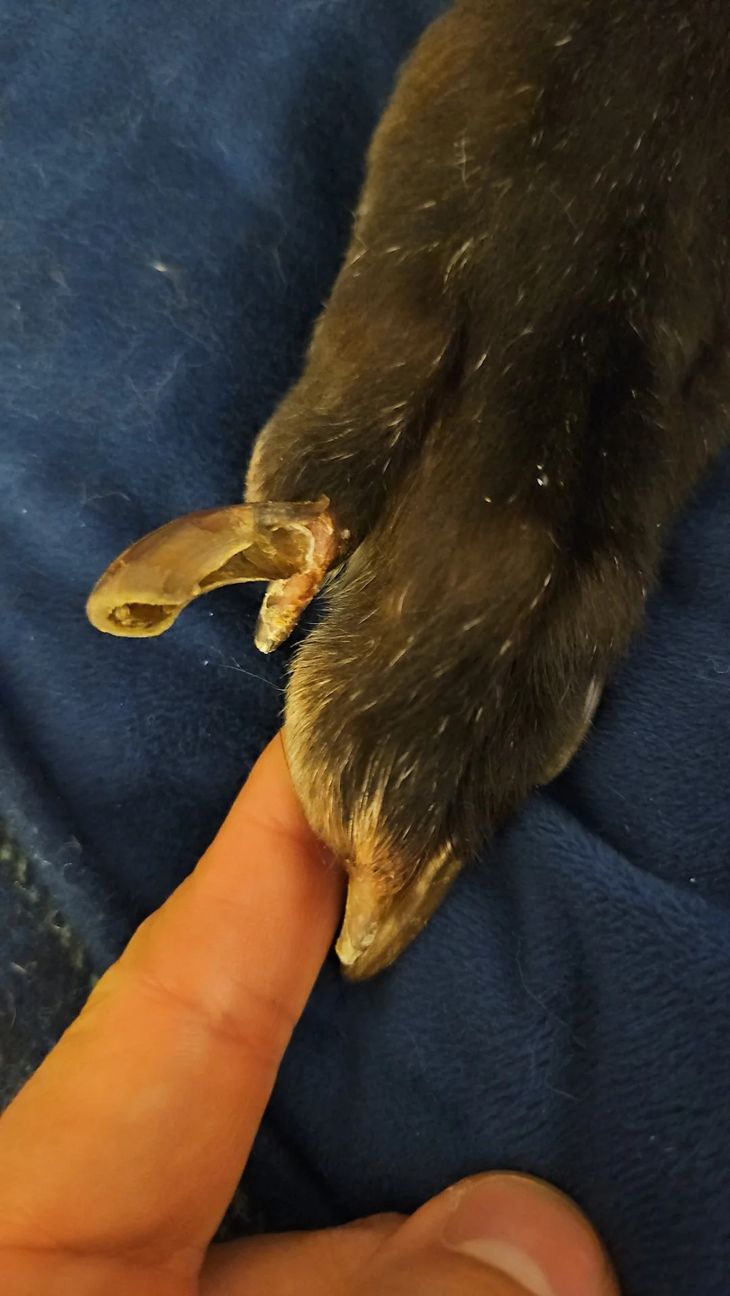
This peeling usually starts near the cuticle and slowly spreads down to the tip, making the claw highly prone to tearing.
To safely address this issue, you must combine premium dietary supplements with a non-invasive, stress-free grooming routine.
Overgrown and weakened claws can force a dog to shift their weight backward onto their hind legs.
This unnatural posture puts excessive strain on their delicate finger joints and wrist ligaments over time.
When nails are peeling, they split unevenly, causing sharp edges to hook onto carpet loops and tear painfully.
Addressing this issue promptly prevents chronic paw sensitivity and helps your dog maintain their joyful, active lifestyle.
If you want to handle this safely at home, the Zenpaw Maxpro Grinder provides painless, quiet filing to protect healing claws — explore it here.
Improving your dog’s claw health begins with a gradual transition to a diet rich in bioavailable vitamins.
First, consult your trusted veterinarian to rule out medical conditions like thyroid imbalances or autoimmune nail disorders.
Next, integrate daily supplements containing biotin, zinc methionine, and premium wild-caught fish oils.
Ensure you always keep their claws trimmed short to prevent them from snagging on household surfaces and tearing further.
Use a quiet electric file rather than traditional clippers, as clippers apply crushing force that shatters weakened nail walls.
Gradually shape the tips at a safe angle to eliminate loose, peeling fibers without nicking the sensitive quick.
Always inspect each paw pad closely for signs of redness, swelling, or localized heat before starting.
If you spot any minor bleeding or raw tissue, apply a pinch of styptic powder immediately to stop the flow.
Keep your grooming environment calm, well-lit, and completely free from sudden household distractions.
99-Day 100% Money-Back Guarantee
“Ever since we started using the Zenpaw Maxpro Grinder, it’s been such a peaceful experience. It’s very quiet, and my dog actually relaxes. It’s turned our stressful sessions into quick, quiet grooming times.”
— Sarah M. | ✔ Verified Customer
- ✓ Prevents Infection & Splitting
- ✓ Ideal for All Dog Sizes
- ✓ Low-Vibration Technology
- ✓ Fast 2-7 Days Delivery
Need Support? Call 302-307-1000
Essential Vitamins for Peeling Dog Nails and Key Minerals
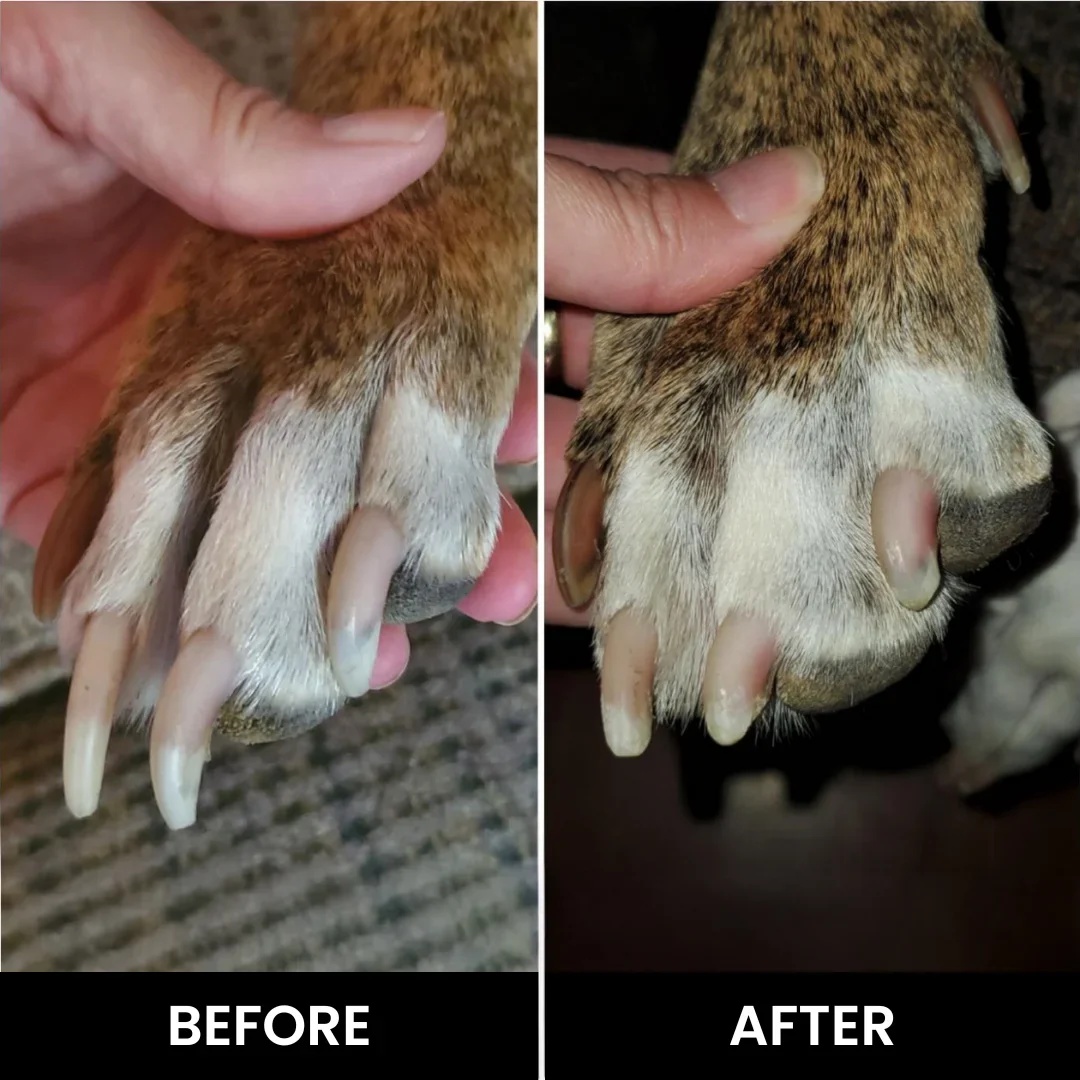
A dog’s claws are specialized skin structures made almost entirely of a tough protein called keratin.
To build strong keratin, your dog’s body requires a constant supply of specific vitamins and organic compounds.
Biotin, also known as Vitamin B7, is one of the most critical vitamins for peeling dog nails.
Biotin acts as a biological coenzyme that aids in the metabolism of protein-forming amino acids.
Studies indicate that consistent biotin supplementation can significantly increase the cellular density of the nail plate.
Without enough biotin, your dog’s claws will quickly become soft, chalky, and prone to vertical splitting.
Zinc is another foundational mineral that plays a massive role in canine cellular division and tissue repair.
Certain breeds, such as Siberian Huskies and Alaskan Malamutes, suffer from a genetic condition called zinc-responsive dermatosis.
This condition prevents proper zinc absorption, leading to severe crusting around the paw pads and crumbly, peeling claws.
Supplementing with highly bioavailable zinc methionine can help reverse these stubborn structural weaknesses.
Additionally, Vitamin E acts as a powerful antioxidant that protects the cells within the nail matrix from oxidative stress.
It helps maintain the natural lipid barrier of the cuticle, preventing moisture from escaping the claw structure.
If a dog’s nail splits too far back due to nutritional weakness, they risk developing an infected nail bed after deep cut.
Ensuring proper mineral levels also helps senior dogs maintain stable footing, which can be further assisted by using toenail grippers for elderly dogs on slick hardwood floors.
By providing these essential nutrients daily, you build a resilient foundation for your dog’s paw health.
Calcium is also highly vital for supporting the structural matrix of the outer horn wall.
However, calcium must be balanced perfectly with phosphorus to prevent developmental bone issues in growing puppies.
Collagen supplements provide the raw building blocks required to strengthen the vascular nail bed tissue.
Hydrolyzed collagen is highly digestible, allowing your dog’s body to absorb it rapidly for maximum benefit.
Amino acids like L-cysteine and L-methionine are the literal building blocks of keratin.
These sulfur-rich molecules bind the keratin fibers together, creating a tough, water-resistant barrier.
By combining these targeted nutrients, you create an internal shield that prevents future flaking and splitting.
The Power of Omega 3 for Healthy Dog Claws
Dry, brittle claws are often a clear cry for essential fatty acids that nourish the body from the inside out.
Integrating high-quality omega 3 for healthy dog claws is one of the fastest ways to restore elasticity to dry keratin sheaths.
Eicosapentaenoic acid (EPA) and docosahexaenoic acid (DHA) are active omega-3 fatty acids found in marine oils.
These fatty acids work at the cellular level to reduce systemic inflammation throughout the canine body.
They specifically target the vascular nail matrix, which is the live tissue responsible for generating new claw growth.
By improving blood flow and nutrient delivery to this area, omega-3s ensure that new nail growth is dense and supple.
Cold-water fish oils, such as wild-caught salmon oil or sardine oil, are excellent bioavailable sources for dogs.
Krill oil is another premium alternative that contains powerful antioxidants like astaxanthin to protect cellular integrity.
You will notice that dogs lacking these fatty acids often have dull coats, flaky skin, and severely cracked claws.
Over time, dry claws can easily catch on fabrics and tear, but keeping them short and supple will prevent dog nails tearing rug and carpet fibers.
Consistent supplementation typically yields visible improvements in claw texture within eight to twelve weeks.
As the nourished nail matrix pushes outward, the new claw material will appear smoother and feel noticeably harder.
We recommend measuring your dog’s daily oil dosage carefully to avoid digestive upset or unwanted weight gain.
Always choose a pure, molecularly distilled oil to ensure it is completely free from heavy metals and environmental toxins.
Flaxseed oil contains alpha-linolenic acid (ALA), but dogs cannot convert ALA to EPA and DHA efficiently.
Therefore, marine-sourced omega-3 oils are vastly superior for achieving rapid clinical improvements.
The cellular membrane of the claw requires a dense lipid barrier to trap moisture inside the nail plate.
When this lipid barrier is thin, environmental elements like dry winter air or salty pavements strip away moisture.
This dehydration causes the outer nail layers to peel away in thin, paper-like sheets.
Supplementing daily with fish oil keeps the nail plate flexible enough to bend slightly under pressure instead of snapping.
This simple addition to their food bowl acts as a natural cushion against daily wear and tear.
Analyzing the Dietary Causes of Dry Peeling Nails
Identifying the specific dietary causes of dry peeling nails is essential for preventing long-term claw degeneration.
Many commercial dry dog foods undergo extreme heat processing, known as extrusion, during manufacturing.
This intense heat often destroys delicate water-soluble vitamins, including vital B-complex vitamins and folate.
While manufacturers spray synthetic vitamins back onto the kibble afterward, these are often less bioavailable to your dog.
Cheap kibble brands also rely heavily on plant-based proteins, such as corn gluten meal or soy, rather than meat-based proteins.
Dogs require specific sulfur-containing amino acids, like methionine and cysteine, to build robust keratin structures.
Plant proteins often lack these essential amino acids, leaving your dog’s claws structurally weak and fragile.
Additionally, poor-quality fats used in low-grade dog foods can oxidize quickly, leading to nutritional deficiencies.
Some dogs may also suffer from underlying malabsorption issues due to food allergies or chronic gut inflammation.
If your dog’s gut cannot absorb nutrients properly, even premium food will fail to support their claw health.
When claws become dry and flaky, using standard clippers can crush the remaining weak structure and cause painful splitting.
Instead of forcing dull blades through brittle keratin, you should avoid using a heavy duty clippers large dog owners often struggle with.
Transitioning to a whole-food diet or adding fresh, raw ingredients can help restore these missing dietary components.
Always look for foods that list whole animal proteins as the primary ingredients to ensure adequate amino acid levels.
By addressing these common nutritional gaps, you can naturally eliminate peeling claws at their metabolic source.
Many low-grade dog foods rely on heavy fillers like wheat, soy, and corn to cut production costs.
These cheap ingredients can trigger chronic low-grade gut inflammation, damaging the delicate villi in the intestines.
When these intestinal structures are inflamed, they lose their ability to absorb key trace minerals.
Integrating high-quality probiotics into your dog’s diet helps rebuild a healthy microbiome for optimal nutrient absorption.
Additionally, home-cooked diets must be balanced precisely with professional oversight to avoid dangerous mineral deficiencies.
An unbalanced raw or home-cooked diet often lacks the exact ratios of zinc and copper required for claw health.
Working closely with a canine nutritionist ensures your dog receives a fully balanced, whole-food diet.
How to Safely Groom Anxious Dogs with Dry Peeling Nails
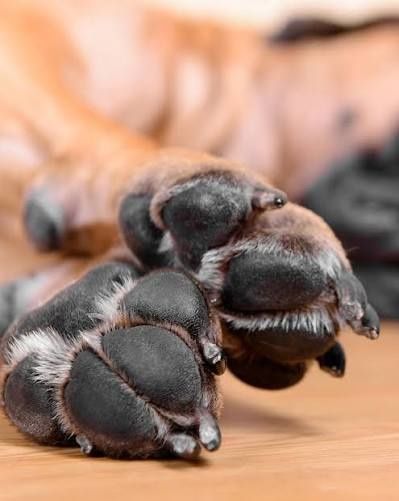
Grooming a dog with peeling, brittle claws requires an incredibly gentle touch and the right specialized tools.
Traditional clippers apply intense squeezing pressure that can shatter weak nail walls and pinch the sensitive quick.
To avoid causing further pain, you should transition to a high-quality, whisper-quiet electric dog nail file.
The Zenpaw Maxpro 3-in-1 Grinder is specifically designed to file down brittle claws smoothly without heat or vibration.
To begin, you must slowly desensitize your anxious dog to the sound and feel of the new grooming device.
Start by letting your dog sniff the turned-off grinder while offering high-value treats to build a positive association.
Once they are comfortable, turn the grinder on its lowest, whisper-quiet speed without touching their paws.
Gently touch the vibrating handle to their leg for just one second, rewarding them instantly for remaining calm.
Repeat this gentle process over several short sessions until your dog shows absolutely no fear of the device.
When you are ready to trim, hold the paw securely but gently, separating each toe with your fingers.
Approach the nail at a precise 45-degree angle, which matches the natural wear pattern of a dog’s claw.
Apply light, brief pressure for no more than two to three seconds at a time to prevent any friction heat.
File down loose, peeling edges carefully to leave a perfectly smooth finish that will not catch on fabrics.
The whisper-quiet motor under 40 decibels ensures your dog remains relaxed and completely stress-free throughout.
Never squeeze the toes too tightly, as this can cause discomfort and make your dog pull away.
Instead, hold the paw gently in the palm of your hand, supporting the weight of their leg.
Reward your dog with small, high-value treats after filing each individual nail to keep their motivation high.
If your dog has black nails, look closely at the grinding surface after each brief pass.
As you approach the quick, you will notice a dark, moist dot appearing in the center of the white grinding ring.
Stop grinding immediately when you see this dot, as it indicates you are safely close to the living tissue.
Major Pitfalls in Managing Dog Nail Health at Home
One of the most common mistakes pet owners make is rushing the grooming process when a dog is anxious.
Rushing often leads to accidental quicking, which causes painful bleeding and destroys your dog’s trust.
This trauma is especially severe when using dull clippers that crush and splinter dry, peeling nails.
Splintered nails leave the delicate inner quick exposed to harmful environmental bacteria and painful dirt buildup.
Another frequent error is ignoring the underlying nutritional issues and expecting topical balms to solve the problem.
While wax-based paw balms can provide temporary moisture, they cannot rebuild a degraded internal keratin structure.
Additionally, some owners trim too far back in a single session, trying to fix months of overgrowth at once.
You must understand that the quick grows outward along with the nail plate when claws are left long.
The proper approach is to file the nails gradually every week, allowing the quick to recede naturally and safely.
Using the Zenpaw Maxpro Grinder allows for this highly precise, incremental filing without any risk of sudden cuts.
Avoid applying heavy pressure, and let the high-quality grinding wheel do the work for you.
Finally, never skip regular nail maintenance, as overgrown claws can permanently alter your dog’s skeletal alignment.
Consistent, gentle care paired with targeted dietary support will ensure your dog’s paws remain strong and pain-free.
Another common error is holding the grinding wheel against the nail for too long without a break.
This continuous friction creates painful heat that can burn the sensitive quick inside the claw.
Always use light, pulsing strokes to allow the nail to cool down between touches.
Some pet owners also make the mistake of grinding at a flat 90-degree angle, which leaves sharp corners.
Filing at a proper 45-degree angle mimics natural wear, leaving a rounded, comfortable edge.
Finally, never ignore the very first signs of peeling, as early intervention prevents severe splitting and painful infections.
Common Questions About Dog Nail Nutrition and Care
Is the Zenpaw Grinder safe for large dogs?
Yes, the Zenpaw Maxpro Grinder features three customizable ports designed to accommodate dogs of all sizes.
The smallest port is ideal for tiny toy breeds, while the medium port fits medium-sized dogs perfectly.
For large dogs with thick, heavy claws, you can remove the protective cap entirely to expose the full grinding wheel.
The powerful motor easily files down the densest nails without stalling or slowing down.
How long does the Zenpaw battery last?
The Zenpaw Maxpro Grinder is equipped with a high-capacity, USB-rechargeable battery.
It delivers up to seven hours of continuous grooming power on a single full charge.
This long battery life means you can complete multiple grooming sessions without worrying about losing power.
A convenient indicator light will let you know when it is time to plug the device back in.
Which speed is best for peeling nails?
We recommend using the lower speed setting when working with dry, peeling dog nails.
The lower speed allows for maximum precision and minimizes the generation of friction heat.
It lets you gently smooth out loose, flaking layers of keratin without shattering the fragile nail wall.
You can transition to the higher speed once the nails have regained their strength through proper nutrition.
Does the grinder get hot during use?
The Zenpaw Maxpro Grinder utilizes advanced low-heat technology to prevent temperature buildup.
The specialized grinding head disperses heat efficiently to keep the nail cool during grooming.
However, you should still avoid holding the wheel against a single spot for more than three seconds.
Moving the grinder in quick, gentle passes ensures a completely comfortable, pain-free experience for your pet.
How long does it take for nutrition to fix peeling nails?
It typically takes three to six months of consistent nutritional support to see a complete transformation.
This timeline matches the natural rate of canine claw growth, which averages about one-quarter inch per month.
You will first notice healthier, smoother nail material emerging from the cuticle base.
Be patient and maintain a steady diet rich in essential fatty acids and minerals to support this slow healing process.
Can I use human nail files or grinders on my dog’s peeling nails?
No, human nail files and cosmetic emery boards are far too weak to handle tough canine keratin.
Using them will only create excessive friction and fail to smooth out thick, peeling edges.
Human electric files also spin at much higher speeds, which can generate dangerous heat very quickly.
The Zenpaw Maxpro Grinder is specifically engineered with pet-safe torque and low-vibration motors for canine claws.
Should I apply coconut oil directly to my dog’s peeling nails?
Applying organic coconut oil to the outer claw can provide a temporary moisture barrier.
It is an excellent way to soothe dry cuticles and protect the nail bed during dry winter months.
However, topical oil cannot fix the structural weakness caused by internal nutritional deficiencies.
For lasting results, you must combine topical hydration with targeted dietary supplements and vitamins.
Conclusion
Supporting your dog’s nails with proper nutrition and safe tools is a beautiful act of love.
Pair healthy vitamins with the whisper-quiet Zenpaw Maxpro 3-in-1 Grinder to restore strong, painless claws.
Explore the Zenpaw Maxpro Grinder today.
Call **302-307-1000** — our team is here to help with grooming advice and product questions.