
I still remember the absolute dread I felt every time my rescue dog, Barnaby, saw the traditional metal clippers. His body would go completely rigid, and my hands would shake with the terrifying fear of cutting his quick and causing him pain. That agonizing struggle is why our team at Zenpaw created this guide to building a custom dog sandbox to file nails, offering a natural, stress-free alternative that turns a traumatic grooming chore into a fun, instinctual digging game for your beloved companion.
Maxpro 3-in-1 Grinder.
Stress-Free Nail Trimming.
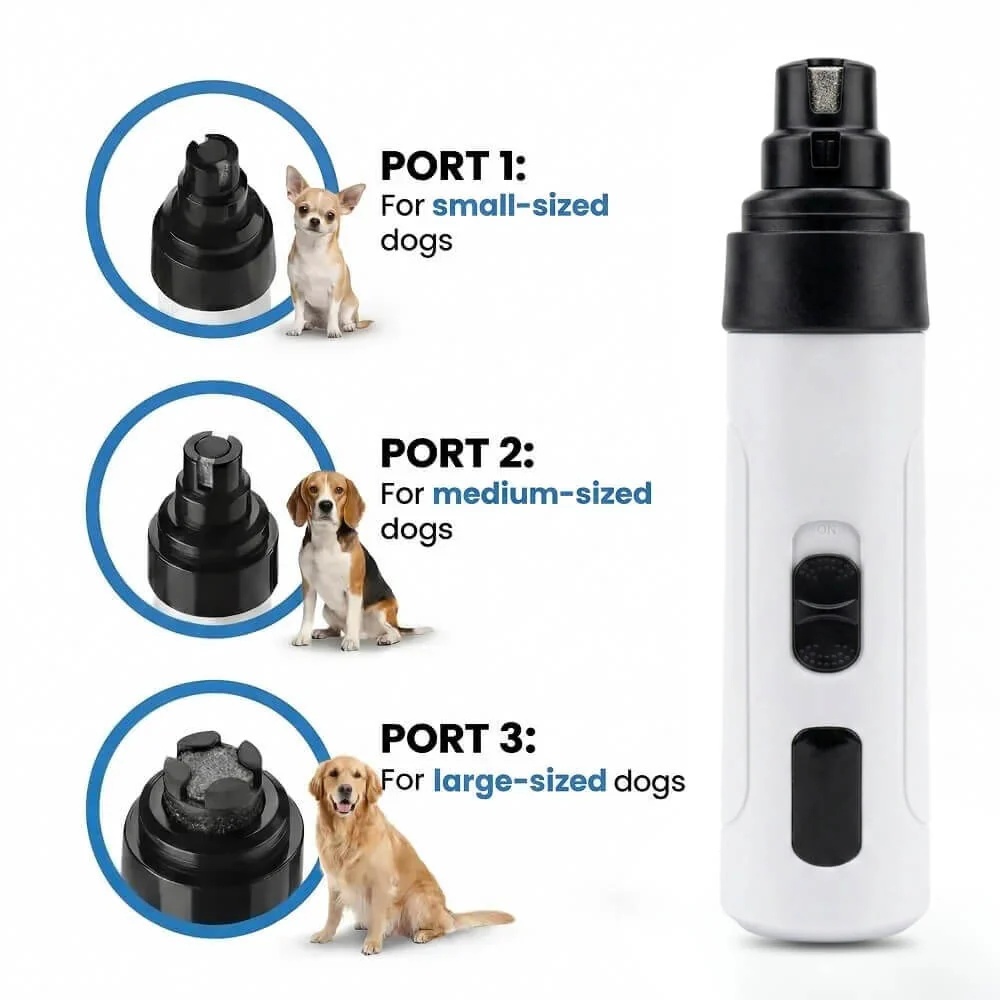
Whisper-quiet DC motor (<40 dB) eliminates fear & discomfort. Features 3 ports, dual speeds, and 7-hour battery life. Safe, precise, and painless.
In This Article
- Step-by-Step DIY Build: How to construct a highly effective sand filing station at home.
- Canine Claw Science: The anatomical benefits of self-filing versus invasive clipping.
- Interactive Training: How to transition your anxious dog to dig on sand naturally.
- The Perfect Grooming Balance: How to pair physical play with precision grinding tools.
How to Build a Custom DIY Dog Sandbox to File Nails
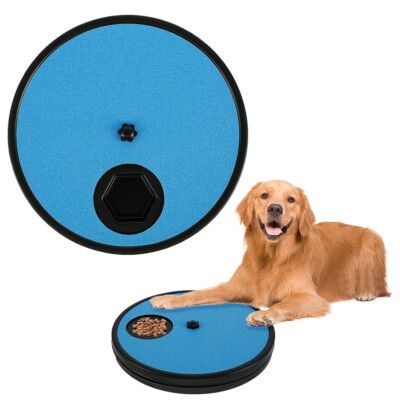
Building an interactive digging box is one of the most effective ways to leverage your dog’s natural instincts for physical grooming.
To begin, you will need to gather simple, sturdy building materials that can withstand aggressive scratching and weather exposure.
The goal is to create a safe, durable environment where your dog can happily scratch without wearing down their sensitive paw pads.
Prerequisites / What You’ll Need
Before launching into construction, ensure you have a flat yard space or a protected balcony corner ready.
Gather a solid wooden crate or structural lumber (2x4s and plywood), a non-toxic water-resistant sealant, play sand, and heavy-duty landscape fabric.
You should also keep some high-value treats handy to build positive associations from the very first minute of introduction.
-
Step 1: Choose the Ideal Location and Frame Size
Measure your dog from nose to the base of their tail to determine the dimensions of the sandbox.
The sandbox frame should be at least twice as wide as your dog’s shoulder width to allow for comfortable body rotation.
Place the sandbox in a semi-shaded outdoor area to prevent the abrasive sand from overheating under direct sunlight.
Make sure the ground is entirely level so the container does not wobble or tip over when your dog digs enthusiastically.
A stable frame keeps your dog feeling secure and prevents sudden shifts that could frighten an anxious pet.
-
Step 2: Construct the Solid Wooden Frame
Cut four pieces of untreated, pet-safe structural lumber to your calculated lengths using standard hand tools.
Assemble the pieces into a rectangular frame using rust-resistant exterior deck screws for maximum structural integrity.
Attach a thick plywood board securely to the bottom of the frame to serve as a sturdy base for the heavy sand.
Sand down all outer edges and inner corners to prevent any potential splintering during energetic play sessions.
Apply a non-toxic, pet-safe water barrier coat to preserve the wood from rot and maintain outdoor durability.
-
Step 3: Apply the Protective Landscape Liner
Line the entire interior of the wooden box with a layer of heavy-duty, breathable landscape fabric.
Staple the landscape fabric securely to the upper inner edges of the wood frame using a manual staple gun.
This critical barrier prevents sand from escaping through structural joints while allowing rainwater to drain out cleanly.
It also keeps weeds, grass, and soil organisms from pushing up through the bottom of your filing system.
A clean, contained base is vital to prevent moisture buildup that could compromise the physical health of your dog’s paws.
-
Step 4: Pour the Safe, Abrasive Sand Layer
Fill the box with high-quality, pre-washed play sand to a depth of approximately four to six inches.
Do not use construction-grade sand or coarse gravel, as these materials can cut delicate paw pads and irritate toe joints.
Natural play sand offers the perfect fine-grit texture to gently file down sharp nail tips without causing pain.
Ensure the sand is completely dry before starting your first interactive training session to maximize friction.
Dry, loose sand naturally contours to the unique shape of your dog’s foot, reaching the outer nail curves effectively.
-
Step 5: Introduce the Hidden Treat Game
Bury several highly fragrant, crunchy treats just beneath the surface of the sand while your dog watches you closely.
Encourage them with an excited, warm tone of voice to find the hidden rewards using their front paws.
As they actively scratch the sand to retrieve the treats, the abrasive particles will naturally file down their long claws.
Always praise your pet enthusiastically the moment their nails make physical contact with the rough sand grit.
Keep these initial play sessions short, lasting no more than three to five minutes to protect sensitive skin.
While a DIY sandbox is incredibly effective at wearing down front nails, it cannot always reach the dewclaws or rear claws perfectly.
For a complete, stress-free grooming routine, we highly recommend integrating the Zenpaw Maxpro 3-in-1 Grinder to quickly touch up missed spots.
This dual-approach ensures your dog’s paws remain healthy, smooth, and perfectly rounded without ever needing to use traditional, scary metal clippers.
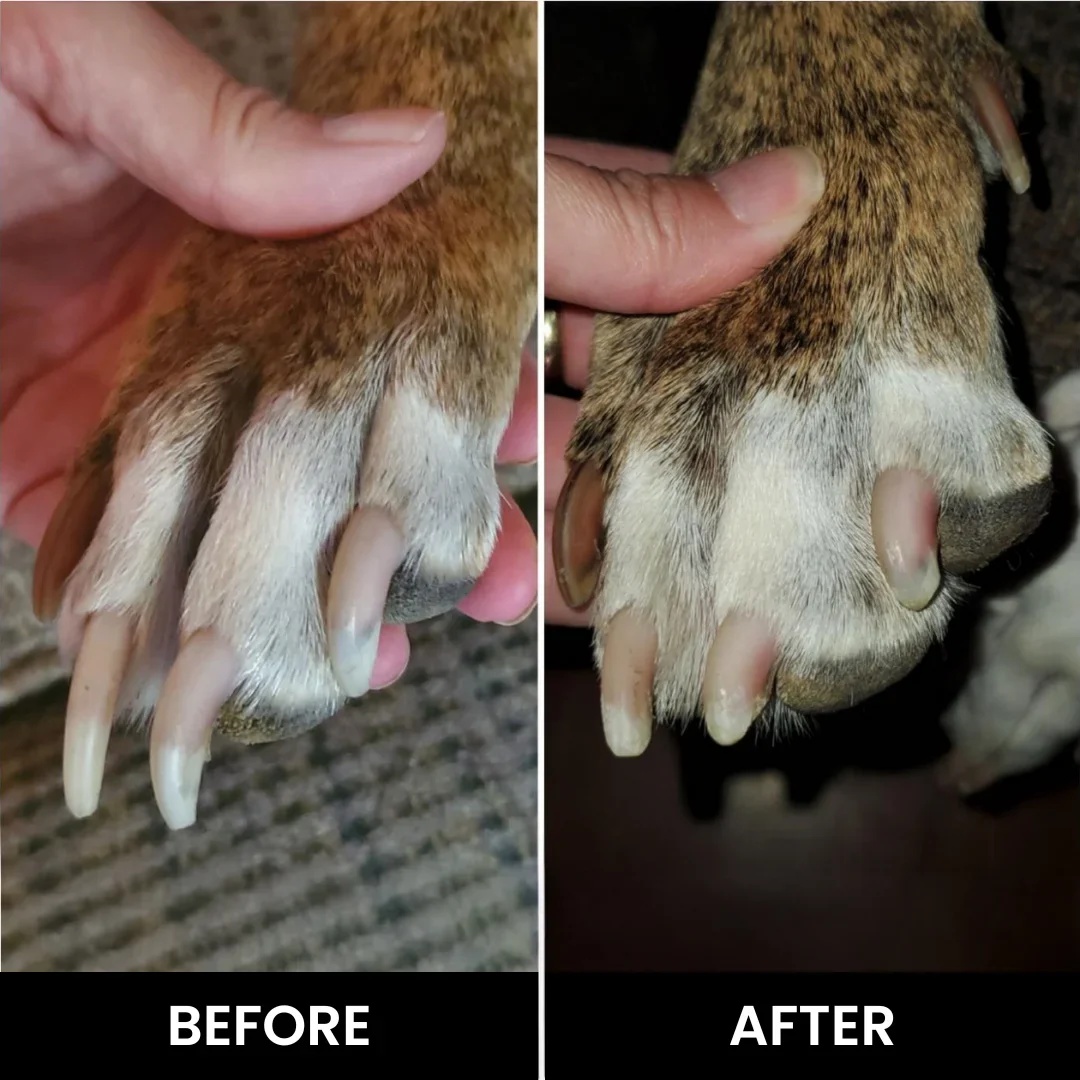
99-Day 100% Money-Back Guarantee
“Ever since we started using the Zenpaw Maxpro Grinder, it’s been such a peaceful experience. It’s very quiet, and my dog actually relaxes. It’s turned our stressful sessions into quick, quiet grooming times.”
— Sarah M. | ✔ Verified Customer
- ✓ Prevents Infection & Splitting
- ✓ Ideal for All Dog Sizes
- ✓ Low-Vibration Technology
- ✓ Fast 2-7 Days Delivery
Need Support? Call 302-307-1000
The Science of Canine Claw Wear: Can Dogs File Their Own Nails?
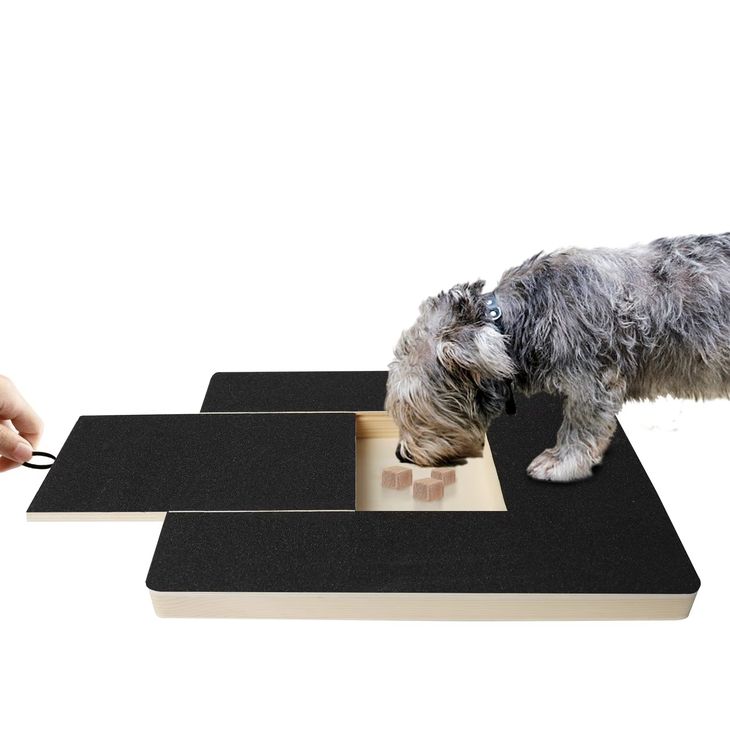
Many pet parents wonder if wild canines ever needed human intervention to maintain healthy, short claws.
The biological answer is simple: wild canids travel miles daily over rough stone, hard earth, and coarse gravel.
This constant, long-distance movement acts as a natural nail file, keeping their claws trimmed down to a safe level.
Our domesticated companions, however, spend most of their lives walking on soft carpets and smooth hardwood floors.
Without natural abrasion, their nails grow continuously, eventually changing the way their paws strike the ground.
Over time, long nails push the toe joints upward, which alters the entire skeletal alignment of your dog’s limbs.
This abnormal posture can lead to chronic joint pain, early arthritis, and severe balance issues as they age.
According to veterinary orthopedic experts, encouraging natural digging behaviors in sand effectively mimics wild wear patterns.
The abrasive friction of sand grains naturally files down the claw tip during the downward stroke of the paw.
This self-filing mechanism keeps the nail at a comfortable length without causing the sudden, painful pressure of clippers.
Furthermore, digging is an intrinsically satisfying, self-soothing activity that reduces stress and burns mental energy.
By using a sandbox, you are not just grooming your dog; you are supporting their instinctual behavioral health.
Understanding Canine Nail Anatomy and the Danger of the Quick
To safely manage your dog’s nails, you must understand the complex anatomy hidden within each claw.
Every canine nail consists of a hard outer shell made of keratin and a sensitive inner core called the quick.
The quick contains highly sensitive nerve endings and a direct blood supply that feeds the growing nail tissue.
If you cut into this vascular bundle, it will cause sharp, immediate pain and intense bleeding that can be difficult to stop.
This risk is particularly high for owners trying to learn how to tell where to cut black dog nails, as the dark pigment completely hides the quick.
When nails grow too long, the internal quick actually stretches further down toward the tip of the claw.
Traditional clippers squeeze and crush the entire nail structure before cutting, which can crack the outer shell.
This crushing action can lead to a painful paronychia dog nail infection if bacteria enter the split keratin layers.
A sandbox offers a gentle, gradual wear-down process that encourages the quick to slowly recede over time.
Because the sand removes microscopic layers of keratin at a time, it is virtually impossible to cut the quick in a single session.
This gradual smoothing action is highly approved by certified veterinary behaviorists for fearful, touch-sensitive dogs.
For absolute safety, a low-vibration grinder can then be used to polish any rough edges left after a digging session.
Our team designed the Zenpaw Maxpro Grinder with these anatomical sensitivities in mind, ensuring a painless experience.
Training Your Dog to Dig: Desensitization and Interactive Play
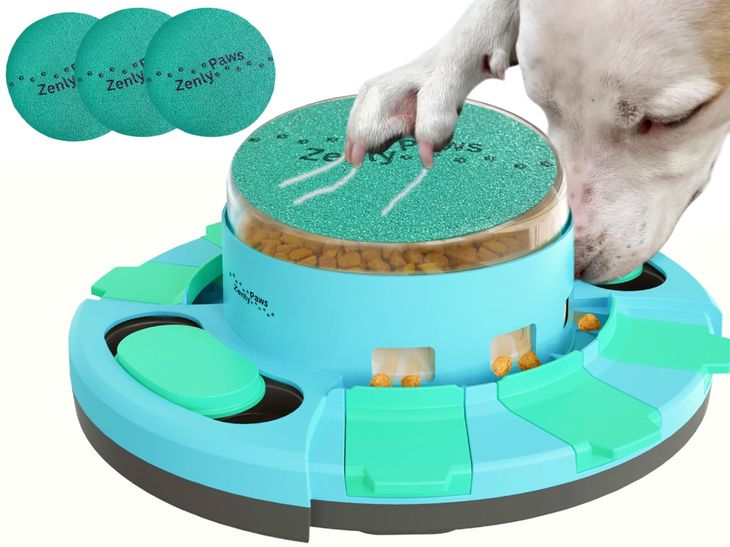
Introducing a fearful dog to a new grooming setup requires patience, consistency, and clear positive reinforcement.
Many pet parents resort to using a restrictive dog swaddle for nail trimming when their dogs panic at the sight of clippers.
While swaddles can assist with highly reactive dogs, our goal is to build voluntary cooperation through fun play.
Begin by placing the sandbox in a quiet area and letting your dog sniff the wooden frame without any pressure.
Toss a few of their favorite high-value treats directly onto the surface of the dry sand.
When they step into the box to retrieve the treats, reward them immediately with enthusiastic verbal praise.
Once they are comfortable standing in the box, start scraping the sand lightly with your own fingers to show them the motion.
Most dogs will naturally mimic this behavior by scratching at the sand with their front paws to investigate.
The moment they scratch, click a training clicker or use a marker word like “Yes!” and hand them a treat.
Slowly begin to bury the treats slightly deeper under the sand to encourage a more vigorous digging motion.
This repetitive movement gently wears down the front nails, leaving them smooth, safe, and clean.
If your dog seems hesitant or shows signs of anxiety, take a step back and keep the sessions incredibly short.
After they finish digging, check their paws to make sure no sand has become trapped between their sensitive toes.
You can then use the whisper-quiet Zenpaw Maxpro Grinder to gently round off the edges at a precise 45-degree angle.
Holding the grinder at 45 degrees allows you to follow the natural curve of the nail without applying excessive pressure.
This dual method of natural digging and precision grinding completely eliminates the fear and struggle of paw maintenance.
Navigating Pitfalls: Sand Selection, Pad Safety, and Infections
While building a sandbox is highly beneficial, there are several common mistakes that owners must actively avoid.
The first major mistake is selecting the wrong type of sand, such as coarse builders’ sand or rough gravel.
These rough, jagged materials can quickly scrape the delicate skin of your dog’s paw pads, causing painful abrasions.
Always source premium, triple-washed play sand to ensure the grains are rounded, smooth, and gentle on tissue.
Another common risk is leaving the sandbox uncovered outdoors in wet, humid, or rainy weather conditions.
Damp, warm sand is the perfect breeding ground for dangerous fungi and bacteria that cause painful paw issues.
Left untreated, this moisture can lead to a stubborn dog nail bed yeast infection treatment cycle that requires expensive vet visits.
We highly recommend building a simple wooden lid to keep your filing sandbox dry and clean when not in use.
Additionally, keeping nails filed is crucial to prevent home damage, especially if you use dog nail covers for hardwood floors to protect your delicate indoor flooring.
While nail covers offer temporary protection, maintaining short, smooth claws is the most sustainable solution for your home.
Regularly check your dog’s paws after every sandbox session to ensure no sand remains trapped in the webbing.
A quick rinse with clean, lukewarm water will wash away any abrasive particles and keep the skin healthy.
By combining healthy sandbox play with clean grooming habits, you can enjoy a beautifully groomed pet year-round.
How Sandbox Filing Compares to Other Grooming Methods
To help you choose the best approach for your household, we have put together a quick comparison of the most common dog nail care methods.
| Grooming Method | Stress Level for Anxious Dogs | Risk of Injury / Quicking | Key Advantage |
|---|---|---|---|
| DIY Sandbox Filing | Incredibly Low (Feels like play) | Virtually Zero | Leverages natural digging instincts to file down nails smoothly. |
| Zenpaw Maxpro Grinder | Extremely Low (Whisper-quiet motor) | Low (Painless, gradual control) | Provides highly precise 45-degree rounding on all claw sizes. |
| Traditional Metal Clippers | Very High (Causes panic & resistance) | High (Easy to cut the quick) | Fast if your dog stands perfectly still, but highly stressful. |
Frequently Asked Questions
Is the Zenpaw Grinder safe for large, heavy dog breeds?
Yes, the Zenpaw Maxpro Grinder is specifically designed with three specialized ports to safely accommodate small, medium, and large dog breeds.
The heavy-duty brass collet easily handles thick, tough nails, providing a smooth finish without ever stalling or overheating.
Our team recommends using the wide-open port at the high-speed setting for larger, stronger claws to get the most efficient results.
How long does the battery last on a single charge?
The Zenpaw Maxpro is powered by an advanced lithium-ion battery that delivers up to seven full hours of continuous runtime on a single charge.
It comes with a convenient, universal USB charging cable, allowing you to easily charge it via your laptop, wall adapter, or power bank.
This long-lasting battery life means you can complete multiple grooming sessions without the stress of the device dying mid-trim.
Which speed setting should I use for my anxious dog?
We highly recommend starting on the lowest speed setting to let your sensitive dog slowly adjust to the gentle sound and light vibration.
The ultra-quiet motor operates well under 40 decibels, which is much quieter than a standard household electric toothbrush.
Once your dog feels completely relaxed, you can easily click the switch to the higher speed setting for a faster, more efficient trim.
Does the grinding head get hot during extended grooming sessions?
Our advanced, veterinarian-approved grinding wheels are engineered with modern low-heat technology to prevent heat buildup during use.
However, we always recommend grinding in quick, gentle two-to-three-second intervals on each claw rather than holding the tip against the wheel continuously.
This simple touch-and-go technique keeps the nail completely cool and guarantees a painless, comfortable grooming experience for your pet.
Conclusion
Ready to transform nail trimming from a stressful battle into a peaceful breeze?
By pairing a natural, fun DIY filing sandbox with our professional tools, you can ensure your dog’s paws remain healthy and strong.
Explore the Zenpaw Maxpro 3-in-1 Grinder today and experience the quiet difference of a stress-free groom.
Call our friendly team at 302-307-1000 to get personalized advice on the best grooming practices for your pet.
Note: Individual results may vary depending on individual dog breeds, nail thickness, and behavioral temperaments. This article is intended for general pet grooming reference purposes only and does not replace professional veterinary advice.