
I still remember the absolute dread of watching my sweet golden retriever curl into a tight ball, his entire body vibrating like a leaf, which made me constantly wonder why does my dog shake when i cut his nails. I was terrified of hurting him, but discovering the whisper-quiet Zenpaw Maxpro 3-in-1 Grinder completely transformed our painful grooming battles into a peaceful, stress-free bonding routine for his paws.
Maxpro 3-in-1 Grinder.
Stress-Free Nail Trimming.
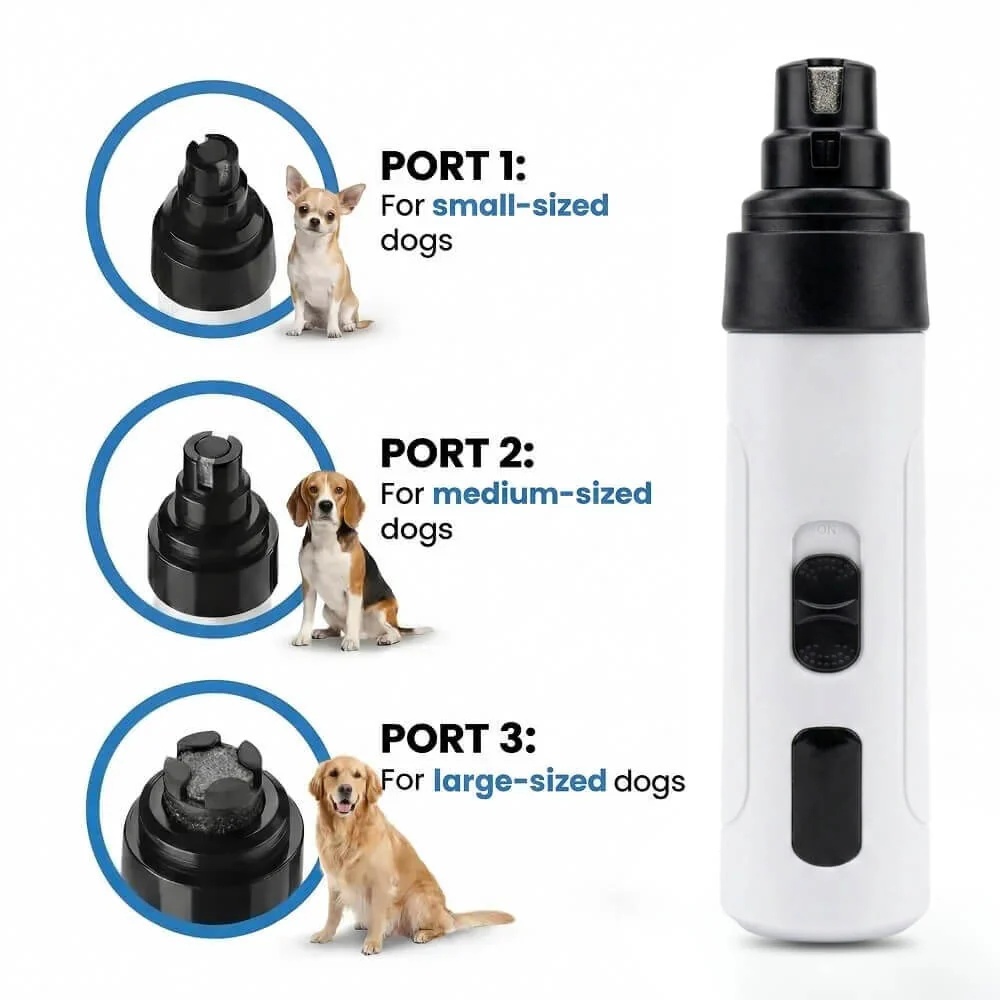
Whisper-quiet DC motor (<40 dB) eliminates fear & discomfort. Features 3 ports, dual speeds, and 7-hour battery life. Safe, precise, and painless.
In This Article
- Discover the psychological and physiological triggers behind grooming tremors.
- Understand the intricate sensory anatomy of your dog’s paws.
- Learn why traditional clippers create a painful crushing sensation.
- Get a step-by-step masterclass on desensitizing anxious dogs using positive reinforcement.
- Explore how whisper-quiet technology can restore peace to your grooming routine.
Uncovering the Root Causes: Why Does My Dog Shake When I Cut His Nails?
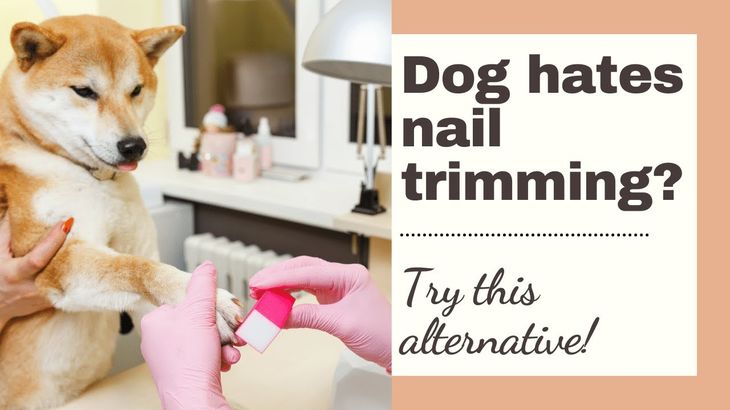
Grooming anxiety is one of the most common physiological hurdles pet parents face today.
When you notice your dog shaking or trembling, you are witnessing an involuntary autonomic nervous system response.
This physical reaction is primarily driven by fear, anticipation of discomfort, and sensory overload.
Many pet owners struggle to find a clean path forward when a dog hates nail trim sessions.
The core issue is that dogs associate the entire visual and auditory setup of grooming with past traumatic events.
Even a single accidental cut to the sensitive inner quick can leave a lasting imprint on your dog’s memory.
This negative conditioning makes them anticipate the exact same pain every time you reach for their paws.
In addition, the physical sensation of holding their paws tightly triggers an instinctual vulnerability reflex.
Dogs naturally protect their limbs, as sound paws are essential for their survival and mobility in the wild.
When we restrain their paws, we take away their primary defense mechanism, escalating their panic.
Over time, this heightened anxiety manifests as continuous shivering, heavy panting, or attempts to flee.
To break this stressful cycle, we must first dive deep into why do dogs hate nail trimming from a biological perspective.
By understanding their fear, we can actively transition from heavy force to a cooperative, fear-free methodology.
99-Day 100% Money-Back Guarantee
“Ever since we started using the Zenpaw Maxpro Grinder, it’s been such a peaceful experience. It’s very quiet, and my dog actually relaxes. It’s turned our stressful sessions into quick, quiet grooming times.”
— Sarah M. | ✔ Verified Customer
- ✓ Prevents Infection & Splitting
- ✓ Ideal for All Dog Sizes
- ✓ Low-Vibration Technology
- ✓ Fast 2-7 Days Delivery
Need Support? Call 302-307-1000
The Biological Blueprint: Why Paw Sensitivity Triggers Shaking and Trembling
To fully comprehend why a dog trembles during grooming, we must analyze canine claw anatomy.
A dog’s claw is not a simple, dead piece of keratin like a human fingernail.
Inside the hard outer shell lies the quick, a highly vascular, nerve-dense core of living tissue.
The quick is directly linked to the dog’s nervous system, making it incredibly sensitive to temperature, pressure, and impact.
When you use traditional clippers, the thick blades squeeze and crush the entire nail structure before cutting through.
This intense, sudden pressure transmits a sharp shockwave directly into the nerve endings of the quick.
This mechanical pinching can cause deep discomfort, even if you do not cut the quick itself.
It is this dull, squeezing sensation that often initiates the dog trembling during grooming sessions.
Learning how to cut dog nails with anxiety requires us to minimize this structural trauma.
Additionally, dogs carry hundreds of sensory receptors inside their paw pads and nail beds.
These receptors continuously feed information to the brain regarding balance, surface texture, and temperature.
When we forcefully hold a paw, we flood these receptors with stress signals, creating a state of sensory overload.
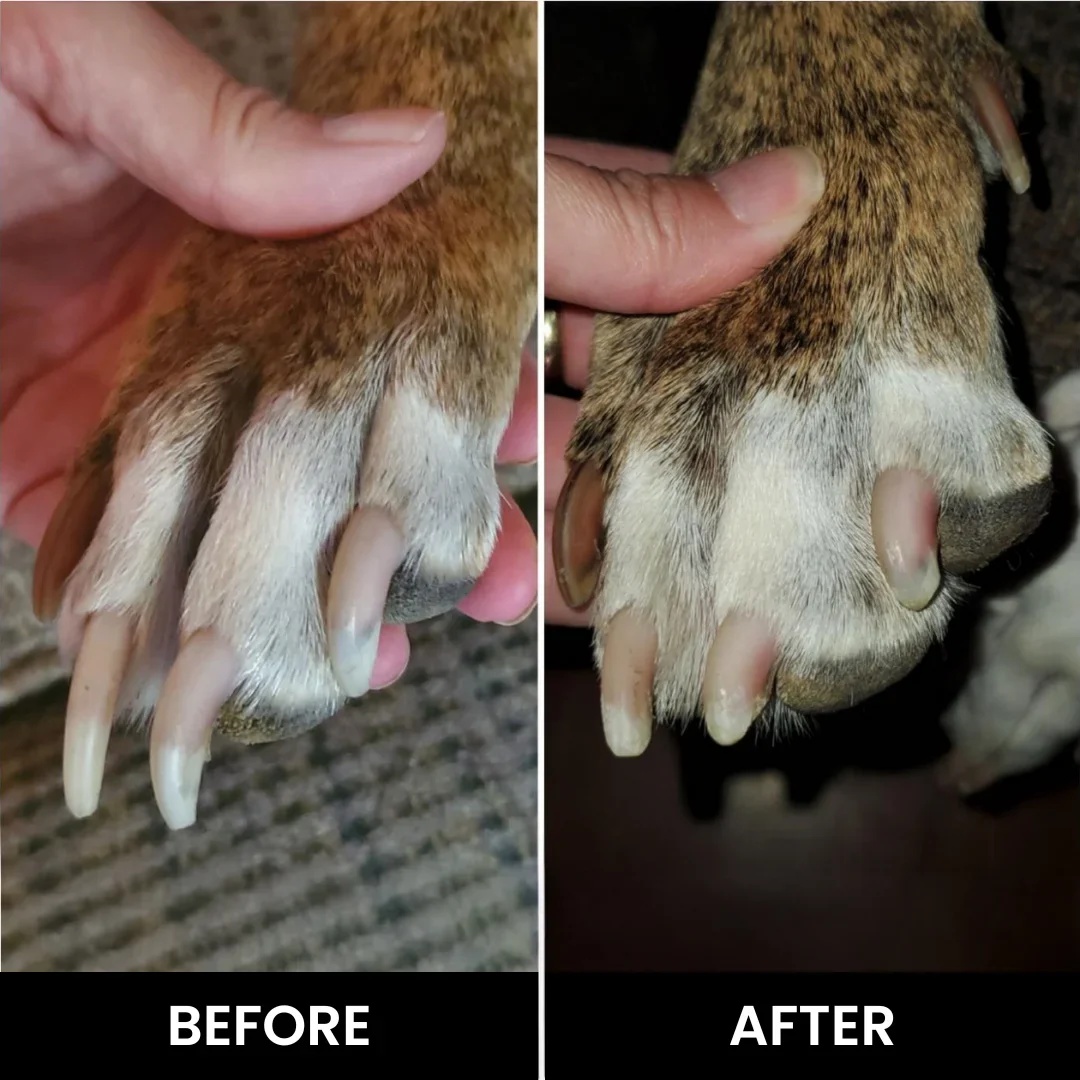
Overgrown nails make this even worse by forcing the toes to splay outward at an unnatural angle.
This skeletal misalignment puts constant stress on the paw joints, rendering any tactile pressure painful.
By transitioning to a high-speed grinder like the Zenpaw Maxpro, you replace raw crushing pressure with gentle, progressive filing.
This simple switch removes the blunt impact that triggers sensory overload and subsequent muscle tremors.
Deciphering the Sounds: Why Do Dogs Cry and Scream During Nail Grooming?
High-pitched vocalizations are clear indicators of extreme stress and emotional discomfort in dogs.
When a dog lets out a loud yip or whine, they are communicating their boundary limits to you.
We must pay close attention when hearing a dog screaming during nail trimming.
This sound is rarely just dramatic behavior; it is a primal panic response to perceived physical danger.
Dogs cannot rationalize that a trim is meant for their physical health.
They only perceive the heavy metal tool, the firm restraint, and the uncomfortable pinch of the blades.
Understanding why do dogs cry when you cut their nails helps pet parents develop a more empathetic approach.
Often, they vocalize because they have experienced “quicked” nails in the past.
Cutting into the quick causes sudden, sharp pain and significant bleeding that is difficult to stop quickly.
The memory of that acute pain creates a conditioned fear response that can last for years.
Even if you are merely touching their paws, their brain triggers a defense response based on past pain.
This is why finding proven canine grooming fear solutions is so vital for pet households.
By using a grinder with a whisper-quiet DC motor, you eliminate the scary “snapping” sound of traditional clippers.
The quiet hum of the Zenpaw Maxpro (under 40 decibels) avoids triggering their acute hearing defenses.
This helps prevent the sudden panic spikes that lead to loud whines and physical struggles.
Step-by-Step Recovery Guide: Rebuilding Trust with Your Anxious Dog
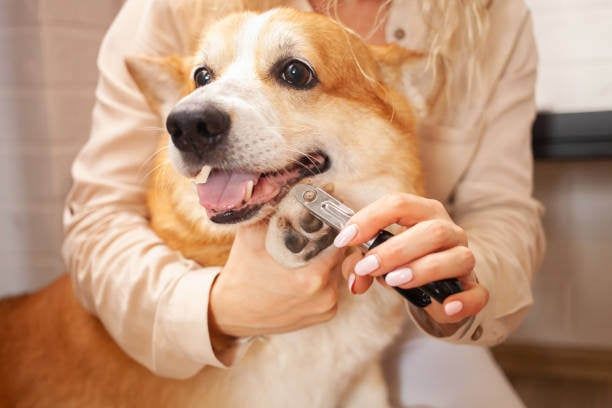
Reversing grooming anxiety requires patience, consistency, and a systematic desensitization plan.
You cannot rush this process, as pushing your dog past their comfort zone will only set back your progress.
First, you must learn how to desensitize dog to nail trimming through systematic, positive steps.
Start by simply leaving your Zenpaw Maxpro Grinder on the floor turned off, surrounded by high-value treats.
Let your dog sniff the device at their own pace, reward their curiosity, and build a positive association.
Once they are comfortable with the physical tool, turn on the quiet motor while keeping the grinder at a distance.
Feed them tasty treats as the low hum plays in the background, teaching them that the sound predicts good things.
Next, practice holding your dog’s paw gently without using any tools.
Praise them, release their paw, and reward them for calm cooperation.
You can use a peanut butter dog nail trim distraction technique during this phase.
Smear some dog-safe peanut butter on a lick mat mounted to a wall at eye level.
This licking motion naturally releases calming hormones in their brain while keeping them occupied.
When you are ready to file, hold the grinder at a precise 45-degree angle to the nail surface.
Apply gentle pressure for only two to three seconds per nail to avoid heat buildup.
Praise them after every single nail, slowly working up to a full trim over several short sessions.
This patient method guarantees a stress free nail grooming for dogs of all sizes and breeds.
Banish the Pinch: Moving Beyond Traditional Guillotine Clippers
Traditional scissor-style and guillotine clippers are often the primary source of grooming anxiety.
As these blades age, they quickly become dull and lose their clean cutting edge.
Dull blades do not cut cleanly; instead, they crush and fracture the rigid nail structure.
This crushing action can split the keratin shell, leaving raw, jagged edges behind.
These split ends can catch on carpets or grass, leading to painful tears and secondary infections.
More importantly, the sudden impact of a clipper makes it extremely easy to overcut and slice the quick.
This is especially dangerous with dark nails, where the quick is completely hidden from view.
In contrast, the Zenpaw Maxpro 3-in-1 Grinder uses a micro-vibrational diamond bit head.
This advanced head gently files down the nail layer by layer, giving you absolute control over the length.
It allows you to safely round off sharp edges, preventing painful cracking and splitting.
The dual-speed motor lets you adjust the file speed to match your dog’s specific comfort level.
By switching to this progressive grooming method, you protect your dog from the constant fear of sudden pinches.
Comprehensive Comparison: Traditional Clippers vs. Zenpaw Maxpro
| Feature | Traditional Clippers | Zenpaw Maxpro Grinder |
|---|---|---|
| Cutting Mechanism | Sharp squeeze and crush impact | Progressive micro-abrasive filing |
| Noise Level | Loud, scary snapping sound | Whisper-quiet hum (under 40dB) |
| Risk of Quick Injury | High (very easy to overcut) | Minimal (gradual, controlled filing) |
| Nail Health Impact | Can cause splitting and fractures | Creates smooth, rounded edges |
| Anxiety Relief | Often triggers panic and shaking | Supports relaxed, low-stress sessions |
Frequently Asked Questions About Dog Grooming Anxiety
Conclusion: Reclaiming Quiet Bonding Moments with Your Pet
You can successfully guide your dog past their grooming fears with patience, positive reinforcement, and quiet tools.
By switching to a whisper-quiet, progressive filing method, you can eliminate the triggers that cause shaking.
Transform your dog’s grooming sessions into a calm, comfortable bonding experience today.
Ready to transform nail trimming from a battle into a breeze? Explore the Zenpaw Maxpro 3-in-1 Grinder. Call: 302-307-1000 — our team can help you advise on the best grooming practices and help with any product questions.