
I know the exhausting dread of trying to clip a terrified dog’s nails because my own rescue pup used to thrash at the sight of clippers. It broke my heart to see him so traumatized, and I avoided the task until his long claws began affecting his posture. If your dog hates nail trim sessions, you are not alone in this frustrating struggle, which is why we designed a whisper-quiet, painless solution to rebuild trust.
Maxpro 3-in-1 Grinder.
Stress-Free Nail Trimming.
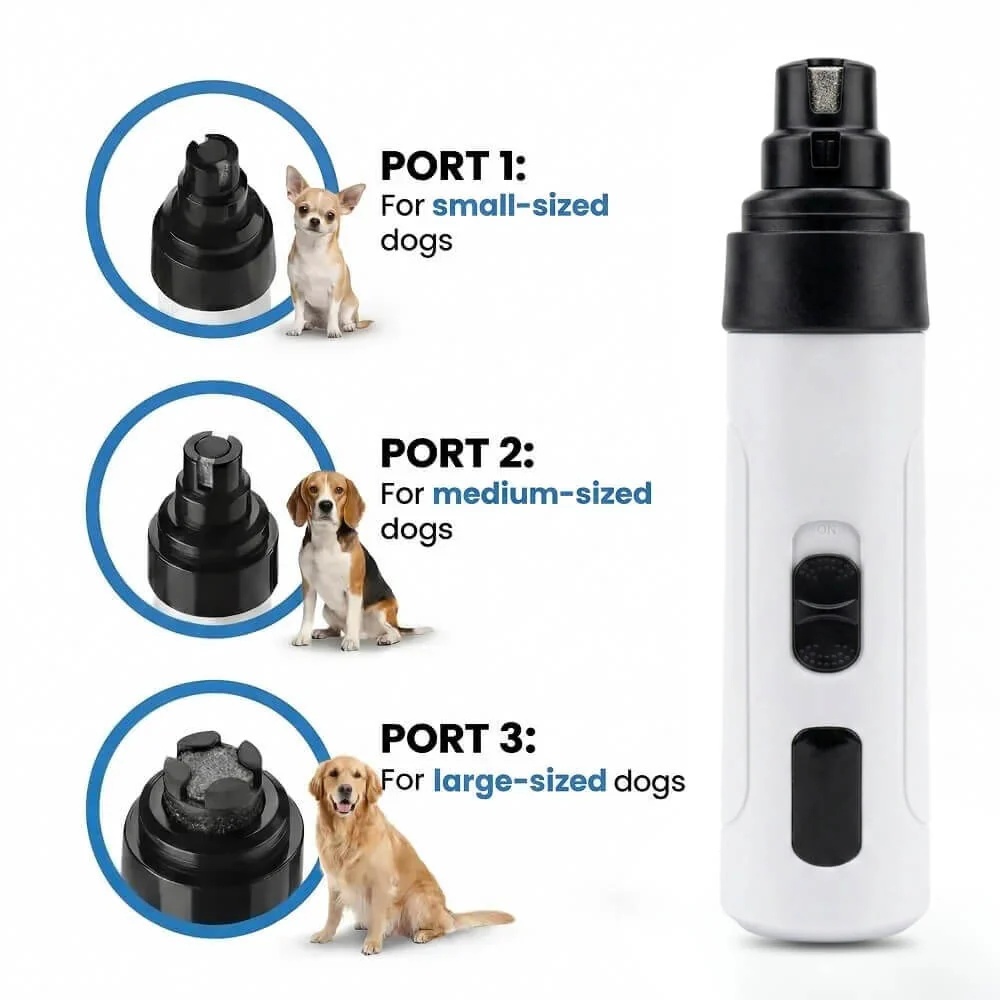
Whisper-quiet DC motor (<40 dB) eliminates fear & discomfort. Features 3 ports, dual speeds, and 7-hour battery life. Safe, precise, and painless.
In This Article
- A step-by-step veterinary desensitization protocol to stop grooming battles permanently.
- How to navigate canine paw anatomy to avoid cutting the sensitive inner quick.
- Innovative tactile tools, distraction hacks, and scratch board training methodologies.
- The mechanical hazards of old-fashioned pressure clippers versus quiet rotary file systems.
- Actionable answers to structural nail concerns like hollow undersides and black quicks.
How to Calm an Anxious Dog for Grooming: A Step-by-Step Guide
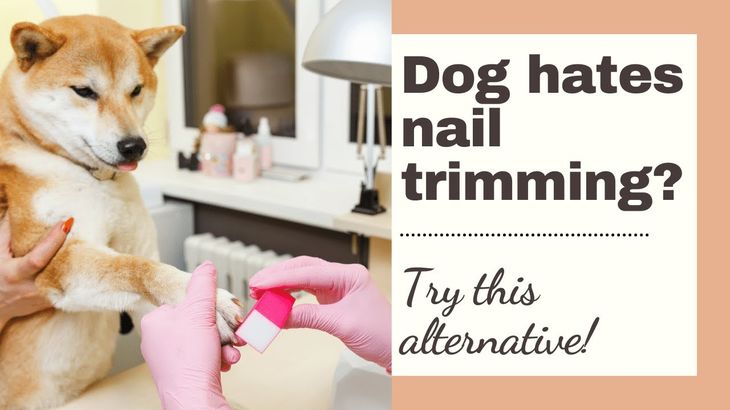
Trimming the claws of an anxious pet requires patience, structure, and the right sequence of actions.
Before you begin, gather some high-value moist rewards like squeeze cheese, natural peanut butter, or freeze-dried meat treats.
Make sure you have a quiet, slip-resistant mat to prevent your pet from sliding around and feeling unstable.
Ensure the environment is free from sudden noises, shouting children, or other distracting animals.
Step 1: Set Up a Quiet Sensory Zone
Choose a small, quiet room with minimal echo to set up your grooming workspace.
Lay down a supportive, thick yoga mat or orthopedic bed so your pet has traction under their paws.
Turn off loud appliances, close the windows to block street traffic, and play soft classical music to mask ambient sounds.
Sit flat on the floor at your dog’s physical height to remove any dominant body language.
Allow your pet to enter the room voluntarily rather than dragging them by their collar.
Step 2: Desensitize the Paw to Physical Handling
Begin by gently touching your dog’s shoulder and slowly slide your hand down to their wrist.
Hold the paw lightly for just two seconds without squeezing or pulling the limb forward.
Immediately release the paw and deliver a highly tasty reward along with enthusiastic verbal praise.
Repeat this gentle holding process multiple times over several days until your dog stops pulling their paw back.
Slowly introduce gentle pressure to individual toes to mimic the handling required during actual filing.
Step 3: Introduce the Tool’s Sound and Vibration
Show your dog the grooming tool while it is completely turned off and reward them for sniffing it.
Turn the tool on its lowest speed setting while keeping it several feet away from your pet.
Feed continuous treats while the quiet motor hums to build a positive mental association with the sound.
Touch the back of the vibrating casing to your dog’s shoulder or leg so they feel the physical sensation safely.
Avoid touching the nail directly during this initial sensory phase to prevent startling them.
Step 4: Practice Touch Familiarization Exercises
Hold the quiet, active tool in one hand while lifting your dog’s paw with the other.
Bring the vibrating handle close to the claw without letting the abrasive wheel make contact.
Reward your dog immediately if they remain still and keep their body relaxed.
Practice this touch exercise on all four feet to ensure they adapt to the sensory feedback.
Keep these simulated sessions under three minutes to prevent mental fatigue and anxiety spikes.
Step 5: Perform the First Gentle Filing Touch
Stabilize a single toe by gently separating it from the surrounding fur with your fingers.
Place the quiet rotating head against the outer edge of the nail for exactly one second.
Pull the tool away immediately and offer a high-value treat to reward their cooperation.
Gradually increase the contact time to three seconds per claw, moving smoothly from toe to toe.
Always file in short, rhythmic bursts to keep the claw cool and prevent friction buildup.
To make this desensitization process incredibly easy, the team at Team Zenpaw developed a whisper-quiet rotary system designed for highly anxious pets.
Using the ultra-quiet technology of the Zenpaw Maxpro 3-in-1 Grinder lets you move through these training steps without triggering fear responses.
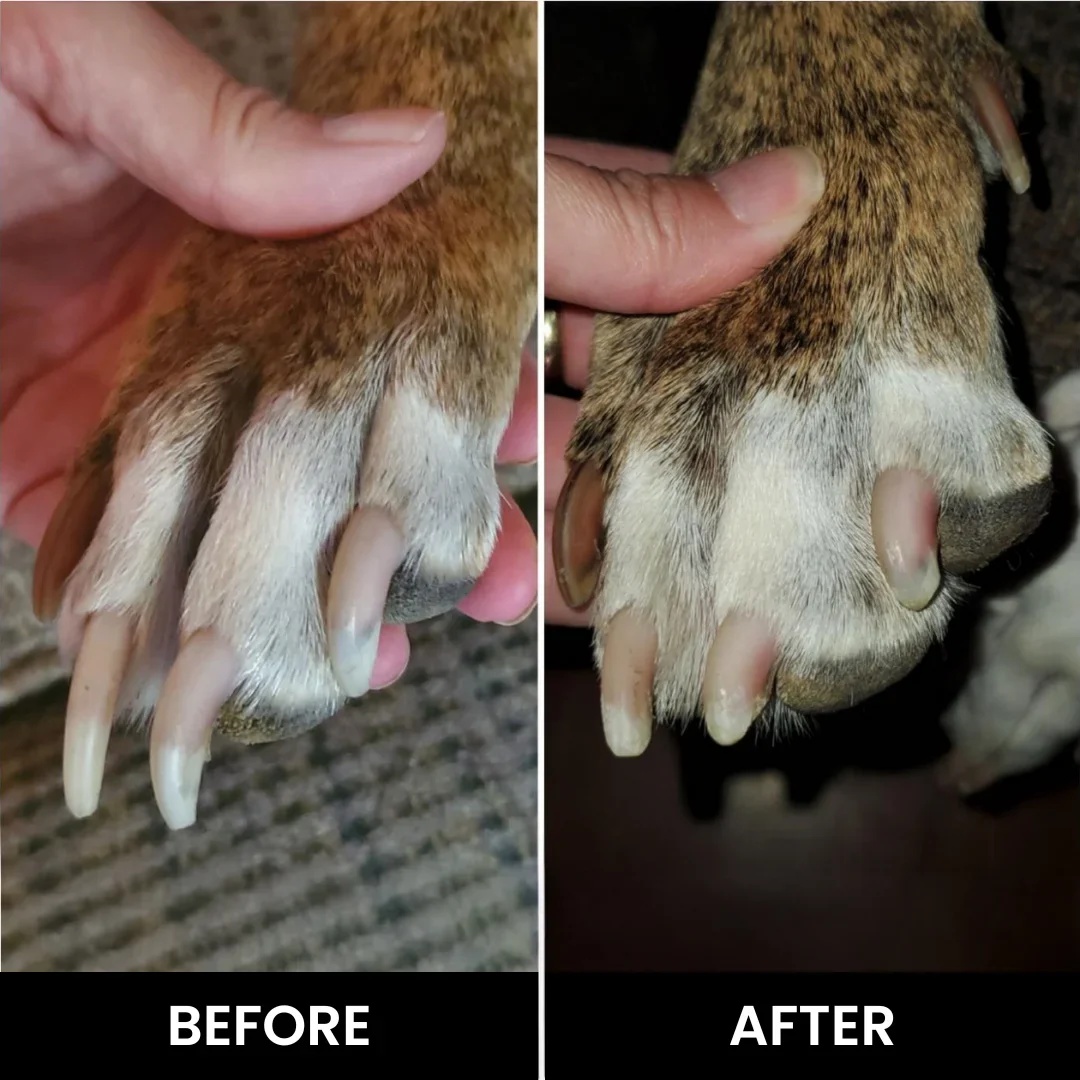
99-Day 100% Money-Back Guarantee
“Ever since we started using the Zenpaw Maxpro Grinder, it’s been such a peaceful experience. It’s very quiet, and my dog actually relaxes. It’s turned our stressful sessions into quick, quiet grooming times.”
— Sarah M. | ✔ Verified Customer
- ✓ Prevents Infection & Splitting
- ✓ Ideal for All Dog Sizes
- ✓ Low-Vibration Technology
- ✓ Fast 2-7 Days Delivery
Need Support? Call 302-307-1000
The Science of Grooming Anxiety: Understanding Canine Paw Anatomy
To successfully calm a dog that is terrified of nail care, we must look at the physiological root of their fear.
Canine claws are not like human finger nails; they are complex structures containing sensitive blood vessels and nerves.
This inner sensitive core is known as the quick, which is directly connected to the dog’s skeletal system.
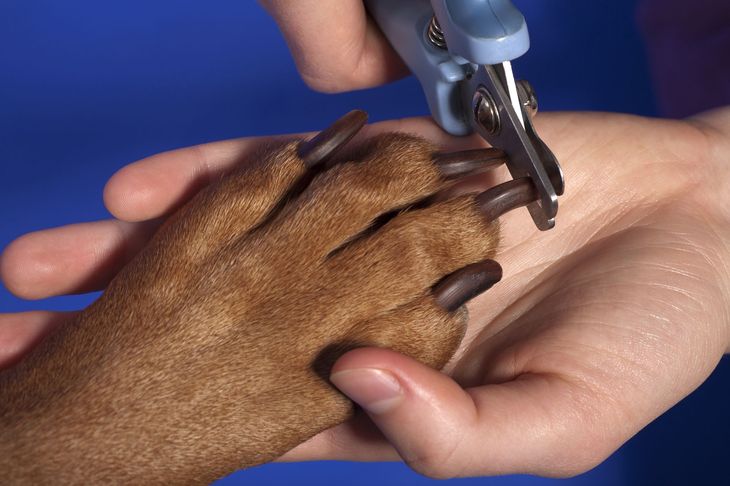
When you use outdated, heavy metal clippers, the blades crush the hard outer shell of the claw before slicing through it.
This intense mechanical pressure pinched the delicate nerve endings inside the toe even if you avoid cutting the quick itself.
Many owners look for safe dog nail clippers to prevent this pain, but traditional scissor-style tools still apply circular crushing forces.
This unpleasant squeezing sensation is often why dogs pull their paws away during grooming.
According to certified veterinary behaviorists, a single painful pinch can create a long-lasting fear response in your pet.
Rotary filing systems avoid this issue entirely by shaving down the hard nail material layer by layer.
This micro-shaving method eliminates sudden pinching, keeping the sensitive nerves inside the paw completely safe.
How to Handle Special Paw Conditions: Dark Claws and Structural Variations
Grooming gets much more challenging when dealing with solid black claws where the quick is completely hidden from view.
With dark nails, you cannot see the pink blood vessel running through the center of the claw sheath.
To trim these safely, you must utilize a slow, incremental filing process that lets you check the tip of the claw after each pass.
Filing back a small amount of the tip week by week causes the black dog nail quick recede naturally over time.
As you file down a dark nail, look directly at the center of the cut edge to spot the warning signs of the quick.
You will first see a dry, white powdery texture in the center of the dark nail material.
As you get closer to the quick, this center changes to a dark, moist, jelly-like circle.
Stop filing immediately when you see this dark circular spot, as it indicates you are right next to the blood supply.
Sometimes, active dogs will develop claws that look hollow or curved on the underside.
When a claw is dog nail hollow underneath, the outer walls grow faster than the core, leaving a crescent-shaped gap.
This hollow structure is prone to catching dirt, splitting, and cracking during everyday play.
Filing these hollow claws requires smoothing the thin outer edges to prevent them from catching on fabrics or carpets.
Using a multi-port rotary tool is the safest way to smooth these thin, brittle claws without causing painful splits.
Proven Behavioral Strategies to De-escalate Grooming Panic
Overcoming grooming anxiety requires a combination of desensitization, distraction, and training tools.
Using high-value food rewards is one of the easiest ways to distract an anxious dog during paw care.
A lick mat coated with wet food or natural peanut butter keeps your pet focused on licking, which naturally lowers their heart rate.
For dogs that cannot handle direct contact with grooming tools, a dog scratch board diy project is an excellent alternative.
These scratch boards allow your pet to file down their own front claws by scratching an emery-covered surface in exchange for treats.
This self-directed grooming method builds confidence and keeps claws short without any physical restraint.
However, some rescue dogs or highly defensive pets may try to bite when their paws are touched.
In these challenging situations, introducing a comfortable, positive-reinforced dog muzzle for nail trimming ensures safety for both you and your pet.
A basket-style muzzle allows your dog to pant, drink water, and take treats while protecting you from defensive bites.
Never rush putting a muzzle on your pet; introduce it slowly with treats so they view it as a positive tool.
Navigating Common Grooming Pitfalls and Safety Protocols
One of the biggest mistakes pet parents make is trying to trim all sixteen claws in a single session.
Rushing the process causes stress, increases the risk of mistakes, and ruins the progress made during training.
If your pet gets anxious, it is perfectly fine to file just one claw per day and reward them generously.
Another common mistake is holding a rotary tool against the claw for too long without a break.
Continuous friction creates heat, which can quickly warm the nail and cause sudden discomfort inside the quick.
To avoid heat buildup, always use a sweep-and-lift motion, holding the tool against the nail for no more than two seconds at a time.
Using loud, vibrating commercial grinders can also undo weeks of careful desensitization training.
The quiet, low-vibration motor of the Zenpaw Maxpro is designed specifically to prevent this sensory overload.
By avoiding these common mistakes, you can turn a stressful chore into a calm, positive experience for your pet.
Frequently Asked Questions About Stress-Free Nail Trimming
Is the Zenpaw Grinder safe for large dog breeds with thick claws?
Yes, the Zenpaw Maxpro features a powerful dual-speed motor designed to handle the toughest claws on large breeds.
It comes equipped with three safety ports of different sizes to fit small, medium, and large paws perfectly.
Simply use the wide-open port to easily file and smooth thick, heavy claws without any pinching or splitting.
How long does the USB-rechargeable battery last on a single charge?
The Zenpaw Maxpro features an upgraded lithium-ion battery that provides up to seven hours of continuous use.
This long-lasting battery life means you can perform multiple slow, stress-free grooming sessions without needing to recharge.
The device charges quickly using any standard USB port, making it convenient to power up at home or on the go.
Which speed setting should I use for my dog’s nails?
We recommend starting with the lowest speed setting when introducing the tool to your pet’s claws.
The low speed is perfect for thin claws, puppies, and gentle finishing work around the edges of the nail.
Switch to the high-speed setting for larger, thicker claws that require more power to file down efficiently.
Does the grinding head generate friction heat during use?
All rotary tools generate a small amount of friction, but our advanced brass grinding head is engineered to stay cool.
We recommend using short, gentle touches of two seconds per claw to prevent any heat from building up.
This quick, rhythmic method keeps the claw cool and ensures a comfortable, pain-free experience for your pet.
A Peaceful Path to Healthier Paws
By choosing patience and utilizing gentle, whisper-quiet tools, you can easily transform your pet’s grooming experience.
Ready to transform nail trimming from a battle into a breeze?
Explore the Zenpaw Maxpro 3-in-1 Grinder.
Call: 302-307-1000 — our team can help you advise on the best grooming practices and help with any product questions.