
I still remember the sudden panic I felt when I flipped my golden retriever’s paw over and noticed his claws looked completely hollowed out underneath, making me terrified that his nails were rotting away. If you have noticed your dog nail hollow underneath, you are not alone in this worrying discovery. Thankfully, this natural anatomical structure is completely normal, but maintaining these unique claws without painful cracking requires the right tool like our whisper-quiet Zenpaw Maxpro 3-in-1 Grinder to safely smooth away sharp edges.
Maxpro 3-in-1 Grinder.
Stress-Free Nail Trimming.
Whisper-quiet DC motor (<40 dB) eliminates fear & discomfort. Features 3 ports, dual speeds, and 7-hour battery life. Safe, precise, and painless.
In This Article
- Anatomy of Hollow Claws: Learn why the natural “C-shape” structure protects your dog’s sensitive quick.
- Healthy vs. Unhealthy Nails: How to tell the difference between normal hollow wear and dangerous infections or splitting.
- Stress-Free Grooming: Step-by-step techniques to clean and grind hollow nails safely without pain.
- Avoiding Common Mistakes: Why traditional clippers crush hollow nails and how to switch to a quiet grinder.
Why Are My Dog Nails Hollow Underneath and Is It Normal?
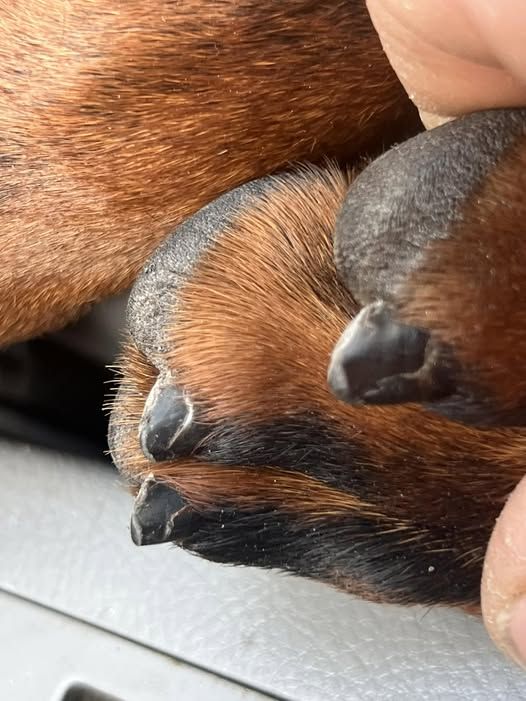
When you look closely at your dog’s paws, discovering that the underside of the claws is hollow is actually a completely normal anatomical feature designed by nature. The outer shell, made of hard keratin called the unguis, grows faster and arches over the softer tissue beneath, known as the sole, which naturally wears away more quickly during walks on rough surfaces like concrete. This unique growth pattern creates a protective U-shaped or C-shaped protective groove that safeguards the sensitive internal vascular quick from direct pressure. This hollow structure is most visible on dogs that active outdoors, where natural friction continuously files down the softer underside of the nail. Experienced groomers and pet wellness experts at Team Zenpaw recognize this natural design, ensuring that nail care routines preserve this protective barrier while preventing dirt from becoming dangerously packed inside the cavity.
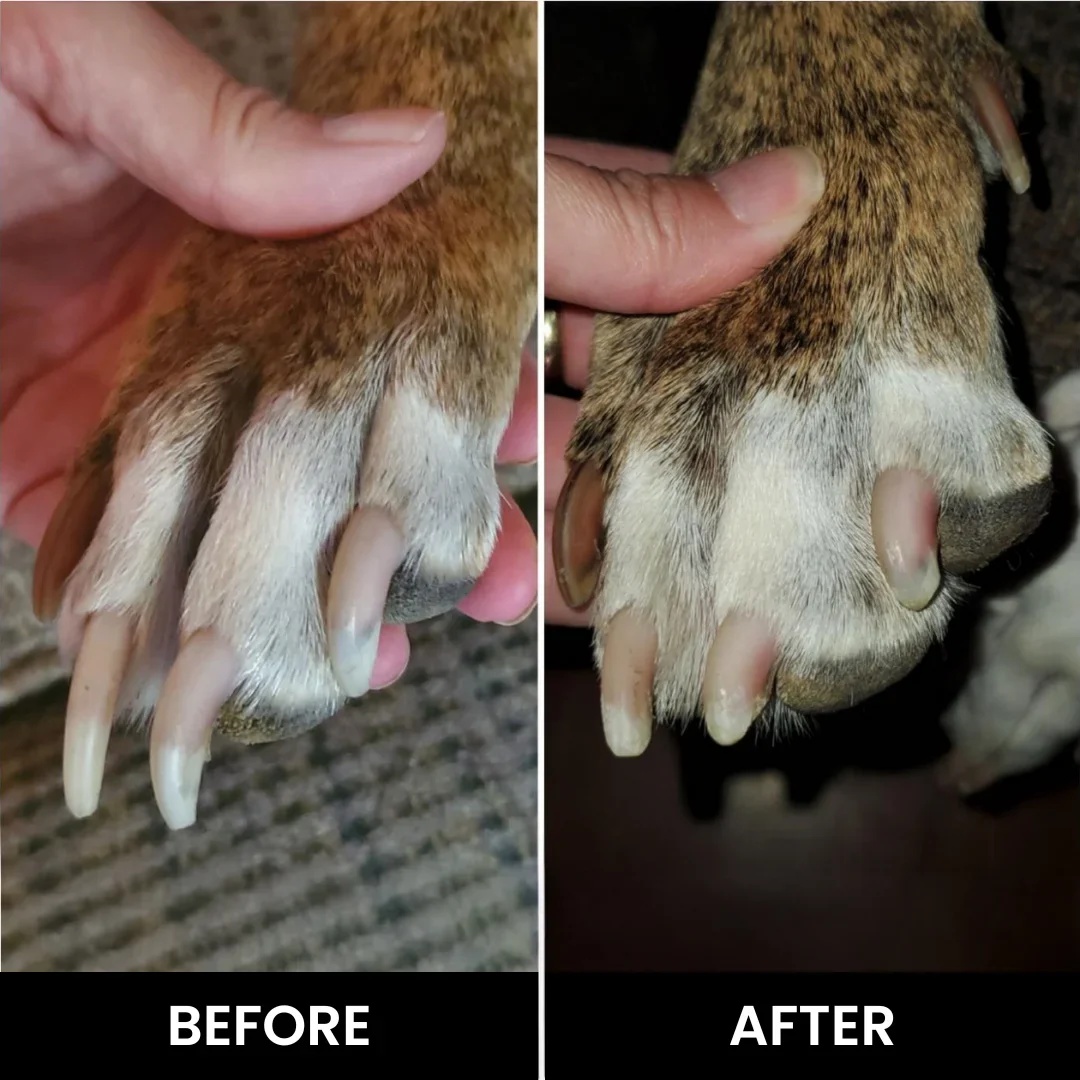
To easily care for these natural grooves at home, you should first gently inspect the hollow cavity for any impacted soil or pebbles before starting your grooming routine. Use a soft-bristled brush dipped in warm water to gently clear out any debris from under the nail bed to prevent bacterial buildup. Once the hollow areas are clean and dry, you can use a high-quality pet grinder to gently round off the sharp outer edges of the keratin shell. This prevents the thin, arched outer walls of the hollow nail from catching on carpets, splitting down the middle, or scratching your skin during play.
According to experts at the American Kennel Club, regular maintenance of your dog’s claws is essential to prevent long-term joint strain and skeletal misalignment. Certified veterinary behaviorists note that dogs often develop severe anxiety surrounding nail care because traditional crushing clippers pinch the nerve-rich quick inside the hollow shell. When nails are allowed to grow too long, the hollow shell curls under, forcing the dog’s toes to splay and altering their natural gait. Properly identifying the boundary where the hollow groove ends and the solid quick begins is the key to safe, stress-free grooming.
If you want to handle this safely at home, the Zenpaw Maxpro Grinder provides painless, quiet filing — explore it here.
99-Day 100% Money-Back Guarantee
“Ever since we started using the Zenpaw Maxpro Grinder, it’s been such a peaceful experience. It’s very quiet, and my dog actually relaxes. It’s turned our stressful sessions into quick, quiet grooming times.”
— Sarah M. | ✔ Verified Customer
- ✓ Prevents Infection & Splitting
- ✓ Ideal for All Dog Sizes
- ✓ Low-Vibration Technology
- ✓ Fast 2-7 Days Delivery
Need Support? Call 302-307-1000
Understanding Canine Nail Anatomy: The Secret Behind the Hollow Claw Shell
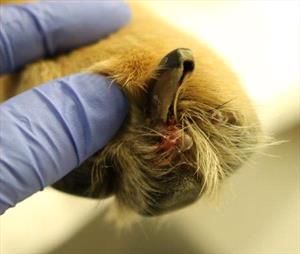
To truly understand your pet’s paws, we must look closely at how a dog’s claw develops from the inside out.
A dog’s nail is not a solid bone, but rather a specialized appendage made of two distinct layers of keratin.
The hard, shiny outer layer that you see from the top is called the unguis.
This top layer is incredibly dense and grows in a rapid, downward curving direction.
Beneath this tough outer shell lies a much softer, crumbly inner layer called the subunguis, or the nail sole.
As your dog walks on hard ground, the soft subunguis naturally flakes off and wears away much faster than the tough outer unguis.
This uneven wear pattern is a brilliant evolutionary trait designed to keep the claws naturally self-sharpening.
This is precisely why you notice the dog nail hollow underneath during your weekly grooming checks.
This natural hollow chamber acts like a protective helmet for the quick, which is the live blood vessel and nerve cluster inside the nail.
If you cut too far into this hollow zone with traditional blades, you risk crushing this delicate tissue.
Many pet parents wonder about the pros and cons of dog nail clipper vs grinder when deciding how to safely trim these curved structures.
Using a high-quality rotary tool allows you to safely polish down the hard outer unguis without disturbing the protective hollow core.
By respecting this natural anatomy, you can prevent bleeding and avoid the need to cauterize dog nails due to accidental over-cutting.
Distinguishing Healthy Hollow Claws from Dangerous Nail Disease
While a hollow underside is completely normal, you must learn to recognize when a hollow nail becomes unhealthy.
A healthy hollow nail has a smooth, hard outer shell with a clean, empty cavity underneath.
However, if the outer walls of the hollow nail begin to peel, flake, or split into multiple thin layers, this indicates brittle nails.
Fungal infections, bacterial nail bed disease, and poor nutrition can all cause the keratin shell to degrade.
Another common issue is Symmetrical Lupoid Onychodystrophy, an autoimmune condition that causes the claws to lift and break off entirely.
You should also check for packed dirt, mud, or tiny pebbles that can become wedged deep inside the hollow space.
Left uncleaned, this damp debris becomes a breeding ground for painful yeast infections.
When these dirty, sharp claws make contact with human skin, they can cause painful scratches.
Knowing what happens if dog nail scratches you highlights the extreme importance of keeping hollow claws smooth and clean.
If you notice any foul odor, swelling of the toe, or constant licking, consult your vet immediately.
For daily maintenance, keeping the outer edges filed down prevents the hollow shell from snagging and tearing.
How to Safely Clean, Groom, and Maintain Your Dog’s Hollow Nails
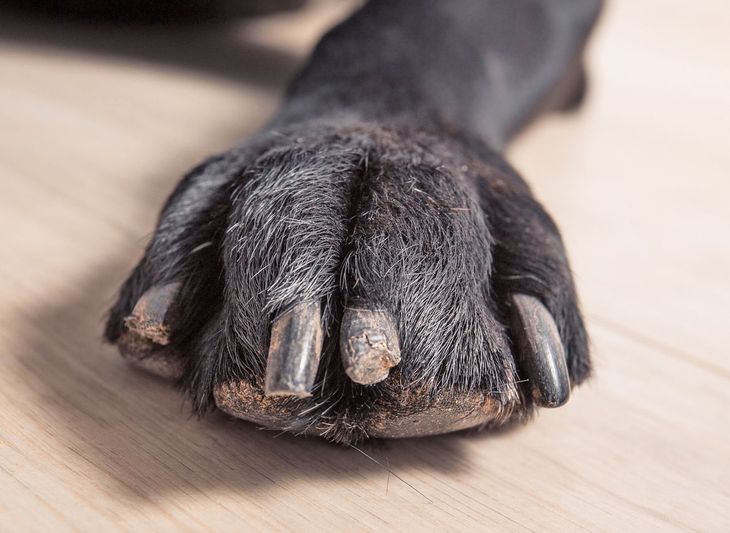
Maintaining your dog’s unique hollow claws requires a structured, stress-free routine to keep them clean and short.
Start by soaking your dog’s paws in warm water for a few minutes to loosen any packed-on mud or debris.
Gently sweep a soft, damp cloth or a dedicated paw brush under the hollow groove of each claw.
For dogs that absolutely detest having their paws touched, you might consider building a dog scratch board diy to let them naturally file their own front nails through play.
However, to get a truly precise and rounded edge on all four paws, a professional rotary tool is indispensable.
When using a grinder, always hold the tool at a precise 45-degree angle to the natural curve of the nail shell.
Work in brief, two-to-three-second bursts per claw to prevent frictional heat from building up and causing discomfort.
Introducing a rotary tool to an anxious pet requires patient desensitization over several days.
Begin by letting your dog sniff the turned-off device while offering high-value treats like peanut butter.
Next, turn the device on at its lowest speed near your dog without touching their paws, allowing them to get used to the sound.
The whisper-quiet motor of the Zenpaw Maxpro operates at under 40 decibels, making this step remarkably fast and easy.
Slowly progress to touching the vibrating body of the grinder to their leg, and finally, make brief contact with the nail.
Using the best dog nail grinder with light helps you clearly see the boundary of the quick inside dark or hollow nails.
Always reward your pup generously after every single nail to associate grooming with a positive experience.
The Hidden Dangers of Crushing Hollow Nails with Traditional Clippers
Many well-meaning dog owners unknowingly cause severe pain to their pets by using the wrong tools for hollow nails.
Traditional scissor-style or guillotine clippers work by applying immense squeezing pressure from both sides to cut through the nail.
Because a hollow nail is structurally like a thin, arched dome, this crushing force often causes the outer keratin shell to shatter and split.
This sudden splitting can tear into the live quick, causing immediate bleeding, sharp pain, and a long-lasting fear of grooming.
Rushing through the grooming process or using dull clipper blades only increases the likelihood of a structural fracture.
In contrast, a high-speed rotary file gently thins the outer unguis layer by layer with absolute precision.
The Zenpaw Maxpro 3-in-1 Grinder features low-vibration technology that slowly files the hollow nail rather than crushing it.
This gradual, painless approach gives you complete control, ensuring you never accidentally nick the quick.
By switching from clippers to a controlled file, you eliminate the risk of jagged, fractured nails that snag on rugs.
This simple upgrade transforms a once-terrifying chore into a peaceful bonding experience for you and your dog.
How Maintenance Methods Stack Up
| Feature / Benefit | Zenpaw Maxpro Grinder | Traditional Clippers | Cheap Loud Grinders |
|---|---|---|---|
| Noise Level | Whisper-Quiet (<40dB) | Silent (But makes a scary ‘clip’ sound) | Loud (>65dB, high vibration) |
| Risk of Splitting Hollow Nails | Extremely Low (Gentle filing) | High (Crushes structural dome) | Moderate (Can catch and vibrate heavily) |
| Precision Control | Excellent (Smooths micro-layers) | Poor (All-or-nothing blind cut) | Fair (Vibration impairs control) |
| Safety with Dark Claws | Safe (Allows gradual shaving) | High Risk (High chance of cutting quick) | Fair (But heat builds up fast) |
Frequently Asked Questions About Hollow Dog Nails and Grooming
Is the Zenpaw Grinder Safe and Effective for Large Breeds with Thick, Hollow Nails?
Yes, the Zenpaw Maxpro 3-in-1 Grinder is specifically engineered to handle dogs of all sizes, including large breeds with exceptionally thick claws.
Large dogs often have dense, deep hollow structures under their nails that can be very difficult to trim with standard manual tools.
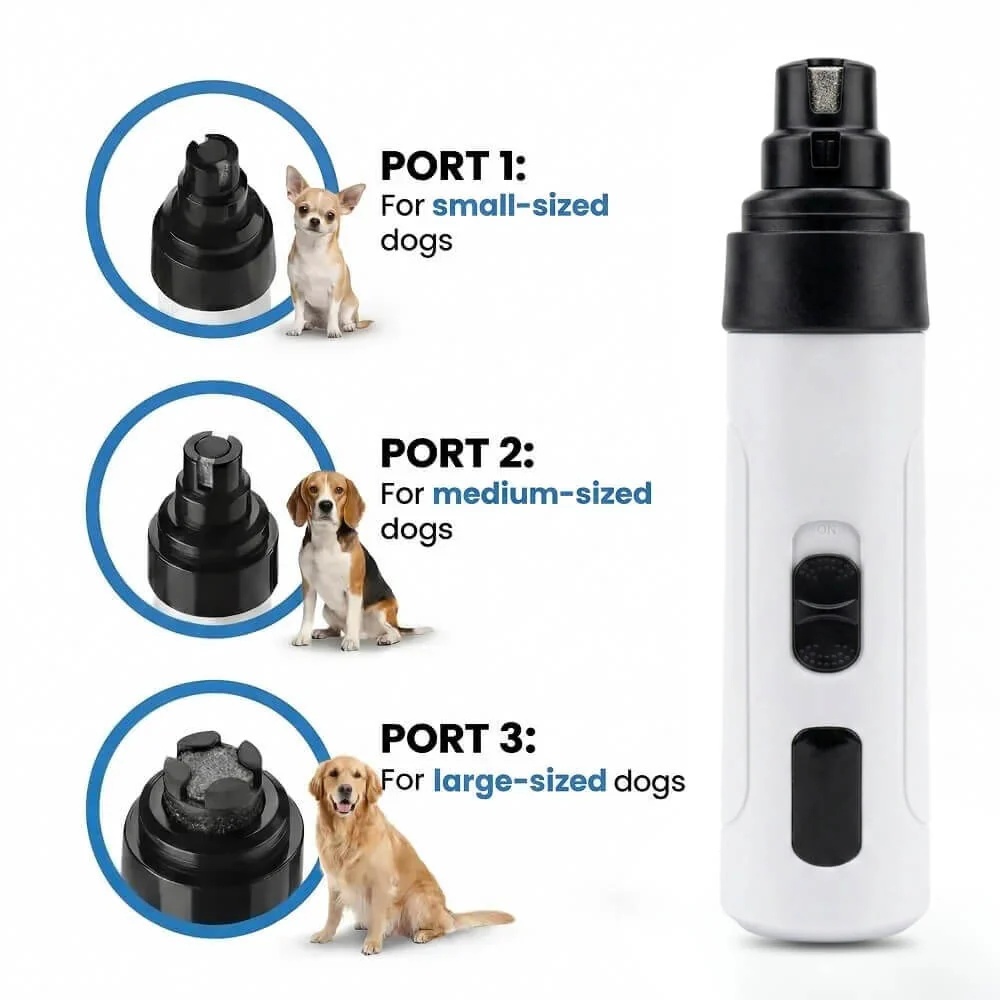
Our advanced grooming device features three distinct safety ports designed to accommodate small, medium, and large breeds safely.
The large port is perfectly shaped to guide thick, curved nails directly against the diamond-bit grinding wheel without slipping.
Powered by a high-torque, dual-speed DC motor, it effortlessly files down tough keratin shells without bogging down or stopping under pressure.
This means you can easily round off the sharp outer edges of large hollow nails in a fraction of the time.
Whether you have a delicate toy poodle or a heavy-duty Great Dane, this versatile tool provides a safe and customized grooming experience.
How Long Does the Zenpaw Battery Last and How Do I Choose the Best Speed?
The Zenpaw Maxpro is equipped with a high-capacity, USB-rechargeable lithium-ion battery that delivers up to 7 hours of continuous runtime on a single charge.
This long-lasting battery life ensures you can comfortably complete multiple grooming sessions without worrying about the device dying mid-trim.
To choose the best speed for your dog’s nails, always assess the thickness and overall health of the outer keratin shell first.
The low-speed setting is ideal for delicate puppies, smaller breeds, or touch-up work around the sensitive edges of the hollow groove.
The high-speed setting provides the necessary power to quickly shorten thick, overgrown nails on larger breeds.
We recommend starting on the low setting to let your dog adjust to the gentle vibrations before increasing the speed as needed.
Additionally, our advanced low-heat technology prevents the grinding head from getting hot, protecting your dog’s paws from painful thermal burns.
Conclusion
Ready to transform nail trimming from a battle into a breeze? Explore the Zenpaw Maxpro 3-in-1 Grinder. Call: 302-307-1000 — our team can help you advise on the best grooming practices and help with any product questions.