
I still remember the night my golden retriever, Max, started licking his paw obsessively and crying out in pain. I noticed a raw, swollen cuticle and immediately panicked, wondering if I could safely apply neosporin on dog nail infection to soothe his discomfort. That stressful night led me to discover how proper nail care prevents these painful issues entirely. At Team Zenpaw, we designed our whisper-quiet grinder to make nail grooming peaceful, painless, and completely safe for your beloved pet.
Maxpro 3-in-1 Grinder.
Stress-Free Nail Trimming.
Whisper-quiet DC motor (<40 dB) eliminates fear & discomfort. Features 3 ports, dual speeds, and 7-hour battery life. Safe, precise, and painless.
In This Article
- Does Neosporin Work on Dog Nail Bed Infections? Learn the expert assessment of topical treatments for canine paronychia.
- Canine Nail Anatomy Demystified: Understand why splits and quick injuries quickly turn into painful infections.
- The True Risks of Applying Neosporin: Discover the hidden dangers of self-ingestion and zinc toxicity in dogs.
- Safe Application & Prevention Guide: Get a step-by-step home treatment protocol and learn how to use a quiet nail grinder.
- Comparing Grooming Tools: See how grinding technology completely eliminates the micro-fissures caused by clippers.
Does Neosporin Work on Dog Nail Bed Infections? Here is What Experts Say
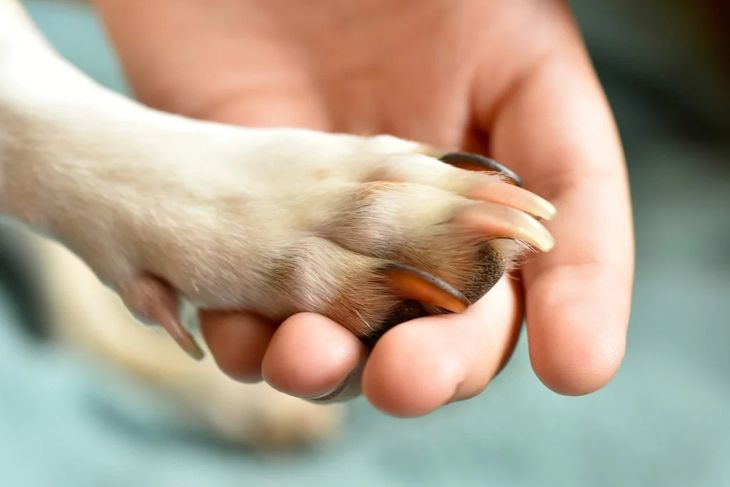
A canine nail bed infection, clinically referred to as paronychia, is a localized inflammatory condition that attacks the soft tissue around your dog’s claw fold.
This condition manifests as a painful, warm, red swelling directly at the base of the nail where it meets the skin of the toe.
As the infection progresses, you may notice your dog obsessively licking, biting, or chewing at the affected paw to relieve the throbbing pain.
In severe, untreated cases, the infection can migrate deeper into the underlying bone structure, causing permanent damage to the digit.
This agonizing condition can affect any dog breed, but it is most frequently observed in active, outdoor dogs and senior pets.
Dogs with compromised immune systems, allergies, or endocrine disorders like hypothyroidism are also at a significantly higher risk.
Furthermore, pets that suffer from high grooming anxiety are highly vulnerable because their owners often avoid trimming their nails altogether.
These overgrown claws easily catch on carpets, brush, or pavement, leading to painful structural tears.
You should take immediate action the absolute moment you observe your dog limping or favoring a specific leg during daily walks.
Early intervention is critical because a minor, superficial bacterial colony can quickly escalate into a deep-seated abscess within days.
If you see your dog constantly chewing a single toe, inspect the area immediately under a bright flashlight.
Catching the inflammation in its early, localized stage allows you to implement simple home remedies before expensive veterinary interventions are required.
The infection typically establishes itself deep within the microscopic crevice where the nail plate meets the surrounding skin fold.
This anatomical junction is highly prone to trapping environmental debris, mud, stagnant pond water, and fecal matter.
Because this area remains dark, warm, and frequently moist from dew or licking, it acts as an ideal incubator for pathogens.
The claw folds on the dewclaws, or side claws, are particularly vulnerable because they do not touch the ground and often curl back into the skin.
These infections occur because the protective keratinized barrier of the nail has been structurally compromised by some form of physical trauma.
This trauma is most frequently caused by using dull, traditional clippers that violently crush and splinter the nail shaft.
Other common causes include a torn claw from a rough outdoor run, or an accidental cut to the quick during a stressful grooming session.
Once this highly vascular tissue is exposed, common environmental bacteria like Staphylococcus or Pseudomonas quickly invade the open wound.
You can safely manage mild, early-stage nail bed inflammation by performing a daily, structured hygiene routine at home.
First, sanitize the area by soaking the affected paw in a warm, clean Epsom salt bath for ten to fifteen minutes.
Second, dry the paw completely using a fresh towel to prevent any lingering moisture from feeding fungal or bacterial growth.
Third, apply a very sparse, targeted film of Neosporin to the clean wound to kill surface bacteria and protect the raw tissue.
Finally, prevent your dog from licking the medicated area by using a physical barrier like a cone or a breathable cotton sock for at least twenty minutes.
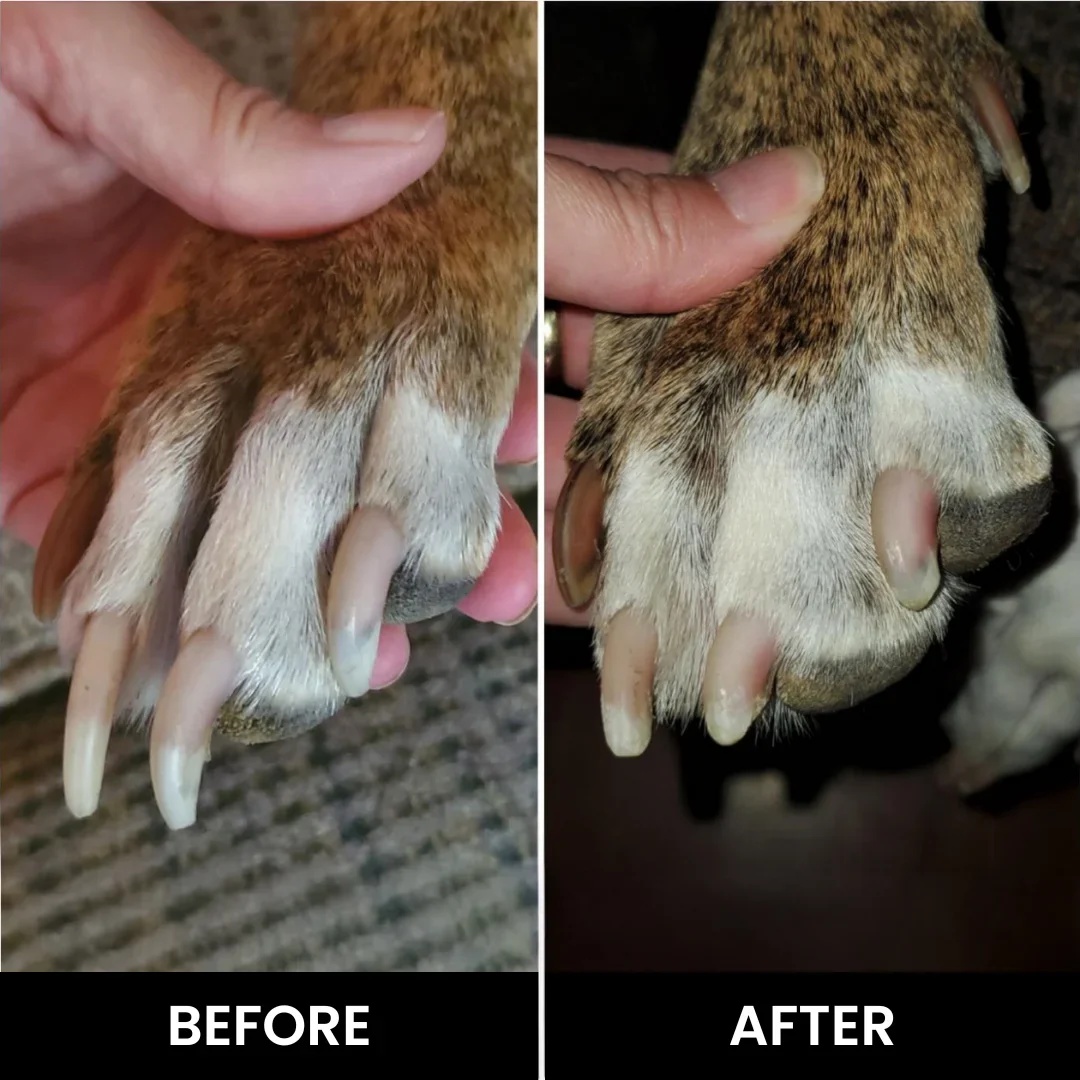
If you want to handle this safely at home, the Zenpaw Maxpro Grinder provides painless, quiet filing — explore it here.
99-Day 100% Money-Back Guarantee
“Ever since we started using the Zenpaw Maxpro Grinder, it’s been such a peaceful experience. It’s very quiet, and my dog actually relaxes. It’s turned our stressful sessions into quick, quiet grooming times.”
— Sarah M. | ✔ Verified Customer
- ✓ Prevents Infection & Splitting
- ✓ Ideal for All Dog Sizes
- ✓ Low-Vibration Technology
- ✓ Fast 2-7 Days Delivery
Need Support? Call 302-307-1000
Understanding Canine Nail Anatomy and the Threat of Nail Bed Infections

To understand how to protect your pet’s paws, you must first master the unique anatomy of the canine claw.
Unlike human fingernails, which are flat and sit entirely on top of the skin, a dog’s nail is a specialized, three-dimensional appendage.
The outer layer is composed of dense, hard keratin proteins arranged in a tight, curved sheath.
This tough outer wall is designed to withstand massive physical forces during running, digging, and climbing.
Directly beneath this hard keratin layer sits the quick, which is the living core of the nail.
The quick contains an extremely dense network of blood vessels and highly sensitive pain receptors.
When a dog’s claws are left untrimmed, they grow in a downward curve that eventually forces the toe bones to realign.
This structural misalignment shifts how your dog’s weight is distributed across their entire skeletal frame.
In severe cases, the unnatural pressure can cause a painful dog dislocated toe nail limping condition that severely limits their mobility.
Furthermore, excessively long nails are highly prone to getting caught in floor grates, thick carpets, or roots.
When a caught nail is violently yanked, it can rip the keratin shell directly away from the quick.
This traumatic tearing creates a massive, bleeding wound that is incredibly painful for your dog.
Many well-meaning pet parents panic during these bleeding episodes and search for quick home remedies.
Some outdated articles suggest using black pepper for dog nail bleeding control, but this is a dangerous mistake.
Black pepper is highly abrasive, non-sterile, and can cause intense burning, sneezing, and deep chemical irritation in an open wound.
Using non-sterile kitchen spices directly on the quick dramatically increases the risk of introducing aggressive bacteria into the bloodstream.
Instead, you must use a sterile styptic powder or seek immediate assistance from a professional pet groomer.
Once the quick is breached, bacteria like Staphylococcus can travel upward into the claw fold within hours.
This bacterial invasion causes the delicate nail bed tissue to become red, hot, and severely inflamed.
Without proper maintenance, these micro-abrasions will inevitably escalate into chronic, painful infections.
The Science of Ointments: Can You Use Neosporin on Dog Nail Bed Infections Safely?
When faced with a swollen, painful claw, many owners ask: can you use neosporin on dog nail bed infection cases safely?
The short answer is yes, but only with extreme caution and proper preventative measures.
Neosporin is a popular over-the-counter triple antibiotic ointment formulated for human use.
It contains three powerful active ingredients: neomycin sulfate, polymyxin B sulfate, and bacitracin zinc.
Together, these agents excel at killing common gram-positive and gram-negative bacteria on the skin’s surface.
Applying a high-quality antibiotic ointment for dog nail infection can help sanitize a minor wound on the paw.
However, the primary danger of using Neosporin on dogs is their natural, instinctual urge to lick their wounds.
Dogs use their tongues to clean injured areas because their saliva contains mild antimicrobial properties.
Unfortunately, licking off and ingesting Neosporin poses serious health risks to your pet.
If your dog swallows the ointment, the active antibiotics will quickly enter their digestive tract.
These powerful compounds can wipe out the beneficial bacteria living inside your dog’s gut.
This sudden disruption of the gut microbiome often results in acute vomiting, severe diarrhea, and lethargy.
In addition, some dogs are highly sensitive to neomycin and can develop localized allergic dermatitis.
This allergic reaction causes the paw to swell even further, mimicking a worsening infection.
Furthermore, chronic ingestion of bacitracin zinc can lead to low-grade zinc toxicity over time.
To mitigate these risks, you must apply the ointment very sparingly and immediately cover the paw.
Use a clean, breathable cotton sock secured with medical tape, or put an Elizabethan collar on your dog.
Keep the barrier in place for at least twenty to thirty minutes to allow the medication to absorb fully.
If the swelling does not improve within forty-eight hours, you must consult your veterinarian.
Deep nail bed infections often require prescription oral antibiotics to reach the infected bone tissue.
How to Safely Groom Your Dog’s Nails to Prevent Bed Infections
The absolute best way to protect your dog from painful nail bed infections is a proactive grooming routine.
Many dog owners wonder, can dogs file their own nails through daily outdoor activity?
While walking on rough asphalt can slightly wear down the tips, it rarely provides even or sufficient maintenance.
In fact, relying on self-filing often leaves the dangerous side claws, or dewclaws, completely untouched.
This is why learning how to cut dog’s side nails is so critical for comprehensive paw health.
Dewclaws do not touch the ground, meaning they will grow in a continuous circle until they pierce the skin.
When a claw curls back and punctures the paw pad, it creates a severe, highly painful bacterial infection.
To avoid these grooming disasters, you must introduce your pet to a high-quality nail grinder.
At Team Zenpaw, we highly recommend using a structured dog nail trim desensitization process for anxious pets.
Begin by placing the Zenpaw Maxpro Grinder on the floor near your dog while it is turned off.
Place your dog’s favorite treats directly on top of the silent device to build a positive association.
Once your dog sniffs the grinder without showing fear, turn the device on to its lowest speed.
The Zenpaw Maxpro operates with a whisper-quiet DC motor that stays under forty decibels.
This ultra-quiet operation ensures your highly sensitive dog will not panic from loud, scary noises.
Feed your dog high-value treats continuously while the silent motor hums in the background.
Gently touch the vibrating body of the grinder to your dog’s leg to get them used to the sensation.
When they are completely relaxed, hold their paw firmly but gently in your hand.
Approach the nail at a precise forty-five-degree angle, matching the natural downward slope of the claw.
Gently press the rotating diamond bit head against the tip of the nail for only two seconds.
Remove the grinder, reward your dog with a treat, and praise them enthusiastically.
Repeat this quick, stress-free process on each nail, working slowly to prevent heat buildup.
By grinding the nails gradually, you can easily spot the dark circle of the quick before any bleeding occurs.
This painless, controlled method ensures your dog’s nails stay perfectly short, smooth, and infection-free.
The Dangers of Traditional Clippers and How Modern Grinders Solve the Problem
Many pet parents continue to use cheap, traditional clippers out of pure habit.
However, these outdated scissor or guillotine-style tools pose a massive threat to your dog’s claw health.
Clippers work by applying immense mechanical pressure to force a sharp blade through the hard keratin shell.
This intense pinching force often crushes the delicate internal structure of the nail before cutting it.
This crushing action creates tiny, microscopic fissures and splinters along the entire nail shaft.
These jagged, open splinters easily catch on carpets, grass, and dirt during daily activities.
Once a splintered nail catches, it can rip further, opening up a direct pathway to the sensitive quick.
Dirt, moisture, and bacteria quickly find their way into these micro-cracks, leading to a painful infection.
Furthermore, if your dog has dark or black nails, finding the quick with traditional clippers is nearly impossible.
A single mistake can slice through the blood vessel, causing agonizing pain and a heavy bleed.
This traumatic experience can ruin your dog’s trust, making future grooming sessions a physical battle.
Modern nail grinders solve every single one of these common grooming problems.
Instead of a harsh crushing action, the Zenpaw Maxpro Grinder uses a high-speed rotating diamond bit.
This diamond head gently files away micro-layers of keratin, leaving a perfectly smooth, rounded edge.
It completely eliminates the risk of nail splitting, cracking, or tearing during grooming.
Because you file the nail down gradually, you have complete control over how close you get to the quick.
This safe, painless, and stress-free approach makes it impossible to hurt your beloved companion.
Frequently Asked Questions About Dog Nail Infections and Care
Is the Zenpaw Maxpro Grinder safe for large dog breeds with thick nails?
Yes, the Zenpaw Maxpro Grinder is specifically designed to handle claws of all shapes, sizes, and thicknesses.
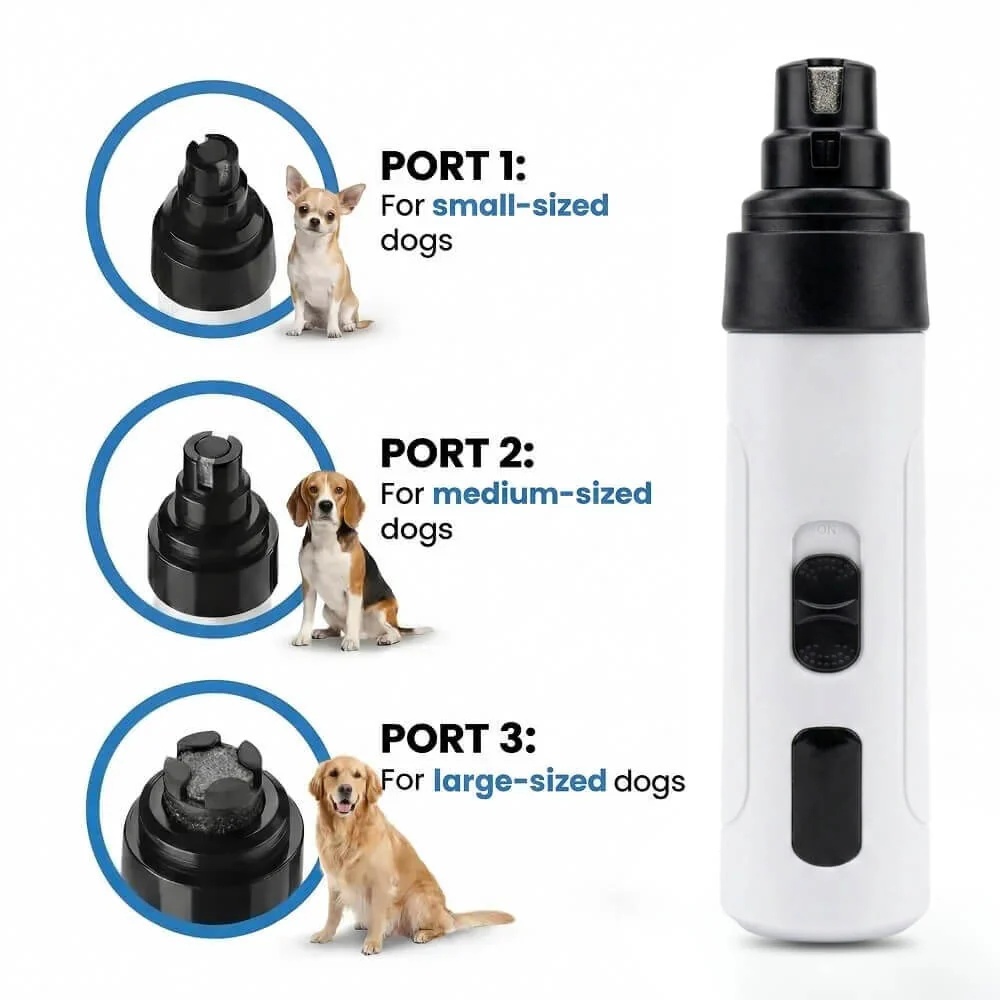
The device features three custom-sized ports that allow you to tailor the grooming experience to your pet.
The large, fully open port is engineered to file through the thickest claws on heavy breeds like German Shepherds.
It utilizes a highly powerful, high-torque motor that will not stall or slow down under physical pressure.
How long does the USB-rechargeable battery last on a single charge?
Our grinder is equipped with a premium, long-lasting lithium-ion battery that provides up to seven hours of continuous use.
This extensive battery life means you can perform dozens of routine trims before needing to plug it back in.
The device is fully rechargeable via a standard USB cable, making it incredibly convenient for home or travel use.
It takes approximately three hours of charging time to restore the battery from completely flat to full power.
What speed setting is best when grooming an extremely anxious dog?
We always recommend starting on the lowest speed setting when introducing the grinder to an anxious or fearful dog.
The low speed produces the absolute minimum amount of sound and vibration, keeping your dog calm and relaxed.
Once your pet becomes completely comfortable with the sensation, you can safely switch to the higher speed setting.
This dual-speed versatility allows you to customize each grooming session to match your dog’s unique comfort level.
Does the grinding head generate painful friction heat on the nail?
No, the Zenpaw Maxpro Grinder utilizes an advanced diamond bit head that operates with low-heat technology.
Unlike cheap sandpaper bands that heat up instantly from friction, the diamond surface stays remarkably cool during use.
As a professional safety precaution, we always recommend grinding in short, two-second increments per nail.
This simple technique completely prevents any potential warmth from building up and keeps your dog perfectly comfortable.
Can I apply over-the-counter Neosporin to my dog’s paw multiple times a day?
You can apply a very thin layer of Neosporin to a minor nail bed injury up to two times a day.
However, you must always ensure the paw is thoroughly cleaned and dried before each topical application.
It is vital to monitor your dog constantly after application to prevent them from licking the medicated area.
If you cannot prevent your dog from licking, you must wash the ointment off and consult your veterinarian.
Conclusion: Your Path to Stress-Free Paw Wellness
Maintaining short, smooth claws is the single most effective way to protect your dog from painful nail bed infections.
While Neosporin can assist in maintaining superficial cuts, preventing physical trauma through proper grinding remains your best defense.
Ready to transform nail trimming from a battle into a breeze? Explore the Zenpaw Maxpro 3-in-1 Grinder. Call: 302-307-1000 — our team can help you advise on the best grooming practices and help with any product questions.
Note: Individual results may vary depending on individual dog breeds, nail thickness, and behavioral temperaments. This article is intended for general pet grooming reference purposes only and does not replace professional veterinary advice.