
I still remember the absolute dread that pooled in my stomach every time I had to trim my golden retriever’s thick claws, hearing him whimper as traditional clippers crushed the delicate quick. That agonizing fear of drawing blood and shattering his trust drove me to seek a better way, ultimately leading to my discovery of the oster dog nail grinder and modern whisper-quiet alternatives that restore peace to grooming.
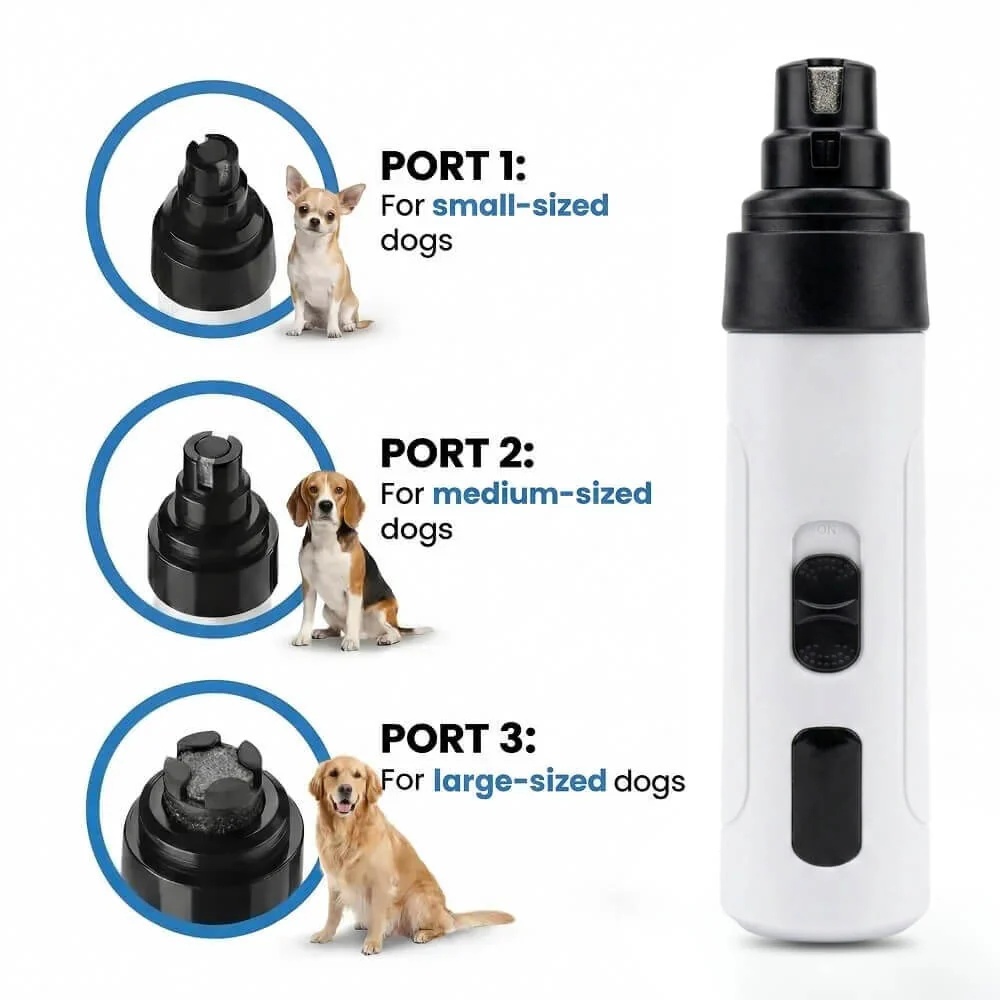
Maxpro 3-in-1 Grinder.
Stress-Free Nail Trimming.
Whisper-quiet DC motor (<40 dB) eliminates fear & discomfort. Features 3 ports, dual speeds, and 7-hour battery life. Safe, precise, and painless.
In This Article
- Mastering the Oster Dog Nail Grinder technology and hardware performance.
- Understanding canine claw anatomy and protecting the delicate quick.
- A complete step-by-step physical and behavioral desensitization guide.
- Comparing traditional pet grooming tools with modern low-vibration solutions.
- Professional tips for dealing with highly sensitive or anxious dogs.
Selecting and Mastering the Oster Dog Nail Grinder for Your Pet
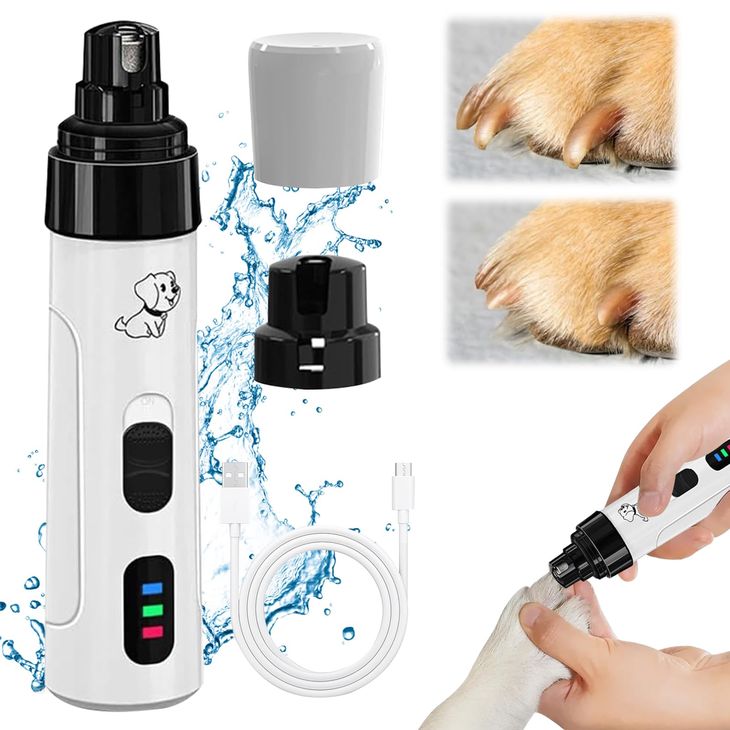
Grooming your pet at home requires a tool that offers both control and reliability.
The oster dog nail grinder is a widely recognized option in the pet care market.
It is designed to replace traditional clippers that often crush or split the nail.
This rotary tool uses a rotating grinding wheel to gradually wear down the dog’s claw.
By slowly shaving away thin layers of keratin, you reduce the risk of cutting the quick.
Many pet parents look into the rechargeable oster pet file because of its cordless design.
A cordless option allows you to move freely around your dog without getting tangled in power cables.
However, many older rotary models on the market still produce noticeable noise and vibration.
This noise can easily trigger a dog’s natural flight response during grooming sessions.
If you are exploring alternative options, you might also consider comparing it to the furminator dog nail grinder for its unique guard design.
Additionally, some professional groomers utilize the andis dog nail grinder as a heavy-duty option for thick claws.
For pet parents who prefer a manual touch, standard oster dog nail clippers remain a classic choice, though they require a higher level of precision to avoid accidents.
Understanding the balance between speed, power, and noise is essential before purchasing any rotary tool.
The Oster brand has designed multiple models, including corded and battery-operated versions.
The battery-operated models provide maximum portability, but they can lose power as the batteries drain.
A steady drop in power can cause the grinding stone to drag against the nail, creating unpleasant heat.
To avoid friction burns, it is crucial to use short, gentle touches against the claw.
We always suggest checking the power level before starting any nail trimming session.
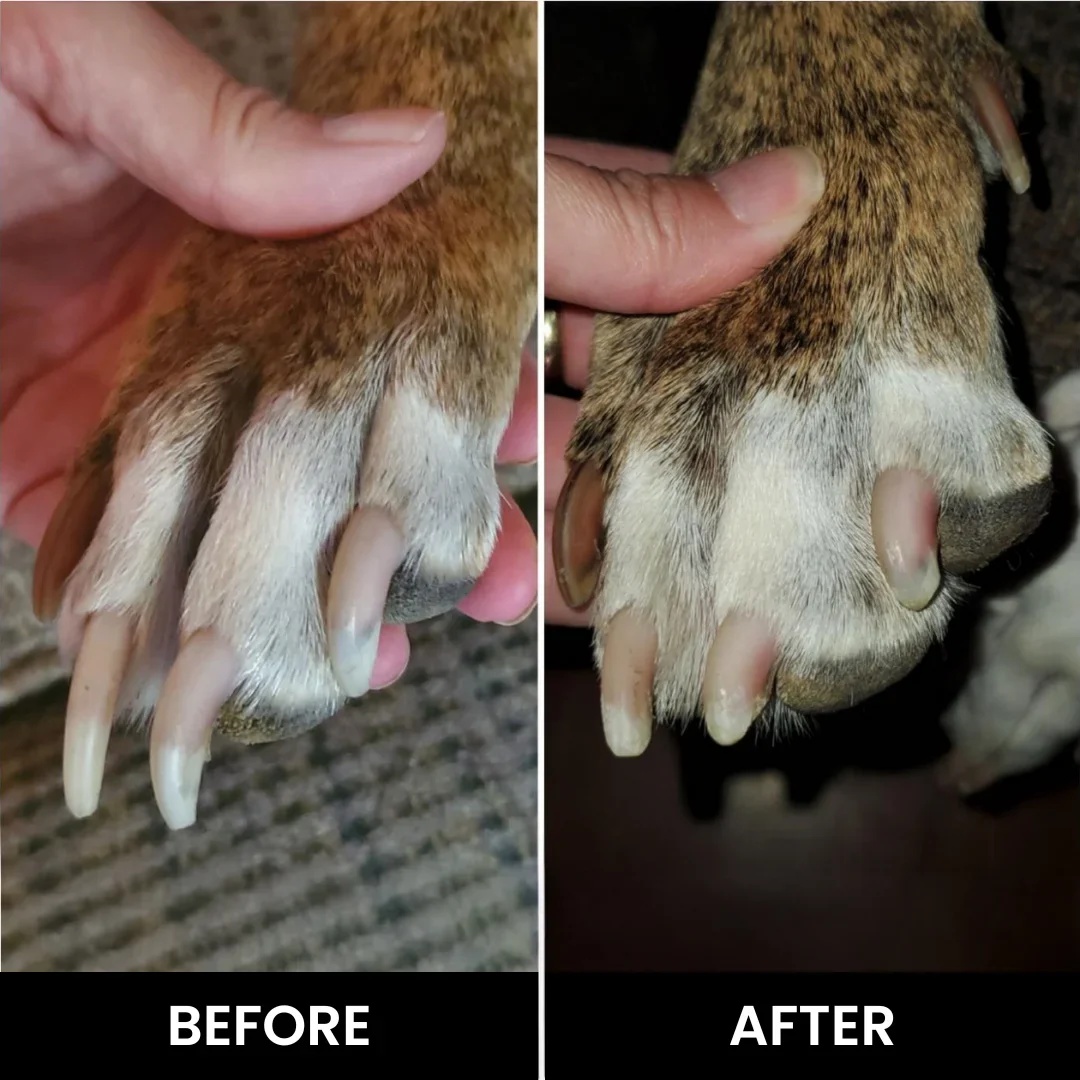
99-Day 100% Money-Back Guarantee
“Ever since we started using the Zenpaw Maxpro Grinder, it’s been such a peaceful experience. It’s very quiet, and my dog actually relaxes. It’s turned our stressful sessions into quick, quiet grooming times.”
— Sarah M. | ✔ Verified Customer
- ✓ Prevents Infection & Splitting
- ✓ Ideal for All Dog Sizes
- ✓ Low-Vibration Technology
- ✓ Fast 2-7 Days Delivery
Need Support? Call 302-307-1000
Understanding Canine Nail Anatomy: Where is the Quick?
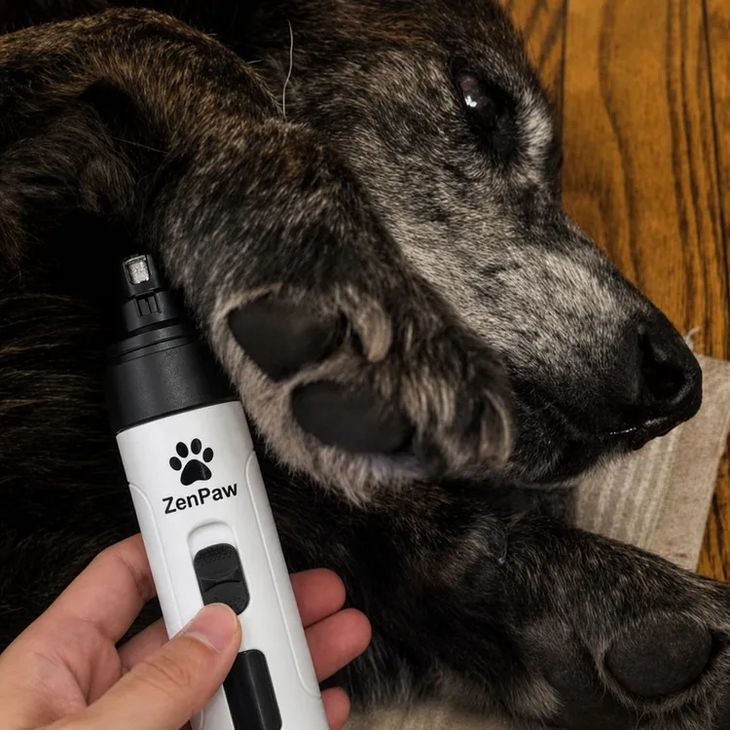
Every professional pet groomer will tell you that understanding nail anatomy is the most crucial step of the process.
A dog’s claw consists of a hard outer shell made of keratin and a soft inner core called the quick.
The quick contains highly sensitive nerve endings and active blood vessels that supply nourishment to the nail.
If you cut or grind into this area, it will cause sharp discomfort and immediate bleeding.
For dogs with white or clear nails, identifying the quick is relatively simple.
It appears as a pinkish shadow running through the center of the translucent nail.
However, dogs with dark or black nails present a much greater challenge for pet parents.
In dark nails, the quick is completely hidden from the outside view.
This is why traditional resco dog nail clippers can be intimidating, as they operate on a single blind cut.
An electronic grinder allows you to work in micro-layers, constantly checking the tip of the nail.
As you grind down a dark claw, you must look directly at the exposed tip.
When you start to see a small, dark grey circle or a soft, moist center, you must stop grinding immediately.
This circle is the protective boundary of the quick.
By using a gradual filing method, you give yourself the time to notice these physiological signs.
Regular grooming also helps the quick recede over time.
If you let your dog’s nails grow too long, the quick will stretch out along with the keratin shell.
By grinding a tiny amount every week, you encourage the blood vessels to safely shrink back.
This gradual recession allows you to keep your dog’s nails at a healthy, comfortable length.
Overgrown nails can push the toes upward, putting unnatural pressure on the dog’s skeletal joints.
Over time, this pressure can lead to posture problems and early-onset joint issues.
Keeping the claws short is not just about aesthetics; it is a vital part of their overall physical wellness.
How to Safely Grind Black Dog Nails Without Bleeding
Working on black claws requires a slow, strategic approach.
Never rush the process or try to complete all four paws in one sitting if your dog is stressed.
Start by holding the paw firmly but gently to prevent sudden movements.
Isolate a single nail by parting the surrounding fur to prevent it from catching in the rotating wheel.
If you are looking for alternatives, comparing the Oster performance with a conair dog nail grinder can help you see different guard configurations.
No matter which tool you use, the technique remains the same.
Hold the grinder at a steady 45-degree angle to the natural curve of the claw.
Apply very light pressure for no more than two seconds at a time.
This “touch-and-lift” technique prevents friction from heating up the nail tip.
Friction heat can cause a painful burning sensation even if you do not touch the blood vessel itself.
Check the tip of the nail after every single touch.
At first, you will see a dry, powdery white residue as you shave the outer shell.
As you get closer to the quick, the texture of the nail center will change.
It will transition from a dry, chalky white to a soft, dark, and fleshy appearance.
This change is your signal that the quick is close by.
Once you see this dark spot, smooth out the sharp edges around the sides of the claw.
Avoid touching the very center of the nail again during that session.
By focusing only on the sharp perimeter, you create a smooth, rounded edge that won’t snag on carpets.
If you happen to make a mistake and nick the quick, do not panic.
Keep styptic powder nearby during every session to stop any bleeding instantly.
Simply apply a small pinch of the powder to the nail tip with light pressure for a few seconds.
Remaining calm helps prevent your dog from associating the minor pinch with extreme fear.
Introducing Your Pet to the Zenpaw Maxpro Grinder
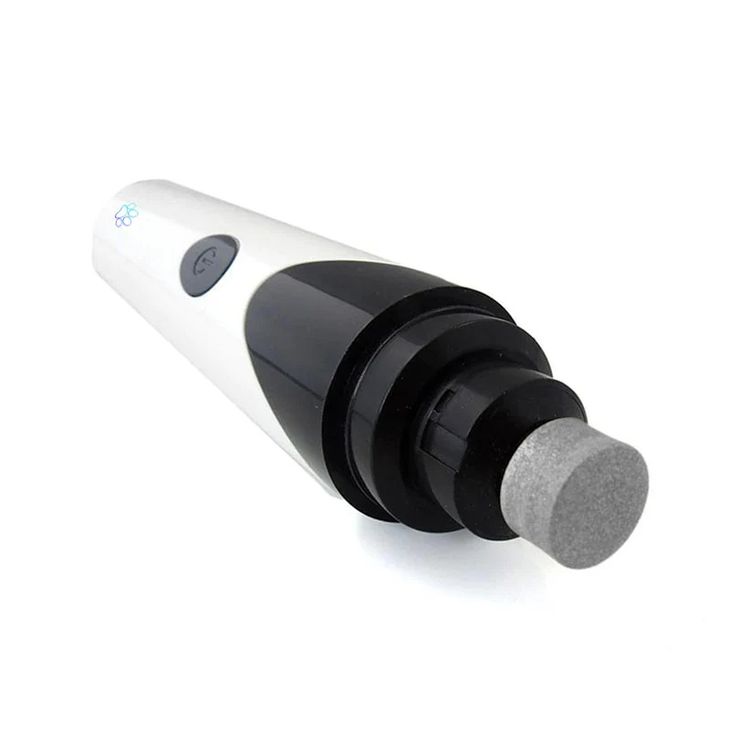
Desensitization is the secret to transforming grooming from a battle into a bonding experience.
Dogs are naturally suspicious of new objects that make noise and vibrate.
Introducing the tool too quickly can create a lifetime of grooming anxiety.
We recommend a systematic, five-day introduction plan to build positive associations.
Day 1: Passive Familiarization
Place the grinder on the floor near your dog’s favorite resting spot while it is turned off.
Allow your dog to sniff the device naturally without any pressure.
Every time they investigate the tool, offer a high-value treat and verbal praise.
This simple exercise teaches them that the physical object brings positive rewards.
Day 2: Touch and Vibration Adaptation
Hold the turned-off grinder and gently touch your dog’s paw and legs with the plastic casing.
This helps them get used to the physical feeling of an object resting against their limbs.
Next, turn the device on while keeping it at a safe distance from your dog.
Reward your dog with treats simply for remaining calm while the motor hums in the background.
Day 3: Sound and Proximity Practice
Bring the running grinder closer to your dog’s paws without actually touching the nails.
Let them feel the gentle air current created by the spinning head.
If your dog remains relaxed, gently touch the handle of the running tool to their leg.
This allows the mild vibration to travel through their body in a non-threatening way.
Always pair this sensory exposure with highly appealing treats like peanut butter.
Day 4: The First Nail Contact
Now you are ready to make contact with a single nail.
Choose one of the back claws, as dogs are generally less protective of their hind legs.
Touch the spinning stone to the nail tip for just one second, then immediately remove it.
Give a reward instantly and praise them enthusiastically.
Only attempt one or two nails on this day to keep the experience positive.
Day 5: Full Grooming Routine
Gradually work your way up to trimming multiple claws in one session.
Keep your movements steady, calm, and predictable.
If your dog shows signs of stress, such as lip licking, yawning, or pulling back, take a break.
It is always better to finish the job later than to force your dog through an anxious episode.
Overcoming Risks & Common Mistakes
Many pet owners make the mistake of using traditional clippers for too long, which can fracture dry nails.
Traditional clippers squeeze the claw from both sides, creating micro-fractures in the keratin structure.
These fractures can cause the nail to split vertically hours after the trim is complete.
An electronic filing tool completely bypasses this issue by sanding the nail down smoothly.
Another major risk is long paw hair getting caught in the rapidly spinning rotary shaft.
This can pull painfully on the dog’s skin and cause them to panic.
To avoid this, you can slip a small nylon stocking over the paw and push the nails through the mesh.
This keeps the surrounding fur safely pinned back while leaving the claw fully accessible.
Additionally, some owners love to pamper their dogs post-grooming with decorative touches.
You can safely apply specialized warren london dog nail polish once the edges are perfectly smooth.
Just make sure the nail surface is completely clean and dry before applying any polish.
Finally, always remember to clean the grinding attachment after each session to maintain optimal friction.
A dusty grinding stone loses its efficiency, requiring you to apply more pressure, which increases heat.
Grinder Performance and Features Comparison
To help you decide which tool best fits your lifestyle, we have compiled a direct feature comparison.
The table below highlights key performance specs for different grooming methods.
| Feature Details | Oster Pet File Series | Traditional Metal Clippers | Zenpaw Maxpro 3-in-1 |
|---|---|---|---|
| Noise Level (Decibels) | Approx. 55dB – 65dB | Silent (But produces a loud “clip” sound) | Whisper-Quiet (<40dB) |
| Vibration Intensity | Moderate to High | None (Sharp impact instead) | Ultra-Low Vibration |
| Risk of Hitting the Quick | Low (Gradual grinding) | High (Blind single cut) | Minimal (Micro-ports & safety guard) |
| Battery and Power | AA Batteries or Corded | Manual (No power needed) | 7-Hour USB Rechargeable Li-Ion |
Frequently Asked Questions (FAQ)
Is the Zenpaw Grinder safe for large dog breeds with thick claws?
Yes, the Zenpaw Maxpro Grinder is specifically engineered with three distinct grooming ports.
The large open port is designed to handle the thickest claws of larger breeds like Mastiffs and Great Danes.
The high-torque DC motor provides consistent power without stalling under moderate pressure.
This allows you to safely trim tough, thick claws just as easily as delicate puppy nails.
How long does the battery last on a single charge?
The Zenpaw Maxpro features an upgraded lithium-ion battery that offers up to 7 hours of continuous run time.
This is significantly longer than typical grooming tools that require constant recharging.
The convenient USB port allows you to charge it using any standard power brick or laptop port.
This long battery life ensures you never run out of power in the middle of a grooming session.
Which speed setting is best for anxious dogs?
We always recommend starting on the lowest speed setting when introducing the tool to an anxious pet.
The lower speed produces minimal sound and vibration, helping to keep your dog calm and relaxed.
Once your pet is comfortable with the sensation, you can transition to the higher speed setting.
The higher speed is perfect for quickly shaping the nails once the initial anxiety has been managed.
Does the grinding wheel get hot during use?
The Zenpaw Maxpro is built with advanced low-heat brass grinding wheels to minimize friction temperatures.
Unlike standard sanding drums, these brass wheels distribute friction heat much more efficiently.
However, we still recommend using the “touch-and-lift” method of 2-second intervals as a safety precaution.
This simple technique guarantees a painless, comfortable experience for your beloved pet.
Conclusion
Maintaining your dog’s paw health is a vital element of their overall daily wellness and long-term joint comfort.
With the right tools, proper anatomical knowledge, and a patient desensitization process, home grooming can become a peaceful routine.
Ready to transform nail trimming from a battle into a breeze?
Explore the Zenpaw Maxpro 3-in-1 Grinder.
Call: 302-307-1000 — our team can help you advise on the best grooming practices and help with any product questions.