
I used to dread grooming days because my sweet rescue dog would growl and snap the second the clippers came out, forcing me to research a dog muzzle for nail trimming to keep us both safe. It broke my heart to see him so terrified, but discovering how to pair positive muzzle training with the whisper-quiet, painless Zenpaw Maxpro 3-in-1 Grinder completely transformed our stressful battles into a calm, gentle bonding routine.
Maxpro 3-in-1 Grinder.
Stress-Free Nail Trimming.
Whisper-quiet DC motor (<40 dB) eliminates fear & discomfort. Features 3 ports, dual speeds, and 7-hour battery life. Safe, precise, and painless.
In This Article
- Step-by-Step Muzzle Training: How to teach your dog to accept a basket muzzle with joy and confidence.
- Canine Stress Dynamics: Why defensive behaviors happen during nail grooming and how to handle them safely.
- Anatomy of the Quick: Avoiding critical injuries using precise, gradual grinding.
- Zenpaw Maxpro Integration: Rebuilding complete trust using ultra-quiet, low-vibration technology.
How to Train Your Dog to Wear a Muzzle for Nail Trims: A Step-by-Step Guide

Prerequisites / What You’ll Need
Before beginning your training journey, you must gather the correct tools to ensure a safe, positive experience.
You will need a properly fitted basket-style muzzle that allows your dog to pant, drink water, and accept treats comfortably.
Prepare a generous supply of high-value, soft treats that your dog rarely gets, such as roasted chicken, hot dogs, or freeze-dried liver.
Choose a quiet, low-distraction training environment with comfortable flooring, such as a carpeted room or a dedicated grooming mat.
Lastly, bring plenty of patience, a calm attitude, and a commitment to moving strictly at your dog’s individual pace.
-
Introduce the Muzzle as a Joyful Cue
Hold the open basket muzzle in one hand behind your back.
Bring the muzzle into your dog’s view and immediately present a high-value treat with your other hand.
Hide the muzzle behind your back again as soon as your dog finishes chewing the treat.
Repeat this exact sequence ten times during each short training session.
Your dog will quickly learn that the sight of the muzzle predicts a delicious reward.
Always keep your body language relaxed and cheerful to prevent transmitting any nervous energy to your pet.
-
Encourage Voluntary Nose Entry
Smear a small amount of squeeze cheese or wet food inside the front tip of the muzzle basket.
Hold the muzzle steady and allow your dog to sniff their way inside to lick the treat.
Praise your dog with a warm tone the absolute millisecond their nose enters the basket.
Let your dog pull their head out whenever they want without any restriction from you.
Repeat this step until your dog eagerly pushes their snout deep into the basket to get the reward.
This ensures your dog feels completely in control of the training process from the very start.
-
Build Duration Inside the Basket
Place a solid treat inside the muzzle and let your dog put their snout inside.
Instead of letting them pull out immediately, feed them additional small treats through the side slots.
This continuous feeding loop keeps their nose happily engaged inside the basket for longer periods.
Gradually extend the time they keep their nose inside from two seconds to ten seconds.
If your dog backs away, simply pause the training and try again later with higher-value treats.
Never rush this stage because solid comfort inside the basket is the foundation of muzzle safety.
-
Practice Fastening the Straps
While your dog licks a treat from the muzzle, gently drape the straps over their neck.
Fasten the buckle loosely for a count of three, then unbuckle it immediately.
Offer a jackpot of their absolute favorite treats as soon as the muzzle is removed.
Slowly increase the fastened time from five seconds to a full minute over several days.
Ensure the fit is snug enough that it cannot slip off, but loose enough to slide two fingers under the straps.
Watch your dog’s body language closely for any signs of freezing, tensing, or panic.
-
Introduce Paw Handling While Muzzled
Secure the muzzle comfortably and sit next to your dog on a soft mat.
Gently pick up one of their paws and massage each individual toe for a few seconds.
Feed your dog a tasty treat through the muzzle basket while you maintain contact with their paw.
Understanding why does my dog shake when i cut his nails helps us address their deep-seated fears with empathy.
Repeating this paw massage daily teaches your dog that paw handling is safe and rewarding.
Always release the paw immediately if your dog pulls back, and reward them when they relax again.
-
Simulating the Trimming Motions
Hold your dog’s paw gently while holding your chosen grooming tool in your other hand.
Tap the tool lightly against each nail without turning it on or clipping anything.
Feed a continuous stream of high-value treats through the muzzle during this simulation.
This teaches your dog that the physical sensation of a tool touching their paw is entirely harmless.
Repeat this exercise with all four paws until your dog shows zero signs of tension or withdrawal.
Once your dog accepts the simulated touches, they are fully prepared for a real, stress-free grooming session.
To ensure this hard-earned progress is never ruined, you must choose the gentlest grooming tool available.
The ultra-quiet Zenpaw Maxpro 3-in-1 Grinder is specifically engineered to replace scary, painful traditional clippers.
Its dual-speed settings and high-performance motor allow you to file down sharp nails smoothly and quickly.
You can discover this revolutionary tool and protect your dog’s paw health by exploring the Zenpaw Maxpro 3-in-1 Grinder today.
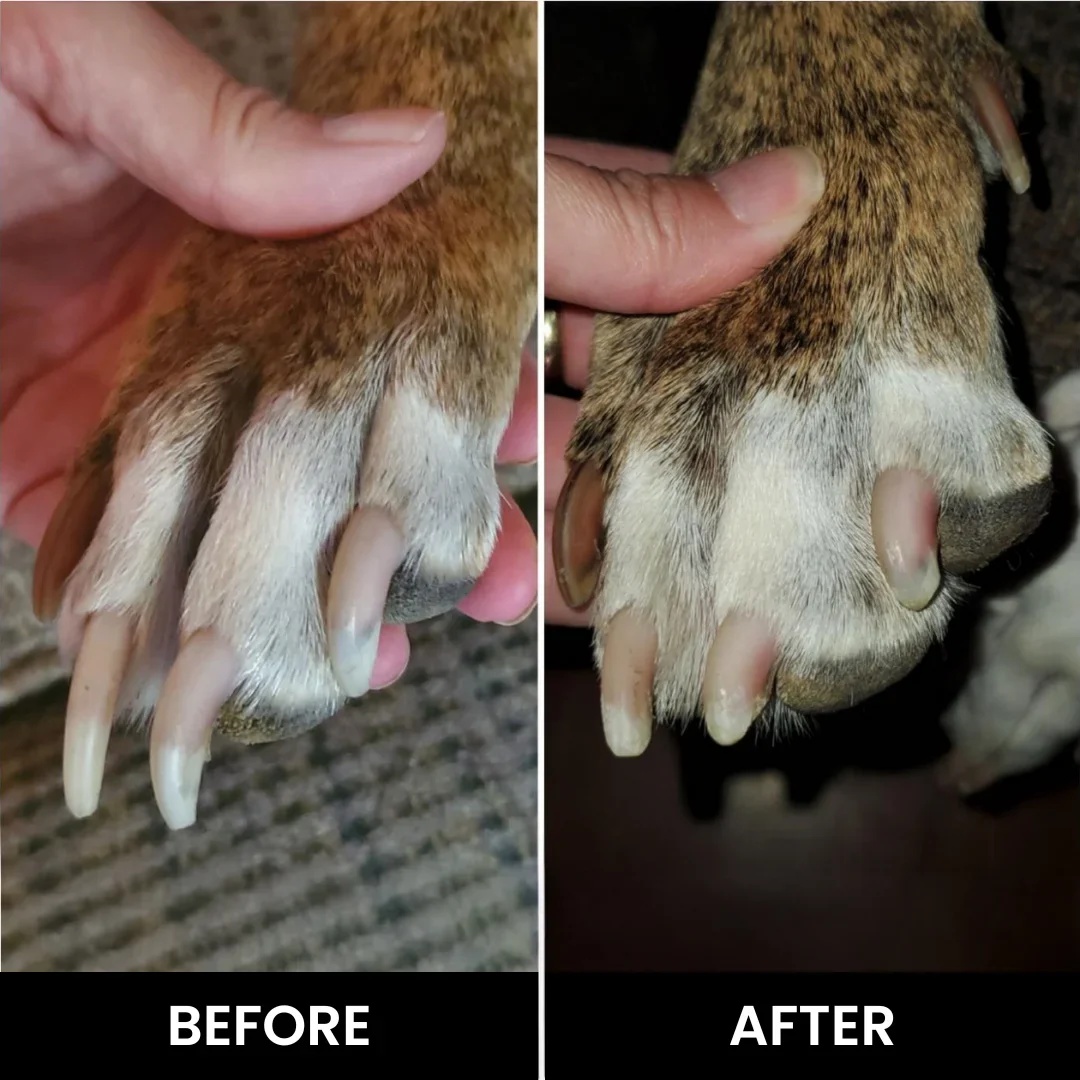
99-Day 100% Money-Back Guarantee
“Ever since we started using the Zenpaw Maxpro Grinder, it’s been such a peaceful experience. It’s very quiet, and my dog actually relaxes. It’s turned our stressful sessions into quick, quiet grooming times.”
— Sarah M. | ✔ Verified Customer
- ✓ Prevents Infection & Splitting
- ✓ Ideal for All Dog Sizes
- ✓ Low-Vibration Technology
- ✓ Fast 2-7 Days Delivery
Need Support? Call 302-307-1000
Understanding Canine Paw Stress and Muzzle Safety Dynamics
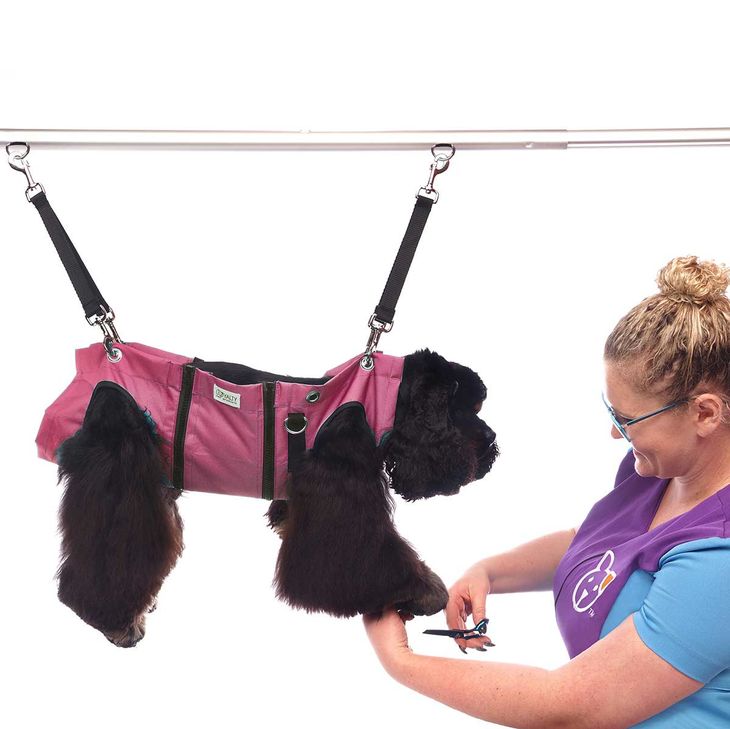
Professional veterinary behaviorists agree that using a dog muzzle for nail trimming is a highly responsible safety practice.
It protects both the owner and the pet from accidental, pain-induced defensive biting during high-stress grooming moments.
Many dogs suffer from tactile hypersensitivity in their paws, which makes any form of restraint feel highly threatening.
This stress triggers a survival response in the brain, which can lead to growling, snapping, or struggling.
A properly fitted basket muzzle provides a physical barrier that allows you to groom safely while keeping your energy calm.
It is crucial to avoid soft fabric muzzles or restrictive wrap techniques for extended periods of time.
These fabric wraps prevent your dog from panting, which is their primary method for regulating body temperature.
Using a “muzzle wrap safety pet care” approach should only be a very temporary measure in absolute emergencies.
A well-ventilated basket muzzle is always the preferred choice among certified animal behaviorists.
If your dog has incredibly hard, brittle claws, you may want to soak dog nails before cutting or grinding them.
Soaking softens the thick keratin layer, which dramatically reduces the physical pressure required during the grooming session.
This simple trick minimizes the jarring sensations that often cause a dog to panic and resist handling.
Anatomy of the Quick: Avoiding Traumatic Grooming Injuries
To groom your dog safely, you must understand the delicate internal structure of their claws.
Each nail contains a living center called the quick, which is packed with blood vessels and highly sensitive nerve endings.
Traditional clippers crush the nail wall, which can cause sudden, sharp pain even if you miss the quick.
If you accidentally cut into this living tissue, it will cause intense pain and immediate, heavy bleeding.
Experienced groomers always keep silver nitrate for cut dog nails within arm’s reach to stop bleeding instantly.
However, the psychological trauma of a painful clip can set your training back by several months.
Furthermore, an open wound on the paw is highly susceptible to dirt, bacteria, and debris from the ground.
This exposure can lead to a painful cut dog nail too short infection that requires expensive veterinary antibiotics.
Transitioning from traditional clippers to a high-precision rotary tool is the safest way to prevent these injuries.
A professional grinder files the nail down in micro-layers, allowing you to stop the moment you see the pale circle of the quick.
This gradual control completely eliminates the risk of painful crushing or sudden, accidental slicing.
The Evolution of Modern Nail Care: From Clippers to Advanced Grinding
The pet care industry has seen a massive shift toward low-stress grooming technologies over the last decade.
Many specialized veterinary clinics now offer advanced options like laser dog nail cutting for highly reactive animals.
While laser technology is incredibly precise, it is also highly expensive and requires specialized clinical equipment.
For home grooming, a quiet, high-velocity rotary grinder remains the most practical and effective solution.
Older pet grinders were often modified hardware tools that produced loud, scary noises and excessive vibrations.
These harsh vibrations would rattle the dog’s nail beds, causing immense discomfort and immediate resistance.
Modern canine wellness brands have engineered specialized devices to solve this exact sensory problem.
The Zenpaw Maxpro 3-in-1 Grinder features an advanced brass spindle motor that dampens mechanical vibrations.
This allows you to trim your dog’s nails without triggering their instinctual fear of loud noises and shaking.
By upgrading your tools, you can transform a highly stressful chore into a peaceful, routine bonding experience.
Introducing the Zenpaw Maxpro Grinder: A Stress-Free Approach
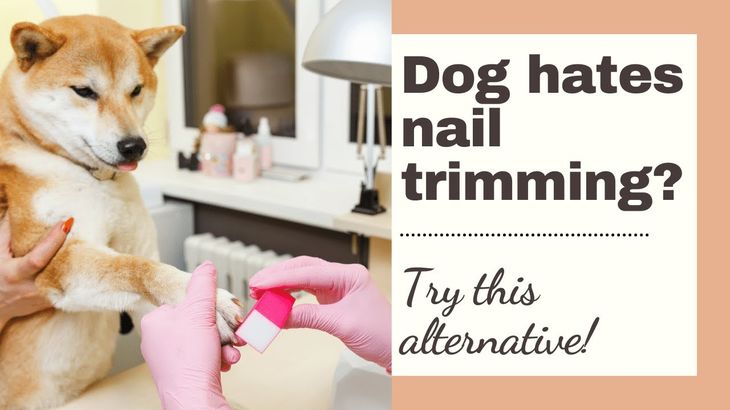
Introducing a new tool to a sensitive dog requires a systematic, step-by-step desensitization protocol.
Start by placing the Zenpaw Maxpro Grinder on the floor near your dog’s favorite resting spot while it is turned off.
Place a few high-value treats directly on top of the silent device to create a positive visual association.
Once your dog happily approaches the grinder, pick it up and turn it on to the lowest speed setting.
The whisper-quiet motor of the Zenpaw Maxpro operates at under 40 decibels, which is softer than a gentle hum.
Reward your dog with a treat immediately upon hearing the quiet sound of the running motor.
Slowly bring the running grinder closer to your dog’s paw, treating them continuously for remaining calm.
Gently touch the vibrating body of the grinder to your dog’s leg so they become familiar with the physical sensation.
When you are ready to trim, hold your dog’s paw firmly but gently to prevent sudden movements.
Hold the grinder at a precise 45-degree angle against the tip of the nail to create a smooth, natural bevel.
Work in quick, light strokes of two to three seconds per nail to prevent any friction heat from building up.
The advanced diamond bit wheel of the Zenpaw Maxpro files the nail down cleanly without splitting the keratin.
Always praise your dog warmly and reward them with a treat after completing each individual nail.
Keep the first few sessions short, aiming to file only one or two nails per day to prevent sensory fatigue.
This slow, respectful pace builds lasting confidence and ensures your dog remains cooperative for future trims.
Overcoming Grooming Risks: Why Traditional Clippers Fail
Using traditional guillotine or scissor-style clippers is one of the most common causes of canine grooming phobias.
Clippers function by applying intense, concentrated mechanical force to crush and sever the hard nail structure.
This sudden crushing sensation is highly uncomfortable for dogs, even if the quick is not directly cut.
Over time, this discomfort develops into a deep-seated fear, leading to struggling, growling, and defensive behavior.
Many pet parents try to rush through the process to get it over with, which drastically increases the risk of injuries.
An anxious, struggling dog is highly likely to jerk their paw at the exact millisecond the clipper blades close.
A professional dog muzzle for nail clipping provides vital protection during these unpredictable training phases.
However, the muzzle is simply a temporary safety tool, not a permanent cure for their underlying anxiety.
The true solution lies in replacing the painful, scary sensations with a predictable, stress-free alternative.
The Zenpaw Maxpro Grinder completely eliminates the jarring impact and pressure associated with traditional clippers.
Its dual-speed settings allow you to adjust the power level based on your dog’s specific comfort and nail thickness.
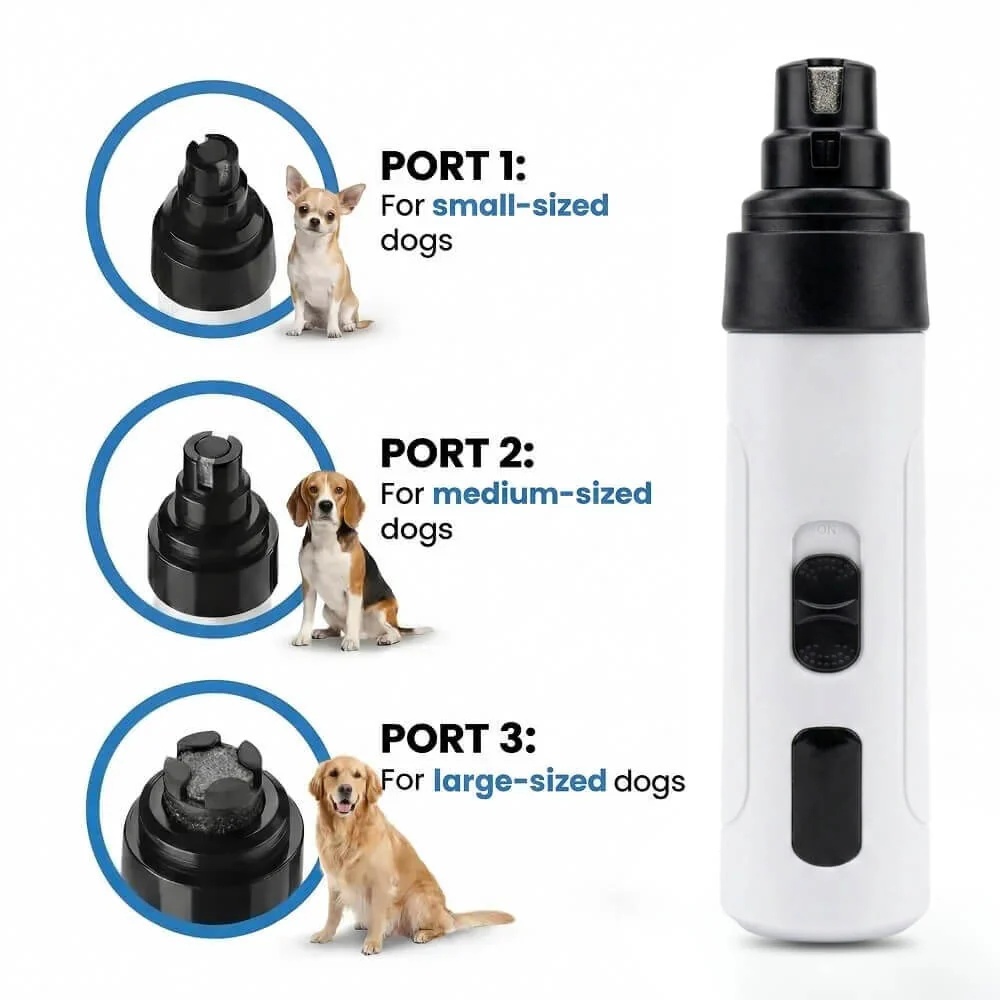
The three versatile safety ports prevent accidental contact with the surrounding paw skin or hair during grooming.
By filing the nail down gradually, you remove the fear of pain and help your dog feel safe again.
With consistent patience and the right tools, you can slowly phase out the muzzle as your dog’s trust grows.
Remember that a peaceful, slow grooming routine is the key to maintaining your dog’s long-term paw wellness.
Frequently Asked Questions About Dog Muzzles and Nail Trimming
Is the Zenpaw Grinder safe for large dogs with very thick nails?
Yes, the Zenpaw Maxpro is engineered to handle claws of all sizes, from tiny puppies to massive, thick-nailed breeds.
The device features three specialized ports designed to fit different nail diameters safely and securely.
The high-speed setting provides ample torque to file down thick keratin cleanly without slowing down or stalling.
This versatile design ensures you can groom your entire multi-pet household with a single, high-performance tool.
How long does the grinder’s battery last on a single charge?
The grinder is powered by a high-capacity, USB-rechargeable lithium-ion battery that delivers up to seven hours of continuous run time.
This exceptional battery life means you can complete multiple thorough grooming sessions without needing to recharge.
The convenient USB charging capability allows you to power up the device using a laptop, power bank, or standard wall adapter.
An intuitive LED indicator light lets you know exactly when the battery is running low so you are never caught unprepared.
Which speed setting is best for a highly anxious dog?
We strongly recommend starting on the lowest speed setting when introducing the grinder to an anxious or sensitive dog.
The low speed minimizes both the operating sound and the physical vibration, making it much less intimidating for your pet.
Once your dog has become completely comfortable with the sensation, you can safely switch to the higher speed setting.
Always let your dog’s individual comfort levels guide your transitions between the different speed options.
Does the grinding wheel get hot during extended grooming sessions?
No, the Zenpaw Maxpro utilizes advanced low-heat technology designed to prevent the grinding tip from overheating.
Traditional rotary tools can generate intense friction heat, which can cause pain to the sensitive nail bed beneath the quick.
Our specialized diamond bit wheel files the nail cleanly while maintaining a safe, comfortable temperature throughout the session.
For maximum safety, we still recommend working in brief, two-second intervals on each individual nail to ensure complete comfort.
Can I use a fabric muzzle instead of a basket muzzle for nail trims?
Fabric muzzles are not recommended for nail trims because they hold the dog’s mouth tightly closed and prevent panting.
An anxious dog needs to pant to release stress and cool down their body temperature during a grooming session.
A basket-style muzzle is much safer because it allows your dog to pant, drink water, and receive high-value treats easily.
Only use a fabric muzzle for extremely brief, emergency situations where a basket muzzle is absolutely unavailable.
How often should I grind my dog’s nails to keep them healthy?
We recommend grinding your dog’s nails once every one to two weeks to maintain an optimal, healthy length.
Regular, frequent touch-ups keep the quick from growing too long, making future grooming sessions much easier.
If you hear your dog’s nails clicking on hard floors, it is a clear sign that they are overdue for a trim.
Consistent, brief grooming sessions are much easier for your dog to tolerate than long, infrequent marathon sessions.
Conclusion
Training your dog to wear a muzzle ensures safety while you rebuild grooming trust.
The whisper-quiet, painless Zenpaw Maxpro 3-in-1 Grinder is the perfect partner for this stress-free journey.
Ready to transform nail trimming from a battle into a breeze?
Explore the Zenpaw Maxpro 3-in-1 Grinder today.
Call 302-307-1000 — our team can help you advise on the best grooming practices and help with any product questions.
Note: Individual results may vary depending on individual dog breeds, nail thickness, and behavioral temperaments. This article is intended for general pet grooming reference purposes only and does not replace professional veterinary advice.