
I still remember the absolute panic I felt when my golden retriever puppy first shied away from standard clippers, leaving us both stressed and exhausted. That gut-wrenching fear of accidentally hurting my new companion made me delay the chore, which only made his nails grow longer and sharper. If you are wondering when to start trimming dog nails, I discovered that starting early with the right whisper-quiet tool is the ultimate secret to lifelong, stress-free paw health.
Maxpro 3-in-1 Grinder.
Stress-Free Nail Trimming.
Whisper-quiet DC motor (<40 dB) eliminates fear & discomfort. Features 3 ports, dual speeds, and 7-hour battery life. Safe, precise, and painless.
In This Article
- The optimal age to introduce your young companion to claw grooming safely.
- Understanding your puppy’s sensitive anatomy to avoid pain and bleeding.
- A step-by-step training strategy to build lifelong confidence in your pet.
- The severe impact that long, neglected claws have on skeletal alignment.
- How modern whisper-quiet rotary tools compare to traditional crushing clippers.
When to Start Trimming Dog Nails: The Essential Milestone Guide for Pet Parents
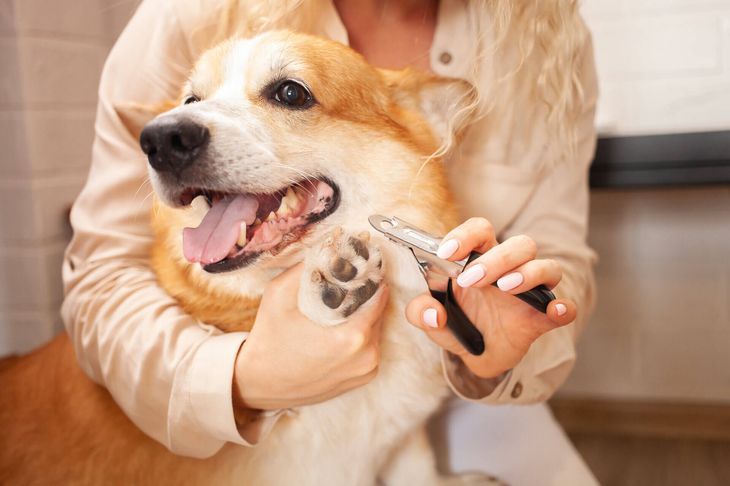
You should introduce your puppy to nail grooming as early as six to eight weeks of age.
This early timing is recommended by professional dog groomers because a puppy’s claws grow incredibly fast and are needle-sharp.
By beginning the process at this young stage, you teach your dog that paw handling is a normal, rewarding part of life.
Waiting too long can cause the blood vessel inside the nail to grow very long, making future grooming sessions much more difficult.
You will want to perform these initial sessions in a quiet room free from distractions where your puppy feels completely safe.
The main goal during these early weeks is to gently touch the paws and groom only the very tip of the claw.
You can achieve this easily by pairing every paw touch with high-value rewards and a calm, reassuring voice.
To begin safely, start by gently massaging your puppy’s paws while they are relaxed or sleeping.
Once they accept paw handling, introduce them to a quiet nail tool without actually cutting anything.
Touch the tool to each individual toe while praising your dog and offering a favorite snack.
Only groom one single nail per session in the beginning to keep the experience completely positive and stress-free.
Slowly increase the number of claws you groom as your puppy builds confidence and associates the activity with rewards.
If you want to handle this safely at home, the Zenpaw Maxpro Grinder provides painless, quiet filing — explore it here.
99-Day 100% Money-Back Guarantee
“Ever since we started using the Zenpaw Maxpro Grinder, it’s been such a peaceful experience. It’s very quiet, and my dog actually relaxes. It’s turned our stressful sessions into quick, quiet grooming times.”
— Sarah M. | ✔ Verified Customer
- ✓ Prevents Infection & Splitting
- ✓ Ideal for All Dog Sizes
- ✓ Low-Vibration Technology
- ✓ Fast 2-7 Days Delivery
Need Support? Call 302-307-1000
Understanding Canine Nail Anatomy: The Secret to Finding the Quick
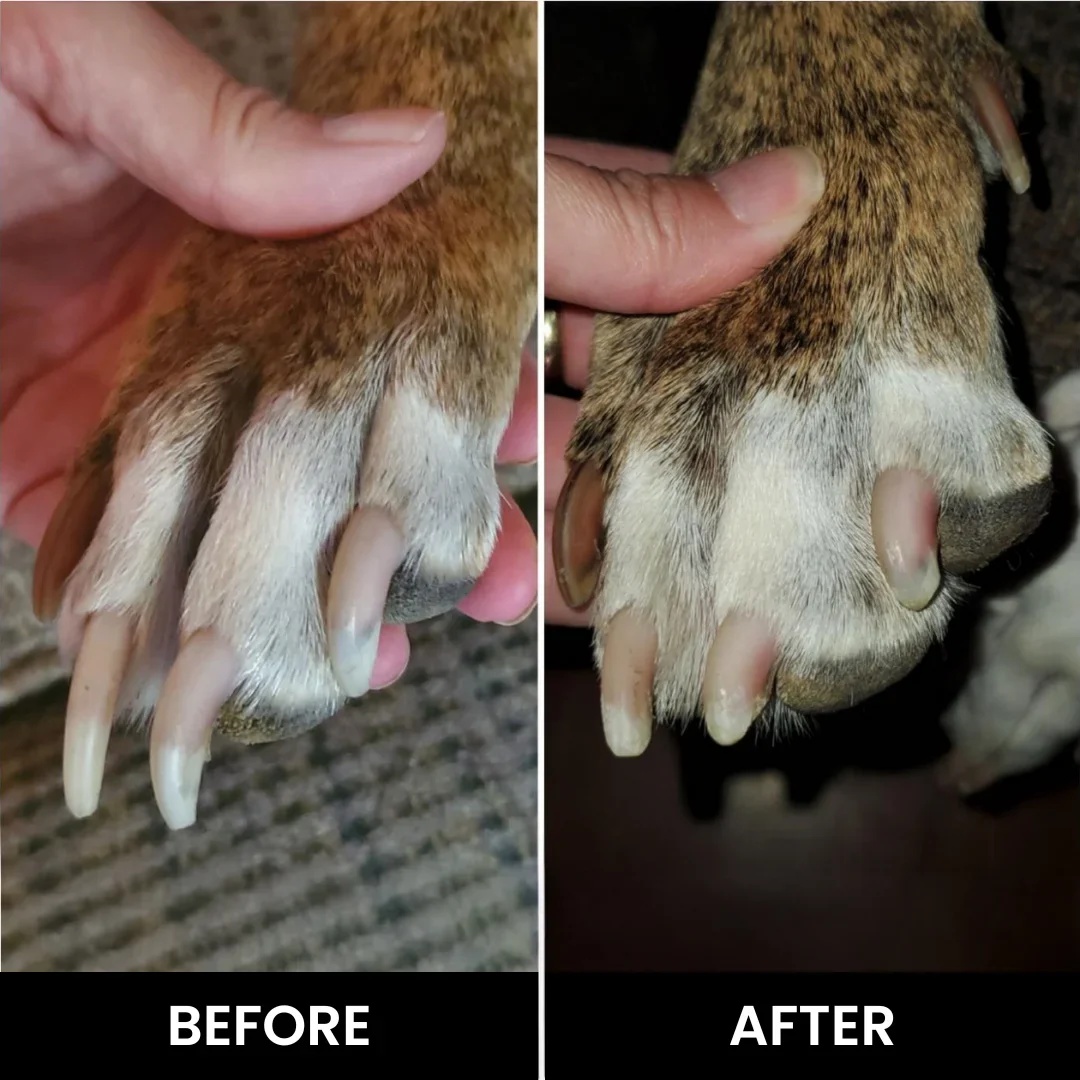
Every dog claw consists of a hard outer shell made of keratin and a highly sensitive inner core called the quick.
The quick contains active blood vessels and tiny nerve endings that feed the growing claw.
If you cut into this sensitive area, it will cause sudden, sharp pain and immediate bleeding.
This painful experience is the primary reason many dogs develop a severe phobia of grooming sessions.
On clear or white nails, the quick looks like a distinct pink shadow inside the claw.
On black or dark nails, however, this vital landmark is completely invisible from the outside.
This is why understanding how to tell when your dog needs their nails cut is so critical for safety.
When you use a traditional clipper, you run a high risk of crushing the nail or slicing the quick.
A professional dog nail grinder allows you to file down the claw gradually, layer by layer.
As you grind, you will see a small dark dot appear in the center of the nail’s cut surface.
This dot is the protective outer layer of the quick, signaling that you must stop grinding immediately.
By using this gradual method, you can keep the quick safe while maintaining clean, smooth edges.
If you notice issues like dog nails flaking during your grooming sessions, it may indicate dry keratin or physical trauma from dull tools.
Our team at Zenpaw designed the Maxpro 3-in-1 Grinder to gently smooth these rough edges without causing painful cracks.
The Puppy Nail Trim Timeline: Milestones from 8 Weeks to Adulthood
Establishing a structured puppy nail trim timeline is essential for long-term behavioral success.
During the first milestone of eight to twelve weeks, your primary goal is simple sensory introduction.
You should handle your puppy’s paws daily and reward them for remaining calm and relaxed.
You can use a soft emery board or a quiet grinder turned off to touch their tiny nails.
By week twelve to sixteen, you should initiate your first puppy nail clip or grind.
At this stage, the claws are still relatively soft, but they grow at a very rapid pace.
We recommend a weekly grooming session to take off just the sharp, hooked tips of the claws.
This frequent schedule prevents the quick from growing too long and keeps the pup accustomed to the routine.
From six months to adulthood, the nails will begin to harden and thicken significantly.
This transition requires stronger tools and consistent early dog claw maintenance to prevent issues.
You can transition your grooming sessions to a bi-weekly schedule once your dog is fully grown.
However, highly active dogs or certain breeds may still require weekly touch-ups to keep their paws healthy.
We have compiled a clear summary table below to help you track these vital milestones easily.
| Puppy Age Milestones | Grooming Goals & Objectives | Recommended Frequency & Approach |
|---|---|---|
| 8 to 12 Weeks | Desensitize paws to physical touch and object contact | Daily paw handling sessions with high-value rewards |
| 12 to 16 Weeks | Introduce quiet grinding tools and trim sharp tips | Weekly micro-grinding sessions using Port 1 |
| 6 Months to Adulthood | Maintain proper claw length and prevent joint strain | Bi-weekly full grooming sessions based on growth rate |
How Neglected Claws Impact Canine Joint Health and Skeletal Alignment
Long, neglected nails do far more than scratch your floors and snag on your carpets.
When a dog’s claws touch the ground continuously, they push the toe bones upward into unnatural positions.
This constant pressure changes the angle of the paw and alters the dog’s entire natural gait.
Your dog will begin to shift their weight backward onto their hind legs to compensate for the discomfort.
This compensatory posture places immense, unnatural strain on their joints, tendons, and spine.
Over time, this structural shift can lead to early-onset joint discomfort and severe mobility challenges.
This skeletal misalignment is particularly dangerous for aging pets who already face daily structural stiffness.
If you are managing a mature dog, you should read our guide on senior dog nail trimming to keep them comfortable.
Additionally, overly long nails are highly prone to splitting, breaking, or tearing during exercise.
A torn claw can lead to a highly painful dog nail bleeding after walk which requires immediate first aid.
Furthermore, dirt and bacteria can easily enter a cracked nail and cause a deep tissue infection.
This can result in a highly painful, dog nail bed swollen condition that requires expensive veterinary care.
By maintaining a strict grooming schedule, you protect your dog’s skeletal health and avoid these painful injuries.
Introducing the Grinder: A Step-by-Step Desensitization Blueprint
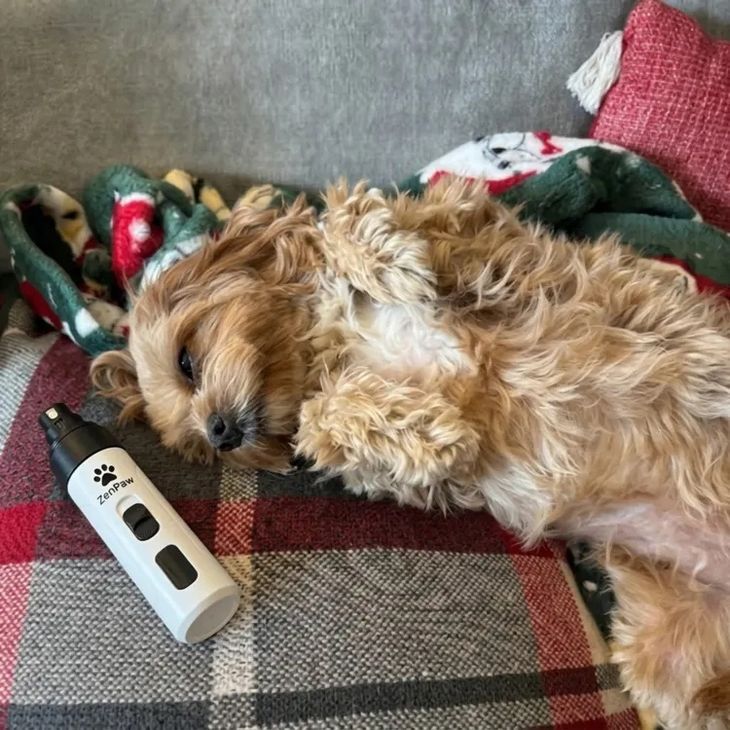
Introducing a rotary tool to a young puppy requires patience, positive reinforcement, and a very quiet device.
The Zenpaw Maxpro 3-in-1 Grinder is uniquely suited for this training because its whisper-quiet motor runs under forty decibels.
This ultra-low noise level prevents the initial startle reflex that louder, industrial tools often trigger in puppies.
You should begin your training on day one by simply placing the grinder on the floor near your puppy.
Let them sniff the tool naturally while you drop delicious, high-value snacks all around it.
On day two, pick up the grinder and hold it near your dog’s body without turning the motor on.
Gently touch the cold grinding head to each of their toes, rewarding them instantly for remaining calm.
On day three, turn the whisper-quiet grinder on its lowest speed while keeping it a few feet away from your pet.
Feed them snacks continuously while they listen to the gentle hum of the motor.
On day four, bring the humming grinder closer and touch the vibrating body of the tool to their shoulder or leg.
This step helps your puppy get used to the physical sensation of the vibration without any fear.
By day five, you are ready to make contact with the actual claws using the correct angle.
You should hold the grinder firmly and touch the rotating head to the nail at a precise forty-five-degree angle.
This specific angle matches the natural slope of the claw and keeps the grinding surface away from the quick.
Only apply the grinding wheel to the nail for two to three seconds at a time to prevent friction heat from building up.
By keeping each touch short and positive, you will quickly groom all four paws without any struggle or resistance.
Common Pitfalls of Puppy Nail Grooming and How to Avoid Them
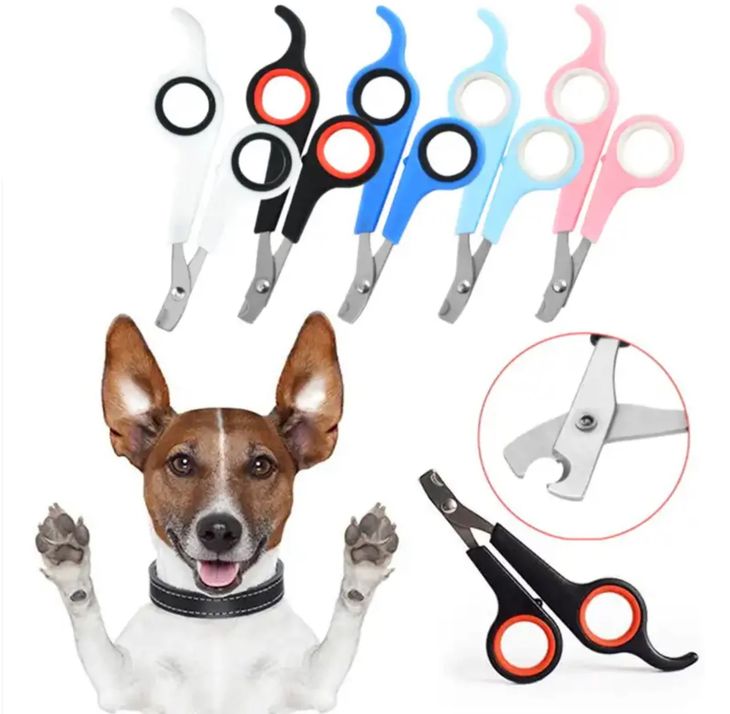
One of the most common mistakes pet parents make is using dull, traditional scissor-style clippers.
These classic tools often squeeze and crush the sensitive nail fibers before they actually cut through them.
This crushing pressure causes sudden, sharp discomfort even if you do not touch the quick itself.
A puppy who associates nail care with this crushing sensation will quickly learn to hide when the tools come out.
Another dangerous pitfall is rushing through the grooming session in an attempt to get it over with quickly.
Rushing almost always leads to slips, incorrect angles, and accidental cuts into the sensitive blood vessel.
You must remember that puppy grooming is not a race but a long-term bonding experience.
The Zenpaw Maxpro Grinder eliminates these risks by utilizing a high-quality diamond bit wheel.
This rotating wheel files the nail down smoothly and gradually instead of crushing the delicate structure.
You have complete control over how much nail you remove with every gentle pass.
This micro-trimming capability allows you to stop safely before reaching the delicate quick.
By replacing force with gentle, controlled abrasion, you ensure a painless experience for your beloved companion.
Frequently Asked Questions About Puppy Claws and Grooming
Is the Zenpaw Maxpro Grinder safe for large dog breeds?
Yes, our advanced grinder is designed to support dogs of all sizes, from tiny puppies to giant breeds.
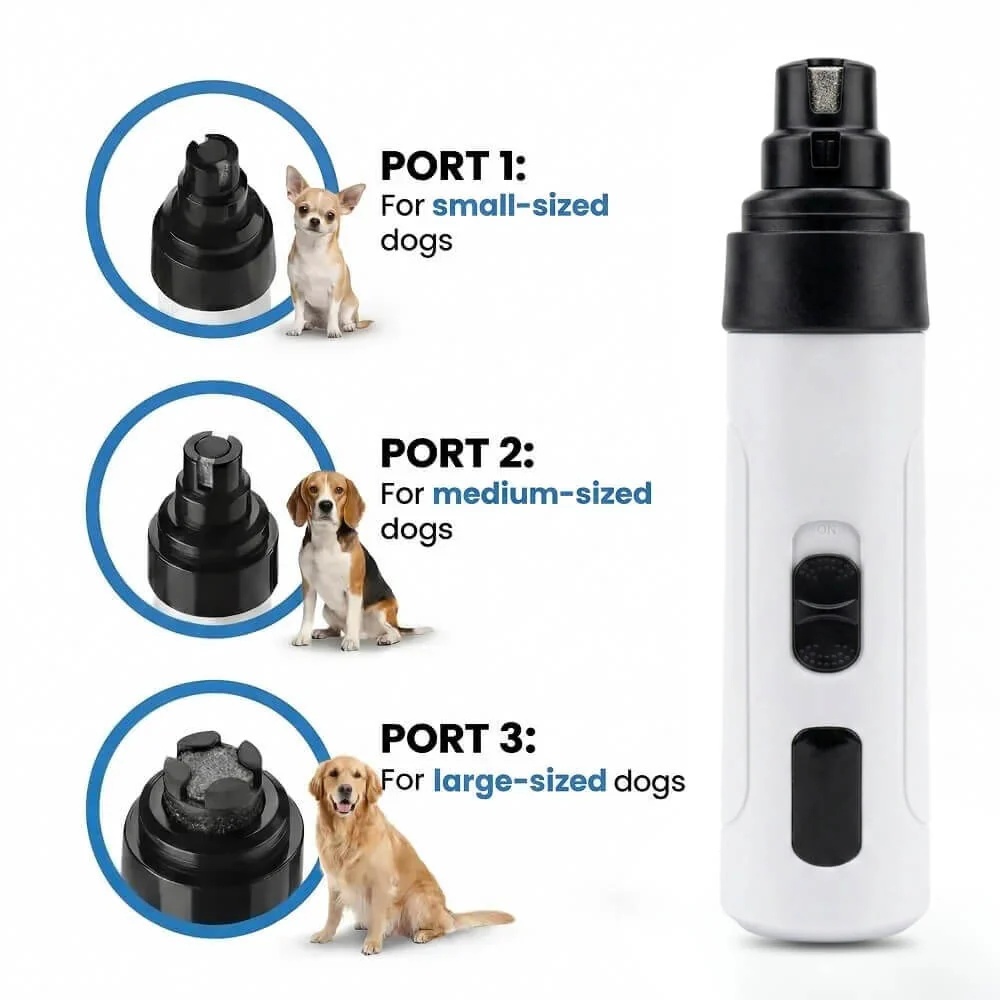
The protective safety cap features three distinct ports designed to fit different nail diameters perfectly.
Port one is small and ideal for young puppies or toy breeds with delicate claws.
Port two is wider and accommodates medium-sized dogs comfortably.
Port three exposes the entire grinding wheel, allowing you to file down thick, tough adult nails quickly.
How long does the battery last on a single charge?
The Zenpaw Maxpro features an upgraded lithium-ion battery that delivers up to seven hours of continuous runtime.
This impressive battery life allows you to perform multiple grooming sessions without worrying about power loss.
The device is fully rechargeable via a standard USB cable, making it incredibly convenient for home or travel use.
A full recharge takes only a few hours and keeps the motor running at optimal strength.
Which speed setting should I use for my puppy?
We recommend starting your young puppy on the lowest speed setting to keep noise and vibration to an absolute minimum.
The low-speed setting offers maximum precision and control while you are teaching your puppy to accept the tool.
You can transition to the high-speed setting once your dog is fully grown and comfortable with the process.
The high-speed setting is excellent for quickly smoothing down thick, dense adult claws.
Does the grinding wheel get hot during use?
Our grinder is engineered with advanced low-heat technology to prevent friction heat from building up during use.
However, you should still avoid holding the grinding wheel against a single nail for more than three consecutive seconds.
We recommend moving from toe to toe in a continuous cycle to allow each nail a moment to cool down.
This easy rotation technique ensures your dog’s paws remain completely cool, comfortable, and pain-free.
Conclusion
Transforming your puppy’s nail care from a stressful chore into a peaceful bonding moment is entirely possible with patience and the right quiet tools. We invite you to experience the difference with our safe, whisper-quiet Zenpaw Maxpro 3-in-1 Grinder. Please call our team at 302-307-1000 for personalized advice and product support today.
Note: Individual results may vary depending on individual dog breeds, nail thickness, and behavioral temperaments. This article is intended for general pet grooming reference purposes only and does not replace professional veterinary advice.