
I still remember the sharp yelp my golden retriever gave years ago when I accidentally nipped the sensitive quick of a dog nail, leaving us both shaken, stressed, and surrounded by blood. It was a heartbreaking moment that made me dread nail care forever, until our team at Zenpaw decided to engineer a painless, whisper-quiet solution to protect our dogs’ paws and restore that peaceful bonding experience we all deserve.
Maxpro 3-in-1 Grinder.
Stress-Free Nail Trimming.
Whisper-quiet DC motor (<40 dB) eliminates fear & discomfort. Features 3 ports, dual speeds, and 7-hour battery life. Safe, precise, and painless.
In This Article
- Anatomical Discovery: Learn how to locate the sensitive inner nerve and blood vessel across all nail types.
- Visual Identifiers: Spot the subtle structural changes that alert you when to stop trimming.
- Actionable Treatment: Master safe bleeding control and learn step-by-step physical recovery techniques.
- Stress-Free Grinding: Discover professional desensitization methods to keep your dog perfectly relaxed.
What is the Quick of a Dog Nail and How Do You Find It?
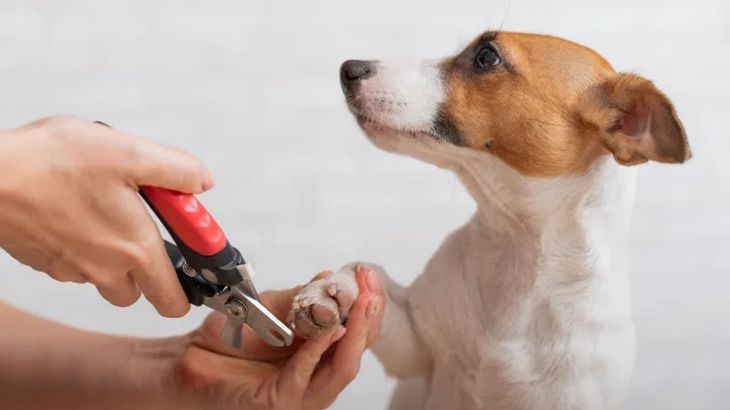
Every dog owner needs to understand the fundamental anatomy of the quick of a dog nail to maintain proper paw health.
The quick is the soft, living inner core of the claw that contains highly sensitive blood vessels and complex nerve endings.
It acts as the primary blood supply for the nail bed, feeding the hard outer shell made of keratin.
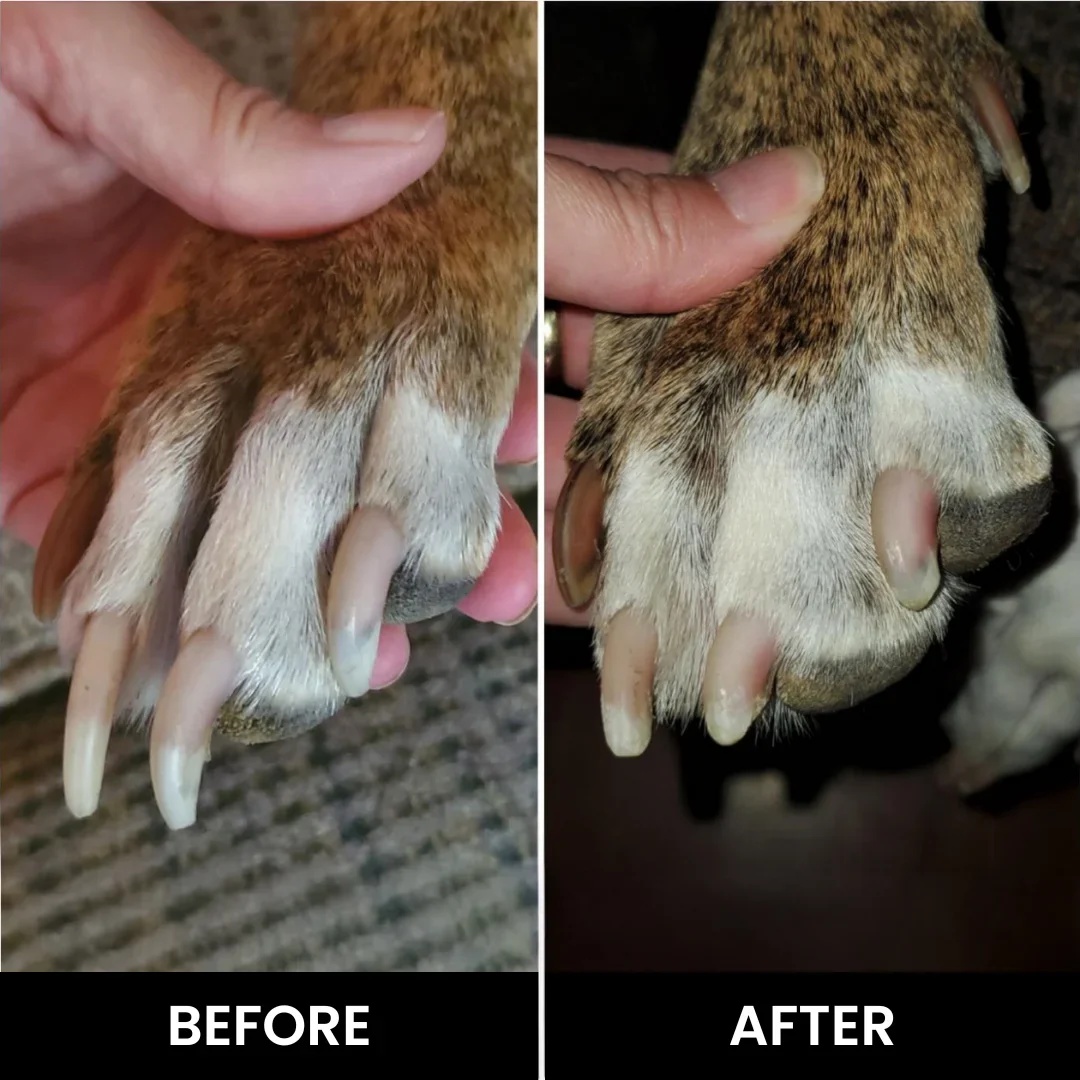
When you look closely at light-colored dog claws, this inner structure is easily visible as a distinct pinkish tube running down the center of the translucent nail.
For dogs with dark or solid black claws, the quick is completely hidden from the outside, which raises the risk of accidental injury during home grooming sessions.
Knowing where this vital tissue begins and ends is the absolute key to preventing painful bleeding, structural splitting, and long-term grooming anxiety in your pet.
To safely locate the quick during your routine care sessions, you must always work gradually from the outer tip inward.
Instead of making one single, aggressive cut across the nail, you should trim or grind off tiny fractions of the claw at a time.
As you shorten the claw, inspect the cut edge of the nail directly head-on after each pass.
When you are working safely on the outer dead layer, the center of the exposed tip will look dry, powdery, and solid white.
As you get closer to the living tissue, you will observe the texture shift from chalky white to a soft, jelly-like grayish circle in dark nails, or a distinct pink hue in light nails.
Learning how to cut my dog’s nails correctly involves recognizing these visual cues and stopping the moment that central circle appears.
If you find yourself constantly worrying about clipping too close to this sensitive area, you are not alone.
Standard clippers often squeeze and crush the sensitive nail bed, which causes sudden pinches of pain even if you do not actually touch the blood vessel itself.
By switching to a specialized, gentle tool, you can completely eliminate the pressure and safely shave away micro-layers of the nail without any sudden surprises.
If you want to handle this safely at home, the Zenpaw Maxpro Grinder provides painless, quiet filing — explore it here.
99-Day 100% Money-Back Guarantee
“Ever since we started using the Zenpaw Maxpro Grinder, it’s been such a peaceful experience. It’s very quiet, and my dog actually relaxes. It’s turned our stressful sessions into quick, quiet grooming times.”
— Sarah M. | ✔ Verified Customer
- ✓ Prevents Infection & Splitting
- ✓ Ideal for All Dog Sizes
- ✓ Low-Vibration Technology
- ✓ Fast 2-7 Days Delivery
Need Support? Call 302-307-1000
How to Safely Grind Black Dog Nails Without Bleeding
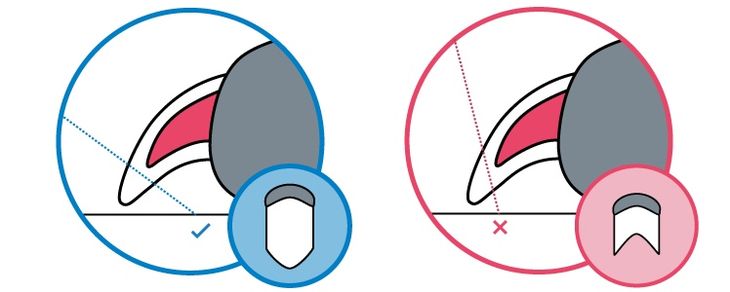
Managing a dog with dark claws presents a unique challenge for many pet parents because the canine claw quick is completely invisible from the surface.
To avoid injuries, you must learn to rely on structural changes and tactile sensations rather than direct visual placement.
This process requires using a high-quality nail cutter dogs rely on to slowly reveal the inner layers of the keratin shell.
By taking your time and working in a well-lit room, you can safely minimize the risk of over-trimming.
Visual Indicators of the Approaching Quick
When you start grinding down a dark nail, the exposed tip will look chalky, dry, and uniformly light gray or white.
As you shave off additional layers, look directly at the center of the cut circle after every single pass of the tool.
You are searching for a small, dark, or semi-translucent circular spot that begins to form right in the middle of the nail.
This central spot is often referred to by professional groomers as the “homing signal” or “black dot” of the nail.
The moment you see this distinct circle, or if the nail tip starts to feel slightly soft and pliable under light pressure, you must stop immediately.
Filing past this warning sign will breach the protective shell and cause immediate discomfort and bleeding.
The Behavior of an Overgrown Quick
When a dog’s nails are left to grow too long, the internal blood vessel and nerve network actually stretch out toward the tip.
This means that trying to cut long nails back to a short length all at once is anatomically impossible without cutting the living tissue.
If you encounter severely overgrown claws, you must adopt a patient, long-term grooming strategy.
By trimming or grinding just the very tips of the nails every seven to ten days, you can encourage the blood vessel to naturally recede.
This gradual approach allows you to achieve beautifully short, silent claws over a period of several weeks.
Understanding this biological process is essential for anyone practicing safe cutting dog nails at home.
The Science of Desensitizing Your Dog to Nail Tools
Many dogs develop intense behavioral anxiety surrounding nail care because of past painful experiences or the terrifying noise of low-quality grooming tools.
Our research at Team Zenpaw shows that a systematic desensitization protocol can completely rewrite your dog’s emotional response to nail grooming.
This method involves breaking down the grooming process into tiny, non-threatening steps and pairing each step with high-value positive rewards.
By moving at your dog’s individual comfort pace, you can easily turn a stressful chore into a calm, quiet bonding experience.
Start by simply placing your grooming tool on the floor next to your dog’s favorite treats while the device is turned off.
Allow them to sniff and investigate the tool freely, and reward their curiosity with warm praise and delicious snacks.
Once they are completely comfortable with its physical presence, hold the tool and gently touch it to their paws without turning it on.
Next, turn the device on at a safe distance so they can hear the motor, and feed them treats continuously while it runs.
Using a tool with a whisper-quiet motor under 40dB is incredibly helpful during this stage because it does not trigger their natural startle reflex.
Over several short sessions, you can gradually bring the quiet hum closer to their paws until they comfortably allow direct contact.
Step-by-Step Guide: How to Safely Shorten Claws at Home
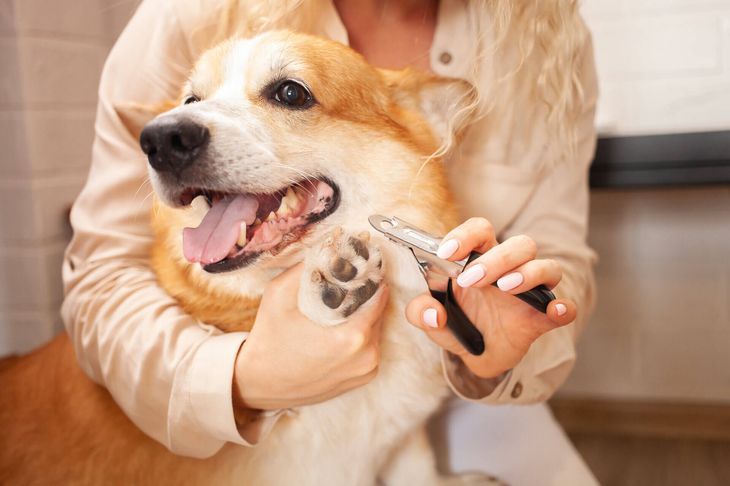
Before you begin your nail care session, gather all your essential supplies and find a comfortable, well-lit space in your home.
Make sure you have your specialized nail grinder, some high-value training treats, and a small container of styptic powder or clean cornstarch nearby.
Using high-quality small dog nail clippers or a specialized dual-speed grinder ensures you have maximum physical control during the session.
Keep your dog in a relaxed position, such as lying on their side or sitting comfortably in your lap, to keep their legs stable.
To safely shorten each claw, use your non-dominant hand to firmly but gently hold your dog’s paw, isolating one toe at a time.
Gently press your thumb against the top of the toe and your index finger against the bottom pad to naturally extend the claw.
Position your grinder at a precise 45-degree angle relative to the natural growth path of the nail.
Apply the grinding wheel to the nail in short, gentle bursts of no more than two to three seconds at a time.
This pulsed technique prevents friction heat from building up on the nail, which can cause sudden discomfort for your dog.
Rotate the grinder smoothly around the tip to create a clean, rounded edge that will not snag on carpets or scratch your furniture.
As you work, constantly monitor the exposed tip of the nail for the visual warning signs we discussed earlier.
If your dog has long hair, make sure to keep their fur pulled back away from the rotating wheel so it does not get tangled.
Always praise your dog warmly and offer a small treat after completing each paw to build a positive association with the process.
If you notice your dog becoming restless or showing signs of stress, take a short break and try again later.
Consistency and patience are much more important than finishing all four paws in one single sitting.
Common Pitfalls of Traditional Nail Grooming
Using traditional metal clippers is one of the most common mistakes pet parents make when grooming their dogs at home.
Dull blades can violently crush, split, and crack the hard keratin shell of the nail, causing sharp pain before you even reach the quick.
Furthermore, standard clippers give you zero visual feedback, making it incredibly easy to accidentally cut the internal blood vessel.
Many cheap grinders on the market also feature loud, high-vibration motors that easily terrify sensitive dogs and cause them to fight back.
| Grooming Method | Precision & Control | Stress & Noise Levels | Risk of Bleeding |
|---|---|---|---|
| Traditional Clippers | Low (Single blind cut) | High (Crushes nail, loud click) | High (Very easy to over-cut) |
| Standard Loud Grinders | Medium (Frequent vibration) | High (Loud hum, intense heat) | Medium (Better than clippers) |
| Zenpaw Maxpro Grinder | High (Painless micro-filing) | Minimal (Whisper <40dB) | Low (Gradual adjustment) |
If an accident does happen and the nail begins to bleed, you must remain perfectly calm so your dog does not feed off your anxiety.
Immediately press a small pinch of styptic powder or cornstarch directly onto the bleeding tip with a clean cloth or cotton pad.
Apply firm, steady pressure for at least thirty to sixty seconds without wiping the powder away, allowing a natural clot to form.
Knowing how to stop a dog’s bleeding toenail quickly will save you from panic and keep your pet safe.
Keep your dog quiet and calm for about thirty minutes after the incident to ensure the clot is fully stable before they run around.
Frequently Asked Questions About Dog Nail Quicks
Is the Zenpaw Grinder safe for large dogs with thick nails?
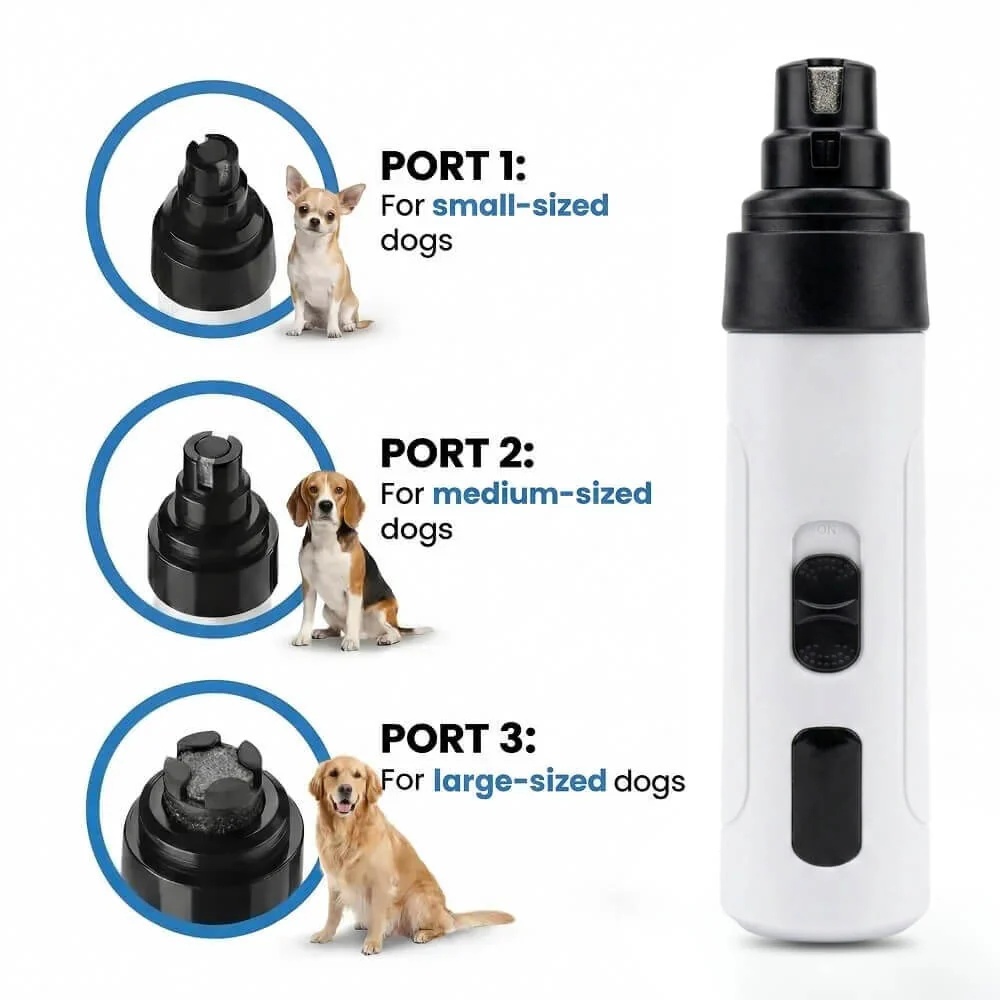
Yes, the Zenpaw Maxpro Grinder is specifically designed with three size ports and dual-speed modes to safely handle dogs of all breeds.
The large port is perfect for thick, stubborn claws, while the smaller ports allow for precise filing on toy breeds and puppies.
Our powerful motor runs smoothly without slowing down or stalling on heavy-duty nails, ensuring a quick and efficient groom.
How long does the battery last on a single charge?
The Zenpaw Maxpro features a premium, long-lasting lithium battery that provides up to 7 hours of continuous grooming on a single charge.
It is fully USB rechargeable, meaning you can easily power it up using your laptop, phone charger, or power bank.
This allows you to take your grooming routine outdoors or on trips without worrying about losing power mid-session.
Which speed setting should I use for my anxious dog?
We always recommend starting on our low-speed setting to let your dog easily adjust to the gentle hum of the device.
The lower speed is incredibly gentle and produces minimal vibration, which is ideal for sensitive or highly anxious pets.
Once your dog is completely relaxed, you can easily switch to the higher speed setting to quickly finish up thicker claws.
Does the grinding tip get hot during extended use?
No, the Zenpaw Maxpro is engineered with advanced low-heat technology to prevent friction heat from building up on your dog’s nail.
Our heavy-duty brass shaft runs cool to the touch, ensuring your dog’s paw stays comfortable and protected throughout the entire session.
For absolute safety, we still recommend moving from nail to nail in short, two-second intervals to keep the claw perfectly cool.
Conclusion
Protecting the sensitive quick of your dog’s nails does not have to be a stressful battle.
By understanding their paw anatomy and using patient, gradual grooming habits, you can keep their paws healthy and pain-free.
Ready to transform nail trimming from a battle into a breeze?
Explore the Zenpaw Maxpro 3-in-1 Grinder.
Call: 302-307-1000 — our team can help you advise on the best grooming practices and help with any product questions.
Note: Individual results may vary depending on individual dog breeds, nail thickness, and behavioral temperaments. This article is intended for general pet grooming reference purposes only and does not replace professional veterinary advice.