
As a professional groomer, I remember the panic when my sweet pup shivered at clippers, leaving me desperately hoping our daily walks would naturally grind down those sharp claws. Many owners ask is walking on cement enough to trim dog’s nails, and while concrete acts like a giant emery board, relying solely on it leaves paws neglected, which is why we created a gentle, whisper-quiet solution.
Maxpro 3-in-1 Grinder.
Stress-Free Nail Trimming.
Whisper-quiet DC motor (<40 dB) eliminates fear & discomfort. Features 3 ports, dual speeds, and 7-hour battery life. Safe, precise, and painless.
In This Article
- Expert Insights: Learn why concrete pavement alone cannot fully replace manual paw maintenance.
- Canine Anatomy: Discover the hidden structure of the quick and how uneven wear stresses dog joints.
- Practical Grooming: Access our step-by-step guide to desensitize your anxious dog to rotary filing.
- Risk Avoidance: Find out why traditional clippers damage brittle claws and how to prevent painful splits.
Is Walking on Cement Enough to Trim Dog’s Nails? The Expert Answer
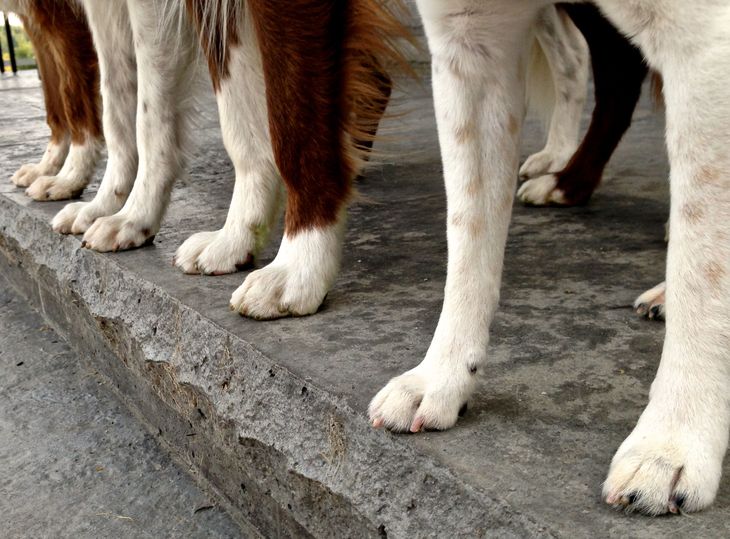
Veterinary orthopedic studies and professional grooming standards reveal that while walking on concrete pavement to shorten claws does provide mild abrasive friction, it is rarely a complete replacement for manual nail maintenance.
This natural wear occurs because the hard, textured surface of urban sidewalks grinds against the bottom edges of the nail when a dog walks with an active, forward-propelling gait.
However, this process only affects the nails that make direct contact with the ground, leaving dewclaws and less-active toes completely untouched.
The natural concrete claw wear depends heavily on your dog’s weight, walking style, and the duration of your daily outdoor adventures.
Heavy, active dogs running on rough concrete will experience much faster nail filing than small, lightweight breeds walking slowly on smooth asphalt.
If you rely entirely on outdoor surfaces, you risk allowing the inner vascular quick to grow dangerously long, making future trims highly painful for your companion.
To prevent structural paw issues and painful claw splitting, you must monitor nail length weekly and use a supplemental grooming tool.
Professional groomers recommend inspecting the paws every ten days to ensure the claws do not click against your household floors.
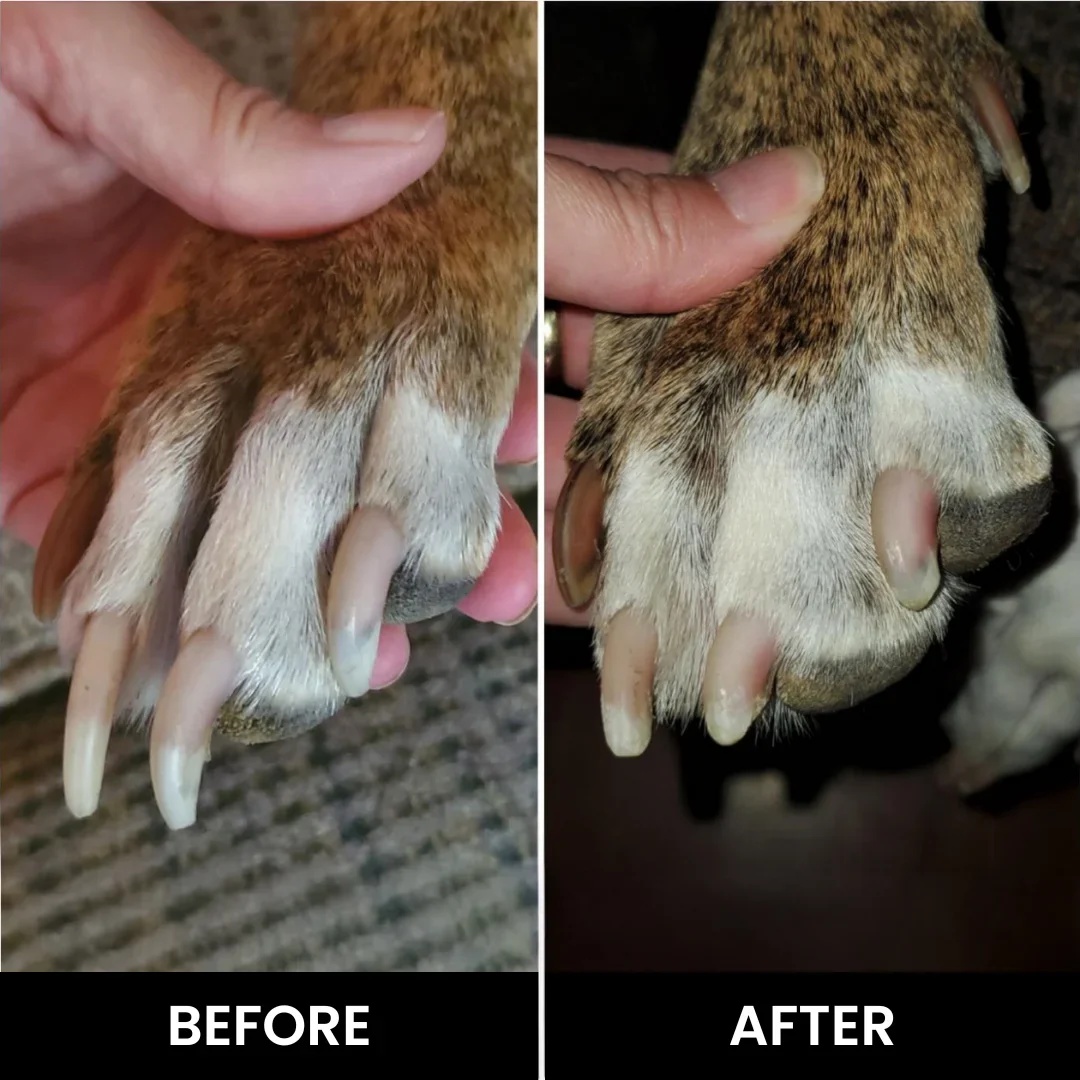
To safely solve the problem of uneven claw wear, you should establish a bi-weekly home grooming routine that combines natural walking with precise manual filing.
Start by examining your dog’s paws after a walk on the cement pavement dog nail filing surface to identify which claws remain long and sharp.
You should focus your attention on the dewclaws and the outer toes, as these rarely touch the ground during standard walking patterns.
Gradually introduce a whisper-quiet nail grinder to smooth away the sharp edges and push back the internal quick without causing fear.
Hold each toe firmly but gently, filing at a precise forty-five-degree angle for only two to three seconds per claw to avoid heat buildup.
Using this balanced method ensures your dog enjoys the joint benefits of outdoor exercise and pristine paw health.
If you want to handle this safely at home, the Zenpaw Maxpro Grinder provides painless, quiet filing — explore it here.
99-Day 100% Money-Back Guarantee
“Ever since we started using the Zenpaw Maxpro Grinder, it’s been such a peaceful experience. It’s very quiet, and my dog actually relaxes. It’s turned our stressful sessions into quick, quiet grooming times.”
— Sarah M. | ✔ Verified Customer
- ✓ Prevents Infection & Splitting
- ✓ Ideal for All Dog Sizes
- ✓ Low-Vibration Technology
- ✓ Fast 2-7 Days Delivery
Need Support? Call 302-307-1000
Understanding Canine Nail Anatomy: The Secret Life of the Quick
The Anatomy of the Quick and Why It Matters
Understanding the internal structure of your dog’s claw is the absolute foundation of safe grooming.
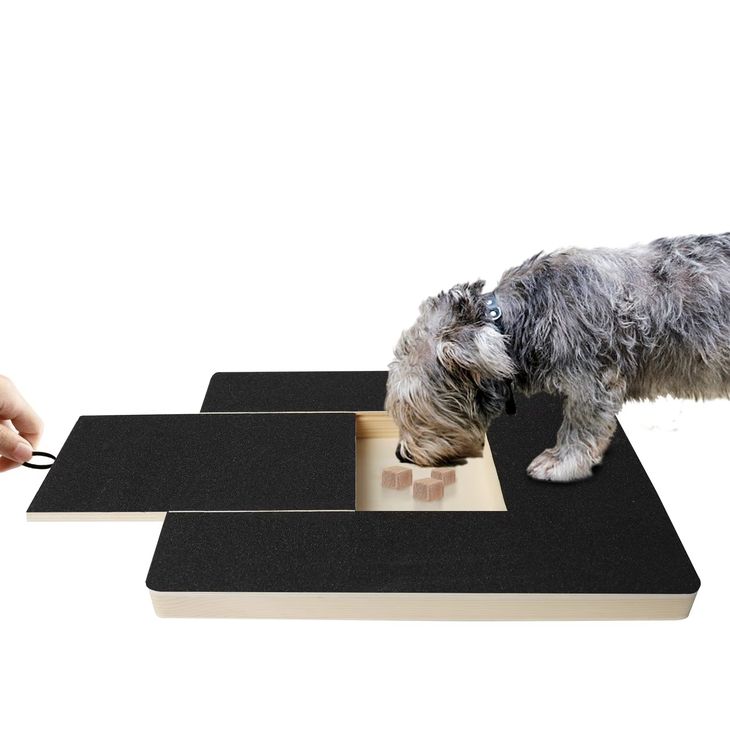
Inside every canine nail sits the quick, a highly sensitive bundle of blood vessels and specialized nerve endings.
When you look at light-colored dog nails, this quick appears as a soft pink zone near the base of the claw.
On dark or black nails, the quick is completely hidden from view, making traditional cutting a highly stressful guessing game.
If a dog’s claws are allowed to grow too long, the internal quick expands outward toward the tip of the nail.
This overgrowth makes it incredibly easy to accidentally cut the live tissue, leading to intense pain and profuse bleeding.
If your dog yelps when cutting nails, it is almost always due to the high pressure of clippers squeezing this sensitive nerve center.
By understanding this delicate anatomy, you can appreciate why gradual filing is vastly superior to sudden, aggressive cutting.
Our team at Zenpaw emphasizes that patience and anatomical awareness are the keys to a pain-free grooming experience.
Keeping the nails trimmed short actually coaxes the quick to recede over time, allowing for shorter and safer claws.
How Long Walks on Pavement Impact Nail Vascularity
Walking your canine companion on hard outdoor surfaces has a profound impact on the vascular health of their paws.
The constant, gentle pressure from pavement walks stimulates blood circulation within the digital pads and the nail beds.
This micro-vibration from pavement contact can help maintain a healthy, active blood flow to the paws.
However, concrete surfaces do not wear down nails evenly, which can cause abnormal pressure on specific toes.
When certain claws remain too long, they push back into the joint with every step, altering your dog’s natural gait.
This unnatural posture can lead to chronic joint stress, muscle compensation, and skeletal misalignment over time.
Relying solely on outdoor wear can also cause the quick to stretch forward in the unground claws, such as the dewclaws.
To maintain balanced joint alignment, you must supplement their walks with regular, precision grooming.
A quiet grinder allows you to match the natural wear of the concrete, ensuring all claws remain at a safe, uniform length.
We recommend checking the wear patterns on your dog’s claws after every long walk to spot imbalances early.
By keeping all claws level, you support healthy joint mechanics and long-term mobility for your beloved pet.
Natural Concrete Claw Wear vs. Manual Grooming
The Dewclaw Dilemma: Why Concrete Leaves Them Untouched
The dewclaw is the small, thumb-like nail located higher up on the inside of your dog’s front legs.
Because of its elevated position, the dewclaw never makes contact with the ground during normal walking or running.
This structural separation means that concrete pavements will never file down these specific claws naturally.
If left neglected, dewclaws will continue to grow in a tight, inward curl that eventually punctures the sensitive skin of the leg.
This painful curling can lead to severe infections, structural damage, and extreme discomfort for your dog.
Many pet parents find that their dog terrified of getting nails clipped will completely panic when their dewclaws are handled.
Dewclaws are also highly susceptible to snagging on carpets, outdoor brush, and blankets, which can rip the nail completely off.
Regular manual maintenance is the only way to keep these elevated claws at a safe, functional length.
Using a high-precision, low-vibration grinder allows you to safely round off these curved claws without the risk of pinching.
Our grooming experts suggest addressing the dewclaws first during your sessions to get the most challenging nails out of the way.
This proactive approach prevents painful tears and keeps your dog’s front legs completely free from injury.
Cement pavement dog nail filing: Active vs. Sedentary Dogs
The effectiveness of cement pavement dog nail filing depends almost entirely on your dog’s activity level and weight.
Highly active, larger dogs that sprint, play fetch, and pull on the leash will wear down their claws rapidly.
Their heavy body weight creates significant downward force, turning the concrete into a highly efficient abrasive file.
For these athletic companions, walks on hard surfaces might keep the main weight-bearing claws at a reasonable length.
In contrast, small, lightweight breeds do not produce enough physical pressure to wear down their hard keratin claws.
Sedentary dogs, senior pets, or those recovering from injury will also fail to achieve any meaningful natural filing.
When a dog lacks the stamina or weight for natural wear, their nails will quickly become overgrown and dangerous.
A dog won’t stay still to cut nails if they are not used to having their paws handled regularly.
This is why manual grooming remains an essential skill for every pet parent, regardless of their daily walking routine.
You cannot rely on the sidewalk to do the hard work for a lightweight or senior dog.
We designed our whisper-quiet grooming tools to provide the gentle touch that these delicate dogs deserve.
Environmental Hazards of Over-Relying on Sidewalks
While walking on pavement to shorten claws seems like a convenient shortcut, it introduces several environmental risks.
During hot summer months, concrete and asphalt temperatures can soar to dangerous levels, easily burning sensitive paw pads.
In the freezing winter, sidewalks are often coated with harsh chemical de-icers and rock salt that irritate dog skin.
Forcing long walks on hard surfaces just to grind nails can expose your dog to these painful environmental hazards.
Rough concrete can also cause micro-fissures and cracks in the dry keratin of the claw, leading to painful splitting.
These ragged, split edges can easily snag on outdoor debris or collect harmful environmental bacteria.
If bacteria enter these micro-cracks, your dog could develop a painful and deep paronychia dog nail infection.
This bacterial condition causes severe swelling, redness, and pus formation around the base of the nail bed.
To avoid these hazards, you should limit hot or freezing pavement exposure and rely on controlled home grooming instead.
A safe, rotary grinder allows you to achieve smooth, clean nail borders in the comfort of your temperature-controlled home.
By taking control of the grooming process, you protect both the paw pads and the structural integrity of the claws.
How to Establish a Safe Home Grooming Routine
Step-by-Step Desensitization for Anxious Pups
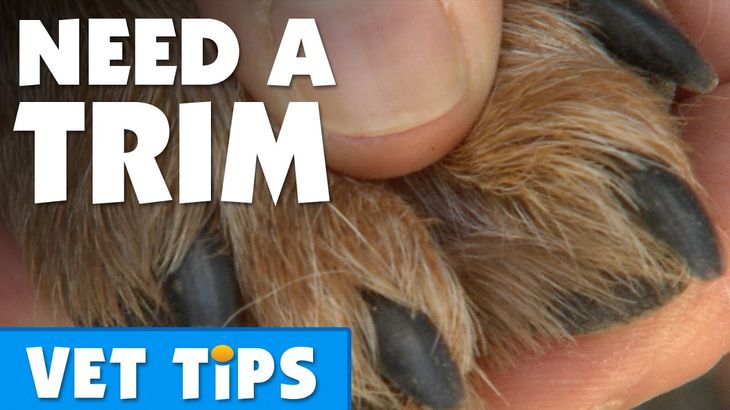
Introducing your dog to a manual nail grinder requires a patient, structured approach to prevent anxiety.
Many dogs associate grooming with past pain, making them highly defensive when their paws are touched.
Start your desensitization process by simply placing the turned-off grinder on the floor near your dog’s favorite snacks.
Let them sniff the device voluntarily, offering praise and high-value rewards every time they show curiosity.
Once they are comfortable with the physical object, turn the grinder on to let them hear the sound from a distance.
The whisper-quiet motor of the Zenpaw Maxpro makes this step incredibly easy, as it operates under forty decibels.
Reward your dog for remaining calm while the motor hums, gradually bringing the device closer over several days.
Next, touch the vibrating body of the grinder to your dog’s shoulder or leg to get them used to the physical sensation.
Only when they accept this vibration should you attempt to touch the spinning grinding head to a single nail.
Always celebrate small victories, even if you only file one single claw during your first training session.
This positive reinforcement builds a strong foundation of trust, transforming grooming into a peaceful bonding experience.
The Golden 45-Degree Grinding Technique
Achieving a smooth, professional finish requires using the correct angle and pressure during your grooming sessions.
You should always hold your dog’s toe firmly between your thumb and forefinger to stabilize the joint completely.
Position the grinding wheel at a precise forty-five-degree angle relative to the natural slope of the claw.
This specific angle allows you to file away the sharp bottom edge while naturally shaping the protective top curve.
Apply gentle, pulsing pressure rather than holding the grinding wheel continuously against the hard nail surface.
Grind in short bursts of two to three seconds per toe to prevent the friction from creating uncomfortable heat.
Friction heat can cause pain to the internal quick, even if you do not make physical contact with the live tissue.
As you file, look closely at the center of the cut nail to monitor your distance from the sensitive quick.
When you begin to see a small, dark circle or a soft white spot in the center, you must stop immediately.
This visual indicator tells you that you have reached the boundary of the safe zone and must move to the next toe.
Using this systematic technique ensures a perfectly smooth finish that will never scratch your hardwood floors.
Overcoming Risks: Why Crushing Nails with Clippers Fails
The Mechanical Violence of Traditional Clippers
Traditional scissor or guillotine clippers operate by applying immense mechanical pressure to crush the tough keratin of the claw.
This violent squeezing action often causes the dry nail to splinter, crack, or shatter under the sudden force.
For many dogs, the physical sensation of their claws being crushed is highly uncomfortable and terrifying.
This structural trauma can leave jagged edges that catch on fabrics, leading to painful tears later on.
Furthermore, clippers offer zero room for error, making it incredibly easy to accidentally snip the hidden quick.
One single bad experience with clippers can make a dog highly combative and fearful of grooming for the rest of their life.
In contrast, a high-quality rotary grinder gently files away the nail material micro-layer by micro-layer.
This gradual removal process gives you complete control over the depth, virtually eliminating the risk of cutting the quick.
The smooth, rounded edges left by a grinder are far superior to the sharp, fractured borders left by heavy clippers.
Switching to a grinder protects your dog from the mechanical trauma of crushing tools and restores peace to your routine.
Our team recommends making the transition to grinding to safeguard your dog’s psychological and physical well-being.
Managing Nail Diseases and Infection Risks
When managing your dog’s paws, you must remain highly vigilant for underlying health conditions that affect the claws.
Some dogs suffer from a rare, immune-mediated condition known as lupoid onychodystrophy in dogs.
This serious disease causes multiple claws to become extremely brittle, leading to spontaneous splitting and shedding.
Using aggressive crushing clippers on a dog with this condition can cause excruciating pain and severe structural damage.
Similarly, dry and compromised nails are highly vulnerable to bacterial invasion and painful fungal infections.
A gentle, low-heat grinder is the safest way to maintain nails affected by brittleness or chronic infections.
The smooth action of a diamond-bit grinding wheel does not apply the dangerous lateral pressure that shatters weakened claws.
Regular, gentle maintenance also allows you to inspect the nail beds closely for signs of discharge, redness, or swelling.
If you notice any unusual odor, crusting, or persistent sensitivity, you should consult your veterinary professional immediately.
By combining careful observational skills with safe grooming tools, you can manage complex claw conditions without causing distress.
We are dedicated to helping pet parents navigate these challenging wellness issues with absolute safety and compassion.
Frequently Asked Questions About Dog Nail Care
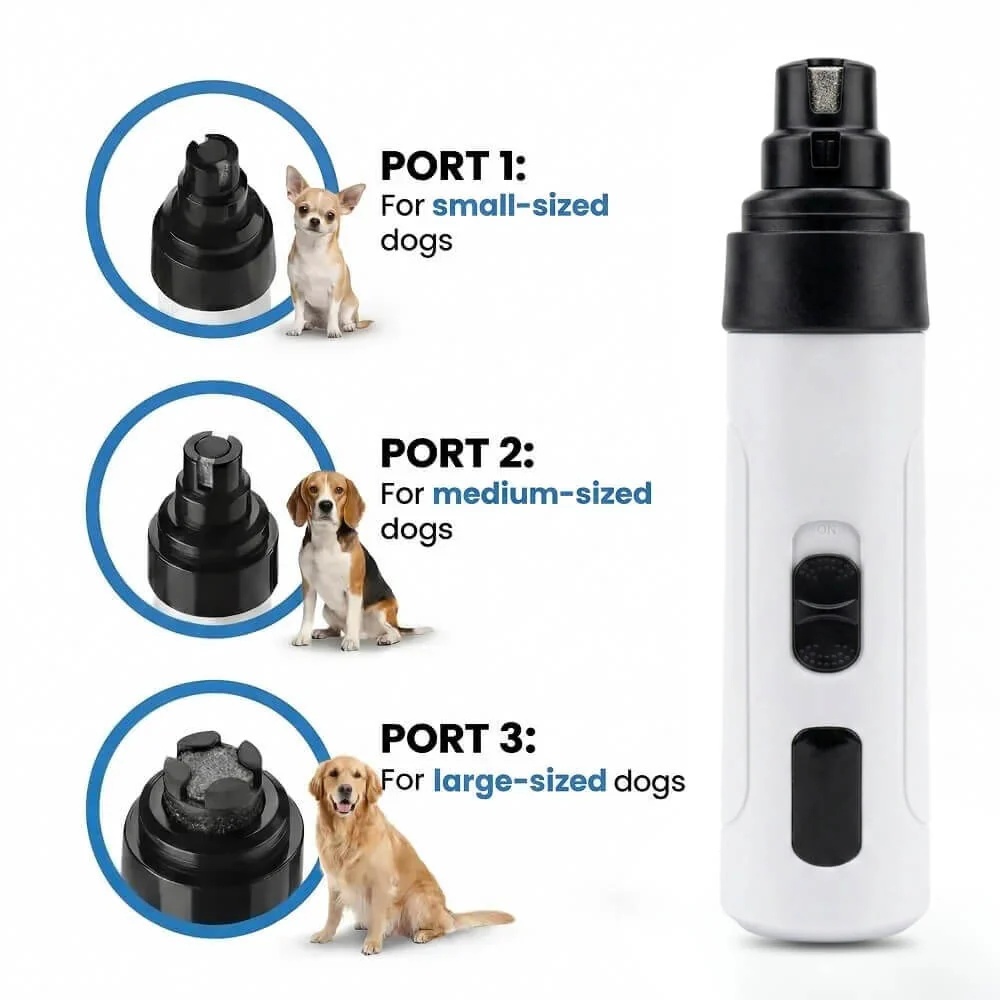
Yes, the Zenpaw Maxpro Grinder is specifically engineered with three distinct ports to accommodate dogs of all sizes.
The small and medium ports are ideal for precise work on smaller breeds, while the wide-open port handles large claws easily.
Its high-torque DC motor provides ample power to glide through thick, dense keratin without slowing down or stalling.
You can confidently use it on heavy breeds like Golden Retrievers, German Shepherds, and Rottweilers with absolute safety.
The Zenpaw Maxpro features a premium, long-lasting lithium-ion battery that delivers up to seven hours of continuous runtime.
This exceptional battery life means you can complete multiple grooming sessions without worrying about losing power mid-trim.
The device is fully USB rechargeable, allowing you to charge it easily using any standard power adapter, laptop, or car charger.
A convenient battery indicator light lets you monitor the remaining charge so you are never left with a dead battery.
We recommend always starting on the low-speed setting when introducing the grinder to an anxious or sensitive dog.
The low-speed setting produces minimal vibration and operates at our quietest level of under forty decibels.
This gentle mode allows your dog to acclimatize to the physical sensation of the grinding wheel on their claws.
Once your pet remains completely relaxed, you can transition to the high-speed setting for faster, more efficient filing.
The Zenpaw Maxpro utilizes advanced low-heat technology to minimize thermal buildup during your grooming sessions.
Traditional rotary tools can overheat rapidly, causing painful thermal shock to the sensitive inner quick of the claw.
Our specialized diamond-grit wheel dissipates friction heat efficiently, ensuring a safe and comfortable experience.
To remain completely safe, you should still pulse the grinder on each nail for only two to three seconds at a time.
Yes, the grinder is the absolute best tool for smoothing away cracks and splits caused by rough concrete surfaces.
Using clippers on a split nail will often force the crack deeper into the nail bed, causing intense pain.
The rotary action of the grinder gently files down the split portion, preventing it from catching and tearing further.
You can easily round off the edges of the split zone to let the claw grow back healthily over time.
For optimal paw health, you should aim to grind your dog’s nails once every ten to fourteen days.
Regular, frequent grooming sessions keep the claws short and encourage the sensitive inner quick to recede over time.
This consistent schedule prevents the nails from ever reaching the ground, preserving your dog’s natural joint alignment.
If you hear your dog’s claws clicking on hard household surfaces, it is a clear sign they are overdue for a trim.
Conclusion: Safe Paws, Happy Walks
Maintaining paws does not have to be a stressful battle. Combining natural walks with gentle grinding keeps joints healthy and spirits high. Ready to transform trimming into a breeze? Explore the Zenpaw Maxpro 3-in-1 Grinder. Call: **302-307-1000** — our team can advise on best grooming practices and help with product questions.