
I still remember the sheer panic in my golden retriever’s eyes every time those heavy metal clippers came out, a stressful routine that usually left us both shaking and occasionally dealing with painful, unexpected bleeding. If you have ever wondered what are dog nails made of, you are not alone; understanding their biological structure is the first step toward stress-free paw health, and that is why our team developed the whisper-quiet Zenpaw Maxpro 3-in-1 Grinder to transform grooming into a painless bonding ritual.
Maxpro 3-in-1 Grinder.
Stress-Free Nail Trimming.
Whisper-quiet DC motor (<40 dB) eliminates fear & discomfort. Features 3 ports, dual speeds, and 7-hour battery life. Safe, precise, and painless.
In This Article
- Canine Claw Biology: Discover exactly what proteins and tissue layers make up your dog’s nails.
- Anatomy of the Quick: Learn where the delicate blood supply resides and how to protect it from injury.
- Safe Grooming Guidelines: Master the practical step-by-step techniques to trim nails without stress or pain.
- Preventing Brittle Splitting: Understand the best dietary and physical habits to keep canine paws strong.
What Are Dog Nails Made Of? Explaining Canine Claw Anatomy and Structure
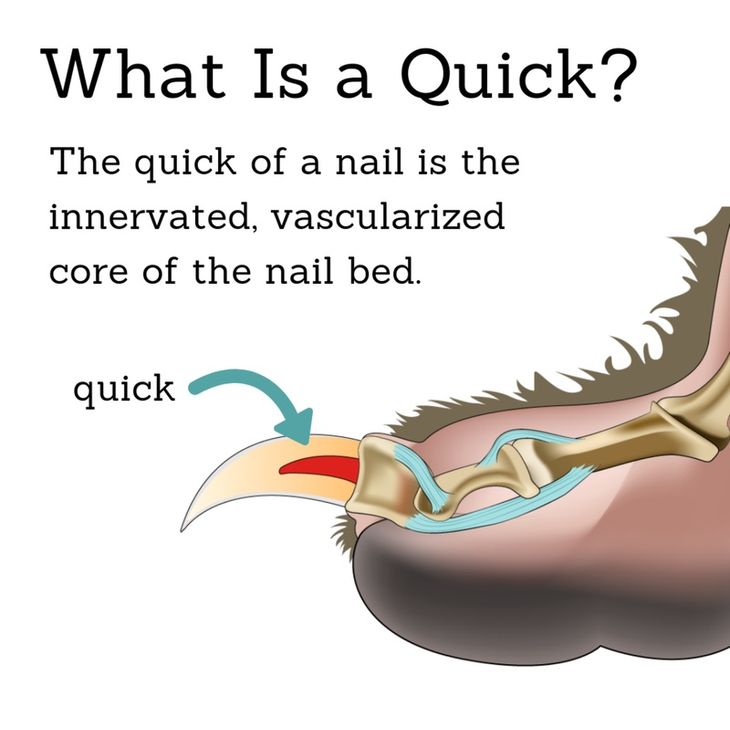
To truly protect your pet’s physical well-being, you must first understand the structural science of what are dog nails made of.
Every dog claw consists of a hard, protective outer shell primarily composed of a highly specialized, tough fibrous protein called dog nail keratin.
This biological protein matrix is synthesized directly by specialized epidermal cells situated along the outer rim of the dog’s toe bones.
Unlike human fingernails which grow as flat, exposed plates on top of our skin, dog nail composition is entirely three-dimensional and wraps completely around the distal phalanx bone of each toe.
This protective outer keratin wall is thickest along the top dorsal ridge and naturally thins out along the bottom surface, creating a hollowed-out shape.
Directly beneath this hard, curved protein shield lies the inner vascular core known as the quick, which acts as the nail’s primary support system.
The quick is a living tissue layer packed with a complex network of active blood vessels, sensory nerves, and connective micro-fibers.
In the wild, this biological configuration helps canines run efficiently across diverse terrains, dig dirt nests, and secure traction while pursuing prey.
However, when modern dogs spend most of their time on soft indoor rugs or hardwood floors, this tough outer shell does not wear down naturally.
Unchecked growth can cause the hard keratin shell to curl backward, forcing the toe joints into an unnatural, painful walking angle.
Understanding this distinct anatomical relationship between the outer keratin shell and the inner quick is essential to prevent injury during routine home care.
By learning how these layers interact, you can safely approach regular grooming with the confidence that you are protecting your pet’s comfort.
Managing this unique three-dimensional anatomical structure at home does not have to be a stressful or chaotic experience.
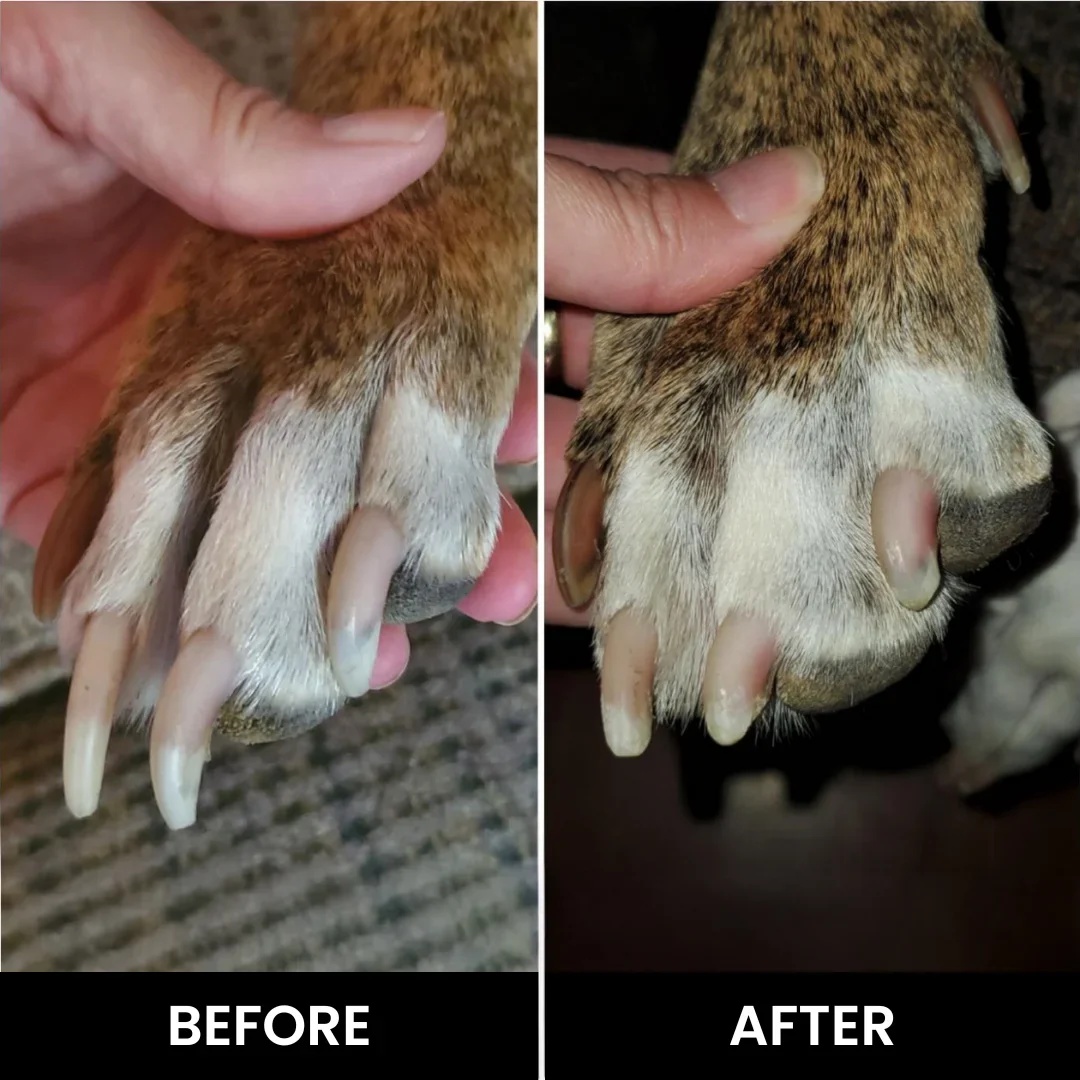
The safest long-term approach to maintaining your dog’s paws is to transition from blunt crushing clippers to a progressive filing method.
By slowly and gently wearing down the tough outer keratin wall, you encourage the sensitive inner quick to safely and naturally recede over time.
You should aim to evaluate and maintain your companion’s nails every two to three weeks to keep the claws at an ideal, functional length.
If you can hear a distinct clicking noise when your dog walks across hard floors, their nails are already long enough to put stress on their toe joints.
Always hold your dog’s paw securely in a well-lit workspace so you can monitor the structural changes appearing at the nail’s tip.
Using premium, reliable dog nail products ensures that you achieve smooth, beautifully rounded edges that will not snag on household carpets.
Filing the nails in micro-layers gives you complete control over the process, reducing the risk of a painful grooming accident to virtually zero.
This patient, gradual methodology transforms a high-stress chore into a quiet, comforting ritual that strengthens your bond with your pet.
If you want to handle this safely at home, the Zenpaw Maxpro Grinder provides painless, quiet filing — explore it here.
99-Day 100% Money-Back Guarantee
“Ever since we started using the Zenpaw Maxpro Grinder, it’s been such a peaceful experience. It’s very quiet, and my dog actually relaxes. It’s turned our stressful sessions into quick, quiet grooming times.”
— Sarah M. | ✔ Verified Customer
- ✓ Prevents Infection & Splitting
- ✓ Ideal for All Dog Sizes
- ✓ Low-Vibration Technology
- ✓ Fast 2-7 Days Delivery
Need Support? Call 302-307-1000
The Biology of Canine Claws: Understanding Dog Nail Keratin and Growth Cycles
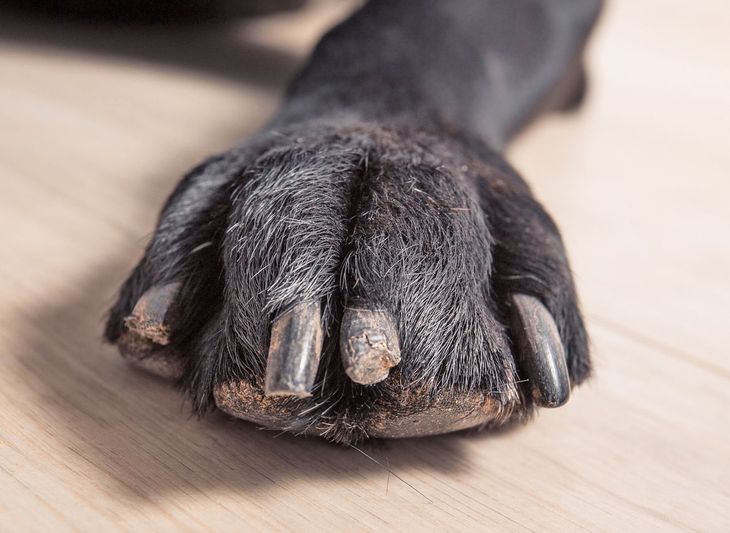
To correctly support your dog’s long-term paw health, we must dive deeper into the science of dog nail keratin.
Canine claws are highly adapted biological structures that evolved to provide defense, stability, and crucial leverage.
When studying what are dog claws made of, we discover a dense matrix of alpha-keratins, which are rich in sulfur and insoluble in water.
This durable protein configuration is what gives the claw its impressive rigidity, allowing it to withstand major physical impacts.
Unlike human nails, which are essentially flat plates, the dog nail composition features a highly curved outer wall and a softer sole beneath.
This structural arrangement forces the dorsal wall to grow much faster than the inner sole, naturally creating a downward curve.
According to veterinary reports from the American Kennel Club (AKC), this downward growth allows wild dogs to maintain stable footing on steep dirt slopes.
However, when domesticated dogs live primarily on soft carpets and smooth hardwood floors, this wear-and-tear cycle completely stops.
Without natural abrasion from rough elements like stones or gravel, the outer keratin shell continues to grow unchecked.
This excessive growth can cause the nail to split longitudinally, leaving the sensitive inner tissue exposed to dirt and moisture.
To prevent this painful condition, many pet parents search for eco friendly dog nail clippers to implement a structured maintenance routine.
Unfortunately, standard blade clippers often crush this dense protein cylinder rather than cutting it cleanly.
This heavy physical pressure can fracture the delicate keratin matrix, leading to painful splits that extend up toward the root.
That is why understanding the biological makeup of the claw is so critical for modern pet parents looking to protect their dogs.
Our research team at Zenpaw has analyzed thousands of canine claws to find the gentlest way to shorten these dense protein layers.
We discovered that high-velocity, low-heat grinding is the most efficient way to wear down tough keratin without fracturing the nail’s structural wall.
The rotating diamond grind wheel files the keratin fibers smoothly, eliminating the risk of painful splinters and sharp edges.
Deciphering the Quick: How the Inner Vascular Core Connects to the Claw
The real secret to stress-free canine paw care lies in managing the living tissue hidden within the hard keratin shell.
This critical inner core is known as the quick, and it is directly connected to the dog’s digital skeletal structure.
The quick is a highly vascularized dermis that continually supplies vital oxygen and nutrients to the growing outer layer.
Because it is packed with a dense network of sensory nerves, any direct injury to this region causes sharp, immediate pain.
If you have ever accidentally cut into the quick, you know how rapidly and profusely it can bleed.
This sudden bleeding happens because the blood vessels within this live tissue are under active pressure to keep the claw nourished.
These nerve endings are highly sensitive, which explains why dogs often react with fear when their paws are handled roughly.
For dogs with white or clear nails, identifying the quick is quite easy because it shows as a soft pink shadow through the translucent keratin.
However, clipping black dog nails is famously difficult because the dense dark pigment completely hides this vascular core.
In dark-colored claws, melanin pigments saturate the keratin shell, making it impossible to see the pink tissue beneath.
This visibility issue often leads to significant anxiety for pet parents who fear making a painful mistake.
If you rely on traditional, blunt clippers, you risk making a blind cut that can severely traumatize your dog’s sensitive paw.
Using exceptionally sharp dog nail clippers can reduce physical pressure, but the inherent risk of cutting too short remains.
Certified veterinary behaviorists explain that even a single painful trimming incident can trigger long-lasting grooming anxiety.
This persistent fear can make your dog pull away, tremble, or resist whenever they see a grooming tool in your hand.
This is why the quick must be approached with extreme patience and gentle, micro-adjustments during every session.
When you file the claw gradually with a rotating grinder, you can watch for a small dark circle to appear at the center of the cut tip.
This tiny spot is the tip of the quick’s protective sheath, indicating that you should stop grinding immediately.
By utilizing this progressive method, you allow the vascular quick to naturally recede deeper into the claw over subsequent weeks.
This gentle biological adaptation is the key to safely shortening long-neglected claws without causing physical pain or emotional distress.
Practical Application: How to Safely Groom Your Dog’s Nails at Home
Transitioning your dog to an advanced nail grinder requires a patient, highly structured behavioral approach.
Even though the Zenpaw Maxpro 3-in-1 Grinder operates with a whisper-quiet motor under forty decibels, your pet may still be cautious at first.
The path to success lies in classical positive conditioning and progressive systematic desensitization.
Our ultimate goal is to help your dog associate the grooming tool with positive, comforting experiences rather than fear.
Begin on day one by simply showing the grinder to your dog and immediately offering a delicious, high-value treat.
Do not turn the device on yet; simply let them sniff and inspect the tool while receiving warm praise.
Repeating this simple exercise several times builds a positive association with the grinder’s physical shape.
On the second day, turn the grinder on its lowest speed while keeping it several feet away from your pet.
Feed them treats continuously while the gentle hum plays, teaching them that the quiet sound predicts good rewards.
By the third day, you can bring the running grinder closer and gently touch the vibrating handle to their paw.
Do not grind the claw yet; just let them get used to the physical sensation of the mild vibration against their leg.
Always reward calm, relaxed behavior with enthusiastic praise and their favorite snacks.
When you are ready to begin filing, hold your dog’s paw securely but gently to prevent any sudden jerking.
Ensure you are working in a quiet, distraction-free room to keep your dog’s focus entirely on you.
Isolate a single toe and lift any surrounding fur to ensure a perfectly clear view of the keratin shell.
Position the diamond bit grinder at a precise forty-five-degree angle against the bottom edge of the nail.
This forty-five-degree angle perfectly matches the natural slope of the claw sole, protecting the quick while shaping a smooth finish.
Using this specific angle ensures you do not file straight into the live nerve tissue of the quick.
Apply gentle pressure for no more than two to three seconds at a time to prevent any friction-induced heat buildup.
Alternate between different toes rather than focusing on one nail, keeping the entire process cool and completely comfortable.
If your dog has exceptionally thick claws, you might have previously relied on bulky heavy duty dog nail trimmers that split the nail walls.
These massive manual trimmers require substantial hand strength and can easily cause the claw to shatter under sudden pressure.
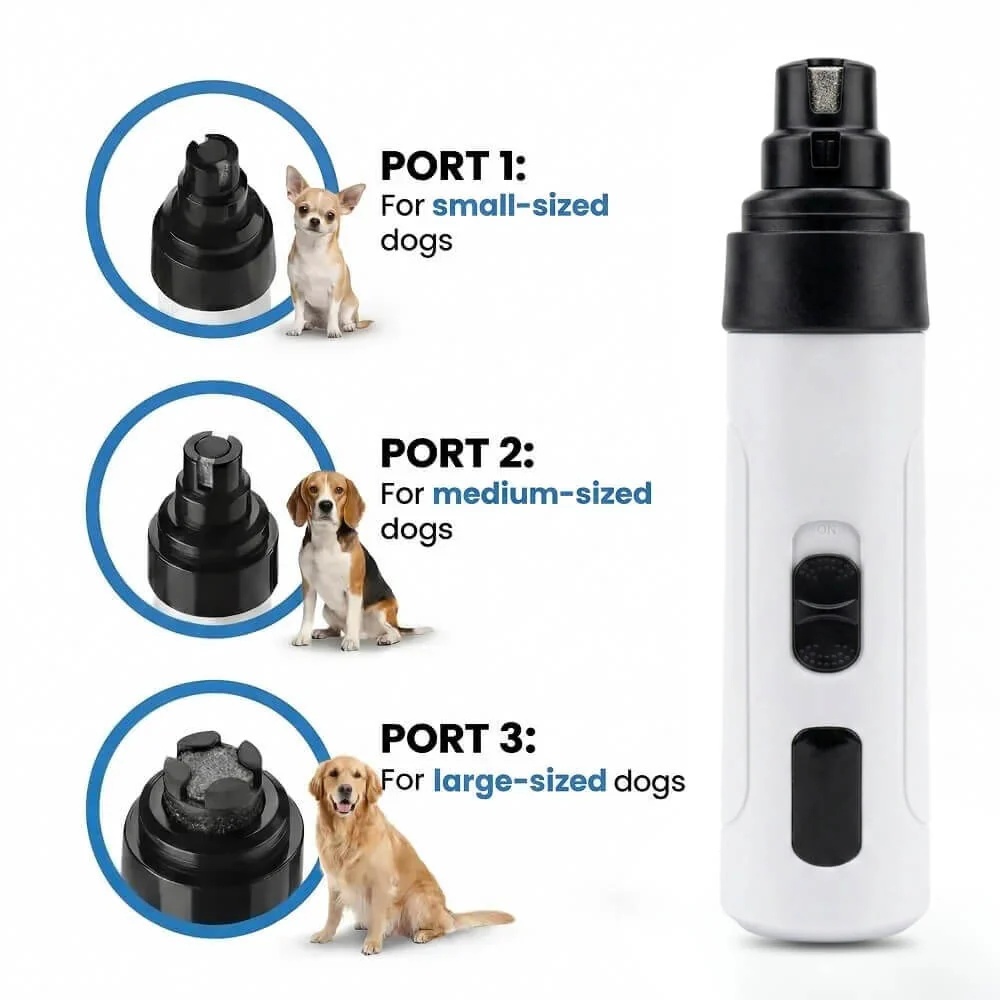
The Zenpaw Maxpro offers three distinct safety ports and dual speeds to handle everything from tiny puppy paws to massive breeds.
By taking your time and keeping sessions short, you build a lasting foundation of mutual trust and physical comfort.
Overcoming Grooming Risks: Why Traditional Clippers Can Damage Canine Nails
Many pet parents do not realize that traditional guillotine or scissor clippers can easily fracture dog nail composition.
When dull metal blades squeeze down on a curved claw, they exert massive lateral pressure on the hard keratin shell.
This intense crushing force often causes the nail to splinter, crack, or peel along its natural growth lines.
These structural fractures are not always visible to the naked eye, but they weaken the integrity of the entire claw.
These micro-fractures can run deep into the nail bed, leaving the interior quick vulnerable to dirt and bacteria.
This exposure can eventually lead to painful localized infections that require formal veterinary care.
Furthermore, rushing through the trimming process increases the risk of cutting directly into the sensitive quick.
Such injuries do not just cause immediate physical pain; they also create deep psychological anxiety that makes future grooming difficult.
A single bad experience can erase months of positive conditioning and behavioral training in a matter of seconds.
The Zenpaw Maxpro 3-in-1 Grinder completely eliminates these structural risks by replacing crushing force with micro-abrasive filing.
The ultra-durable diamond grind wheel gently wears down the keratin fibers, leaving a perfectly rounded edge.
This progressive filing action allows you to stop immediately if you sense you are getting close to the sensitive quick.
Our low-vibration technology ensures that your dog does not experience the jarring tickle or shock that cheaper grinders cause.
High vibration can be highly irritating to a dog’s sensitive paw pads, causing them to pull away repeatedly.
By prioritizing a gradual, painless process, you protect both your pet’s physical paw health and their emotional well-being.
Frequently Asked Questions About Safe Dog Nail Care
Q: Is the Zenpaw Maxpro Grinder safe and powerful enough for large dogs?
A: Yes, the Zenpaw Maxpro is engineered with a high-torque motor and three safety ports to accommodate dogs of all sizes.
The largest port is designed specifically to handle the thickest, most stubborn keratin shells found on larger breeds.
The powerful dual-speed motor ensures you can grind down dense claws efficiently without stalling the wheel.
Q: How long does the battery last on a single charge?
A: The Zenpaw Maxpro features an advanced, long-lasting lithium-ion battery that provides up to seven hours of continuous use.
It is fully USB rechargeable, meaning you can easily charge it using your phone block, laptop, or car charger.
This long battery life ensures you never have to worry about the device dying mid-session during a delicate trim.
Q: Which speed setting should I use for my dog?
A: We recommend starting with the low-speed setting to get your dog accustomed to the gentle vibration and sound.
The low-speed setting is perfect for regular maintenance, thin puppy claws, and precise rounding of sharp corners.
You can easily switch to the high-speed setting for thicker nails or when you need to shorten long claws more quickly.
Q: Does the grinder get hot during use, and could it burn my dog?
A: The Zenpaw Maxpro is designed with advanced low-heat technology to keep the diamond bit cool during grooming.
However, continuous friction against any surface naturally generates a small amount of warmth over time.
To prevent any heat buildup, we recommend using brief, two-second touches on each nail rather than holding it in place.
This simple technique keeps the claw cool and ensures your dog remains completely comfortable and relaxed.
Conclusion: Empowering Your Dog’s Wellness Journey
Caring for your dog’s nails is a vital aspect of their lifelong skeletal health and overall physical comfort.
Ready to transform nail trimming from a stressful battle into a peaceful bonding experience?
Explore the Zenpaw Maxpro 3-in-1 Grinder today.
Call our support line at 302-307-1000 — our dedicated team is always here to advise you on the best grooming practices and answer any product questions you have.