
For years, I dreaded Sunday afternoons because trimming my 120-pound Mastiff’s thick claws felt like trying to cut concrete with scissors, leaving us both shaking, stressed, and exhausted. I was always terrified of cutting too deep and hurting him, which is why finding the best nail clippers for extra large dogs became my absolute obsession before we finally discovered a safer, whisper-quiet way to support his paw health.
Maxpro 3-in-1 Grinder.
Stress-Free Nail Trimming.
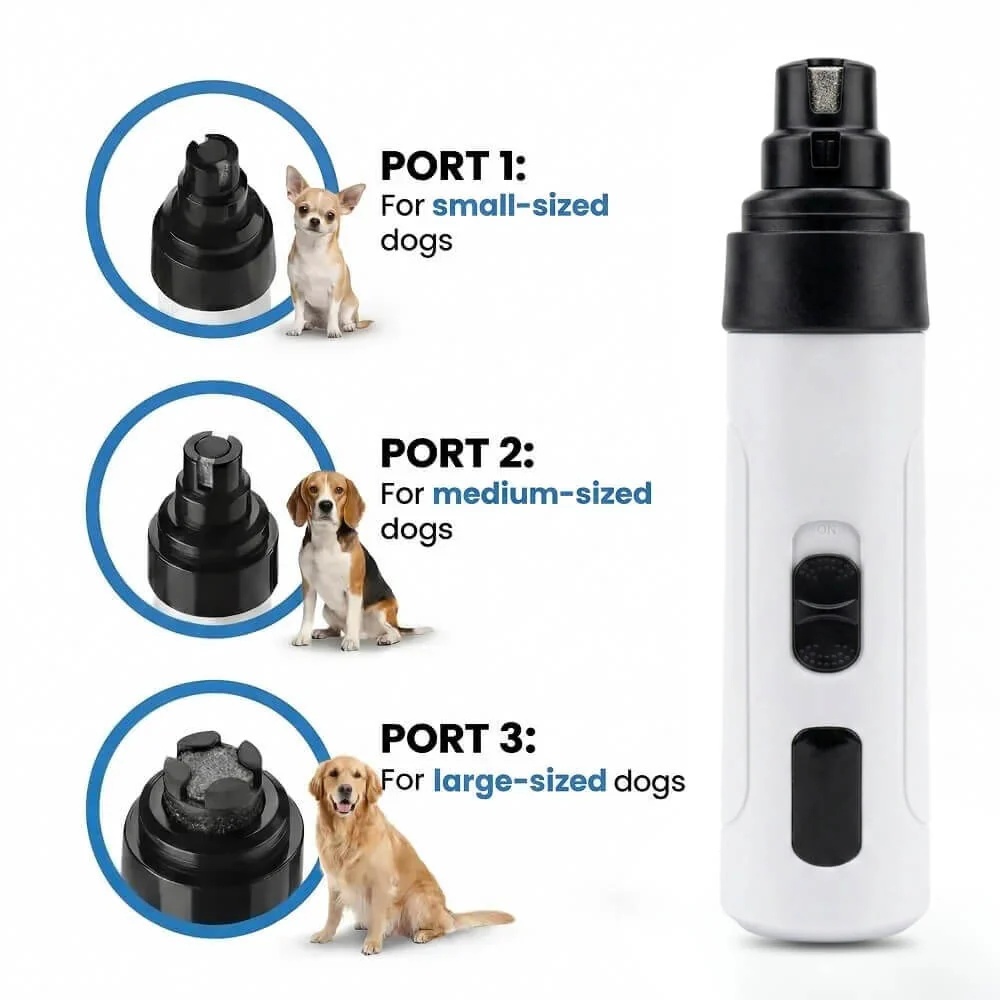
Whisper-quiet DC motor (<40 dB) eliminates fear & discomfort. Features 3 ports, dual speeds, and 7-hour battery life. Safe, precise, and painless.
In This Article
- Top Market Heavy-Duty Clippers: Honest reviews and deep structural analysis of leading manual products.
- Canine Nail Anatomy Demystified: How to find the quick on thick, dark, and giant claws.
- Natural Filing vs. Human Intervention: The scientific truth behind cement walking and claw maintenance.
- The Pain-Free Alternative: Why modern veterinarians and professional groomers prefer controlled grinding over crushing.
- Step-by-Step Desensitization: How to turn nail trimming sessions into a calm, fear-free bonding ritual.
The Best Large Dog Nail Clippers in 2026: Ranked & Reviewed
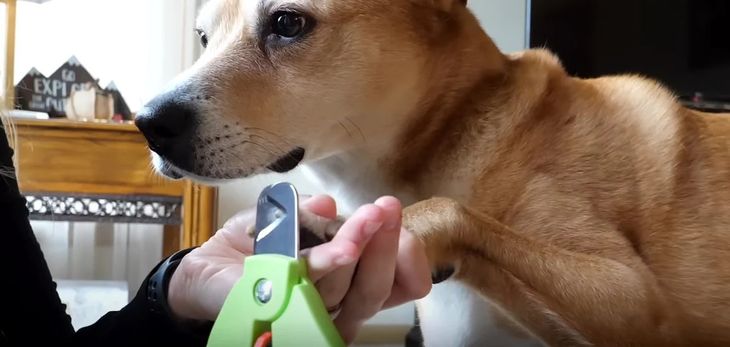
Finding high-quality large dog nail clippers is a major safety priority for giant breed owners.
Giant dogs like Great Danes, Mastiffs, Saint Bernards, and Rottweilers possess exceptionally thick claws.
Cheap, flimsy tools can easily bend, slip, or shatter the nail under pressure.
To help you make an informed decision, we have carefully analyzed the three most popular heavy-duty manual clippers currently on the market.
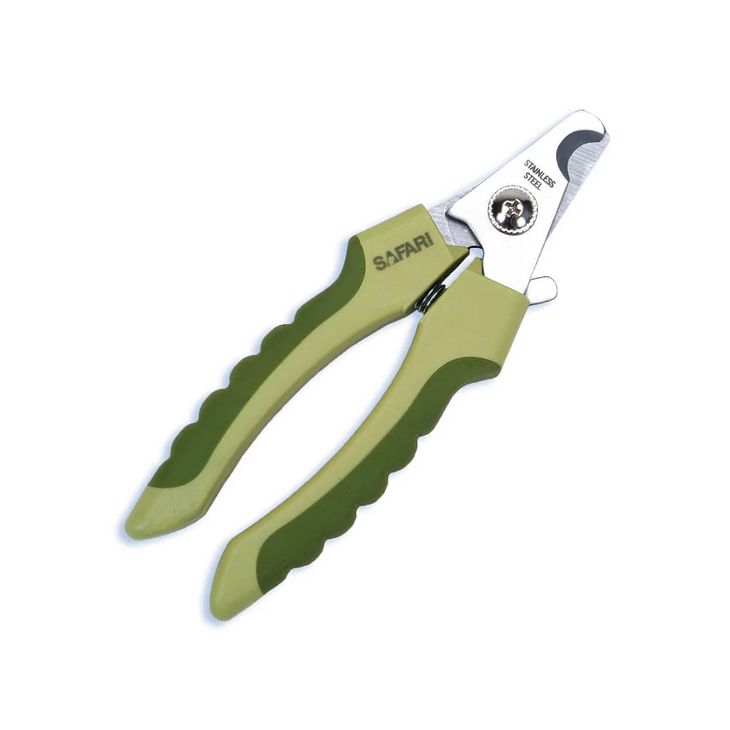
1. Safari Professional Large Dog Nail Trimmer
This traditional plier-style tool is widely recognized for its heavy-duty construction and stainless steel blades.
It features a physical tension spring that helps open the handles automatically after each cut.
The blades are reasonably sharp out of the box and can handle moderately thick nails.
It also features a built-in safety stop designed to help prevent over-cutting.
However, the safety guard can easily slide out of position during active trimming sessions.
Additionally, the sheer mechanical crushing force required to cut through a 130-pound dog’s claws can still cause micro-cracks in the outer nail plate.
If your giant dog is already highly anxious about paw handling, the loud popping sound of this tool might intensify their fear.
We recommend this option primarily for seasoned owners with calm, cooperative large breeds.
2. Miller’s Forge Heavy Duty Pet Clipper
This Italian-made clipper is a favorite among old-school professional groomers due to its raw cutting power.
It is constructed from high-grade German stainless steel that retains its edge for a long time.
The mechanical design is simple, robust, and lacks unnecessary plastic components.
It handles dense claws on giant breeds with relatively clean shearing action rather than massive crushing pressure.
However, this clipper has absolutely no built-in safety guard.
This lack of safety features makes it a risky choice for beginners or owners dealing with hyperactive dogs.
One wrong move can easily sever the sensitive quick, resulting in painful bleeding.
While highly effective in experienced hands, its clinical design does nothing to soothe a terrified pet.
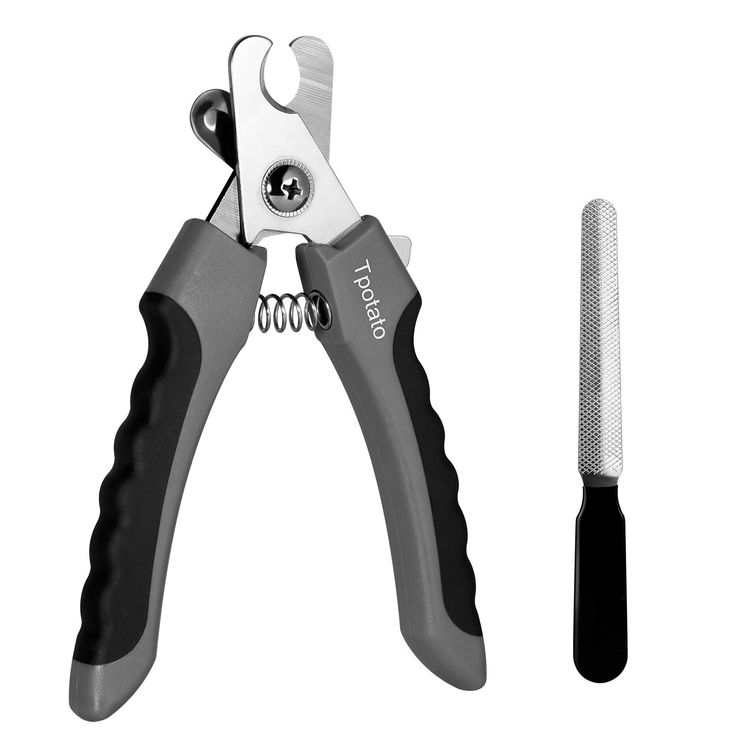
3. Gonicc Professional Heavy Duty Pet Nail Clippers
Gonicc offers an ergonomic, modern take on extra large heavy duty pet clippers.
It is equipped with high-carbon steel blades and non-slip rubber handles.
The integrated nail file hidden inside the handle is a convenient addition for smoothing rough edges.
It includes a safety lock and a rear guard plate to minimize over-clipping risks.
The spring mechanism is smooth, reducing hand fatigue during long grooming sessions.
The primary downside is that the handles can feel too small for owners with larger hands.
Over time, the hinge screw may loosen, causing the blades to misalign slightly on very dense claws.
This slight misalignment can lead to painful nail pinching or uneven, rough cuts.
Weaving in the Gentle Alternative: Team Zenpaw’s Perspective
Manual cutters for giant breed claws certainly have their place in a groomer’s toolkit.
However, even the sharpest steel blade relies on high-pressure impact to sever the claw.
This sudden impact sends a shocking vibration directly into the dog’s highly sensitive nailbed.
If your dog cowers at the sight of clippers, it is rarely the tool itself they hate; it is the physical pressure and loud noise.
This is where transitioning to a whisper-quiet, low-vibration electric grinder like the Zenpaw Maxpro offers a much gentler experience.
Instead of crushing the nail, the rotating diamond-bit wheel slowly and painlessly files the nail down millimeter by millimeter.
This gives you ultimate control, eliminating the stressful “all-or-nothing” risk of traditional manual cutters.
Comparative Product Analysis Table
This structured table compares the top market options against the Zenpaw Maxpro Grinder to highlight their practical performance differences.
| Product Name | Mechanism Type | Anxiety & Noise Level | Best Suited For | Inherent Limitations |
|---|---|---|---|---|
| Safari Professional | Plier-Style Blade | Moderate (Loud clicking sound) | Cooperative large dogs | Can easily crush and split dry claws |
| Miller’s Forge Heavy Duty | German Steel Shear | Moderate (High impact vibration) | Professional groomers | No safety guard; high risk of injury |
| Gonicc Professional | Carbon Steel Plier | Moderate (Spring recoil noise) | Average large dog owners | Handles can warp under high pressure |
| Zenpaw Maxpro 3-in-1 | Diamond-Bit Rotary Grinder | Ultra-Quiet (<40dB Motor) | Anxious dogs of all sizes | Requires occasional battery recharging |
If you are ready to replace stressful clipping sessions with a calm, controlled routine, we invite you to explore the Zenpaw Maxpro 3-in-1 Grinder today.
99-Day 100% Money-Back Guarantee
“Ever since we started using the Zenpaw Maxpro Grinder, it’s been such a peaceful experience. It’s very quiet, and my dog actually relaxes. It’s turned our stressful sessions into quick, quiet grooming times.”
— Sarah M. | ✔ Verified Customer
- ✓ Prevents Infection & Splitting
- ✓ Ideal for All Dog Sizes
- ✓ Low-Vibration Technology
- ✓ Fast 2-7 Days Delivery
Need Support? Call 302-307-1000
Understanding Canine Nail Anatomy: Demystifying the Quick
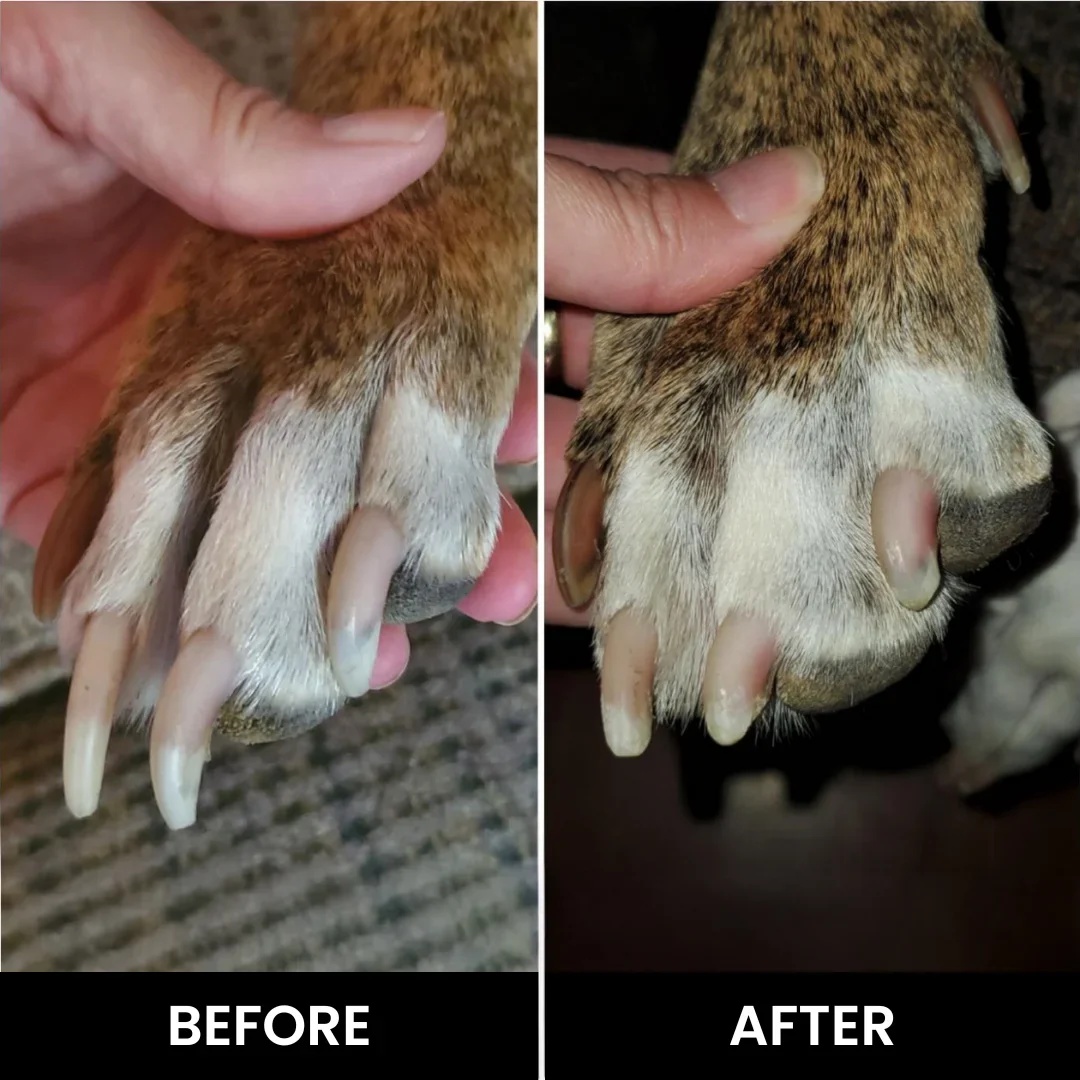
To safely trim a giant breed’s claws, you must understand their structural anatomy.
Inside every dog nail is a living, highly sensitive core known as the quick.
The quick contains an intricate network of blood vessels and active nerve endings.
When you use traditional manual cutters, the entire structural matrix of the nail is compressed.
On light-colored nails, the quick is easily visible as a soft pink zone near the base.
On dark or black nails, however, the quick is completely hidden from view.
This lack of visibility causes immense anxiety for many well-meaning dog owners.
If you cut into this vascular zone, it causes sharp, immediate pain and heavy bleeding.
This traumatic experience can make your dog highly resistant to paw handling for years to come.
Furthermore, structural diseases such as lupoid onychodystrophy in dogs can cause weak, brittle nails that split easily under the pressure of manual clippers.
Brittle claws are highly vulnerable to painful vertical fractures that can reach all the way into the nailbed.
Keeping the nails short is also vital for preventing bacterial build-up and yeast accumulation.
Yeast overgrowth is a primary reason why do dogs feet smell after nail trim sessions, especially if moisture gets trapped in the micro-cracks of damaged claws.
Regular, gentle maintenance prevents these structural cracks from harboring pathogens.
Is Walking on Cement Enough to Naturally File Giant Claws?
A common theory among large breed owners is that regular concrete walks can replace manual grooming.
It is true that hard, abrasive surfaces provide a small amount of natural friction.
But is walking on cement enough to trim dog’s nails consistently without human help?
Unfortunately, the scientific answer is no.
Giant dogs carry a massive amount of weight, but their walking gait does not apply even pressure to all ten claws.
The dewclaws, located higher up on the inner side of the front legs, never touch the ground.
Left unmanaged, these dewclaws will curl inward, eventually puncturing the sensitive skin of the leg.
Additionally, active outdoor exercise only files the very tips of the main claws.
It fails to address the lateral edges, which can become wide, flared, and prone to catching on carpets or brush.
To prevent joint strain and posture misalignment, intentional grooming remains an absolute necessity.
Using a dedicated rotary tool provides the precise, even shaping that concrete walks simply cannot replicate.
The Step-by-Step Guide to Stress-Free Grinding and Clipping
Transitioning an anxious giant dog to a rotary tool requires a patient, structured approach.
Whether you choose a standard dremel tool to file dogs nails or a specialized pet grinder, the desensitization process is identical.
First, introduce the quiet device while it is turned completely off.
Let your dog sniff the tool, and immediately reward them with a high-value treat.
Repeat this introductory step several times over two or three days until they associate the tool with positive rewards.
Next, turn the device on at its lowest speed setting while keeping it a comfortable distance from your dog.
Allow them to listen to the whisper-quiet motor without forcing any physical contact.
Once they remain relaxed around the sound, gently touch the non-rotating body of the tool to their leg so they feel the mild vibration.
When actually grinding, hold the paw firmly but gently, separating the toes with your fingers.
Apply the rotating head to the nail tip at a precise 45-degree angle.
Use short, light touches lasting no more than two to three seconds per nail.
This brief contact prevents frictional heat from building up, which can cause discomfort to the internal nerve endings.
Work patiently on one claw at a time, celebrating every successful step with praise.
Why Dogs Dig After Grooming and How to Prevent Painful Cracking
Many pet parents notice unusual behaviors from their dogs immediately following a nail trim.
If you have ever wondered why does my dog dig after getting his nails trimmed, the explanation is usually sensory.
Traditional manual clippers leave behind sharp, jagged edges and micro-fractures in the nail wall.
When the dog walks, these rough edges catch on the floor, creating a highly irritating sensation.
The dog naturally tries to scrape these irritating edges smooth by vigorously digging at carpets, blankets, or soil.
This post-trim digging can cause newly weakened claws to split or break even further.
By shifting to a modern rotary grinder, you can completely polish the outer edges to a smooth, rounded finish.
This smooth finish eliminates the scratching sensation, keeping your dog calm and protecting your home’s fabrics.
Frequently Asked Questions About Trimming Extra Large Dog Nails
Is the Zenpaw Grinder powerful enough for giant breeds with heavy claws?
Yes, the Zenpaw Maxpro features a high-torque, dual-speed motor specifically engineered to handle dense claws.
The premium brass-core motor delivers consistent rotational power without stalling under moderate pressure.
It includes a specially designed safety cap with three different port sizes.
The large, open port accommodates the wide, thick nails of giant breeds like Great Danes and Mastiffs perfectly.
How long does the battery last on a single charge?
The Zenpaw Maxpro is equipped with a high-capacity, rechargeable lithium-ion battery.
It provides up to seven hours of continuous runtime on a single full USB charge.
This long battery life means you can take your time during slow desensitization sessions without worrying about the tool losing power.
The device is highly portable, allowing you to groom your dog in whatever spot they feel most comfortable.
Why do traditional manual clippers cause micro-fractures in thick nails?
Manual clippers operate by applying immense mechanical pressure to two opposing steel blades.
To cut the claw, the blades must first crush the dense outer shell before shearing through it.
This massive crushing force causes microscopic stress fractures to spread throughout the nail plate.
These tiny fractures weaken the overall nail structure, leaving it vulnerable to splitting later on.
How can I tell where the quick is on completely black dog nails?
When working with dark claws, you cannot rely on looking through the side of the nail.
Instead, look directly at the cut tip of the claw after making very small, gradual passes.
As you shave away the outer layers, you will eventually see a small, dark grey or black circular point appear in the center.
This central point is the protective outer wall of the quick, signaling that you should stop grinding immediately.
Conclusion: Your Gentle Paw Care Journey Starts Here
Maintaining the heavy claws of giant breeds does not have to be a stressful battle of strength.
By moving away from high-pressure manual cutting and embracing modern, whisper-quiet grinding, you can keep your dog’s paws healthy and pain-free.
Ready to transform nail trimming from a battle into a breeze?
Explore the Zenpaw Maxpro 3-in-1 Grinder today.
Call us at 302-307-1000 — our friendly team is always here to advise you on the best grooming practices and answer any product questions!