
For years, I dreaded Sunday afternoons because trimming my beloved lab’s thick, dark claws felt like diffusing a ticking bomb. I always feared hitting the quick, especially since I could not see it, until I discovered how to make a black dog nail quick recede safely using the whisper-quiet, painless Zenpaw Maxpro 3-in-1 Grinder which turned our weekly battle into a calm, reassuring ritual for paw health.
Maxpro 3-in-1 Grinder.
Stress-Free Nail Trimming.
Whisper-quiet DC motor (<40 dB) eliminates fear & discomfort. Features 3 ports, dual speeds, and 7-hour battery life. Safe, precise, and painless.
In This Article
- Discover the step-by-step process of shortening overgrown dark claws safely.
- Learn how the anatomical structure of the quick responds to routine physical filing.
- Understand how to use specialized low-noise grinders to completely eliminate grooming anxiety.
- Identify critical warning signs during grooming to avoid pain, bleeding, and paw sensitivity.
How to Safely Make an Overgrown Black Dog Nail Quick Recede: A Step-by-Step Guide

To safely push back a long quick in dark dog claws, you need a patient approach and the correct structural sequence.
Overgrown nails change how your dog distributes weight across their paw pads.
By filing the outer shell down close to the blood vessel, you force the blood flow to retreat over time.
Prerequisites / What You’ll Need
Before you begin, ensure you have a calm environment with no distracting noises.
You will need high-value treats, styptic powder for peace of mind, and a high-quality rotary tool.
We highly recommend using a whisper-quiet nail grinder to keep your pet relaxed.
Ensure your pet is comfortable with having their paws handled before starting the active filing process.
Step-by-Step Instructions
-
Step 1: Get Your Dog Comfortable in a Low-Stress Grooming Area
Choose a well-lit room where your dog can lie down comfortably without slipping.
Introduce the nail filing tool by letting your pet sniff it while it is turned off.
Give your dog a high-value treat every time they interact peacefully with the device.
This positive association prevents psychological resistance during the actual grooming session.
Never rush this step, as establishing absolute trust is vital for future grooming success.
-
Step 2: Inspect the Underside of the Dark Nail to Find the Structural Curve
Hold your dog’s paw firmly but gently to stabilize the individual toe you plan to trim.
Examine the underside of the claw to identify where the nail splits or curves downward.
On black claws, the outer shell is thick, but you can often see a softer, chalky material underneath.
If you notice a dog nail hollow underneath, this is a clear sign that the quick has not extended to the very tip.
Identifying this physical hollow gives you a safe starting zone for your initial grinding passes.
-
Step 3: Hold the Grinder at a Precise 45-Degree Angle
Position the grinding wheel at a 45-degree angle relative to the growth path of the claw.
Apply the rotary head to the tip of the nail using light, sweeping strokes rather than steady pressure.
Limit contact on the nail to no more than two to three seconds at a time to prevent friction heat.
Frictional heat can cause sharp pain in the nailbed even if you do not touch the active blood vessel.
Always hold the toe firmly to reduce vibrations that can feel ticklish or scary to your pet.
-
Step 4: Check for the Inner White Ring and Dark Core
After every few brief passes with the grinder, look directly at the cut surface of the claw.
Initially, you will see a dry, powdery white substance across the entire filed surface.
As you get closer to the blood vessel, this dry material will change into a softer, darker center.
Look closely for a small, dark circle surrounded by a distinct white or gray ring.
This dark inner circle is the start of the quick, meaning you must stop filing immediately.
-
Step 5: Apply Calming Treats and Schedule Your Next Micro-Trimming Session
Reward your dog immediately with praise and a delicious treat to end the session positively.
Do not try to make the nail short in one day, as the blood vessel must recede incrementally.
Set a recurring calendar reminder to file the claws again in seven to ten days.
Regular weekly micro-sessions keep the pressure on the quick, encouraging it to retreat continuously.
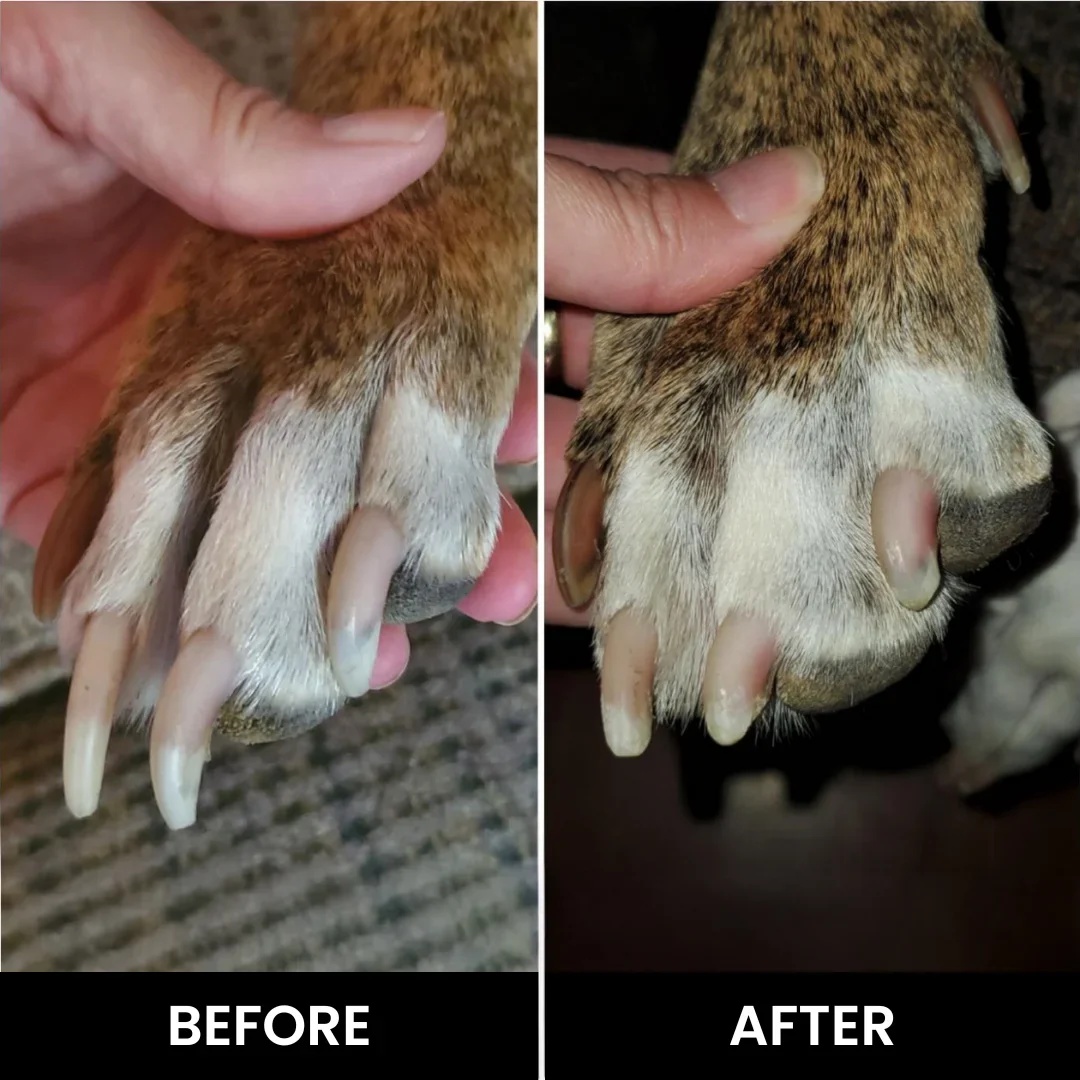
Over a period of four to six weeks, you will notice the claws becoming significantly shorter and healthier.
How Zenpaw Transforms the Receding Process
Using the right tool makes all the difference when executing this highly precise, weekly routine.
The Zenpaw Maxpro 3-in-1 Grinder is designed with dual-speed control and a whisper-quiet motor to keep your dog perfectly still.
Its precise diamond drum bit prevents structural cracking, giving you complete control as you approach the quick.
99-Day 100% Money-Back Guarantee
“Ever since we started using the Zenpaw Maxpro Grinder, it’s been such a peaceful experience. It’s very quiet, and my dog actually relaxes. It’s turned our stressful sessions into quick, quiet grooming times.”
— Sarah M. | ✔ Verified Customer
- ✓ Prevents Infection & Splitting
- ✓ Ideal for All Dog Sizes
- ✓ Low-Vibration Technology
- ✓ Fast 2-7 Days Delivery
Need Support? Call 302-307-1000
Understanding Canine Nail Anatomy: The Science of the Quick

Every canine claw contains an inner bundle of sensitive nerves and blood vessels known as the quick.
In light-colored nails, this bundle is visible as a soft, pinkish column running through the center.
In dark or black nails, high levels of melanin completely mask this vital structure from view.
If you leave your pet’s nails long, the blood vessel continues to grow outward toward the tip.
This extension happens because the body supplies blood flow to support the lengthening keratin shell.
To safely reverse this growth, you must expose the very tip of the quick to structural pressure.
According to veterinary guidelines, minor pressure from routine filing signals the blood vessel to retreat.
This biological response allows you to incrementally trim overgrown dark claws shorter over several weeks.
Consistency is the secret to achieving short, quiet steps on hardwood floors without causing bleeding.
How to Trim Black Dog Nails That Are Overgrown Without Bleeding
Trimming dark, thick claws requires you to discard traditional clippers that violently crush the nail structure.
Crushing forces can fracture the outer keratin wall, exposing delicate nerve endings to painful air contact.
A specialized grinding tool allows you to shave off microscopic layers of nail safely and progressively.
If you accidentally nick the tip of the blood vessel, do not panic or show stress to your pet.
Keep styptic powder nearby to stop minor bleeding instantly, or learn how to cauterize dog nails safely with natural styptic agents.
For maximum visibility during grooming, consider upgrading to the best dog nail grinder with light to illuminate the nail structure.
The integrated light helps you see structural changes in the claw before you get too close to the quick.
By using light and taking your time, you can maintain short, neat claws without hitting the quick.
Step-by-Step Desensitization: Practical Application Guide & Behavioral Tips

Many dogs develop intense grooming anxiety due to past experiences with loud, vibrating tools.
To eliminate this fear, you must use a systematic, multi-day desensitization protocol.
On the first day, place the turned-off grinder near your dog’s food bowl during mealtime.
This simple act teaches your dog that the tool represents positive resources and safety.
On the second day, turn the grinder on at its lowest speed while sitting several feet away.
Toss your dog their favorite treats while the quiet motor hums in the background.
On the third day, gently touch the non-vibrating plastic handle of the grinder to your dog’s paws.
On the fourth day, touch the vibrating body of the tool to their leg to get them used to the physical sensation.
Finally, on the fifth day, file just one nail tip using a low speed and a 45-degree angle.
If your dog remains too anxious for electronic tools, you can use a dog scratch board diy project as an alternative filing method.
This scratch board allows your dog to file their own nails down through natural scratching play.
Combine this fun play with routine professional grinding to achieve the best results over time.
Crucial Mistakes to Avoid When Shortening Black Dog Nails
One of the biggest mistakes pet parents make is trying to shorten long nails in a single day.
Rushing the process always leads to painful bleeding, which destroys your dog’s trust in grooming.
Another common mistake is holding the grinding wheel on a single nail for more than three seconds.
This prolonged friction creates heat that can burn the sensitive nerve tissue inside the claw.
Using dull clippers that crush and split the nail can leave sharp edges that scratch you during play.
If you have ever wondered what happens if dog nail scratches you, sharp edges can introduce bacteria into your skin.
Keeping nails smooth and rounded with a high-quality grinder prevents painful scratches on your skin and furniture.
Always file the edges in a smooth, circular motion to eliminate snags and sharp keratin points.
By avoiding these common mistakes, you can safely and painlessly maintain your dog’s paw health.
Frequently Asked Questions About Black Dog Nail Care
Is the Zenpaw Grinder safe for large dogs with thick nails?
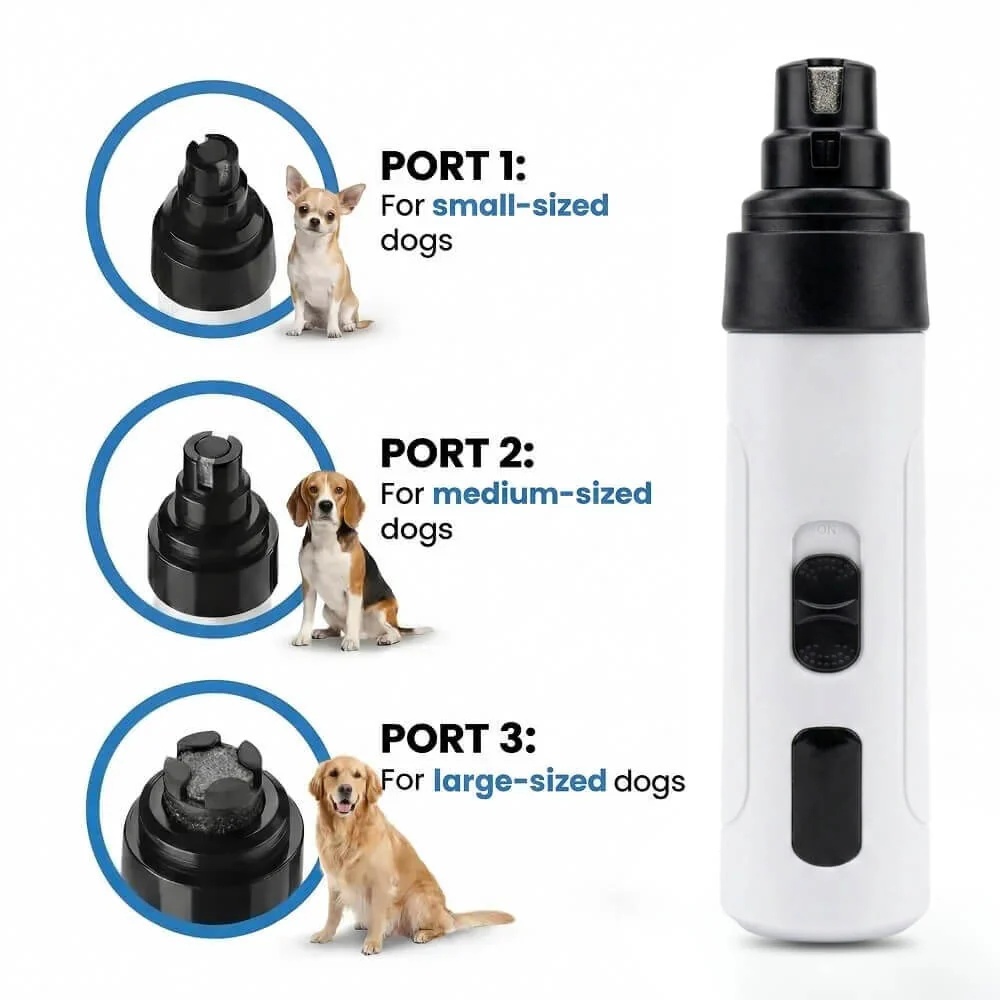
Yes, the Zenpaw Maxpro Grinder is equipped with a high-power motor and three distinct ports to handle all dog sizes.
The large port is specifically designed to accommodate the wide, thick claws of large breeds like Rottweilers and Great Danes.
For extremely thick nails, use the high-speed setting to file the keratin shell down smoothly without stalling the motor.
How long does the battery last on a single charge?
The Zenpaw Maxpro features a long-lasting lithium-ion battery that provides up to seven hours of continuous use.
This extended battery life means you can complete multiple grooming sessions without worrying about losing power halfway through.
The device is easily rechargeable using a standard USB cable, making it highly convenient for home or travel use.
Which speed setting is best for anxious pets?
We recommend starting on the lowest speed setting to introduce the tool to an anxious or sensitive dog.
The low speed minimizes both mechanical vibration and sound, keeping the noise level under 40 decibels.
Once your dog relaxes, you can increase to the higher speed setting for faster, more efficient filing.
Does the grinding head get too hot during use?
The Zenpaw Maxpro utilizes advanced low-heat technology to minimize thermal build-up during use.
However, we still recommend working in short, two-second intervals on each claw to ensure absolute comfort.
Alternating between different paws allows each nail to cool down completely, ensuring a painless experience.
Conclusion
Consistently filing dark claws with a quiet, painless grinder is the safest way to shorten overgrown quicks.
Ready to transform nail trimming from a battle into a breeze? Explore the Zenpaw Maxpro 3-in-1 Grinder.
Call: 302-307-1000 — our team can help you advise on the best grooming practices and help with any product questions.
Note: Individual results may vary depending on individual dog breeds, nail thickness, and behavioral temperaments. This article is intended for general pet grooming reference purposes only and does not replace professional veterinary advice.