As a professional groomer, I watched my rescue dog, Cooper, spend hours biting his raw, red paws until they bled, leaving me feeling completely helpless and heartbroken. I tried every expensive spray and vet trip, only to realize his issues stemmed from a stubborn buildup of moisture in his nail folds. That painful struggle led me to research the ultimate dog nail bed yeast infection treatment, uncovering how stress-free grooming and clean, dry claws are the true secrets to restoring happy, healthy paws.
Maxpro 3-in-1 Grinder.
Stress-Free Nail Trimming.
Whisper-quiet DC motor (<40 dB) eliminates fear & discomfort. Features 3 ports, dual speeds, and 7-hour battery life. Safe, precise, and painless.
In This Article
- Step-by-Step Claw Care: Learn how to clean, dry, and file infected dog nail beds safely at home.
- Understanding Paw Yeast: Discover why Malassezia thrives in damp claw folds.
- Identifying the Warning Signs: Spot waxy discharge, redness, and the distinct corn chip odor.
- The Danger of Dull Clippers: Understand how crushing claws opens the door to pathogens.
- Stress-Free Desensitization: Master the art of quiet, painless grooming with professional tips.
How to Clean and Care for Infected Dog Claws: A Step-by-Step Guide
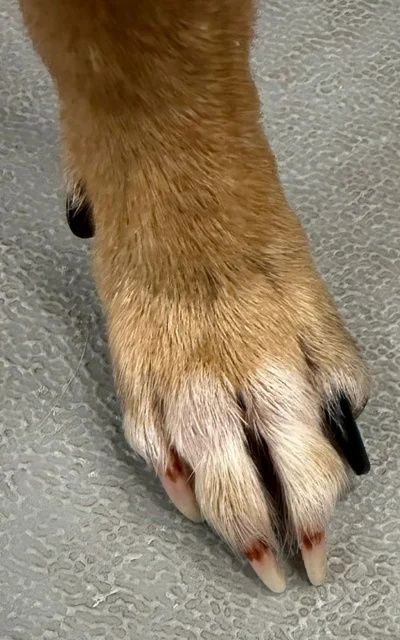
Caring for your pet’s irritated nail beds requires a calm mind, patience, and the correct sequence of steps.
Make sure you choose a quiet room with bright lighting so you can inspect the cuticles without straining your eyes.
Gather all your tools, including clean towels, pet wipes, blunt safety scissors, and your quiet nail grinder, before bringing your dog into the space.
Keep a handful of high-value treats nearby to reward your dog for remaining calm and cooperative throughout the session.
-
Step 1: Inspect the Paw and Folds
Begin by gently lifting your dog’s paw in your hand and speaking to them in a soft, soothing tone.
Carefully separate the toes to look deep inside the claw folds for signs of redness, swelling, or waxy brown residue.
Gently press the pad of the toe to extend the claw outward for a better view.
Look for flaky skin or peeling tissue at the cuticle margin.
Take note of any sensitivity or flinching, as this indicates active irritation in the surrounding tissues.
If you observe a split or cracked claw, you may need to evaluate it for a dog nail split vertically before proceeding with cleaning.
-
Step 2: Cleanse the Paw in an Anti-Fungal Bath
Prepare a shallow basin filled with lukewarm water and add a highly effective anti-fungal paw wash for yeast.
Gently lower your dog’s paws into the mixture, ensuring the water level completely covers the entire nail bed area.
Allow the paws to soak for five to ten minutes to loosen crusty debris and soothe irritated skin folds.
You can use a small, soft-bristled brush to gently sweep away stubborn waxy deposits.
Ensure the water is lukewarm, as hot water will irritate inflamed skin even further.
Use a soft microfiber cloth or a clean cosmetic pad to wipe away loosened wax and dirt from the cuticle borders.
Never scrub the sensitive skin folds vigorously, as this can create micro-tears that invite secondary bacterial infections.
-
Step 3: Dry the Paw and Claw Beds Completely
Yeast organisms thrive in warm, dark, damp environments, making complete moisture removal absolutely essential.
Wrap the soaked paw in a clean, highly absorbent dry towel and press gently to absorb all standing water.
Spend extra time drying the tight crevices between the toes and around the base of each individual claw fold.
Moisture trapped in the webbing between the toes can quickly spread back to the nail folds.
A damp paw is a breeding ground for bacterial infections as well as fungal issues.
If your dog is comfortable with the sound, you can use a hair dryer set strictly on the coolest air setting.
Any moisture left behind in the claw folds acts as a catalyst for immediate fungal multiplication and continuous itching.
-
Step 4: Trim Excess Fur Around the Cuticles
Long, matted hair around the toes traps moisture, dirt, and allergens right against the sensitive nail bed skin.
Use professional, blunt-nosed safety scissors to carefully trim overgrown fur away from the toe pads and claw margins.
This simple step significantly improves natural airflow to the cuticles, keeping the entire area much drier throughout the day.
Always keep the scissors parallel to the paw pads to avoid accidental skin nips.
Keeping this hair short also prevents ice, mud, and chemicals from clinging to the feet.
Clearing away excess hair also gives you an unobstructed view of the quick, reducing the risk of accidental grooming injuries.
It also ensures that any topical soothing balms or powders can reach the skin directly instead of getting wasted on the fur.
-
Step 5: File the Nails Safely to Prevent Splitting
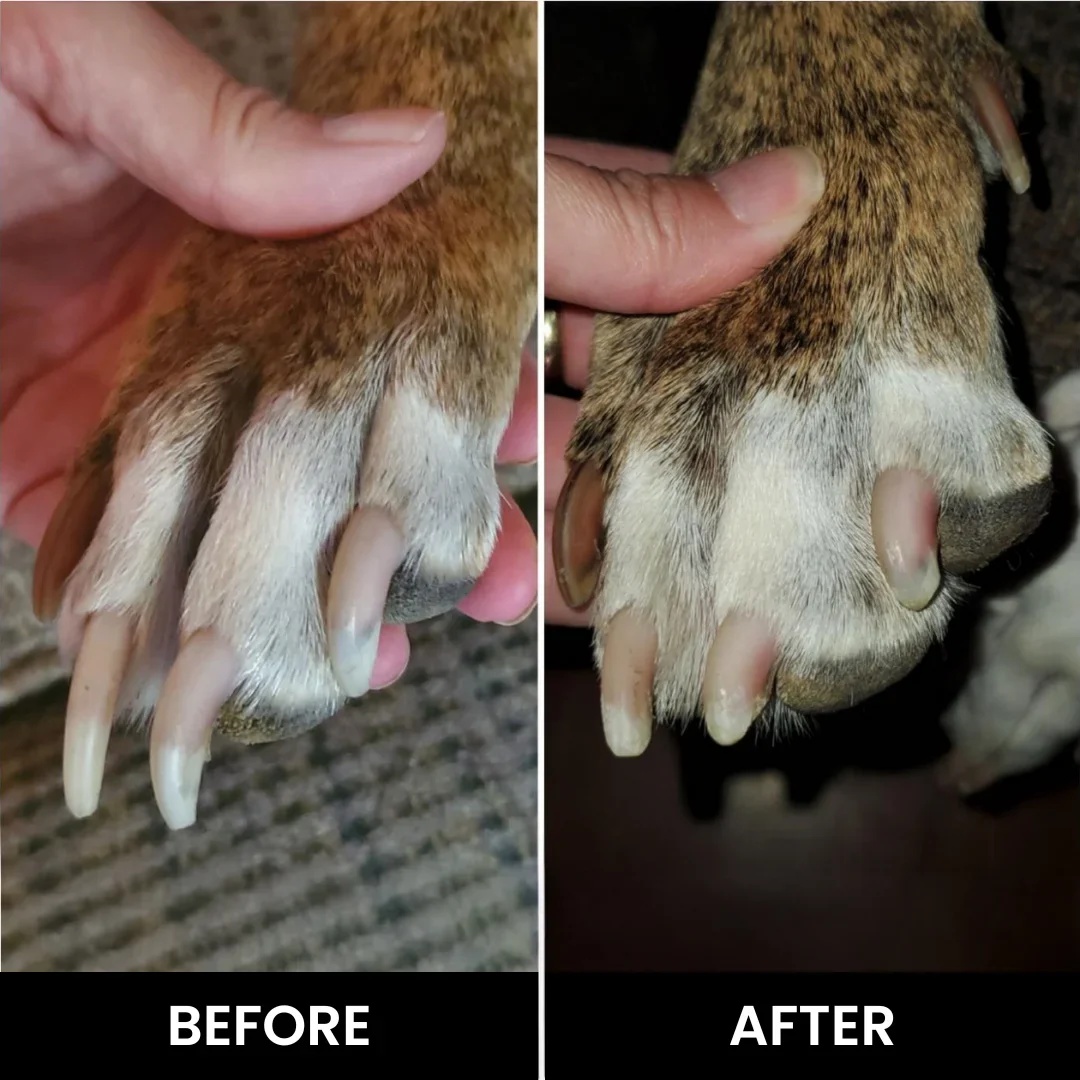
Keeping the claws short is critical because long nails scrape against the ground, pushing dirt and debris deep into the cuticle folds.
Select a whisper-quiet nail grinder to smooth down the rough outer edges of each nail without causing anxiety.
Ensure you support the joint of the toe you are working on to minimize vibration discomfort.
If your dog pulls away, pause for a moment and offer a gentle head scratch.
Long, brittle nails are highly prone to breaking, which can lead to a painful dog nail broke quick exposed emergency.
Hold the grinder head at a precise 45-degree angle relative to the nail plate and apply gentle, pulsing pressure.
Reward your canine companion with a delicious treat after completing each toe to build a positive association with paw care.
To support this claw maintenance routine, Team Zenpaw designed a specialized, stress-free grooming tool.
The Zenpaw Maxpro 3-in-1 Grinder provides a painless and incredibly quiet way to keep your dog’s nails short and tidy.
By keeping the nails at a safe, short length, you eliminate the dark, cramped spaces where yeast and moisture love to hide.
You can discover this vet-approved grooming solution for your home by visiting the Zenpaw Maxpro 3-in-1 Grinder product page.
99-Day 100% Money-Back Guarantee
“Ever since we started using the Zenpaw Maxpro Grinder, it’s been such a peaceful experience. It’s very quiet, and my dog actually relaxes. It’s turned our stressful sessions into quick, quiet grooming times.”
— Sarah M. | ✔ Verified Customer
- ✓ Prevents Infection & Splitting
- ✓ Ideal for All Dog Sizes
- ✓ Low-Vibration Technology
- ✓ Fast 2-7 Days Delivery
Need Support? Call 302-307-1000
Understanding Canine Paw Pathogens: Why Yeast Thrives in Nail Beds
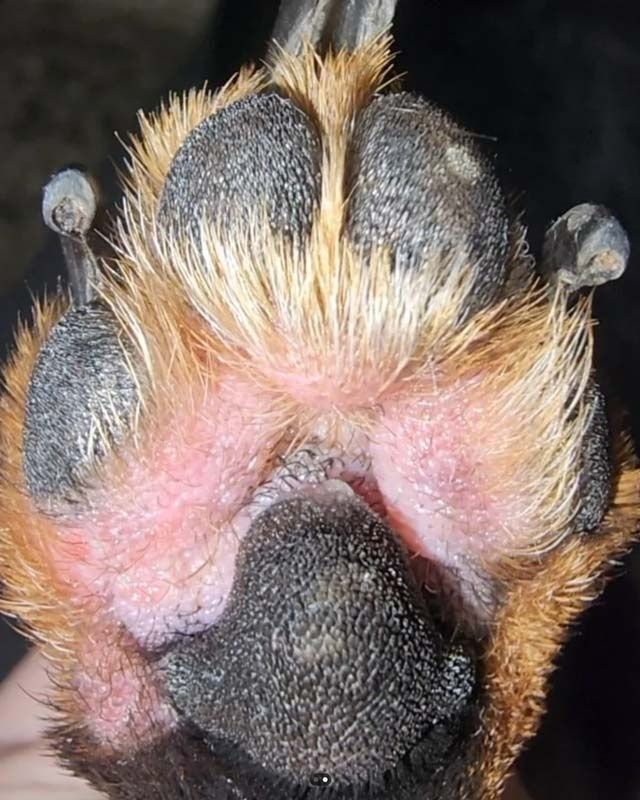
Canine paws are in constant contact with the ground, making them highly susceptible to environmental contaminants.
The primary microscopic organism responsible for paw irritation is Malassezia pachydermatis, a yeast that naturally resides on healthy canine skin.
Under normal conditions, your dog’s immune system keeps this fungal population perfectly balanced and harmless.
However, when environmental humidity rises or your dog suffers from seasonal allergies, the skin’s natural defenses weaken.
This sudden imbalance allows the yeast cells to multiply rapidly, leading to a condition known as Malassezia dermatitis.
The narrow, warm, and dark crevices surrounding the dog’s claw beds provide the absolute perfect incubator for this fungal bloom.
As the yeast numbers climb, they produce metabolic byproducts that irritate the sensitive skin of the cuticle.
This irritation causes intense, maddening itchiness, prompting your dog to lick and chew their paws constantly for relief.
Many pet parents confuse the yeasty corn chip smell with normal dog body odor.
However, a healthy dog’s paws should not emit a strong, pungent yeast smell.
When the skin barrier is compromised, opportunistic bacteria can join the yeast overgrowth.
This leads to a mixed pododermatitis infection that is much harder to clean up at home.
Maintaining a robust skin barrier with correct nutrition and clean grooming habits is essential.
Unfortunately, canine saliva adds constant moisture to the area, creating a self-reinforcing cycle that accelerates fungal growth.
In some cases, structural damage like a dog lost toenail can expose deeper tissues to these opportunistic organisms.
This is why finding an effective dog nail bed yeast infection treatment is so crucial for your dog’s daily comfort.
Grooming experts agree that keeping the claws clean and dry is the single most important step in disrupting this cycle.
When nails are allowed to grow too long, they splay the toes apart, opening up wider spaces for dirt and dampness to settle.
By maintaining a short, smooth nail profile, you keep the paw structure tight and resistant to pathogen invasion.
Protecting the physical integrity of the claw bed is your first line of defense against stubborn, recurring paw irritation.
Recognizing Symptoms of Malassezia in Dog Cuticles
Identifying a claw bed issue early can prevent a minor irritation from turning into a severe, painful problem.
The most obvious warning sign is a dog that displays obsessive paw-licking or chewing behavior after walks.
If you examine the base of the claws, you may notice a highly distinct rusty red or dark brown discoloration.
This staining is caused by porphyrins, which are natural iron-containing compounds found in canine saliva and tears.
The cuticles surrounding the nail plate will often appear swollen, shiny, bright red, or greasy to the touch.
A thick, waxy, brownish discharge may collect inside the tight folds where the nail emerges from the toe.
This discharge is accompanied by a very recognizable, pungent odor that smells like corn chips or old, musty cheese.
Over time, the chronic irritation can alter the growth pattern of the claw, making the outer shell weak and flaky.
You can also look for changes in your dog’s gait or walking style.
A dog with sore, inflamed nail beds will often walk gingerly, as if stepping on hot asphalt.
They may also show a sudden aversion to having their paws touched during quiet resting times.
If you try to inspect their nails, they might lick your hand or gently mouth your fingers to ask you to stop.
Recognizing these subtle behavioral cues is key to being an empathetic pet parent.
This deterioration can result in dry, splitting claws that require a focused brittle dog nail treatment to restore structural health.
If the infection penetrates deeper into the tissue, your dog may show clear signs of lameness or favor one foot.
They may flinch, whine, or pull their paw away quickly when you attempt to touch their toes during grooming.
We always advise seeking professional veterinary guidance if you suspect a deep bacterial infection or see open, bleeding wounds.
However, mild cases can be successfully managed at home with consistent cleaning and proper moisture control.
Using a targeted anti-fungal paw wash for yeast helps eliminate the surface organisms before they can spread.
Pairing this hygiene routine with safe, painless nail trimming creates a powerful defense system for your pet’s paws.
Practical Application Guide & Behavioral Tips for Stress-Free Paw Care
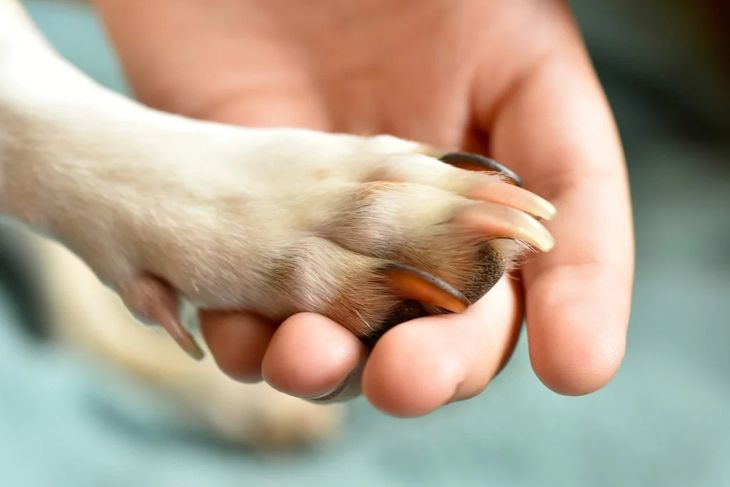
Many dogs develop intense anxiety around paw handling, especially if they have experienced painful nail cuts in the past.
To overcome this fear, you must introduce new grooming tools slowly through a process called desensitization.
Begin by placing the Zenpaw Maxpro Grinder on the floor in front of your dog while it is completely powered off.
Place a high-value treat, such as a piece of chicken or cheese, directly next to the device to build a positive association.
Repeat this step for a few days until your dog happily approaches the grinder without showing any signs of hesitation.
Next, turn the grinder on its lowest speed setting while holding it a few feet away from your pet.
The whisper-quiet motor on the Zenpaw Maxpro operates at under 40 decibels, meaning it will not terrify sensitive canine ears.
Feed your dog a treat while the quiet motor hums in the background so they learn that the sound equals rewards.
Once they are completely relaxed, gently touch the plastic handle of the vibrating grinder to their leg or shoulder.
Do not attempt to file the nails yet; simply let them get accustomed to the physical feeling of the mild vibrations.
When you are ready to file, hold your dog’s paw securely but gently, using your thumb to stabilize the individual toe.
Approach the tip of the nail at a clean 45-degree angle to ensure a smooth, rounded finish.
Apply the grinding head to the nail tip in short, gentle pulses lasting no more than two seconds at a time.
This pulsing technique prevents the friction from creating heat, which can cause discomfort to the sensitive quick inside.
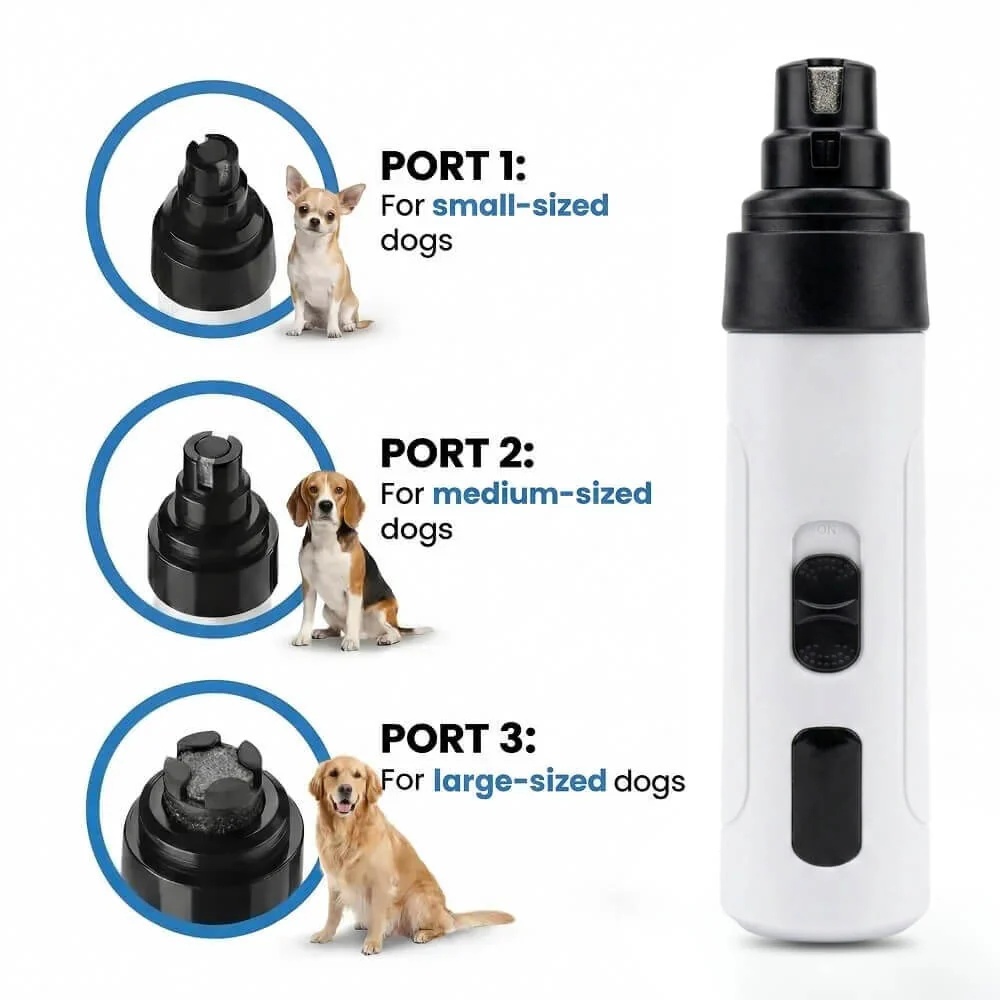
Choose the grinder port that fits your dog’s claw size perfectly to keep the surrounding skin protected from accidental contact.
Regular grinding keeps the nails healthy and prevents unnatural wear, which can sometimes lead to messy dog nail shedding patterns.
Take your time, celebrate small successes, and never force your dog to endure a full session if they become overwhelmed.
Overcoming Risks: Why Traditional Clippers Can Worsen Paw Inflammation
Using traditional scissor or guillotine clippers poses significant risks, especially for dogs with sensitive, inflamed claw beds.
Metal clipper blades work by applying massive crushing force to the hard outer shell of the dog’s nail.
This intense pressure often causes the nail plate to split, splinter, or crack open microscopic pathways.
These tiny structural cracks act as tiny highways, allowing yeast, bacteria, and moisture to travel deep into the nail fold.
Furthermore, clippers make it incredibly easy to accidentally cut into the quick, which is the living blood vessel inside the claw.
Cutting the quick causes sudden, sharp pain and significant bleeding, leaving your dog terrified of future paw care sessions.
If a dog experiences this trauma while already dealing with a painful infection, their grooming anxiety will skyrocket.
A professional nail grinder completely bypasses these dangers by slowly shaving down the nail plate layer by layer.
This progressive filing action allows you to see the dark circle of the quick appearing before you get close enough to cause pain.
It eliminates the jarring, crushing sensation entirely, making the entire experience feel like a gentle massage.
By choosing a painless grinding method, you keep the nail structure completely smooth, solid, and sealed against environmental pathogens.
This protective approach is the safest way to maintain clean claws and support the healing of treating inflamed dog cuticles naturally.
Frequently Asked Questions (FAQ)
Is the Zenpaw Maxpro Grinder safe for large dog breeds with very thick nails?
Yes, the Zenpaw Maxpro is engineered with a powerful, high-torque motor designed to handle claws of all thicknesses.
It features three different grinding ports and dual speed settings to customize the filing power for your specific dog.
The heavy-duty brass collet grinder head files down thick nails quickly and safely without stalling or overheating.
How long does the battery last on a single charge?
The grinder is powered by an advanced lithium-ion battery that provides up to seven hours of continuous runtime.
It features a convenient USB charging port, allowing you to easily recharge the device using a phone charger or laptop.
This long-lasting battery life ensures you never run out of power in the middle of a grooming session with your pet.
Which speed setting should I use for a dog that is afraid of grooming?
We highly recommend starting on the lowest speed setting to keep the noise and vibration levels at their absolute minimum.
This helps your dog feel safe and relaxed while they adjust to the physical sensation of nail filing.
You can gradually transition to the higher speed setting once your dog shows complete comfort and trust during the process.
Does the grinding wheel get hot during use?
The Zenpaw Maxpro uses specialized low-heat technology to prevent the grinding tip from reaching uncomfortable temperatures.
However, to ensure absolute comfort, you should never hold the grinder against a single nail for more than three seconds.
Instead, work on one nail for a brief moment, then move to the next toe to allow the previous nail to cool down completely.
Can a nail grinder help with a dog’s claw bed yeast irritation?
While a nail grinder does not kill fungal spores directly, it plays an invaluable role in the overall prevention and recovery process.
Keeping the nails short prevents dirt, grass, and moisture from getting compacted inside the sensitive cuticle folds.
Short nails also allow for better airflow around the toes, creating a dry environment that makes it difficult for yeast to survive.
Conclusion
Keeping paws clean, dry, and trimmed is the ultimate defense against irritation.
Zenpaw is your reliable companion for stress-free paw health.
Ready to transform nail trimming from a battle into a breeze?
Explore the Zenpaw Maxpro 3-in-1 Grinder.
Call: 302-307-1000 — our team can advise on the best grooming practices and answer any questions.
Note: Individual results may vary depending on individual dog breeds, nail thickness, and behavioral temperaments. This article is intended for general pet grooming reference purposes only and does not replace professional veterinary advice.