
I will never forget the night my sweet golden retriever suddenly let out a sharp cry and left a trail of bright red spots across our clean kitchen floor. Looking down in absolute panic, my heart dropped when I realized my beloved companion had a bloody paw from a dog lost toenail incident that left us both shaken. It was in that terrifying moment of helplessness that our team set out to create a truly stress-free, painless grooming solution to protect our dogs’ sensitive paws forever.
Maxpro 3-in-1 Grinder.
Stress-Free Nail Trimming.
Whisper-quiet DC motor (<40 dB) eliminates fear & discomfort. Features 3 ports, dual speeds, and 7-hour battery life. Safe, precise, and painless.
In This Article
- Emergency Paw Care: How to stop bleeding and clean an exposed quick safely at home.
- Canine Paw Anatomy: Deep-dive analysis of how the claw bone and nerve structures react during traumatic injuries.
- Stress-Free Trimming: Actionable steps to introduce safe, whisper-quiet grinding to prevent future split-nail accidents.
- Mistakes to Avoid: Why standard crushing nail clippers lead to high-anxiety behaviors and painful claw infections.
What to Do When Your Dog Lost a Toenail and Recovery Care
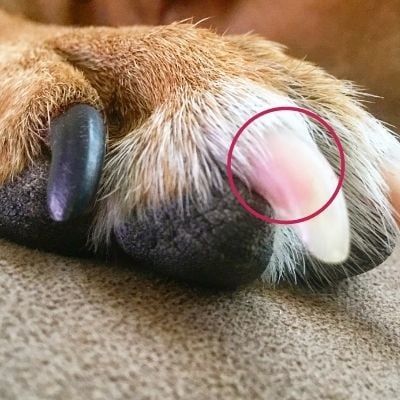
When your dog suffers a sudden claw injury and you discover a dog lost toenail on their paw, you must act swiftly to manage their pain and prevent secondary clinical complications. This painful event typically happens when a dog’s overgrown claw catches on a stubborn carpet thread, a rustic wooden deck, or thick outdoor brush during active play, causing the tough outer keratin shell to violently tear away from the sensitive toe tissue. As a direct consequence of this trauma, the vascular tissue known as the quick becomes completely exposed, creating an immediate risk of bacterial infection alongside profuse bleeding that can panic even the most experienced pet parents. To address this situation effectively at home, you need to locate a clean, quiet workspace, gently restrain your canine companion to prevent them from putting weight on the injured limb, and apply direct pressure to the raw nail bed with sterile gauze. If the bleeding does not stop within twenty minutes, or if you notice severe swelling, structural cracking, or ongoing pain, contact your local veterinary clinic immediately for a professional evaluation and prescription pain relief.
To provide immediate relief and foster safe regrowth at home, begin by cleansing the injured paw with cool water to remove loose debris, being careful not to touch the highly sensitive exposed nerve endings directly. Apply a generous amount of veterinary-approved styptic powder, clean baking soda, or cornstarch directly to the bleeding site, maintaining gentle, consistent pressure for several minutes until a solid clot forms. Once the active bleeding has ceased completely, wrap the entire foot in a clean, non-stick sterile pad and secure it safely with a breathable, self-adhering bandage to keep the bare claw dry and protected from household dirt. Ensure the wrap is comfortable and not too tight, change the bandage daily to inspect the healing skin for signs of infection, and utilize a lightweight recovery collar to stop your dog from licking the raw area. To prevent these traumatic breaks from happening again as your dog’s nail slowly grows back over the next few months, transitioning to a gentle grooming routine is essential. If you want to handle this safely at home during future grooming, the Zenpaw Maxpro Grinder provides painless, quiet filing — explore it here.
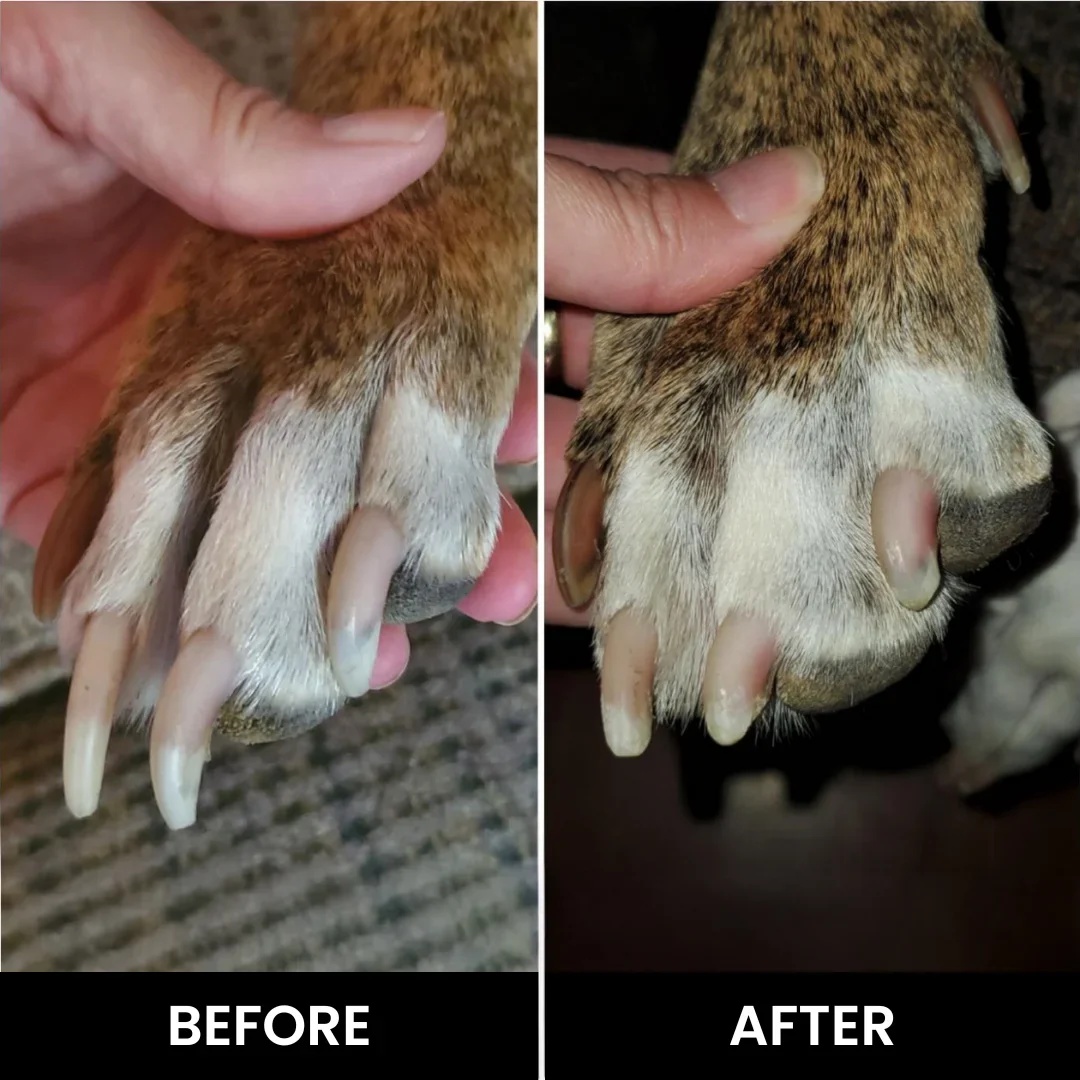
99-Day 100% Money-Back Guarantee
“Ever since we started using the Zenpaw Maxpro Grinder, it’s been such a peaceful experience. It’s very quiet, and my dog actually relaxes. It’s turned our stressful sessions into quick, quiet grooming times.”
— Sarah M. | ✔ Verified Customer
- ✓ Prevents Infection & Splitting
- ✓ Ideal for All Dog Sizes
- ✓ Low-Vibration Technology
- ✓ Fast 2-7 Days Delivery
Need Support? Call 302-307-1000
Understanding Canine Claw Anatomy and the Risks of Nail Trauma

A canine’s claw is far more complex than a simple human fingernail.
It is a living anatomical structure that attaches directly to the terminal bone of each digit, known as the distal phalanx.
This direct connection to the skeletal system is why a my dog lost a nail situation is incredibly painful and medically serious.
The hard outer layer of the claw is composed of durable keratin, which protects the inner living tissue.
This inner tissue, commonly referred to as the quick, is rich in blood vessels and delicate nerves.
When a claw is torn completely away, the raw quick and the distal bone are left entirely vulnerable to the environment.
A dog ripped toenail completely off event creates an open pathway for bacteria to enter the bloodstream.
Without proper care, this exposure can lead to a severe bone infection called osteomyelitis.
Treating osteomyelitis is extremely difficult and often requires weeks of aggressive veterinary antibiotic therapy.
Even minor cracks can escalate quickly if they are not monitored closely.
For instance, a dog nail split vertically can pinch the sensitive quick with every single step your pet takes.
This continuous movement delays natural healing and causes chronic low-grade pain that alters your dog’s gait.
This altered gait can eventually lead to joint strain and skeletal misalignment if the pain persists over several months.
Understanding this delicate structure highlights the absolute necessity of preventative claw maintenance.
Keeping the nails short prevents them from catching on external objects and snapping off under the dog’s body weight.
The Chronic Pain of an Exposed Quick
When a dog suffers a dog nail broke quick exposed injury, the initial pain is incredibly sharp and intense.
The nerve endings in the quick react immediately to changes in air temperature, moisture, and physical pressure.
This extreme sensitivity explains why an injured dog will often guard their paw aggressively, whine, or refuse to walk.
During the first forty-eight hours, the exposed tissue is highly prone to re-injury and bleeding.
As the healing process begins, the wet, pink tissue of the quick will gradually dry out and form a hard, protective scab.
This drying phase is crucial, as it naturally shields the deep nerve endings from painful external contact.
However, if the dog licks the wound consistently, the moisture will soften this protective layer and delay recovery.
Preventing self-trauma is therefore one of the most critical aspects of home recovery care.
Our team at Zenpaw recommends using protective barriers to ensure the area remains dry and clean throughout the week.
Once the quick has successfully desensitized, the body can redirect its energy toward growing a new keratin shell.
This regrowth process is slow, typically taking anywhere from several weeks to three full months to complete.
Why Traditional Clippers Increase the Risk of Split Nails
Many owners are surprised to learn that their choice of grooming tools can directly contribute to claw injuries.
Standard plier style dog nail clippers operate by squeezing the nail from both sides with sharp metal blades.
The mechanics of this action apply an enormous amount of direct crushing force to the hollow keratin shell.
If the claw is dry, thick, or brittle, this intense pressure will often cause the shell to shatter instead of cutting cleanly.
These microscopic fractures can easily weaken the nail structure, making it highly susceptible to tearing off later.
Furthermore, finding the safe zone on dark nails is a constant source of stress for pet parents.
Even when using specialized dog nail clippers with light for black nails, the quick remains partially obscured by thick pigment.
A single sudden movement from an anxious dog can cause the clipper to slide too far back and slice directly into the quick.
This terrifying experience causes severe pain and instantly destroys any grooming trust you have built with your pet.
By contrast, utilizing a professional-grade rotary grinder removes the high-pressure impact of sharp blades entirely.
Grinding allows you to gently file down the nail in thin, controlled layers, giving you ultimate precision and safety.
How to Rebuild Confidence and Safely Groom a Recovering Paw
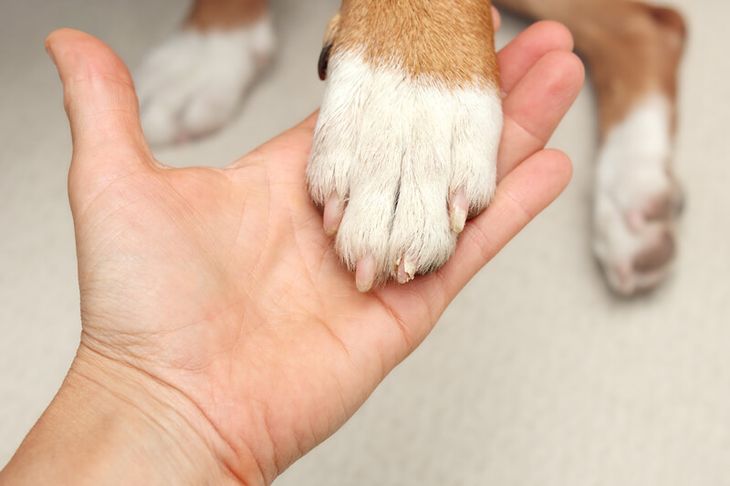
Recovering from a dog lost nail injury is not just a physical process, but a mental one as well.
Your dog will likely feel highly protective of their paws and may show signs of anxiety when you attempt to touch them.
To overcome this fear, you must practice systematic desensitization to teach them that paw handling is safe.
Begin in a quiet room free of distractions while your dog is relaxed and comfortable.
Gently touch their leg and immediately reward them with a high-value treat like a small piece of cooked chicken.
Repeat this simple exercise several times until your dog actively looks forward to the physical touch.
Once they are comfortable with leg touches, move your hand down to hold their paw gently for just two seconds.
Always follow every physical contact with praise and a delicious reward to build a strong positive association.
Next, introduce your Zenpaw Maxpro 3-in-1 Grinder while the motor is turned completely off.
Let your dog sniff the device, and reward their curiosity with their favorite treat.
Turn the grinder on at its lowest speed setting while keeping it a short distance away from their body.
Because our grinder features an ultra-quiet motor operating below 40 decibels, it will not trigger their natural startle reflex.
Slowly bring the humming device closer, rewarding your dog as they remain calm and relaxed in its presence.
When you are ready to file, hold the paw securely and isolate a single toe between your thumb and forefinger.
Hold the grinder at a precise 45-degree angle to match the natural growth curve of the canine claw.
Touch the grinding head to the nail tip for only two seconds before pulling it away to prevent heat buildup.
This short, pulsing technique ensures a completely painless experience and keeps your dog calm throughout the session.
Crucial Home Care Mistakes to Avoid During Your Dog’s Recovery
The road to complete recovery after a claw injury is filled with potential pitfalls for well-meaning pet parents.
One of the most common mistakes is leaving the injured claw completely uncovered during outdoor exercise.
Even short walks on grassy lawns or paved sidewalks can introduce harmful bacteria and fine dirt into the raw nail bed.
You should always protect the paw with a clean bandage or a waterproof dog bootie before stepping outside.
Another critical error is failing to prevent continuous licking and chewing behavior.
A dog’s mouth contains numerous bacteria that can easily trigger a localized skin or deep bone infection.
Using a soft recovery cone or a protective leg sleeve is highly recommended to keep the area dry.
Some owners also attempt to trim dangling nail pieces at home using dull household scissors or clippers.
This can cause the remaining keratin to tear further, resulting in extreme pain and renewed bleeding.
If a piece of the claw is hanging loose, let a trained veterinarian handle the extraction safely under sterile conditions.
Additionally, do not apply human ointments containing essential oils, which can be highly toxic if your dog licks them.
Finally, avoid returning to the same stressful clipping tools that may have caused the initial panic and injury.
Switching permanently to a gentle, low-vibration grinder is the safest way to maintain claw health without risk of future trauma.
Based on grooming feedback from over 18,587+ Zenpaw users, consistent micro-filing is the safest path to long-term paw wellness.
Grooming Method Comparison: Which is Safest for Your Dog?
Choosing the right maintenance tool is vital to prevent future painful splitting or structural claw loss.
Below is a factual comparison of the three most common canine nail care options available to pet owners today.
| Grooming Method | Physical Trauma & Pain Risk | Anxiety Levels & Safety Control |
|---|---|---|
| Zenpaw Maxpro Grinder | Extremely Low: Micro-files the keratin smoothly without pressure. | Very Low: Under 40dB whisper-quiet motor keeps dogs calm. |
| Traditional Metal Clippers | High: Squeezes and shatters brittle nails, risking the quick. | High: Loud clipping sounds and crushing sensations trigger panic. |
| Professional Vet/Groomer Visits | Medium: Dependent on individual handler skill and tool quality. | Very High: Car rides, foreign smells, and clinical handling cause stress. |
Frequently Asked Questions About Dog Toenail Recovery
Yes, our advanced grinder features a heavy-duty motor specifically optimized to file down thick, dense canine nails smoothly.
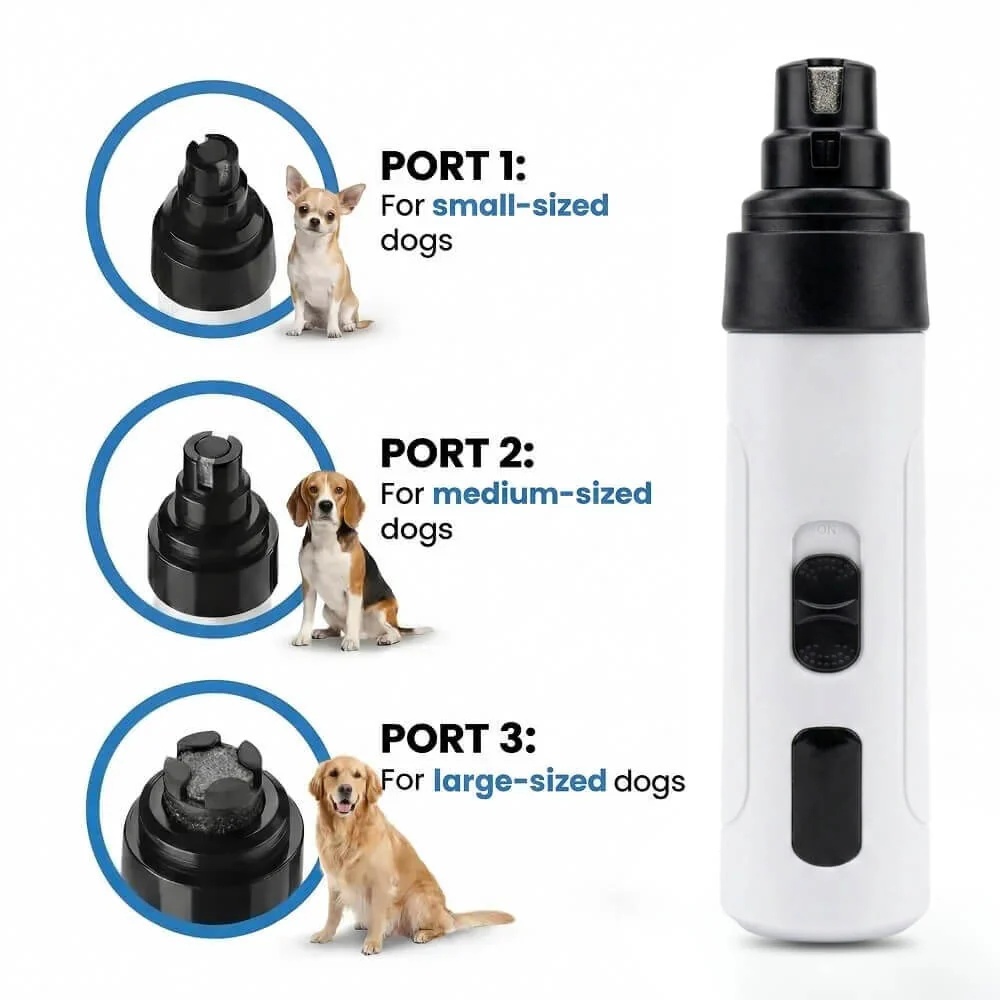
The device includes three custom-sized ports that accommodate small, medium, and large dog breeds with ease.
For large breeds with exceptionally thick claws, we recommend removing the protective guard cap entirely to use the full grinding wheel surface.
The Zenpaw Maxpro Grinder is equipped with a premium lithium-ion battery that delivers up to seven hours of continuous runtime.
This allows you to perform multiple calm grooming sessions without worrying about the battery dying mid-trim.
The device is fully USB-rechargeable and includes a charging cord that plugs into any standard household USB port.
We recommend starting with the low-speed setting and the small port to introduce your dog to the gentle grinding sensation.
As your dog becomes comfortable, you can switch to the high-speed setting for faster and more efficient filing.
Choose the port size that matches your dog’s claw diameter to prevent the toe from slipping during operation.
No, our grinding head is engineered with advanced low-heat technology to prevent friction heat from building up during use.
However, we always recommend applying the grinder in short, gentle taps of two to three seconds per claw.
This completely eliminates any risk of thermal discomfort and ensures your dog remains happy and relaxed.
Conclusion
Ready to transform nail trimming from a battle into a breeze? Explore the Zenpaw Maxpro 3-in-1 Grinder. Call: 302-307-1000 — our team can help you advise on the best grooming practices and help with any product questions.
Note: Individual results may vary depending on individual dog breeds, nail thickness, and behavioral temperaments. This article is intended for general pet grooming reference purposes only and does not replace professional veterinary advice.