
Watching my beloved golden retriever Cooper constantly lick his swollen, red paw broke my heart, and desperately searching for safe, natural home remedies for dog nail bed infection became my midnight obsession. If you have ever felt that wave of panic when your dog flinches during paw touches, you are not alone. That agonizing experience inspired us at Team Zenpaw to create whisper-quiet, pain-free grooming solutions to protect sensitive paws and prevent splits before they ever start.
Maxpro 3-in-1 Grinder.
Stress-Free Nail Trimming.
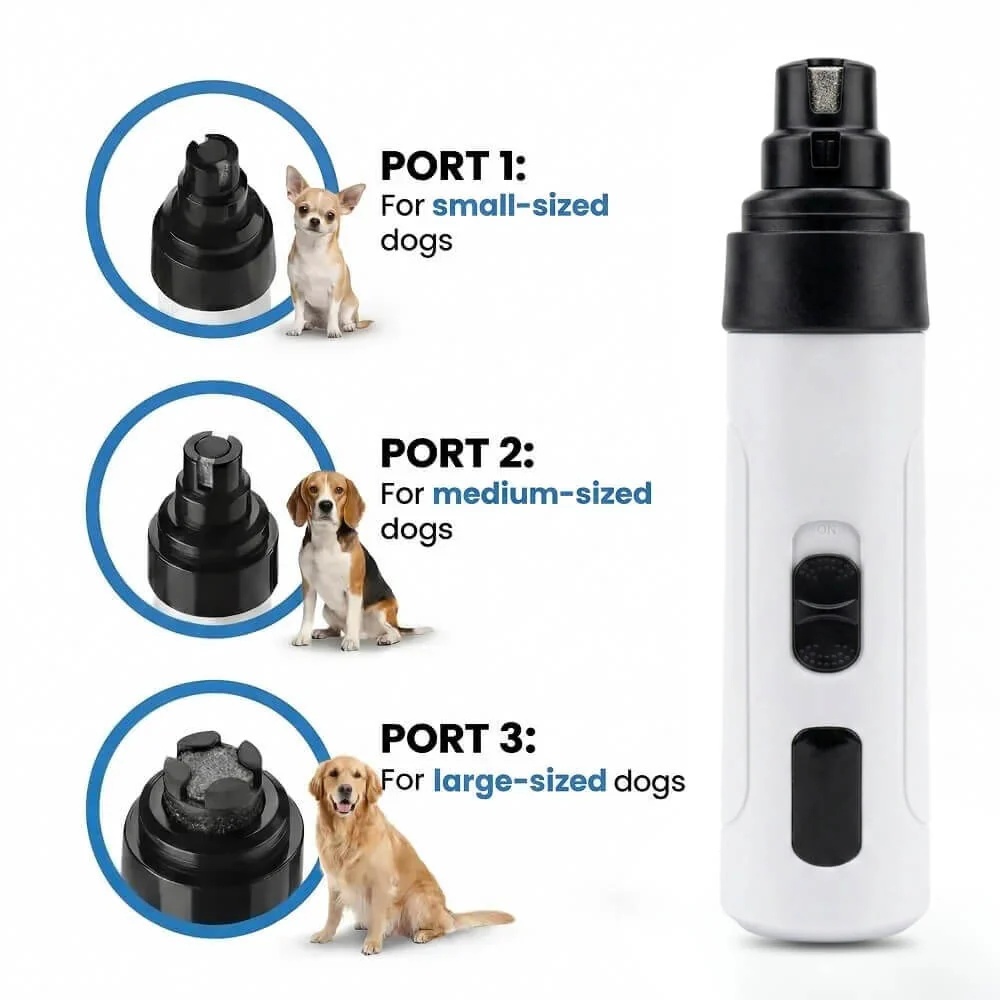
Whisper-quiet DC motor (<40 dB) eliminates fear & discomfort. Features 3 ports, dual speeds, and 7-hour battery life. Safe, precise, and painless.
In This Article
- How to safely administer an Epsom salt soak for inflamed dog cuticles.
- A deep-dive into canine nail anatomy, causes of splits, and irritation signs.
- Practical desensitization protocols to eliminate grooming anxiety.
- Critical mistakes to avoid when caring for damaged claws at home.
How to Administer Epsom Salt Soaks for Dog Paw Irritation: A Step-by-Step Guide
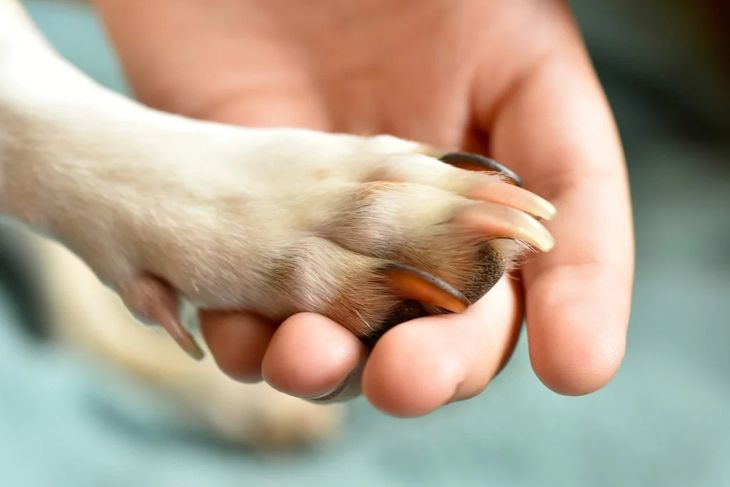
Prerequisites & Supplies You Will Need
Before you attempt any topical solutions at home, gather all your supplies to ensure a smooth, stress-free process.
Preparing your workspace in advance prevents you from leaving your dog unattended mid-soak.
You will need one cup of pure, unscented magnesium sulfate, commonly known as Epsom salt.
Avoid any products containing added essential oils like lavender or tea tree, as these can be highly toxic to dogs.
Find a clean, shallow plastic washbasin or use your household bathtub if your dog is larger.
Prepare two clean, highly absorbent microfiber towels to dry the paws thoroughly after the soak.
Keep high-value treats like freeze-dried liver handy to distract and reward your dog during the process.
Finally, ensure you have a veterinary-approved antiseptic spray on hand to apply after drying.
-
Step 1: Inspect the Affected Paw Gently
Create a calm, quiet environment by taking your dog into a well-lit room away from other household distractions.
Sit on the floor next to your dog to avoid towering over them, which can cause them to feel cornered.
Gently lift the sore paw and inspect the base of the inflamed nail where it meets the skin.
Look closely for visible signs of redness, localized swelling, heat, or any clear or cloudy discharge.
Note if the nail itself is cracked, split, or hanging at an unnatural angle.
Check between the paw pads for any foreign bodies like burrs, thorns, grass awns, or small pebbles.
Observe your dog’s reaction to gentle pressure around the area to gauge their level of discomfort.
If they growl, pull away violently, or show signs of extreme distress, stop the inspection immediately.
Always talk to your dog in a soft, reassuring voice to lower their heart rate during this evaluation.
-
Step 2: Prepare the Warm Epsom Salt Soak
Select a clean, sturdy basin that is large enough for your dog to comfortably stand in.
Pour approximately two to three inches of warm water into the bottom of the tub.
Test the water temperature on the inside of your wrist to ensure it is lukewarm, not hot.
Add one-half cup of pure Epsom salt for small basins, or one full cup per gallon of water for larger tubs.
Stir the water thoroughly with your hand to guarantee that all the salt crystals dissolve completely.
Leaving undissolved salt crystals at the bottom of the basin can scrape and irritate inflamed paw pads.
Ensure the water level is high enough to submerge the entire paw and the irritated nail bed.
Keep a pitcher of warm water nearby in case you need to adjust the water level during the process.
-
Step 3: Submerge and Soak the Paw
Gently place your dog’s irritated paw directly into the prepared Epsom salt solution.
If your dog is small, you can place them entirely into the sink or basin for easier management.
Encourage your dog to remain standing or sitting quietly in the water for ten to fifteen minutes.
Use a steady stream of small, high-value treats to create a positive association with the soaking basin.
If your dog refuses to stand in the water, soak a clean washcloth in the warm Epsom salt solution instead.
Drape the saturated, warm cloth directly over the swollen nail bed and hold it there gently.
Re-wet the cloth in the warm basin every three minutes to keep it warm and effective.
This alternative compress method is highly effective for anxious dogs that refuse water submersion.
-
Step 4: Dry the Paw Thoroughly
Carefully lift your dog’s paw out of the warm water once the soaking time has finished.
Let the excess water drip back into the basin for a few seconds before placing the paw on a towel.
Wrap a clean, dry microfiber towel around the wet paw and squeeze very gently to absorb the moisture.
Avoid rubbing the towel back and forth rapidly, as friction can irritate the inflamed skin further.
Gently separate each toe to dry the deep crevices between the paw pads thoroughly.
Damp, warm environments between the toes are perfect breeding grounds for opportunistic yeast and fungal infections.
Check the base of the nail fold again to ensure no water remains trapped in the cuticle.
Ensure the paw is completely bone-dry before proceeding to any topical applications.
-
Step 5: Apply Pet-Safe Antiseptic and Protect
Apply a light mist of veterinary-approved antiseptic spray directly onto the dry, irritated nail bed.
Ensure the formula contains chlorhexidine or povidone-iodine, which are highly effective against bacteria.
Allow the spray to air-dry completely for a few minutes while distracting your dog with a treat.
Place a clean, breathable dog bootie or a soft cotton sock over the treated paw to protect it.
Secure the sock gently with medical tape around the ankle, ensuring it is not wrapped too tightly.
This protective barrier prevents your dog from licking away the antiseptic and introducing oral bacteria.
Remove the sock after one hour to allow healthy air circulation around the healing nail bed.
How Zenpaw Supports Your Dog’s Long-Term Paw Health
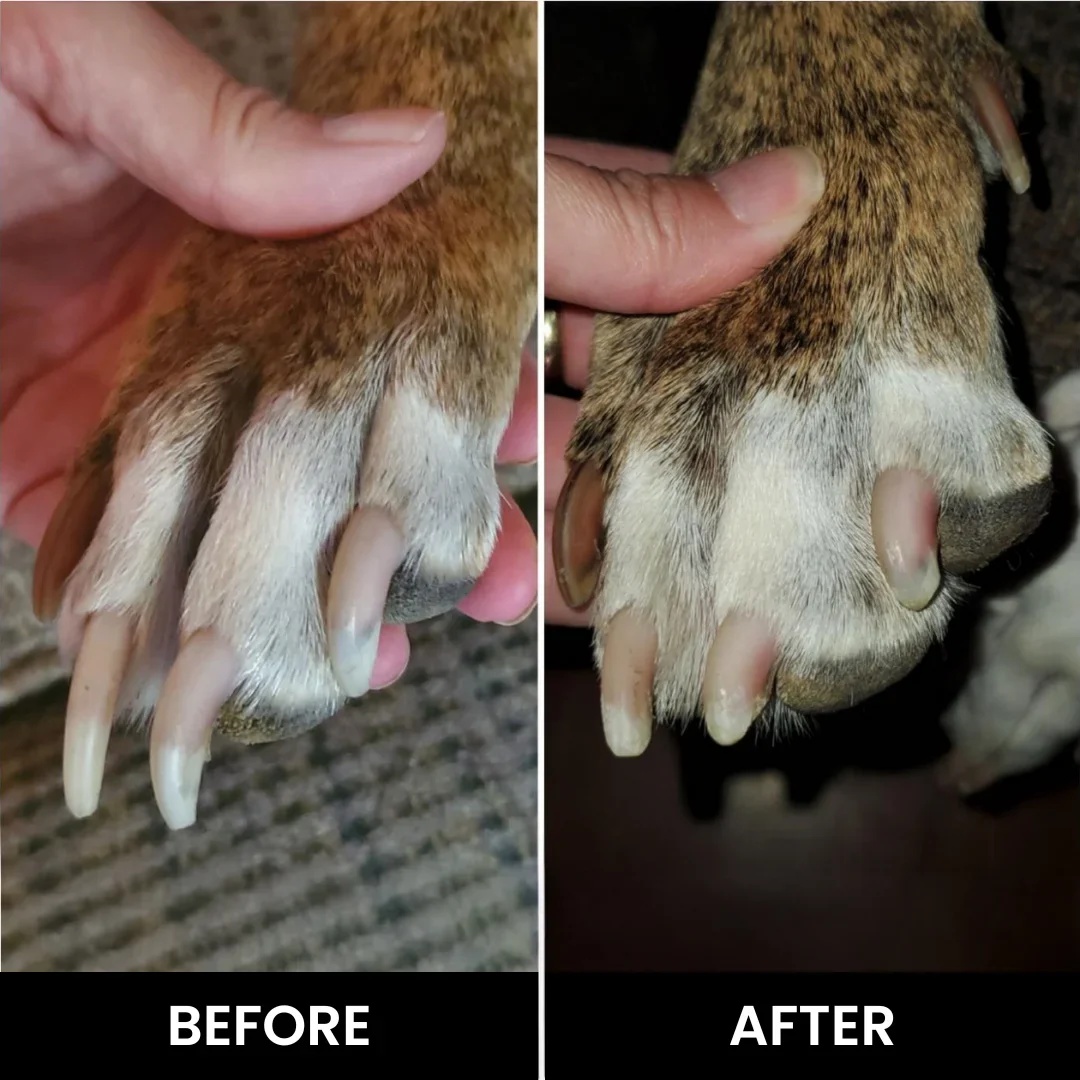
Maintaining short, smooth claws is the most effective way to prevent painful splits and cuticle damage from occurring in the future.
Our team at Zenpaw designed the Maxpro 3-in-1 Grinder to make weekly nail maintenance completely pain-free.
You can explore the Zenpaw Maxpro 3-in-1 Grinder to keep your dog’s nails smooth and short without risking painful structural damage.
99-Day 100% Money-Back Guarantee
“Ever since we started using the Zenpaw Maxpro Grinder, it’s been such a peaceful experience. It’s very quiet, and my dog actually relaxes. It’s turned our stressful sessions into quick, quiet grooming times.”
— Sarah M. | ✔ Verified Customer
- ✓ Prevents Infection & Splitting
- ✓ Ideal for All Dog Sizes
- ✓ Low-Vibration Technology
- ✓ Fast 2-7 Days Delivery
Need Support? Call 302-307-1000
Understanding Canine Nail Bed Inflammation and Claw Health
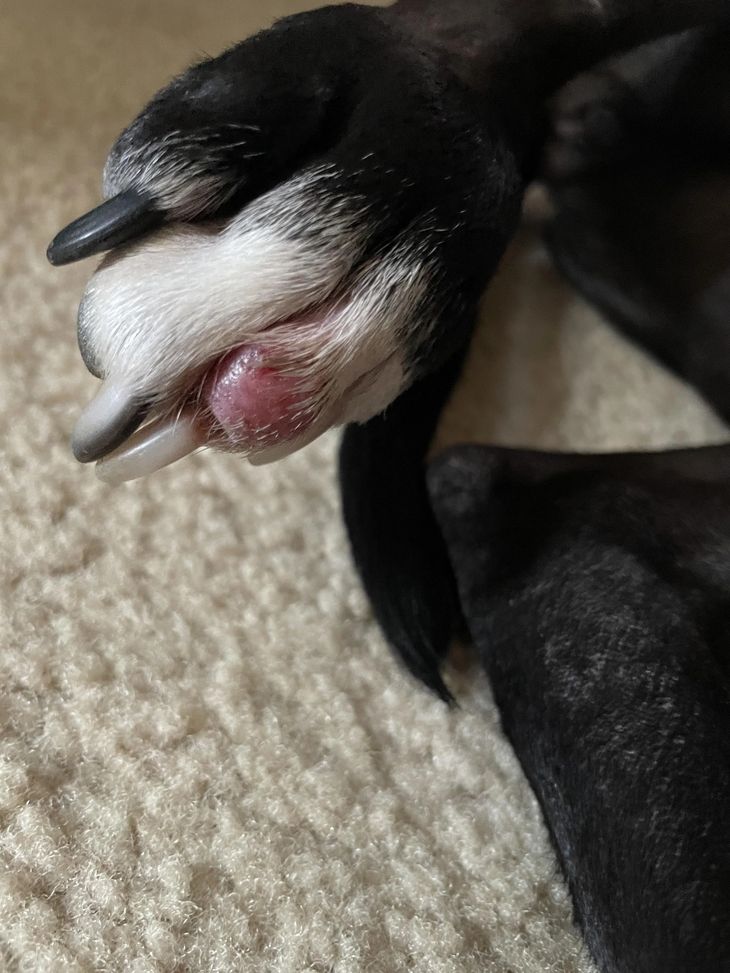
Causes of Irritation in the Dog Nail Bed
Canine claws are complex anatomical structures with a rich supply of blood vessels and nerves.
When a nail splits or cracks, it exposes the sensitive inner quick to environmental pathogens.
You might ask why do my dogs nails split when i cut them when attempting home grooming.
Often, this splitting happens because dull traditional clippers crush the hard nail casing violently.
This structural damage allows yeast and opportunistic bacteria to colonize the compromised claw cuticle.
Environmental allergies to pollen or grass can also cause dogs to chew their paws, leading to nail bed inflammation.
Foreign bodies like grass seeds or thorns can lodge in the nail fold and trigger localized swelling.
Continuous friction on hard surfaces can wear down the nail unnaturally, exposing the inner tissues to dirt.
An unbalanced diet lacking essential fatty acids can also result in brittle nails prone to splitting.
When to Seek Professional Veterinary Assistance
While home care is highly effective for mild irritation, some situations require professional medical evaluation.
If your dog’s paw is oozing yellow pus, emitting a foul odor, or bleeding continuously, call your veterinarian immediately.
Extreme limping, holding the paw off the ground, or refusal to put any weight on the leg indicates deep, painful tissue involvement.
Watch for systemic signs of distress such as lethargy, loss of appetite, or a warm, dry nose.
Your veterinarian may need to prescribe oral antibiotics or anti-inflammatory medications to support systemic recovery.
Never attempt to squeeze, drain, or cut away a severely damaged nail at home without professional veterinary guidance.
Delaying professional care for deep infections can allow the bacteria to spread to the surrounding bone structures.
The Science Behind Epsom Salt Soaks for Canine Paws
How Magnesium Sulfate Assists Inflamed Cuticles
Epsom salt is a natural mineral compound composed of magnesium, sulfur, and oxygen.
This classic compound has been used by pet professionals and veterinarians for decades to soothe tissue swelling.
Magnesium sulfate works through osmotic pressure to draw excess fluid out of swollen, inflamed paw tissues.
This fluid reduction relieves pressure on the sensitive nerves surrounding the nail quick, bringing fast comfort.
The warm water soak also helps soften the hard skin around the cuticle, making it easier to wash away debris.
While magnesium sulfate is not a direct germicide, it creates a clean, hostile environment for bacterial reproduction.
Consistent warm soaking supports the body’s natural defense mechanisms by boosting localized blood circulation.
This increased blood flow delivers vital white blood cells directly to the site of paw irritation.
Alternative Safe Home Soaks for Paw Care
If you do not have pure Epsom salt on hand, other safe topical alternatives can assist your dog’s paw recovery.
A highly diluted povidone-iodine soak is excellent for disinfection purposes and skin support.
Add enough povidone-iodine to lukewarm water until the solution resembles the color of weak tea.
This antiseptic wash is incredibly effective at eliminating both fungal spores and bacteria on the skin surface.
Brewed, cooled chamomile tea can also serve as a gentle, soothing soak for itchy, allergy-prone paws.
The natural properties of chamomile help calm irritated skin cells and reduce the urge to chew.
Always rinse the paws with fresh, clean water after using alternative herbal soaks to remove any residue.
Preventing Paw Issues: Stress-Free Grooming and Maintenance

Introducing the Zenpaw Maxpro Grinder to Your Dog
Most dogs fear nail care because traditional clippers are loud, sharp, and crush the nail bed.
Introducing a new grooming tool requires patience, positive reinforcement, and a gradual step-by-step approach.
Start by showing your dog the silent Zenpaw Maxpro Grinder without turning the motor on.
Reward your dog with a delicious treat every time they sniff or look at the device to build a positive association.
Next, turn the grinder on its lowest speed while holding it a few feet away from your pet.
Our whisper-quiet motor runs at less than forty decibels to prevent triggering their natural fight-or-flight response.
Slowly bring the gently vibrating tool closer to their paw while offering constant praise and delicious rewards.
Touch the body of the grinder to their leg first so they get used to the mild vibration before trimming the nail.
How to Hold the Grinder at a 45-Degree Angle
Proper technique is essential to avoid contacting the sensitive quick of the nail during grooming.
Hold your dog’s paw firmly but gently in your palm to prevent sudden jerking movements.
Position the diamond-bit grinding head at a precise forty-five-degree angle to the tip of the claw.
Apply very light pressure for only two to three seconds at a time on each individual nail.
This intermittent contact prevents friction heat from building up and causing discomfort to your dog.
Work in small increments, slowly rounding off the sharp edges of the claw casing to prevent snags.
Keep a close eye on the center of the nail, stopping immediately when you see a soft, dark spot appear.
Handling Anxious or Uncooperative Dogs Safely
Some dogs have deeply ingrained fears from past traumatic nail-trimming experiences with loud tools.
If your pet reacts with extreme stress, you must adjust your physical handling approach to keep everyone safe.
Using a comfortable dog muzzle for nail trimming can ensure safety and lower environmental stimulation.
It is quite common for owners to worry when a dog plays dead when cutting nails out of sheer apprehension.
You should learn how to restrain large dog to cut nails without using overwhelming physical force.
Consult with your veterinarian to find out what to give dog to relax while clipping nails if they remain inconsolable.
Always prioritize patience over speed to rebuild your dog’s trust in paw care and bonding.
Common Pitfalls in Dog Nail Care and How to Avoid Them
The Danger of Traditional Dull Guillotine Clippers
Traditional clippers use a squeezing action that exerts immense pressure on the entire nail structure.
This pressure often causes the dry, brittle keratin to splinter, crack, and break unevenly.
These microscopic cracks allow dirt and opportunistic bacteria to slip deep inside the sensitive nail bed.
The Zenpaw Maxpro Grinder completely eliminates this risk by gently shaving the nail down smoothly without impact.
By switching from clippers to a high-quality grinder, you protect the structural integrity of your dog’s claws.
Avoiding Over-soaking and Improper Drying
Soaking your dog’s paw for too long can soften the protective skin barrier excessively.
Soggy skin is much more susceptible to tearing, chafing, and secondary bacterial invasion.
Never let your dog’s paws soak for more than fifteen minutes per session.
Ensure you dry the paws completely immediately after removing them from the liquid.
Pay special attention to the spaces between the pads to prevent moisture-loving yeast from multiplying.
Frequently Asked Questions (FAQ)
Yes, absolutely.
The grinder features three distinct ports to safely accommodate small, medium, and large breeds.
The powerful dual-speed motor easily shapes even the thickest claws safely.
The built-in rechargeable battery lasts up to seven hours on a single charge.
It easily recharges using any standard USB port for maximum convenience.
We recommend starting with the lowest speed setting first.
This setting offers the quietest operation and lowest vibration level for sensitive pets.
Once your dog is comfortable, you can switch to the higher speed setting for faster results.
Our advanced diamond-bit wheel features low-heat technology to prevent burning.
To ensure maximum comfort, never hold the grinder on a single nail for more than three seconds.
Move between different claws to allow each nail bed to cool completely.
You should avoid soaking raw, actively bleeding wounds in Epsom salt solutions.
Epsom salt is best suited for intact, swollen, or mildly irritated skin.
For bleeding wounds, use a simple sterile saline rinse and consult your veterinarian.
We recommend soaking the paw twice daily for three to five consecutive days.
Always monitor the area closely for any signs of worsening inflammation or discomfort.
If you see no improvement after three days, seek professional veterinary advice.
Conclusion: Safer Grooming for Happier Paws
Reclaim peace of mind and protect your dog’s paws with gentle, proactive grooming habits.
By combining soothing home remedies with the whisper-quiet power of the Zenpaw Maxpro 3-in-1 Grinder, you can transform stressful chores into happy bonding moments.
Ready to experience stress-free nail trimming? Call us at 302-307-1000 for support and grooming advice.