
I remember the panic in my rescue dog’s eyes every time I brought out those heavy, crushing clippers, a weekly trauma that left both of us sweating and utterly exhausted. It broke my heart to see him hide under the table, which is why I built a DIY dog sandbox to file nails naturally. While a digging box works wonders for front paws, pairing it with the quiet Zenpaw Maxpro 3-in-1 Grinder creates the ultimate stress-free routine.
Maxpro 3-in-1 Grinder.
Stress-Free Nail Trimming.
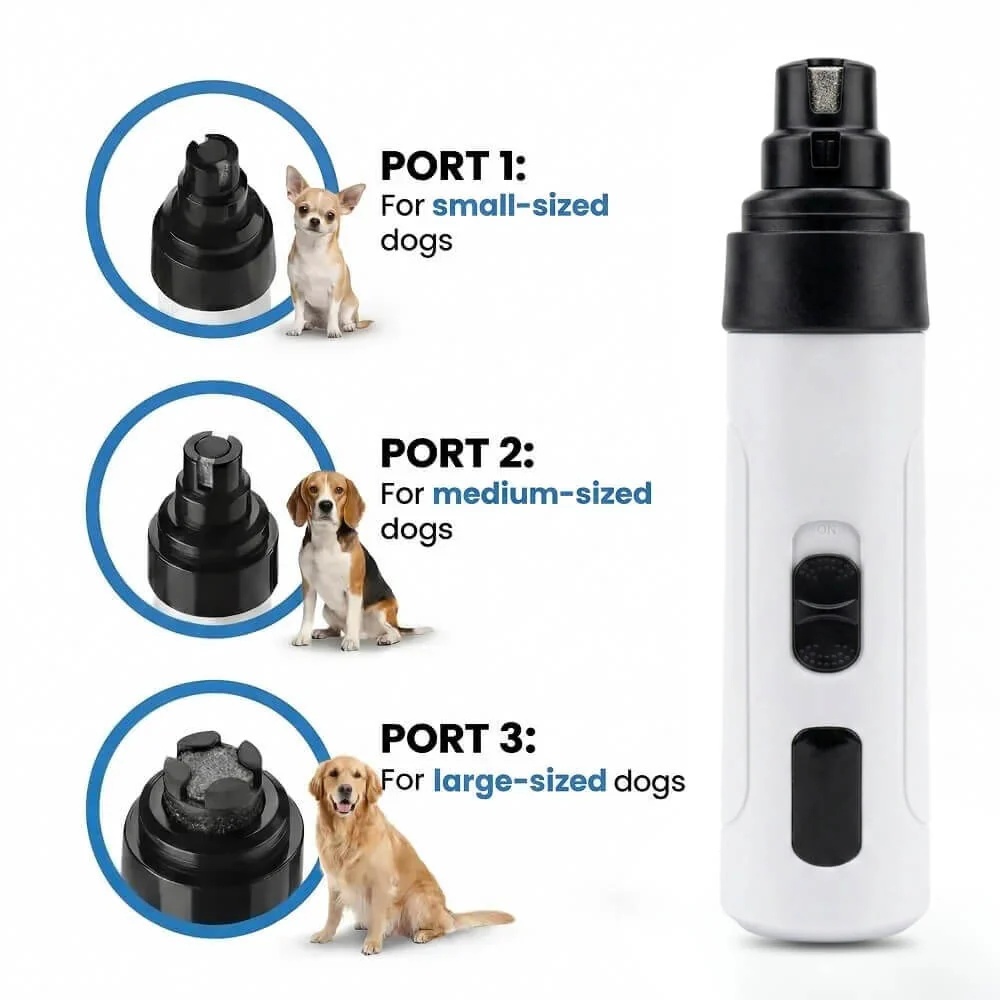
Whisper-quiet DC motor (<40 dB) eliminates fear & discomfort. Features 3 ports, dual speeds, and 7-hour battery life. Safe, precise, and painless.
In This Article
- Natural Grooming Mechanics: Discover how digging acts as an instinctual nail file.
- Step-by-Step DIY Build: Build a custom backyard sandbox with professional, pet-safe materials.
- Strategic Sand Selection: Learn which sands protect paw pads while smoothing sharp claws.
- Positive Association Training: Guide your dog to self-file without anxiety or force.
- The Dual-Approach Solution: Combine instinctual digging with precise grinding technology.
How to Build a Custom DIY Dog Sandbox to File Nails: A Step-by-Step Guide
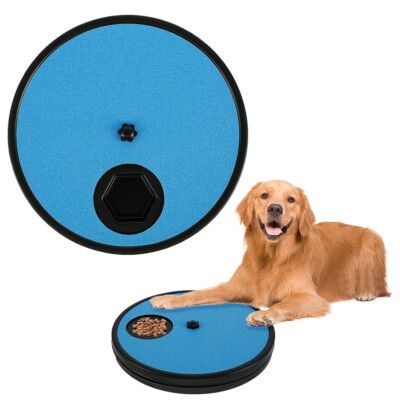
Prerequisites & Materials Needed
Before beginning this project, select a dedicated area in your yard that is level and shaded.
You will need a structural wooden or plastic frame, a non-toxic water-permeable landscape fabric, and a gravel layer for drainage.
Most importantly, gather a supply of organic, silica-free children’s play sand blended with a small ratio of clean granite grit.
This structural combination offers the perfect abrasive density to smooth tough claws without damaging sensitive skin.
-
Step 1: Construct or Source the Outer Frame
Construct a wooden box measuring at least four feet by four feet to accommodate your dog’s natural turning radius.
Use chemical-free, untreated cedar or Douglas fir lumber to prevent hazardous chemical leaching into the digging medium.
Ensure the side walls are twelve to sixteen inches high so the sand remains contained during enthusiastic digging sessions.
Smooth all raw wooden edges with a sanding block to prevent painful splinters on sensitive paws.
-
Step 2: Install the Ground Barrier and Drainage Layer
Excavate the selected ground area to a depth of six inches to allow the frame to sit securely.
Lay down a heavy-duty layer of woven landscape fabric across the bottom of the excavated pit.
This crucial barrier allows rainwater to drain freely while preventing weeds and dirt from mixing with your clean sand.
Pour a two-inch layer of smooth pea gravel over the fabric to optimize drainage and prevent moisture pooling.
-
Step 3: Secure the Fabric and Prepare the Fill
Secure the landscape fabric to the inner walls of your wooden frame using stainless steel staples.
Make sure the fabric is pulled completely taut to prevent your dog’s nails from catching on loose folds.
Inspect the entire interior of the frame for any exposed staples or sharp metal edges.
Fill the box with your pre-washed, silica-free play sand until it reaches four inches below the top rim.
-
Step 4: Treat the Wood with Pet-Safe Finishes
Apply a coat of raw, unboiled linseed oil or pure tung oil to preserve the outer wooden frame.
Avoid toxic commercial stains or paints that could easily flake off and be ingested by your pet.
Allow the natural oil finish to cure completely in the sun for forty-eight hours before introducing your dog.
The treated frame will now withstand harsh outdoor weather conditions while keeping your dog completely safe.
-
Step 5: Introduce Training Treats to Spark the Digging Instinct
Bury high-value, aromatic treats just beneath the surface of the sand to pique your dog’s curiosity.
Encourage them with enthusiastic vocal cues as they begin to sniff and scratch at the sandy surface.
As they clear the sand to retrieve the treats, the abrasive particles will naturally file their front nails.
Reward every single scratching motion immediately to reinforce this highly productive, self-grooming behavior.
While a custom sandbox acts as an incredible natural tool for front claws, it cannot reach the dewclaws or provide a perfectly rounded finish on the rear feet.
To achieve professional grooming results, we recommend pairing this digging play with the Zenpaw Maxpro 3-in-1 Grinder.
This powerful, whisper-quiet tool allows you to gently touch up any remaining rough edges without causing fear or discomfort.
You can explore this veterinarian-approved solution risk-free by visiting the Zenpaw Maxpro store page today.
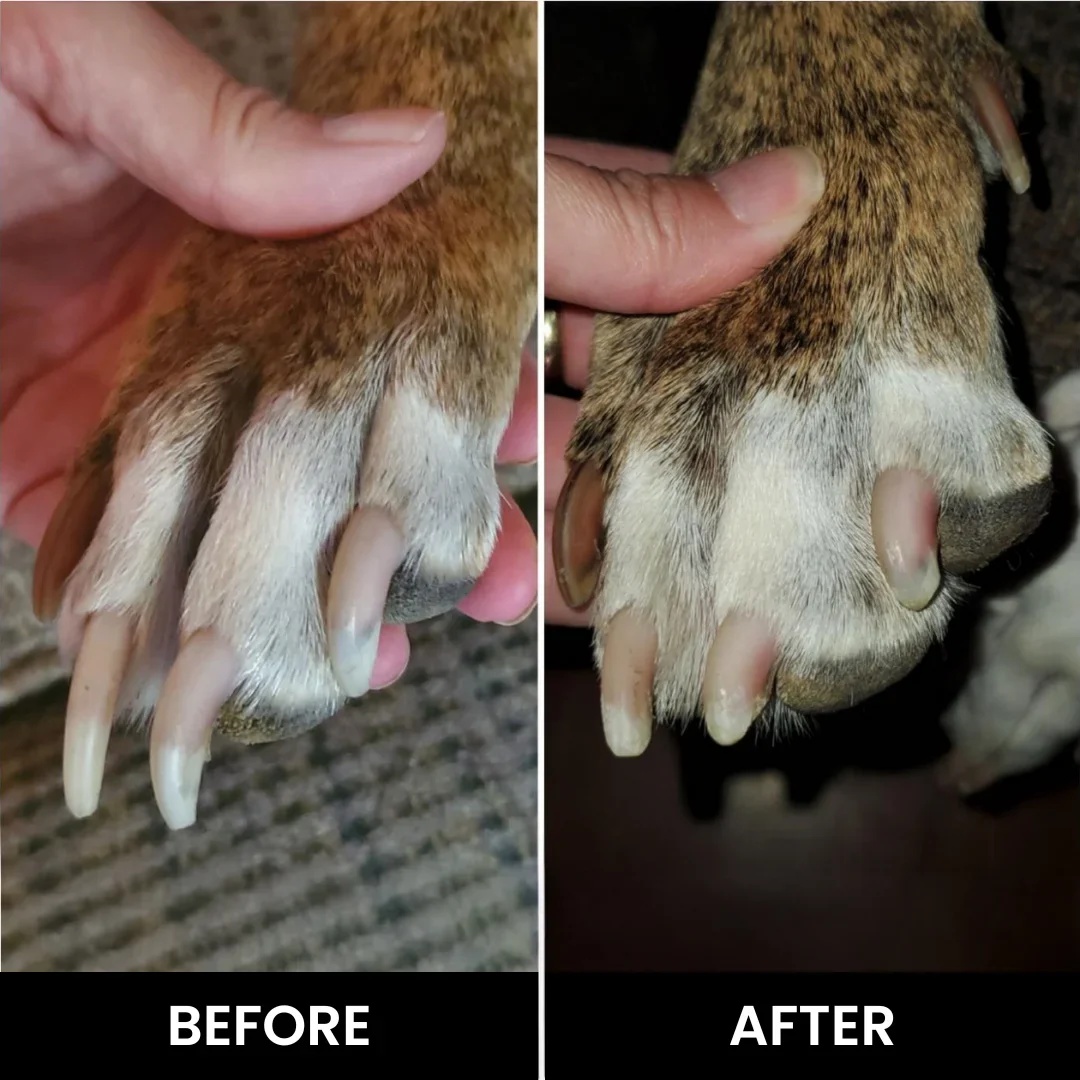
99-Day 100% Money-Back Guarantee
“Ever since we started using the Zenpaw Maxpro Grinder, it’s been such a peaceful experience. It’s very quiet, and my dog actually relaxes. It’s turned our stressful sessions into quick, quiet grooming times.”
— Sarah M. | ✔ Verified Customer
- ✓ Prevents Infection & Splitting
- ✓ Ideal for All Dog Sizes
- ✓ Low-Vibration Technology
- ✓ Fast 2-7 Days Delivery
Need Support? Call 302-307-1000
The Evolutionary Science: Can Dogs File Their Own Nails Naturally?
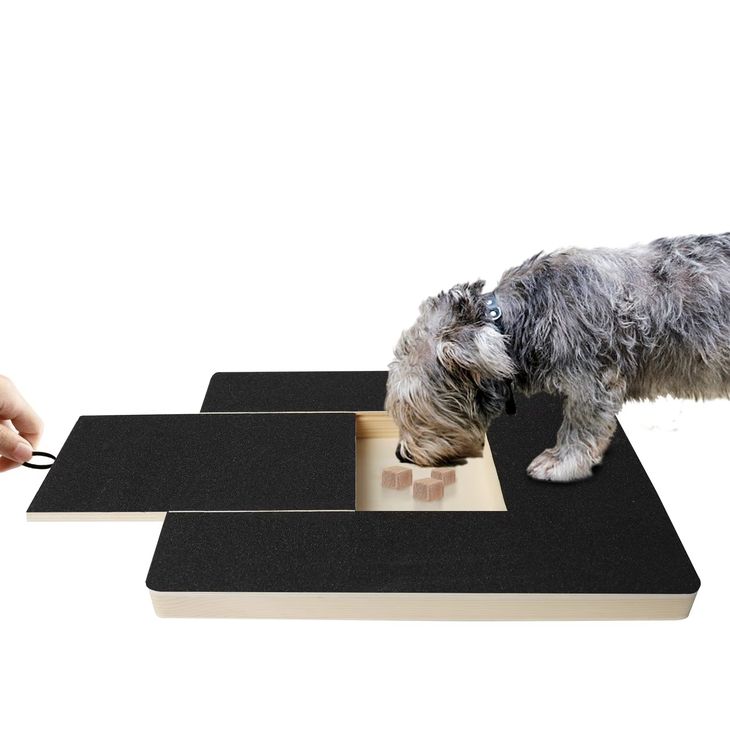
In wild environments, canine ancestors walked miles daily over varied, abrasive terrains like granite, packed soil, and sandstone.
This constant friction naturally filed down their claws, maintaining a healthy length without human intervention.
Modern domesticated dogs, however, spend most of their lives on soft carpets, hardwood floors, and grass yards.
These smooth indoor surfaces offer zero resistance, causing claws to grow unchecked and become dangerously long.
When nails grow too long, they alter the angle at which the paw strikes the ground, leading to skeletal strain.
This lack of wear is why owners sometimes resort to temporary solutions like dog nail covers for traction to help their pets navigate slippery surfaces.
Ultimately, encouraging your dog to dig in an abrasive sand medium is an excellent way to replicate their evolutionary self-grooming processes.
A structured digging routine lets you tap into this innate drive to keep front claws short and healthy.
Understanding the Quick and the Danger of Overgrown Claws
Within every canine claw lies a highly sensitive, vascular bundle of nerves and blood vessels known as the quick.
If you cut or grind too deep into this area, you will cause immediate, intense pain and significant bleeding.
Traditional guillotine clippers put intense pressure on this nerve center, often crushing the nail shaft before cutting it.
This sudden, pinching pressure is the primary reason why so many dogs develop extreme grooming anxiety.
When nails are left to grow too long, the quick actually elongates alongside the outer horn of the nail.
This makes safe trimming incredibly difficult, as even a minor cut can trigger a painful episode of dog nail bed bleeding.
Furthermore, chronically overgrown nails can catch on carpet fibers or outdoor roots, causing a traumatic dog dislocated toe nail.
By using a digging sandbox, the top layers of the nail are worn down slowly and incrementally.
This gradual friction encourages the quick to recede naturally over time, allowing for much safer grooming sessions.
| Nail Care Method | Primary Advantages | Potential Limitations |
|---|---|---|
| Zenpaw Maxpro Grinder | Whisper-quiet (<40dB), safe for dark nails, painless, shapes all 4 paws and dewclaws. | Requires initial desensitization training. |
| DIY Abrasive Sandbox | Fun, utilizes natural digging instincts, excellent for highly anxious dogs. | Does not trim dewclaws or rear paws effectively; potential for sandy mess. |
| Traditional Metal Clippers | Quick cuts when sharp. | Easily cuts the quick, cracks brittle nails, high risk of severe pain. |
How to Teach Your Dog to Dig and File Nails in the Sandbox
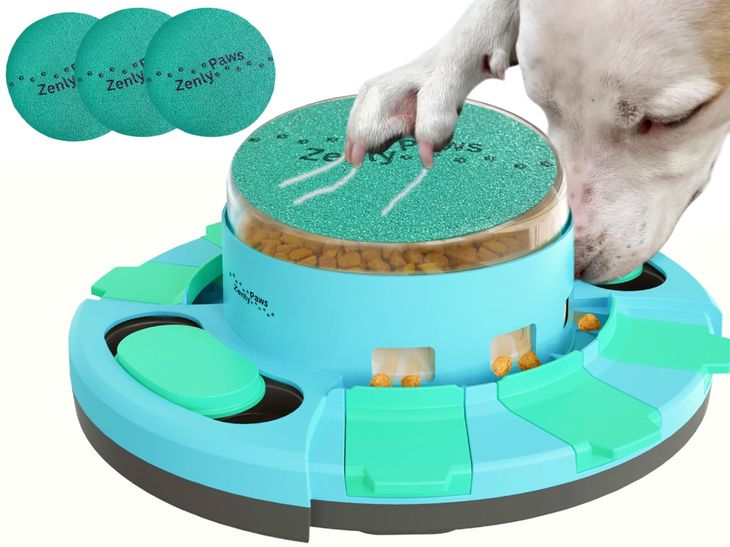
Teaching your dog to use their new digging box is a highly rewarding training process that relies on positive reinforcement.
Start by letting your dog explore the empty sandbox, rewarding them with treats for simply stepping inside.
Once they are comfortable, bury a few highly aromatic treats just beneath the surface of the sand.
Your dog’s natural hunting instincts will kick in, prompting them to scratch at the sand to find the hidden rewards.
The moment their claws rub against the abrasive sand grains, mark the behavior with a cheerful “Yes!” and hand them another treat.
If your pet is highly anxious or reactive to new outdoor activities, you can initially wrap dog in towel to cut nails or soothe them before introducing the sandbox.
Keep these training sessions short and positive, limiting them to five to ten minutes to protect their sensitive paw pads.
Over a few weeks, the constant scratching motion will naturally grind down the long front claws.
This playful training approach turns a dreaded chore into an exciting game your dog will actively look forward to.
Mistakes to Avoid When Relying on Sandbox Nail Filing
One common pitfall is letting an enthusiastic dog dig in the sand for too long during a single session.
Excessive friction can quickly wear down the tough outer nail and abrade the soft, sensitive skin of their paw pads.
Always inspect their paws after play to ensure there are no raw spots or signs of discomfort.
Another major limitation is that sandboxes only target the nails on the front paws used for digging.
The rear nails and the elevated dewclaws will remain completely untouched by the sand.
Ignoring these areas can lead to painful ingrown claws or a severe case of dog nail bleeding at the base if an untrimmed nail snags on a rough surface.
To prevent these painful injuries, a dual-care approach is always the safest path for your pet.
Use the sandbox to keep the front nails short, and use a whisper-quiet grinder to safely trim the dewclaws and rear paws.
This balanced routine guarantees complete paw health without causing any grooming stress or anxiety.
Frequently Asked Questions About Dog Sandbox Nail Filing
Is the Zenpaw Maxpro Grinder safe for large, heavy dog breeds?
Yes, the Zenpaw Maxpro features three specialized grooming ports designed to safely accommodate small, medium, and large dog breeds.
The high-torque motor easily files through thick, heavy nails without stalling or vibrating aggressively.
How long does the battery last on a single charge?
The advanced lithium-ion battery provides up to seven hours of continuous grooming power on a single charge.
It recharge quickly using a standard USB cable, making it perfect for both home use and travel.
Which speed setting is best for anxious dogs?
We recommend starting on the low-speed setting to let your dog adjust to the ultra-quiet, gentle vibrations.
Once your dog is relaxed, you can switch to the high-speed setting to quickly finish thick, stubborn nails.
Does the grinding head get hot during extended use?
No, the Zenpaw Maxpro is built with advanced heat-reduction technology to keep the grinding head cool during use.
This prevents painful heat transfer to the sensitive quick, ensuring a completely painless grooming experience.
Can a sandbox completely replace traditional nail grooming?
While a sandbox is an excellent natural tool for front claws, it cannot reach dewclaws or trim rear nails.
For complete paw care, we recommend combining natural digging play with precise touch-ups using the Zenpaw Maxpro Grinder.
Conclusion: Empower Your Dog with Stress-Free Nail Care
A custom DIY sandbox is an incredible, stress-free way to naturally shorten your dog’s front nails through fun, instinctual play.
Ready to transform your dog’s grooming routine into a peaceful, bonding experience?
Explore the veterinarian-approved Zenpaw Maxpro 3-in-1 Grinder risk-free with our 99-day money-back guarantee.
Call our friendly pet wellness team at 302-307-1000 today for helpful product guidance and personalized grooming advice!