
I still remember the absolute panic that seized me when my sweet golden retriever yelped in pain, leaving a trail of crimson spots across our clean kitchen floor. Cutting the quick is a nightmare every pet parent dreads, and dealing with dog nail bed bleeding taught me that traditional clippers simply crush and damage delicate paws. That terrifying afternoon is exactly why our team at Zenpaw created a whisper-quiet, painless solution to keep your dog’s nails beautifully trimmed without the trauma.
Maxpro 3-in-1 Grinder.
Stress-Free Nail Trimming.
Whisper-quiet DC motor (<40 dB) eliminates fear & discomfort. Features 3 ports, dual speeds, and 7-hour battery life. Safe, precise, and painless.
In This Article
- Learn how to stop immediate claw bleeding using safe, reliable household alternatives.
- Discover the detailed anatomy of your dog’s nail bed and why typical clippers pose a constant hazard.
- Understand complications like yeast infections, thyroid weaknesses, and severe swelling in canine paws.
- Follow our expert behavioral training guide to successfully transition your anxious dog to a pain-free grooming routine.
How Can You Safely Stop Dog Nail Bed Bleeding at Home?
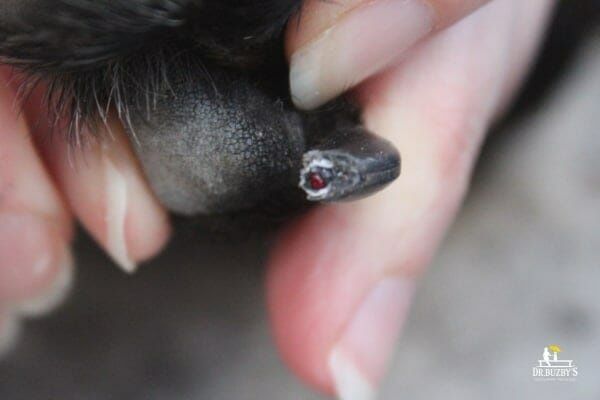
Dog nail bed bleeding occurs when the delicate blood vessel and nerve group known as the quick is pierced or torn.
This painful injury typically happens to active dogs playing on rough terrain or during routine grooming sessions with dull scissor-style clippers.
Every pet parent must act immediately when a breach occurs because canine claws contain highly pressurized blood vessels that do not easily clot on their own.
An exposed cuticle or a damaged dog nail bleeding at the base serves as a direct pathway for dangerous environmental bacteria.
By keeping your pet perfectly calm and applying steady pressure to the wound, you can manage the bleeding successfully right in your living room.
Understanding exactly how to respond to this emergency prevents unnecessary panic and protects your dog from severe physical discomfort.
Our team at Zenpaw believes that a calm, prepared pet owner is a dog’s absolute best defense against grooming accidents.
To stop active bleeding, first apply a clean compress or a generous amount of professional styptic powder directly to the injured site.
Maintain continuous, firm pressure on the affected claw for at least two full minutes without lifting the cloth to check progress.
If you do not have styptic powder on hand, a thick paste made of common cornstarch and cold water serves as an excellent home alternative.
Keep your dog completely still and off hard flooring for at least thirty minutes to allow a secure clot to form naturally.
Once the bleeding stops, inspect the paw gently for any signs of a structural fracture or a dog dislocated toe nail that may require veterinary attention.
Clean the surrounding fur with mild, alcohol-free antiseptic wipes to wash away sticky blood residue and prevent debris buildup.
Wrap the paw loosely in a clean, self-adhering bandage if your dog continuously tries to lick or chew at the raw cuticle.
If you want to handle this safely at home, the Zenpaw Maxpro Grinder provides painless, quiet filing — explore it here.
99-Day 100% Money-Back Guarantee
“Ever since we started using the Zenpaw Maxpro Grinder, it’s been such a peaceful experience. It’s very quiet, and my dog actually relaxes. It’s turned our stressful sessions into quick, quiet grooming times.”
— Sarah M. | ✔ Verified Customer
- ✓ Prevents Infection & Splitting
- ✓ Ideal for All Dog Sizes
- ✓ Low-Vibration Technology
- ✓ Fast 2-7 Days Delivery
Need Support? Call 302-307-1000
Anatomy of Canine Claws: Why Your Dog’s Nail Bed Bleeds So Easily

The canine claw is a highly specialized anatomical structure designed for traction, digging, and balance.
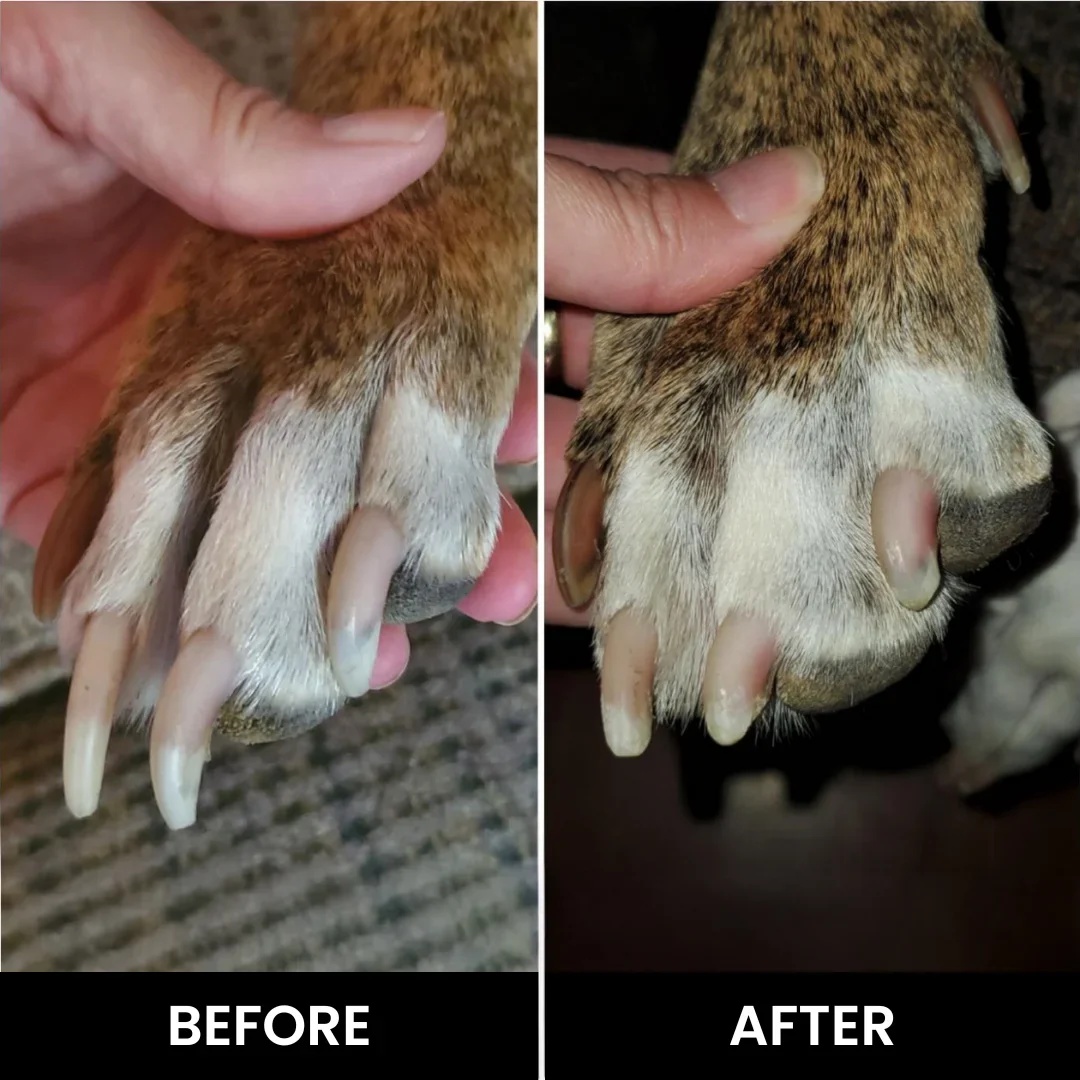
Unlike human fingernails, which are flat and lack blood vessels, a dog’s claw is a three-dimensional keratin shell surrounding a living core.
This living core is commonly referred to as the quick, and it is packed with active blood vessels and highly sensitive nerve endings.
The American Kennel Club notes that the quick grows outward in tandem with the surrounding outer keratin wall.
When a dog’s nails are left untrimmed for extended periods, the internal quick extends much further toward the tip of the claw.
This biological growth pattern makes traditional trimming exceptionally risky, as even a minor cut can slice directly into the vascular core.
Traditional scissor-style clippers operate by applying immense crushing force from two opposing metal blades.
This aggressive physical compression often fractures the brittle outer shell, leaving the delicate interior completely exposed.
When the quick is breached by a blade, the bleeding is immediate and heavy due to the high vascular pressure within the canine paw.
This sudden, sharp pain is incredibly distressing for your dog, frequently leading to a lifetime of grooming-related fear and aggression.
To prevent this traumatic cycle, switching to a high-precision grinder allows you to file down the tough keratin layer by layer with absolute control.
Our canine wellness experts emphasize that gradual, consistent filing naturally coaxes the sensitive quick to recede over time.
This anatomical adaptation makes future grooming sessions significantly safer, easier, and completely blood-free.
Whether you are dealing with a tiny nick or a torn dewclaw, understanding this delicate anatomy is the first step toward stress-free paw care.
Identifying Complications: Swelling, Yeast, and Nail Bed Infections
An open nail bed wound is highly vulnerable to pathogens present in soil, grass, and household carpets.
If harmful bacteria or fungi enter the exposed blood vessel, a painful infection can develop within forty-eight hours.
You must monitor your pet’s paws daily to ensure the injured nail bed does not become swollen, red, or hot to the touch.
A healthy healing cuticle should never produce green discharge, watery fluid, or a persistent, unpleasant odor.
If you notice your dog constantly licking, biting, or shaking their paw, it indicates ongoing irritation or localized pain.
Some dogs suffer from chronic paw irritation that looks remarkably similar to physical grooming trauma.
You can compare your pet’s symptoms with dog nail bed yeast infection pictures to determine if fungus is the underlying culprit.
Yeast overgrowth thrives in moist environments and typically produces a distinct, sweet corn-chip aroma alongside constant itching.
Additionally, systemic physical conditions can manifest directly through the structural integrity of your dog’s claws.
For example, a hormonal imbalance such as a brittle dog nails thyroid issue can cause the keratin outer shell to dry out and flake.
When the protective outer keratin layer is structurally weak, the inner nail bed loses its natural defensive armor.
This fragility greatly increases the risk of deep, vertical splits that reach all the way down into the living cuticle.
Keeping the outer nail walls completely smooth prevents accidental snagging on rough outdoor surfaces.
If you observe persistent swelling or if a split nail fails to show signs of healing, consult your veterinarian immediately.
A professional evaluation ensures your pet receives targeted care to prevent the infection from spreading to the digital bones.
Will the Nail Grow Back? Understanding the Recovery Timeline
One of the most frequent questions pet parents ask after a severe injury is whether the claw will ever return.
Fortunately, the short answer is yes, because the regenerative capabilities of a dog’s claw matrix are incredibly robust.
You can explore the fascinating biology behind this recovery process by reading our in-depth guide on do dogs toenails grow back.
The total recovery timeline depends heavily on whether the germinal matrix at the very base of the toe remains intact.
If the growth cells are undamaged, a healthy new claw will begin to emerge from the skin fold within two to three weeks.
On average, a canine claw grows at a steady rate of approximately one to two millimeters per week depending on the breed.
For a complete claw replacement, you can expect a healing timeline of several months for medium and large dogs.
During the initial stages of regrowth, the newly exposed quick is extremely soft, sensitive, and vulnerable to re-injury.
It is vital to protect this healing tissue from friction, hard impacts, and abrasive dirt during daily outdoor exercise.
You can use a breathable, lightweight booties to shield the paw from gravel and moisture during brief walks.
As the fresh keratin shell slowly extends, it will gradually cover and safely insulate the sensitive internal nerves.
Ensuring your dog receives a balanced diet rich in essential fatty acids and biotin supports strong, resilient nail growth.
If the nail bed was severely crushed or altered, the new claw may grow back with a slight curve or a textured surface.
Regular, gentle filing prevents these irregular claws from curling inward and causing painful ingrown issues.
By establishing a consistent, gentle filing routine, you protect the newly formed keratin and prevent future splitting.
Step-by-Step Guide: How to Introduce the Zenpaw Maxpro Grinder to Anxious Dogs
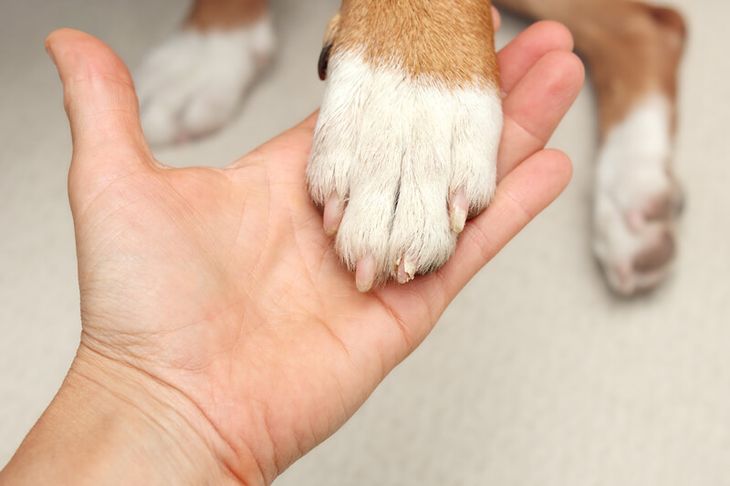
Nail grooming should be a peaceful, positive bonding ritual rather than a stressful physical struggle.
If your dog has previously experienced a painful quick injury, they will naturally be highly protective of their paws.
Overcoming this deep-seated fear requires a slow, structured desensitization plan paired with delicious, high-value rewards.
The Zenpaw Maxpro Grinder is specifically engineered with an ultra-quiet DC motor operating under forty decibels.
This exceptionally low noise level avoids triggering the sudden acoustic panic caused by loud, vibrating hardware store rotary tools.
To begin the process, introduce the grinder to your dog while the power is completely turned off.
Let them sniff the device freely and reward them immediately with their favorite treats to build a positive association.
Next, gently touch the silent grinder to their paw for a split second, continuing to offer enthusiastic praise and treats.
Once they are completely relaxed with the physical contact, turn the device on its lowest speed at a comfortable distance.
Allow your dog to get used to the gentle humming sound without attempting to touch their claws during the first session.
When they show no signs of anxiety, touch the spinning head to a single nail for just one brief second.
Always hold the grinder at a precise forty-five-degree angle relative to the natural downward curve of the claw.
This specific angle prevents dangerous friction heat and ensures a perfectly smooth finish without putting pressure on the quick.
Work in brief, controlled intervals, filing for only two to three seconds per nail before moving to the next toe.
With patience, consistency, and the whisper-quiet Zenpaw Maxpro, your dog will learn that nail care is a completely painless experience.
Avoiding Grooming Pitfalls: Why Traditional Clippers Do More Harm Than Good
Many well-meaning dog owners inadvertently cause painful paw injuries by using outdated, aggressive grooming tools.
Traditional guillotine and scissor clippers are the leading cause of fractured claws and bleeding nail beds.
These manual tools rely on sheer squeezing pressure to cut through dense, circular layers of keratin.
As the sharp metal blades close, they violently compress the entire claw structure before finally cutting through.
This physical crushing action often creates micro-fractures that propagate upward toward the sensitive cuticle.
Over time, these structural cracks split wide open when your dog runs on hard pavement or catches their paw on a rug.
Rushing through the grooming process is another common mistake that leads to severe bleeding and panic.
When a dog wiggles unexpectedly, a sudden slip of the hand with scissor clippers can slice directly into the living quick.
The Zenpaw Maxpro Grinder eliminates this hazard by allowing for gradual, micro-precise material removal.
Our advanced dual-speed motor gives you complete control over how quickly you file the claw down.
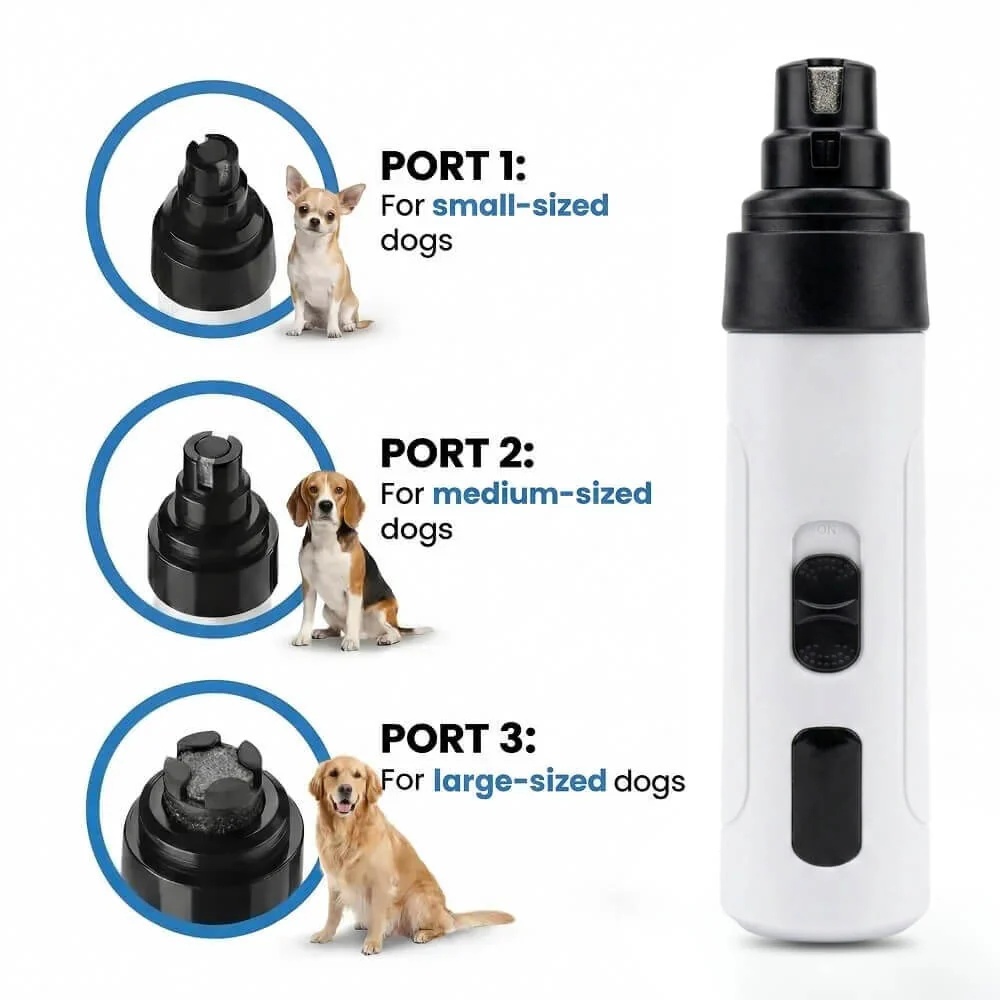
Furthermore, the grinder features three safety ports designed to accommodate small, medium, and large dog breeds perfectly.
This protective cap prevents the rotating wheel from accidentally catching your dog’s long coat or surrounding paw skin.
By removing the risk of sudden, deep cuts, you can maintain your pet’s paws with absolute confidence and safety.
Investing in a precise, professional-grade tool is the simplest way to safeguard your dog’s physical comfort and emotional well-being.
Frequently Asked Questions About Dog Nail Bed Care
Yes, the Zenpaw Maxpro is fully equipped to handle dense, thick claws on large dog breeds.
It features a heavy-duty motor with high torque that easily files down the toughest keratin without stalling.
The protective cap can be completely removed to expose the entire grinding stone, allowing you to quickly groom large paws.
The Zenpaw Maxpro is built with a high-capacity lithium-ion battery that is easily rechargeable via any standard USB port.
It delivers up to seven hours of continuous operating time on a single full charge.
This long-lasting battery life means you can complete multiple grooming sessions without worrying about the device running out of power.
We always recommend starting with the lowest speed setting when introducing your dog to the device.
The low speed produces the quietest sound and minimal vibration, making it perfect for sensitive or anxious pets.
Once your dog is comfortable, you can switch to the high-speed setting for faster filing on thick, dense nails.
Our grinder uses an advanced brass grinding wheel that naturally minimizes heat buildup compared to cheap sandpaper heads.
However, holding any grinding tool on a single claw for too long can generate minor friction warmth.
To keep your dog comfortable, file in quick, light taps and never hold the wheel on one nail for more than three seconds.
Safe Paws, Happy Hearts
Your dog’s paw health directly impacts their physical mobility, comfort, and daily happiness.
By managing nail bed injuries with gentle care and transitioning to the quiet, painless Zenpaw Maxpro 3-in-1 Grinder, you can make nail trims stress-free.
Let us help you protect those precious paws—order your grinder risk-free today or call our friendly team at 302-307-1000 for personal grooming advice.
Note: Individual results may vary depending on individual dog breeds, nail thickness, and behavioral temperaments. This article is intended for general pet grooming reference purposes only and does not replace professional veterinary advice.