
Years ago, I watched my sweet golden retriever, Bailey, constantly lick his paws in distress, only to discover a painful, red dog nail infection that broke my heart. I felt incredibly guilty because my fear of clipping his dark nails had kept me from grooming him properly. That agonizing experience led us to build Team Zenpaw, and we engineered the Zenpaw Maxpro Grinder to make safe, painless paw care a reality for every loving owner.
Maxpro 3-in-1 Grinder.
Stress-Free Nail Trimming.
Whisper-quiet DC motor (<40 dB) eliminates fear & discomfort. Features 3 ports, dual speeds, and 7-hour battery life. Safe, precise, and painless.
In This Article
- Discover how to identify the warning signs of a dog nail bed infection.
- Understand the underlying biological causes of dog nail yeast infection.
- Explore proven diagnostic and preventative grooming techniques from veterinary studies.
- Learn how to safely maintain claws at home with stress-free grooming tools.
What is a Dog Nail Bed Infection and How Do You Spot the Warning Signs?
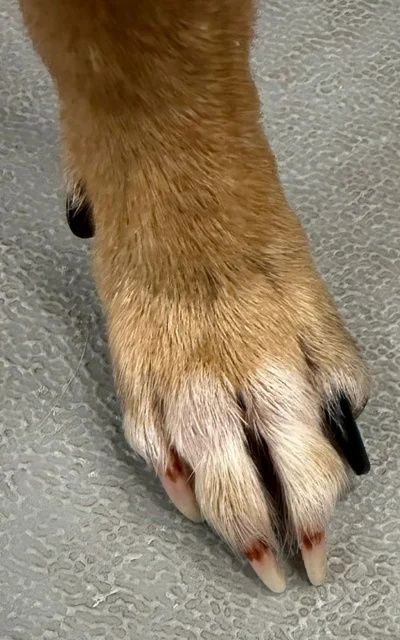
A dog nail infection occurs when opportunistic pathogens such as bacteria, yeast, or environmental fungi invade the delicate tissues surrounding the canine claw.
Any dog can develop this painful condition, but active dogs, senior pets, and those with weakened immune systems are highly susceptible.
The infection typically takes hold when an microscopic breach in the claw allows environmental contaminants to bypass the natural defenses of the paw.
You will usually find these infections deep within the nail fold, around the cuticle, or directly inside the tissue of the vascular nail bed.
The primary cause of this condition is often an underlying untreated allergy, systemic moisture retention, or a physical trauma like a cracked nail.
Dogs show their discomfort by constantly licking, chewing, limping, or whimpering when you attempt to touch their sensitive paws.
Over time, the untreated localized infection can quickly spread to the deeper skeletal structures of the digit, causing severe systemic illness.
You must check your dog’s paws regularly to catch any redness, swelling, or unusual warmth around the base of the nail.
A healthy claw should be firm, smooth, and free of any foul odor or discharge.
If you notice your dog chewing their paws excessively, it is a clear sign that they are experiencing localized discomfort.
Some breeds with floppy ears or skin folds are naturally more prone to retaining moisture, which accelerates the growth of these harmful pathogens.
Environmental allergens such as pollen, grass, and dust can also trigger intense itching, leading to self-inflicted paw trauma.
When a dog continuously bites at their toes, they create microscopic tears in the skin that invite external bacteria inside.
Understanding these early warning signs is the first crucial step in protecting your pet from chronic discomfort.
By maintaining a clean and dry paw environment, you can significantly reduce the risk of a painful claw infection.
To safely address an active claw issue, you must first inspect the paw under bright light to locate the exact source of swelling or discharge.
Next, gently wash the affected paw in a warm Epsom salt bath to naturally soothe inflammation and draw out stubborn bacterial toxins.
You should then thoroughly dry the area with a clean towel to prevent lingering moisture from feeding opportunistic fungal spores.
Apply a veterinarian-recommended topical antiseptic cream directly to the clean nail fold twice daily to eliminate surface pathogens.
Finally, prevent your pet from licking the healing area by using a protective recovery collar or a clean, breathable canine bootie.
You must monitor the paw daily for any changes in color, swelling, or odor to ensure the treatment is working effectively.
If the redness does not improve within a few days, you should consult your veterinarian for a professional diagnostic evaluation.
Avoid using harsh household disinfectants, as they can cause severe chemical burns on your dog’s sensitive skin.
Instead, stick to gentle, non-toxic solutions that are explicitly approved for canine use.
Consistency is key when treating a stubborn paw infection, so stick to your daily cleaning routine without skipping any steps.
Once the infection has fully cleared, you can focus on long-term prevention strategies to keep their claws healthy.
If you want to handle this safely at home, the Zenpaw Maxpro Grinder provides painless, quiet filing — explore it here.
99-Day 100% Money-Back Guarantee
“Ever since we started using the Zenpaw Maxpro Grinder, it’s been such a peaceful experience. It’s very quiet, and my dog actually relaxes. It’s turned our stressful sessions into quick, quiet grooming times.”
— Sarah M. | ✔ Verified Customer
- ✓ Prevents Infection & Splitting
- ✓ Ideal for All Dog Sizes
- ✓ Low-Vibration Technology
- ✓ Fast 2-7 Days Delivery
Need Support? Call 302-307-1000
The Biological Mechanics of a Dog Nail Bed Infection
Understanding how a dog nail bed infection develops requires a deep look into canine anatomy.
The claw of a dog is not a simple dead piece of keratin like a human fingernail.
It is a highly vascular, living extension of the phalanx bone that is directly connected to the nervous system.
When a pathogen enters the narrow space between the hard outer claw shell and the soft inner tissue, it finds a perfect breeding ground.
This dark, warm, and occasionally damp environment allows bacteria like Staphylococcus to multiply at an alarming rate.
The body responds to this bacterial invasion by rushing white blood cells to the area, which results in intense pressure and swelling.
Because the rigid outer keratin shell cannot expand, this swelling is trapped inside, causing excruciating pain for your dog.
Professional groomers and veterinary experts agree that keeping nails properly trimmed is the single best way to prevent these painful pressure zones.
According to research from the American Kennel Club, long claws are much more likely to split, break, or force the toe joints into unnatural positions.
Our team at Zenpaw has observed that dogs with short, healthy nails experience significantly fewer paw-related health crises.
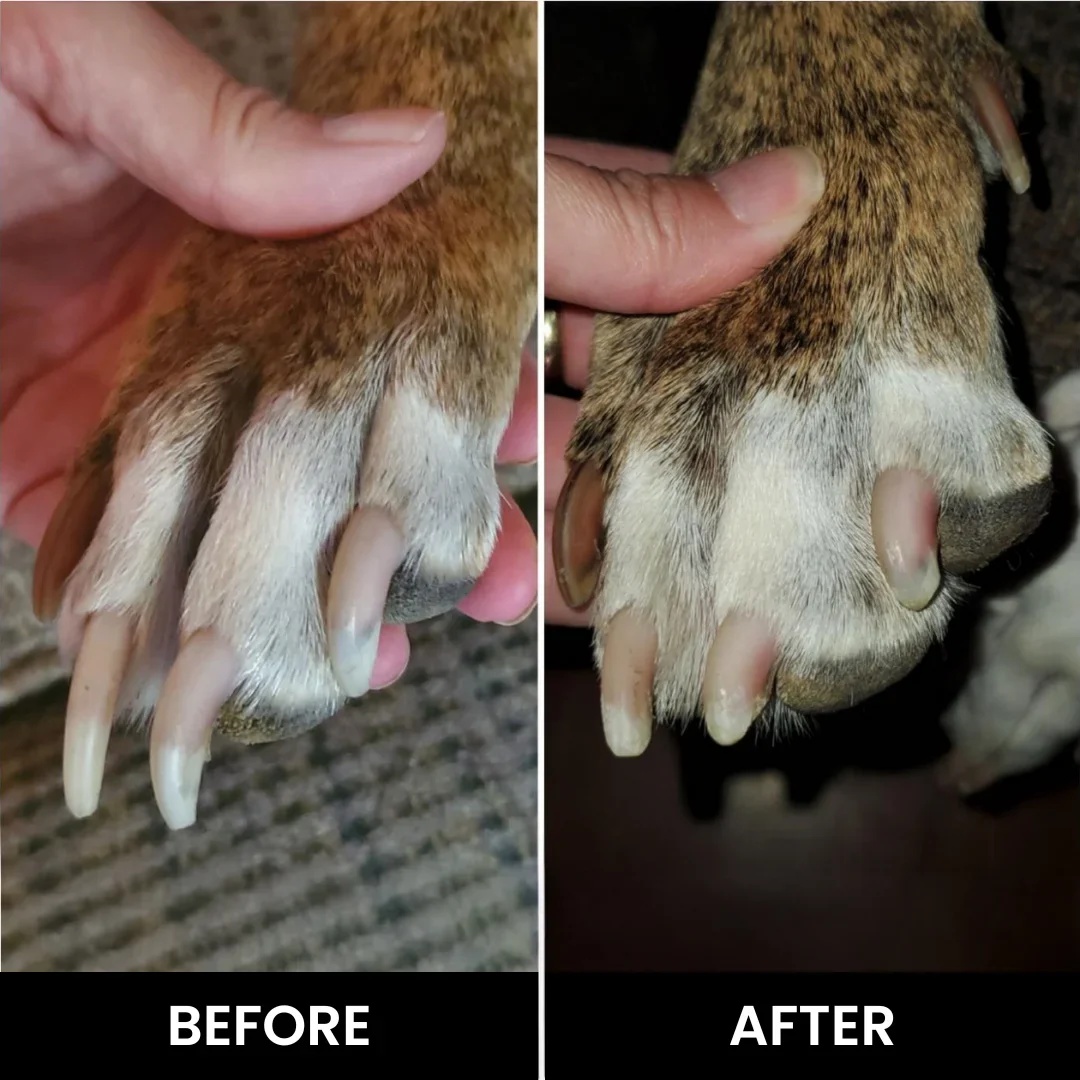
When a long claw hits the ground, it pushes the entire toe upward, straining the tendons and ligaments of the leg.
This constant upward pressure can slowly pull the nail bed away from the surrounding skin, creating a tiny gap.
This gap is the exact point of entry where microscopic bacteria and yeast begin their invasive colonization.
Keeping the claw trimmed to a safe length prevents this mechanical strain and seals off potential entry points.
It also ensures your dog can walk with a natural, comfortable gait that does not put stress on their joints.
Regular grooming is therefore not just a matter of cosmetic vanity; it is an essential component of preventative healthcare.
How to Identify a Dog Nail Yeast Infection and Fungal Colonization
A dog nail yeast infection presents unique challenges compared to a standard bacterial infection.
Yeast, specifically Malassezia, is a normal resident on canine skin but can grow out of control under specific conditions.
This overgrowth typically occurs when your dog suffers from food allergies, environmental allergies, or prolonged exposure to wet grass.
You can recognize a dog nail bed yeast infection by its highly characteristic sweet, musty odor that smells like corn chips.
The skin surrounding the base of the claw will often turn a dark, rusty red or brown color due to chronic licking and saliva staining.
Over time, dog nail fungus can make the hard claw surface brittle, crumbly, and prone to painful splitting.
Regular inspection of the space between the paw pads and the nail folds is crucial to catching these fungal issues early.
If you notice a greasy, dark discharge accumulating at the cuticle, yeast has likely colonized the area.
Managing yeast requires a dual-front approach that combines topical antifungal therapies with rigorous environmental moisture control.
Keeping the nails neatly filed down helps reduce the nooks and crannies where stubborn yeast spores love to hide and thrive.
Yeast thrives in moist environments, which is why dogs that swim or walk in wet grass frequently develop these issues.
You must dry your dog’s paws completely after every outdoor excursion to disrupt this fungal growth cycle.
Many owners overlook the spaces between the toes, but these hidden pockets are prime real estate for yeast colonies.
Medicated shampoos containing ketoconazole or chlorhexidine are highly effective tools for keeping yeast populations under control.
By establishing a routine of thorough drying and gentle cleaning, you can protect your dog from the misery of chronic yeast overgrowth.
The Dangers of an Infected Broken Dog Nail
An infected broken dog nail is one of the most common emergencies seen by veterinary clinics.
When a dog catches their long claw on a carpet, root, or fence, the nail can rip away from the underlying tissue.
This sudden trauma exposes the highly sensitive quick, which contains active blood vessels and nerve endings.
An exposed quick acts like an open doorway, inviting dirt, feces, and microbes straight into the bloodstream.
If this traumatic injury is left untreated, an infected dog nail can develop within twenty-four to forty-eight hours.
You will notice your dog limping, holding their injured paw in the air, or crying out in pain during basic walks.
The raw quick will look bright red, bloody, or may even leak a yellowish fluid if bacteria have taken hold.
You must keep the wound extremely clean and covered to prevent the spread of the infection deeper into the toe.
Regular filing with a safe tool keeps the claw edges perfectly smooth, preventing these dangerous snagging incidents from happening.
Protecting your dog from the trauma of a broken nail is a vital step in maintaining their overall long-term wellness.
If the claw has split all the way to the base, a veterinarian may need to gently remove the loose portion under mild sedation.
This procedure relieves the constant mechanical pain of the loose nail rubbing against the raw, exposed nerves.
After removal, the area must be bandage wrapped and kept clean to allow the new keratin layer to grow back smoothly.
This healing process can take several weeks, during which you must prevent any active play or running.
Taking proactive measures to keep the claws short is the most effective way to spare your dog from this painful experience.
Practical Application Guide: Stress-Free Paw Care and Infection Prevention
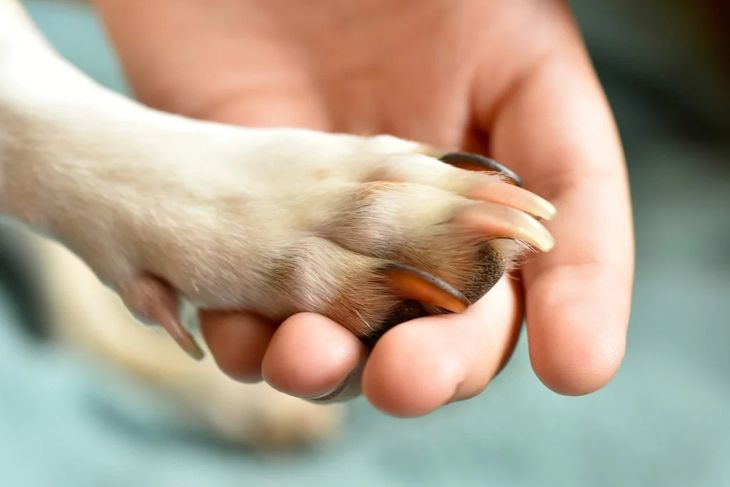
Preventing nail issues starts with learning how often to trim dog nails for your pet’s specific lifestyle.
Most active dogs need their claws filed every two to three weeks to keep the living quick retracted and safe.
Before you begin any grooming session, you must understand the basics of dog nail anatomy to avoid causing accidental pain.
The soft inner quick contains blood vessels and nerves, while the hard outer shell protects this sensitive core.
To make this a positive bonding experience, you must desensitize your anxious dog to grooming tools very slowly.
Start by placing the Zenpaw Maxpro Grinder on the floor and letting your dog sniff it while eating high-value treats.
Next, turn on the whisper-quiet motor so they can hear the gentle hum without feeling any vibration.
Once your dog is calm, gently touch the vibrating body of the grinder to their leg for just one second.
When they accept this without fear, you can proceed to file a single nail at a precise forty-five-degree angle.
Hold the grinder firmly but gently, applying light pressure for no more than two to three seconds at a time.
This brief contact prevents heat from building up on the sensitive nail tip and keeps your dog entirely comfortable.
The Zenpaw Maxpro Grinder features an incredibly quiet motor operating below forty decibels to eliminate grooming anxiety.
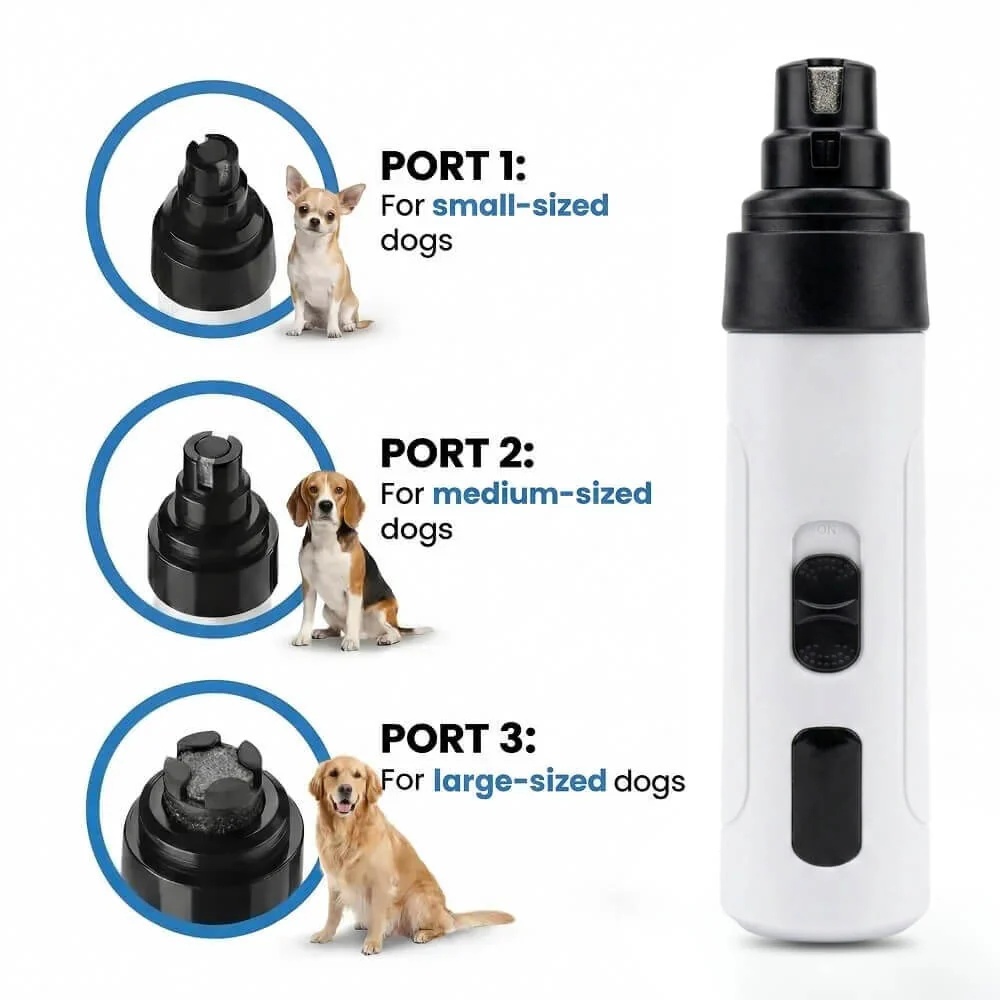
It offers three specialized ports and dual speeds to accommodate tiny toy pups up to giant, thick-clawed breeds.
With its long-lasting seven-hour battery, you will never have to rush through this crucial bonding ritual.
By taking your time and practicing patient desensitization, you will completely transform how your dog feels about paw maintenance.
Regular filing also helps the vascular quick recede gradually over time, allowing for shorter, healthier claws.
If your dog has dark or black nails, grinding is infinitely safer than clipping because you can see the quick approaching layer by layer.
Look for a small grey or white dot appearing in the center of the filed nail, which indicates you have reached the safety boundary.
Always reward your dog with praise, love, and their favorite treats after filing each individual toe.
This positive reinforcement builds a strong association between grooming and pleasant experiences, ensuring long-term success.
Crucial Pitfalls: The Dangers of Dull Clippers and Rushed Grooming
Many well-meaning owners make the critical mistake of using dull, traditional scissor-style clippers on their dogs.
These outdated tools do not cut cleanly; instead, they violently crush and squeeze the thick keratin structure of the claw.
This extreme pressure causes painful micro-fractures along the nail shaft that allow moisture and bacteria to seep inside.
If you cut too far and clip the quick, you must immediately apply styptic powder for dogs nails to halt the bleeding.
The sudden pain of a clipper injury can ruin your dog’s trust and make future grooming sessions a stressful battle.
To protect weak claws, some pet parents attempt to use temporary dog nail covers to prevent scratching.
However, these covers can trap moisture inside the nail fold, creating an ideal breeding ground for yeast and bacteria.
Similarly, using decorative dog nail polish on an already damaged nail can seal in existing pathogens.
It is far safer to maintain a clean, open, and naturally filed claw that can breathe and heal.
The Zenpaw Maxpro Grinder allows you to file the nail down micro-layer by micro-layer with absolute precision.
This gradual filing method completely eliminates the risk of crushing, cracking, or splitting the healthy nail wall.
It also gives you total control, allowing you to stop filing the second you see the dark circle of the quick appearing.
Rushing through a grooming session is another major risk factor that leads to painful slips and injuries.
Set aside dedicated time when both you and your dog are completely relaxed to perform this routine care.
Investing in proper, modern tools is the easiest way to safeguard your beloved pet’s long-term paw health.
Another common mistake is neglecting dewclaws, which are located higher up on the inside of the leg.
Because dewclaws do not touch the ground, they do not wear down naturally and can easily curl back into the skin.
An ingrown dewclaw causes massive infection, swelling, and deep structural damage that requires veterinary intervention.
You must make a conscious effort to inspect and file these hidden claws during every grooming session.
By avoiding these common pitfalls, you can ensure your dog’s paws remain strong, healthy, and entirely pain-free.
Frequently Asked Questions About Canine Nail Health
Selecting an effective dog nail infection treatment depends entirely on whether the pathogen is bacterial or fungal.
For mild cases, a professional dog nail bed infection treatment may include medicated antiseptic wipes and daily Epsom salt soaks.
If the infection has reached the deeper tissues, your veterinarian will need to prescribe a specific antibiotic for dog nail infection to ensure complete healing.
Never attempt to use human medications on your pet without direct veterinary guidance, as many can be highly toxic.
Keeping the surrounding area clean and dry is always the foundation of any successful healing plan.
Bacterial infections often respond quickly to oral or topical antibiotic protocols.
Fungal infections, however, require persistent application of antifungal creams over several weeks or months.
Regular progress checks with your vet will ensure that the selected treatment is targeting the correct pathogen.
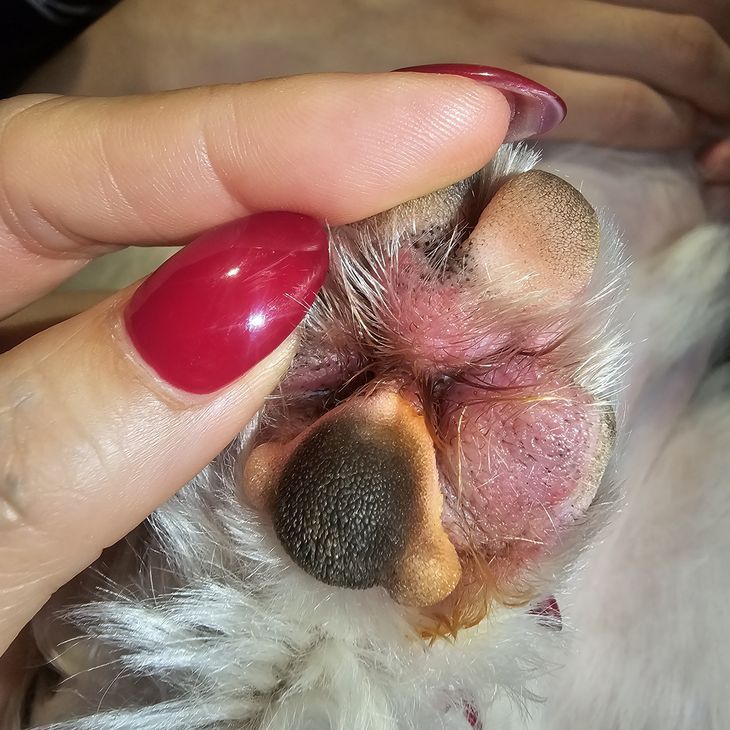
If you search for early stage infected dog nails pictures, you will see subtle redness and mild swelling at the cuticle.
As the condition worsens, infected dog nails pictures show severe inflammation, yellow pus discharge, and thick crusting.
The claw itself may appear discolored, turning a dark brown, black, or chalky white color.
If you notice any of these visual warning signs, you should consult with a professional immediately to prevent further damage.
Catching the issue in its early stages makes the recovery process much faster and far less painful for your pet.
You may also observe your dog limping, favoring certain paws, or reacting defensively when you touch their toes.
The skin around the nail may feel noticeably warm to the touch due to increased blood flow from inflammation.
Early intervention prevents the infection from traveling down into the bone of the toe.
Yes, the Zenpaw Maxpro Grinder is completely safe to use once the active, open wound phase of the infection has healed.
Filing the claw prevents the jagged edges of a broken nail from catching on fabrics and tearing the healing bed.
The whisper-quiet operation ensures that a dog who associates paw pain with grooming will not be triggered by loud noises.
You should always sanitize the grinding head with isopropyl alcohol before and after each use to prevent cross-contamination.
Avoid grinding directly on any skin that is still red, raw, inflamed, or actively recovering from infection.
Focus instead on keeping the nail tips rounded and short to relieve mechanical pressure on the toe.
By keeping the claws short, you allow the surrounding skin tissues to heal without continuous stress or friction.
Our gentle low-vibration technology ensures that the healing nail is not subjected to painful shaking or heat buildup.
The Zenpaw Maxpro Grinder is equipped with a high-capacity lithium-ion battery that provides up to seven hours of continuous use on a single charge.
It is conveniently USB-rechargeable, so you can plug it into any standard laptop, power bank, or wall adapter.
Our advanced low-heat technology ensures the grinding head remains cool even during extended grooming sessions.
This prevents the friction from heating up the nail, which could otherwise cause sudden discomfort for your dog.
It is designed to offer a cool, comfortable, and completely stress-free experience from start to finish.
The long battery life means you can perform multiple slow, stress-free grooming sessions without worrying about a dead device.
It also makes the grinder incredibly portable, allowing you to groom your dog anywhere they feel most relaxed.
The charging indicator light will clearly let you know when the device is fully powered and ready for action.
Conclusion: Safer Paw Care Starts Today
Ready to transform nail trimming from a battle into a breeze?
Explore the Zenpaw Maxpro 3-in-1 Grinder.
Call: 302-307-1000 — our team can help you advise on the best grooming practices and help with any product questions.
Note: Individual results may vary depending on individual dog breeds, nail thickness, and behavioral temperaments. This article is intended for general pet grooming reference purposes only and does not replace professional veterinary advice.