
For years, I dreaded Sunday afternoons because that was when I had to figure out how often to trim dog nails for my highly anxious rescue pup, Barnaby, whose terrified whines and trembling paws made me feel like an absolute monster every time I held those sharp clippers. I lived in constant fear of cutting too deep, until our team at Zenpaw decided to design a genuinely painless, whisper-quiet solution that turned our stressful weekly battlefield into a calm, gentle bonding routine.
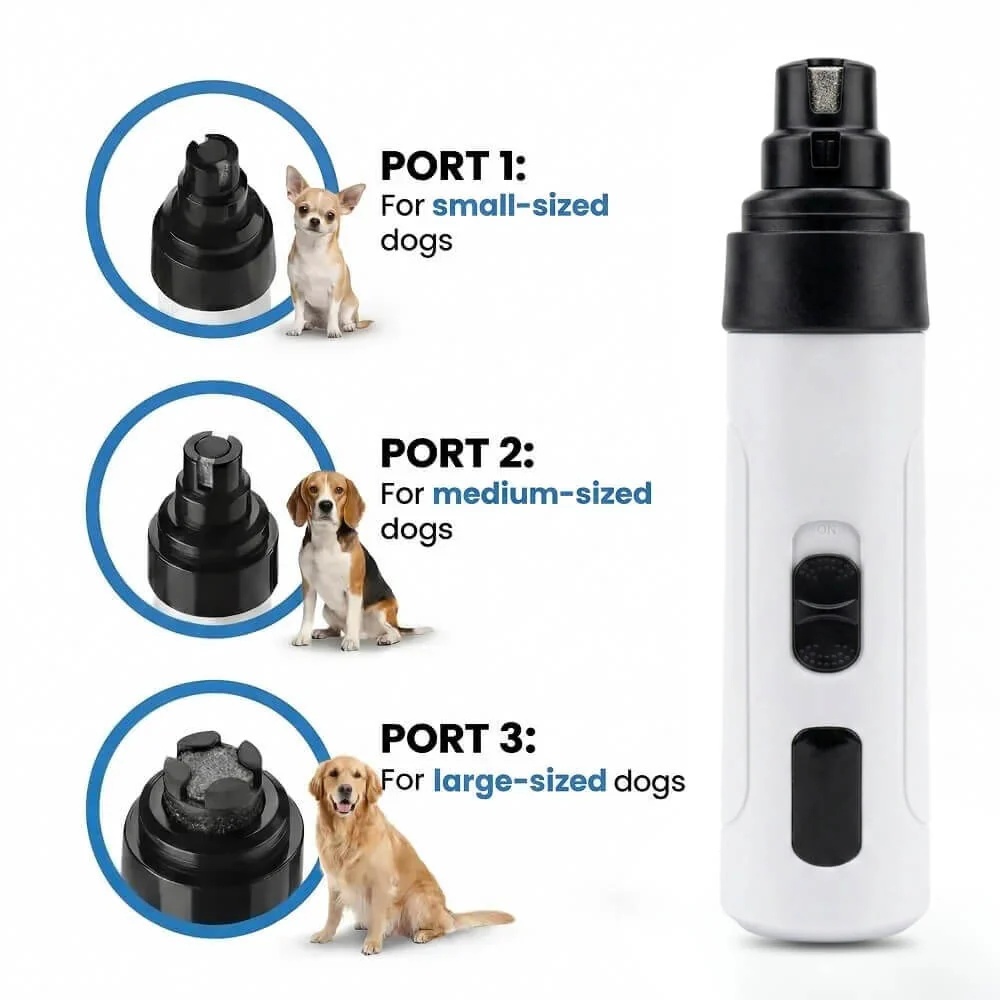
Maxpro 3-in-1 Grinder.
Stress-Free Nail Trimming.
Whisper-quiet DC motor (<40 dB) eliminates fear & discomfort. Features 3 ports, dual speeds, and 7-hour battery life. Safe, precise, and painless.
In This Article
- Finding the Ideal Frequency: Learn exactly how often to manage your dog’s nails based on breed size, weight, and activity.
- Canine Nail Anatomy: Master the structure of the quick to prevent bleeding and eliminate grooming anxiety.
- How to Tackle Black Nails: Discover step-by-step techniques for safely grooming dark claws without guesswork.
- Stress-Free Grinding: Read our behavioral desensitization blueprint designed for highly sensitive or fearful dogs.
How Often to Trim Dog Nails for Optimal Paw Health

Determining the correct schedule for your canine companion depends heavily on their daily habits, age, environment, and physical weight.
Most professional groomers and veterinary wellness experts agree that standard household dogs require their claws maintained every two to four weeks.
Highly active dogs that spend hours walking or running on rough concrete or asphalt surfaces may naturally wear down their claws, reducing the need for manual maintenance.
In contrast, indoor pets, apartment dogs, and senior canines who walk primarily on soft grass or carpets must have their claws trimmed far more frequently to prevent overgrowth.
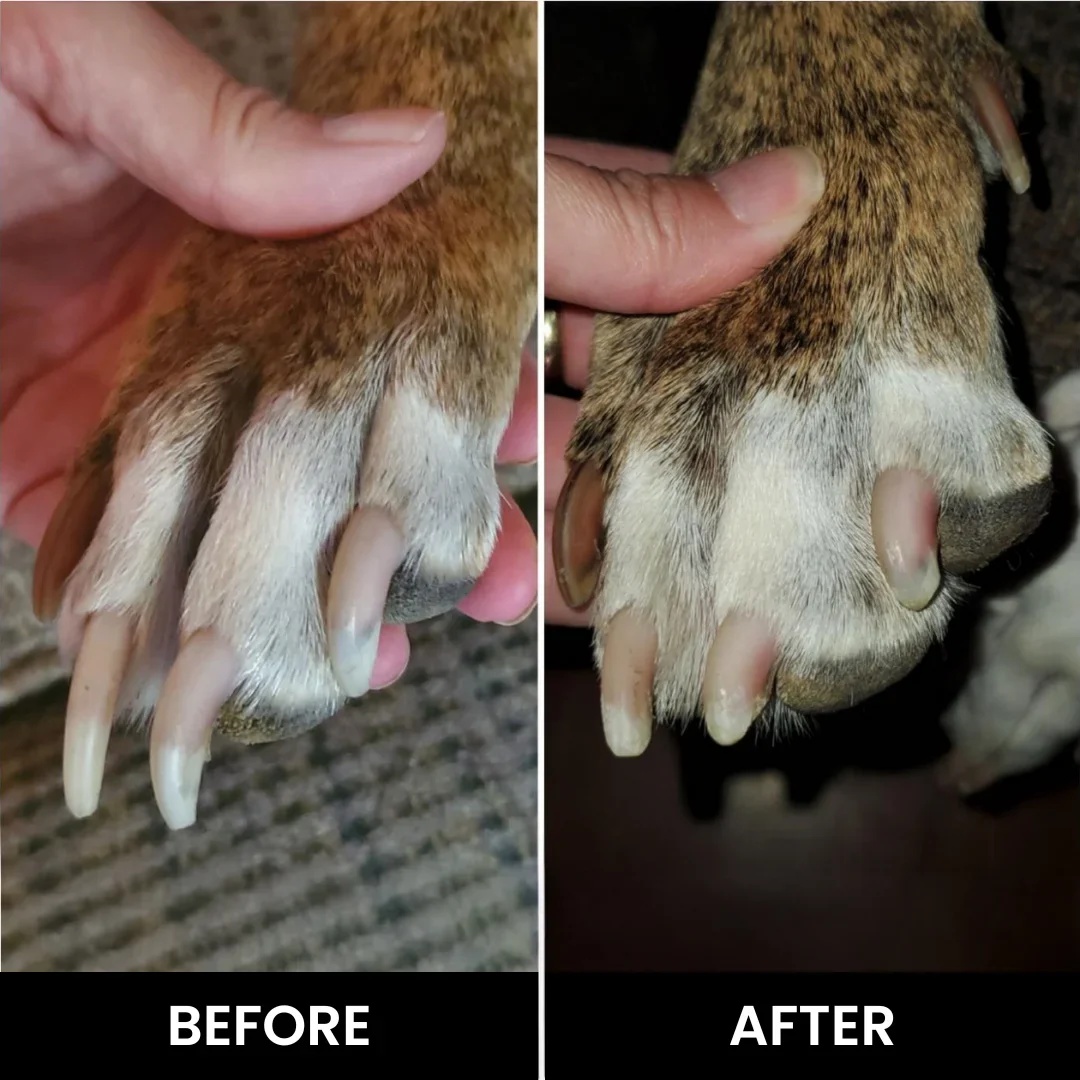
This routine maintenance must happen regularly because neglecting it causes the inner living tissue, known as the quick, to lengthen alongside the outer shell.
If you leave claws unchecked for months, the blood vessel grows so far forward that you will not be able to shorten the nail without causing intense pain or severe bleeding.
Maintaining this essential schedule prevents the nails from clicking loudly on hardwood flooring, which is the absolute clearest indicator that your dog is overdue for a trimming session.
To implement a highly reliable schedule at home, start by conducting a quick structural assessment of your dog’s feet once every week.
Gently press your dog’s paw pads on a flat floor to check if the tips of the claws make direct contact with the ground.
If you hear a distinct clicking noise when they walk, or if the nails curve backward toward the pads, you should trim them immediately.
Using a high-quality electric grinder to gently file the outer tips every ten to fourteen days is the safest way to slowly and reliably recede the internal blood vessel over time.
By taking off tiny microscopic layers of keratin on a bi-weekly basis, you protect the sensitive nerves from harm and establish a stress-free pattern of maintenance.
If you want to handle this safely at home, the Zenpaw Maxpro Grinder provides painless, quiet filing — explore it here.
99-Day 100% Money-Back Guarantee
“Ever since we started using the Zenpaw Maxpro Grinder, it’s been such a peaceful experience. It’s very quiet, and my dog actually relaxes. It’s turned our stressful sessions into quick, quiet grooming times.”
— Sarah M. | ✔ Verified Customer
- ✓ Prevents Infection & Splitting
- ✓ Ideal for All Dog Sizes
- ✓ Low-Vibration Technology
- ✓ Fast 2-7 Days Delivery
Need Support? Call 302-307-1000
Understanding Canine Nail Anatomy: Where is the Quick?
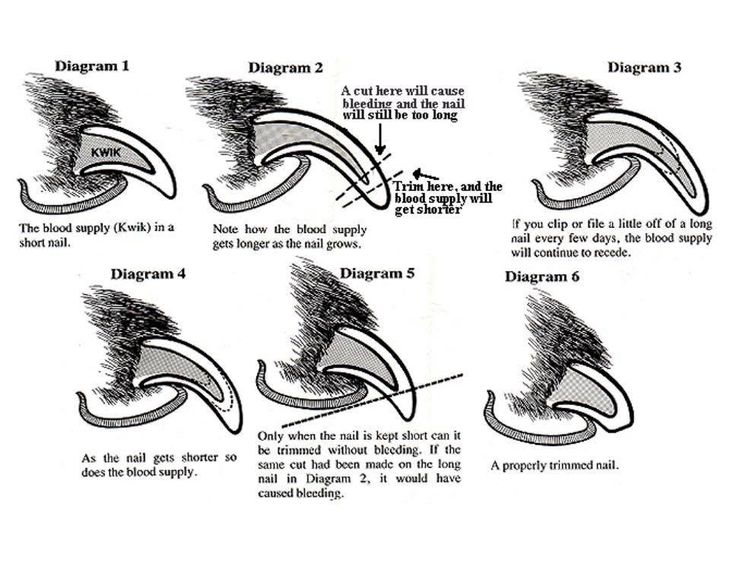
To answer how often to clip dog nails safely, we must first study the biological makeup of a canine paw.
Your dog’s claw has two primary components: the hard, outer keratin shell and the inner vascular canal.
This internal living tissue contains blood vessels and highly sensitive nerves, which pet professionals call the quick.
Understanding this dog nail anatomy is absolutely essential for every dog owner who wants to avoid causing injury.
When you use traditional clippers, you run a high risk of making a sudden, painful cut directly into this living tissue.
If you cut too far back and cause bleeding, you must immediately apply a soothing clotting agent, such as styptic powder for dogs nails, to halt the bleeding.
This vascular canal grows longer when you fail to keep up with regular nail trimming appointments.
If your dog’s nails are left to grow unchecked, the vascular tissue extends all the way toward the tips of the claws.
The only way to push this sensitive tissue back is to file the outer keratin casing regularly and very gradually.
Weekly or bi-weekly filing prompts the living tissue to naturally recede back toward the base of the toe.
By selecting a high-precision electric grinder, you can file millimeter by millimeter without risking a sudden, painful cut.
How to Safely Grind Black Dog Nails Without Bleeding
Learning how often to cut dog nails becomes more complex when your pet has solid black claws.
On light-colored nails, you can easily spot the pink-colored quick glowing right through the semi-translucent keratin shell.
With dark or black nails, this visual guide is entirely obscured by heavy, dark pigmentation.
To overcome this problem, you can learn the specialized techniques found in our detailed guide on how to cut black dog nails.
When working on dark claws, always proceed in very small, gradual increments rather than making one large cut.
Take off only a fraction of a millimeter at a time, checking the flat, cut surface of the claw after each pass.
As you file closer to the living tissue, the dry, powdery black center of the nail will change in texture.
You will eventually see a distinct, chalky white ring appear around the edge of a small, moist dark dot.
This central dark circle is the soft inner pulp that sits directly in front of the live blood vessel.
The moment you observe this characteristic circle, you must stop filing to prevent causing any pain or bleeding.
Using a modern, low-vibration grinder makes finding this mark incredibly simple because it gently shaves away keratin without shattering the structure.
The Structural Risks of Long Nails: Posture, Pain, and Joint Strain
Understanding how often trim dog nails is crucial because neglected claws alter your pet’s physical structure.
When nails grow too long, they hit the ground first and push the toes upward into an unnatural, hyperextended angle.
This flattening of the foot forces your dog to shift their body weight backward onto their rear legs.
This bad posture puts constant, abnormal stress on their wrist joints, elbows, hocks, and hips.
Over several months, this continuous joint strain can accelerate arthritis and cause spinal misalignment.
For senior dogs suffering from osteoarthritis, long nails turn a simple walk across the kitchen floor into a painful struggle.
Some pet parents use decorative elements like dog nail covers to protect their furniture from scratches.
However, these physical caps can only be applied to claws that have already been properly trimmed to a safe, healthy length.
Maintaining short claws ensures your dog’s paws can grip the floor securely, supporting dynamic movement without causing spinal strain.
Step-by-Step Guide: How to Safely Shorten Your Dog’s Nails at Home
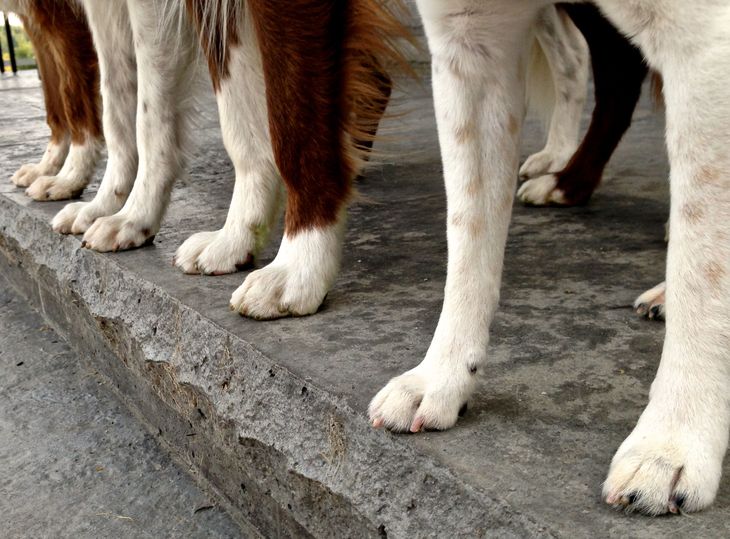
If you want to know how often should you trim dog nails, you must also learn how to build a pleasant routine.
Trimming should not feel like a physical struggle; instead, it can become a peaceful, rewarding bonding activity.
To achieve this state of calm, you must follow a systematic, step-by-step behavioral training protocol.
-
Introduce the Grinder Silently:
Place your silent grooming tool on the floor next to your dog’s favorite resting spot.
Let them sniff the device and immediately reward them with high-value treats to create a positive association.
-
Introduce the Sound:
Turn the tool on while holding it several feet away from your pet.
Our whisper-quiet motor operates at less than 40 decibels, making it completely non-threatening to sensitive ears.
Offer treats while the motor runs, demonstrating that the quiet sound brings delicious rewards.
-
Vibration Desensitization:
While the tool is running, gently press the plastic handle of the device against your dog’s shoulder or leg.
This allows them to feel the soft, steady vibration without feeling any sudden fear.
-
Execute the First File:
Gently hold a single paw and isolate one toe between your fingers.
Place the rotating grinding wheel against the tip of the nail at a stable 45-degree angle.
Apply light pressure for only one to two seconds at a time to prevent friction heat from building up.
-
End on a High Note:
Groom just one or two nails during your first training sessions.
Reward your dog generously and stop before they show any signs of boredom or anxiety.
Analyzing Nail Growth Rates by Breed and Lifestyle
Many dog parents wonder exactly how often should you cut dog nails when physical activity varies.
The rate at which a dog’s nails grow depends on age, diet, genetics, and daily exercise levels.
Below is a helpful reference table showing the recommended grooming frequencies across different dog profiles:
| Dog Profile & Breed Size | Primary Walking Surfaces | Recommended Grooming Frequency |
|---|---|---|
| Toy & Small Breeds (e.g., Chihuahuas, Pugs) | Mostly indoors, carpets, soft grass yard | Every 1 to 2 weeks (very fast growth) |
| Medium & Large Working Dogs (e.g., Labradors) | Concrete pavements, gravel trails, rough dirt | Every 3 to 4 weeks (natural wear) |
| Senior & Sedentary Pets (All Sizes) | Indoors, soft orthopedic dog beds | Every 10 to 14 days (prevent curling) |
| Growing Puppies (Under 6 Months) | Mixed indoor and light outdoor play | Every 7 to 10 days (encourages good behavior) |
Even if your dog gets plenty of outdoor exercise, you must still check their dewclaws regularly.
The dewclaws sit higher up on the inside of the wrist and never touch the ground.
Because they never experience natural wear, dewclaws can grow in a complete circle and puncture your dog’s skin.
Checking these specific claws every two weeks is crucial for maintaining your pet’s comfort and long-term health.
Avoiding Common Grooming Pitfalls and Clipper Injuries
Determining how often do dog nails need clipping requires you to look closely at the tools you use.
Traditional scissor-style clippers exert massive, crushing pressure on the nail before making a cut.
This sudden pressure can crack, split, or shatter dry, brittle dog claws, causing pain even if you miss the quick.
Additionally, clippers make it incredibly easy to cut too deep, leaving a bleeding wound that can quickly become infected.
An electric grinder avoids these sharp injuries by using a spinning, diamond-bit head to file the claw down gently.
This slow, gradual approach lets you see exactly how close you are getting to the sensitive inner pulp.
If you occasionally like applying decorative elements, like dog nail polish, you will find that a smoothly filed nail surface looks much neater.
Grinding also eliminates the sharp, jagged edges that clippers leave behind, protecting your hardwood floors and leather furniture.
Choosing this modern grooming method removes the fear of sudden injury, making claw maintenance a simple, stress-free routine.
Frequently Asked Questions (FAQ)
Conclusion: Your Stress-Free Grooming Journey Awaits
Keeping your dog’s claws at a safe, healthy length is one of the most important aspects of canine wellness.
Ready to transform nail trimming from a battle into a breeze? Explore the Zenpaw Maxpro 3-in-1 Grinder. Call: 302-307-1000 — our team can help you advise on the best grooming practices and help with any product questions.