
I remember sitting on my living room floor, covered in sweat and dynamic tension, desperately trying to figure out how to cut dog nails when they hate it.
My sweet rescue pup was trembling violently, hiding his paws, and staring at me with sheer betrayal while I held those heavy, crushing metal clippers.
That stressful, exhausting cycle is exactly why we created the Team Zenpaw quiet-care system, transforming terrifying grooming battles into painless, peaceful bonding moments for families worldwide.
Maxpro 3-in-1 Grinder.
Stress-Free Nail Trimming.
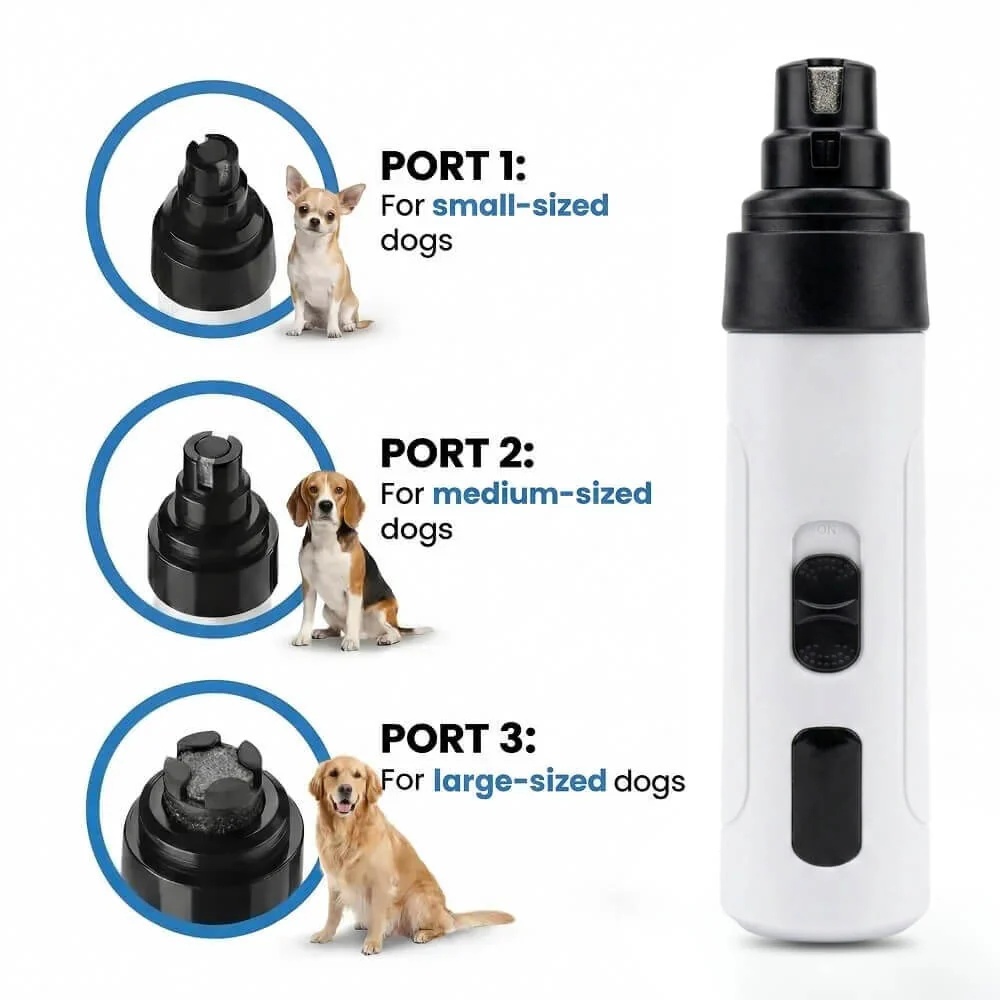
Whisper-quiet DC motor (<40 dB) eliminates fear & discomfort. Features 3 ports, dual speeds, and 7-hour battery life. Safe, precise, and painless.
In This Article
- Step-by-Step Grooming Tutorial: A highly structured blueprint designed to transition your fearful pet into a calm, receptive participant.
- Anatomical Insights & the Quick: How to pinpoint the sensitive blood vessel inside light or dark claws to prevent painful accidents.
- Professional Desensitization Systems: Reconditioning canine behavioral patterns through sound, touch, and low-vibration conditioning.
- Overcoming Common Obstacles: Navigating paw resistance, avoiding physical injury, and ditching the trauma of dull manual clippers.
How to Trim Resistant Dog Claws: A Complete step-by-step Tutorial
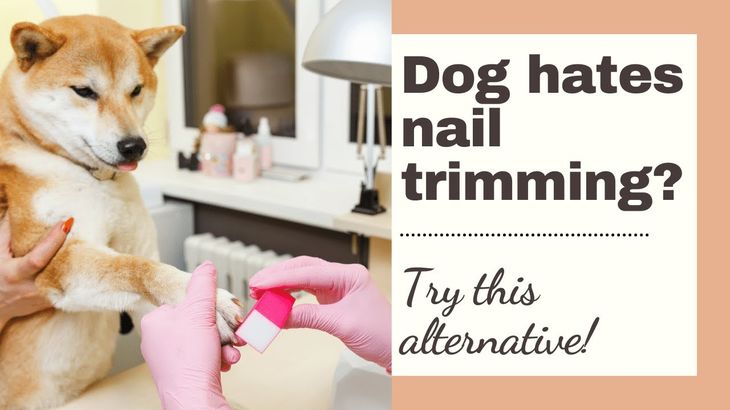
Sustaining proper claw health requires patience, structure, and the right low-impact tools.
When a dog displays severe aversion to paw manipulation, jumping straight into a session will trigger defensive instincts.
By breaking the process down into predictable micro-steps, you teach your canine companion that paw care is safe.
Prerequisites & What You Will Need
Before starting, gather high-value rewards like pure freeze-dried meat or organic peanut butter.
Choose a quiet, brightly lit workspace away from loud household distractions or other family pets.
Most importantly, secure a precision, low-vibration filing tool designed specifically for fearful companion animals.
-
Step 1: Sound and Vibration Conditioning
Begin by placing the quiet grinder on a flat surface near your pet without turning it on.
Let them sniff the tool naturally while you supply positive praise and premium treats.
Next, power the device on to its lowest speed setting while keeping it a few feet away.
Give your pet a high-value treat as the motor hums, allowing them to link the sound with positive feedback.
Gradually bring the vibrating tool closer over several sessions until your dog remains completely relaxed in its presence.
-
Step 2: Paw Handling and Desensitization
Gently lift one of your dog’s paws without bringing the active grooming tool near them.
Hold the paw for three seconds, reward them with a treat, and release it immediately.
Repeat this isolation practice, slowly massaging individual toes to mimic actual grooming pressure.
If your dog pulls back, do not squeeze tighter or scold them; simply wait for calm behavior and try again.
This progressive conditioning establishes a sense of security and control for your beloved pet.
-
Step 3: Initial Contact with the Unpowered Grinder
Touch the cold, unpowered grinding head to a single toe claw for a brief moment.
Mark the touch with an enthusiastic verbal reward and immediately follow up with a treat.
Move systematically from toe to toe, touching the metal surface to each tip to normalize the physical sensation.
This critical phase desensitizes the nerves around the paw pad before introducing actual filing friction.
-
Step 4: The 45-Degree Grinding Angle Technique
Hold the paw firmly but gently, separating the target toe from the surrounding hair.
Position the active grinding wheel at a precise 45-degree angle relative to the natural curve of the claw.
Apply the rotating wheel to the tip using light, brief taps lasting no more than two seconds per touch.
Filing in short, rapid bursts prevents friction heat from building up and hurting the sensitive nerve endings.
Always work around the outer edges first before shaping the central tip to a smooth finish.
-
Step 5: Inspecting the Nail and Post-Care Reward
Stop periodically to inspect the filing surface and search for the dark, moist center indicating the quick.
Once the claw is filed down to a safe length, use a soft cloth to wipe away any residual powder.
Conclude the session with a special jack-pot reward, like a highly coveted play session or an extra-special treat.
Ending on an incredibly high note ensures your dog will look forward to their next grooming session.
To assist your pet through this transition, Team Zenpaw designed a highly specialized grooming companion.
By utilizing the whisper-quiet engineering of the Zenpaw Maxpro 3-in-1 Grinder, you can execute this step-by-step framework with total confidence and ease.
The ultra-low vibration signature of this advanced device protects sensitive paws from sudden startle reflexes during the critical step-by-step training process.
99-Day 100% Money-Back Guarantee
“Ever since we started using the Zenpaw Maxpro Grinder, it’s been such a peaceful experience. It’s very quiet, and my dog actually relaxes. It’s turned our stressful sessions into quick, quiet grooming times.”
— Sarah M. | ✔ Verified Customer
- ✓ Prevents Infection & Splitting
- ✓ Ideal for All Dog Sizes
- ✓ Low-Vibration Technology
- ✓ Fast 2-7 Days Delivery
Need Support? Call 302-307-1000
Understanding Canine Nail Anatomy: Navigating the Delicate Quick
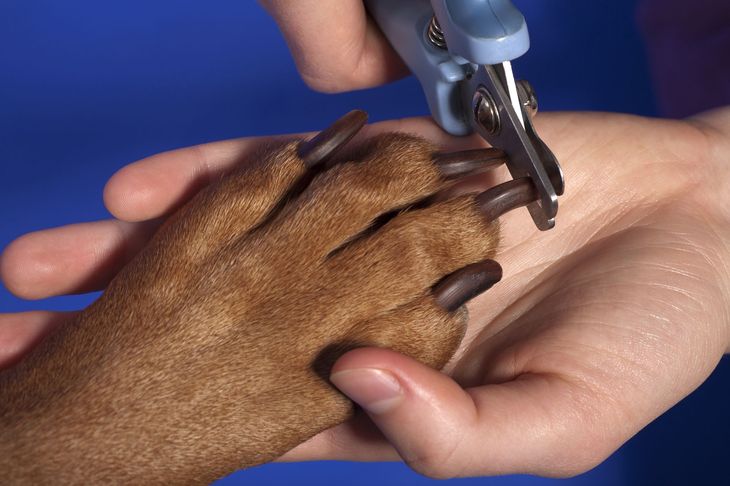
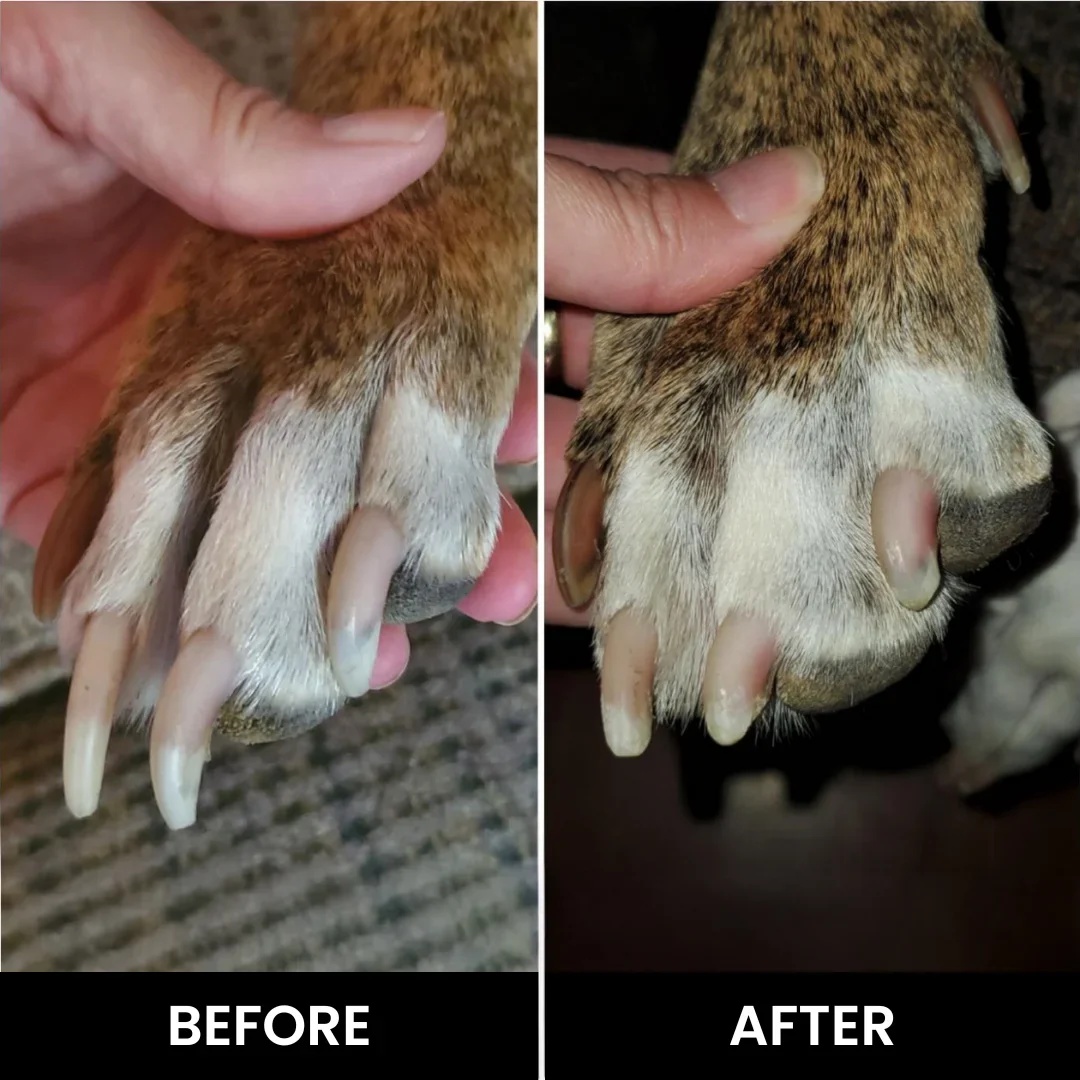
Canine claw structures are vastly different from human finger nails.
Within the hard outer keratin shell lies a highly sensitive, vascularized core known as the quick.
The quick consists of living blood vessels and complex nerve endings that supply nutrients to the claw bed.
When traditional clippers slice through this region, it causes sudden pain and intense bleeding.
This painful experience creates lasting trauma, causing dogs to fight, pull away, or even display defensive growling.
Even if you use the best dog nail clippers with quick sensor, physical pressure can still pinch and irritate the sensitive interior tissues.
Traditional blades squeeze the rounded claw before slicing, which can cause microscopic structural fractures.
Furthermore, as a dog’s claws grow longer over time, the internal quick extends outward along with the outer keratin shell.
This means long, overgrown claws cannot be shortened instantly without hitting the sensitive inner blood supply.
Regular, microscopic maintenance is required to encourage the quick to safely recede back toward the paw pad.
By utilizing a slow, precise grinding method, you shave away thin layers of keratin without triggering any painful pinching forces.
How to Safely Groom Black Dog Nails Without Inducing Pain
Trimming dark or completely black canine claws is often considered the most intimidating task for pet parents.
Unlike clear or white claws, you cannot look through the side of a black nail to locate the pink quick inside.
Slicing blindly with manual blades often leads to sudden bleeding and immediate distress.
Many pet owners wonder, can you cut dog nails with human clippers instead?
The answer is a definitive no, as human clippers are designed for flat nails and will crush a dog’s round claw, causing severe splitting.
To safely trim dark claws, you must look directly at the head-on filing surface after each brief pass of the grinder.
Initially, the center of the dark claw will display a dry, chalky white appearance.
As you file closer to the living tissue, this central area will transition into a moist, dark grey circle.
This structural change is your visual stop sign; it indicates that the quick is located just a millimeter away.
To understand ideal grooming proportions, explore how short to cut dog nails to protect your pet’s paw alignment.
Filing claws to their proper physiological length prevents them from tapping the floor when your dog walks or runs.
Ensuring this correct length protects your dog’s posture and prevents painful joint strain over time.
Step-by-Step Desensitization: Reconditioning Anxious Paws
Desensitization is a science-backed method that changes your dog’s emotional response to nail care.
If your dog displays defensive instincts, aggressive backing away, or tries to hide, you must proceed with extra care.
Start by dividing the grooming process into tiny, manageable sessions spread out over several days.
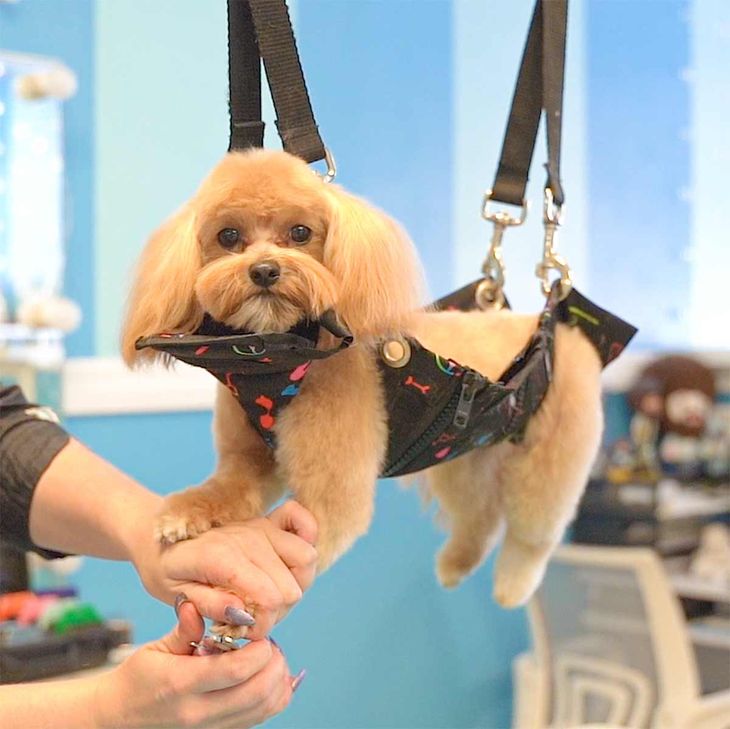
Some pet parents use a specialized dog-trimming hammock to gently suspend their pet and limit sudden movements during training.
This helpful setup takes pressure off sensitive joints while keeping paws accessible.
By reducing physical tension, you can work safely without having to struggle or apply heavy restraint.
Using these supportive methods at home also helps pet parents avoid the high dog nail trimming cost of frequent veterinary or professional grooming visits.
It also saves your dog from the stress of car rides to find a walk in dog nail trim near me when they are already feeling anxious.
Instead, you can establish a calm, familiar routine right in the comfort of your living room.
When you are ready to file, hold the grinder steady and touch it to the claw at a 45-degree angle.
This angle matches the natural slope of the claw and helps create a smooth, rounded edge.
Ensure your hand remains relaxed, as dogs are highly sensitive to human tension and stress.
Navigating Common Grooming Mistakes: Clippers vs. Grinders
A major mistake in pet care is using traditional manual clippers with dull, rusted blades.
Dull blades crush the sensitive nail structure instead of slicing through it cleanly.
This intense crushing pressure can cause micro-cracks along the nail, allowing bacteria to enter the soft tissues.
Another common pitfall is rushing the grooming session and forcing a stressed dog to cooperate.
If your pet panics, holding them down too firmly will only worsen their fear and make future trims much harder.
Using a quiet, low-vibration grinder allows you to make gradual, micro-adjustments with total control.
This precision reduces the risk of cutting the quick and helps prevent painful accidents altogether.
| Grooming Feature | Traditional Manual Clippers | Loud Rotary Dremels | Zenpaw Maxpro Grinder |
|---|---|---|---|
| Cutting Mechanism | Squeezes & shears the claw | High-speed abrasive grinding | Whisper-quiet precision filing |
| Noise Level | Sudden “loud click” sound | Deafening whine (>75dB) | Whisper-quiet hum (<40dB) |
| Vibration Discomfort | None (but high pressure) | Intense vibrating rattle | Ultra-low smooth vibration |
| Quick Safety Control | High risk of sudden slicing | Hard to control, grabs hair | Gradual shaving with protective ports |
| Pet Stress Level | Very High (anticipates pain) | High (frightened by motor) | Minimal (calm, quiet operation) |
The data shows that traditional methods often cause unnecessary stress for both you and your pet.
Switching to a modern, low-vibration design can transform your grooming routine into a peaceful, simple task.
Frequently Asked Questions
The safety cap features three distinct ports designed to fit small, medium, and large breeds safely.
For extra-large dogs with very thick claws, you can remove the protective cap entirely to use the full surface of the grinding wheel.
It charges easily with a standard USB cable, so you never have to worry about replacing disposable batteries.
The low speed keeps noise and vibration to an absolute minimum, helping your dog stay calm.
Once they are comfortable, you can switch to the higher speed for faster, more efficient filing.
However, to keep your pet completely comfortable, we still recommend filing in short, 2-second taps rather than holding the wheel against the claw continuously.
Transform Grooming Into a Peaceful Bonding Routine
Nail care does not have to be a stressful battle of wills between you and your pet.
By using a slow, structured desensitization routine, you can help your dog feel safe and relaxed.
Ready to transform nail trimming from a battle into a breeze?
Explore the Zenpaw Maxpro 3-in-1 Grinder today.
Call us at 302-307-1000 — our friendly team is always here to share helpful grooming tips and answer any product questions.