
I still remember the panic when my retriever Cooper snagged his paw and I wondered if can you cut dog nails with human clippers safely. The agonizing yelp he let out when the flat blades squeezed his nail changed everything for us. That stressful lesson led our family to develop the Zenpaw Maxpro 3-in-1 Grinder, restoring peace and painless grooming to paws everywhere.
Maxpro 3-in-1 Grinder.
Stress-Free Nail Trimming.
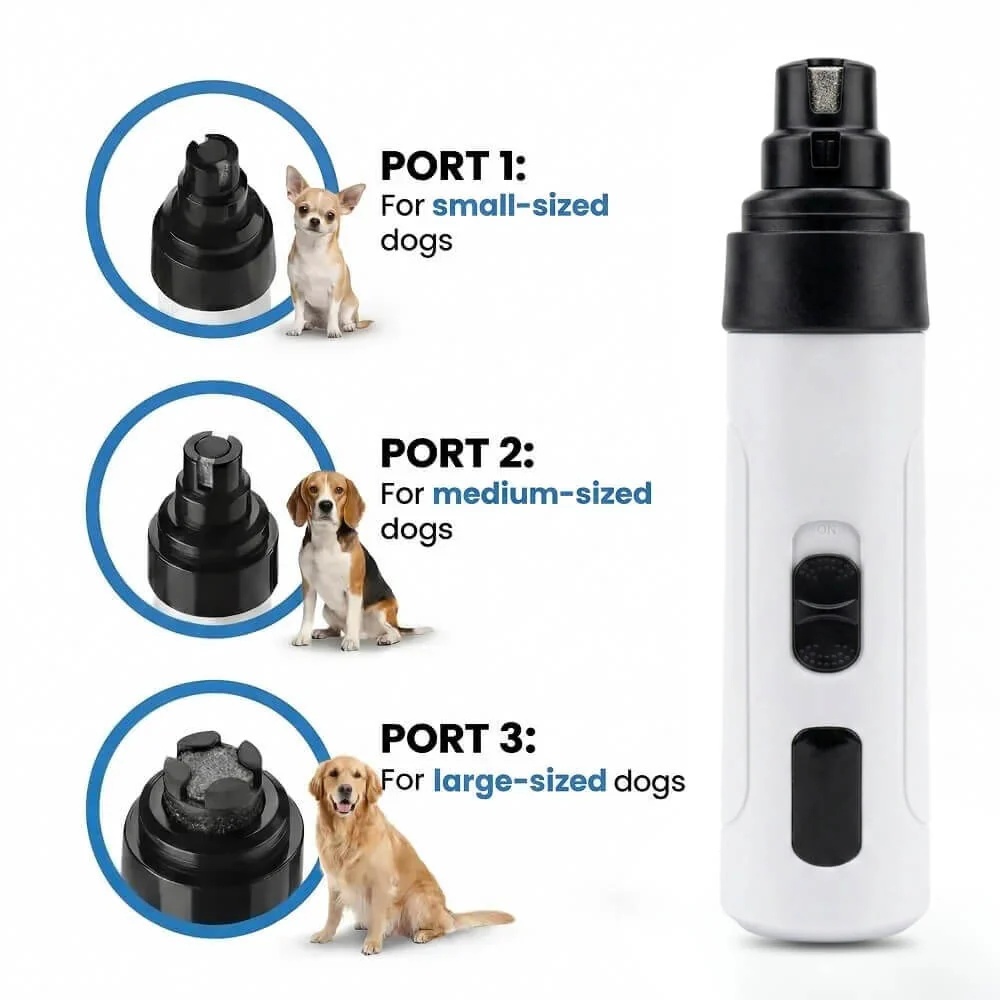
Whisper-quiet DC motor (<40 dB) eliminates fear & discomfort. Features 3 ports, dual speeds, and 7-hour battery life. Safe, precise, and painless.
In This Article
- The Core Answer: Why household clippers are fundamentally unsuitable for canine nails.
- Anatomical Realities: Exploring the canine quick and how crushing pressure causes micro-fractures.
- Grooming Safety Guide: How to safely maintain claws without creating painful splits.
- Stress-Free Alternative: Transitioning your dog to a whisper-quiet, pain-free rotary experience.
Can You Cut Dog Nails with Human Clippers? Here Is the Definitive Verdict
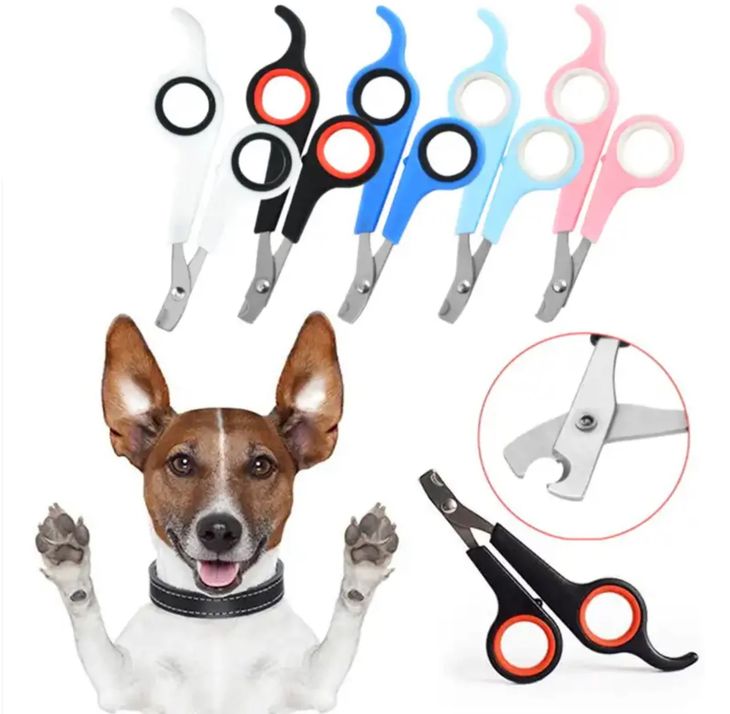
Many pet owners facing overgrown claws wonder if can you use regular nail clippers on a dog when specialized tools are unavailable in their household.
The short answer is that you should not do this because human clippers apply pressure in a flat plane that violently crushes the rounded structure of a dog’s claw.
Canine claws are circular and possess a core blood vessel called the quick, which can be easily severed by the blunt, flat impact of human blades.
While you might technically get away with trimming a tiny, newborn puppy’s paper-thin nails with human clippers, doing so on an adult dog is highly dangerous and painful.
The lateral force from flat clippers causes the hard outer shell of the claw to fracture, splinter, and split unexpectedly.
This split can extend far up into the nail bed, resulting in excruciating pain and potentially requiring professional medical attention or emergency bandaging.
To avoid these risks, professional groomers recommend utilizing specialized tools that cut in a circular motion or file the nail down smoothly.
If you want to handle this safely at home, the Zenpaw Maxpro Grinder provides painless, quiet filing — explore it here.
99-Day 100% Money-Back Guarantee
“Ever since we started using the Zenpaw Maxpro Grinder, it’s been such a peaceful experience. It’s very quiet, and my dog actually relaxes. It’s turned our stressful sessions into quick, quiet grooming times.”
— Sarah M. | ✔ Verified Customer
- ✓ Prevents Infection & Splitting
- ✓ Ideal for All Dog Sizes
- ✓ Low-Vibration Technology
- ✓ Fast 2-7 Days Delivery
Need Support? Call 302-307-1000
Understanding Canine Nail Anatomy: Where Is the Quick and Why Human Clippers Crush It?
To understand why you should not use human nail clippers on dogs, we must first examine the unique biological structure of a dog’s claw.
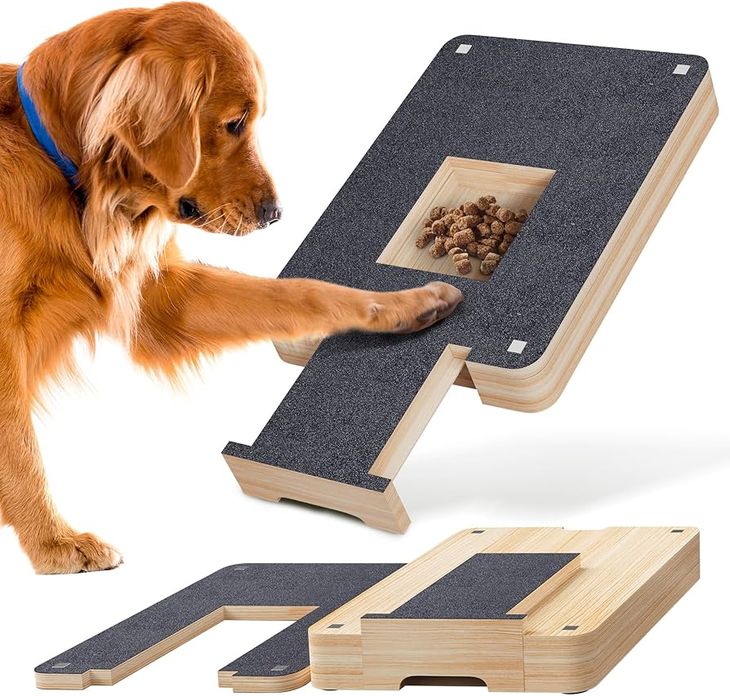
Unlike flat human nails that grow directly out of a flat cuticle bed, a dog’s nail is a thick, curved sheath made of hard keratin.
This protective outer shell completely surrounds a delicate core of living tissue.
This inner living tissue is known as the quick, which contains a highly sensitive nerve bundle and a direct blood supply.
When you attempt to use regular household tools, the flat cutting motion squeezes the entire claw flat before actually slicing through it.
This sudden crushing action pinches the highly sensitive quick, causing your dog immediate, sharp pain even if you do not cut the tissue directly.
Furthermore, many pet parents struggle with knowing how short to cut dog nails without causing severe physical trauma.
This anatomical confusion often leads to accidental injuries, leaving owners dealing with a dog nail bleeding at base.
Stopping this type of bleeding can be incredibly difficult at home because the pressure inside the quick’s blood vessel is relatively high.
Using flat blades also leaves the edges of the nail incredibly rough, jagged, and prone to catching on carpets or outdoor surfaces.
When a jagged nail catches on a household fabric, it can pull violently on the toe joint and cause structural injuries.
Investing in a proper rotary grinder or curved pet clipper is the only reliable way to preserve your dog’s anatomical health and mental peace.
The Keratin Difference: Why Canine Claws Need Specialized Tools
Many well-meaning pet parents ask themselves, can i use regular nail clippers on my dog if I only trim a tiny fraction of the tip?
The reality is that canine keratin is much denser and more rigid than human keratin, making it highly resistant to flat crushing forces.
Human nails are thin and flexible, allowing flat clipper blades to bend the nail slightly as they cut without causing structural damage.
Dog claws, however, are designed to withstand running, digging, and climbing, meaning they are incredibly solid and inelastic.
Squeezing this rigid keratin with flat human blades is like trying to cut a thick plastic pipe with a pair of scissors.
Instead of a clean cut, the pipe will crack, fracture, and split down its length.
These micro-fractures can weaken the entire nail, leading to a condition known as brittle dog nails.
Once a dog’s nail is physically compromised by micro-fractures, it becomes much more susceptible to breaking completely during daily outdoor play.
This structural degradation can ultimately result in a dog nail falling off, which requires immediate veterinary care and causes immense distress to your pet.
To illustrate these differences clearly, let us compare the physical characteristics of human and canine nails.
| Nail Feature | Human Nails | Canine Claws |
|---|---|---|
| Shape & Profile | Flat, wide, and thin | Round, curved, and exceptionally thick |
| Keratin Density | Low density, highly flexible | High density, rigid, and solid |
| Internal Anatomy | No blood vessels inside the nail body | Houses the quick (nerves and blood vessel) |
| Response to Squeezing | Flexes and cuts cleanly | Cracks, splinters, and micro-fractures |
As the comparison shows, the physical mismatch between flat blades and round claws poses an unnecessary hazard to your pet’s paws.
Professional groomers universally recommend avoiding household clippers to ensure your pet remains safe and stress-free.
Practical Application Guide: Transitioning Your Dog to Safe Grooming
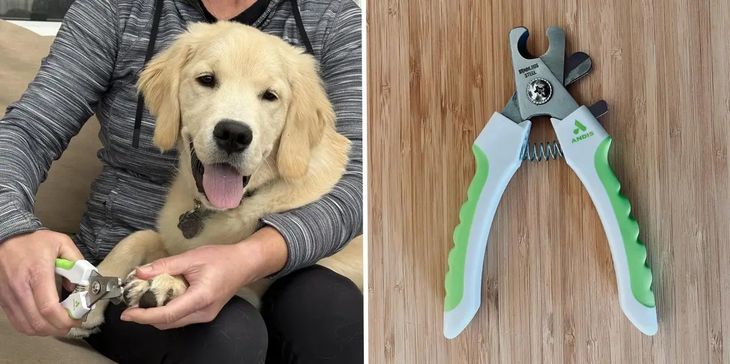
If your dog has already developed a deep fear of nail trimming due to painful past experiences, you are not alone.
Many pet parents find themselves researching dog nail clipping sedation because their pets become highly aggressive or terrified at the sight of traditional clippers.
Fortunately, you can avoid extreme measures like chemical sedation by implementing a patient, positive-reinforcement desensitization program.
The key is to introduce a gentle, low-vibration tool like the Zenpaw Maxpro Grinder slowly over several days.
On the first day, simply place the grinder on the floor near your dog while it is turned off and offer high-value treats to create a positive association.
Once your dog is comfortable with the physical presence of the tool, turn it on at its lowest speed without touching their paws.
The whisper-quiet motor of the Zenpaw Maxpro operates under 40 decibels, meaning it will not trigger your dog’s natural acoustic flight response.
Allow your dog to sniff the vibrating tool while continuously rewarding them with delicious treats and warm praise.
When they are completely relaxed around the sound, gently touch the grinding head to a single nail for just one second.
Gradually increase the contact time, making sure to hold the grinder at a precise 45-degree angle to the claw’s tip.
Holding the tool at this angle allows you to file away the sharp edges while carefully avoiding the quick.
Always work in short sessions of just a few minutes per paw to prevent the friction from creating uncomfortable heat on the nail.
This systematic desensitization process rebuilds trust and transforms a formerly terrifying chore into a quiet, peaceful bonding routine.
Overcoming Risks and Common Household Grooming Mistakes
One of the most dangerous mistakes a pet owner can make is rushing through the nail trimming process out of frustration.
When a dog is squirming or resisting, the risk of miscalculating the distance to the quick increases exponentially.
Using old, dull clippers compounds this danger because they squeeze the nail even harder before making a cut, increasing the likelihood of painful splits.
If you use can you cut dog’s nails with human clippers as a guide, you risk leaving sharp, jagged edges that catch on outdoor terrain.
These catches can rip the nail completely from the paw, leading to severe blood loss and open infections.
Another common error is attempting to cut dark or black dog nails with standard clippers where the quick is completely invisible.
With dark nails, a rotary grinder is highly superior because it allows you to shave off microscopic layers of keratin gradually.
As you grind closer to the quick, you will notice a small, dark circle appearing in the center of the nail’s white core.
This dark circle is your physical warning sign to stop grinding immediately before you cause any discomfort or bleeding.
By switching from aggressive cutting blades to a gradual rotary filing tool, you take full control of the safety and precision of your dog’s paw health.
Frequently Asked Questions About Safe Dog Nail Care
To help you make the best decisions for your pet, our Team Zenpaw experts have compiled answers to the most common questions from pet parents.
Is the Zenpaw Maxpro Grinder safe and powerful enough for large dog breeds?
Yes, the Zenpaw Maxpro Grinder features an exceptionally powerful motor designed to handle the thickest claws.
It is equipped with three custom-sized ports that accommodate small, medium, and large breeds effortlessly.
The heavy-duty brass collet ensures stable rotation even when applying moderate pressure to dense canine keratin.
How long does the battery last on a single charge?
The grinder is equipped with an advanced lithium-ion battery that delivers up to seven hours of continuous runtime.
This ultra-long battery life means you can complete multiple stress-free grooming sessions without worrying about losing power.
It charges quickly using a standard USB cable, making it incredibly convenient for home use or travel.
Which speed setting is best for anxious dogs or puppies?
We recommend always starting on the lowest speed setting to let your dog get used to the vibration.
The low speed is perfect for delicate puppy nails and precise finishing work around the edges.
Once your dog is comfortable, you can switch to the high-speed setting to quickly file down thick adult claws.
Does the grinding wheel get hot during extended use?
The Zenpaw Maxpro utilizes advanced low-heat technology to prevent the grinding tip from overheating.
However, we always recommend touching the nail for only two to three seconds at a time before moving to the next toe.
This simple rotational technique completely eliminates heat buildup and ensures your dog remains perfectly comfortable.
What should I do if my dog’s nail begins to bleed at home?
First, remain completely calm because your dog will mirror your emotional state and become highly anxious.
Apply styptic powder directly to the bleeding tip with moderate pressure for thirty seconds to stop the blood flow.
If you do not have styptic powder, household cornstarch or baking flour can act as an effective emergency substitute.
Conclusion: Safer Care for Happier Paws
Ready to transform nail trimming from a battle into a breeze? Explore the Zenpaw Maxpro 3-in-1 Grinder. Call: 302-307-1000 — our team can help you advise on the best grooming practices and help with any product questions.