
I remember the absolute dread I felt when I first tried to learn how to cut dog’s dew claw nails on my anxious rescue pup, fearing I would nick the quick and ruin our hard-won trust. The sharp, curled nail was practically digging into his leg skin, and every traditional clipper I held only made him yelp in terror. That stressful struggle is exactly why our team designed the Zenpaw Maxpro 3-in-1 Grinder to make canine paw care a painless, whisper-quiet bonding experience instead of a monthly battleground.
Maxpro 3-in-1 Grinder.
Stress-Free Nail Trimming.
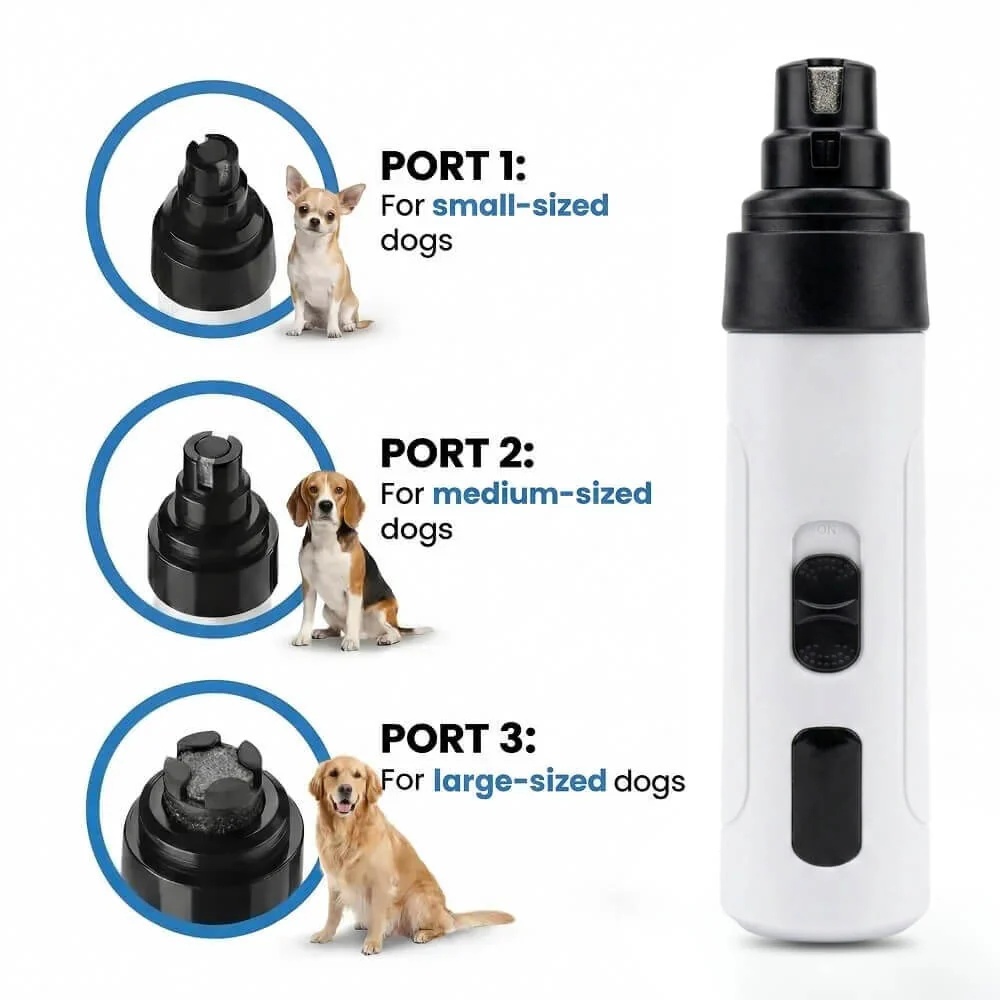
Whisper-quiet DC motor (<40 dB) eliminates fear & discomfort. Features 3 ports, dual speeds, and 7-hour battery life. Safe, precise, and painless.
In This Comprehensive Guide
- Step-by-Step Trimming: A masterclass detailing how to cut dew claws safely without causing pain.
- Anatomical Decoding: A deep breakdown of dew claw nail anatomy and locating the sensitive inner quick.
- Ingrowth Prevention: Crucial behavioral and physical strategies for trimming dog dew claw curls before they damage paw pads.
- Desensitization Techniques: The exact training steps to make dog dew claw nail cutting completely stress-free.
- Professional Solutions: How advanced whisper-quiet tools prevent nail crushing and accidental bleeding.
How to Cut Dog Dew Claw Nails Safely: A Step-by-Step Guide
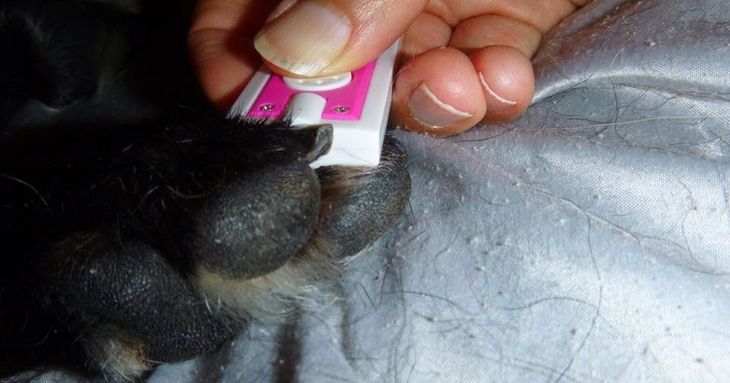
Before starting your grooming session, you must gather the correct equipment to ensure safety.
Preparation reduces your pet’s anxiety and keeps the process highly controlled.
Ensure you are working in a brightly lit room so you can clearly see the delicate structures of the nail.
You will need a quiet, reliable nail grinder, styptic powder for peace of mind, high-value treats, and a damp cloth to clean the paw.
-
Step 1: Secure Your Dog Comfortably
Begin by placing your dog in a comfortable, relaxed position on a non-slip surface.
Sit closely next to them so they feel secure and gently cradled by your body.
Avoid pinning them down, as physical force triggers immediate panic and resistance.
Offer a high-value lick mat coated with peanut butter to keep their mind fully occupied.
-
Step 2: Isolate the Dew Claw
Locate the dew claw positioned on the inner side of your dog’s front or rear leg.
Gently push back any surrounding fur so you have an unobstructed view of the nail shaft.
Use your thumb and index finger to stabilize the base of the dew claw toe gently.
This gentle grip prevents the toe from twisting or moving during the grooming process.
-
Step 3: Locate the Quick
Inspect the nail closely to identify the pinkish inner nerve known as the quick.
On light-colored nails, this soft tissue is easily visible as a distinct pink core.
On dark nails, look for a small, chalky white dot at the center of the tip before grinding.
Always stop at least two millimeters before reaching this sensitive blood vessel.
-
Step 4: Angle Your Grinder at 45 Degrees
Hold your whisper-quiet nail grinder firmly in your dominant hand.
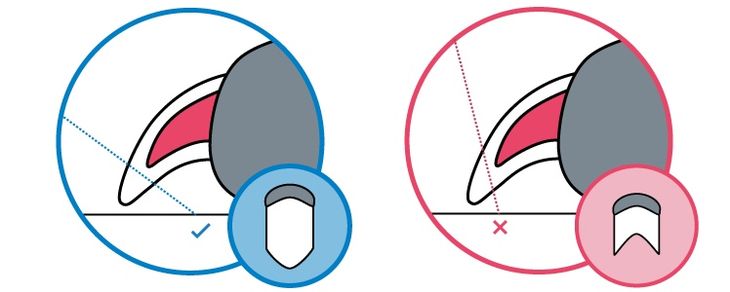
Position the grinding wheel at a precise 45-degree angle relative to the bottom of the nail.
This specific angle respects the natural downward growth pattern of the dew claw.
It allows you to smoothly round off the sharp tip while steering completely clear of the quick.
-
Step 5: File in Small, Gentle Increments
Apply the spinning grinder to the nail tip for no more than two seconds at a time.
Use light, sweeping strokes to prevent any buildup of friction heat on the nail.
Alternate between brief touches of the grinder and visual checks of the nail tip.
Gradual filing ensures you never accidentally bypass the safety zone.
-
Step 6: Polish and Reward
Once the claw is trimmed to a safe length, gently round the rough outer edges.
Smooth nails are much less likely to snag on carpets, furniture, or outdoor brush.
Conclude the grooming session immediately by giving your dog their favorite tasty reward.
This positive reinforcement creates a happy association with paw care.
To make this entire process incredibly smooth, we highly recommend using the whisper-quiet Zenpaw Maxpro 3-in-1 Grinder.
Its advanced low-vibration technology ensures that even highly sensitive dogs remain calm during grooming.
To make your home grooming sessions easier, you can explore the premium Zenpaw Maxpro Grinder and secure our special pricing today.
99-Day 100% Money-Back Guarantee
“Ever since we started using the Zenpaw Maxpro Grinder, it’s been such a peaceful experience. It’s very quiet, and my dog actually relaxes. It’s turned our stressful sessions into quick, quiet grooming times.”
— Sarah M. | ✔ Verified Customer
- ✓ Prevents Infection & Splitting
- ✓ Ideal for All Dog Sizes
- ✓ Low-Vibration Technology
- ✓ Fast 2-7 Days Delivery
Need Support? Call 302-307-1000
What Is a Dew Claw on a Dog and Why Does It Overgrow?
Understanding what is a dew claw on a dog is essential for proper health maintenance.
The dew claw is the fifth digit located further up the inside of a dog’s leg.
While the other four toes continuously touch the ground, the dew claw remains elevated.
Because it never makes direct contact with hard walking surfaces, it cannot wear down naturally.
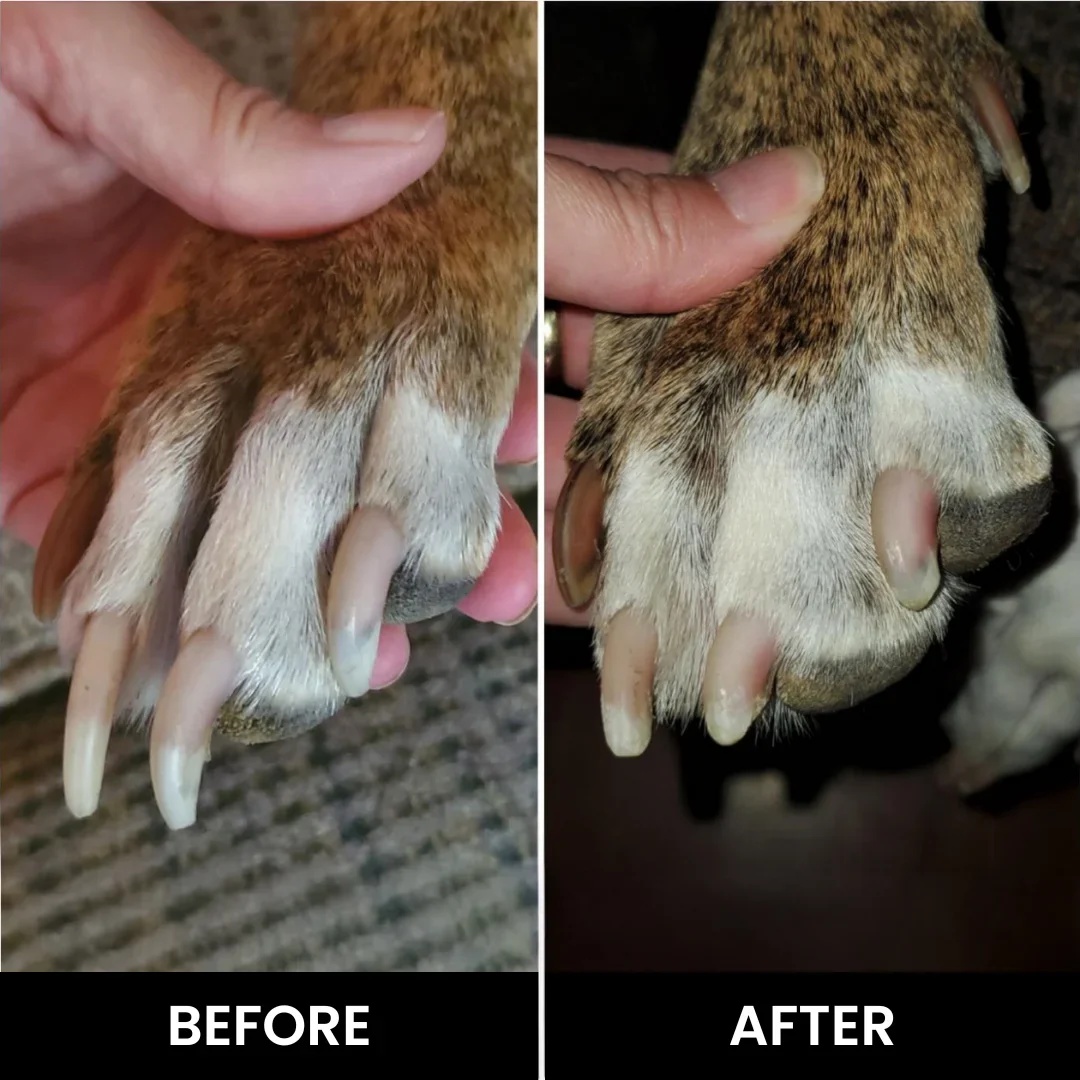
Left untrimmed, the dew claw nail grows in a sharp, circular curl.
Eventually, this curling nail can puncture the surrounding soft tissue, leading to painful infections.
According to the American Kennel Club, regular maintenance is vital to prevent these severe ingrowths.
Consistent grooming keeps the nail short, straight, and completely away from your dog’s leg pad.
Understanding Dew Claw Nail Anatomy: Locating the Quick
Mastering dew claw nail anatomy is key to avoiding painful grooming accidents.
The claw consists of a hard outer shell made of keratin and a soft inner core called the quick.
The quick contains highly sensitive nerve endings and active blood vessels that bleed easily when nicked.
If you are nervous about managing this at home, you might ask do vets cut dog nails for peace of mind.
Professional groomers and veterinarians explain that the quick naturally grows longer as the nail grows.
If you neglect trimming dog dew claw segments, the quick advances further toward the nail tip.
By using a gradual filing method, you can encourage the quick to recede safely over time.
If an accidental nick does occur, knowing how to administer a fast dog nail injury treatment keeps your dog comfortable and infection-free.
| Nail Color | Visual Cue for Quick | Grooming Strategy |
|---|---|---|
| Light/Clear | Visible pink inner tube | Stop filing 2mm before the pink zone |
| Dark/Black | Chalky black center or grey dot | File in tiny layers until a dark spot appears |
| Thick/Double | Deep central groove | Use low speed and file outer edges first |
How to Introduce a Grinder to Your Dog for Stress-Free Care
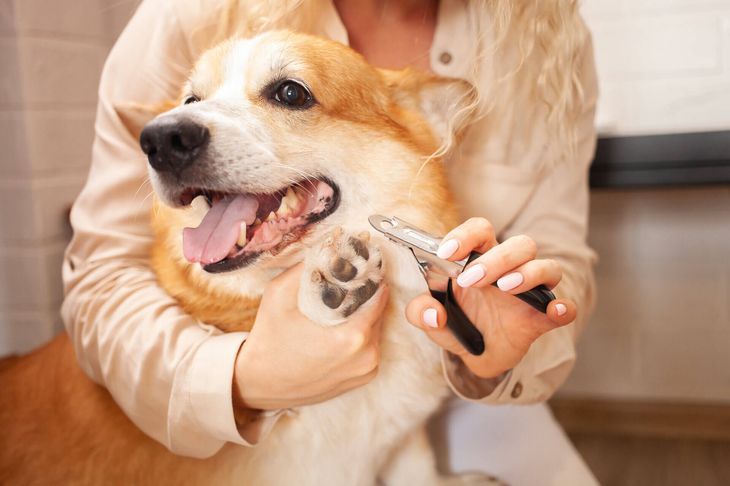
Success in dog dew claw nail cutting depends heavily on your dog’s psychological comfort.
You should never rush your pet into their first intense nail grinding session.
Instead, take several days to carefully introduce your chosen grooming tool.
Start by letting your dog sniff the turned-off device while offering praise and delicious treats.
Next, turn the device on nearby so they can get used to the soft humming sound.
For a gentle physical introduction, you can start by using a manual dog nail buffer to touch their paws.
Once they are comfortable, transition to touching the active grinder’s body to their leg so they feel the vibrations.
When you begin filing, always hold the grinder at a comfortable 45-degree angle.
For larger canine companions, finding the best dog nail grinder for large dogs is essential to handle thicker claw structures easily.
Once the grooming is complete, applying protective dog nail grips can help improve traction on slippery floors.
Overcoming Risks: Why Traditional Clippers Can Be Risky
Many pet owners make the mistake of using traditional, guillotine-style clippers for dew claws.
Traditional clippers apply immense, crushing pressure directly onto the curved nail shaft.
This sudden pressure can cause the dry nail to crack, split, or shatter painfully.
Furthermore, the awkward angle of the dew claw makes it incredibly easy to misjudge the distance and clip the quick.
Using a high-quality grinder is a much safer, more controlled alternative.
A grinder gently files away the hard keratin layer by layer with absolute precision.
This gradual process virtually eliminates the risk of painful cracks and unexpected bleeding.
The Zenpaw Maxpro’s advanced low-heat design ensures your dog’s paw stays cool and comfortable.
Frequently Asked Questions (FAQ)
Is the Zenpaw Grinder safe for extra-large dog breeds?
Yes, our grinder is engineered with three versatile ports to safely accommodate small, medium, and large breeds.
The heavy-duty brass core motor provides strong, consistent power for even the thickest canine nails.
How long does the battery last on a single charge?
The Zenpaw Maxpro offers up to seven hours of continuous run time on a single USB charge.
This allows you to complete multiple grooming sessions without worrying about losing power.
Which speed setting is best for sensitive dew claws?
We recommend using the lower speed setting when working on sensitive dew claws.
The lower speed offers maximum control and prevents the nail from vibrating too intensely.
Does the grinding tip get hot during extended use?
No, our specialized diamond bit wheel is designed with low-heat technology.
This prevent heat from building up on the nail, ensuring a painless experience.
What should I do if my dog’s dew claw is already growing into the skin?
If the nail has already punctured the skin, do not attempt to cut it at home.
Seek professional veterinary care immediately to safely extract the nail and prevent infection.
How often should I trim my dog’s dew claws?
We recommend checking and filing the dew claws every two to three weeks.
Regular maintenance keeps the quick short and prevents painful curling.
Conclusion
Taking care of your dog’s dew claws doesn’t have to be a stressful chore.
With the right techniques and a quiet, gentle tool, you can protect your pup’s paws easily.
Ready to transform nail trimming from a battle into a breeze?
Explore the Zenpaw Maxpro 3-in-1 Grinder.
Call 302-307-1000 — our team can help you with grooming practices or any product questions.
Note: Individual results may vary depending on individual dog breeds, nail thickness, and behavioral temperaments. This article is intended for general pet grooming reference purposes only and does not replace professional veterinary advice.