
I still remember the absolute dread of grabbing those heavy metal clippers while my sweet dog shook with fear under the kitchen table. Like many of you, I desperately wondered, does walking dog trim nails naturally so I could avoid that stressful battle altogether, but I quickly discovered that pavement alone cannot safely maintain our dogs’ delicate paws. That is why we designed the Zenpaw Maxpro 3-in-1 Grinder to transform nail care into a quiet, painless bonding ritual that actually works.
Maxpro 3-in-1 Grinder.
Stress-Free Nail Trimming.
Whisper-quiet DC motor (<40 dB) eliminates fear & discomfort. Features 3 ports, dual speeds, and 7-hour battery life. Safe, precise, and painless.
In This Article
- The Science of Concrete Filing: Discover how rough surfaces affect active canine claws.
- Anatomy of the Quick: Understand the delicate biological structure hidden inside your dog’s nails.
- Desensitization Guide: Learn step-by-step techniques to eliminate grooming fear.
- Common Grooming Pitfalls: Spot the mistakes that cause painful split nails.
- Balanced Paw Care: Find out why a hybrid grooming routine is optimal for joint health.
Does Walking Your Dog on Concrete Help Trim Nails Naturally?
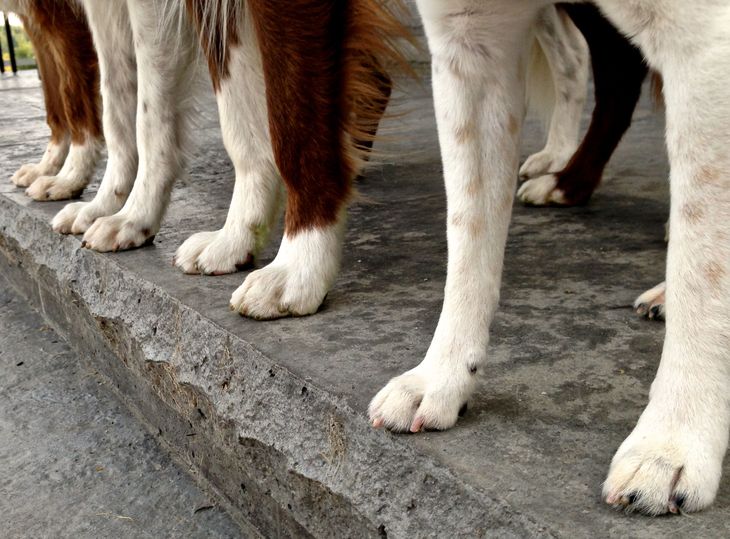
Many dog owners wonder if daily outdoor strolls can replace the dreaded chore of clipping claws.
Walking your canine companion on rough concrete can provide a mild abrasive action that naturally wears down the tips of their claws.
Active dogs who spend hours running on rough cement, asphalt, or pavement will experience more natural nail wear than sedentary indoor dogs.
However, this natural filing process only affects the front and middle nails that make direct contact with the ground.
The dewclaws, which are located higher up on the inside of the front paws, never touch the concrete and will continue to grow unchecked.
Relying solely on hard surfaces can also lead to uneven wear, painful cracking, or sudden nail splitting if the pavement is too rough.
To solve this problem, you must combine your daily outdoor walks with a safe, precise manual grooming routine at home.
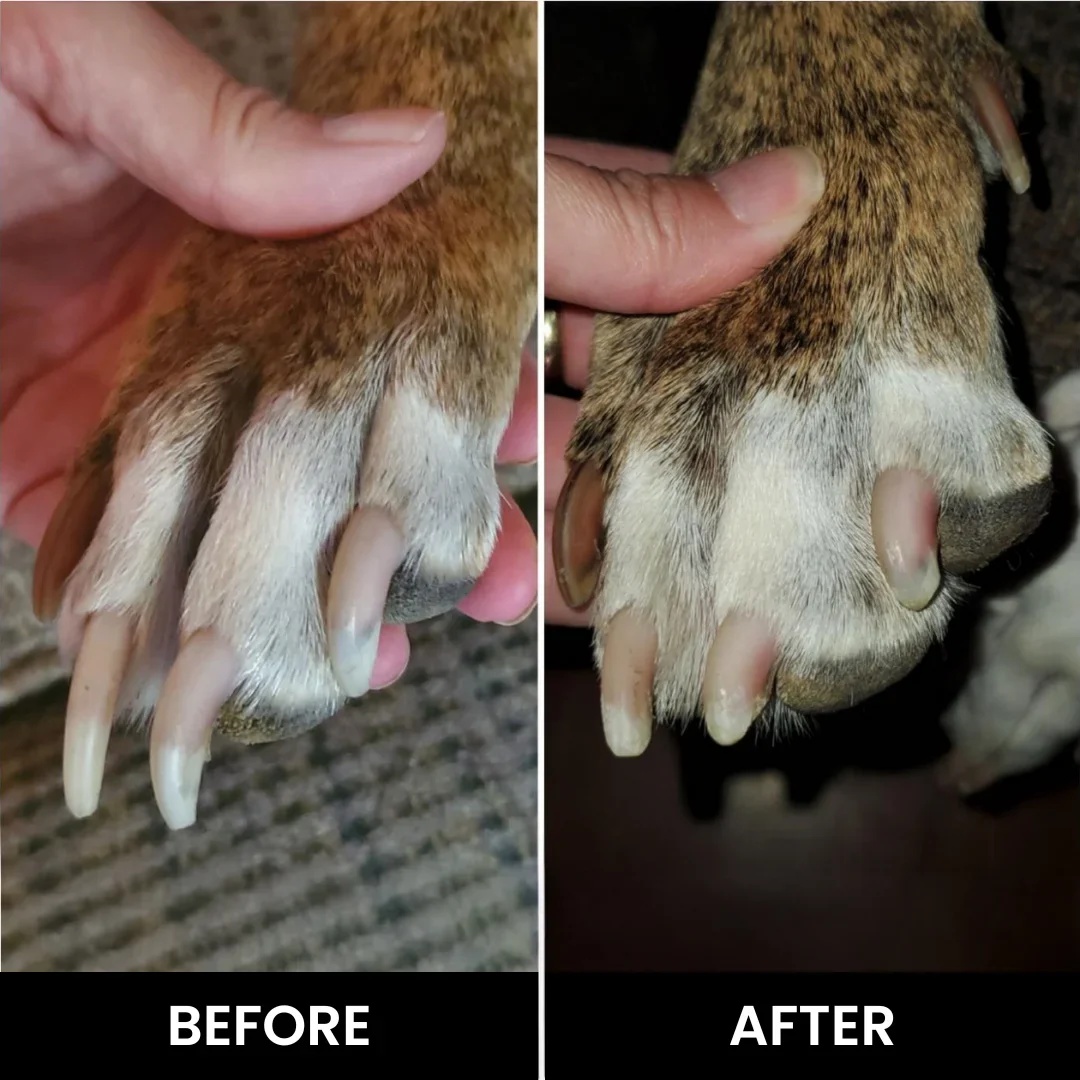
First, inspect your dog’s paws every week to check the length of each individual nail and identify any signs of dog nail discoloration.
Second, establish a consistent routine to gently file away the sharp tips and overgrown edges that concrete fails to reach.
Third, use a dedicated tool to smooth the rough edges so your dog does not experience painful snags on carpets or blankets.
If you want to handle this safely at home, the Zenpaw Maxpro Grinder provides painless, quiet filing — explore it here.
99-Day 100% Money-Back Guarantee
“Ever since we started using the Zenpaw Maxpro Grinder, it’s been such a peaceful experience. It’s very quiet, and my dog actually relaxes. It’s turned our stressful sessions into quick, quiet grooming times.”
— Sarah M. | ✔ Verified Customer
- ✓ Prevents Infection & Splitting
- ✓ Ideal for All Dog Sizes
- ✓ Low-Vibration Technology
- ✓ Fast 2-7 Days Delivery
Need Support? Call 302-307-1000
The Biomechanics of Concrete Filing: How Hard Surfaces Affect Dog Claws
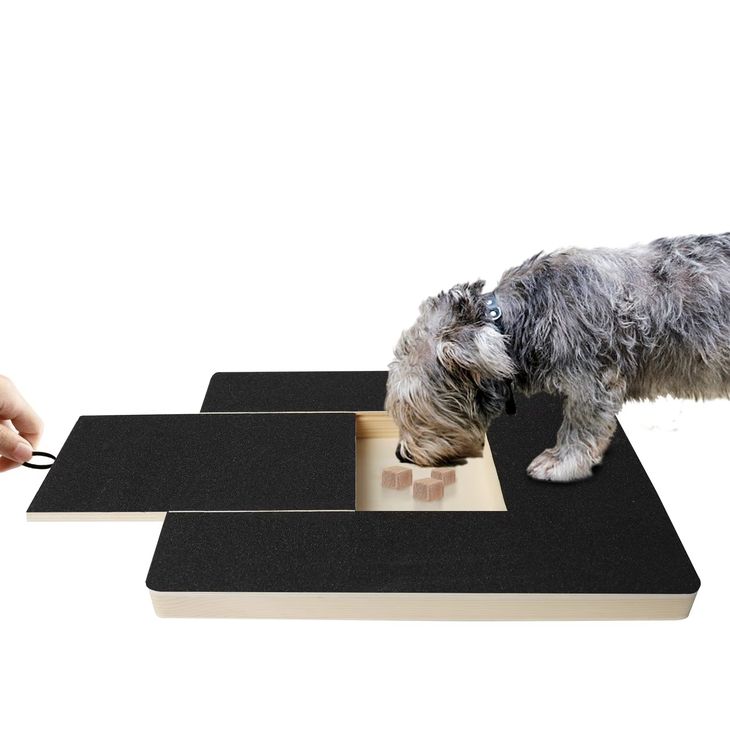
To truly understand if does walking a dog help trim nails, we must look closely at the mechanical forces of friction.
When a dog walks on rough pavement, their body weight forces the nail tips down against the abrasive grit of the concrete.
This action acts like a giant, low-grit sandpaper block that slowly files away the hard outer shell of the claw.
Veterinary behaviorists agree that daily exercise on hard surfaces can extend the time needed between formal grooming sessions.
However, the exact rate of nail wear depends heavily on several critical factors, including your dog’s weight, walking gait, and active speed.
Heavy, high-energy breeds that run and pull on leash will naturally experience a much higher rate of friction-based wear.
Conversely, lightweight toy breeds or senior dogs who stroll slowly will not generate enough downward force to file their claws.
This explains why many pet parents ask, is walking on cement enough to trim dog’s nails when their small companion still has sharp claws.
Additionally, the type of pavement plays a massive role in how much the nail is filed down.
Smooth, polished concrete sidewalks offer almost no abrasive resistance and will not trim the nail tips.
Rough, unfinished asphalt provides high friction but carries a severe risk of grazing your dog’s sensitive paw pads.
If paw pads are scraped too raw on rough surfaces, it can expose your dog to painful bacterial infections.
This is why professional groomers advise against using concrete as a primary or sole method of claw management.
Relying on concrete can also create a false sense of security, leading owners to ignore hidden nail issues.
Understanding Canine Nail Anatomy and the Danger of the Quick
To groom your dog safely, you must understand the complex biological structure of the canine claw.
Inside every dog nail is a highly sensitive inner core known as the quick.
The quick contains live blood vessels and extremely sensitive nerve endings that connect directly to the paw’s nervous system.
If you cut or grind too deep into this area, it causes sudden, sharp pain and heavy bleeding.
This traumatic experience is the number one reason why so many dogs develop severe grooming anxiety.
On light-colored nails, the quick is easily visible as a soft, pink shadow inside the translucent shell.
On dark or black nails, the quick is completely hidden from view, making traditional clippers highly dangerous to use.
Using standard dog nail clippers with guard can help prevent deep cuts, but they still exert immense crushing pressure on the nail.
This crushing force can cause microscopic fractures in the nail plate, leading to splitting and painful peeling.
If a split nail is left untreated, dirt and moisture can easily penetrate the inner core of the claw.
This often results in a painful dog nail bed yeast infection that requires targeted veterinary treatment.
Furthermore, when nails are left too long, they push the toes upward every time the dog takes a step on hard floors.
This unnatural shifting of weight can lead to a dangerous dog nail growing into pad, which causes severe lameness.
Over time, long nails can permanently alter your dog’s posture and place excessive strain on their skeletal joints.
Utilizing a high-quality rotary tool like the Zenpaw Maxpro Grinder allows you to file the nail gradually.
This gradual filing method gently coaxes the quick to recede over time, allowing for shorter, healthier nails.
The Step-by-Step Guide to Stress-Free Nail Grinding

Transitioning your dog from fearing nail care to enjoying it requires a patient, systematic approach.
Professional dog trainers recommend utilizing a process called desensitization and counter-conditioning.
The goal is to build a positive mental association between the sound of the grinder and delicious, high-value treats.
On the first day, simply place the turned-off Zenpaw Maxpro Grinder on the floor near your dog.
Reward your dog with a treat every time they sniff or look toward the quiet grooming device.
On the second day, turn the grinder on its lowest speed setting while keeping it a safe distance away.
Feed your dog several treats while the whisper-quiet motor runs under forty decibels to show them it is safe.
On the third day, gently touch the vibrating handle of the running grinder to your dog’s shoulder or leg.
This step helps them get used to the physical sensation of mild vibration without any fear.
By the fourth day, you can begin the actual filing process by gently holding one of your dog’s paws.
Always hold the grinder at a precise forty-five-degree angle relative to the natural curve of the nail.
Apply light, gentle pressure for no more than two to three seconds on each individual nail tip.
This brief contact time prevents any heat buildup that could cause discomfort to the sensitive quick.
Work on just one or two nails per session in the beginning to keep the experience completely stress-free.
If you find the process too overwhelming to handle alone, you might consider booking a professional mobile dog nail trimming service.
However, the ergonomic design of the Zenpaw Maxpro makes home grooming exceptionally easy and safe for beginners.
Crucial Mistakes to Avoid When Grooming Anxious Dogs
Many well-meaning pet owners make critical errors that set back their dog’s grooming progress.
The most common mistake is rushing the process before the dog is fully comfortable with the tools.
Forcing an anxious dog into submission will only reinforce their fear and make future sessions much harder.
Another frequent error is using old, dull clippers that violently pinch the sensitive nerve endings.
This pinching sensation can trigger a defensive reflex, causing your dog to pull away or growl.
Pet parents also often ask, will walking my dog trim his nails when they notice the claws look jagged.
Walking your dog immediately after a bad trim can cause the weakened, cracked nails to split even further.
If you notice your dog’s nail bleeding after walking on pavement, it means the claw was worn down too close to the quick.
Always inspect the paws for raw spots or tears after walking on hot or rough summer concrete.
To prevent these painful grooming mishaps, we must choose tools that offer complete speed and safety control.
The Zenpaw Maxpro features specialized low-heat technology to ensure the grinding head remains cool during use.
This completely eliminates the risk of friction burns that can occur with high-speed industrial rotary tools.
By taking your time and using the right equipment, you can safely maintain your dog’s joint health.
Friction-Based Surface Comparison Table & Context
Not all outdoor surfaces affect your dog’s claws in the same therapeutic manner.
We have compiled a comprehensive breakdown of common walking surfaces to help you plan your daily exercise routes.
| Surface Type | Friction Level | Nail Trimming Efficiency | Paw Pad Safety Risk |
|---|---|---|---|
| Rough Concrete / Asphalt | High | Excellent (Naturally files tips) | Moderate (Can scrape pads if hot) |
| Smooth Sidewalks | Low | Poor (Minimal abrasive effect) | Low (Very safe for pads) |
| Grass / Dirt Trails | Very Low | None (Does not affect claws) | Very Low (Highly recommended for joints) |
| Gravel / Rocky Paths | Moderate | Uneven (Can cause nail chipping) | High (Risk of sharp cuts and bruising) |
As shown in the table, rough asphalt and concrete offer the highest natural filing efficiency for active claws.
However, these surfaces must be navigated with extreme caution during the hot summer months.
High pavement temperatures can easily burn delicate paw pads and cause severe pain.
Always perform the five-second back-of-the-hand test on the concrete before letting your dog walk on it.
If the surface is too hot for your hand, it is far too hot for your dog’s sensitive paws.
On the other hand, soft grass and dirt paths are excellent for joint health but do nothing to shorten nails.
Therefore, a balanced approach combining soft-surface walks with manual grinding is the gold standard for canine wellness.
Frequently Asked Questions (FAQ)
Is the Zenpaw Grinder safe for large dogs?
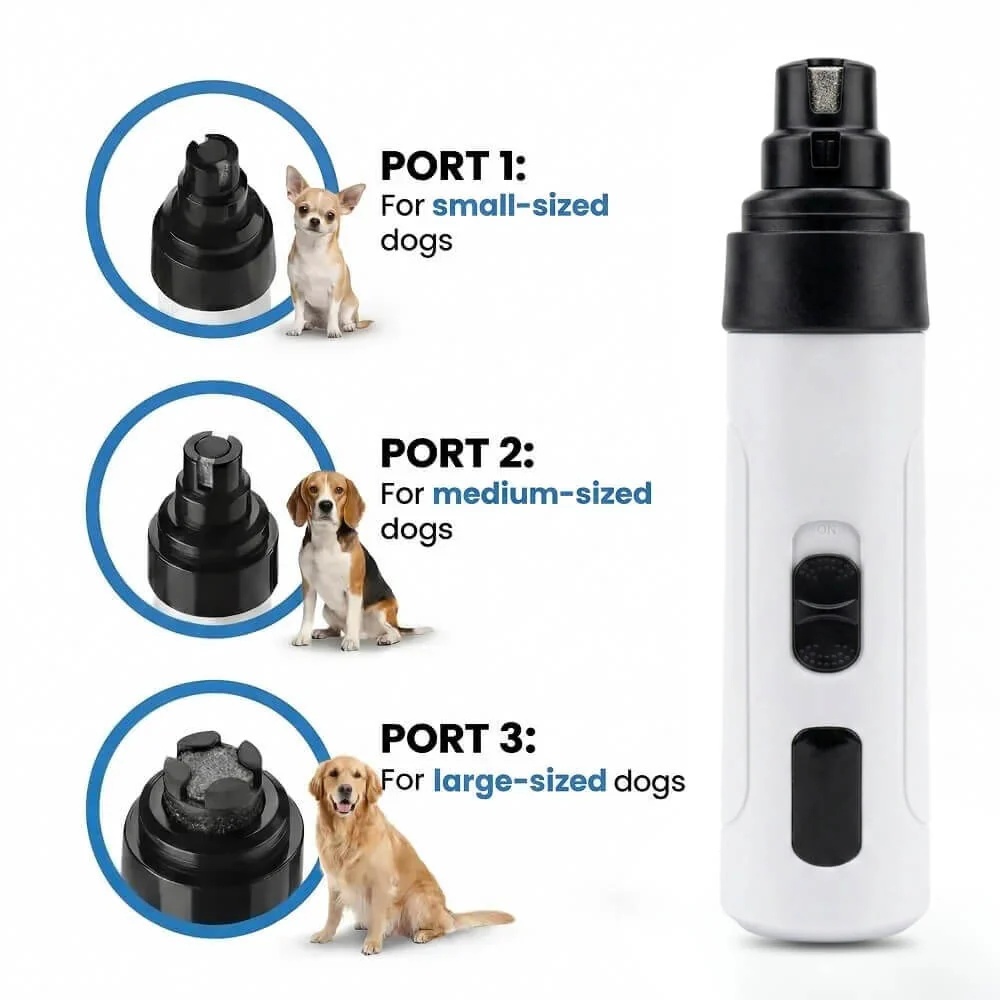
Yes, the Zenpaw Maxpro Grinder features three specialized port sizes designed to safely accommodate small, medium, and large breeds.
How long does the battery last on a single charge?
The advanced lithium-ion battery provides up to seven hours of continuous grooming power on a single USB charge.
Which speed setting is best for anxious dogs?
We recommend starting with the lowest speed setting to keep vibration and noise at an absolute minimum while your dog adjusts.
Does the grinder head get hot during use?
No, the Zenpaw Maxpro is engineered with low-heat technology to prevent friction-induced heat buildup on the nail plate.
How often should I grind my dog’s nails?
Most veterinary professionals recommend a quick touch-up session every two to three weeks to keep the quick from growing too long.
Conclusion
Maintaining short claws is essential for your dog’s posture, movement, and joint health.
While walking on concrete provides mild assistance, it cannot replace a dedicated grooming routine.
Ready to transform nail trimming from a battle into a breeze? Explore the Zenpaw Maxpro 3-in-1 Grinder. Call: 302-307-1000 — our team can help you advise on the best grooming practices and help with any product questions.
Note: Individual results may vary depending on individual dog breeds, nail thickness, and behavioral temperaments. This article is intended for general pet grooming reference purposes only and does not replace professional veterinary advice.