
I still remember the sudden wave of panic that washed over me when I noticed a strange, rusty brown streak creeping across my golden retriever’s normally clean claws, leaving me absolutely terrified that a routine trim would slice his sensitive quick. That stressful experience is exactly why our team at Zenpaw dedicated ourselves to studying dog nail discoloration, eventually leading to the creation of our whisper-quiet, painless Maxpro Grinder to help pet parents care for their dogs’ paws with complete confidence and peace of mind.
Maxpro 3-in-1 Grinder.
Stress-Free Nail Trimming.
Whisper-quiet DC motor (<40 dB) eliminates fear & discomfort. Features 3 ports, dual speeds, and 7-hour battery life. Safe, precise, and painless.
In This Article
- Decoding Claw Colors: Discovering why canine claws turn black, brown, red, or yellow.
- Identifying Primary Causes: Exploring how physical trauma, fungal pathogens, and underlying metabolic conditions alter the keratin structure.
- Canine Nail Anatomy: Locating the delicate blood vessels and nerve pathways to avoid painful trimming injuries.
- At-Home Care Protocol: Learning how to safely clean, assess, and trim discolored nails without inducing fear.
- Avoiding Trimming Hazards: Understanding why traditional crushing clippers fail and how quiet grinding technology protects your pet.
Why is My Dog’s Nail Discolored? Expert Breakdown
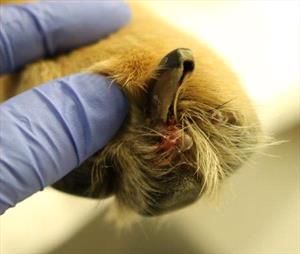
Canine nail discoloration is an outward physiological sign indicating that the underlying blood supply, the keratinized sheath, or the nail matrix has experienced trauma, localized infection, or systemic illness. This clinical condition manifests in shades ranging from deep rust to pitch black, and it commonly impacts dogs with light-colored or white claws where the vascular pathways are highly visible. According to clinical veterinary dermatologists, a healthy canine claw should maintain a consistent, semi-translucent cream color or a solid, naturally dark pigmentation from base to tip. When pathogenic yeast, chronic allergies, or sudden physical impacts damage the ungual crest, the claw shifts in hue, signaling that the delicate tissues are compromised and require immediate therapeutic intervention or specialized grooming attention.
To safely resolve this condition, you must establish a gentle, routine paw inspection to identify whether the issue stems from a local environmental factor or requires formal veterinary diagnostics. Start by carefully bathing the paw in a sterile, warm antiseptic solution, ensuring you dry the interdigital webbing thoroughly to prevent opportunistic yeast colonies from multiplying in the damp spaces. Once the claw is clean, transition away from violent, crushing hand tools and implement a regular maintenance schedule using a modern, low-vibration rotary filing device to safely expose healthy keratin layers. If you want to handle this safely at home, the Zenpaw Maxpro Grinder provides painless, quiet filing — explore it here.
99-Day 100% Money-Back Guarantee
“Ever since we started using the Zenpaw Maxpro Grinder, it’s been such a peaceful experience. It’s very quiet, and my dog actually relaxes. It’s turned our stressful sessions into quick, quiet grooming times.”
— Sarah M. | ✔ Verified Customer
- ✓ Prevents Infection & Splitting
- ✓ Ideal for All Dog Sizes
- ✓ Low-Vibration Technology
- ✓ Fast 2-7 Days Delivery
Need Support? Call 302-307-1000
Understanding Canine Nail Anatomy and Discoloration Pathways
To safely navigate claw health, you must understand the underlying structural anatomy of your dog’s foot.
A dog’s claw consists of a hard outer layer made of tough structural keratin proteins.
Inside this protective shell lies the quick, which is a highly vascularized zone rich in nerves and blood vessels.
The quick supplies vital nutrients to the nail bed, ensuring strong, healthy claw growth.
When physical trauma or environmental pathogens damage this vascular core, cellular changes occur rapidly.
Blood can pool inside the semi-translucent keratin shell, altering the claw’s natural appearance.
According to certified veterinary behaviorists, unrecognized paw pain often causes dogs to alter their natural gait.
This physical compensation can lead to chronic musculoskeletal stress, joint stiffness, and long-term behavioral anxiety.
That is why identifying changes in claw pigmentation early is critical to your dog’s overall wellness.
Why Are My Dog’s Nails Turning Red or Reddish-Brown?
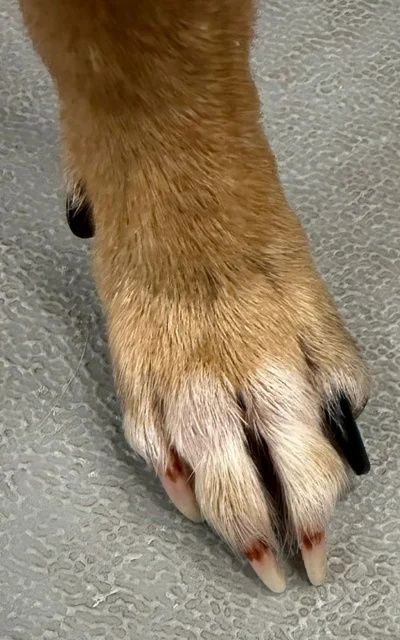
Redness at the base of the nail often points to local vascular inflammation or recent physical trauma.
This localized bleeding typically stems from physical impact, such as stubbing the toe or catching the claw on a hard surface.
Another very common culprit behind this color shift is a dog nail bed yeast infection.
Pathogenic yeast thrives in damp, dark microclimates, particularly between the digital pads and claw crevices.
If your dog suffers from environmental allergies, they may lick their paws constantly to soothe the intense itching.
Canine saliva contains natural organic compounds called porphyrins, which turn rusty red when exposed to oxygen.
This constant bathing in saliva stains the hair and slowly dyes the light-colored claws a deep reddish-brown color.
When looking for an effective dog nails turning reddish-brown treatment, veterinarians recommend addressing both the yeast and the underlying allergy.
Keeping the digital area dry and clean is the most important step in stopping this cycle of irritation.
Decoding Dark Stains: Dog Nails Turning Black or Brown
Observing your dog nails turning black or seeing dog nails turning brown can be a highly stressful experience for any pet parent.
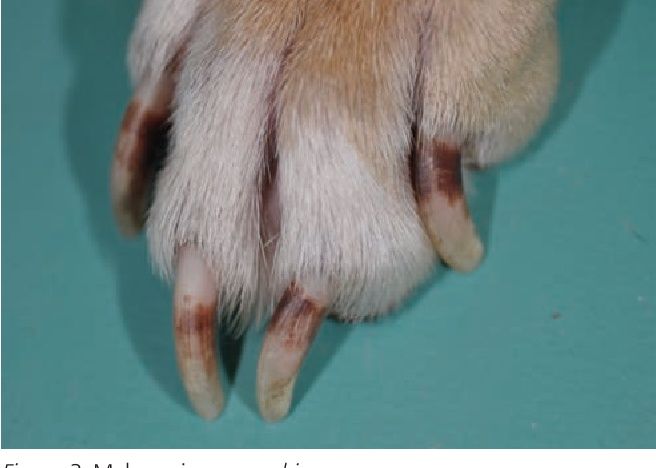
On naturally white or clear claws, a sudden dark spot usually indicates localized internal bruising.
This internal bruising is caused by dark blood forming inside dog nails after a minor physical injury.
As the claw grows outward over several months, this dried blood pocket will slowly migrate toward the tip of the nail.
However, if multiple claws turn dark simultaneously without any history of physical trauma, a systemic disease may be present.
Symmetrical Lupoid Onychodystrophy is an autoimmune disease that causes nails to become brittle, discolor, and eventually slough off.
Bacterial paronychia, which is a painful infection of the nail fold, can also darken the claw tissue.
A professional veterinary examination is always recommended to identify the exact cause of chronic dark nail staining.
The Hidden Danger of Curving: Dog Nail Growing Into Pad
When regular nail maintenance is neglected, claws will continue to grow in a tight, downward spiral.
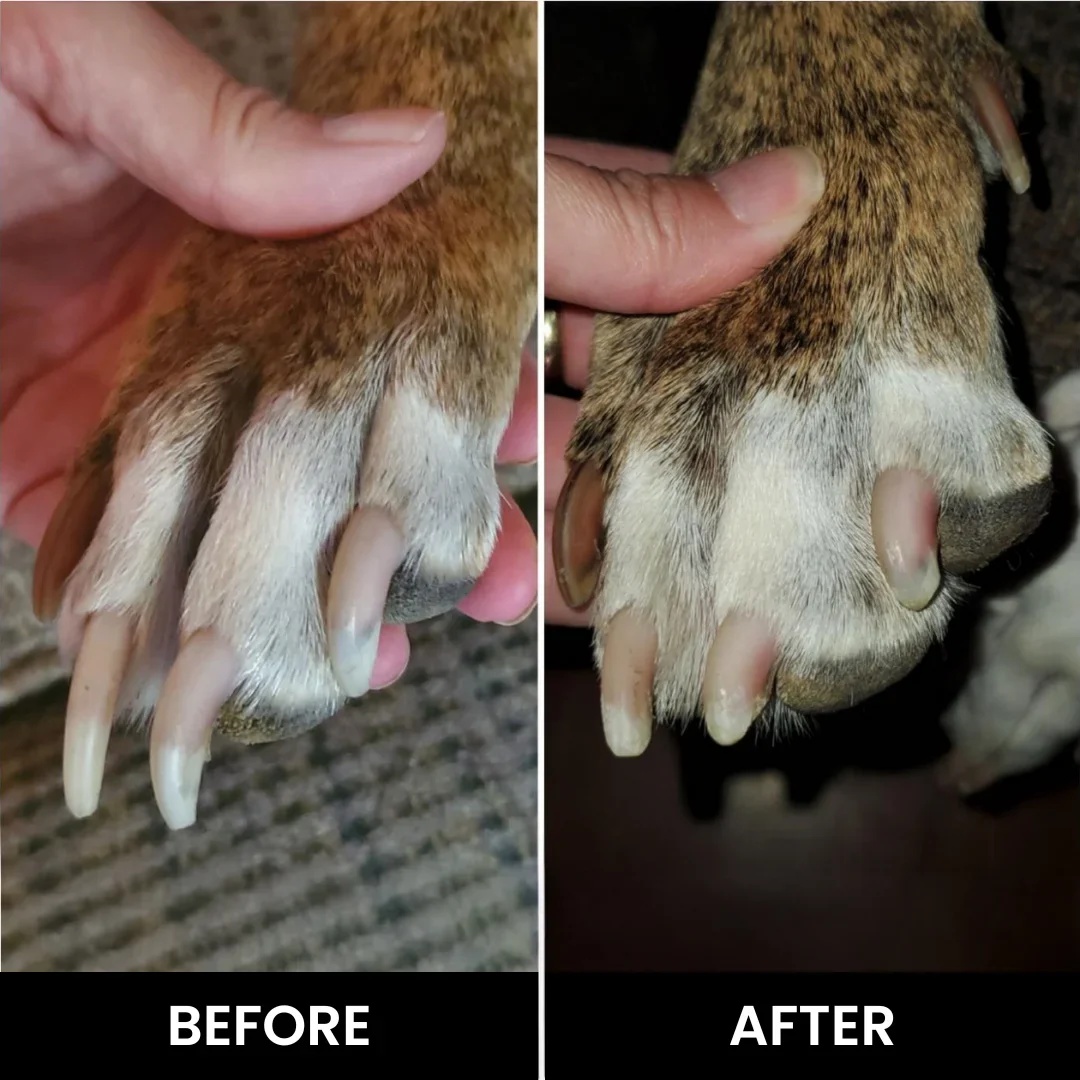
This unchecked length eventually results in a painful dog nail growing into pad.
This piercing of the digital pad causes severe localized pain, swelling, and secondary bacterial infections.
The constant pressure alters the nail matrix, resulting in permanent nail discoloration and abnormal, weak keratin growth.
Removing an embedded nail requires extreme caution and often professional veterinary intervention to manage the pain.
Using a high-precision, gentle grooming tool regularly prevents this severe, painful condition from ever developing.
Quick Reference: Canine Claw Color Diagnostics
| Nail Color Observed | Likely Underlying Cause | Recommended Immediate Action |
|---|---|---|
| Red or Pink Base | Acute physical trauma, quick injury, or local bruising | Restrict high-impact activity; inspect for structural splits. |
| Rusty Red or Orange-Brown | Salivary porphyrin staining, yeast overgrowth, chronic licking | Wash with antiseptic shampoo; dry thoroughly; treat allergies. |
| Dark Brown or Black Spots | Old dried blood, bacterial paronychia, or systemic disease | Schedule a veterinary consult to rule out nail bed infections. |
| Dull Yellow or White Chalky | Severe fungal infection or extreme structural keratin decay | Apply topical antifungal treatments as directed by your vet. |
Stress-Free Care: How to Grind Discolored Dog Nails Safely
Desensitizing an anxious pet to nail care is a structured, step-by-step process that requires patience and positive associations.
If your dog runs away at the mere sight of grooming tools, you must rebuild their confidence from the ground up.
Begin by placing your Zenpaw Maxpro Grinder on the floor while it is turned completely off.
Let your dog approach, sniff, and investigate the device at their own natural pace.
Reward every step of this curious behavior with high-value, delicious treats to build a positive mental association.
Once your dog is comfortable with the physical device, turn the grinder on its lowest speed while holding it several feet away.
The Zenpaw Maxpro features a whisper-quiet motor operating under forty decibels, which avoids triggering startle reflexes.
Gradually bring the vibrating tool closer, continuing to feed treats while the motor hums peacefully.
When your dog remains completely relaxed, gently touch the plastic casing of the grinder to their paw without filing.
This teaches them that the physical vibration of the device is harmless and nothing to fear.
When you are ready to file the discolored claw, hold the tool at a precise forty-five-degree angle to the nail tip.
Apply gentle, pulsing pressure for no more than two seconds per nail to prevent heat buildup on the sensitive quick.
If you prefer professional assistance during this training transition, you can explore mobile dog nail trimming options in your local area.
However, maintaining their claws in the comfort of your own home with our whisper-quiet tool is the ideal way to build long-term trust.
Why Crushing Claws with Dull Clippers is a Dangerous Mistake
Traditional guillotine and scissor-style clippers exert immense, concentrated physical force to snap through tough canine keratin.
This aggressive crushing action can easily splinter dry, brittle, or discolored claws, exposing the highly sensitive nerve endings inside.
Many well-meaning owners try using dog nail clippers with guard attachments to prevent over-cutting.
While a mechanical guard provides a physical stop, it does not stop the blade from crushing and cracking weak claws.
These micro-cracks allow environmental bacteria and yeast to enter the deeper nail bed, worsening existing infections.
If you accidentally cut the quick with old-fashioned clippers, you must apply cornstarch for dog nail bleeding immediately to stop the flow of blood.
This stressful emergency can be entirely avoided by switching to a modern, high-precision rotary filing system.
The Zenpaw Maxpro Grinder files down the nail layer by layer, giving you absolute control over the process.
This gradual, gentle approach ensures you never pinch, crush, or split the sensitive, compromised structure of a discolored nail.
Frequently Asked Questions About Dog Nail Health
Is the Zenpaw Grinder safe and powerful enough for large dog breeds?
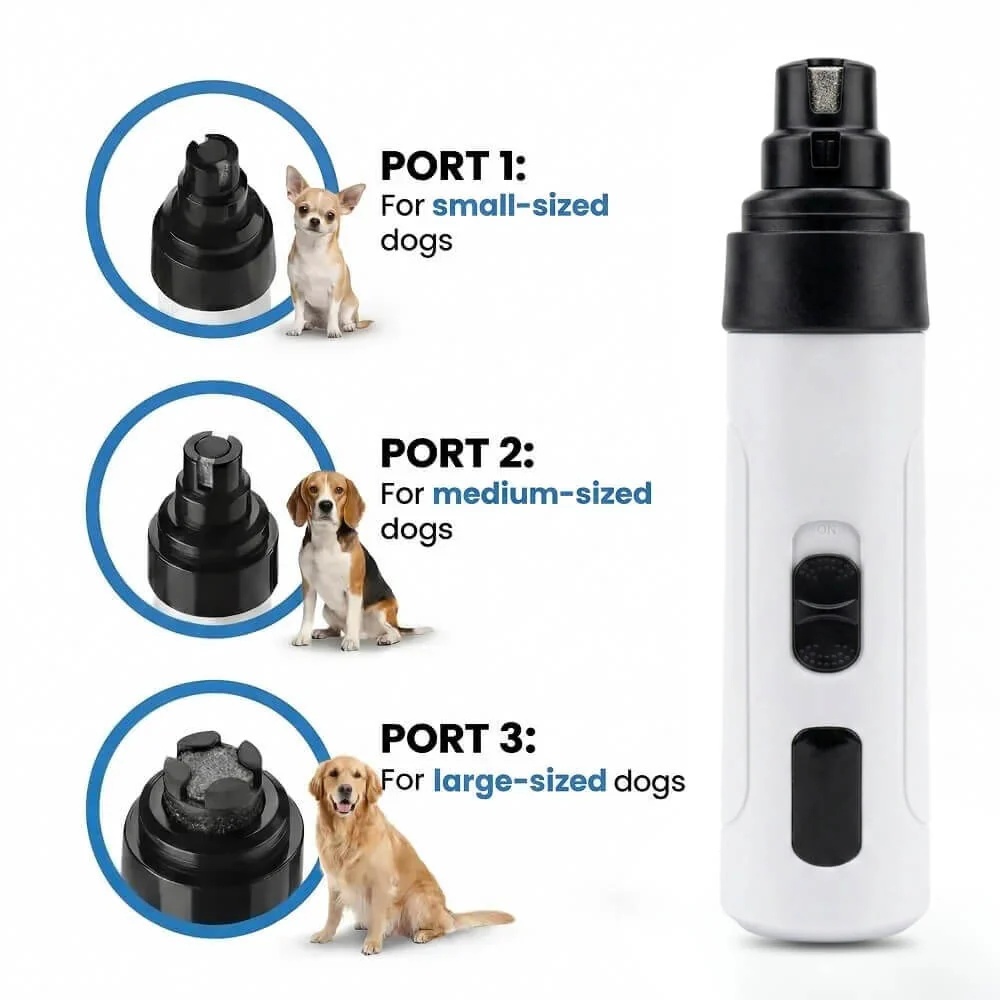
Yes, the Zenpaw Maxpro Grinder is specifically engineered with three specialized ports and dual-speed settings to safely handle all dog sizes.
The large, open port easily accommodates the thickest claws of giant breeds like Mastiffs and Great Danes, while the smaller ports protect toy breeds.
The heavy-duty brass collet motor provides ample torque to file down dense, discolored keratin without stalling or binding.
How long does the Zenpaw Maxpro battery last on a single charge?
The built-in lithium-ion battery provides up to seven hours of continuous, reliable grooming power on a single charge.
This exceptional battery life is perfect for multi-pet households or slow, patient desensitization sessions where you need the tool ready at a moment’s notice.
The device is fully USB-rechargeable, making it highly convenient to charge using any standard phone block, laptop, or car port.
Which speed setting is best for grooming sensitive, discolored claws?
We always recommend starting on the low-speed setting (first gear) when working with discolored, brittle, or sensitive nails.
The lower speed allows you to file with extreme precision and keeps friction heat to an absolute minimum, protecting sensitive nerves.
Once you have smoothed away the rough, damaged outer edges, you can switch to the high-speed setting for fast, efficient bulk reduction.
Does the grinding tip get hot during extended grooming sessions?
No, the Zenpaw Maxpro utilizes advanced low-heat technology combined with a premium diamond-drum bit to prevent heat transfer.
Unlike cheap sandpaper bands that heat up rapidly and cause friction pain, our diamond bit stays cool during normal grooming intervals.
To ensure absolute safety, we recommend pulsing the grinder on the nail for two seconds at a time to keep your dog completely comfortable.
Conclusion: Transform Your Paw Care Journey Today
Maintaining clean, healthy paws does not have to be a stressful battle for you or your beloved dog.
Ready to transform nail trimming from a battle into a breeze?
Explore the Zenpaw Maxpro 3-in-1 Grinder.
Call: 302-307-1000 — our team can help you advise on the best grooming practices and help with any product questions.