Maxpro 3-in-1 Grinder.
Stress-Free Nail Trimming.
Whisper-quiet DC motor (<40 dB) eliminates fear & discomfort. Features 3 ports, dual speeds, and 7-hour battery life. Safe, precise, and painless.
In This Article
- Visual Identification Guide: How to compare real dog nail yeast infection pictures with normal, healthy canine claw structures.
- Root Causes of Malassezia: Discovering why moisture, stress, and poor grooming tools lead to nail bed flareups.
- Safe Trimming Protocols: Step-by-step methods to shorten nails without cracking them or provoking deep anxiety.
- The Whisper-Quiet Solution: Why low-noise grooming technology is a veterinarian-approved path to cleaner paws.
The 3 Best Dog Paw and Nail Care Solutions of 2026: Ranked & Reviewed
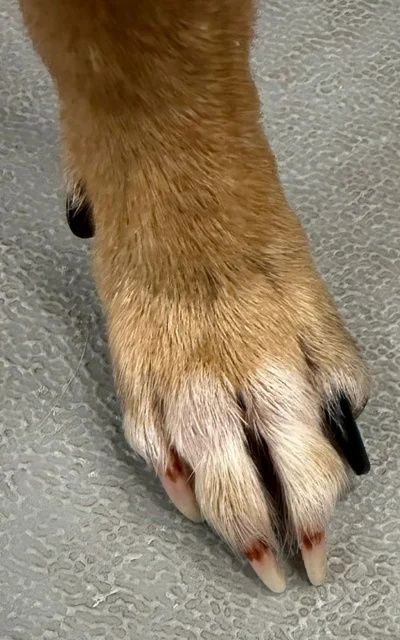
Managing a canine yeast flare-up requires excellent hygiene and a highly reliable way to keep claws short.
When claw tissue is continuously overgrown, dogs lick their paws constantly to relieve joint pressure.
This excess saliva creates a dark, swampy environment where opportunistic yeast cells multiply rapidly.
To prevent this cycle, let us evaluate the top three nail care solutions available to pet parents today.
Option 1: Traditional Plier-Style Pet Clippers
Standard steel scissor clippers are the most common tool found in local retail pet stores.
They work by applying brute crushing force to slice through the thick keratin layers of the claw.
While they cut through long claws quickly, they frequently leave jagged edges and microscopic fractures behind.
These deep microscopic splits allow moisture, soil, and microscopic yeast spores to take root within the nail wall.
Furthermore, if your pet suffers from claw bed swelling, using high-pressure clippers can trigger intense local pain.
For dogs who are already sensitive to paw handling, the abrupt pinch of a scissor clipper often ruins their cooperative spirit.
If you slip even slightly, you risk cutting the quick, which can cause a messy situation where a dog nail bleeding wont stop completely.
Option 2: Heavy-Duty Industrial Rotary Tools
Many owners switch to high-speed hardware rotary tools in an attempt to file down rough, uneven nail margins.
These tools are exceptionally powerful and can shorten thick, dense claws in a matter of seconds.
However, these heavy-duty devices are built with noisy universal motors that emit sharp, high-pitched whines.
This intense mechanical noise immediately triggers a survival response in anxious or noise-sensitive family dogs.
They also generate high friction heat very quickly, which can burn the delicate living tissue inside the nail core.
If a dog is already struggling with a raw dog nail bed yeast infection, heat and loud vibration will make grooming impossible.
While they are moderately effective for brave, large-breed working dogs, they are far too intense for standard home grooming sessions.
Option 3: Zenpaw Maxpro 3-in-1 Whisper-Quiet Grinder
The Zenpaw Maxpro represents a modern, stress-free approach to routine home nail maintenance.
It features a specialized brass-core DC motor that operates at an ultra-quiet noise level under forty decibels.
This whisper-quiet profile prevents the high-frequency panic that causes dogs to fight, squirm, or pull their paws away.
Instead of crushing the claw wall, its dual-speed diamond bit gently sands down the keratin fibers layer by layer.
This leaves a smooth, rounded edge that prevents your pet’s claws from snagging or harboring pathogenic microbes.
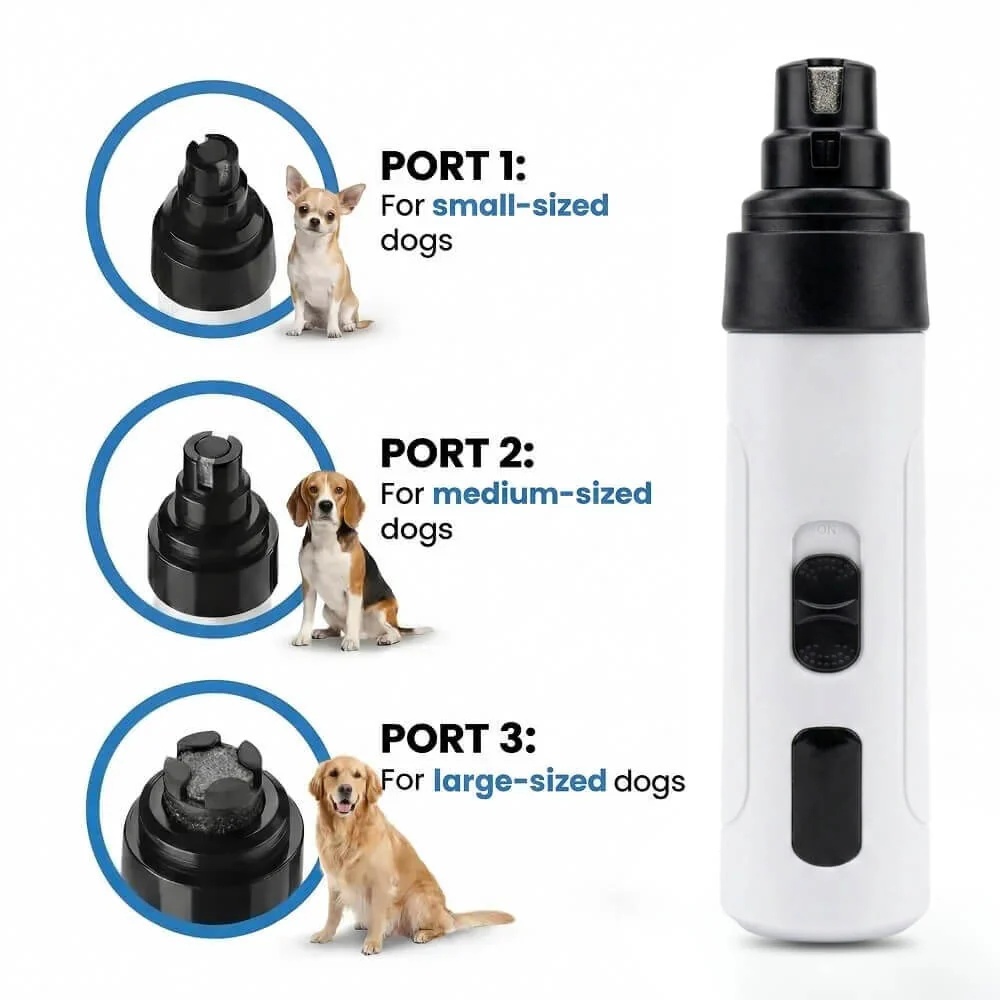
Because it features three distinct ports, it safely accommodates toy puppies, medium mixed breeds, and heavy-boned senior dogs.
It is the ideal preventative tool to ensure overgrown claws do not trap moisture and fuel localized fungal colony growth.
| Grooming Tool Option | Noise Level (dB) | Cutting Method | Infection Risk Factor | Paw Stress Level |
|---|---|---|---|---|
| Traditional Steel Clippers | Silent (No Motor) | Crushing Compression | High (Micro-Splits) | Very High (Pinch Risk) |
| Industrial Rotary Tools | Over 75 dB | High-Speed Friction | Low (Smooth Edge) | Extreme (Vibration & Heat) |
| Zenpaw Maxpro Grinder | Under 40 dB | Gentle Diamond Sanding | Extremely Low | Minimal (Whisper-Quiet) |
By keeping the claws neatly rounded with a low-stress tool, you eliminate structural splitting where bacteria and fungi thrive.
If you want to explore this whisper-quiet method further, you can view the complete specifications on the Zenpaw Maxpro Grinder Page.
99-Day 100% Money-Back Guarantee
“Ever since we started using the Zenpaw Maxpro Grinder, it’s been such a peaceful experience. It’s very quiet, and my dog actually relaxes. It’s turned our stressful sessions into quick, quiet grooming times.”
— Sarah M. | ✔ Verified Customer
- ✓ Prevents Infection & Splitting
- ✓ Ideal for All Dog Sizes
- ✓ Low-Vibration Technology
- ✓ Fast 2-7 Days Delivery
Need Support? Call 302-307-1000
Decoding Dog Nail Yeast Infection Pictures: Visual Signs of Malassezia Dermatitis
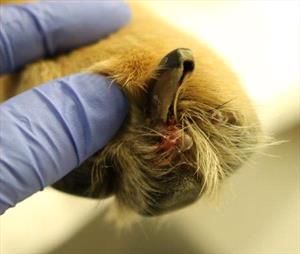
To accurately protect your pet’s feet, you must understand exactly how a fungal overgrowth displays itself physically.
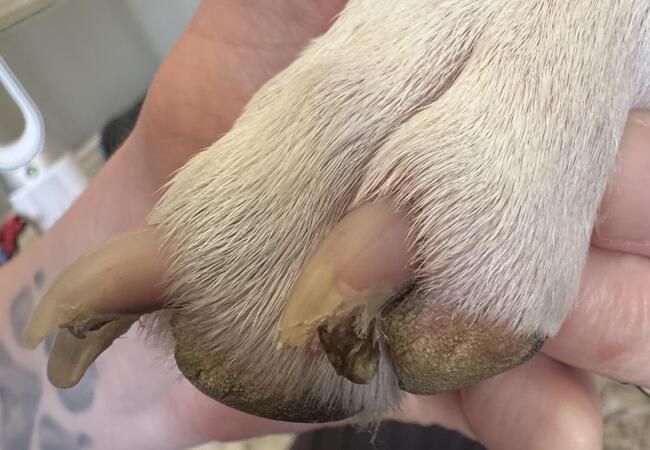
If you study clinical dog nail bed yeast infection pictures, you will first notice a distinct color shift near the cuticle base.
A normal, healthy canine nail emerges cleanly from a dry, tight fold of skin without any swelling.
When yeast begins to colonize, the tissue surrounding the root turns a deep, rusty brown or red color.
This color change is caused by porphyrins, which are natural compounds found in abundance in canine saliva and tear fluid.
As the dog licks the sore paw to soothe the itch, the saliva interacts with the local yeast, staining the fur and nail tissue dark brown.
You may also notice a sticky, waxy discharge accumulating right where the nail plate slides into the skin fold.
In advanced cases, this discharge dries out and becomes a dark, crumbly crust that smells strongly like corn chips or stale cheese.
If left unchecked, the nail plate itself can become soft, chalky, and structurally brittle.
This weakened state increases the risk of a painful injury, such as a dog nail split underneath the vital quick line.
When nails split or break, the internal living structures of the foot are left completely exposed to environmental bacteria.
In extreme situations, this can lead to deep tissue infections, leaving a dog’s claw severely raw and requiring a protective dog nail bandage to heal.
Visual Differences: Healthy Paws vs. Fungal Paw Infections
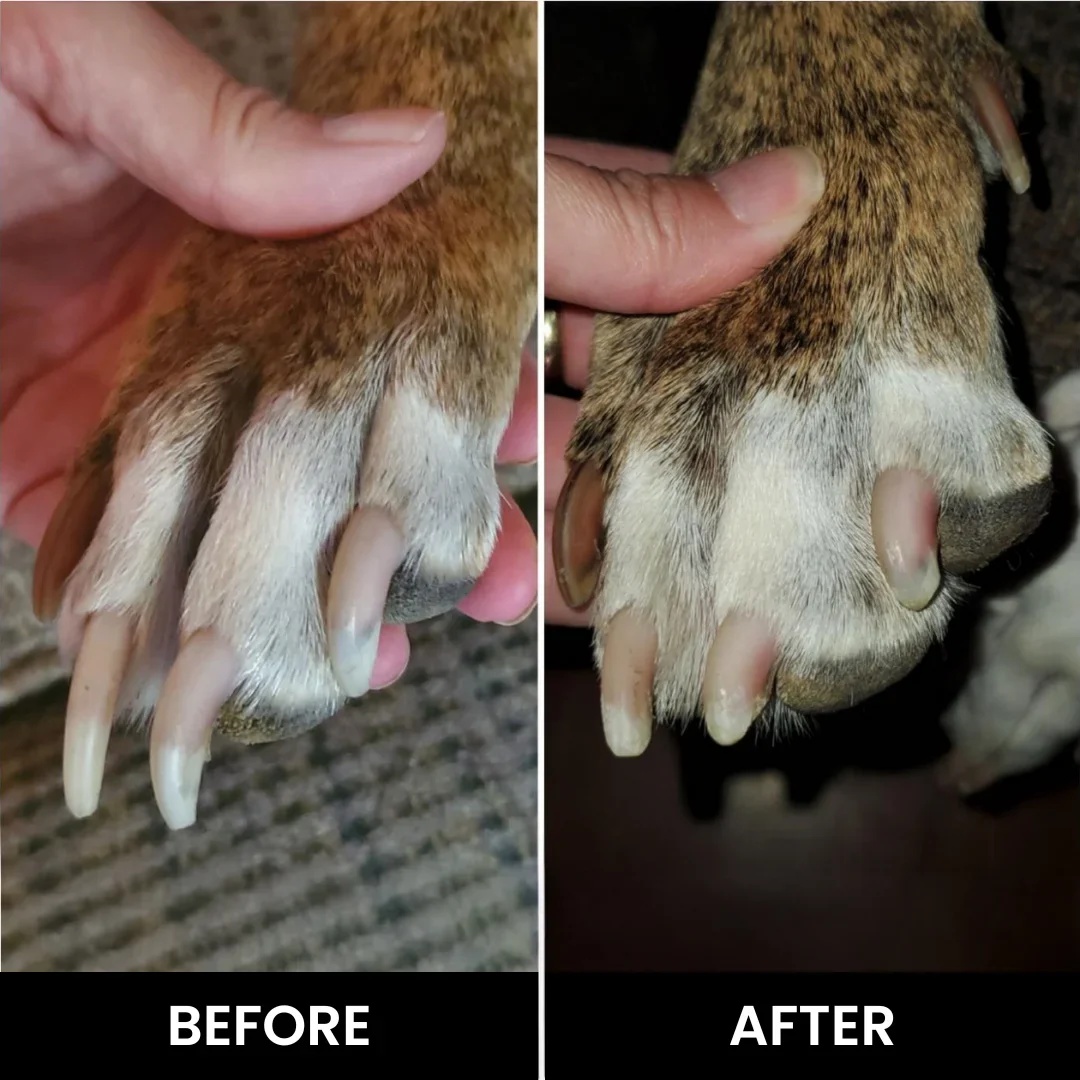
If you compare normal canine claws with infected dog nails pictures, the diagnostic contrast is immediately obvious.
Healthy claws have smooth surfaces, tight skin borders, and absolutely no musty odor or weeping discharge.
Infected paws look perpetually damp, with swollen cuticle margins that look like angry red donuts surrounding the nail base.
The hair between the toes will often cling together in greasy clumps due to the oily sebum produced by inflamed skin glands.
The dog may also display sensitivity when you touch the affected claw, indicating localized throbbing pain and irritation.
The Anatomy of a Canine Nail Bed and Why Yeast Thrives There
The canine nail bed, or claw fold, is a warm, deeply recessed anatomical pocket that naturally harbors small populations of microscopic fungi.
The primary culprit behind these localized paw issues is Malassezia pachydermatis, a normal resident yeast on canine skin.
Under normal circumstances, a healthy dog’s immune system keeps this fungal population tightly controlled.
However, when environmental moisture becomes trapped in the toes, it creates the ultimate microclimate for rapid fungal division.
This is especially true for dogs that frequently run through wet morning grass or swim in local ponds.
If their paws are not dried thoroughly with a clean towel, moisture collects right inside the tight cuticle folds.
Systemic factors like seasonal pollen allergies, food sensitivities, and high stress levels can also compromise the skin barrier.
Once the skin barrier weakens, the resident yeast feast on excess skin oils and multiply out of control.
This unchecked growth leads to intense localized itching, prompting the dog to chew their toes frantically.
The friction of chewing introduces more moisture and oral bacteria, making the area increasingly raw and vulnerable to deep infection.
Furthermore, if your dog’s claws are too long, they will experience abnormal joint pressure every time they walk across hard floors.
This ongoing structural stress forces the toes to splay apart, stretching the nail bed and creating microscopic tears in the protective skin barrier.
You may even notice your dog’s overgrown dog nails tearing up carpet fibers as they try to find a comfortable footing.
Keeping claws short and smooth is a vital mechanical step to prevent these micro-tears from forming in the first place.
How to Keep Dog Nails Short and Dry: Step-by-Step Grooming Guide
To safely maintain infected or highly sensitive paws, you must follow a methodical and highly sanitary grooming protocol.
Always begin by washing your hands and thoroughly sanitizing your grinding tool with an isopropyl alcohol wipe.
If you are using the Zenpaw Maxpro, select the appropriate port collar that matches your dog’s specific nail size.
Introduce the tool to your dog using a positive desensitization method over several consecutive days.
Let them sniff the unpowered grinder while offering high-value rewards like dehydrated beef liver or peanut butter.
Next, turn the grinder on at its lowest speed setting, holding it a few feet away so they adjust to the gentle hum.
Because the Zenpaw Maxpro operates under forty decibels, most dogs accept the sound almost immediately without panic.
Once your dog remains calm, gently hold one paw, separating the toes to expose the target nail clearly.
Hold the grinder at a precise forty-five-degree angle relative to the natural growth line of the claw.
Apply the diamond grinding wheel using extremely light, brief touches lasting no more than two seconds per nail.
This pulsing technique prevents friction heat from building up and causing discomfort to the sensitive nerve endings inside.
Work slowly, rounding off the sharp bottom edges and outer walls to leave a perfectly smooth finish.
If you are dealing with dark or black claws, look closely at the center of the grind area after each touch.
When you see a small, dark grey or black dot appear in the middle of the white powdery circle, stop immediately.
That dark center point is the outer boundary of the quick, which contains the live blood vessels and nerves.
By using a gradual sanding process, you completely avoid the risk of exposing the quick or causing a painful accident where a dog nail bone exposed can occur.
After you finish grinding all claws, wipe the paws down with an organic, veterinarian-approved anti-fungal paw wipe.
Make sure the spaces between the toe pads are entirely dry before letting your dog return to their favorite resting spot.
Grooming Mistakes That Elevate Your Dog’s Risk of Paw Infections
Many dedicated pet parents inadvertently make critical mistakes that compromise their dog’s long-term paw health.
The most common mistake is using dull, outdated plier-style clippers that crush rather than cleanly slice the claw.
This intense crushing force creates hairline cracks along the bottom and sides of the hard nail shell.
These thin cracks act like tiny drinking straws, drawing in dirty puddle water, skin oils, and active fungal spores.
Once inside these microscopic crevices, the organisms are protected from topical washes and grow without interruption.
Another major pitfall is rushing through the nail trimming session because the dog is struggling and crying.
When pet parents feel rushed, they are far more likely to make a mistake and accidentally cut into the living tissue.
This painful event instantly destroys the dog’s trust, making them twice as difficult to groom during the next session.
Using a slow, methodical approach with a quiet tool like the Zenpaw Maxpro avoids this cycle of fear and resistance entirely.
Additionally, never ignore a damp paw; if your dog licks their feet after walks, you must identify the underlying trigger immediately.
Allowing paws to remain chronically wet from saliva or outdoor moisture is the single fastest way to invite a stubborn fungal flareup.
Frequently Asked Questions About Paw and Nail Care
Conclusion: Your Path to Healthy, Yeast-Free Canine Paws
Consistently dry, short, and smoothly filed claws are your first line of defense against stubborn fungal paw issues.
Ready to transform nail trimming from a battle into a breeze?
Explore the Zenpaw Maxpro 3-in-1 Grinder.
Call: 302-307-1000 — our team can help you advise on the best grooming practices and help with any product questions.