
Years ago, I remember the absolute panic I felt when I discovered my rescue dog’s dew claw curled into leg tissue, leaving us both stressed and terrified of traditional clippers. I knew I had to find a safe way to resolve this without causing agonizing pain or bleeding. That is when our team developed a whisper-quiet solution to make grooming sessions peaceful and painless again.
Maxpro 3-in-1 Grinder.
Stress-Free Nail Trimming.
Whisper-quiet DC motor (<40 dB) eliminates fear & discomfort. Features 3 ports, dual speeds, and 7-hour battery life. Safe, precise, and painless.
In This Article
- ✓ Understanding Canine Dew Claw Anatomy and the Risks of Overgrowth
- ✓ The Pathophysiology of a Curled Dew Claw Piercing the Pad
- ✓ Step-by-Step Grooming Guide: How to Safely Cut Curled Dog Nails
- ✓ Avoiding Common Pitfalls in Curled Dew Claw Treatment
How to Safe Cut a Dew Claw Curled Into the Leg Pad: A Groomer’s Guide
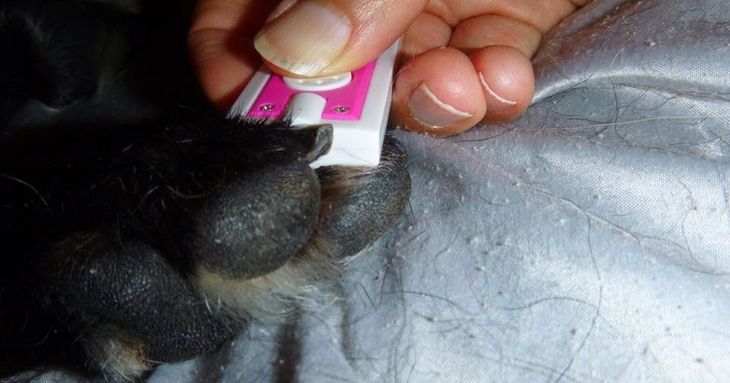
When a dog’s inner nail curves backward into a tight circle, pet parents face the daunting task of resolving a dew claw curled into leg tissue safely.
This mechanical overgrowth happens because these specific digits do not contact hard ground during daily exercise to wear down naturally.
Active dogs, seniors, and long-haired breeds are highly susceptible to this painful deformity.
You must address this issue the moment you observe the nail tip grazing the surface of the skin to prevent puncture wounds.
Managing this at home in a quiet, low-stress environment keeps your dog calm and reduces veterinarian visitation costs.
By understanding the anatomical boundaries of the live tissue, you can safely trim the nail back using specialized tools.
Regular weekly maintenance is the absolute best way to ensure your dog never experiences the pain of an embedded claw.
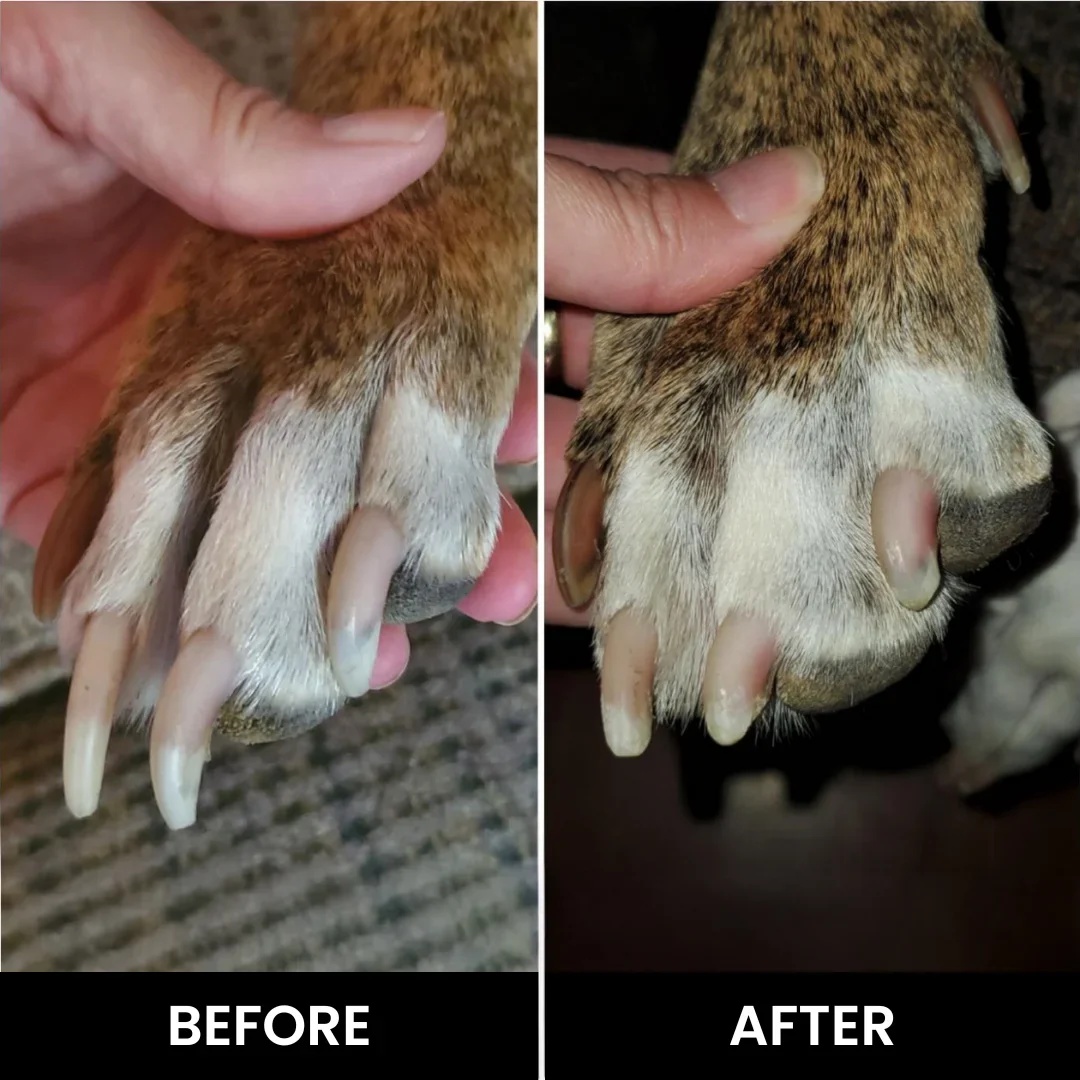
To quickly resolve a curved nail before it breaks the skin, you must first clear the workspace of excess hair.
Carefully slide a thin protective barrier like a plastic card or spoon between the curled nail and the sensitive leg pad.
This safeguard prevents any accidental contact between your grooming tool and the dog’s vulnerable skin.
Shave down the outer hook of the nail using a quiet rotary tool in small, two-second intervals.
Never use force or attempt to squeeze the nail because this will crush the sensitive nerves inside.
Work slowly in thin layers until the tip of the nail releases its pressure on the pad.
Once the pressure is gone, file the remaining edges smooth to prevent them from catching on fabrics.
If you want to handle this safely at home, the Zenpaw Maxpro Grinder provides painless, quiet filing — explore it here.
99-Day 100% Money-Back Guarantee
“Ever since we started using the Zenpaw Maxpro Grinder, it’s been such a peaceful experience. It’s very quiet, and my dog actually relaxes. It’s turned our stressful sessions into quick, quiet grooming times.”
— Sarah M. | ✔ Verified Customer
- ✓ Prevents Infection & Splitting
- ✓ Ideal for All Dog Sizes
- ✓ Low-Vibration Technology
- ✓ Fast 2-7 Days Delivery
Need Support? Call 302-307-1000
Understanding Canine Dew Claw Anatomy and the Risks of Overgrowth
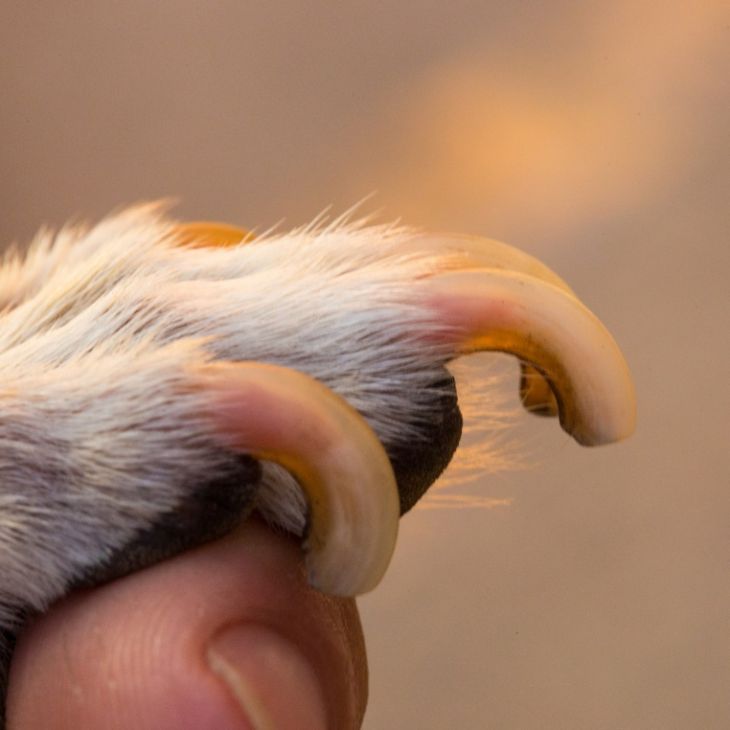
Canine dew claws are vestigial thumbs located higher up on the inside of a dog’s front and sometimes hind legs.
Unlike the primary weight-bearing nails on the paws, dew claws do not make contact with pavement or dirt during walks.
Because they lack natural wear from environmental friction, these nails grow continuously in a tight circular spiral.
This continuous growth pattern eventually forces the sharp tip of the claw to point directly back toward the soft skin of the leg.
Inside every canine nail lies the quick, which is a highly sensitive bundle of blood vessels and nerves.
As the outer keratin shell grows longer, the internal quick also extends further down the center of the claw.
This anatomical reality means that neglecting a dog’s claws makes it far more difficult to trim them back safely in the future.
Understanding when to start trimming dog nails is critical for every pet owner to prevent this structural overgrowth from establishing itself.
Introducing gentle desensitization during puppyhood ensures the quick remains short and manageable throughout the dog’s life.
When you allow the nail to grow unchecked, the quick elongates, making future trimming a highly delicate and stressful process.
Professional groomers must work slowly to encourage the quick to recede over several successive grooming sessions.
By utilizing a high-quality rotary tool instead of heavy shears, you can safely shave the nail back closer to the blood vessel.
This specialized technique relies on light friction to gently stimulate the quick to draw back without causing bleeding.
Our team at Zenpaw emphasizes that understanding this anatomical structure is the first step toward stress-free paw maintenance.
The Pathophysiology of a Curled Dew Claw Piercing the Pad
When an overgrown dew claw curled into leg pad skin goes unnoticed, it poses a severe threat to your dog’s physical health.
The sharp tip of the nail exerts constant, microscopic pressure against the delicate skin of the inner leg.
Over time, this mechanical pressure breaches the skin barrier, creating a painful, deep puncture wound.
This open wound becomes a breeding ground for opportunistic pathogens, leading to painful localized swelling.
Dogs will frequently lick or chew at the affected area to soothe the throbbing pain.
This constant licking introduces excess moisture and oral bacteria into the open wound.
The resulting infection often produces a highly unpleasant dog nail yeast infection smell that signals a serious medical issue.
If left unmanaged, the bacterial colonization can spread deeper into the joint capsule or cause systemic blood infections.
The pain also forces your dog to alter their natural gait, leading to muscle strain and joint misalignment.
This compensation behavior can accelerate arthritis in senior dogs and cause chronic skeletal issues.
Preventing the nail from puncturing the skin is therefore a matter of basic hygiene and veterinary safety.
Regular examinations of the inner front legs are paramount, especially for double-coated breeds with thick feathering.
These long coats easily hide a severely curled nail until the dog begins limping or showing signs of intense pain.
Identifying the problem early allows you to resolve the curl safely at home before medical intervention is required.
Why Traditional Clippers Fail on Tightly Curled Nails
Many pet parents instinctively reach for standard guillotine or scissor-style clippers when they notice a curved nail.
However, using traditional metal clippers on a tightly curled nail is highly risky and often counterproductive.
Traditional clippers work by applying bilateral crushing force to cut through the hard keratin shell.
This intense pressure frequently causes the dry, brittle nail to crack, splinter, or shatter violently.
Furthermore, a tightly curled claw leaves virtually no physical clearance between the nail and the skin pad.
Attempting to slide a thick metal blade into this narrow gap can easily pinch or lacerate the swollen leg pad.
If you accidentally clip the live quick, the ensuing hemorrhage can be difficult to manage and highly distressing.
You must keep a reliable coagulant like styptic powder or black pepper for dog nail bleeding close at hand during these sessions.
Traditional clippers also create a loud, metallic snapping sound that triggers instant fear and flight responses.
This traumatic experience reinforces the dog’s negative association with paw handling, making future sessions even harder.
A quiet, vibrating rotary tool represents a far safer and more humane curled dew claw treatment for home grooming.
Rather than crushing the nail structure, a grinder gently files away the dead keratin layer by layer.
This micro-shaving technique gives you complete control over the depth of the cut, ensuring the quick remains untouched.
The absence of crushing pressure means your dog experiences zero pain, even when working near sensitive areas.
Step-by-Step Grooming Guide: How to Safely Cut Curled Dog Nails

Before you attempt to groom a curled nail, you must prepare a quiet, distraction-free environment.
Gather all your supplies, including your quiet rotary tool, organic treats, and a sterile clotting powder.
If your dog is highly anxious about paw handling, you must practice systematic desensitization beforehand.
Allow your pet to investigate the tool while it is completely powered off, rewarding them with premium treats.
Next, turn on the device at its lowest speed to let them acclimate to the soft hum.
Gently press the vibrating body of the tool against their shoulder or leg to show them the vibration is harmless.
This gradual process builds confidence and prevents the sudden panic that leads to grooming accidents.
Once your dog is relaxed, secure a comfortable position where you have clear physical access to the inner leg.
Gently retract the surrounding fur and position a thin protective barrier under the curved nail tip.
Hold the rotary tool firmly and apply the grinding wheel to the outermost curve of the nail.
Work in brief, controlled bursts of two to three seconds to prevent friction-induced heat buildup.
Maintain a steady forty-five-degree angle to shave the claw away from the direction of the leg pad.
Observe the center of the ground nail closely for the appearance of a small, pale dot.
This physical marker indicates that you are approaching the outer boundary of the living quick.
Stop grinding immediately once you see this marker to ensure the blood vessel remains perfectly intact.
If your dog refuses to tolerate a rotary grinder, some owners experiment with a dog nail scratching board for their primary nails.
However, scratching boards are ineffective for dew claws because these digits never touch the abrasive board surface.
This limitation makes manual grooming with a quiet, specialized grinder an absolute necessity for inner claws.
Avoiding Common Pitfalls in Curled Dew Claw Treatment
The single most common mistake pet parents make is rushing the grooming process out of sheer frustration.
Attempting to trim a severely overgrown nail in a single session often leads to painful accidents.
If the claw is curled tightly, your primary goal should be relieving the physical pressure against the pad.
Aim to shave off just enough of the outer curve to create a safe gap between the nail and the skin.
Once this immediate pressure is relieved, allow the dog to rest and recover for several days.
This recovery period gives the elongated quick time to naturally recede back up the nail shaft.
You can then perform another light grooming session a week later to reduce the length further.
This progressive approach is the safest way to restore healthy paw structure without causing pain.
Another critical mistake is failing to inspect the leg pad for hidden injuries or deep infections.
Always clean the surrounding skin with a mild, pet-safe antiseptic once the nail tip has been cleared.
If you observe deep puncture wounds, discharge, or extreme tenderness, consult a veterinarian immediately.
Some owners try to cover up unsightly or damaged claws using dog nail polish pens without addressing the underlying structural health.
Hygienic structural integrity must always take absolute priority over cosmetic enhancements.
The Zenpaw Maxpro Grinder is specifically designed to support this gradual, health-first grooming philosophy.
Its low-vibration motor operates below forty decibels, preventing the sensory overload that triggers panic.
By using this advanced tool, you can transform a once-terrifying task into a calm, therapeutic routine.
Frequently Asked Questions About Managing Curled Dog Nails
We have compiled the most common questions from our global community of pet parents to help you groom with confidence.
Is the Zenpaw Grinder safe for large dogs with thick nails?
Yes, the Zenpaw Maxpro is engineered with a powerful high-torque motor designed to handle all breed sizes.
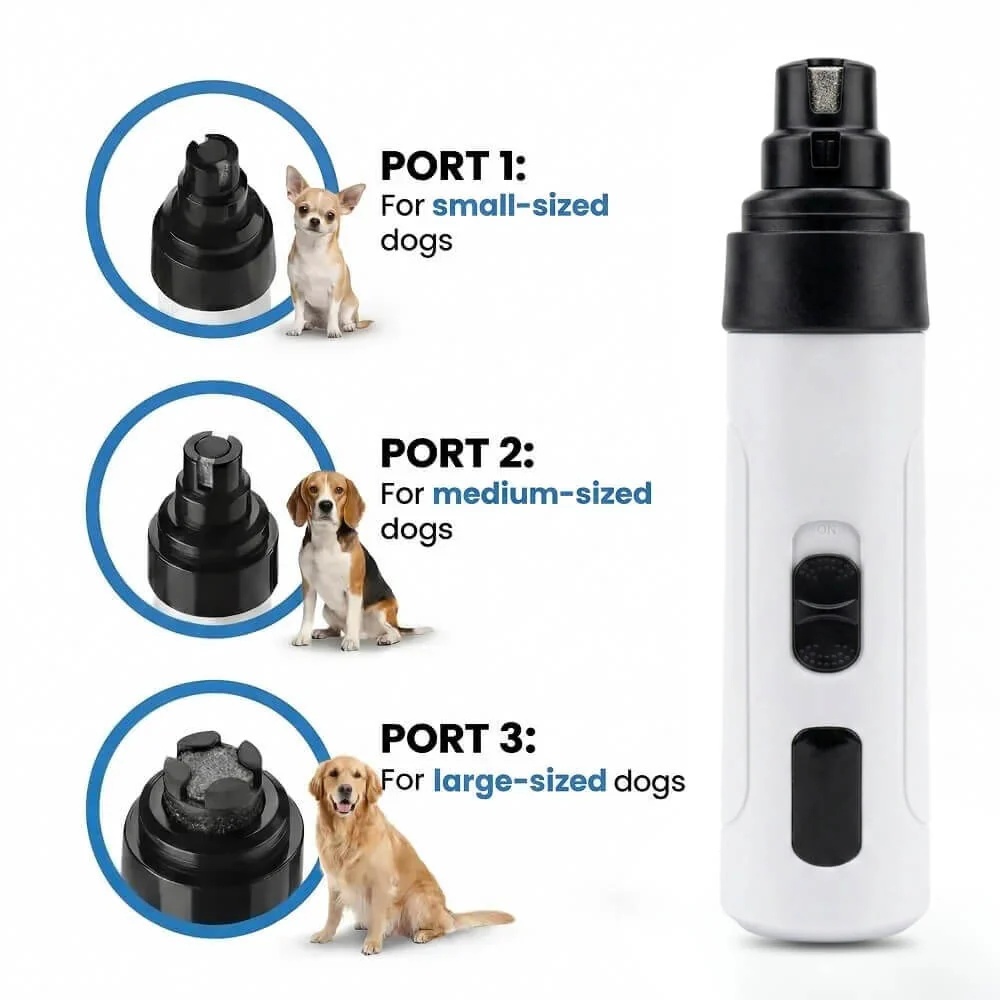
It features three distinct ports tailored to fit small, medium, and heavy-duty canine nails.
The largest port easily accommodates the thick, stubborn dew claws found on giant breeds like Mastiffs.
You can adjust the dual-speed settings to apply the perfect level of grinding power without stalling.
How long does the battery last on a single charge?
Our advanced lithium-ion battery provides up to seven hours of continuous operating time on a single charge.
This long-lasting capacity allows you to complete multiple, stress-free grooming sessions without interruption.
The device is fully rechargeable using a standard USB cable, making it highly convenient for home or travel.
A clear power indicator ensures you are never caught off guard by a low battery mid-session.
Which speed setting is best for sensitive dew claws?
We recommend beginning your session on the low-speed setting to ensure maximum precision and control.
The lower speed reduces vibration and heat, making it ideal for working near the sensitive leg pad.
Once you have cleared a safe gap and your dog is relaxed, you can transition to the high-speed setting.
The higher speed is highly effective for rapidly shaping the hard outer shell of thick, overgrown nails.
Does the grinding tip get hot during use?
Our proprietary brass collet and grinding wheel utilize advanced low-heat technology to minimize thermal buildup.
Unlike cheap plastic grinders that overheat rapidly, our high-quality materials distribute heat evenly.
However, you should still practice the standard technique of working in brief, three-second intervals.
This practice prevents localized heat accumulation and ensures your dog remains perfectly comfortable.
Conclusion
Trimming a dew claw curled into leg tissue requires patience, precision, and a calm, quiet approach.
By understanding your dog’s nail anatomy and utilizing gradual grinding techniques, you can safely eliminate pain and prevent severe infections at home.
Ready to transform nail trimming from a battle into a breeze?
Explore the Zenpaw Maxpro 3-in-1 Grinder.
Call: 302-307-1000 — our team can help you advise on the best grooming practices and help with any product questions.
Note: Individual results may vary depending on individual dog breeds, nail thickness, and behavioral temperaments. This article is intended for general pet grooming reference purposes only and does not replace professional veterinary advice.