
I used to dread grooming my dog because he would immediately run off and frantically claw at the carpet, leaving me stressed and confused. If you are wondering why does my dog dig after getting his nails trimmed, you are not alone in this frustrating cycle. Over the years, our team at Zenpaw discovered that this frantic digging is actually a natural sensory response to stress, vibration, and raw nail edges.
Maxpro 3-in-1 Grinder.
Stress-Free Nail Trimming.
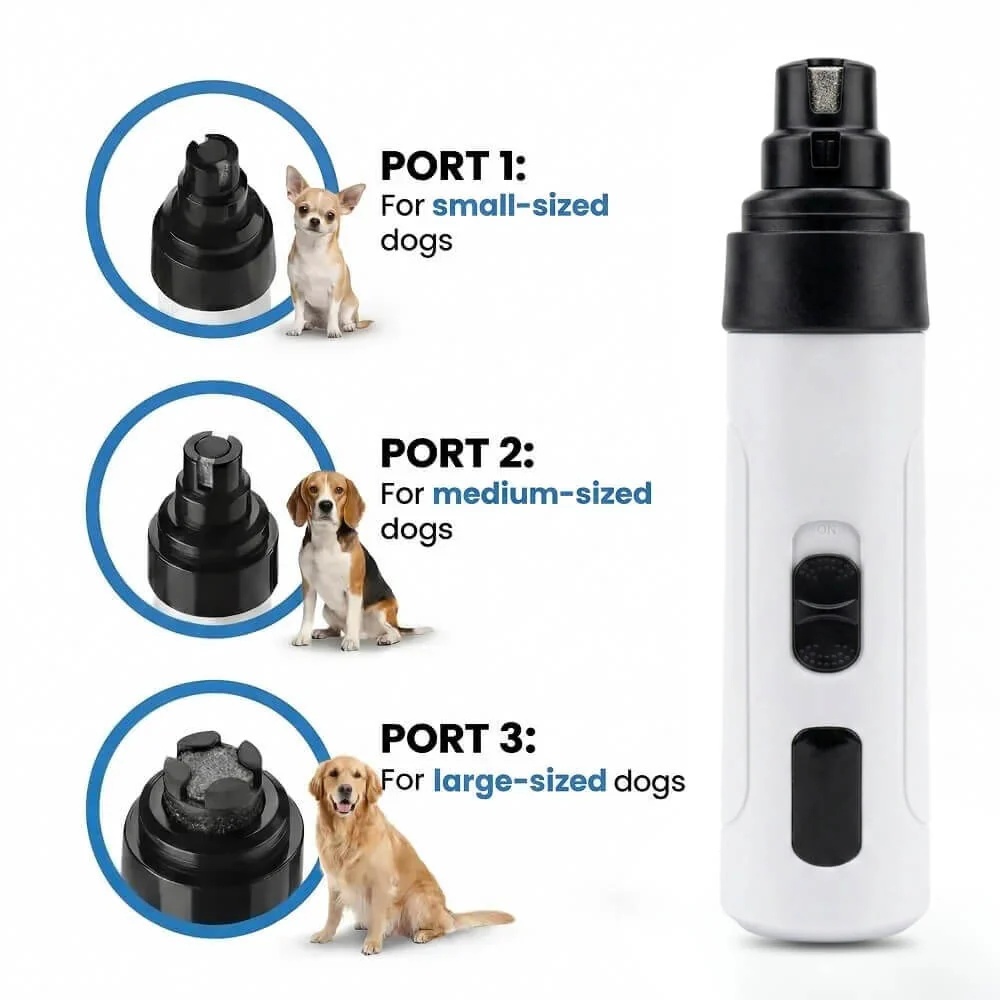
Whisper-quiet DC motor (<40 dB) eliminates fear & discomfort. Features 3 ports, dual speeds, and 7-hour battery life. Safe, precise, and painless.
In This Article
- Understanding the Core Triggers: Why dogs frantically scratch carpets, beds, and dirt directly after a claw trimming session.
- Anatomy of a Cut: The sensory impact of traditional clippers on your dog’s highly sensitive quick and nail bed structures.
- Behavioral Displacement: How post-grooming digging acts as a biological valve to discharge accumulated stress hormones.
- Professional Solutions: Step-by-step guidance on transitioning to a whisper-quiet grinder to protect your dog’s paws and peace of mind.
Why Does My Dog Dig After Getting His Nails Trimmed? The Real Science Explained
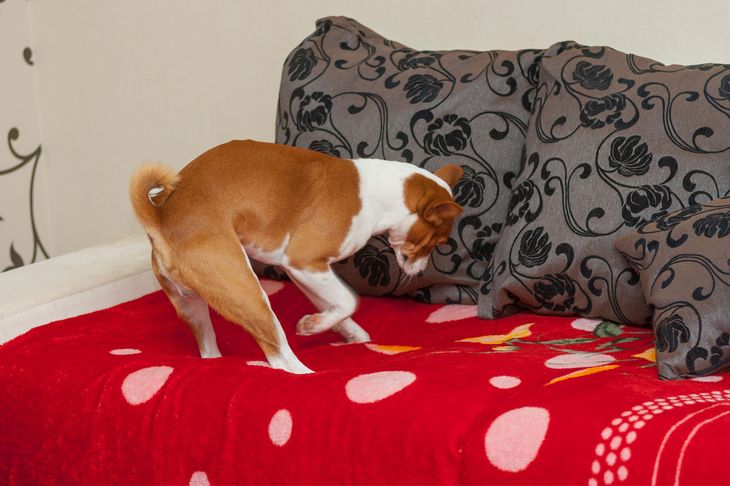
Dogs instinctively dig on carpets, furniture, and grass immediately after a nail trim because their newly altered claws feel incredibly foreign against the ground.
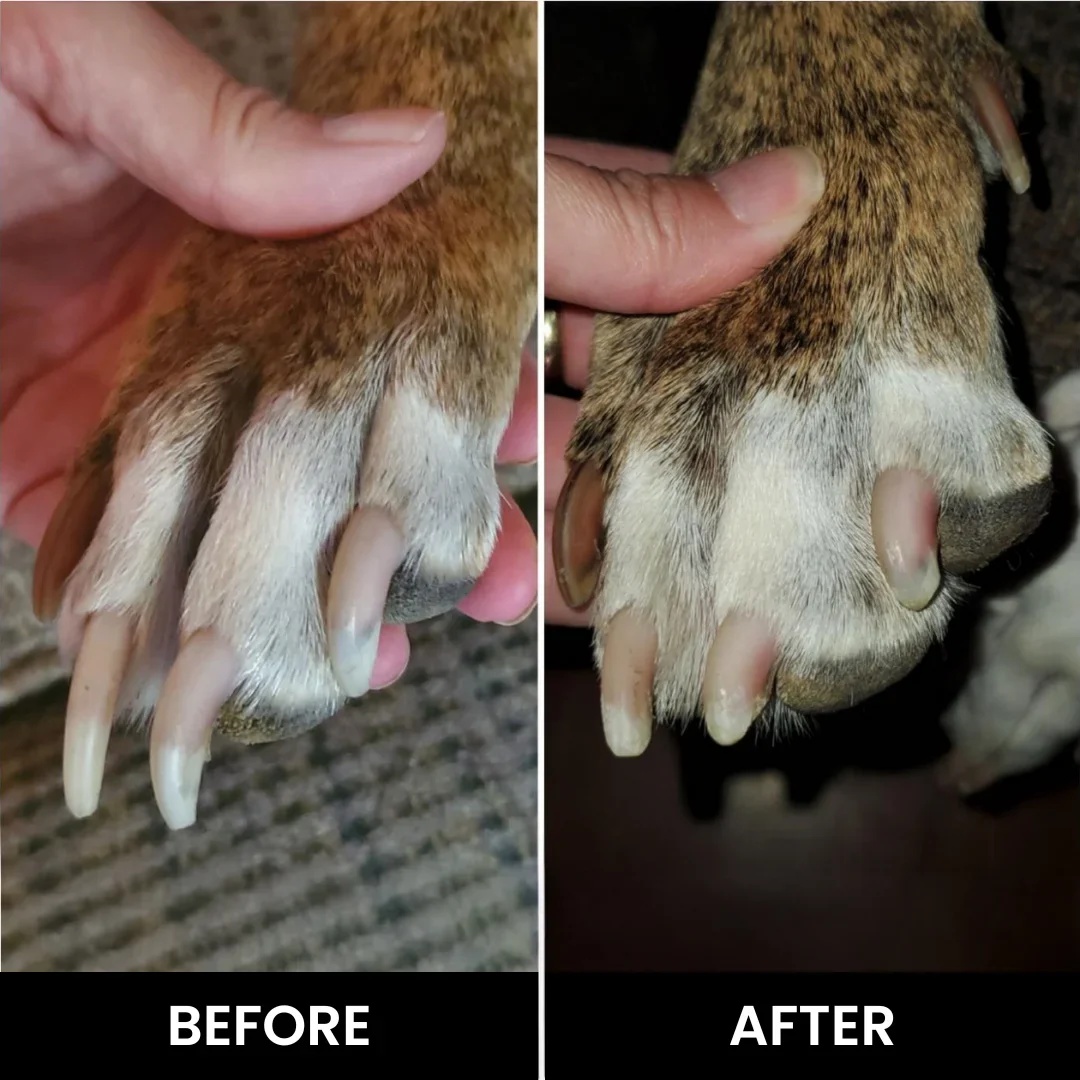
This dramatic behavior is usually triggered by rough, jagged nail edges left behind by standard cutting tools, which catch on micro-fibers and produce uncomfortable pressure.
During a typical grooming session, both calm and highly sensitive dogs experience a profound spike in adrenaline and physical restraint stress.
Once freed from the grooming post, dogs naturally seek a physical outlet to burn off this pent-up nervous energy and restore emotional balance.
Additionally, cutting the nail changes the physical angle at which your pup’s paw pads meet the floor, temporarily altering their spatial awareness.
To fix this frustrating issue, you must transition to a grooming method that yields perfectly smooth, rounded edges without triggering sensory distress.
Using a high-performance, ultra-quiet pet grinder allows you to gently shape the claw while avoiding the crushing pain of manual clippers.
If you want to handle this safely at home, the Zenpaw Maxpro Grinder provides painless, quiet filing — explore it here.
99-Day 100% Money-Back Guarantee
“Ever since we started using the Zenpaw Maxpro Grinder, it’s been such a peaceful experience. It’s very quiet, and my dog actually relaxes. It’s turned our stressful sessions into quick, quiet grooming times.”
— Sarah M. | ✔ Verified Customer
- ✓ Prevents Infection & Splitting
- ✓ Ideal for All Dog Sizes
- ✓ Low-Vibration Technology
- ✓ Fast 2-7 Days Delivery
Need Support? Call 302-307-1000
Understanding Canine Nail Anatomy: The Hidden Cause of Post-Trim Frustration
To truly understand your pet’s behavior, we must first look at the unique physical structure of canine nails.
Unlike human nails, which are flat and lack internal nerves, a dog’s claw is a complex, circular, living extension of the toe bone.
Inside every claw lies the quick, a highly sensitive tissue packed with delicate blood vessels and intricate nerve endings.
When you use traditional scissor-style clippers, they apply heavy lateral force that squeezes the entire claw structure before cutting.
This violent compression can create micro-fractures along the hard outer keratin shell of the nail.
These microscopic cracks send painful shockwaves deep into the sensitive inner quick, leaving behind a dull, throbbing ache.
Even if you managed to avoid cutting the quick, your dog still feels a lingering, uncomfortable sensation inside their toe beds.
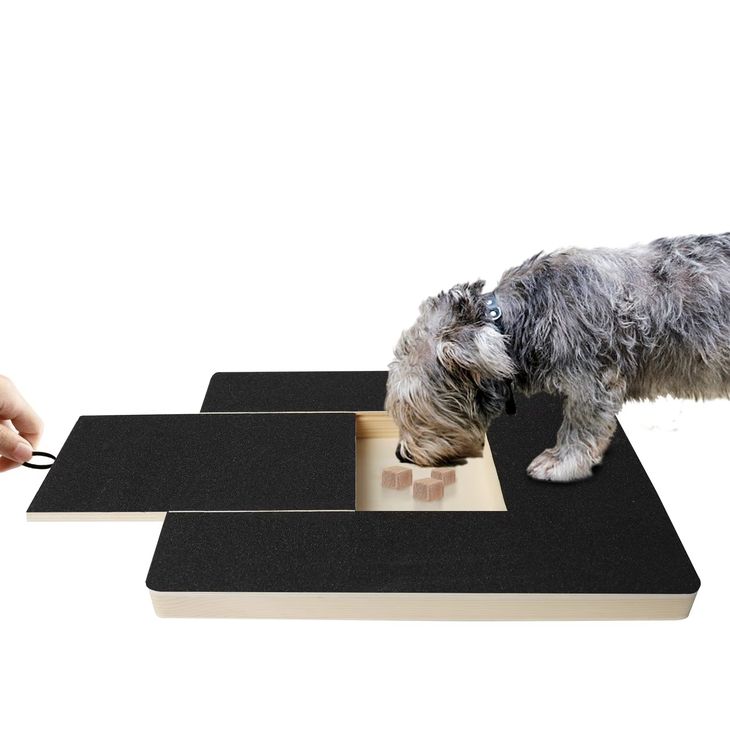
By frantically digging on carpets, your pup is trying to find a rough surface to manually file down these painful, broken edges.
This desperate self-filing attempt is one of the most common reasons why dogs scratch surfaces after nail cuts.
You might also notice why do dogs feet smell after nail trim procedures so distinctly.
This unusual scent is typically caused by a sudden release of pheromones from sweat glands in their paw pads due to stress.
When a dog gets highly anxious during a trim, these glands working overtime can make their paws smell slightly yeasty or musty.
Using a gentle, high-precision diamond bit grinder completely avoids this localized pressure, ensuring the nail shell remains structurally sound.
The Behavioral Science of Canine Post-Grooming Scratching Behavior
Beyond physical discomfort, post-grooming digging is heavily driven by your dog’s psychological state and hormonal balance.
During any standard nail trimming session, most dogs experience a noticeable rise in baseline anxiety levels.
The sudden loss of control, the tight physical restraint, and the loud noise of traditional tools triggers their fight-or-flight response.
This primal state fills their bloodstream with stress hormones, including cortisol and adrenaline.
Once you release your dog from the grooming session, their body must quickly find a way to metabolize and release this intense energy surge.
In animal behavior science, this rapid discharge of built-up tension is referred to as a displacement activity.
Digging, running in circles, and rolling on the floor are highly effective physical outlets for discharging this acute psychological stress.
Furthermore, the physical act of digging triggers the release of natural endorphins within your dog’s brain.
These soothing chemicals help calm their highly overstimulated nervous system, helping them feel safe again.
If your beloved dog yelps when cutting nails, this negative association can dramatically amplify their post-grooming stress levels.
A single painful pinch from a traditional clipper can cause your dog to perceive the entire grooming space as highly dangerous.
By switching to a whisper-quiet, low-vibration grinder, you can prevent this massive adrenaline spike from occurring in the first place.
The quiet hum of a professional-grade motor helps your dog stay below their anxiety threshold throughout the entire process.
Structural Paw Health: Identifying Underlying Pain and Discomfort
It is crucial for pet parents to separate normal post-grooming energy release from serious underlying paw pathology.
In some cases, persistent digging or obsessive paw licking can point to a painful medical issue that has been exacerbated by the trim.
For example, a localized paronychia dog nail infection can cause intense, throbbing pain whenever the nail is touched or trimmed.
This bacterial or fungal infection of the surrounding skin folds makes any physical manipulation incredibly distressing for your pet.
In other cases, severe brittle nails and structural degeneration might be linked to a condition like lupoid onychodystrophy in dogs.
This autoimmune disease causes the outer nail sheaths to lift, split, and painfully shed from the quick.
If your dog continues to dig, lick their paws, or limp for hours after a trim, you should consult a licensed veterinarian.
Some pet parents wonder is walking on cement enough to trim dog’s nails naturally without using manual tools.
While walking on hard concrete can help file down the very tips of the claws, it is rarely enough to keep them at a healthy length.
Relying solely on rough pavement can cause uneven claw wear, painful cracking, and structural joint imbalance over time.
A professional, controlled filing routine remains the absolute safest way to protect your dog’s long-term musculoskeletal health.
Practical Application Guide: Restoring Peace to Your Grooming Routine
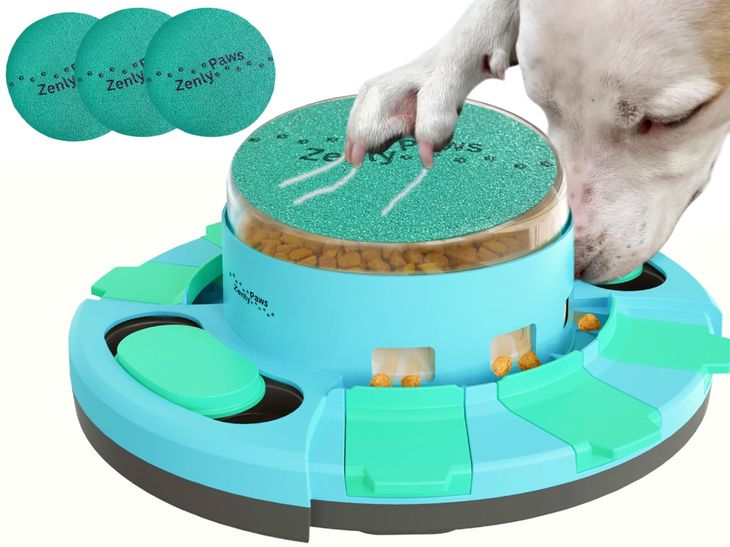
To eliminate post-trim digging for good, you must gradually rewrite your dog’s emotional response to nail grooming.
This transformation begins with a gentle, systematic desensitization process using a whisper-quiet tool.
Start by placing the Zenpaw Maxpro Grinder on the living room floor while it is turned completely off.
Allow your curious pup to sniff the device, immediately rewarding them with high-value treats to build a positive association.
Next, turn the grinder on its lowest speed while keeping it at a safe distance from your pet.
The quiet, low-vibration DC motor of our grinder emits a sound under 40 decibels, which is designed not to startle sensitive canine ears.
Once your dog remains completely relaxed around the sound, gently touch the plastic handle of the vibrating grinder to their leg.
This simple step helps them get accustomed to the physical sensation of mild vibration without any pressure or fear.
When you are ready to file their claws, make sure to hold their paw securely but gently, separating the individual toes.
Always hold the grinding tip at a precise 45-degree angle relative to the natural growth slope of the nail.
Apply very light, pulsing pressure for no more than two to three seconds per claw to avoid friction heat buildup.
Filing at this 45-degree angle naturally mimics the wear pattern of a dog’s claw against natural ground surfaces.
This specific technique rounds the edges perfectly, leaving behind a smooth finish that won’t snag on carpets or rugs.
By removing the sharp, jagged points, you completely remove the physical trigger that drives post-trim digging behavior.
Always conclude every session with a fun game or their favorite treat to reinforce that grooming is a positive experience.
Overcoming Risks: The Hidden Dangers of Traditional Clippers
Many pet parents fall into the trap of using cheap, dull clippers to get the grooming process over with as quickly as possible.
This rushed approach is highly dangerous and frequently leads to cutting directly into the vascular quick.
Dull blades do not cut cleanly; instead, they crush the hard keratin layers, causing the claw to splinter and fray.
These frayed fibers split further as your dog walks, exposing the sensitive underlying nerves to cold air and dirty floors.
This constant, irritating physical contact is what forces your dog to dig frantically to smooth out the painful damage.
Over time, these micro-injuries can lead to chronic paw sensitivity, joint misalignment, and a deep-seated fear of grooming.
Our Zenpaw Maxpro Grinder eliminates these structural risks by utilizing an advanced diamond drum bit.
This specialized grinding tip gently files the nail down millimeter by millimeter, giving you absolute control over the entire process.
You can clearly see the boundary of the quick, making it virtually impossible to cause painful bleeding or structural splitting.
This stress-free, painless method protects your dog’s physical structure while building deep, lasting trust between you and your pet.
Frequently Asked Questions About Post-Trim Digging and Grooming
Why does my dog dig at the carpet specifically after a nail trim?
Your dog digs because their freshly trimmed nails have sharp, jagged edges that feel highly unusual and irritating against their skin and floors.
This frantic scratching is a natural physical instinct to manually file down the rough edges until they feel comfortable again.
It can also be a healthy outlet for releasing the intense adrenaline and stress that built up during the grooming session.
Is the Zenpaw Maxpro Grinder powerful enough for large dog breeds with thick nails?
Yes, our advanced grinder is specifically engineered with three specialized ports to accommodate dogs of all sizes and nail thicknesses.
The small and medium ports are perfect for detailed work on smaller pups, while the fully open port easily handles heavy-duty filing for large breeds.
The high-torque motor provides consistent, powerful rotation without stalling, even when working on the thickest claws.
How long does the battery on the Zenpaw Grinder last on a single charge?
The Zenpaw Maxpro is equipped with a premium, long-lasting battery that offers up to 7 hours of continuous operation on a single charge.
This extended battery life means you can complete multiple stress-free grooming sessions without worrying about the device dying mid-trim.
The convenient USB rechargeable design allows you to easily plug it into any standard laptop, car charger, or wall adapter.
Which grinding speed should I use for an anxious dog?
We recommend starting on the lowest speed setting to help an anxious dog get accustomed to the sound and physical sensation of grinding.
The low speed produces the quietest sound and minimal vibration, keeping your dog’s nervous system completely relaxed.
Once your pup feels safe and comfortable, you can switch to the high-speed setting for faster and more efficient trimming.
Does the grinding wheel get hot and burn my dog’s sensitive paws?
No, the Zenpaw Maxpro features state-of-the-art low-heat technology to prevent heat transfer during grooming.
To ensure absolute safety, you should always use light, pulsing touches of no more than three seconds per nail.
This simple technique prevents friction heat from building up and guarantees a painless experience for your beloved pet.
Conclusion: Your Path to Stress-Free Paw Care
Understanding why your pup scratches is the first step to a happier pet.
By smoothing rough edges and reducing anxiety, you can end this behavior forever.
Ready to make nail trimming a breeze?
Explore the Zenpaw Maxpro 3-in-1 Grinder.
Call 302-307-1000 — our team is here to help with grooming tips or product questions.
Note: Individual results may vary depending on individual dog breeds, nail thickness, and behavioral temperaments. This article is intended for general pet grooming reference purposes only and does not replace professional veterinary advice.