As a professional groomer, I used to wonder why do dogs feet smell after nail trim sessions, especially when my sweet golden retriever curled up next to me with paws that smelled like stale corn chips right after being clipped. I realized that traditional clipping methods often expose damp, trapped debris and stress the nail bed, which is why we created a peaceful, quiet, and painless way to maintain those paws.
Maxpro 3-in-1 Grinder.
Stress-Free Nail Trimming.
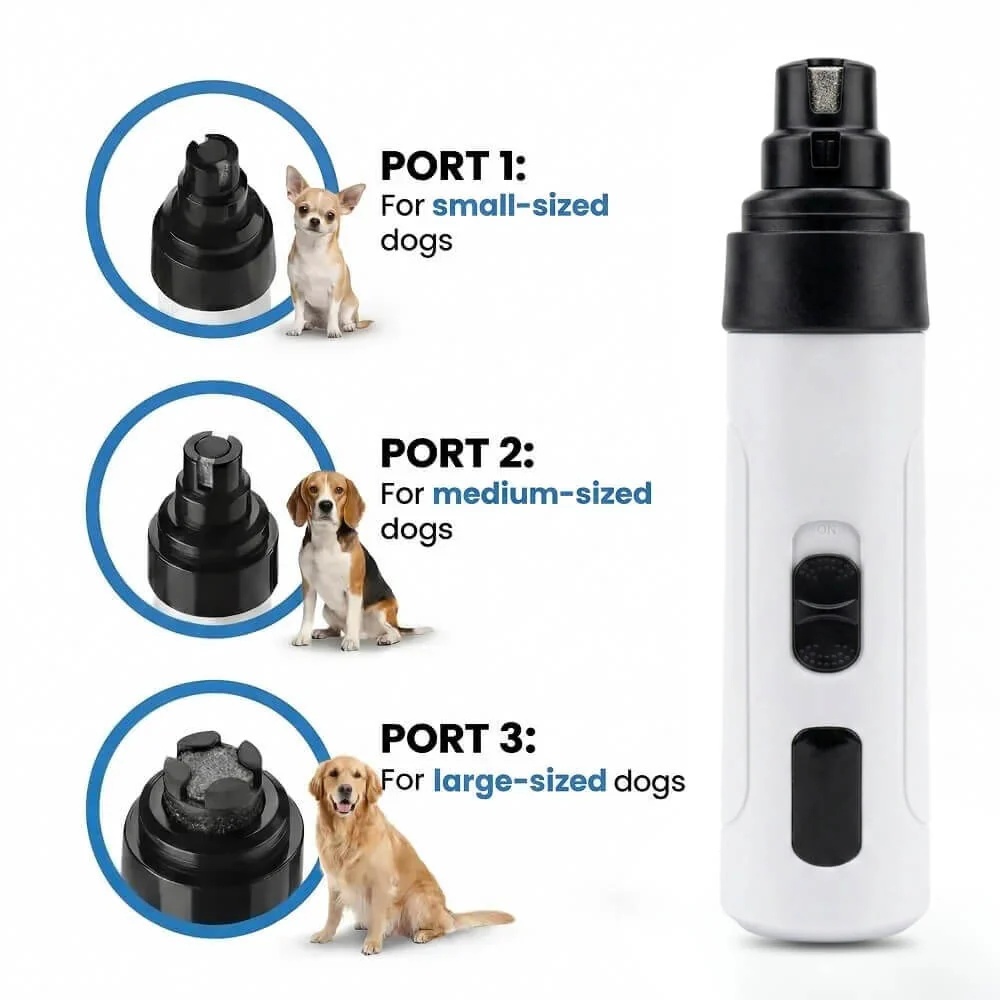
Whisper-quiet DC motor (<40 dB) eliminates fear & discomfort. Features 3 ports, dual speeds, and 7-hour battery life. Safe, precise, and painless.
In This Article
- The Biological Trigger: Discover why trimming exposes trapped microbes, moisture, and yeast inside the nail structure.
- Anatomy of the Odor: Understand how friction, heat, and natural paw sweat glands create a musty, corn chip aroma.
- Prevention & Solutions: Learn professional hygiene practices, washing techniques, and tool selections to stop the smell.
- The Zenpaw Method: See how utilizing a whisper-quiet, low-heat grinder eliminates structural micro-cracks where odor-causing bacteria thrive.
Why Do Dogs Feet Smell After Nail Trim Sessions? The Real Science Explained
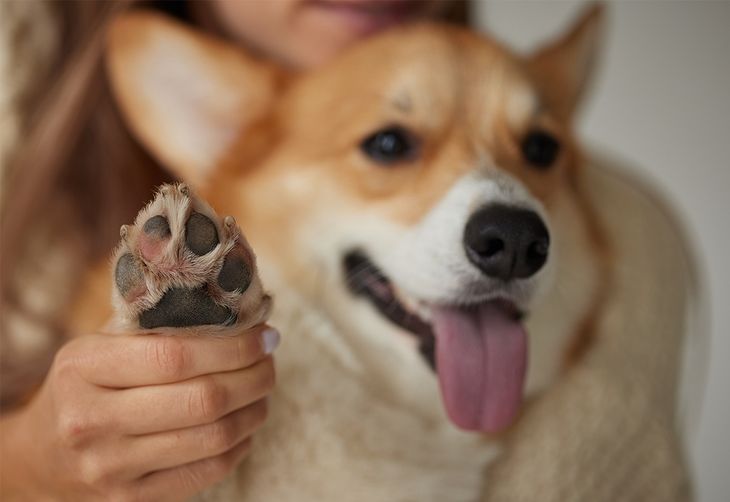
Many pet parents notice a distinct, corn-chip-like smell radiating from their dog’s paws immediately following a fresh grooming session.
This biological phenomenon occurs because the physical act of cutting or grinding the claws disrupts the hard outer keratin shell of the nail.
This disruption exposes deeply trapped pockets of moisture, naturally occurring yeast, and environmental bacteria that thrive in the dark, warm crevices of the paw.
These microbes, primarily Pseudomonas and Proteus bacteria, produce organic acid compounds as they digest microscopic skin cells and sebum.
When you trim the nail, you create a direct pathway for these trapped, odorous gases to escape into the air, while simultaneously stimulating the paw’s eccrine sweat glands due to the physical stress of the grooming process.
This combination of factors makes the paw smell particularly intense right after you finish trimming.
To solve this odor issue effectively, you must address both paw hygiene and the structural integrity of the nail itself during the grooming process.
Start by thoroughly washing your dog’s paws with an organic, pH-balanced antiseptic or anti-fungal pet shampoo before you begin trimming to clear away surface bacteria.
Ensure that the claws are completely dry before you touch them with any tools, as moisture softens the keratin and allows bacteria to penetrate deeper into the fresh cuts.
After trimming, apply a light, soothing, pet-safe balm infused with natural antibacterial ingredients like coconut oil or chamomile to seal the freshly cut claw tips and block microscopic moisture traps.
If you want to handle this safely at home, the Zenpaw Maxpro Grinder provides painless, quiet filing — explore it here.
99-Day 100% Money-Back Guarantee
“Ever since we started using the Zenpaw Maxpro Grinder, it’s been such a peaceful experience. It’s very quiet, and my dog actually relaxes. It’s turned our stressful sessions into quick, quiet grooming times.”
— Sarah M. | ✔ Verified Customer
- ✓ Prevents Infection & Splitting
- ✓ Ideal for All Dog Sizes
- ✓ Low-Vibration Technology
- ✓ Fast 2-7 Days Delivery
Need Support? Call 302-307-1000
The Microbiological Ecosystem of Your Dog’s Paw and Nail Bed
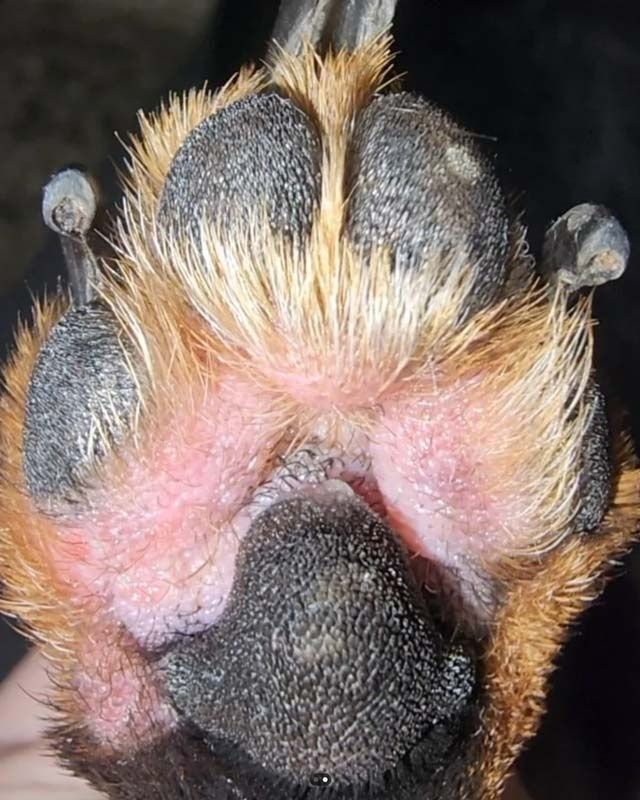
To fully comprehend why this distinct odor surfaces, we must examine the micro-ecology of the canine paw.
The skin on a dog’s paw pad is tough, but the spaces between the toes and around the nail beds are soft, warm, and constantly exposed to moisture.
Unlike humans who sweat from all over their bodies, dogs primarily dissipate heat through their tongue and the eccrine sweat glands located on their paws.
This localized perspiration creates a humid microclimate within the paw structures.
In this warm, damp environment, natural populations of bacteria and yeast live in a delicate balance.
The most common microbes present are Pseudomonas bacteria, which are famous for releasing a sweet, yeasty, or corn-chip-like smell.
There is also Malassezia, a genus of yeast that naturally populates canine skin.
When these microbes are kept dry and exposed to fresh air, their populations remain controlled and practically odorless.
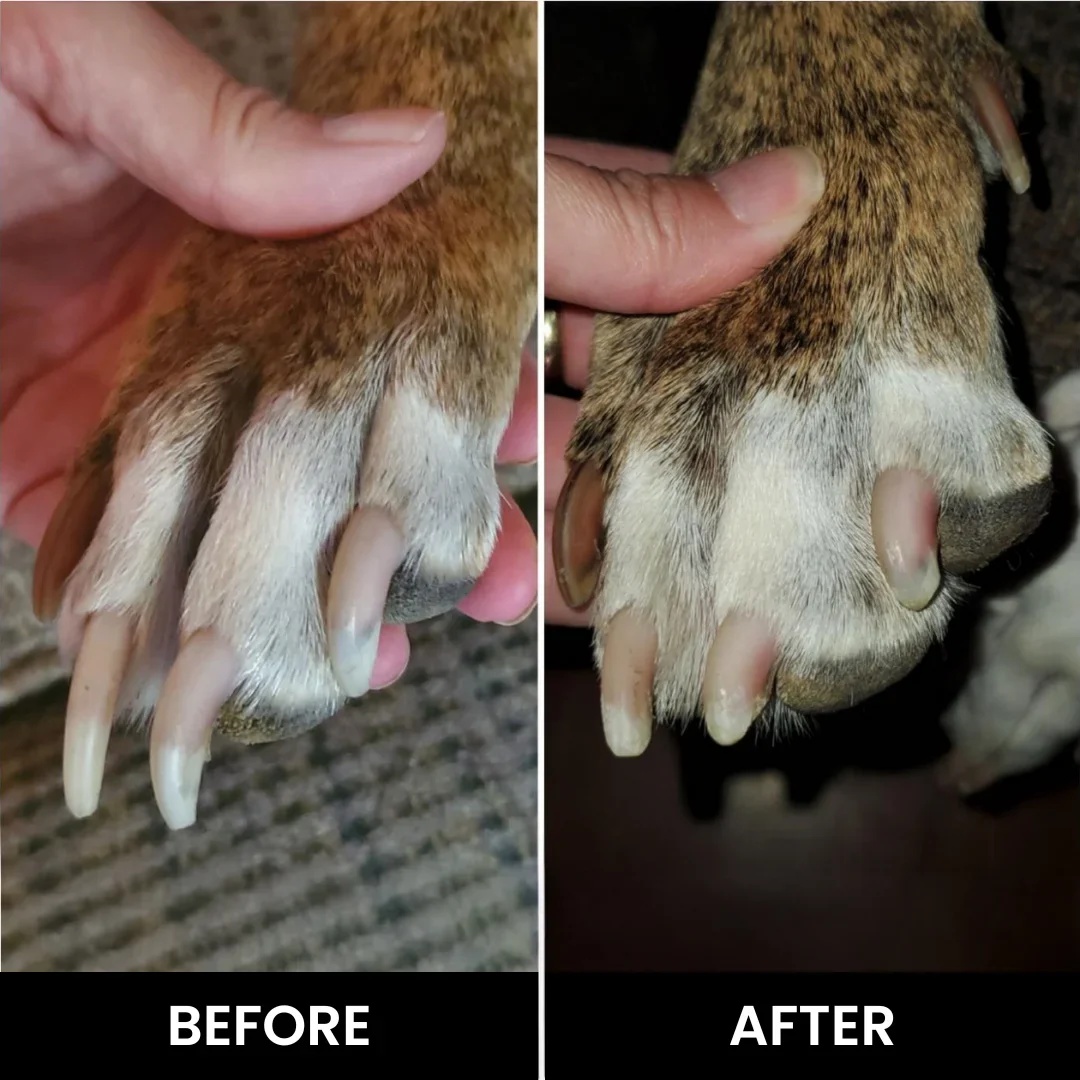
However, when nails grow long or are trimmed with blunt tools, microscopic cracks form in the nail keratin.
These cracks act as tiny capillaries, pulling in moisture, dirt, and bacteria from the ground.
Over time, this organic matter decays inside the structural layers of the nail claw.
Trimming the nail breaks open these sealed cavities, instantly releasing the built-up gasses of decay.
If the nail bed itself is compromised, you might even be dealing with a subtle, underlying paronychia dog nail infection.
This bacterial infection of the claw border causes mild inflammation and a highly concentrated, sour smell.
In more severe, chronic cases, a persistent foul odor linked with weak, crumbling claws could point to lupoid onychodystrophy in dogs.
This immune-mediated disease damages the claw structure, making it a perfect breeding ground for opportunistic, smelly bacteria.
How Frictional Heat and Structural Stress Multiply Paw Odor
The type of tool you choose to trim your dog’s claws plays a massive role in post-grooming odors.
When you use traditional scissor-style or guillotine clippers, they apply massive physical pressure to crush the hard keratin tube of the nail before slicing through it.
This crushing action causes micro-fractures that run up the shaft of the claw, opening up new pathways for yeast to invade the nail bed.
Furthermore, the sudden squeeze of the clippers can pinch the highly sensitive quick, triggering a sudden release of stress sweat from the paw pads.
Conversely, low-quality motorized grinders can spin at unstable speeds, generating intense friction and high heat on the nail tip.
This heat singes the keratin proteins and organic lipids inside the claw, creating a burnt, musty smell that mixes with the natural yeast odor.
Based on grooming feedback from over 18,587+ Zenpaw users, maintaining cool nail temperatures during filing is vital to preventing these issues.
The Zenpaw Maxpro Grinder utilizes an advanced, high-torque motor designed to file smoothly without creating structural heat spikes.
This prevents the thermal singeing of claw proteins and ensures the nail tip remains sealed, smooth, and free of microscopic cracks.
The Stress-Free Solution: How to Groom and Grind Smelly Paws at Home
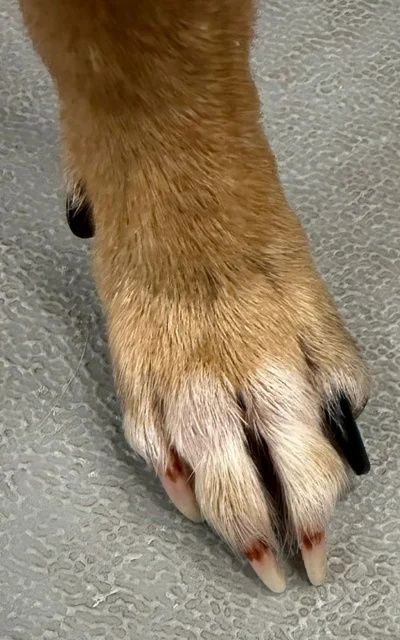
Transitioning your dog to a stress-free nail care routine is key to reducing both physiological paw sweat and structural nail damage.
Many pet parents struggle because their dog terrified of getting nails clipped will thrash, whine, and sweat profusely from their paws during sessions.
This heightened panic raises pad moisture levels, which instantly activates the yeast and bacteria to release a foul odor.
To break this cycle, you must implement a gradual, positive desensitization program using a quiet tool.
Step-by-Step Desensitization and Grinding Guide
Follow this professional protocol to safely groom your dog’s paws without inducing odor-causing stress:
- The Aromatherapy and Touch Stage: For the first three days, simply hold your dog’s paws gently without any tools nearby. Massage the areas between the toes to get them used to tactile stimulation. Reward them with high-value treats after each session.
- Sound Familiarization: Introduce the Zenpaw Maxpro Grinder by turning it on in the same room. Our ultra-quiet motor runs under 40 decibels, making it whisper-soft to avoid triggering your dog’s defense mechanisms. Feed your dog treats while the motor hums in the background so they associate the sound with positive rewards.
- Touch Without Filing: Touch the plastic body of the vibrating grinder gently to your dog’s leg and paw pads. Do not file the nails yet. This step lets them get comfortable with the physical sensation of mild vibrations without any pressure.
- The 45-Degree Filing Method: When you are ready to file, hold the grinder at a steady 45-degree angle relative to the natural growth line of the claw. Work in quick, light taps lasting no more than two to three seconds per nail. This tapping technique prevents friction heat from building up on the keratin tip.
- The Sealing Polish: Wipe the finished claws with a natural antibacterial pad to clear away the fine nail dust. Apply a thin layer of organic paw wax to create a barrier against outside moisture and bacteria.
Overcoming Risks: Why Crushing Clippers Worsen Paw Health
Using old, dull clippers is one of the most common mistakes pet owners make when trying to manage canine claw care.
Dull blades do not cut cleanly; instead, they violently squeeze and crush the nail’s layers.
This crushing force shatters the structural bond of the keratin, leaving rough, splintered edges behind.
These frayed edges catch easily on carpets, grass, and soil, tearing open the delicate nail bed and creating pockets where bacteria can settle.
If you hear your dog yelps when cutting nails, it is a clear warning sign that the tool is applying painful pressure to the quick or splitting the living tissue.
This physical trauma creates an open gateway for painful bacterial infections to develop.
Some owners assume that simply is walking on cement enough to trim dog’s nails naturally without any regular grooming sessions.
While walking on hard concrete surfaces does help wear down the tips of very active dogs’ claws, it does not clean or maintain the surrounding nail bed structure.
In fact, constant friction on dirty, public pavements can push more debris and environmental microbes deep into the crevices of the paw, worsening musty odors.
The Zenpaw Maxpro Grinder completely avoids these risks by gently shaving the nail down micron by micron, leaving behind a perfectly smooth, sealed tip.
Traditional Clippers vs. Zenpaw Maxpro 3-in-1 Grinder
To help you understand the structural differences in paw care tools, here is a detailed comparison of grooming methods:
| Grooming Feature | Traditional Metal Clippers | Cheap High-Vibration Grinders | Zenpaw Maxpro 3-in-1 Grinder |
|---|---|---|---|
| Nail Tip Structure | Crushed, split, and prone to micro-cracks | Rough, uneven, and prone to heat damage | Perfectly rounded, smooth, and naturally sealed |
| Frictional Heat Production | None, but causes high mechanical pressure | High heat, which singes proteins and smells bad | Extremely low due to advanced cold-shaving tech |
| Noise and Vibration Levels | Loud “snapping” sound that triggers anxiety | Loud, buzzing motor (often over 65dB) | Whisper-quiet operations (under 40dB) |
| Sweat and Odor Triggering | High stress induces immediate paw sweating | Medium to high stress from loud vibrations | Minimal to no stress, keeping paws cool and dry |
Frequently Asked Questions
Is the Zenpaw Grinder safe for large, thick-nailed breeds?
Yes, the Zenpaw Maxpro Grinder is specifically engineered with three distinct ports and two operational speeds to handle all dog sizes. The large port is designed to safely accommodate the thick claws of breeds like German Shepherds, Labradors, and Great Danes, while the smaller ports are perfect for toy and medium-sized breeds.
How long does the battery last on a single charge?
Our high-capacity lithium-ion battery provides up to 7 hours of continuous grooming on a single charge. It is fully rechargeable using a standard USB cable, ensuring you never have to worry about running out of power mid-session.
Which speed setting is best for beginners?
We recommend starting on the low-speed setting (first speed) when you are introducing your dog to the grinder. Once your pet is relaxed and comfortable with the light vibration, you can switch to the high-speed setting to quickly and efficiently shape thicker nails.
Does the grinder head get hot during extended use?
No, the Zenpaw Maxpro uses advanced low-heat technology combined with a premium brass collet. This design dissipates frictional heat quickly, preventing the grinding head from getting hot and ensuring a comfortable, burn-free experience for your dog’s sensitive claws.
Conclusion
Ready to transform nail trimming from a battle into a breeze? Explore the Zenpaw Maxpro 3-in-1 Grinder. Call: 302-307-1000 — our team can help you advise on the best grooming practices and help with any product questions.